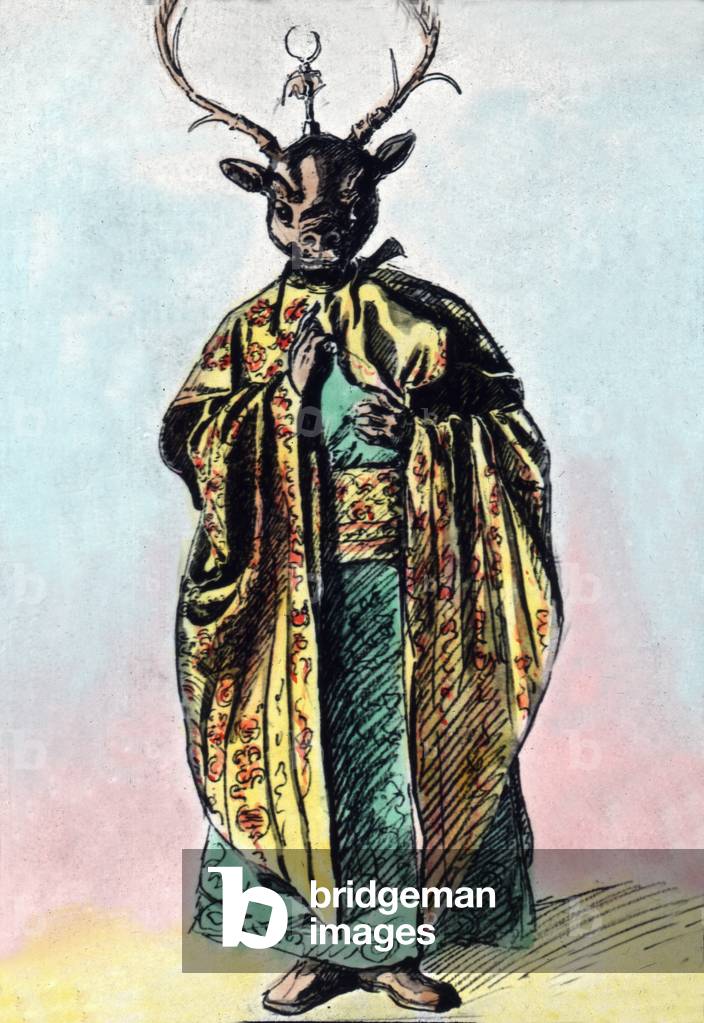
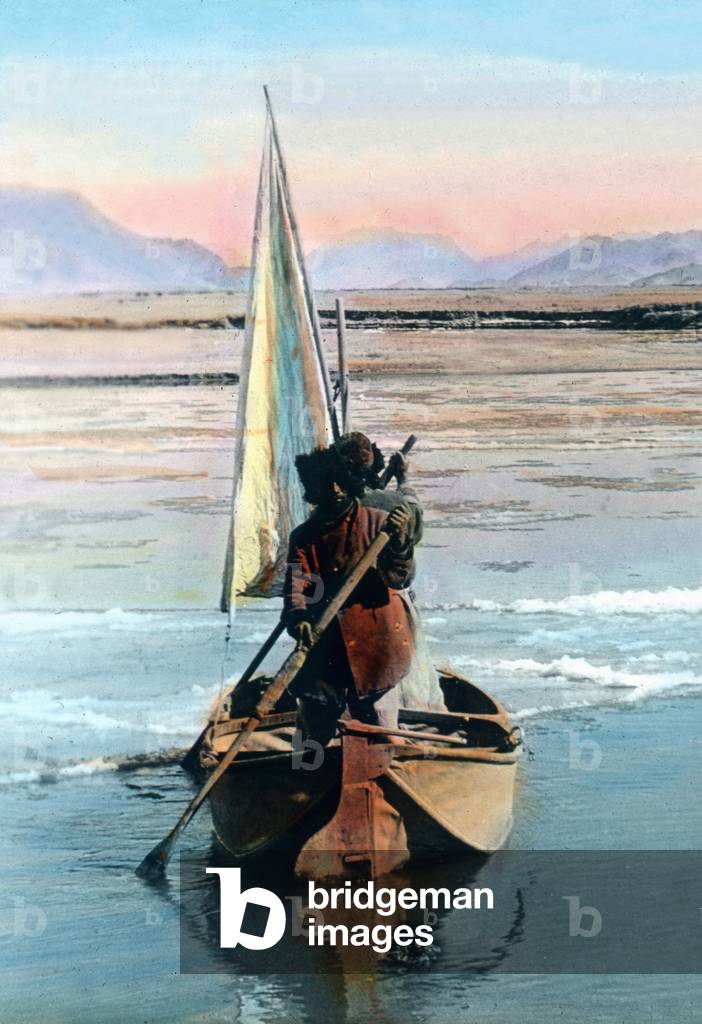
LRI4671689: Illuminated page of the Bible Cervara redigee in Hebrew, 1299-1300 (Cervera Bible is a manuscript on parchment in Hebrew language and characters executed in Cervera (Lerida, Spain) in 1299-1300) Biblioteca Nacional de Portugal, Lisbon, (Ms IL 72), Jewish School, (14th century) / Bridgeman Images
PIX4666158: Ireland seen by satellite Terra - Ireland satellite view - Image obtained on 4 January 2003. True - color Moderate Resolution Imaging Spectroradiometer (MODIS) image of Ireland taken from Terra satellite on January 4, 2003. The rugged cliffs that mark the island's west coast are showing their red - brown rocky surface, but the low - lying interior region is still wearing the island's signature green. The highest elevation in Ireland is Carrantuohill, located in the rugged terrain of the southwest tip. The bowl - like shape creates the network of lakes scattered across the island, and over time has produced peat bogs, which provide a source of fuel on the island, which is covered mostly by pasture and meadows. Ireland's largest city, Dublin, makes a purplish - gray patch peeking out from the clouds about halfway down the east coast. Belfast is more clearly visible on the coast in the northeast, due east of large Lake Neagh. One Ireland's few other large cities, Cork, is located at the mouth of the Lee River, at the mid - point of the southern shoreline / Bridgeman Images
PIX4668532: The Chateau de Montsoreau is a French castle in the Renaissance style, which rises directly along the Loire in the commune of Montsoreau in the department of Maine-et-Loire 15 kilometres from Saumur. Built in the 15th century, it was classified as Historic Monument in 1862 and is listed as a World Heritage Site of Humanity - The Chateau de Montsoreau is a Renaissance style castle directly built in the Loire riverbed in the small town of Montsoreau, in the Maine-et-Loire departement of France, close proximity to Saumur. The Chateau de Montsoreau was listed as a monument historique by the French Ministry of Culture in 1862. The Loire Valley between Sully-sur-Loire and Chalonnes has been inscribed as a UNESCO World Heritage Site since 30 November 2000 / Bridgeman Images
PIX4668668: Abbey of Fontevraud - Maine-et-Loire - Abbey of Fontevraud - Maine-et-Loire: The Abbey of Notre-Dame de Fontevraud was founded by Robert d'Arbrissel in 1101. Located 15 km from Saumur in the Maine-et-Loire, it was classified as a historical monument in 1840 and declared a UNESCO World Heritage Site in 2000 with the entire cultural site of the Loire Valley. The Royal Abbey of Our Lady of Fontevraud or Fontevrault was a monastery in the village of Fontevraud-l'Abbaye, near Saumur, in Anjou, France. It was founded in 1101 by Robert of Arbrissel. The complex of monastic buildings served as a prison from 1804 to 1963 / Bridgeman Images
PIX4667501: Antennas of a French ground station Bercenay - en - Othe - Antennas of a French ground station - Bercenay - en - Othe has been home to a teleport (space telecommunications centre) since 1978, with 18 antennas ranging from 1.5 m to 32.5 m (BY4 antenna). The main network covered is: Intelsat, Eutelsat, Arabsat, NSS, Telecom 2. Ground station for telecommunication with artificial satellites. Bercenay - en - Othe, Aube, France / Bridgeman Images
PIX4669114: La Fosse Dionne - Vauclusian source with debit varies but perpetual, modified in 1758. 14 metres wide basin with turquoise blue waters. Its name comes from the Latin “” fons divina””, the divine fountain. Thunder, Yonne, Burgundy. Fosse Dionne is a natural water source. In 1758 it was converted into a washing place where women did the laundry. Thunder, Yonne, Burgundy, France / Bridgeman Images
PIX4667159: Europe at night - 2012 - Europe by night - 2012: View of Europe at night consisting of images taken by the Suomi NPP satellite in April and October 2012. This image of Europe at night is a composite assembled from data acquired by the Suomi NPP satellite in April and October 2012 / Bridgeman Images
PIX4667593: Cirque de Moureze - Herault - Cirque de Moureze - Herault - France - Dolomitic circus or erosion has shaped a ruiniform landscape with extraordinary shapes. This dolomitic landscape near Clermont - l'Herault, shows the process of water erosion on the rock, creating ruiniform reliefs / Bridgeman Images
PIX4668518: Montsoreau - Maine-et-Loire: The Chateau de Montsoreau is a French castle in the Renaissance style, which rises directly along the Loire in the commune of Montsoreau in the department of Maine-et-Loire 15 kilometres from Saumur. Built in the 15th century, it was classified as Historic Monument in 1862 and is listed as a World Heritage Site of Humanity - The Chateau de Montsoreau is a Renaissance style castle directly built in the Loire riverbed in the small town of Montsoreau, in the Maine-et-Loire departement of France, close proximity to Saumur. The Chateau de Montsoreau was listed as a monument historique by the French Ministry of Culture in 1862. The Loire Valley between Sully-sur-Loire and Chalonnes has been inscribed as a UNESCO World Heritage Site since 30 November 2000 / Bridgeman Images
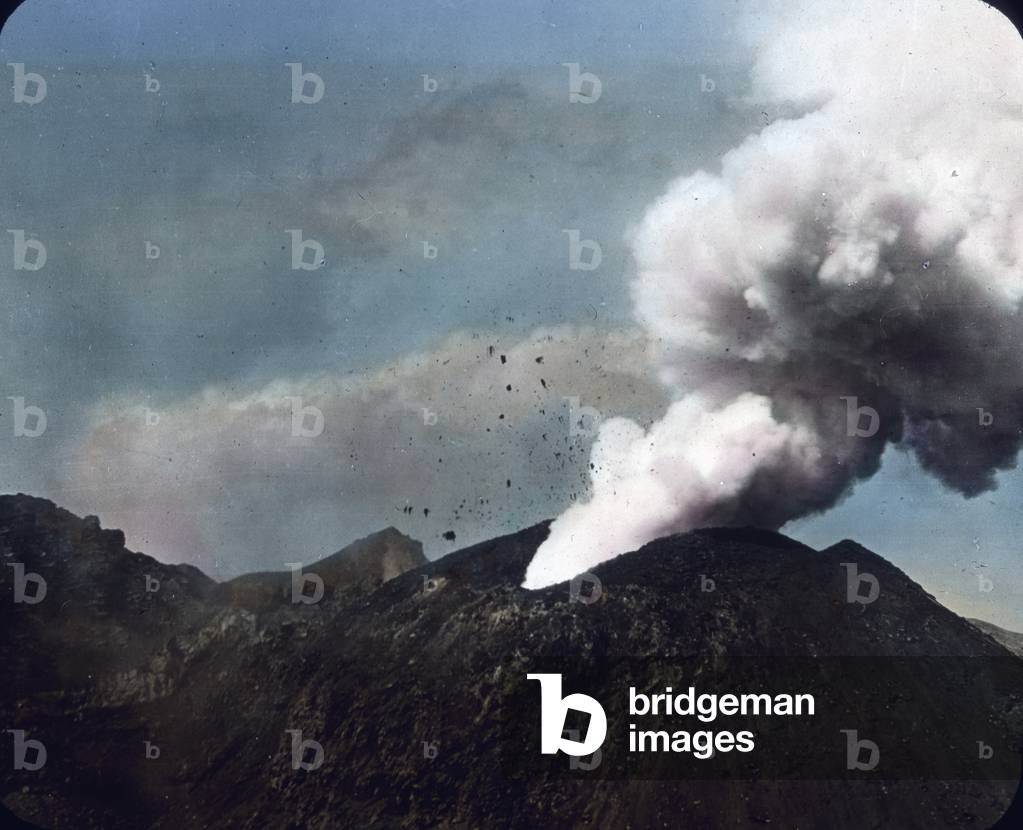
PIX4666321: Kerlingarfjoll hot springs in Iceland - Kerlingarfjoll hot springs in Iceland - The Kerlingarfjoll Mountains are located on the crack zone of the Atlantic Ridge that runs through Iceland. These volcanoes are home to many hot springs. Kerlingarfjoll mountains in Iceland are part of a large volcano system with numerous hot springs / Bridgeman Images
PIX4665706: First public clock of Paris - Paris oldest public clock - First public clock of Paris, commissioned in 1371 by Charles V, redone and decoree under Henri III. It is located on the Clock Tower, at the corner of Boulevard du Palais and Quai de l'Horloge. She's not working anymore and she's lost her needles. Paris 'first clock is on the wall of the Concierge and was built in 1370 / Bridgeman Images
PIX4665629: N* 19 du Cherche - Midi in Paris - N* 19 Rue du Cherche - Midi in Paris - The medallion of n* 19 was made to mark a watchmaker's shop, installed on the ground floor of the building in 1874. He would have been inspired by a sign attested to 1675 “” where he saw himself painted a dial and people looking for noon to 14 pm”. This sign would have given its name to the street (formerly rue des Vieilles - Tuileries). An astronomer looking for the twelfth hour on a sundial / Bridgeman Images