2497525 Search Results

CH990012: A Drapery Study for a Virgin Annunciate, (black chalk, pen and ink on brown paper), Botticini, Francesco (c.1446-97) / Bridgeman Images

CH990015: The Head of Christ in Profile to the Right, (black and white chalk), Strozzi, Bernardo (1581-1644) / Bridgeman Images

CH990027: The Archangel Gabriel Kneeling to the Right, study for an Annunciation, (black and white chalk), Empoli, Jacopo Chimenti (1551-1640) / Bridgeman Images

CH990033: Portrait of Miss Elizabeth Keating playing her Guitar, 1816 (black lead on paper), Ingres, Jean Auguste Dominique (1780-1867) / Bridgeman Images

CH990039: A Young Woman Holding a Fruit Basket, (pen and brown ink), Guercino (Giovanni Francesco Barbieri) (1591-1666) / Bridgeman Images

CH990048: An Augustine Monk reading an Anthiphonary (oil on panel), Vergos, Pau (c.1465-95) / Bridgeman Images

CH990063: Portrait of Maria Amalia, standing three-quarter length, wearing an embroidered gown (oil on canvas), Desmarees, Georg (1697-1776) (circle of) / Bridgeman Images

CH990123: The Dream of Allesandro Farnese, (oil on canvas), Tintoretto, Jacopo Robusti (1518-94) / Bridgeman Images

CH990126: Christ nailed to the Cross with a Donor with his Arm in a Sling presented by a Priest (tempera on panel), Master of the Pavia Deposition (fl.1510) / Bridgeman Images

CH990138: A Village in Winter with a Birdtrap and Skaters on a frozen waterway, (oil on panel), Brueghel, P. the Younger (c.1564-1638) (attr. to) / Bridgeman Images

CH990171: The Virgin and the Child, (oil on panel), Flemish School, (16th century) / Bridgeman Images

CH990201: Chinese and Egyptian Geese and other birds in a Landscape with Ruins nearby, (oil on canvas), Hondecoeter, Melchior de (1636-95) / Bridgeman Images

CH990210: Portrait of Louis-Marie-Joseph, Comte de Brigode, Pairde France (oil on canvas), Gros, Baron Antoine Jean (1771-1835) / Bridgeman Images

CH990225: Portrait of Maria Josepha, Queen of Poland, standing three-quarter length, (oil on canvas), Silvestre, Louis de (1675-1760) / Bridgeman Images

CH990252: A Basket of Fruit on a Draped Table, c.1635 (oil on canvas), Utrecht, Adriaen van (1599-1652) / Bridgeman Images

CH990264: A View of Rome along the Tiber, with the Church of San Giovanni dei Fiorentini beyond, (oil on canvas), Bellotto, Bernardo (1720-80) / Bridgeman Images

CH990324: An Allegory of Love - Putti disporting in a Landscape, (oil on canvas), Jeaurat, Etienne (1699-1789) / Bridgeman Images

CH990342: Alpheus and Arethusa, (oil on canvas), Maratti, Carlo (1625-1713) / Bridgeman Images

CH990363: A Study for a Neo-Classical Helmet, (oil on canvas), French School, (19th century) / Bridgeman Images

CH990390: Napoleon crowning Josephine (oil on canvas), David, Jacques Louis (1748-1825) (after) / Bridgeman Images

CH990411: A Lute Player (oil on canvas), Brugghen, Hendrick Ter (1588-1629) / Bridgeman Images

CH990414: A Young Man, bust length, in a Grey Jacket, (oil on unlined canvas), Sweerts, Michael (1618-64) / Bridgeman Images

CH990429: A Plate with Prawns and a Roll and Bowl with Olives, (oil on copper), Es, Jacob Foppens van (c.1596-1666) / Bridgeman Images

CH990459: Portrait of a Seated Japanese Lady, circa 1860s (ambrotype, balsa-wood case), Unknown photographer, (19th century) / Bridgeman Images

CH990510: Figures in the Park, c.1895-97 (monotype in colours on Japan paper), Prendergast, Maurice Brazil (1858-1924) / Bridgeman Images

CH995687: Havana Bay, Cuba, c.1854-61 (oil on canvas), Brownell, Charles de Wolfe (1822-1909) / Bridgeman Images

CH996355: Namban Christian portable shrine, designed to contain a religious statuette, Momoyama period (lacquer) (see also 996356-7), Japanese School, (16th century) / Bridgeman Images

CH996364: On the Beach (oil on panel), Hutchison, Robert Gemmell (1855-1936) / Bridgeman Images

CH1074067: Moulinie openface keywound cylinder pocketwatch, Geneve, engraved June 30 1846 (gold), Swiss School, (19th Century) / Bridgeman Images

CH1065824: Highly important La Tene warrior fibula, detail (gold) (see also 1065822-7), Celtic, (3rd century BC) / Bridgeman Images

CH1066109: Mounted Arab Falconer (bronze), Mene, Pierre Jules (1810-79) / Bridgeman Images

CH1066182: Studies of huskies' heads (oil on canvas), Goddard, George Bouverie (1832-86) / Bridgeman Images

CH985580: A Hukin and Heath two-handled bowl with hinged cover, 1879 (), Dresser, Christopher (1834-1904) / Bridgeman Images

CH985757: Map of the Americas, 1744 (engraving), Seutter, Georg Matthäus (1678-1757) / Bridgeman Images
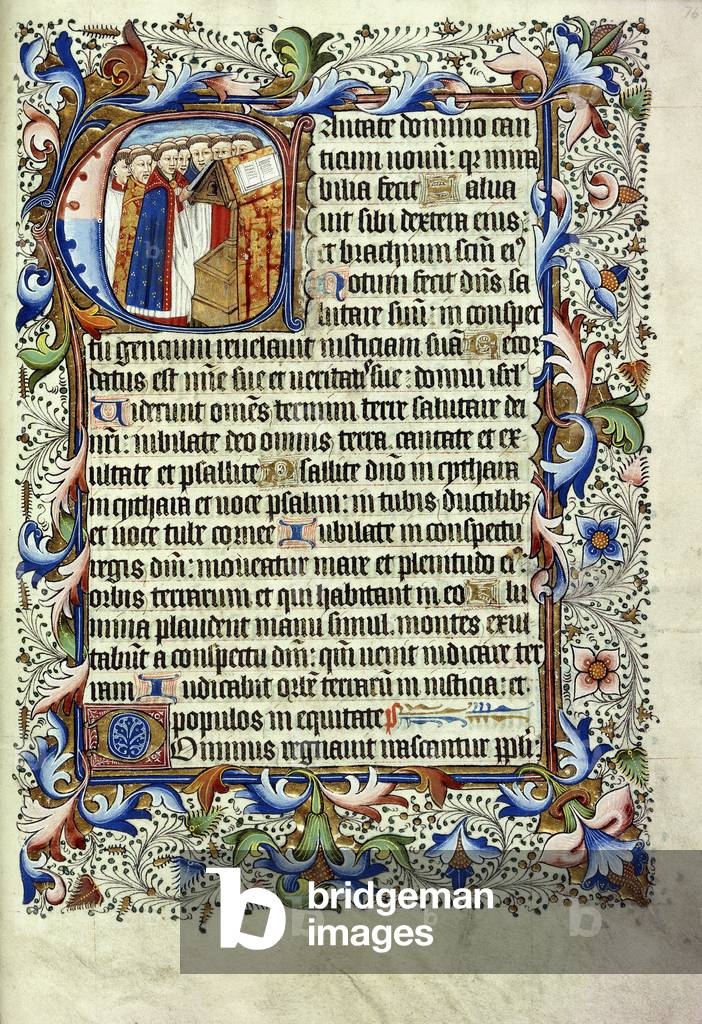
CH985949: A page from a psalter in Latin, with a historiated initial depicting a group of monks standing before a lectern chanting, c.1455 (illuminated manuscript on vellum), English School, (15th century) / Bridgeman Images
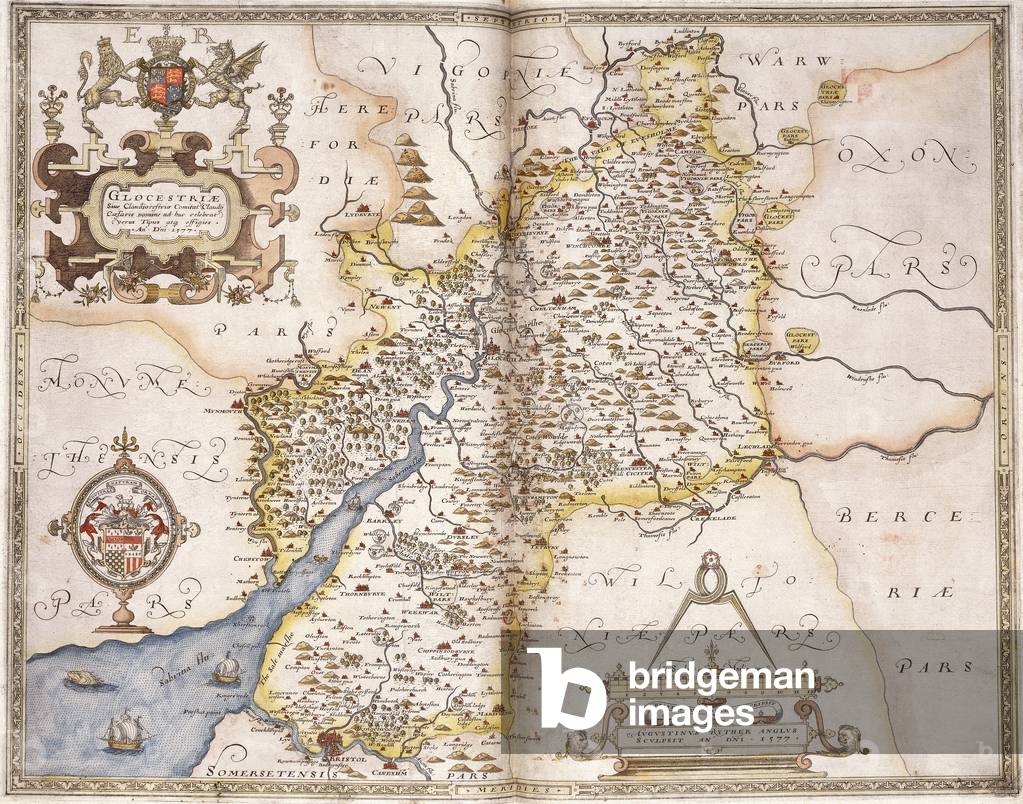
CH985997: Gloucester(shire), 1579 (hand-coloured engraving), Saxton, Christopher (c.1542-c.1610) / Bridgeman Images
