2497570 Search Results

GHL1788040: Becontree Estate: King George VI and Queen Mary visit Becontree Estate, 1923 (b/w photo), English Photographer, (20th century) / Bridgeman Images
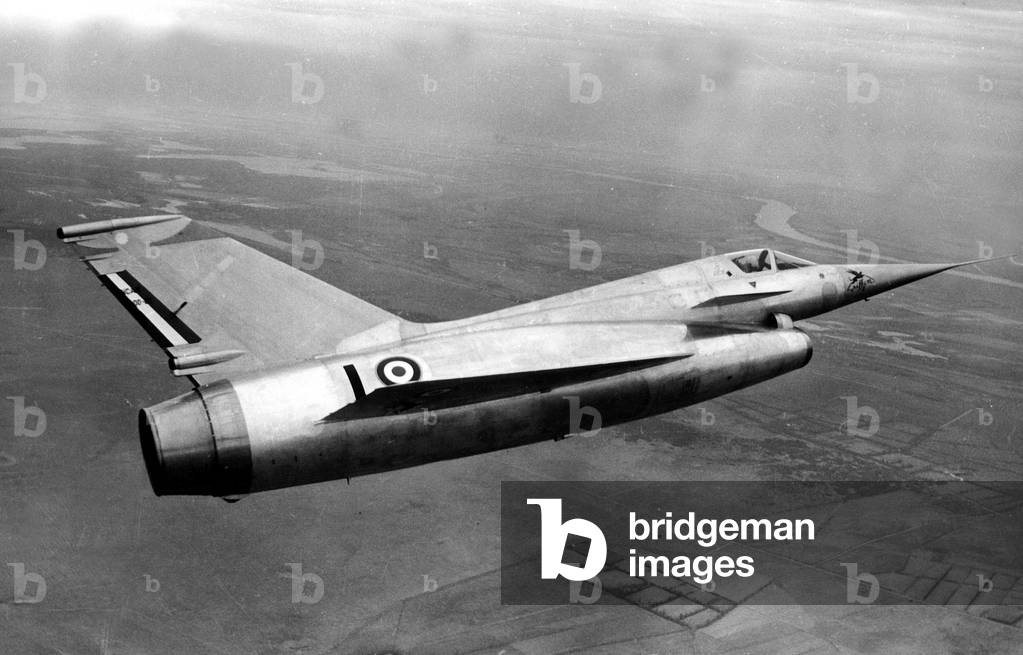
TAD1753244: French military airplane Griffon able to fly over Mach 2 1957 France, Unknown photographer, (20th century) / Bridgeman Images
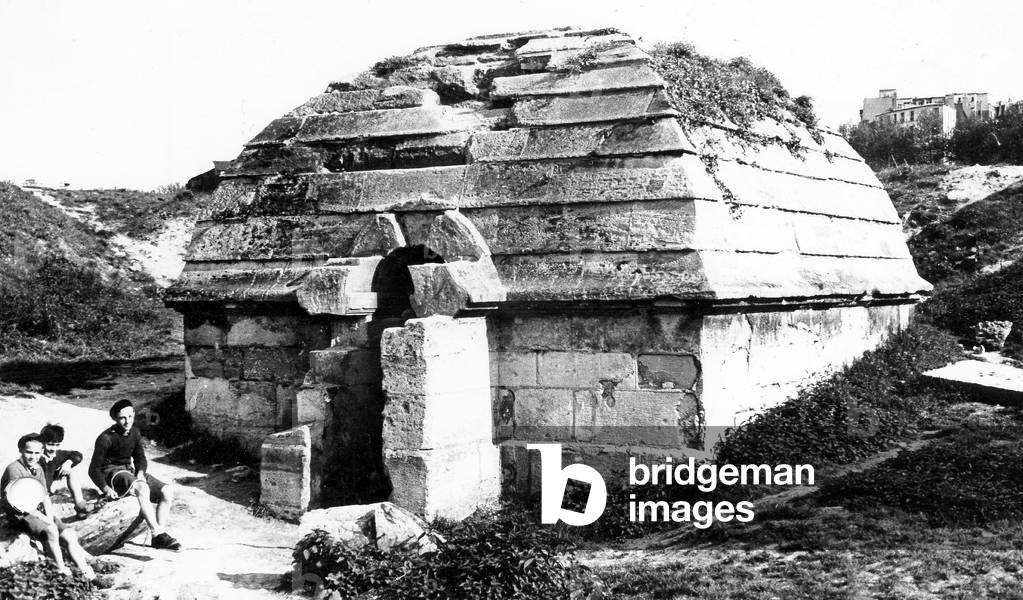
TAD1754118: covered water well dating from the 18th century, in Paris may 1946, Unknown photographer, (20th century) / Bridgeman Images

TAD1755647: President Franklin Roosevelt and king of Egypt Faruq february 13-15, 1945 (photo), Unknown photographer, (20th century) / Bridgeman Images

TAD1755928: outskirts of Cherbourg la Hague (France) : the coastal road of St Germain des Vaux, postcard, 50's, Unknown photographer, (20th century) / Bridgeman Images

TAD1756376: 1st year students at Charles University in Prague in 1947, Unknown photographer, (20th century) / Bridgeman Images
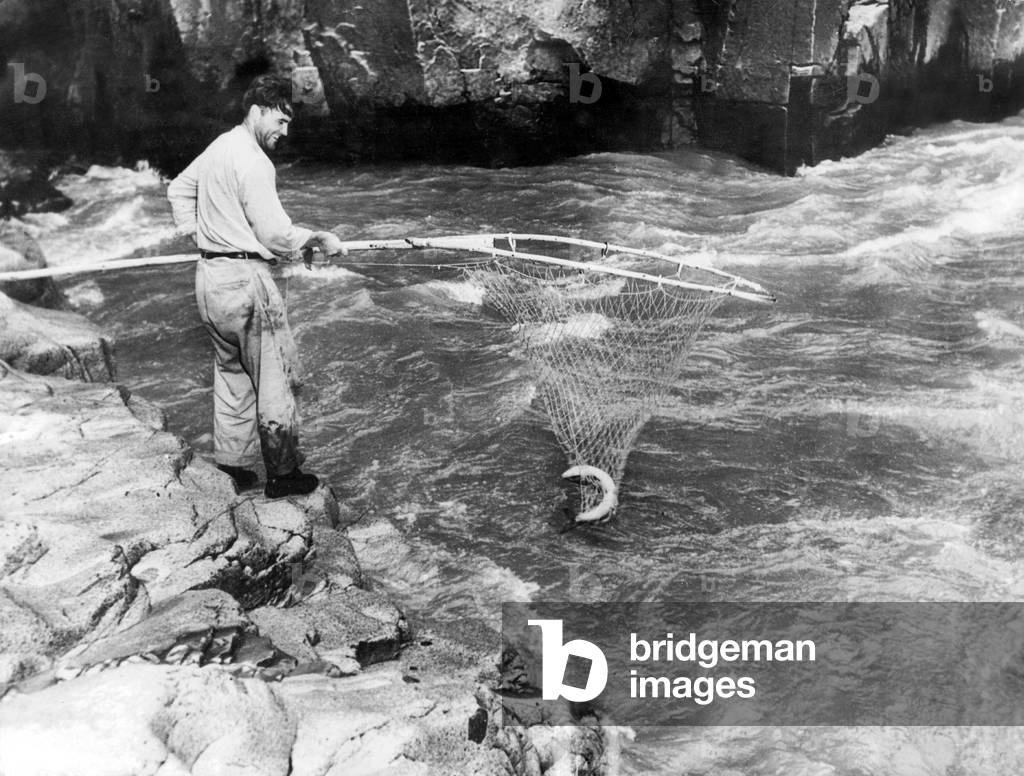
TAD1747568: Salmon fishing in the torrent c. 1950, USA, Unknown photographer, (20th century) / Bridgeman Images

TAD1748205: Janet Nessik, employee of the Dupont Company, weighs a half ounce of nylon yarn, enough to make one pair of women's hose, Unknown photographer, (20th century) / Bridgeman Images

TAD1748250: street scene in Tokyo, Japan, Unknown photographer, (20th century) / Bridgeman Images
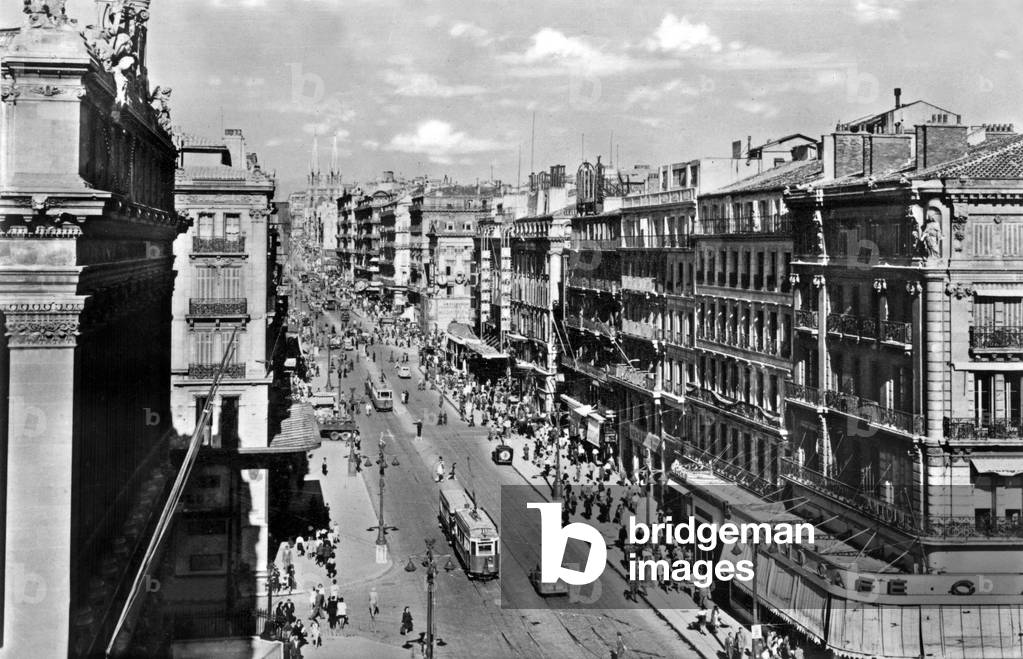
TAD1751691: Generale View of the Canebiere in Marseille 50's, Unknown photographer, (20th century) / Bridgeman Images

XRH1734744: Works in area of Trocadero in Paris for 1937 world fair : destruction of former Trocadero palace to build the "palais de Chaillot", Unknown photographer, (20th century) / Bridgeman Images

XRH1735557: Middle Congo, around Brassaville. Type Bacongo, Unknown photographer, (20th century) / Bridgeman Images
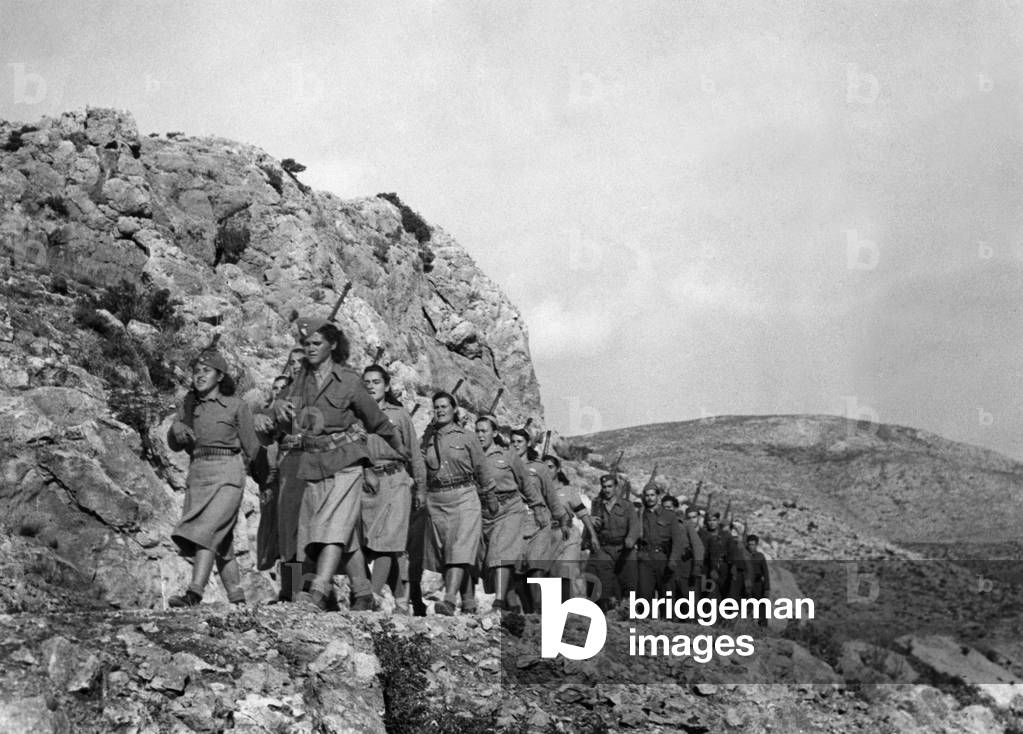
XRH1736000: A mixed patrol of men and women passing through the hilly country near Athens. October 19th, 1944., Unknown photographer, (20th century) / Bridgeman Images
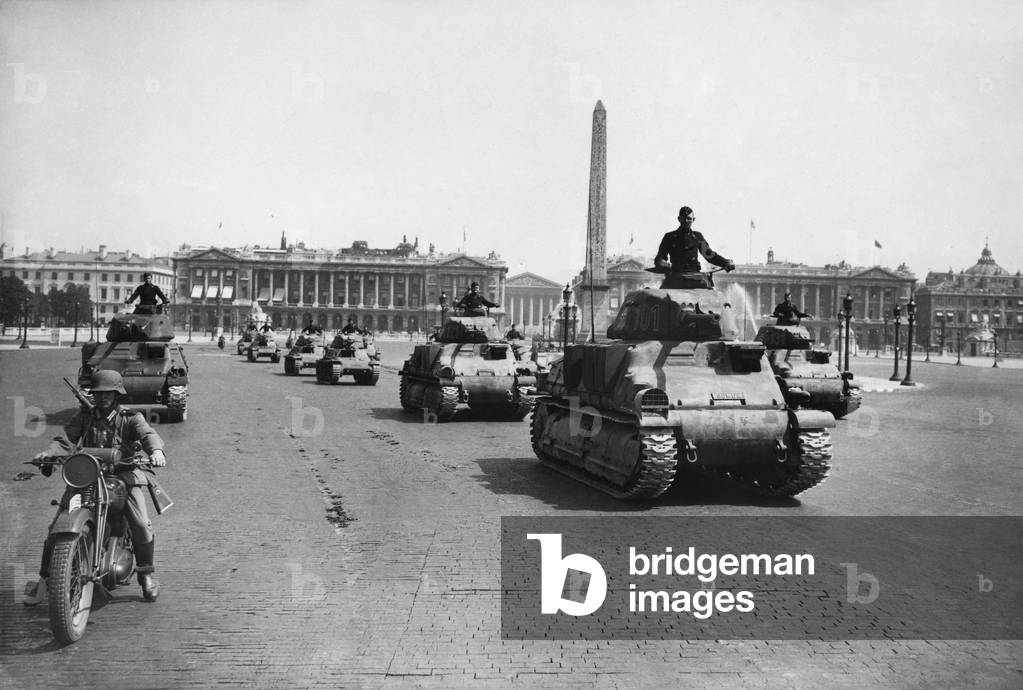
XRH1740496: Occupation, Paris, 1941 : German tanks on Concorde square (tanks are French Somua, re-used by Germans), Unknown photographer, (20th century) / Bridgeman Images

GHL1786164: Statue of Hypater, Drapers' Hall, Throgmorton Avenue, City of London, 1977 (b/w photo), English Photographer, (20th century) / Bridgeman Images

GHL1786183: 5 Watling Court, City of London, 1971 (b/w photo), English Photographer, (20th century) / Bridgeman Images

GHL1786190: Battersea Rise: Battersea Rise House, school room, London, 1907 (b/w photo), English Photographer, (20th century) / Bridgeman Images

GHL1786233: Nine Elms Lane: brick tile yard, London, 1906 (b/w photo), English Photographer, (20th century) / Bridgeman Images

GHL1786262: Forsyth Street: looking south, London, 1904 (b/w photo), English Photographer, (20th century) / Bridgeman Images

GHL1786273: Dickens Estate, Hickman's Folly: Gutteridge Court, 1925 (b/w photo), English Photographer, (20th century) / Bridgeman Images

GHL1786277: London Bridge Station, Joiner Street: tunnel under London Bridge Station, 1930 (b/w photo), English Photographer, (20th century) / Bridgeman Images

GHL1786308: Tooley Street with horses and carts, London, 1910 (b/w photo), English Photographer, (20th century) / Bridgeman Images

GHL1786314: Tooley Street with horses and carts, London, 1914 (b/w photo), English Photographer, (20th century) / Bridgeman Images

GHL1786326: Bethnal Green Road, Bethnal Green, London, 1905 (b/w photo), English Photographer, (20th century) / Bridgeman Images

GHL1786356: Hat and Feathers, Clerkenwell Road: corner of Clerkenwell Road and Goswell Road by Old Street, London, 1906 (b/w photo), English Photographer, (20th century) / Bridgeman Images

GHL1786366: Two Brewers, Church Street: general view, 1930 (b/w photo), English Photographer, (20th century) / Bridgeman Images

GHL1786377: Clark's College, 117 Stamford Hill: Market Parade and Clark's College, London, 1911 (b/w photo), English Photographer, (20th century) / Bridgeman Images

GHL1786385: Upper Mall: Sussex House, entrance, London, 1910 (b/w photo), English Photographer, (20th century) / Bridgeman Images

GHL1786409: Little Wild Street: derelict site, 1903 (b/w photo), English Photographer, (20th century) / Bridgeman Images

GHL1786419: Tottenham Court Road: looking north from New Oxford Street, 1912 (b/w photo), English Photographer, (20th century) / Bridgeman Images

GHL1786468: East India Dock Road: by East India Dock Gates, 1919 (b/w photo), English Photographer, (20th century) / Bridgeman Images
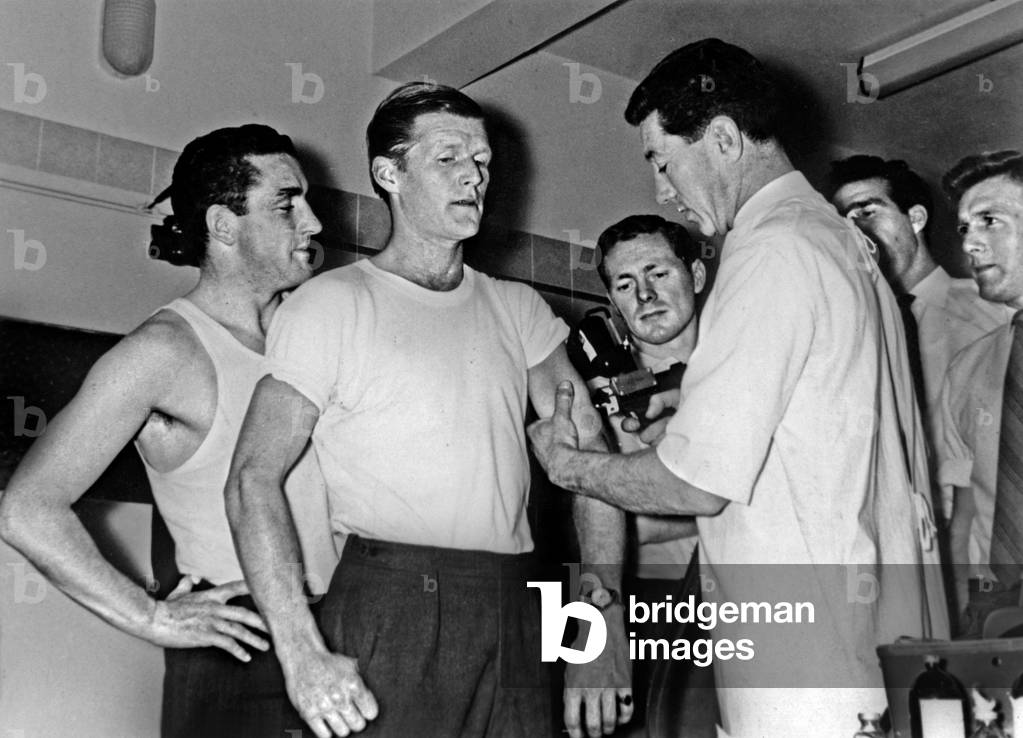
XRH1702985: doctor vaccinating football player Peter Backer, with Mac Kay, Allen, Norman and Medwin, against the flu with compressed air gun October 20, 1962, Unknown photographer, (20th century) / Bridgeman Images

XRH1703203: American Actress Suzy Parker in 1959, Unknown photographer, (20th century) / Bridgeman Images

XRH1704308: rubber conversion fActory of the Firestone tyre company in Harbel on armington river, in Liberia, Unknown photographer, (20th century) / Bridgeman Images

XRH1702698: Argentina events : riots during the CGT (Confederacion General de trabajo) trade union strike to oblige the government to increase wages and lower the prices , strike countered by peronists , August 8, 1962, Unknown photographer, (20th century) / Bridgeman Images

XRH1703520: Meharists drink their camels in a pond in Imtam, Syria in 1940 -Soldier of the French Camel corps in Imtam, Syria in 1940, Unknown photographer, (20th century) / Bridgeman Images
