2497532 Search Results
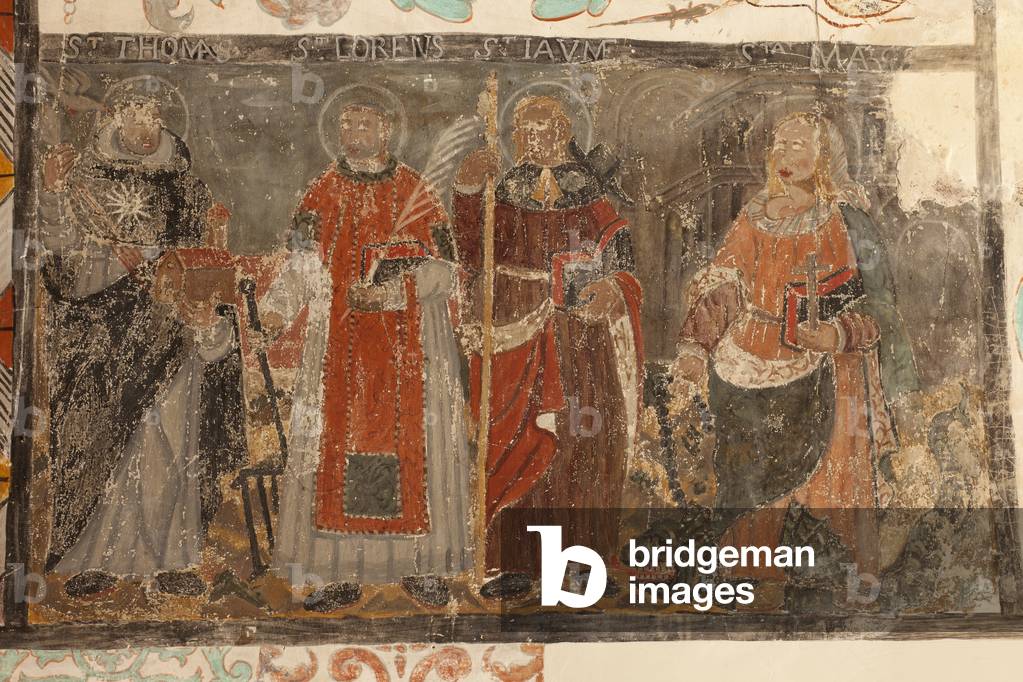
MAE6269888: Parish church (Església de la Mare de Déu de Solers). Interior. The naves. Mural paintings. Detail. 16th century (?)., French School, (16th century) / Bridgeman Images

KWE6266119: Columbia, South Carolina, USA after 1865 fire (b/w photo), Barnard, George N. (1819-1902) / Bridgeman Images

KWE6266151: Maximilian I, Holy Roman Emperor / Bridgeman Images

KWE6266186: Bird Concert (engraving), Saftleven, Cornelis (1607-81) (after) / Bridgeman Images

KWE6266204: Drying hay in the wind / Bridgeman Images
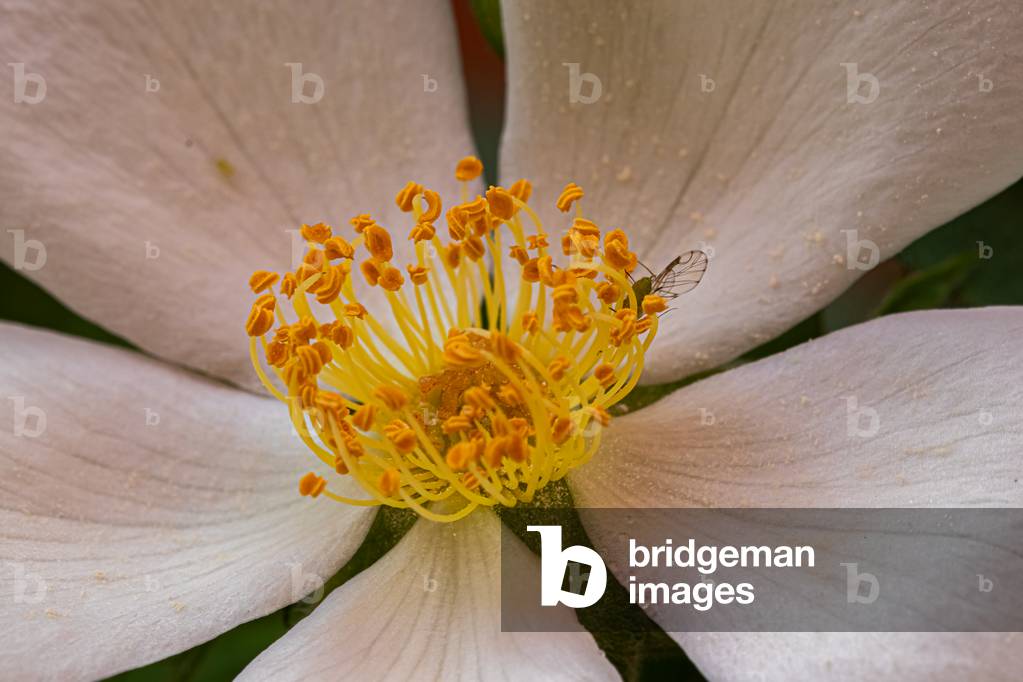
SUI6268073: My rose, Dijon, France, May 2020 (photo), Rouillard, Stephane / Bridgeman Images
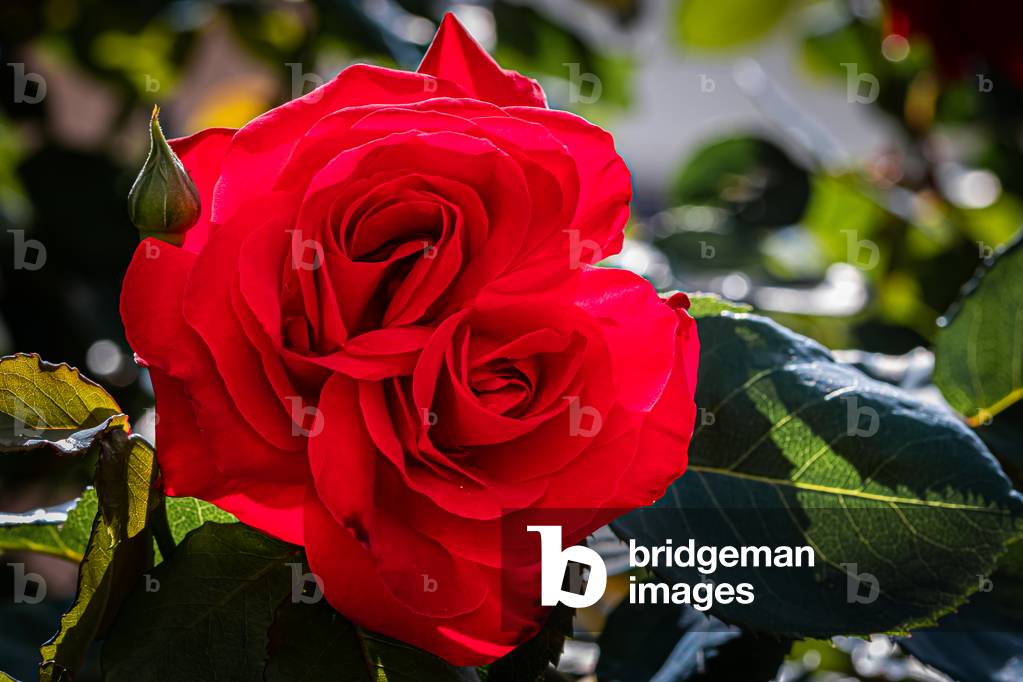
SUI6268092: My rose, Dijon, France, April 2020 (photo), Rouillard, Stephane / Bridgeman Images

KWE6266236: Greenwich hospital, 1751 / Bridgeman Images

KWE6266245: The Duomo, Florence, 1750 / Bridgeman Images

KWE6266260: Royal Palace, Madrid, Spain 1752 / Bridgeman Images

KWE6266271: Shields of the twelve tribes of Israel / Bridgeman Images
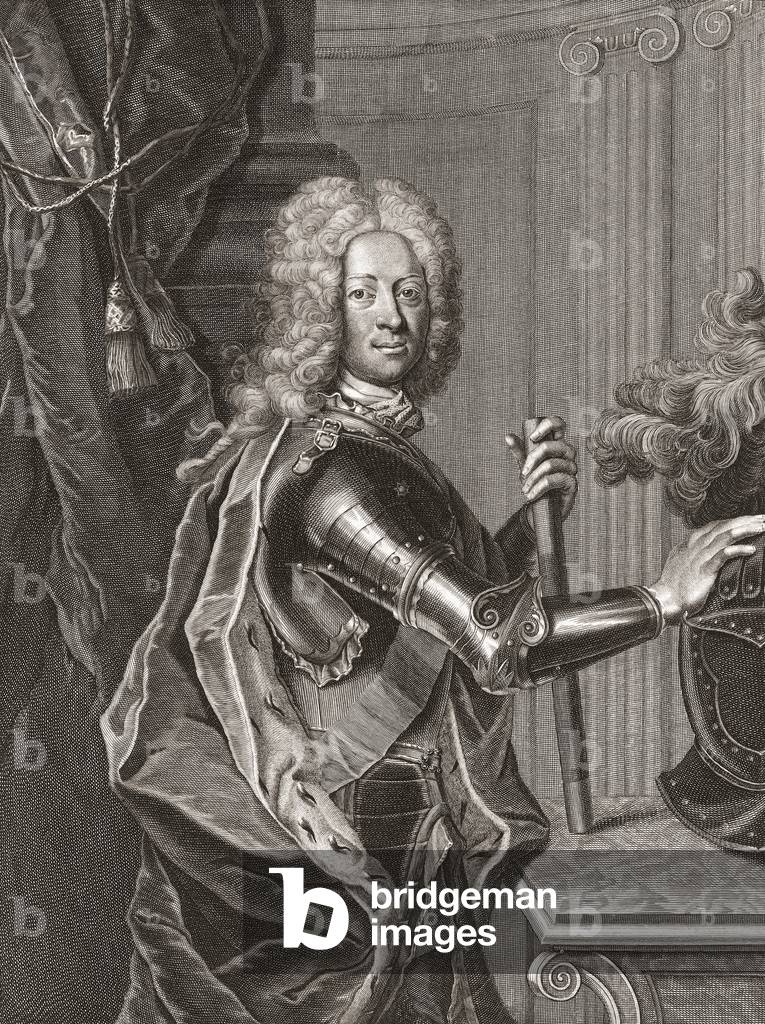
KWE6266290: Frederick, Prince of Wales, 1707-1751 / Bridgeman Images

KWE6266301: Battle of Piombino, Italy, 1555 / Bridgeman Images
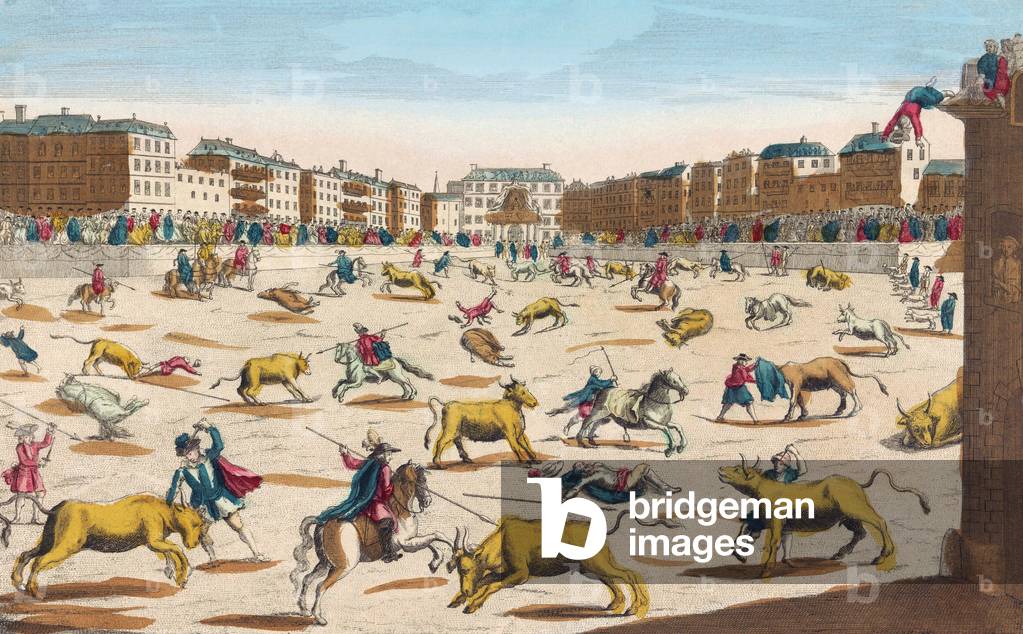
KWE6266334: Bullfight, Plaza Mayor, Madrid in 18th century (engraving) / Bridgeman Images

MAE6267466: Tapestry showing the Conquests of king Alfonso V of Portugal (Conquistas de Alfonso V de Portugal), Tournai. Detail. (Wool and silk), Flemish School, (15th century) / Bridgeman Images
SUI6268113: Damsel nigella, Dijon, France, April 2020 (photo), Rouillard, Stephane / Bridgeman Images

KW6266793: Monument to the Discoveries, Lisbon, Portugal, 2013 (photo), Almeida, Leopoldo Neves de (1898-1975) / Bridgeman Images
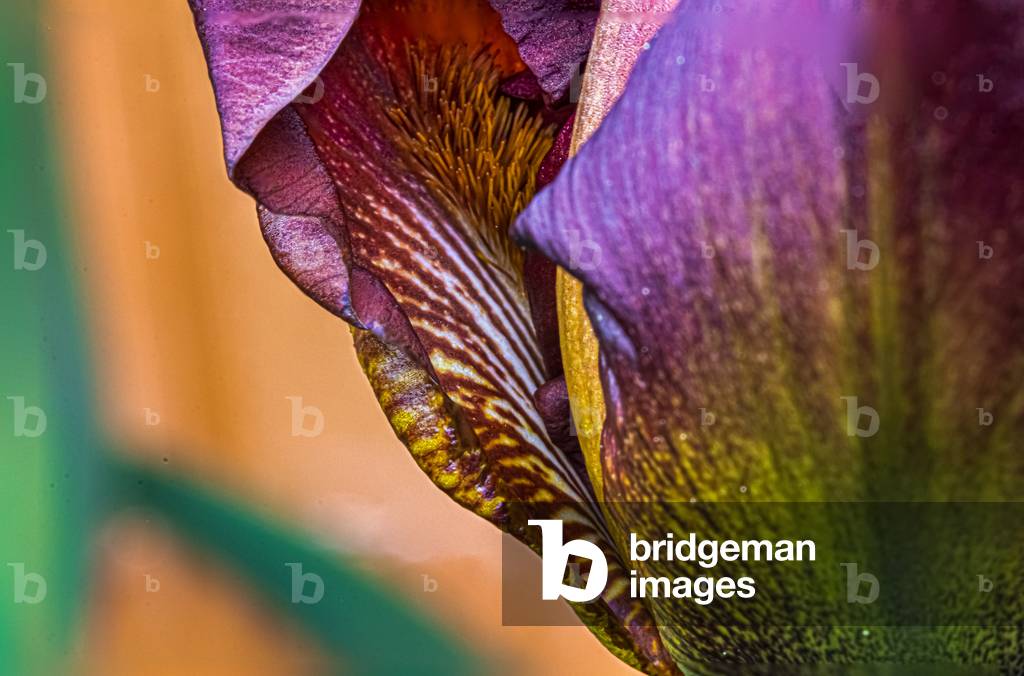
SUI6268090: Iris, Dijon, France, April 2020 (photo), Rouillard, Stephane / Bridgeman Images
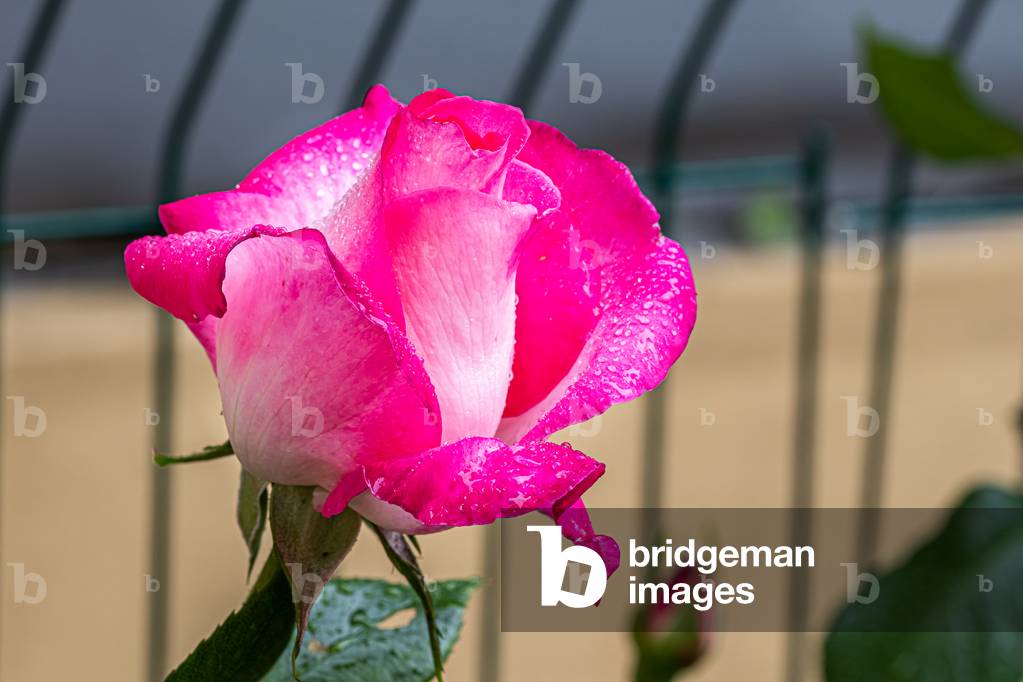
SUI6268107: My rose, Dijon, France, May 2020 (photo), Rouillard, Stephane / Bridgeman Images
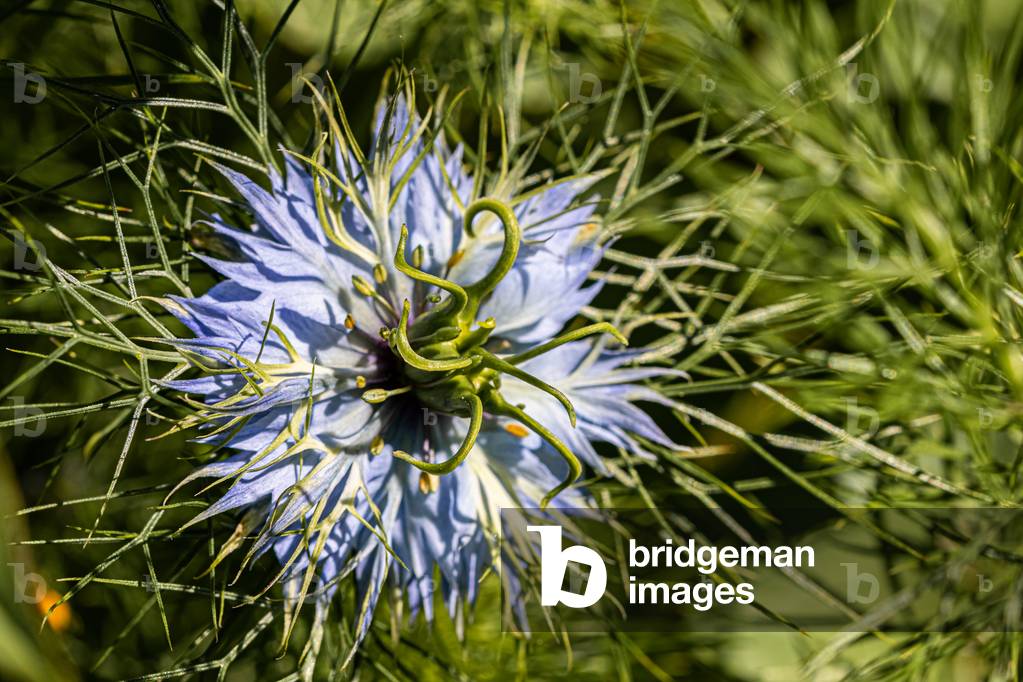
SUI6268115: Damsel nigella, Dijon, France, April 2020 (photo), Rouillard, Stephane / Bridgeman Images
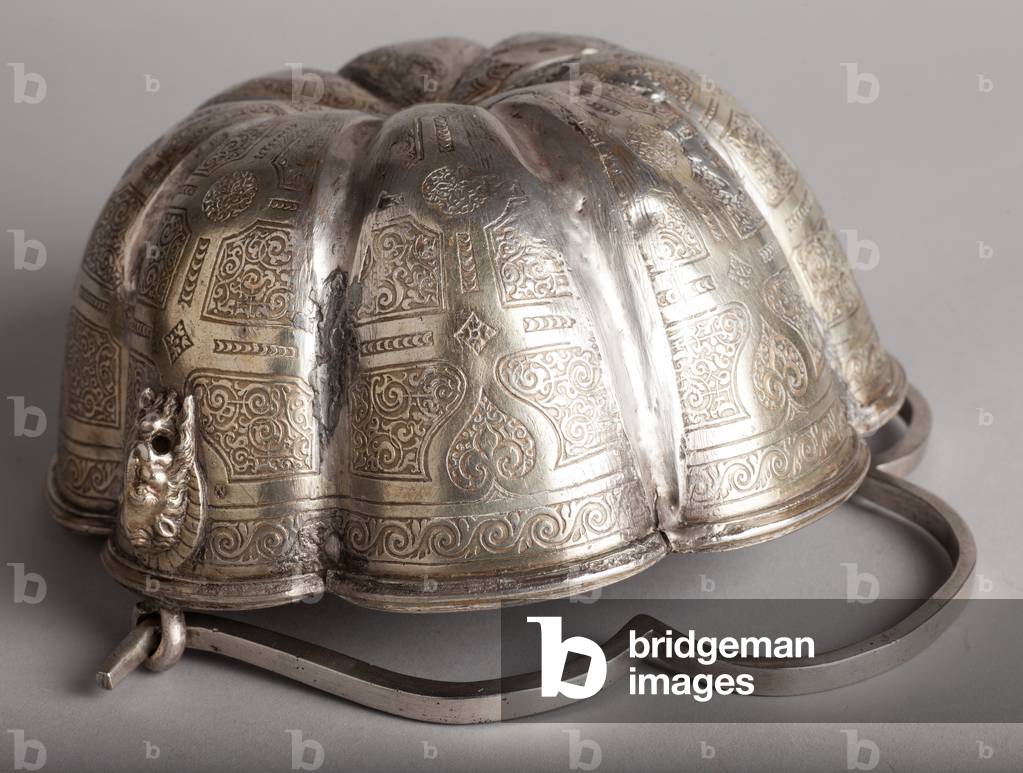
MAE6267394: Parish museum. Situla and aspergillum. Silversmithing. Nüremberg. 1570 - 1585. / Bridgeman Images

WDM6269161: Small Persian Rice Dish, back, 1888-1907 (ceramic), Morgan, William De (1839-1917) / Bridgeman Images
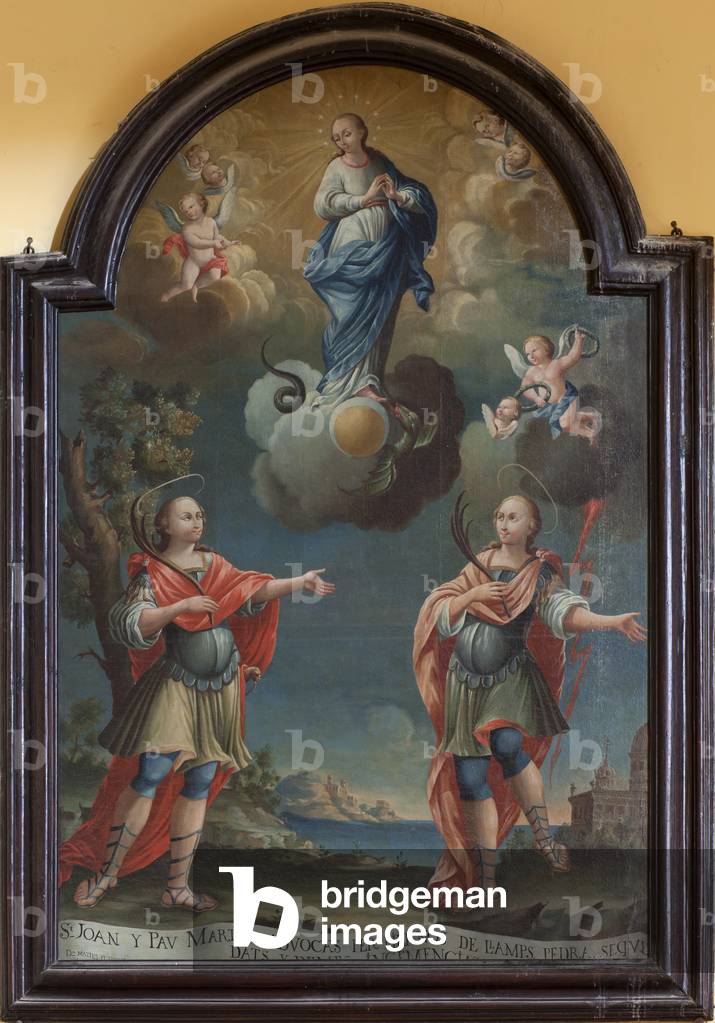
MAE6269262: Parish church Església de Santa Maria. Interior. Painting. The saints John and Paul. Oil on canvas. 18th century. / Bridgeman Images
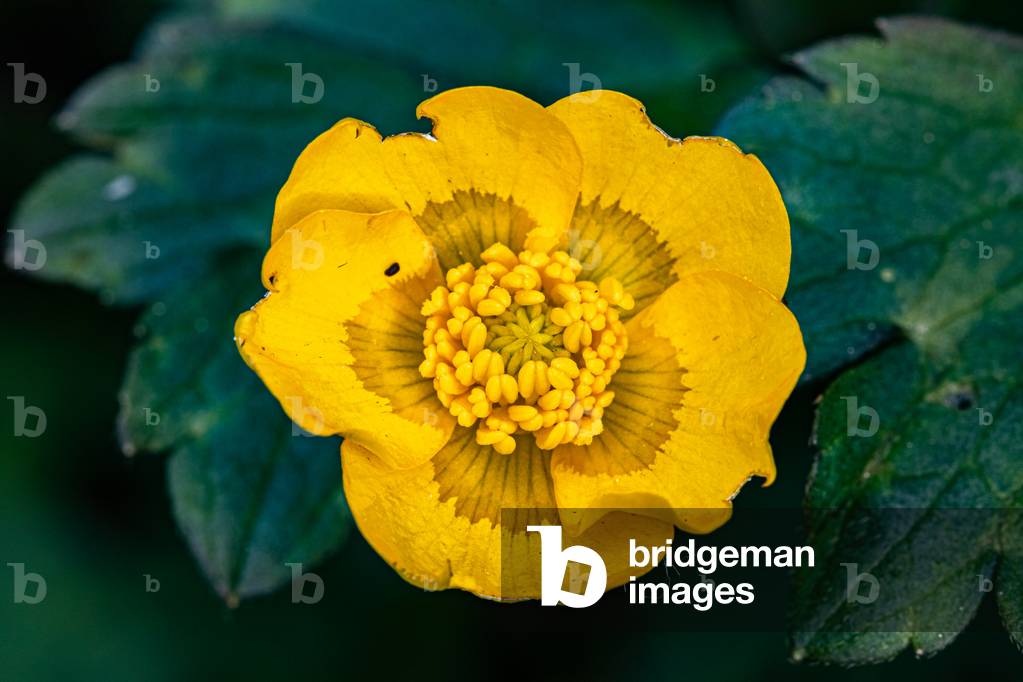
SUI6268100: Buttercup, Dijon, France, April 2020 (photo), Rouillard, Stephane / Bridgeman Images
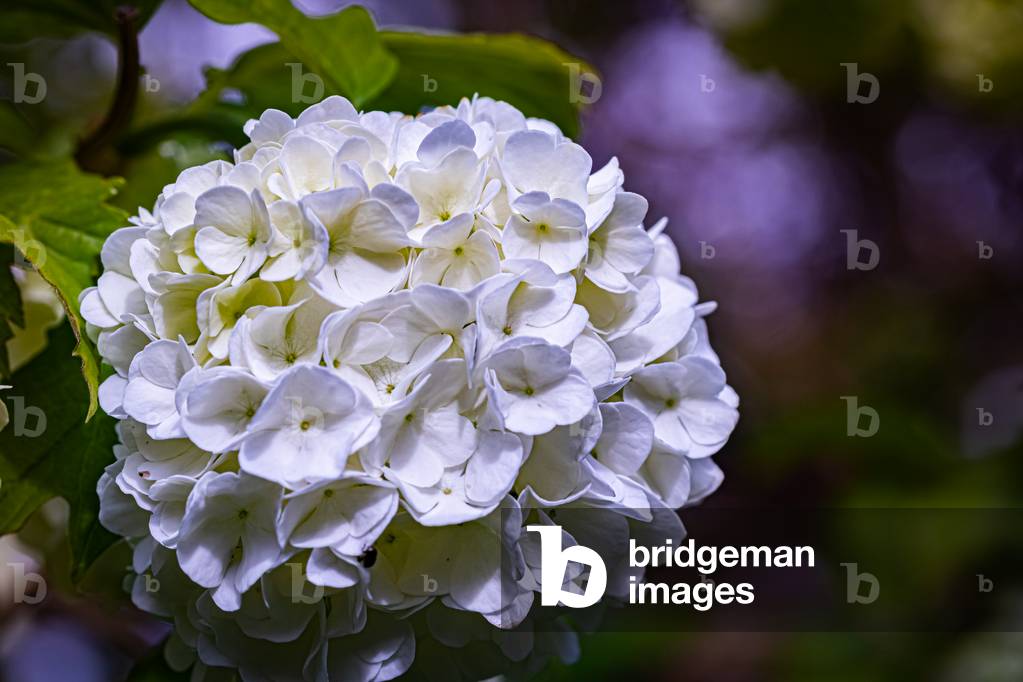
SUI6268127: Hydrangea, Dijon, France, April 2020 (photo), Rouillard, Stephane / Bridgeman Images
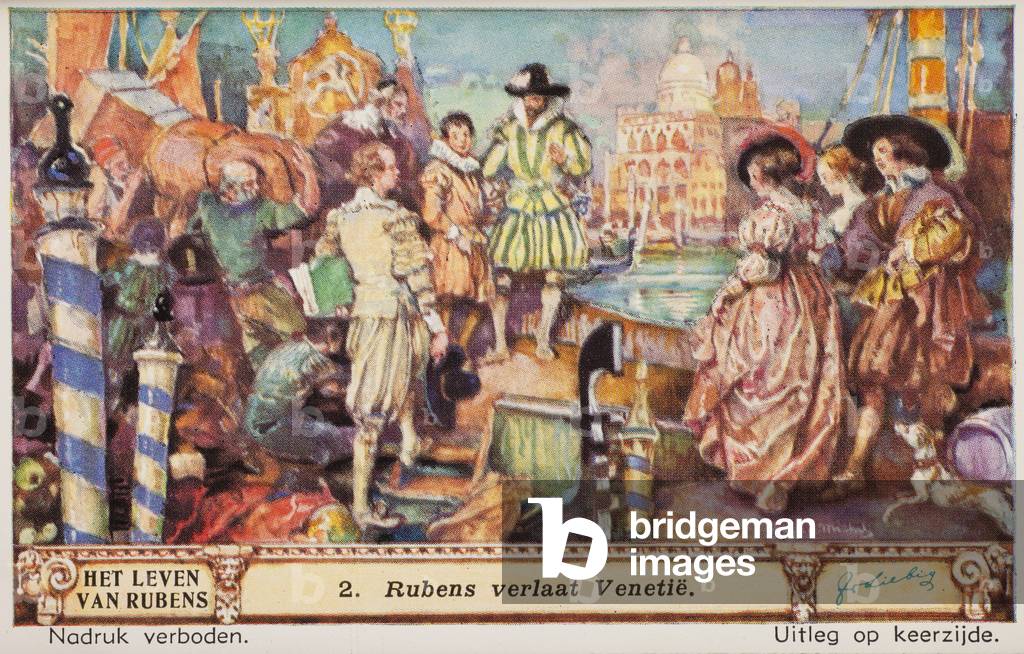
MAE6271286: Liebig advertising cards, "The life of Rubens", 1940 (litho), Unknown Artist, (20th century) / Bridgeman Images
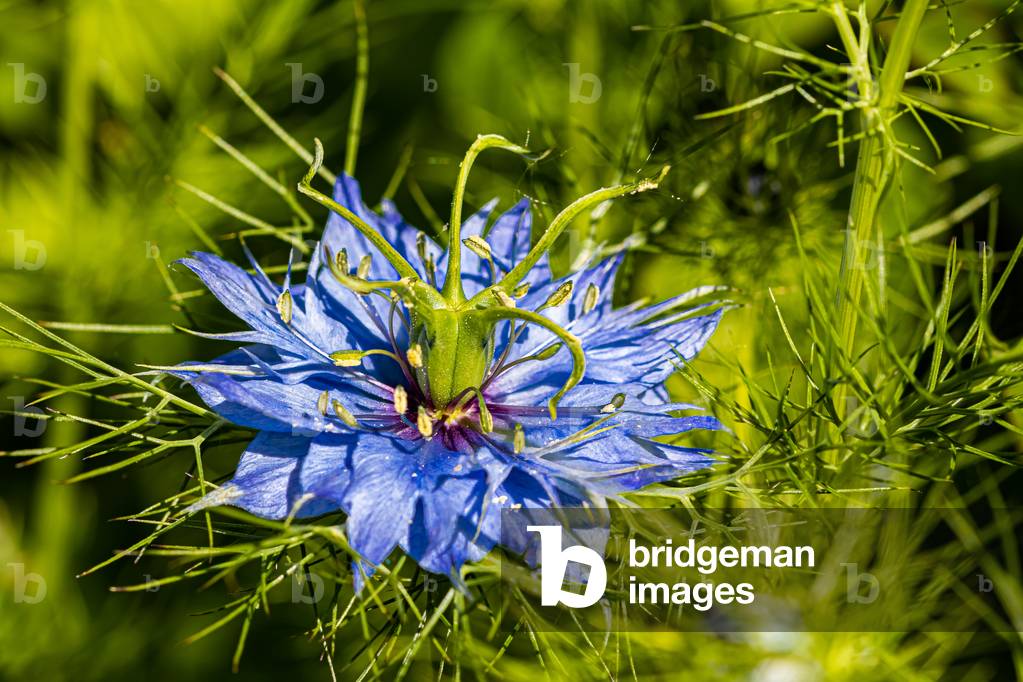
SUI6268081: Damsel nigella, Dijon, France, May 2020 (photo), Rouillard, Stephane / Bridgeman Images
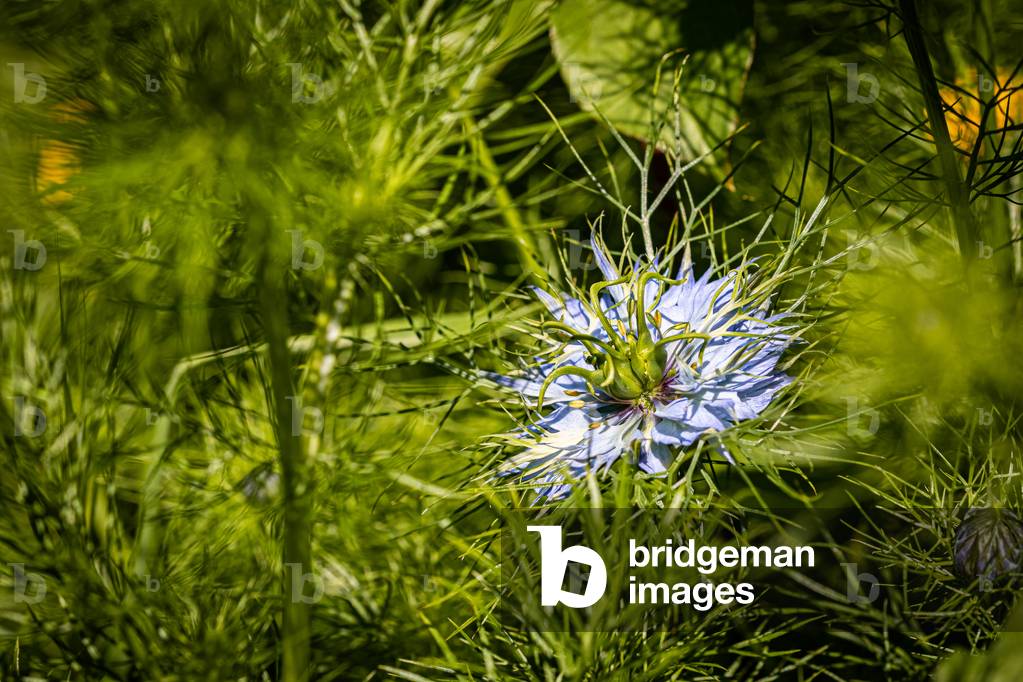
SUI6268114: Damsel nigella, Dijon, France, April 2020 (photo), Rouillard, Stephane / Bridgeman Images
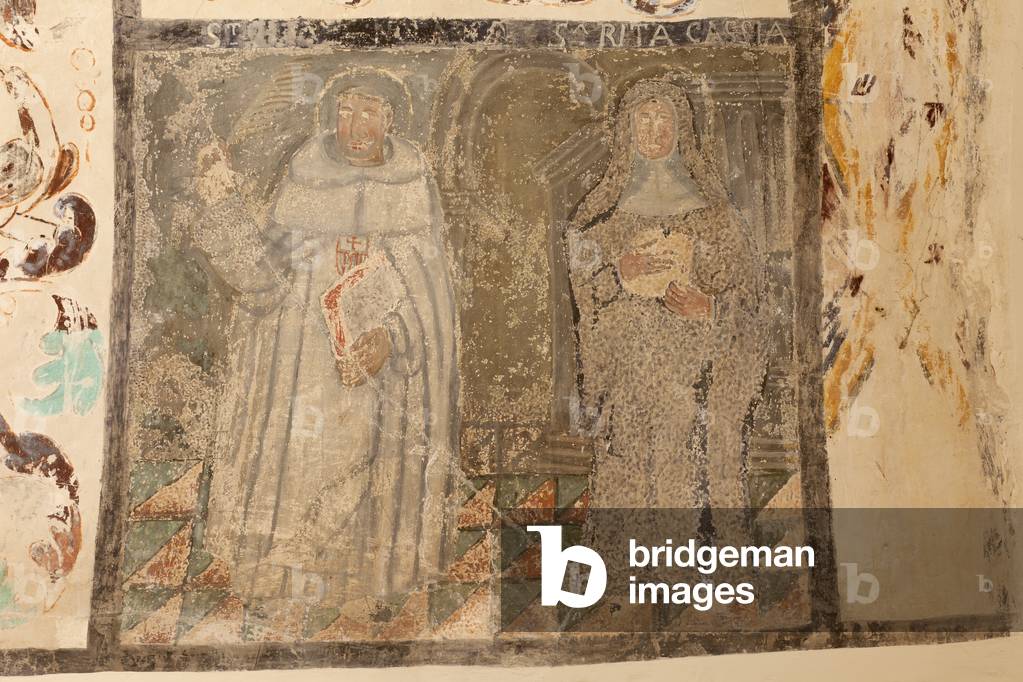
MAE6269887: Parish church (Església de la Mare de Déu de Solers). Interior. The naves. Mural paintings. Detail. 16th century (?)., French School, (16th century) / Bridgeman Images
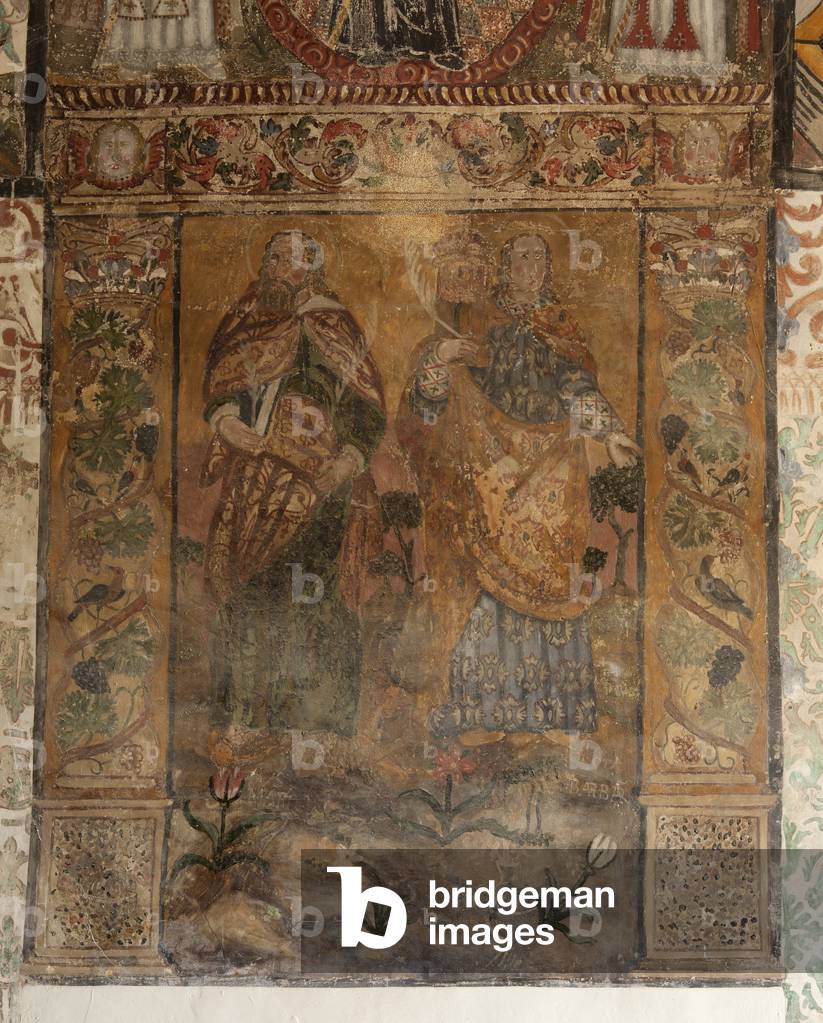
MAE6269893: Parish church (Església de la Mare de Déu de Solers). Interior. The naves. Mural paintings. Detail. 16th century (?)., French School, (16th century) / Bridgeman Images
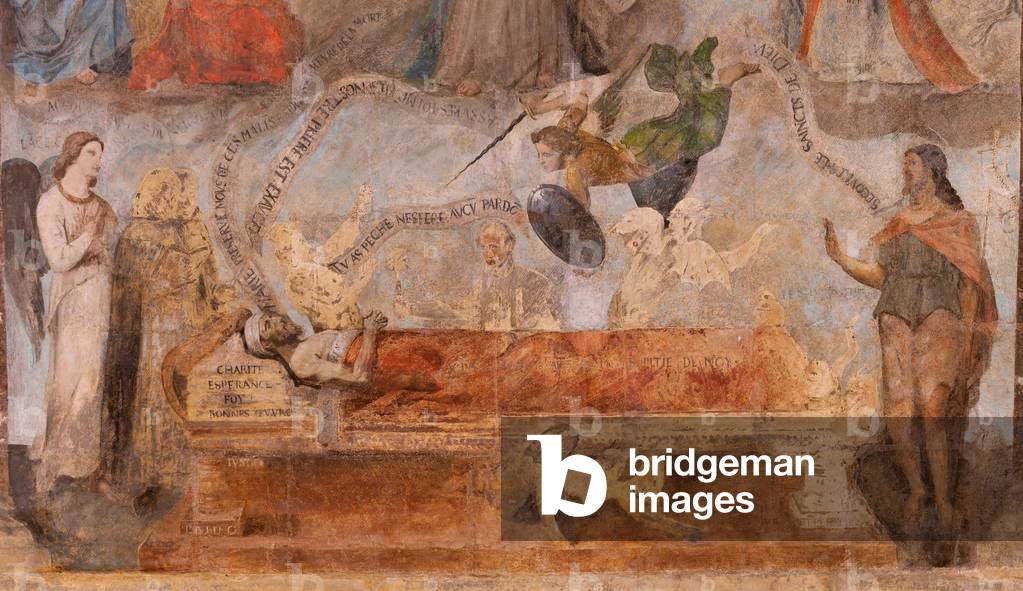
MAE6269916: Church (Eglise Saint-Jean-Baptiste). Interior. Chapel Saint-Fursy. Mural paintings. The glorification of Mary (fresque dite de la bonne mort). Begin 17th century., French School, (17th century) / Bridgeman Images

XOS6269997: Rev. Father Pierre Jean De Smet, Catholic missionary to Indian Territory, 1860-65 (b/w photo), American Photographer, (19th century) / Bridgeman Images

WDM6269158: Lustre Snake and Daisy Plate, 1888-1907 (ceramic), Morgan, William De (1839-1917) / Bridgeman Images
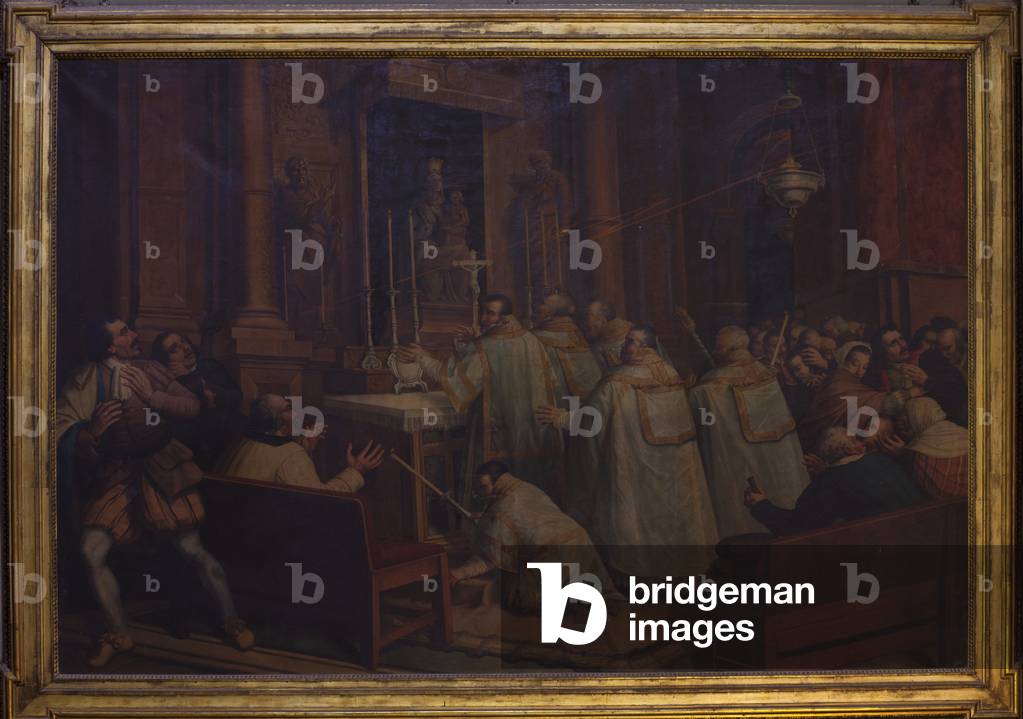
MAE6269275: Cathedral. Interior. The chapel (Capella de la Mare de Déu del Claustre). A painting. Oil on canvas. / Bridgeman Images

EXP6265943: Tangiers, 2013 (photography), Carignani, Nicola / Bridgeman Images

OVR6266014: Man with oilskin hat and pipe, Peters, Wilhelm (1851-1935) / Bridgeman Images
