2491557 Search Results

LLM3654076: Julfa Bridge, Ispahan (engraving), English School, (19th century) / Bridgeman Images

LLM3654116: The Kurile Islands (engraving), English School, (19th century) / Bridgeman Images

LLM5201176: Kilgraston, Perthshire (engraving), Shepherd, Thomas Hosmer (1792-1864) / Bridgeman Images

LLM5201181: Meggernie, Perthshire (engraving), Shepherd, Thomas Hosmer (1792-1864) / Bridgeman Images

LLM5201188: Castle Menzies, Perthshire (engraving), Shepherd, Thomas Hosmer (1792-1864) / Bridgeman Images
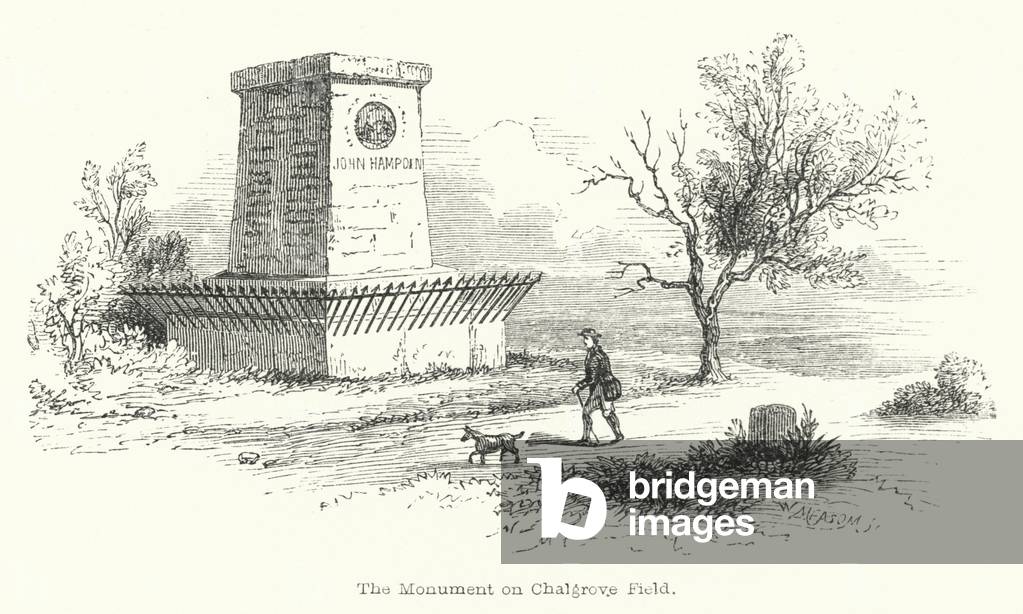
LLM5201202: The Monument on Chalgrove Field (engraving), English School, (19th century) / Bridgeman Images

LLM5201326: Georges, Prince De Galles, 1865 (b/w photo), European Photographer, (19th century) / Bridgeman Images

LLM5201332: Theodore Roosevelt, President Des Etats-Unis, 1858 (b/w photo), European Photographer, (19th century) / Bridgeman Images

LLM5201340: Maud, Reine De Norvege, 1869 (b/w photo), European Photographer, (19th century) / Bridgeman Images

LLM5201368: Emile Chautemps, Homme Politique, 1850 (b/w photo), European Photographer, (19th century) / Bridgeman Images

LLM5201388: Francois-Cesaire De Mahy, Homme Politique, 1830-1906 (b/w photo), European Photographer, (19th century) / Bridgeman Images
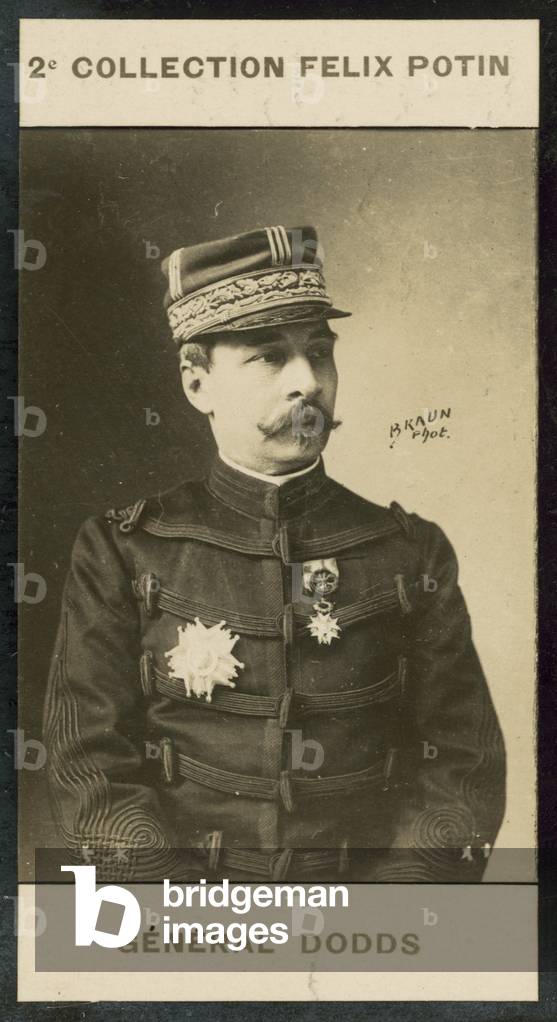
LLM5201426: General Alfred-Amedee Dodds, 1842 (b/w photo), European Photographer, (19th century) / Bridgeman Images
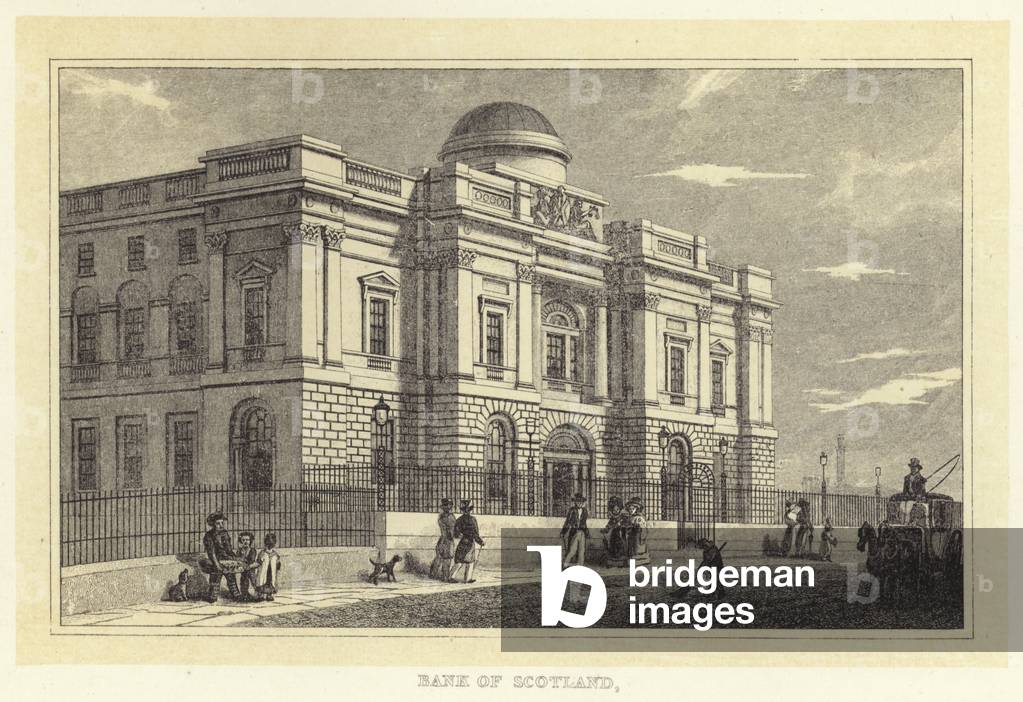
LLE3638501: Bank of Scotland (engraving), English School, (19th century) / Bridgeman Images
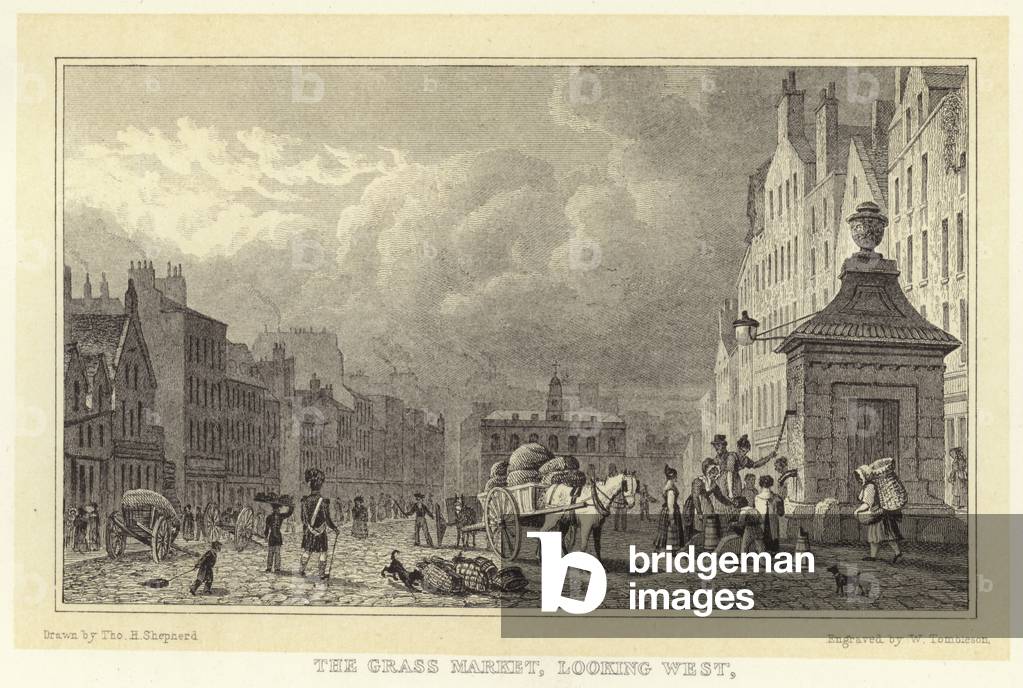
LLE3638506: The Grass Market, looking West (engraving), Shepherd, Thomas Hosmer (1792-1864) (after) / Bridgeman Images
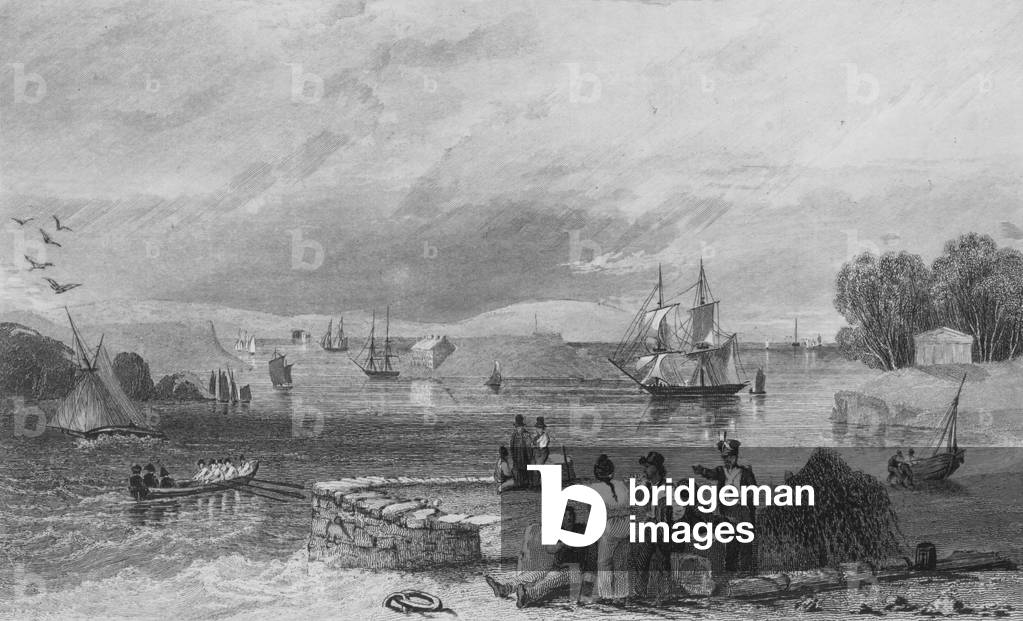
LLE3638546: Plymouth Sound, from Mount Edgcombe (engraving), English School, (19th century) / Bridgeman Images
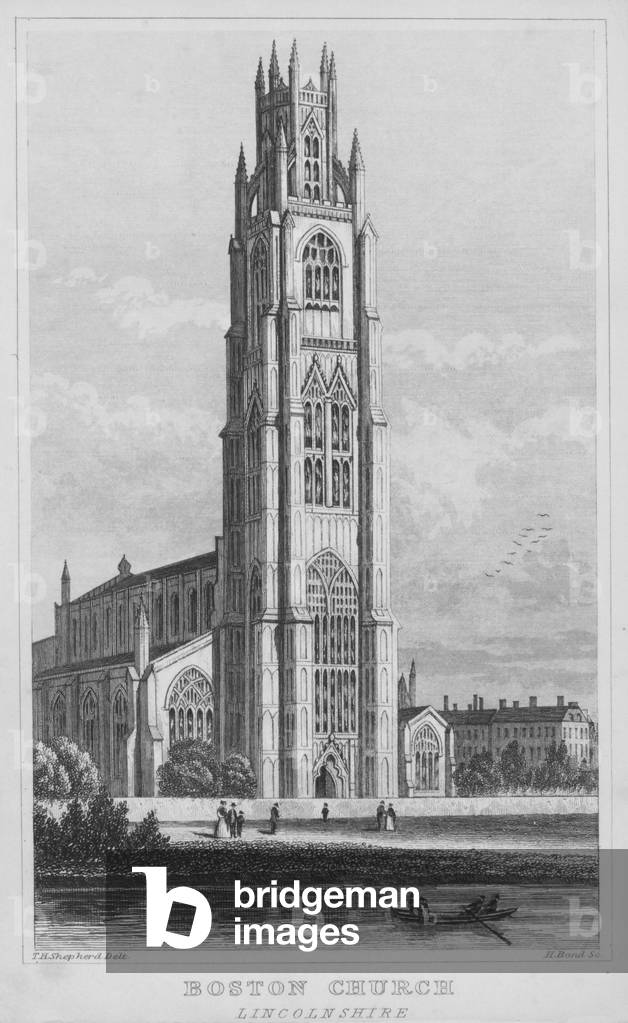
LLE3638595: Boston Church, Lincolnshire (engraving), English School, (19th century) / Bridgeman Images
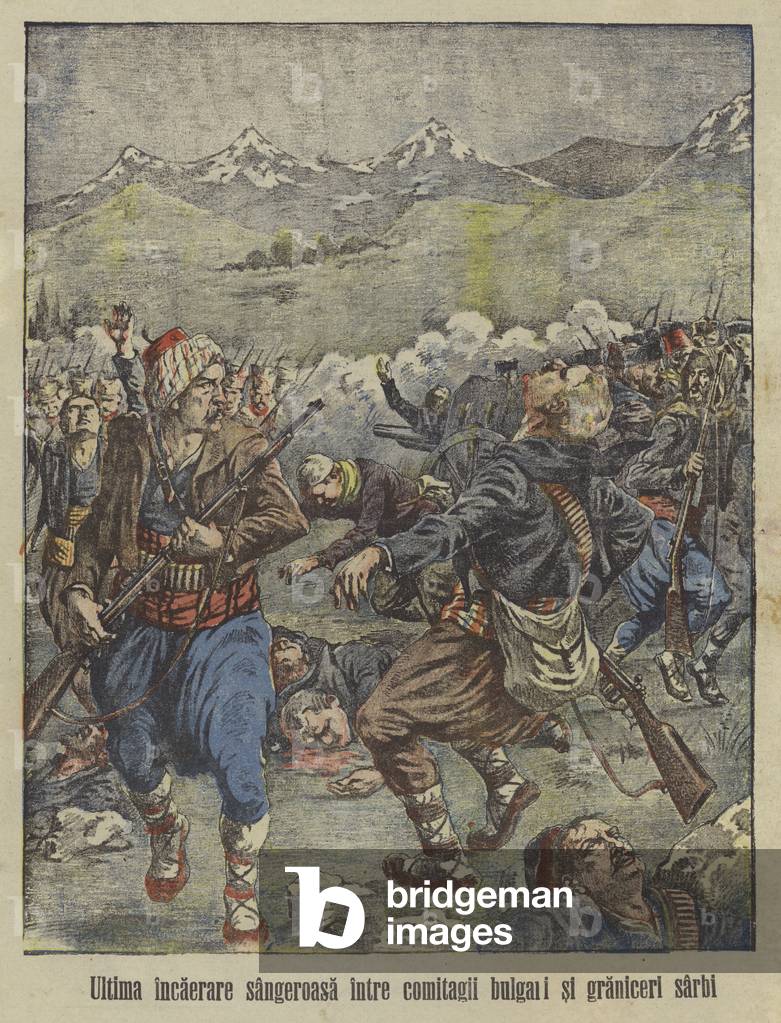
LLE3638720: Bloody battle between Bulgarian and Serbian troops, 1915 (colour litho), Romanian School (20th century) / Bridgeman Images
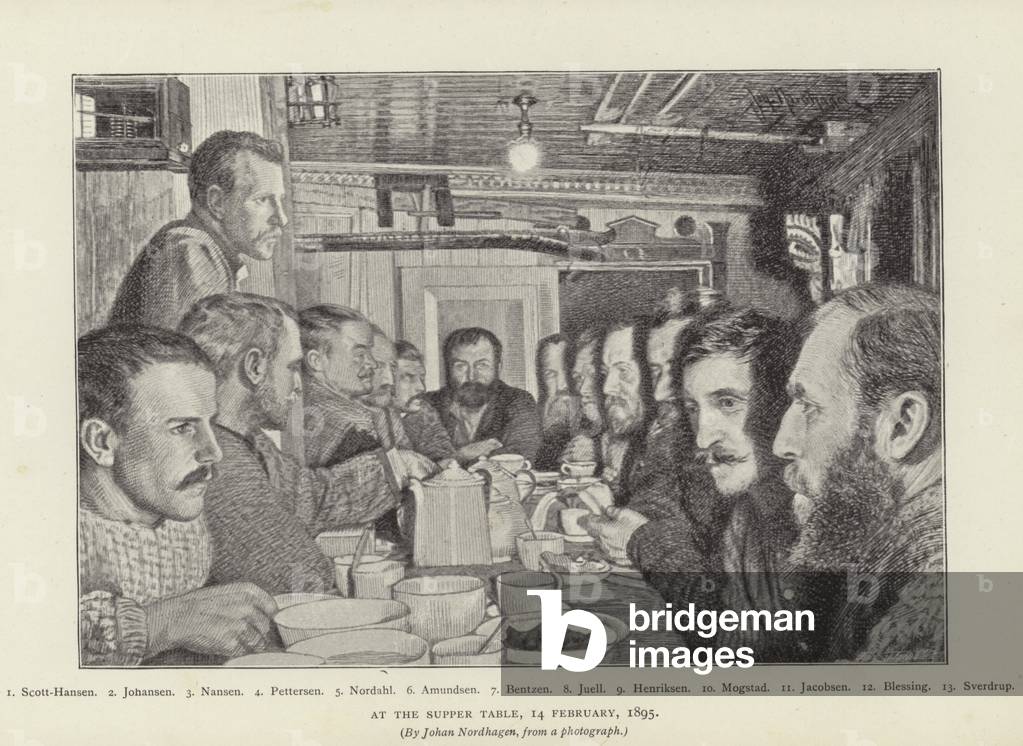
LLE3638781: At the supper table, 14 February 1895 (litho), English School, (19th century) / Bridgeman Images
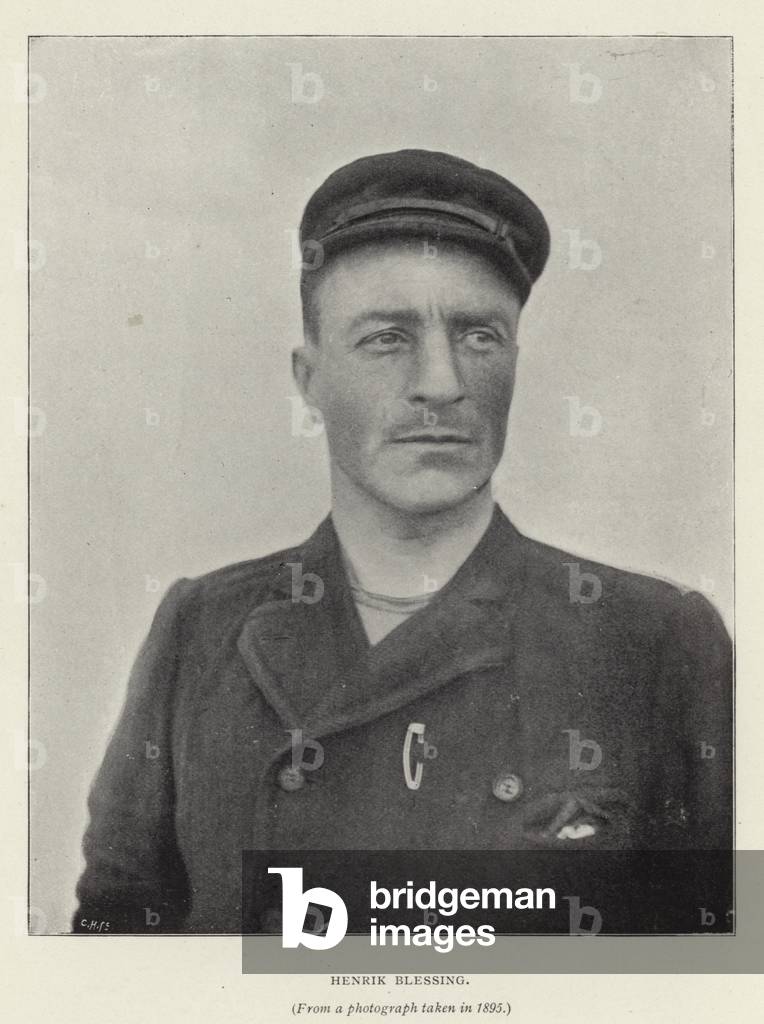
LLE3638809: Henrik Blessing (b/w photo), Norwegian Photographer, (19th century) / Bridgeman Images
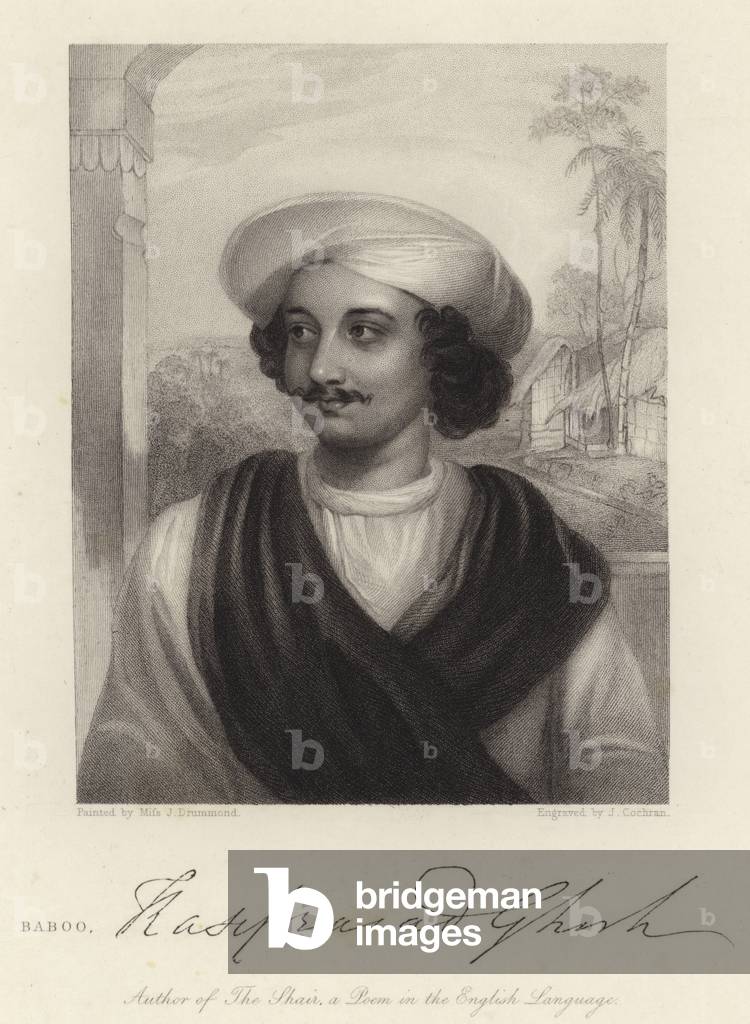
LLE3638822: Baboo Kasiprasad Ghosh (engraving), Drummond, Julian E. (fl.1892-1902) (after) / Bridgeman Images
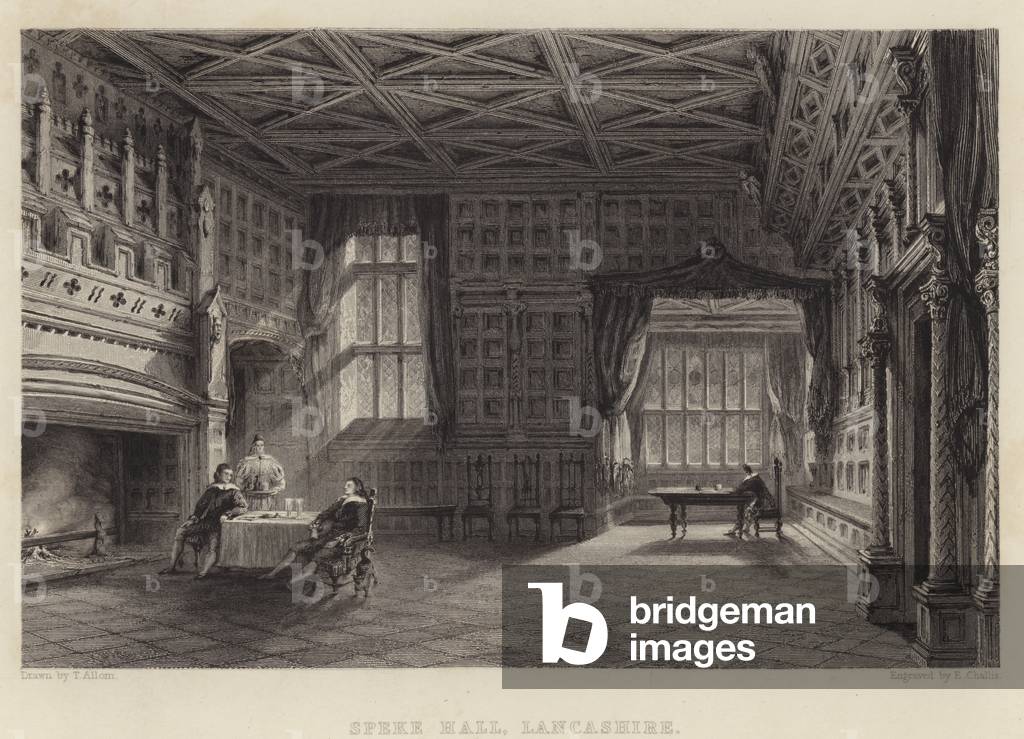
LLE3638825: Speke Hall, Lancashire (engraving), Allom, Thomas (1804-72) (after) / Bridgeman Images

LLE3638841: Anna-Maria Porter (engraving), English School, (19th century) / Bridgeman Images
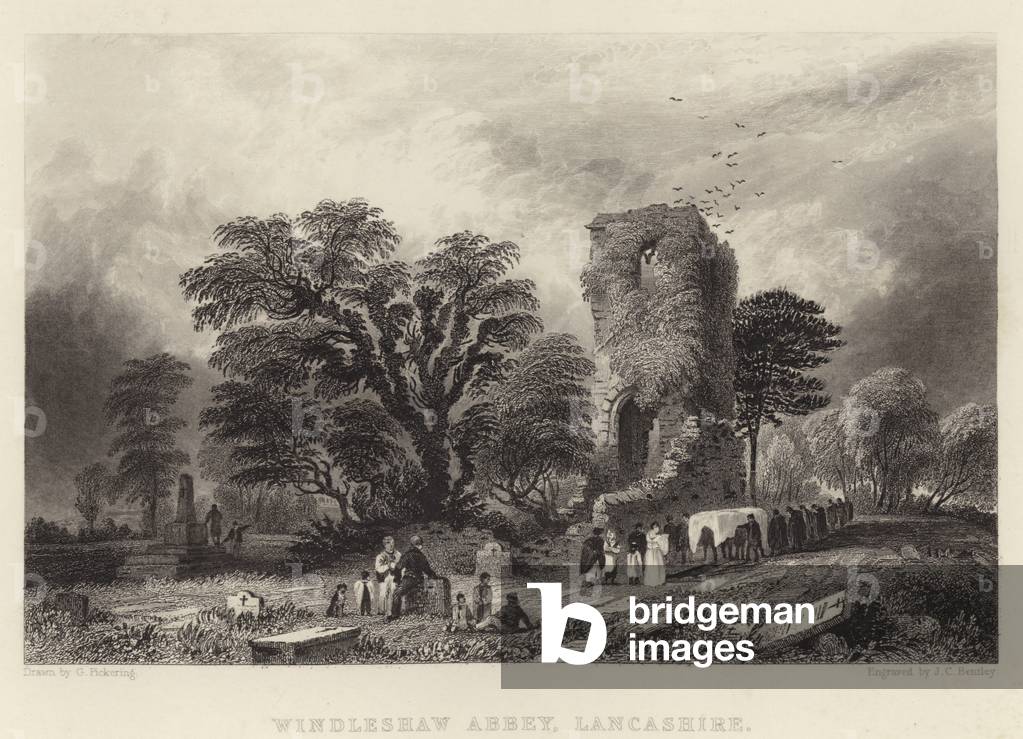
LLE3638846: Windleshaw Abbey, Lancashire (engraving), Pickering, George (1794-1857) (after) / Bridgeman Images

LLE3638880: Hagar "departed, and wandered in the wilderness of Beer-sheba" (engraving), English School, (19th century) / Bridgeman Images
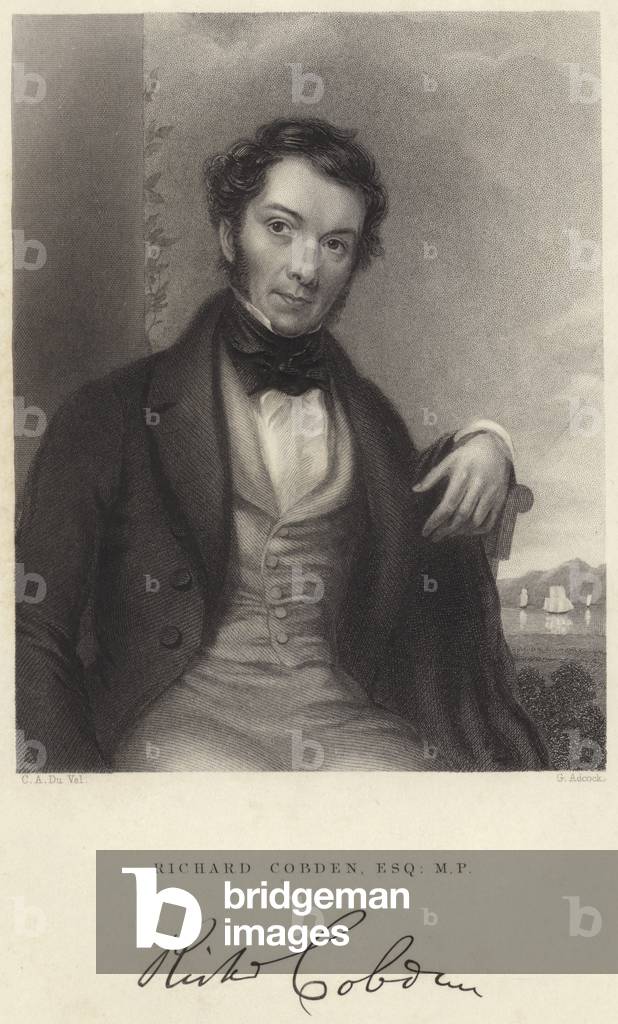
LLE3638885: Richard Cobden, Esquire, M P (engraving), C. A. du Val & Co. (19th century) / Bridgeman Images
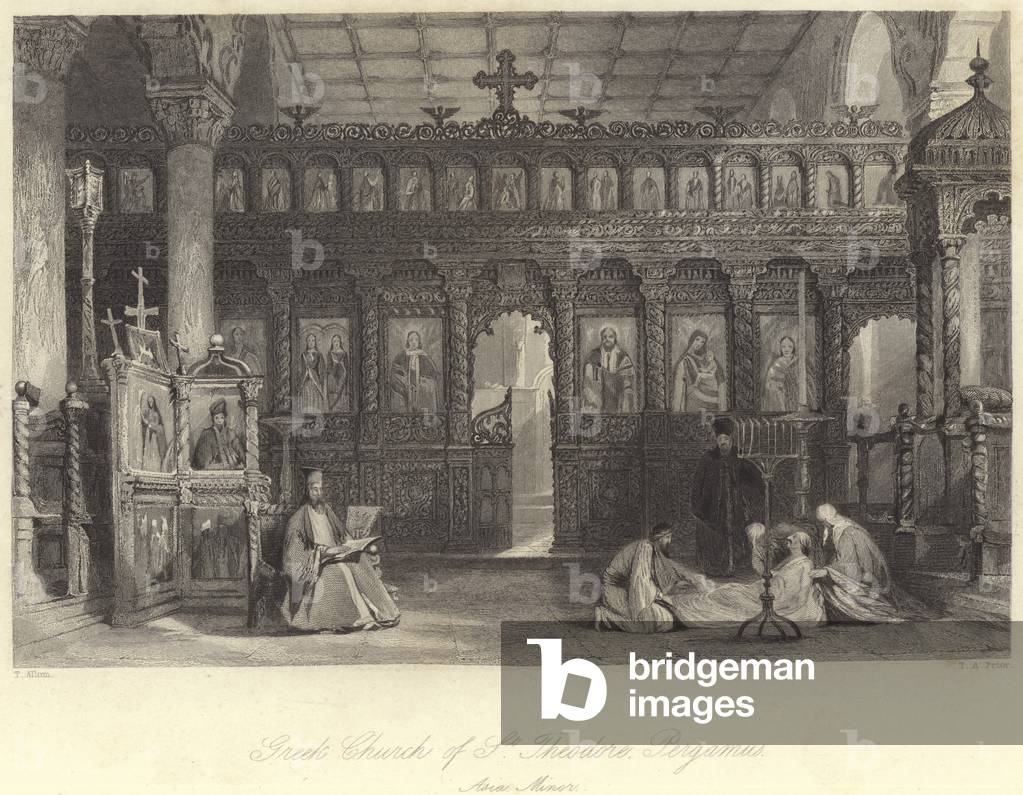
LLE3638902: Greek Church of St Theodore, Pergamus, Asia Minor (engraving), Allom, Thomas (1804-72) (after) / Bridgeman Images

LLE3638907: The swimming-bath (engraving), English School, (19th century) / Bridgeman Images

LLE3638926: Tree partly barked (engraving), English School, (19th century) / Bridgeman Images

LLM3654386: Vigo (engraving), English School, (19th century) / Bridgeman Images

LLM3654563: A Norman Organ (engraving), English School, (19th century) / Bridgeman Images

LLM3654593: A Scribe, in Spectacles, from the tapestry of Nancy (engraving), English School, (19th century) / Bridgeman Images
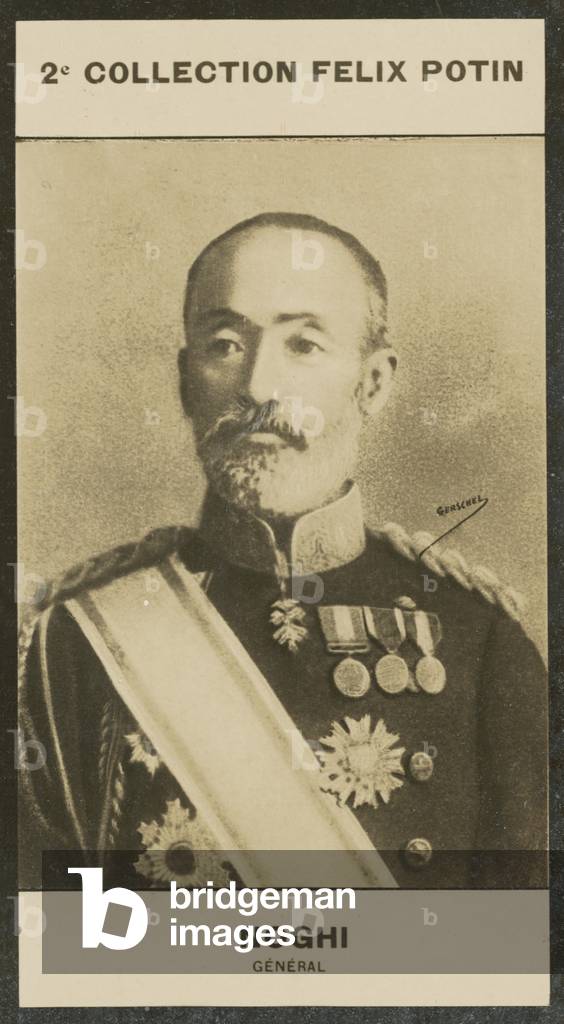
LLM5201445: Maresuke Noghi, General, 1849 (b/w photo), European Photographer, (19th century) / Bridgeman Images
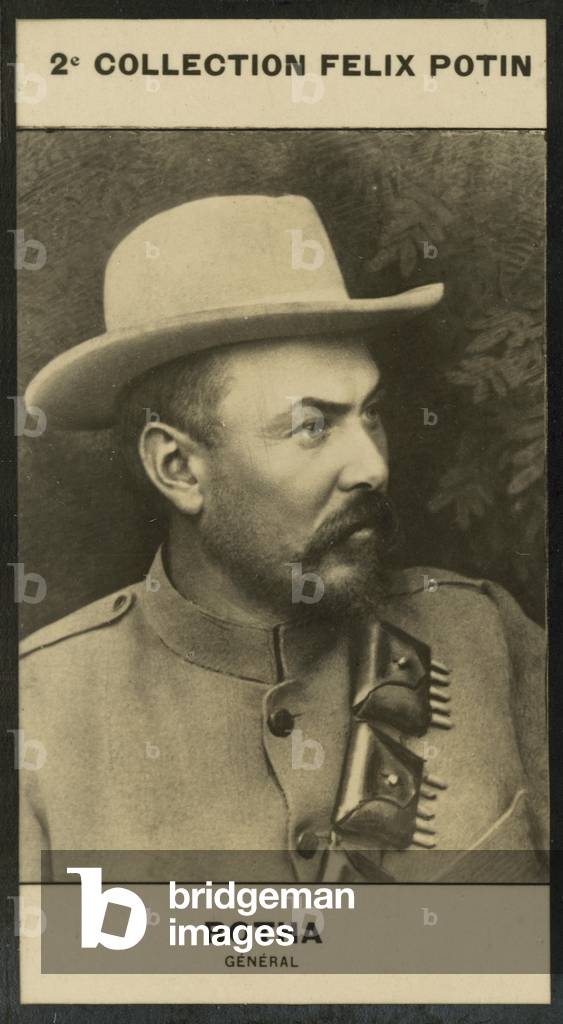
LLM5201453: Louis Botha, General, 1860 (b/w photo), European Photographer, (19th century) / Bridgeman Images
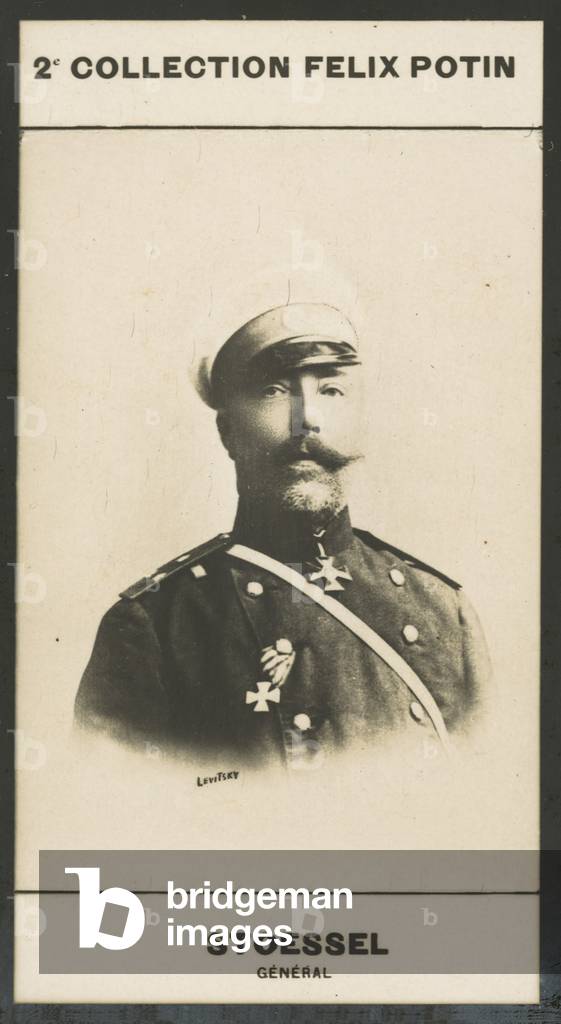
LLM5201454: Michel-Ivanovitch Stoessel, General, 1845 (b/w photo), European Photographer, (19th century) / Bridgeman Images
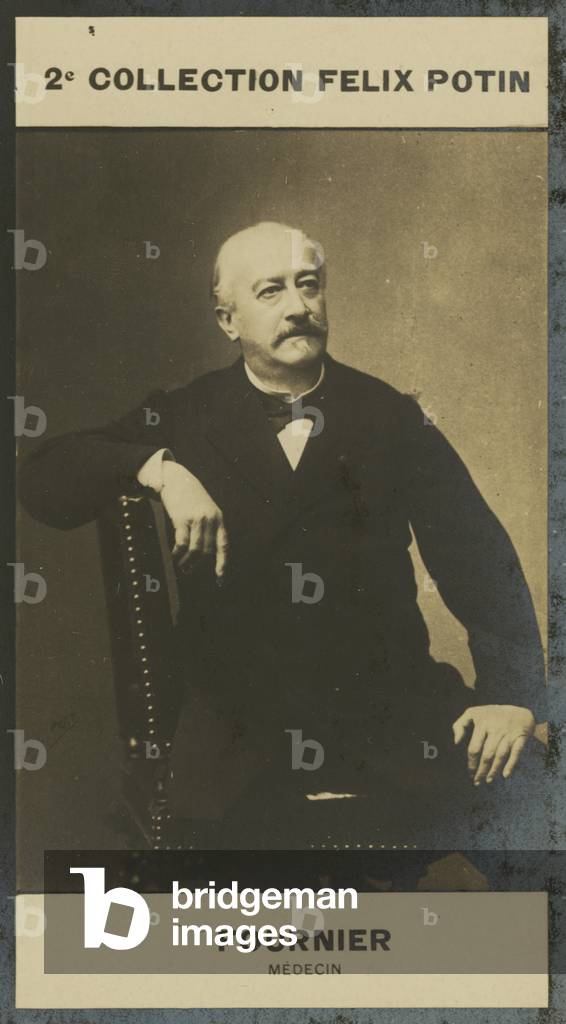
LLM5201481: Alfred Fournier, Medecin, 1832 (b/w photo), European Photographer, (19th century) / Bridgeman Images

LLM5201489: Jean-Samuel Pozzi, Medecin, 1846 (b/w photo), European Photographer, (19th century) / Bridgeman Images
