2491632 Search Results
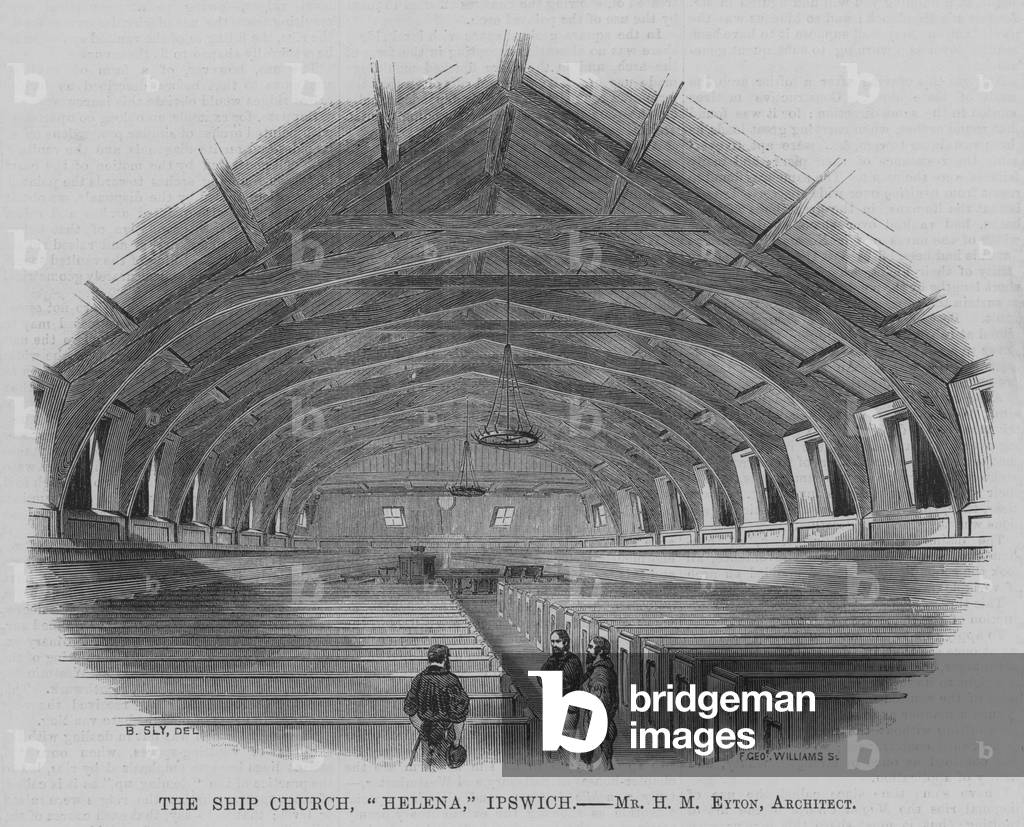
LLM5204512: The Ship Church, "Helena," Ipswich (engraving), English School, (19th century) / Bridgeman Images
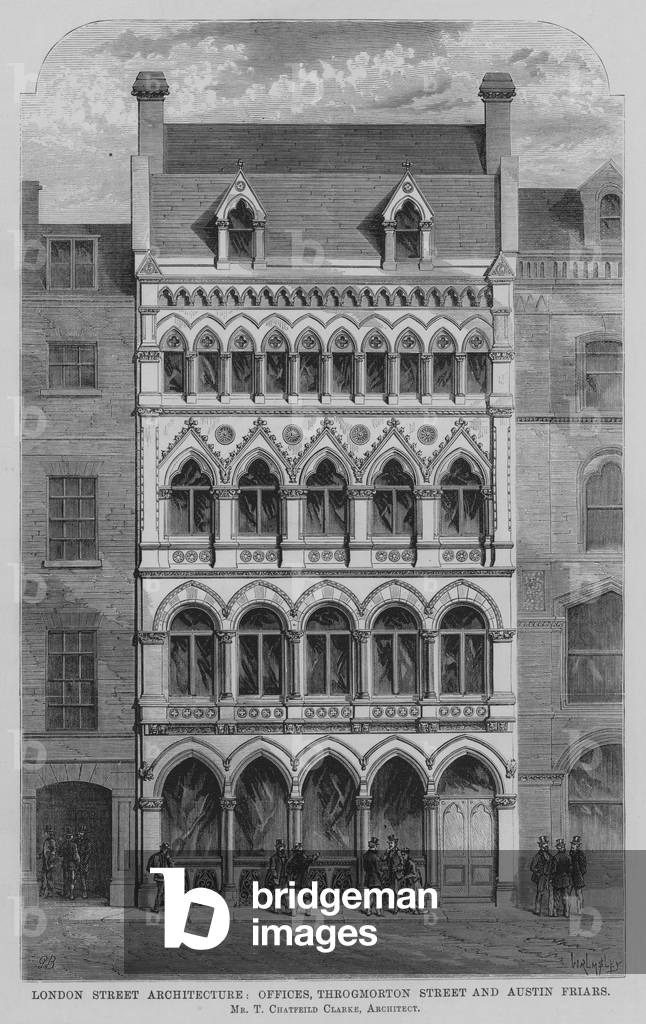
LLM5204522: London Street Architecture, Offices, Throgmorton Street and Austin Friars (engraving), English School, (19th century) / Bridgeman Images

LLM5204532: Mediaeval Furniture, John of Leyden's Card Table (engraving), English School, (19th century) / Bridgeman Images
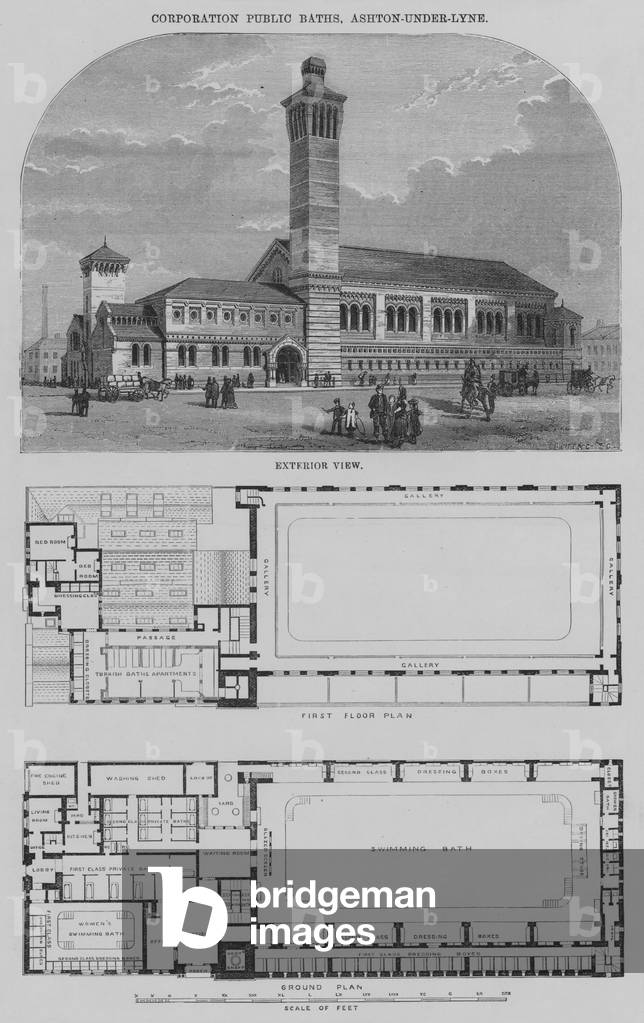
LLM5204543: Corporation Public Baths, Ashton-under-Lyne (engraving), English School, (19th century) / Bridgeman Images

LLM5204549: London Architecture, Sir Dudley C Marjoribanks's House, Park Lane (engraving), English School, (19th century) / Bridgeman Images

LLH3656872: King Edward II (coloured engraving), English School, (19th century) / Bridgeman Images

LLH3656875: King Henry V, illustration for 'The Sovereigns of England', c.1880 (coloured engraving), English School, (19th century) / Bridgeman Images

LLL3656912: Siberia (chromolitho), American School, (19th century) / Bridgeman Images

LLL3656927: A gloomy outlook (chromolitho), American School, (19th century) / Bridgeman Images

LLL3656945: Budweiser Beer (chromolitho), American School, (19th century) / Bridgeman Images

LLL3656968: Swastika Perfume (chromolitho), American School, (19th century) / Bridgeman Images

LLL3656973: New Victor Records, September 1906 (chromolitho), American School, (19th century) / Bridgeman Images
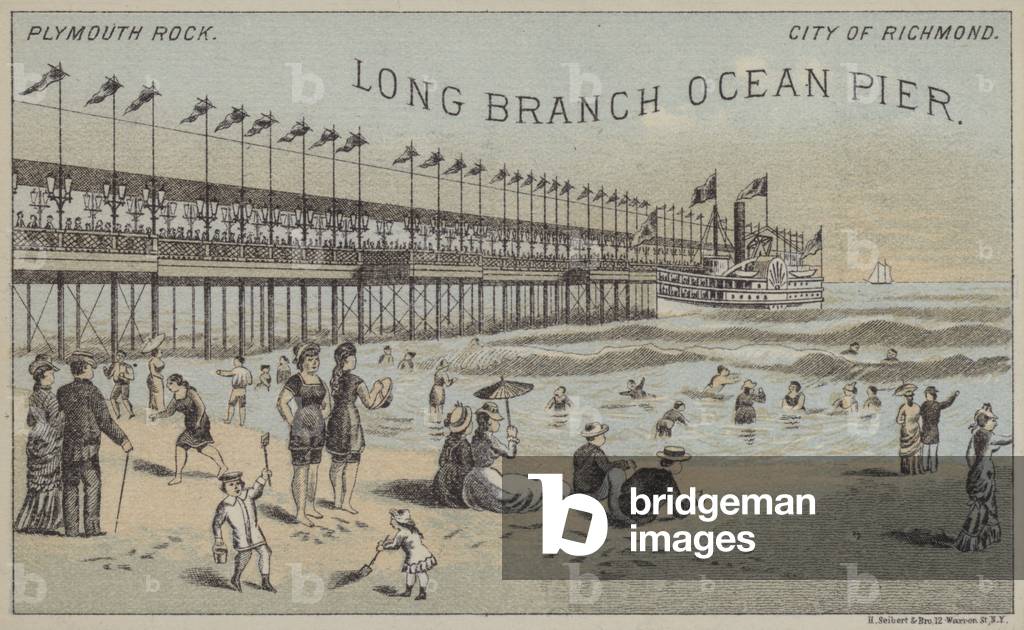
LLL3656983: Plymouth Rock, City of Richmond, Long Branch Ocean Pier (chromolitho), American School, (19th century) / Bridgeman Images

LLL3657001: A Merry Christmas (chromolitho), American School, (19th century) / Bridgeman Images

LLL3657014: Sarah Bernhardt (chromolitho), American School, (19th century) / Bridgeman Images

LLL3657029: Ismay, Imrie & Co (chromolitho), European School, (19th century) / Bridgeman Images

LLL3657045: Alphabet De La Phosphatine Falieres (colour litho), French School, (19th century) / Bridgeman Images

LLL3657052: Alphabet De La Phosphatine Falieres (colour litho), French School, (19th century) / Bridgeman Images

LLL3657059: New Zealand (colour litho), American School, (19th century) / Bridgeman Images

LLL3657065: Australian, American Indian, Blackfoot, Malayan, East India Islands (colour litho), American School, (19th century) / Bridgeman Images
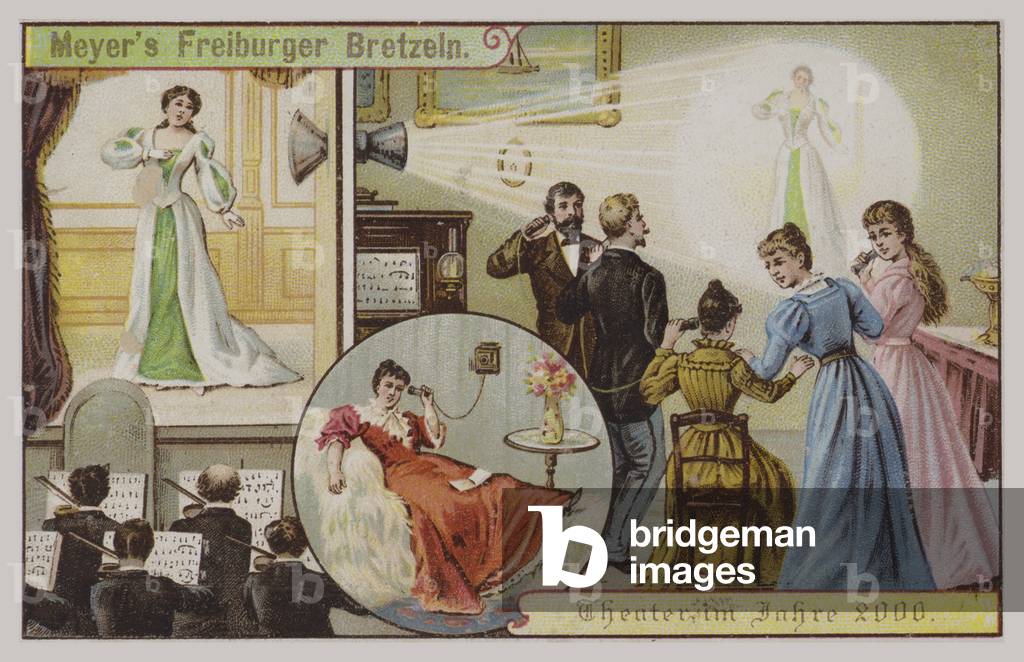
LLL3657099: Theatre in the year 2000 (chromolitho), German School, (19th century) / Bridgeman Images

LLJ3657116: In Rotten Row, Hyde Park, London (colour litho), English School, (19th century) / Bridgeman Images
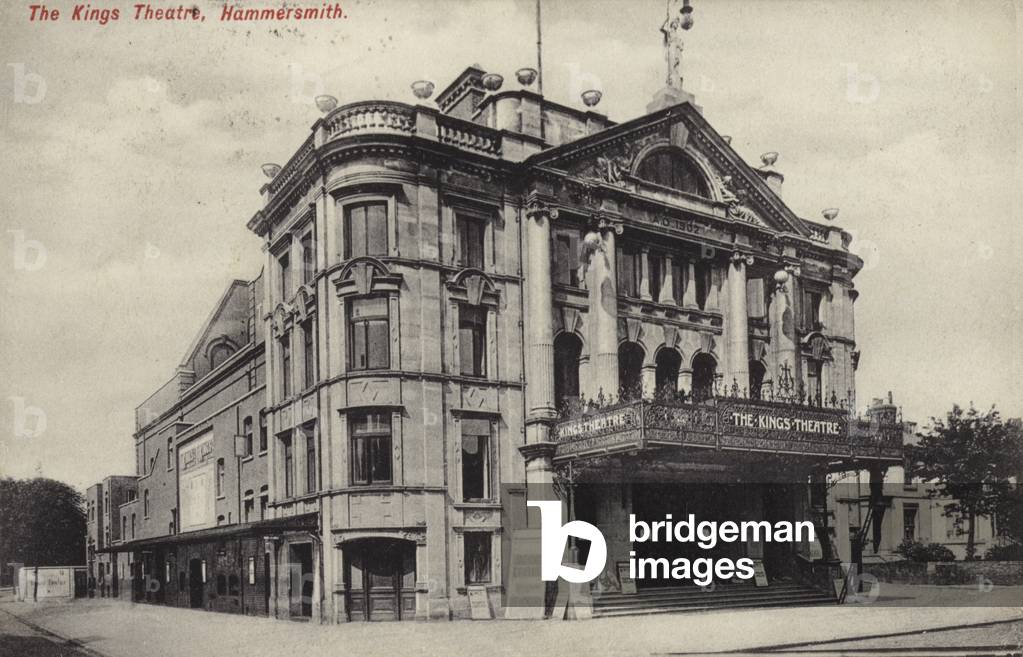
LLJ3657134: The Kings Theatre, Hammersmith (b/w photo), English Photographer, (20th century) / Bridgeman Images
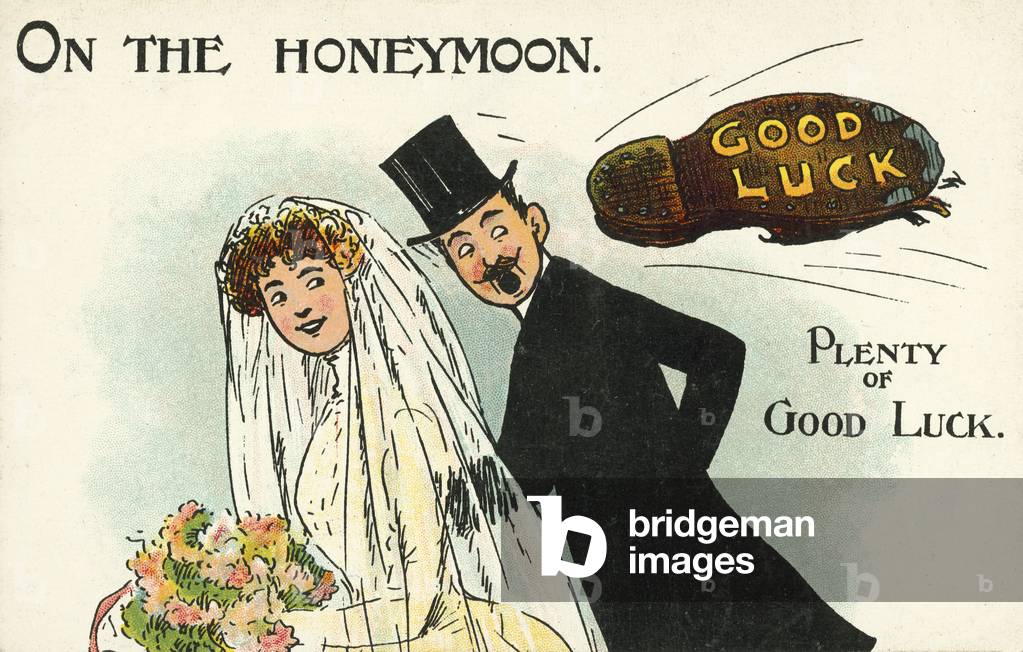
LLM3641748: On the Honeymoon, Plenty of Good Luck (colour litho), English School, (20th century) / Bridgeman Images
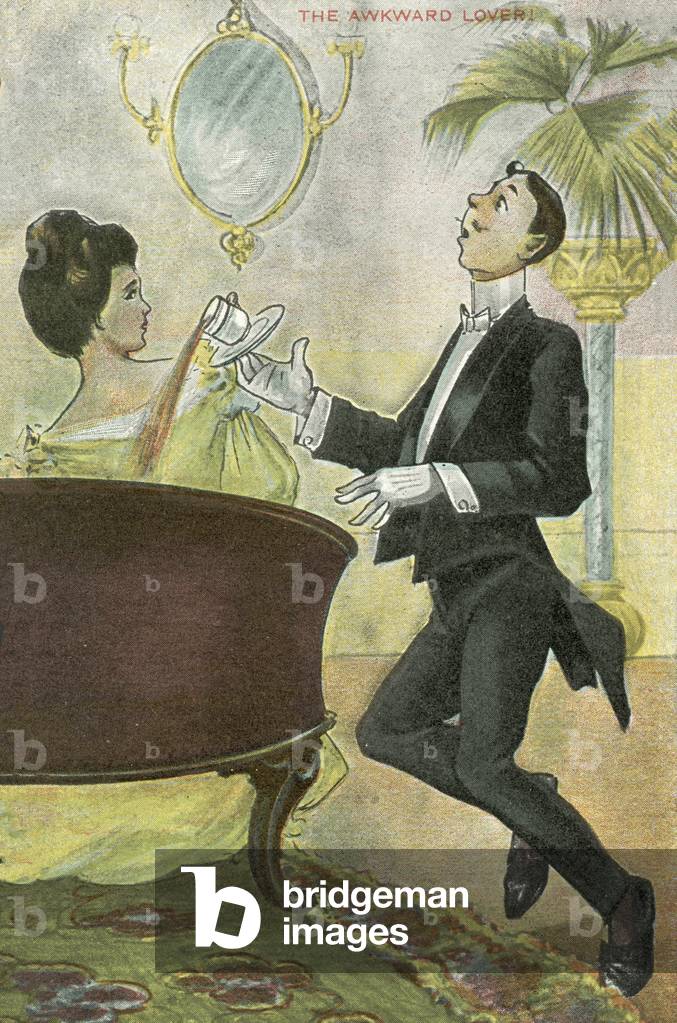
LLM3641770: The awkward lover, dropping tea in the lap of his girl (colour litho), English School, (20th century) / Bridgeman Images
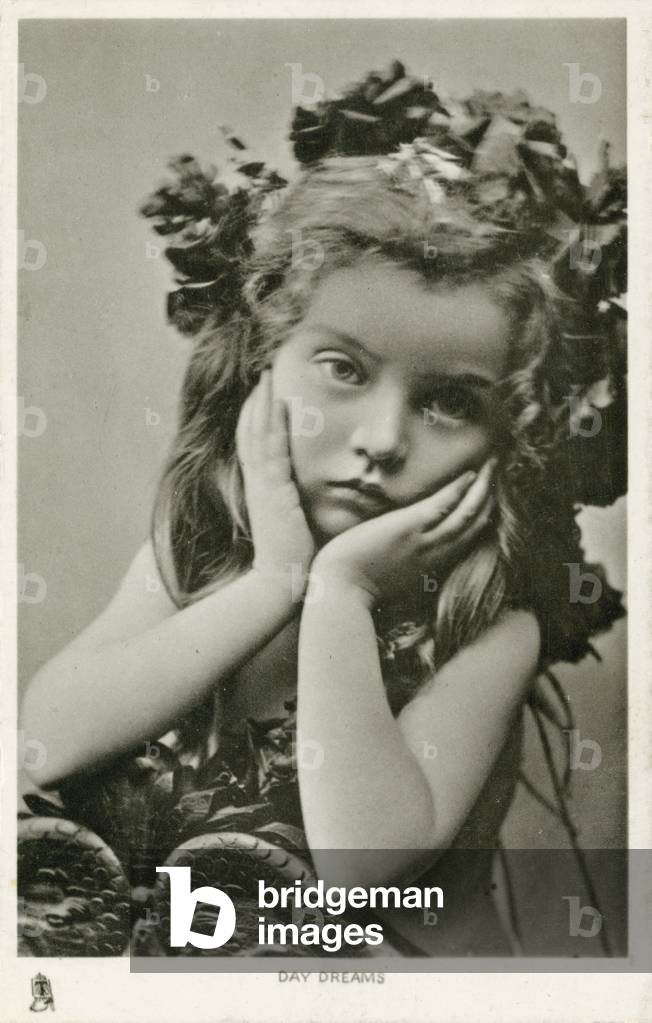
LLM3641774: Day dreams (b/w photo), English Photographer, (20th century) / Bridgeman Images
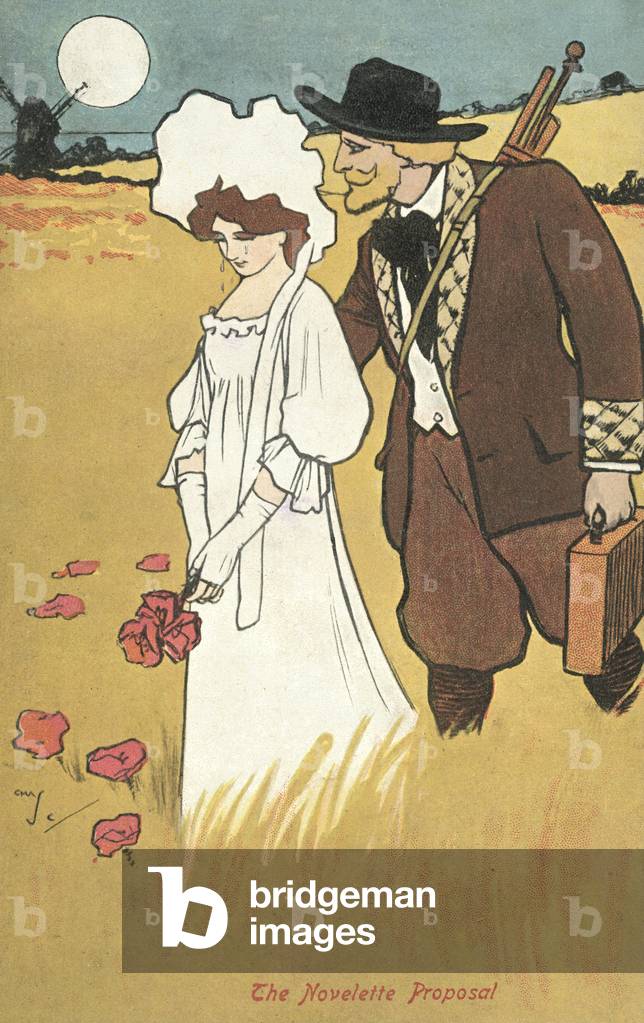
LLM3641782: The novelette proposal (colour litho), English School, (20th century) / Bridgeman Images
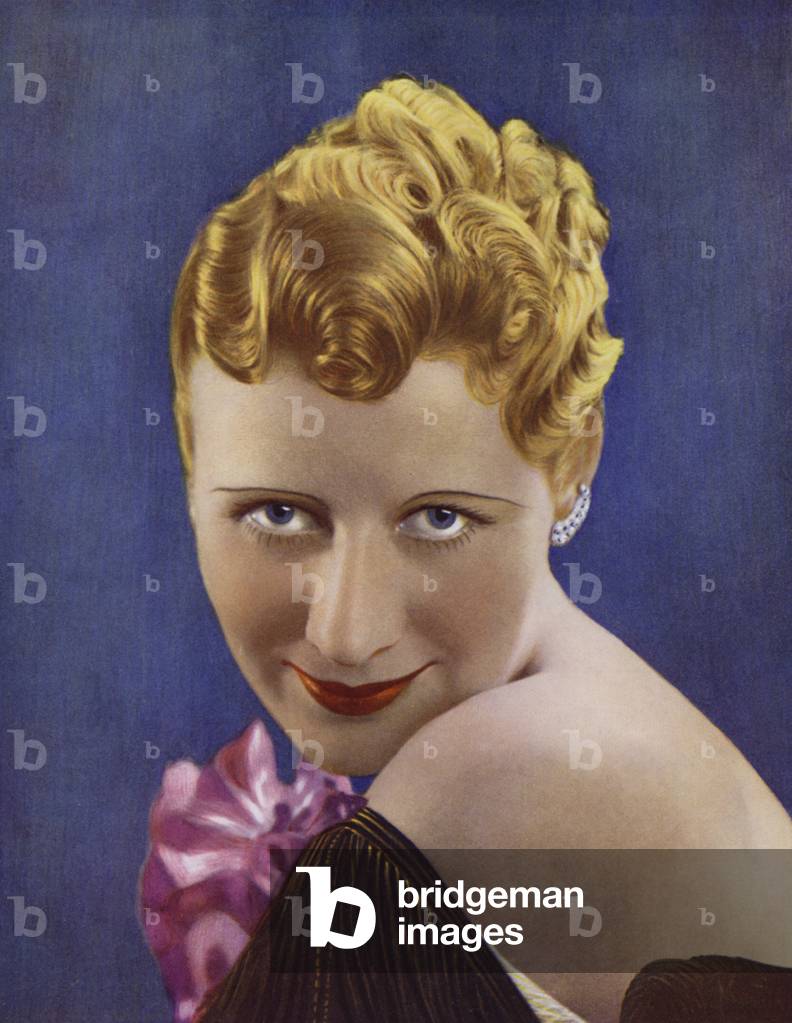
LLM3641850: Ultra-modern streamlined mode, executed by Newstead, Gallia process (colour photo), English Photographer, (20th century) / Bridgeman Images
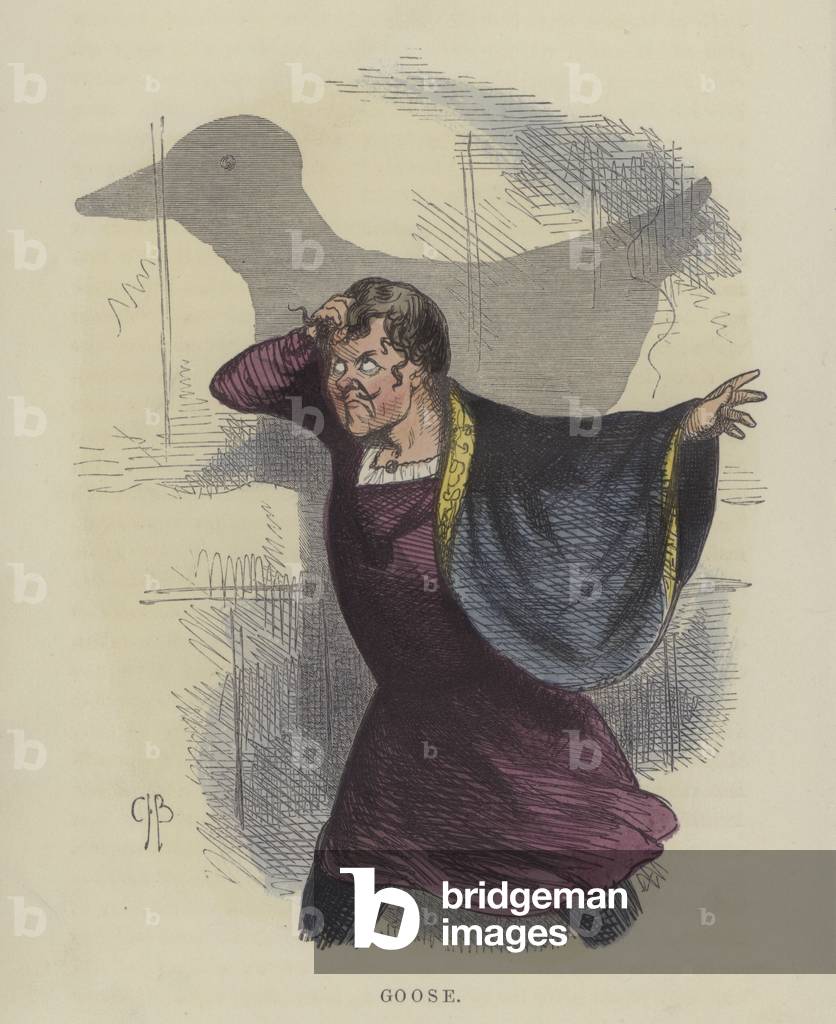
LLM3641889: Goose (coloured engraving), Bennett, Charles Henry (1828-67) / Bridgeman Images

LLM3641910: Girl, with basket, walking through the snow near St Pauls Cathedral, London (colour litho), English School, (19th century) / Bridgeman Images

LLM3641936: An April Shower (engraving), English School, (19th century) / Bridgeman Images

LLM3641962: Wild fowling: flighting (colour litho), Armour, George Denholm (1864-1949) / Bridgeman Images
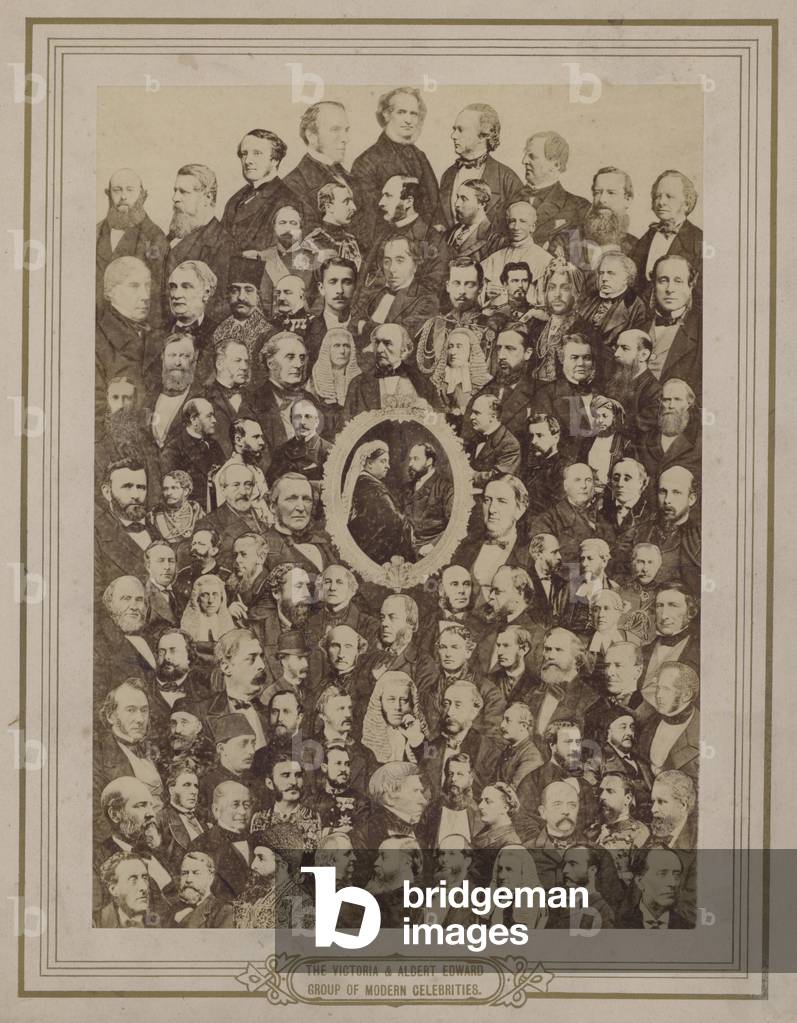
LLM3641981: The Victoria and Albert Edward, Group of Celebrities (b/w photo), English Photographer, (19th century) / Bridgeman Images
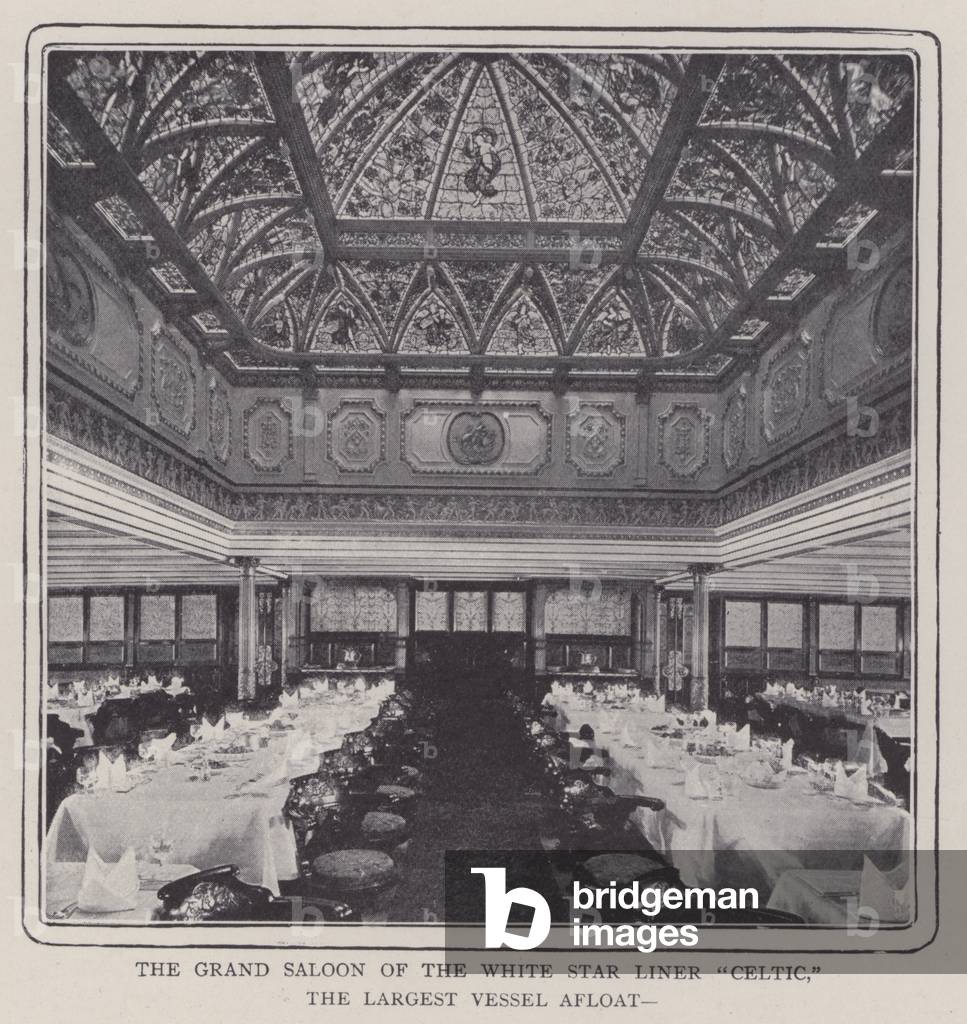
LLM3642028: The grand saloon of the White Star liner Celtic (b/w photo), English Photographer, (19th century) / Bridgeman Images
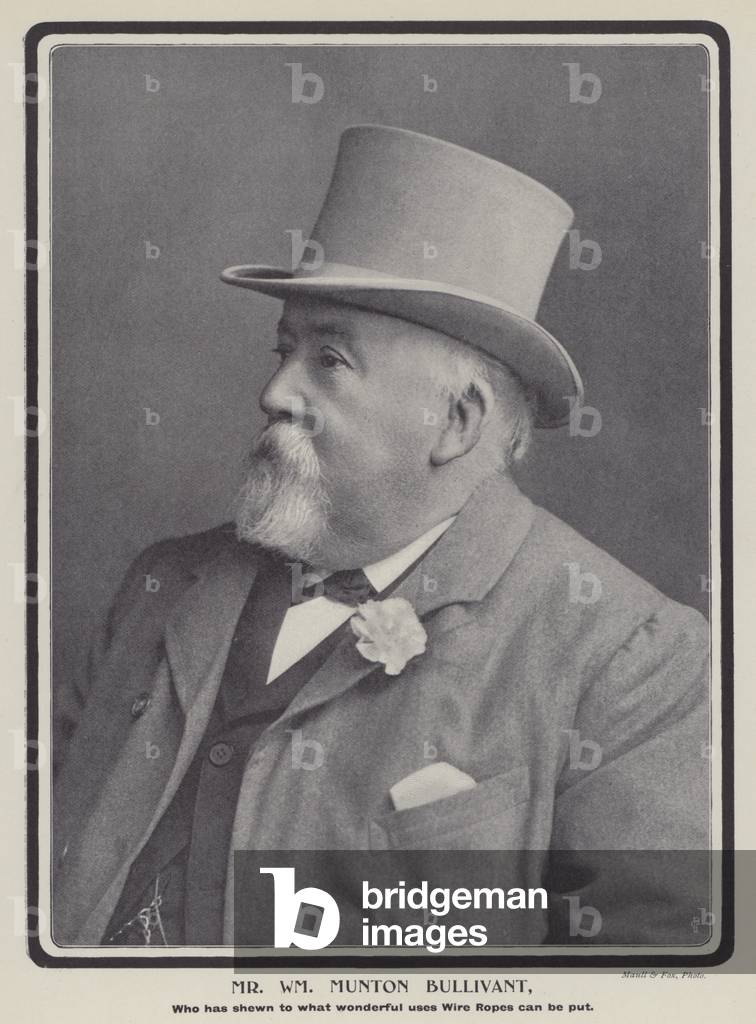
LLM3642068: William Munton Bullivant (b/w photo), English Photographer, (19th century) / Bridgeman Images

LLM3642095: John Keats, Sonnet IV (colour litho), Shepperson, Claude (1867-1921) / Bridgeman Images
