2491632 Search Results
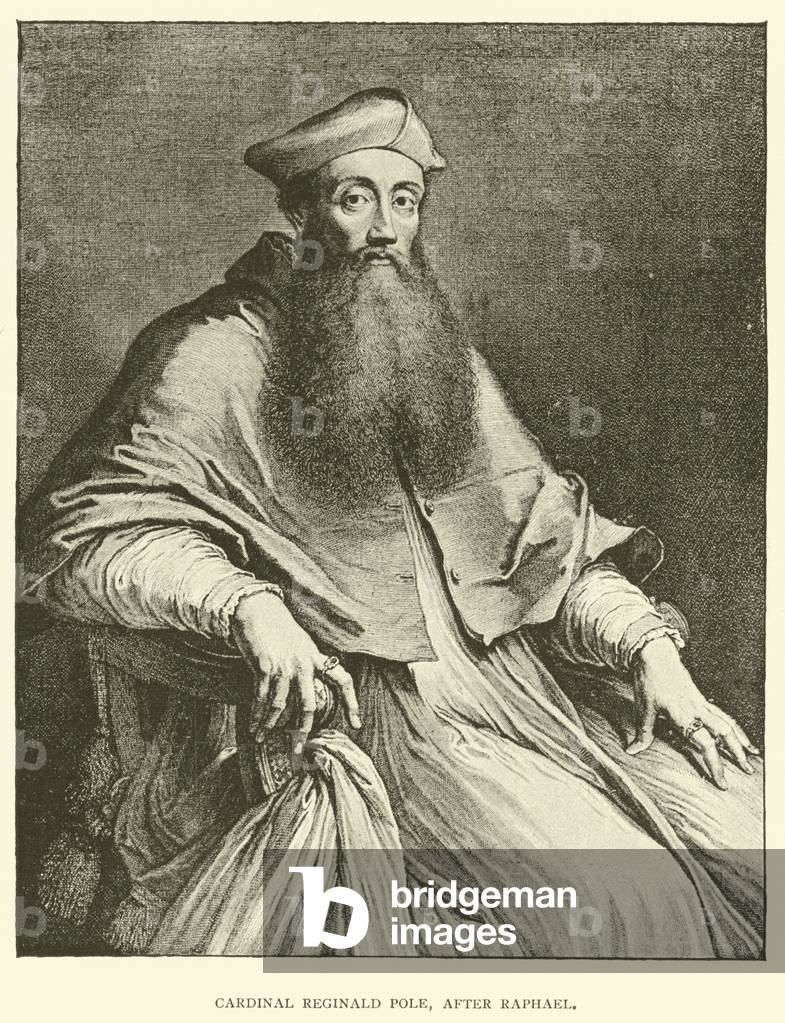
LLM3635543: Cardinal Reginald Pole, after Raphael (engraving), European School, (19th century) / Bridgeman Images
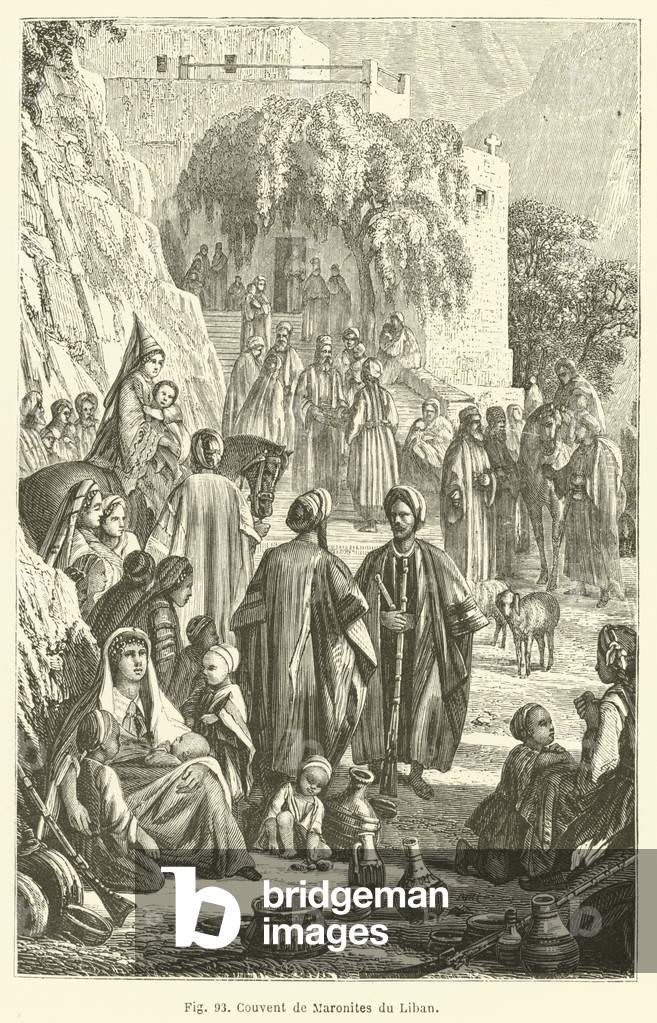
LLM3635589: Couvent de Maronites du Liban (engraving), European School, (19th century) / Bridgeman Images

LLM3635672: Grosses-Cotes, chef sioux, lieutenant du grand chef la Nuee-Rouge (engraving), European School, (19th century) / Bridgeman Images

LLM3635701: Round table of the fourteenth century (engraving), English School, (19th century) / Bridgeman Images

LLM3635709: Angel, in the British museum (engraving), English School, (19th century) / Bridgeman Images
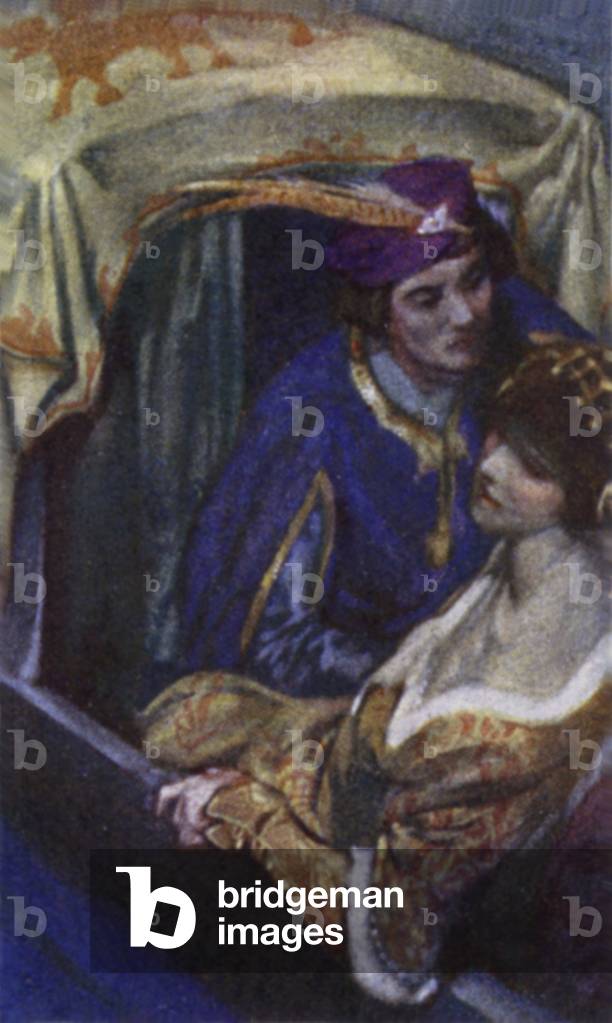
LLM3633903: In a Gondola (colour litho), English School, (20th century) / Bridgeman Images
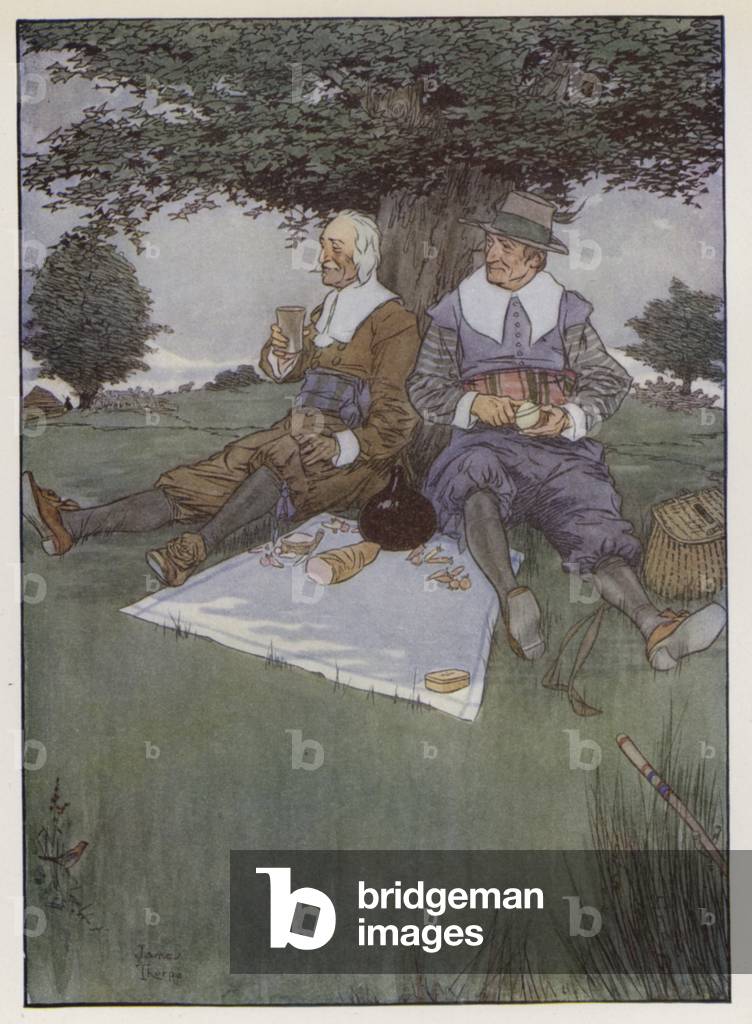
LLM3633921: Illustration for The Compleat Angler by Izaak Walton, Thorpe, James (1876-1949) / Bridgeman Images

LLM3633937: Late Afternoon (colour litho), Menpes, Mortimer Ludington (1855-1938) / Bridgeman Images

LLM3633945: On Durbar Day (colour litho), Menpes, Mortimer Ludington (1855-1938) / Bridgeman Images

LLM3633968: The Shan Chiefs' Retainers at the Native Review (colour litho), Menpes, Mortimer Ludington (1855-1938) / Bridgeman Images

LLM3633976: Quilted Soldiers of Kishengarh (colour litho), Menpes, Mortimer Ludington (1855-1938) / Bridgeman Images

LLM3633982: Viceroy reviewing the Troops (colour litho), Menpes, Mortimer Ludington (1855-1938) / Bridgeman Images

LLM3634013: A Shan Chief and his Wife (colour litho), Menpes, Mortimer Ludington (1855-1938) / Bridgeman Images

LLM3634029: Baluch Chiefs on Durbar Day (colour litho), Menpes, Mortimer Ludington (1855-1938) / Bridgeman Images

LLM3634046: Illustration for The Story of a Red Deer (colour litho), Armour, George Denholm (1864-1949) / Bridgeman Images
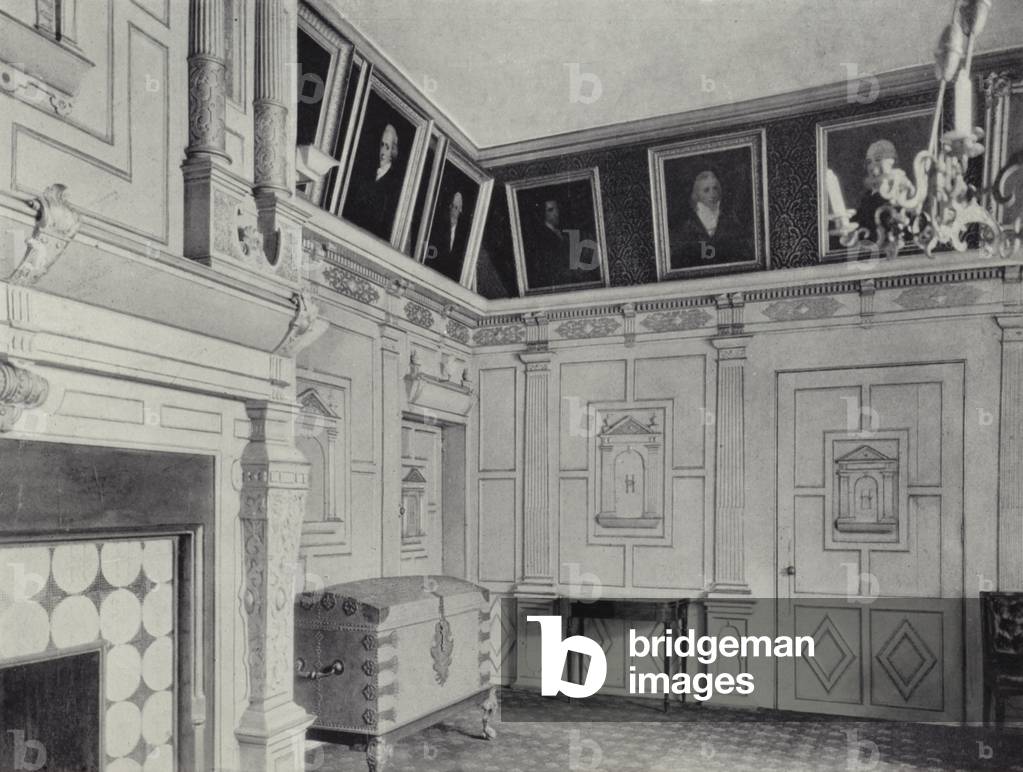
LLM3634111: Kensington, Holland House, White Parlour, c 1640 (b/w photo), English Photographer, (20th century) / Bridgeman Images
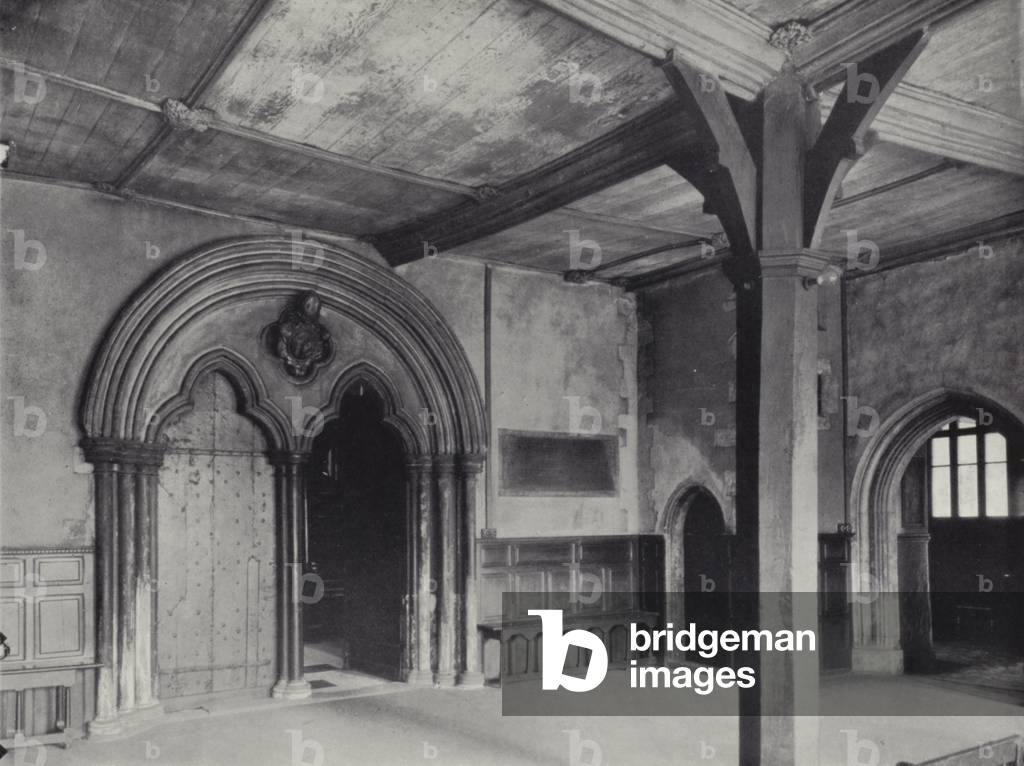
LLM3634118: Lambeth, Lambeth Palace, 'Post Room' in Lollard's Tower, c 1435, with West doorway of Chapel, early 13th-century (b/w photo), English Photographer, (20th century) / Bridgeman Images
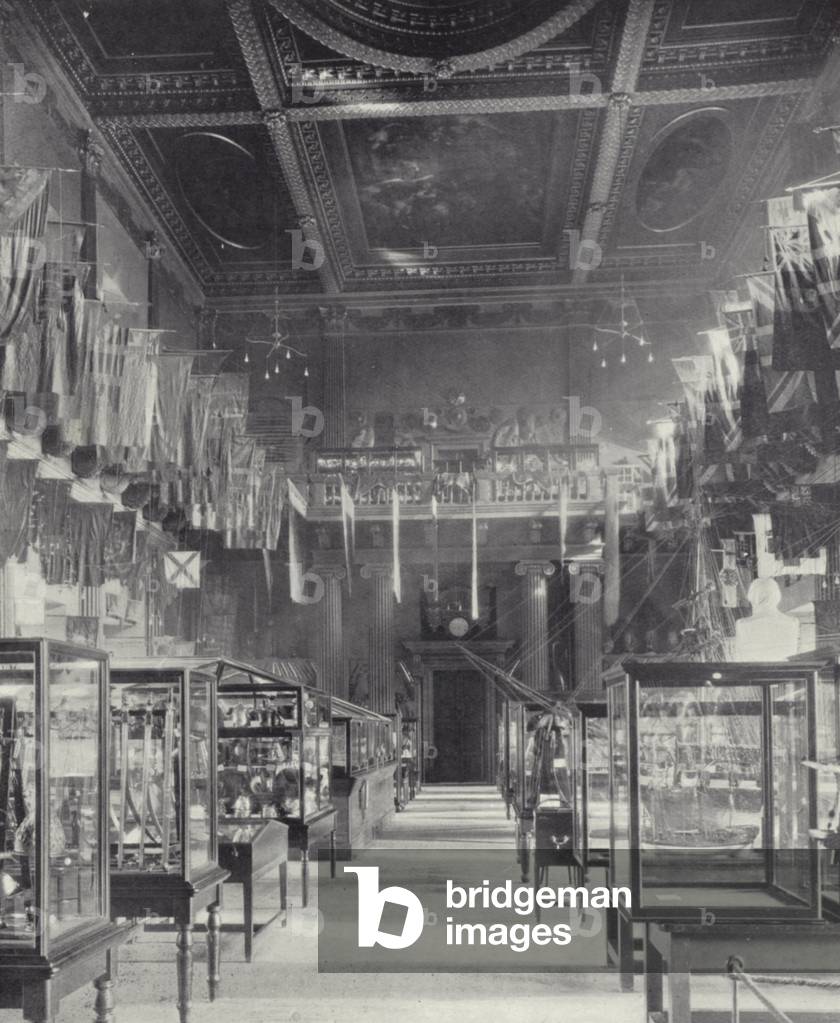
LLM3634127: Westminster, the Banqueting House, Whitehall, 1619-1622, Interior of Upper Hall, looking North (b/w photo), English Photographer, (20th century) / Bridgeman Images
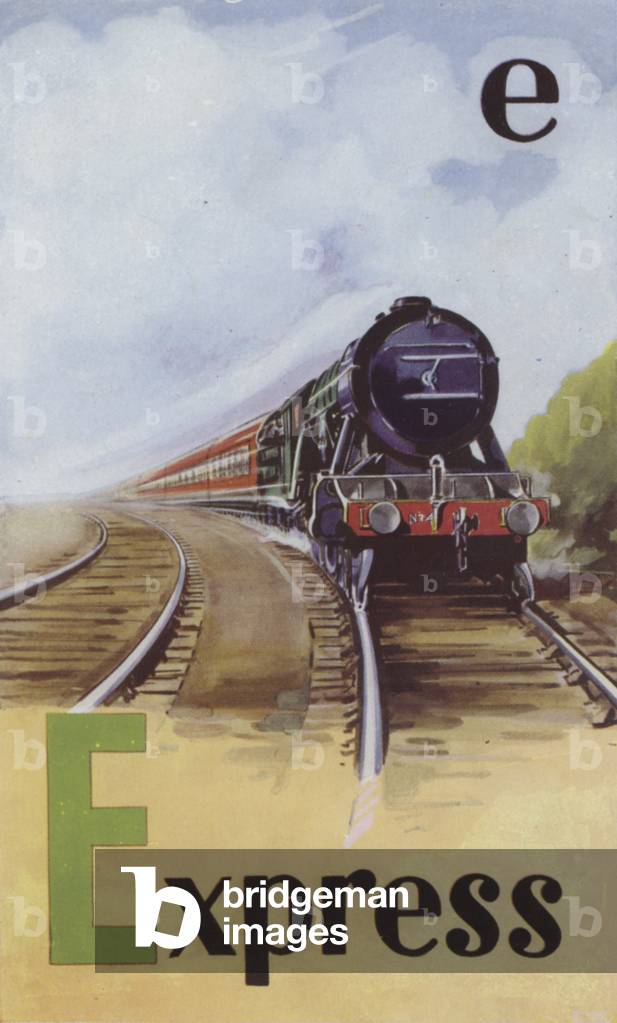
LLM3634137: E, Express (colour litho), English School, (20th century) / Bridgeman Images
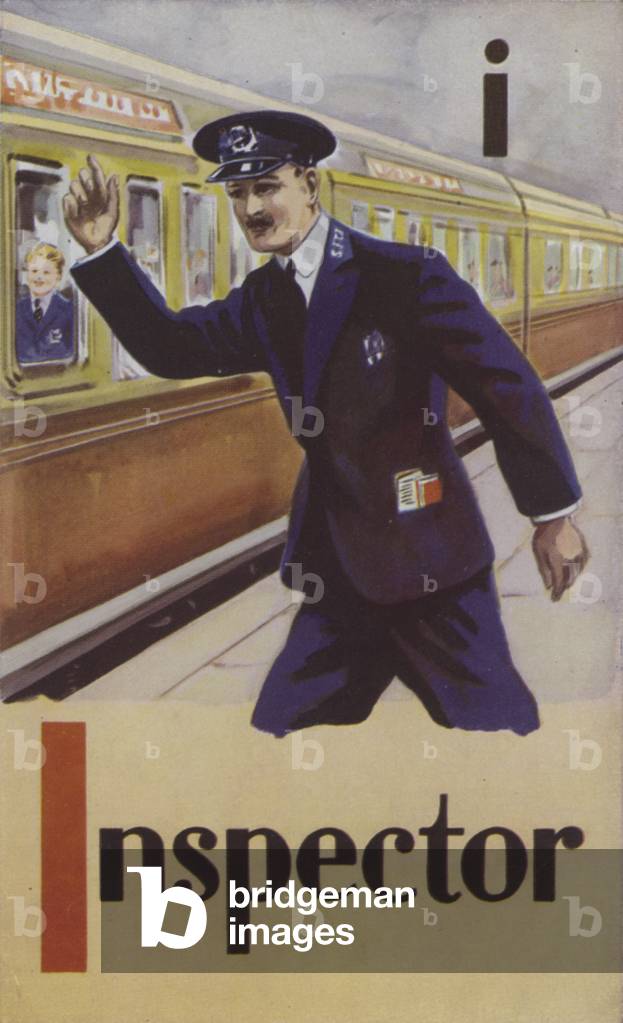
LLM3634147: I, Inspector (colour litho), English School, (20th century) / Bridgeman Images
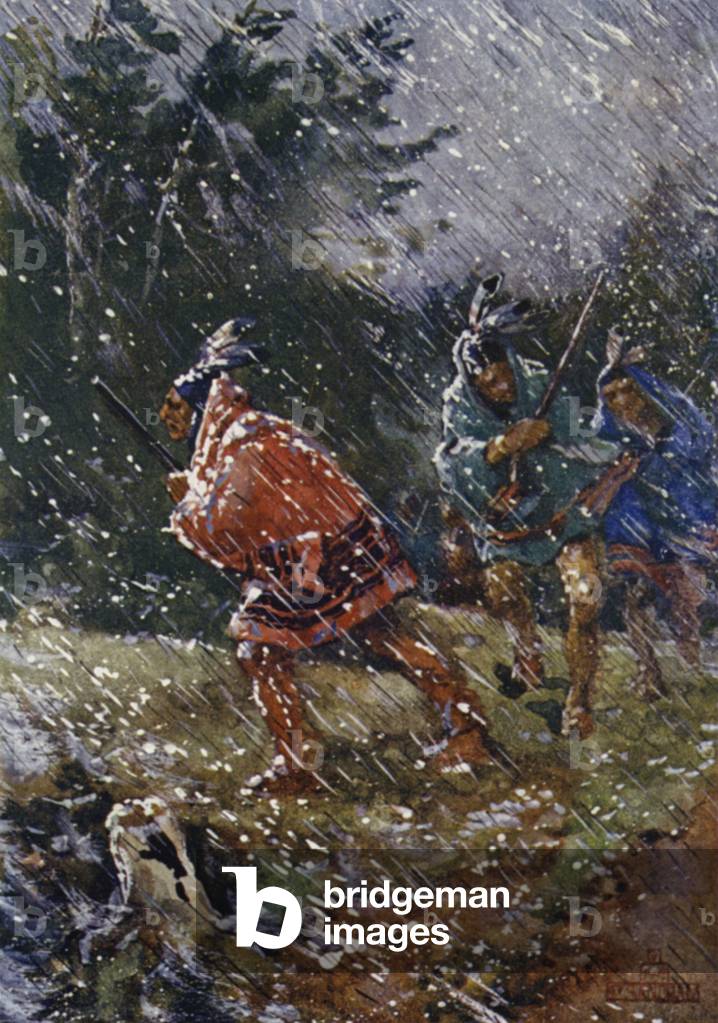
LLM3634165: Hunting in hard weather (colour litho), Sandham, Henry (1842-1912) (after) / Bridgeman Images
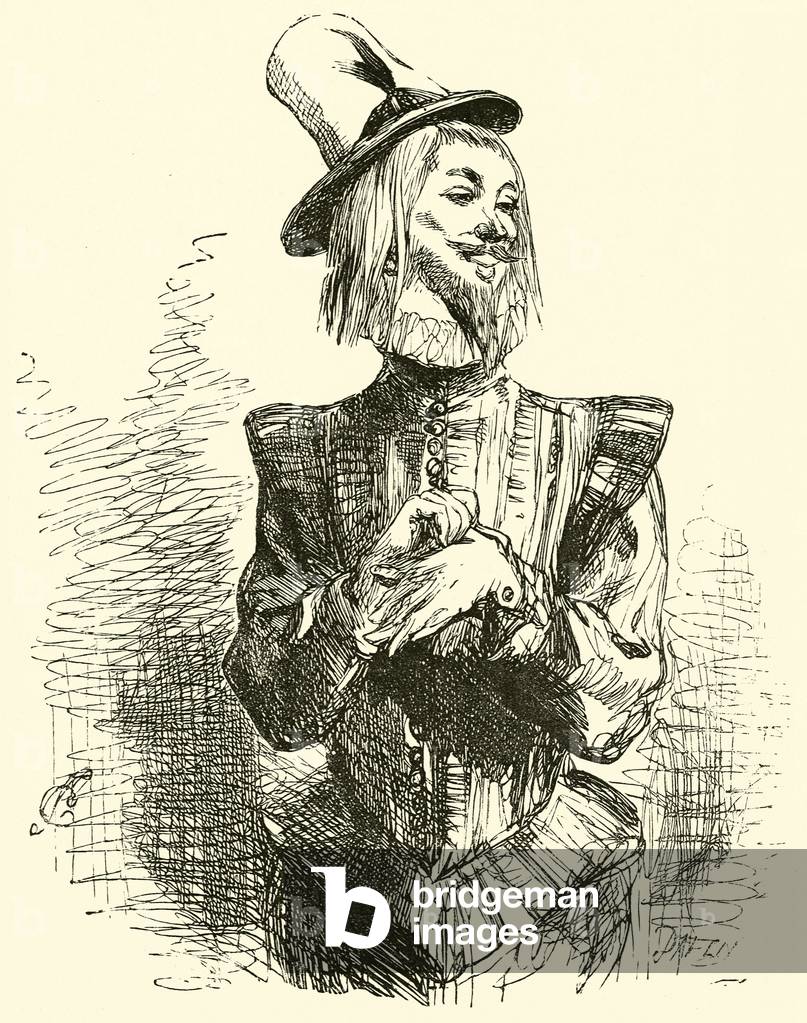
LLM3620461: Twelfth Night; or What You Will (engraving), Gilbert, John (1817-97) (after) / Bridgeman Images

LLM3620464: The Dragon of Fable (engraving), English School, (19th century) / Bridgeman Images

LLM3620482: The education of the blind (colour litho), French School, (20th century) / Bridgeman Images

LLM3620494: With a stroke of his cane, Typ knocked the reptile unconscious (colour litho), French School, (20th century) / Bridgeman Images

LLM3620514: French boys' school during the reign of Louis XIII (litho), Bosse, Abraham (1602-76) (after) / Bridgeman Images

LLM3620533: The Remains of an Ancient Chapel or Nunnery at West Hythe, Kent (engraving), English School, (19th century) / Bridgeman Images

LLM3620540: Griff House, near Nuneaton, Warwickshire, birthplace of George Eliot (b/w photo), English Photographer, (20th century) / Bridgeman Images
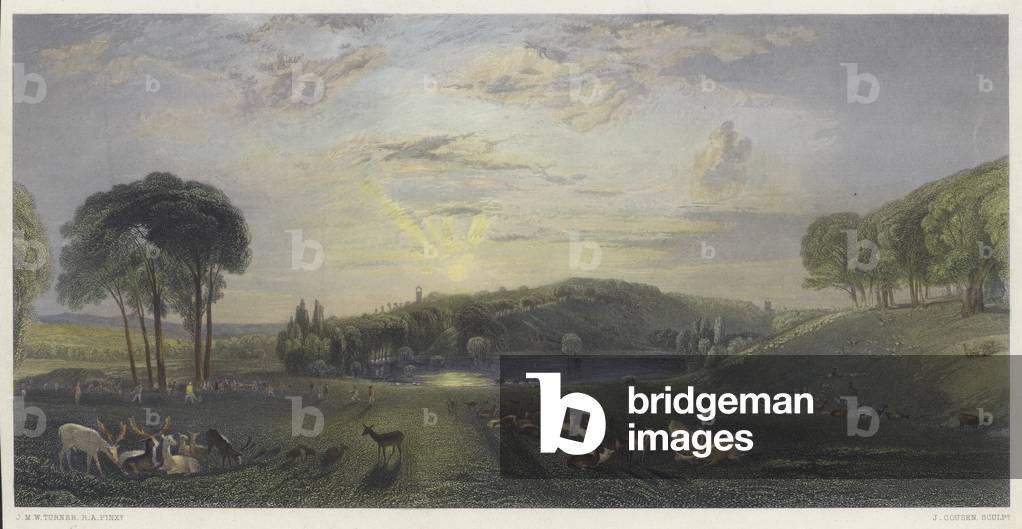
LLM3620544: Petworth Park, Sussex (coloured engraving), Turner, Joseph Mallord William (1775-1851) (after) / Bridgeman Images
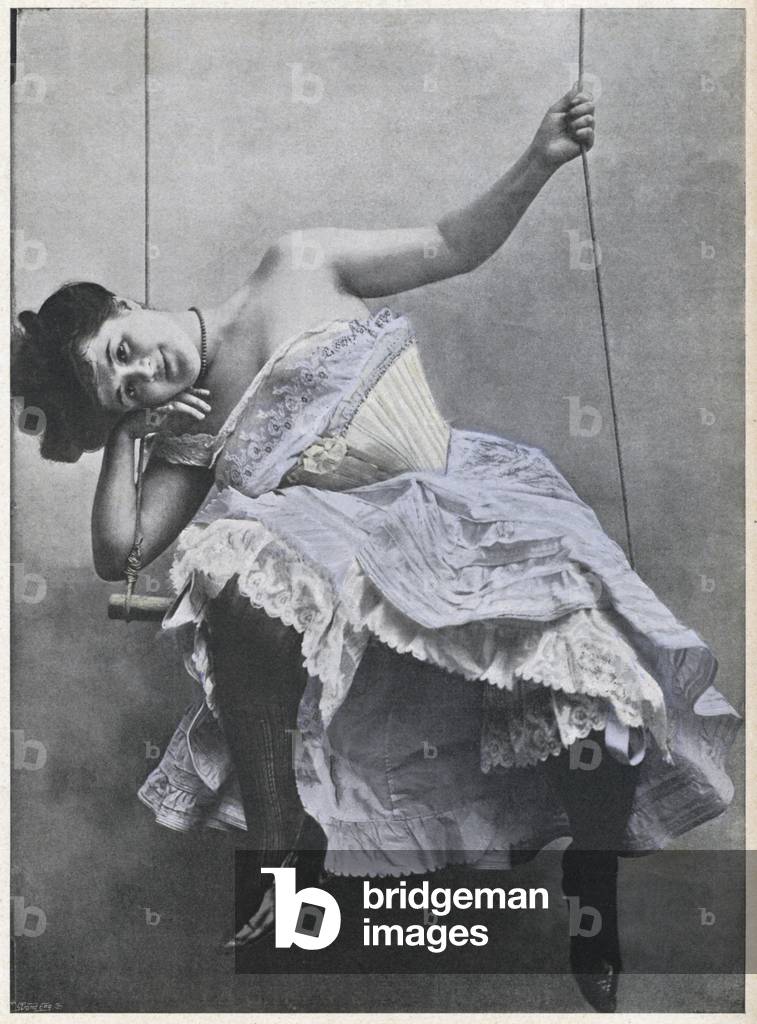
LLM3620556: Girl on a swing (b/w photo), French Photographer, (19th century) (after) / Bridgeman Images
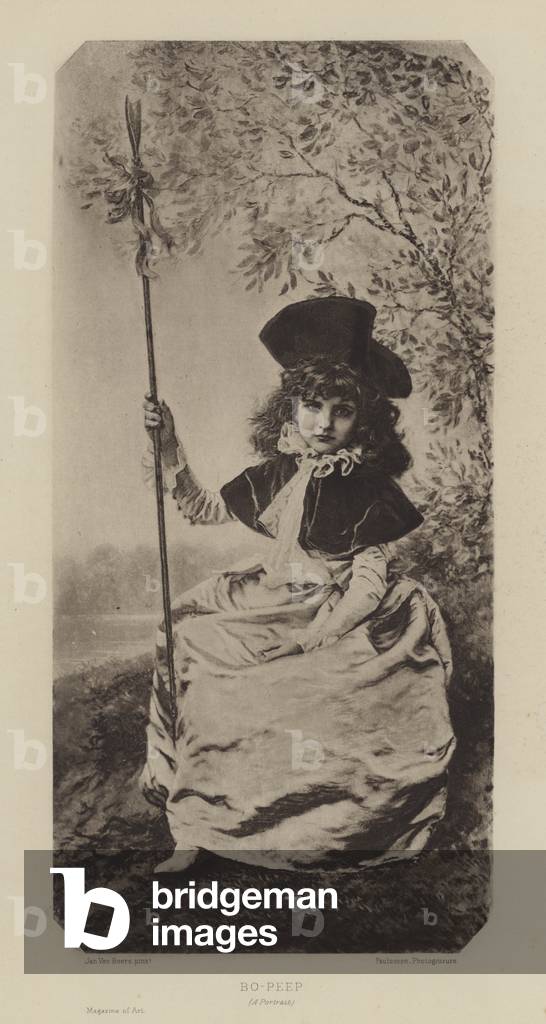
LLM3620573: Bo-Peep (photogravure), European School, (19th century) / Bridgeman Images

LLM3620580: Shelley (litho), Ricketts, Charles (1866-1931) / Bridgeman Images

LLM3620584: Tomb of Sir Joshua Reynolds in the Crypt of St Paul's (litho), English School, (19th century) / Bridgeman Images
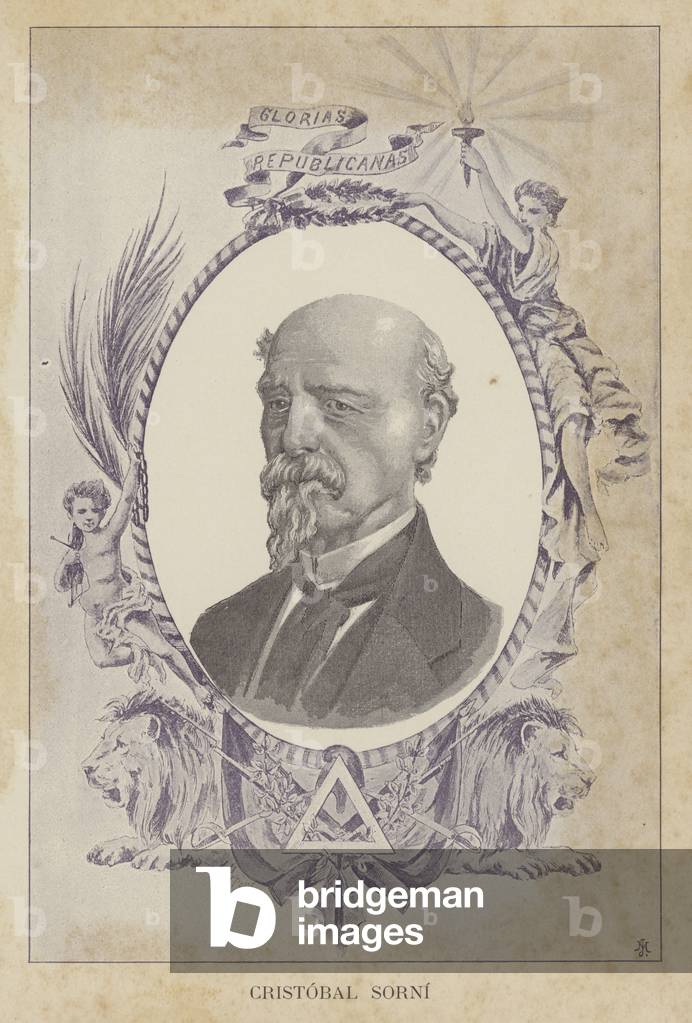
LLM3620593: Jose Cristobal Sorni, Spanish politician (litho), Spanish School, (19th century) / Bridgeman Images
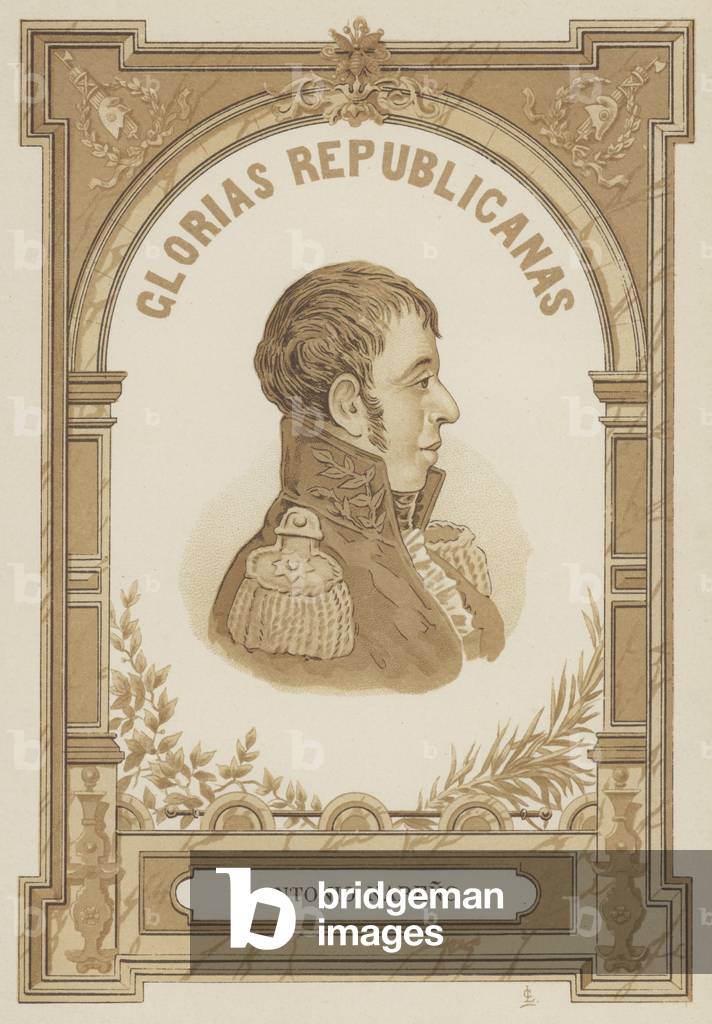
LLM3620601: Antonio Narino, Colombian military and political leader (litho), Spanish School, (19th century) / Bridgeman Images

LLM3620632: The funeral route of Queen Victoria from Osborne House to Windsor (litho), English School, (20th century) / Bridgeman Images
