2491557 Search Results

LIP1627246: Sketches of Selborne (engraving), English School, (19th century) / Bridgeman Images

LIP1627259: Royal Visit to the City, reading the Address to the King and Queen of Denmark in the Guildhall (engraving), Forestier, Amedee (1854-1930) (after) / Bridgeman Images

LIP1627263: The Royal Wedding (engraving), English School, (19th century) / Bridgeman Images

LIP1627296: Winchester College (engraving), English School, (19th century) / Bridgeman Images

LLM2793719: L'Opera de Saint-Petersbourg (engraving), French School, (19th century) / Bridgeman Images
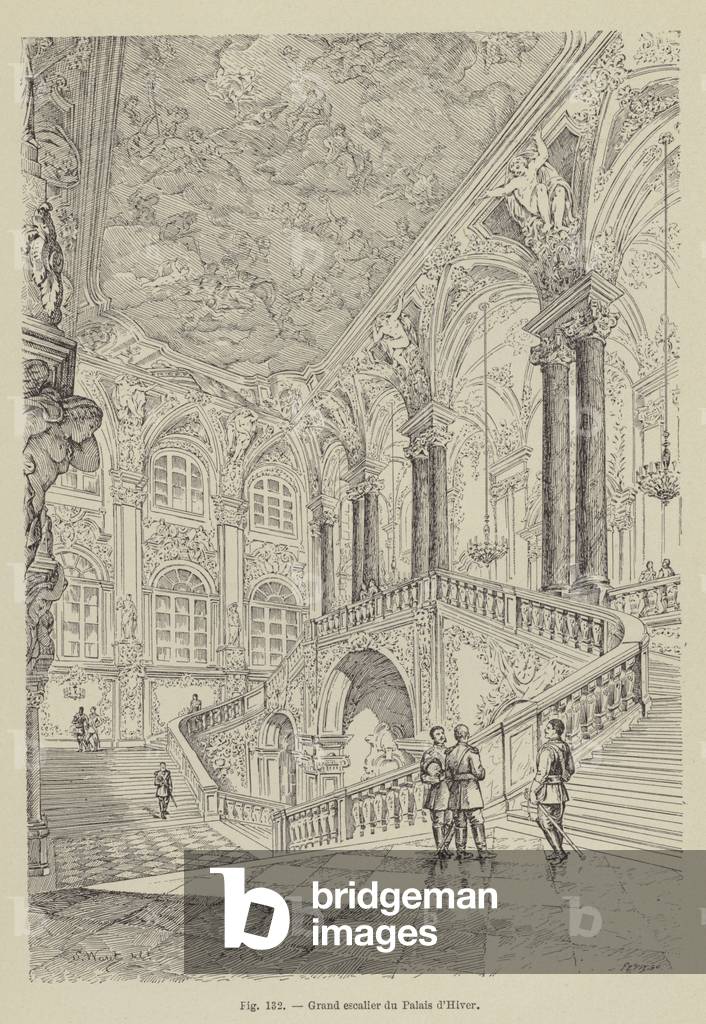
LLM2793725: Grand escalier du Palais d'Hiver (engraving), French School, (19th century) / Bridgeman Images
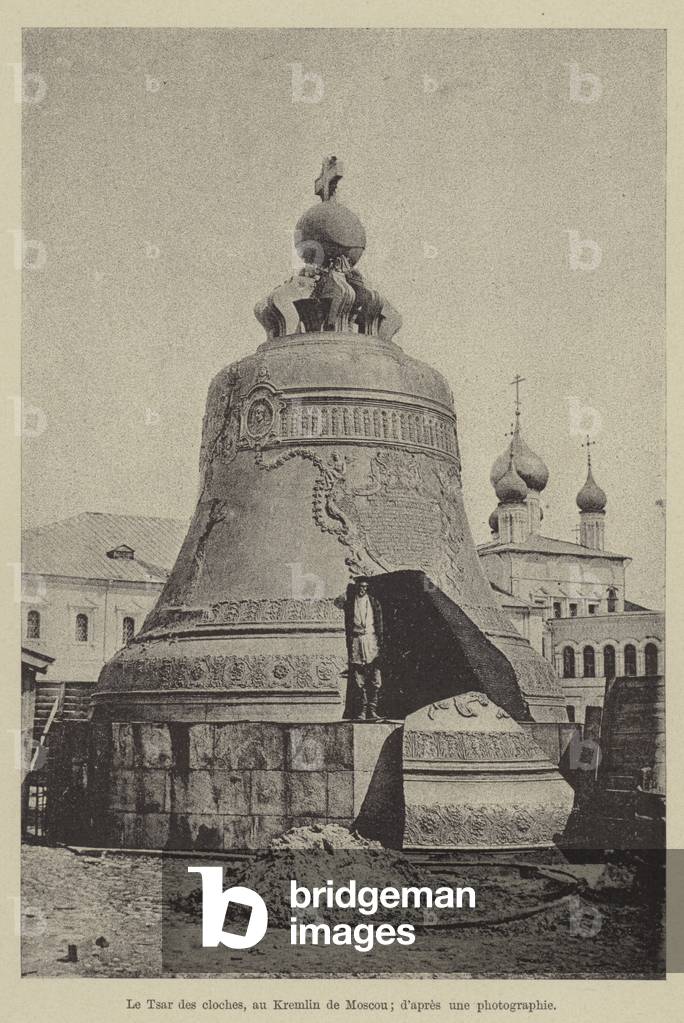
LLM2793754: Le Tsar des cloches, au Kremlin de Moscou (engraving), French School, (19th century) / Bridgeman Images
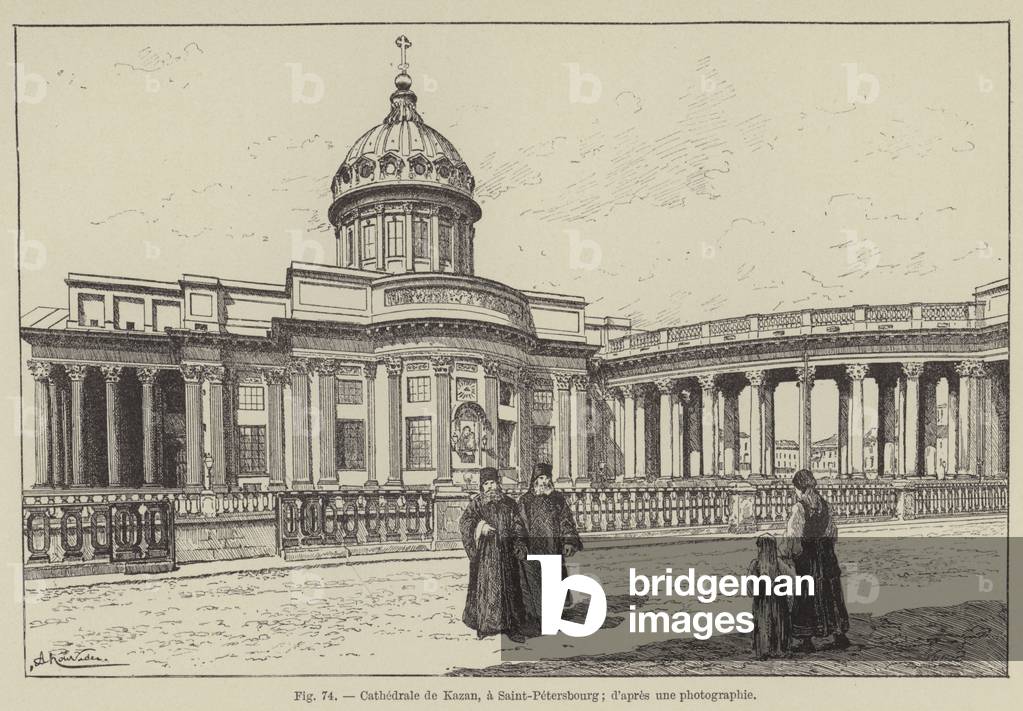
LLM2793758: Cathedrale de Kazan, a Saint-Petersbourg (engraving), French School, (19th century) / Bridgeman Images
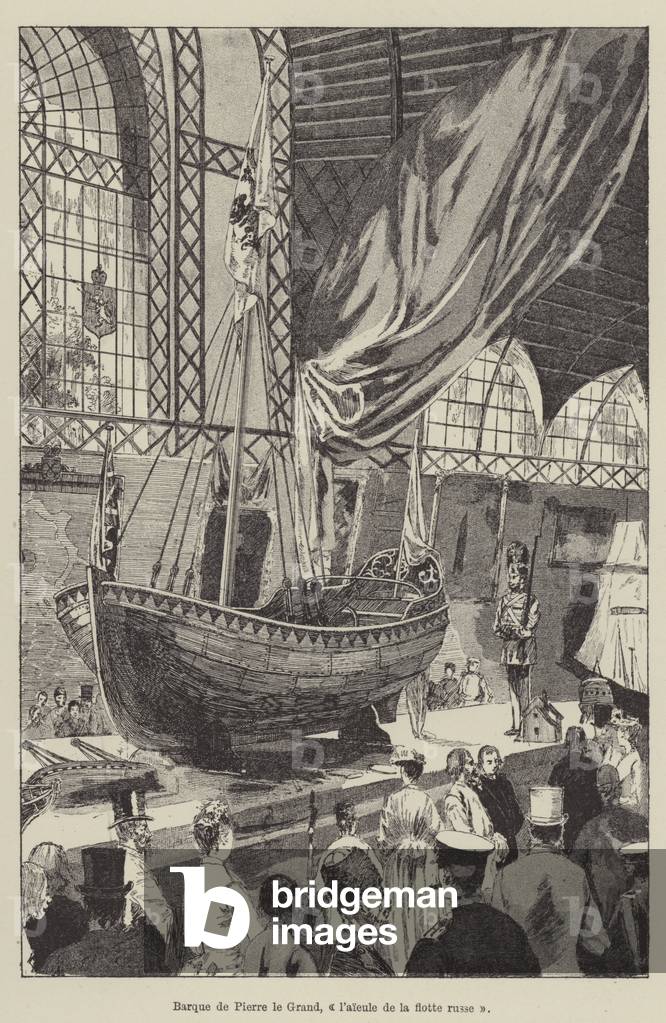
LLM2793785: Barque de Pierre le Grand, l'aieule de la flotte russe (engraving), French School, (19th century) / Bridgeman Images
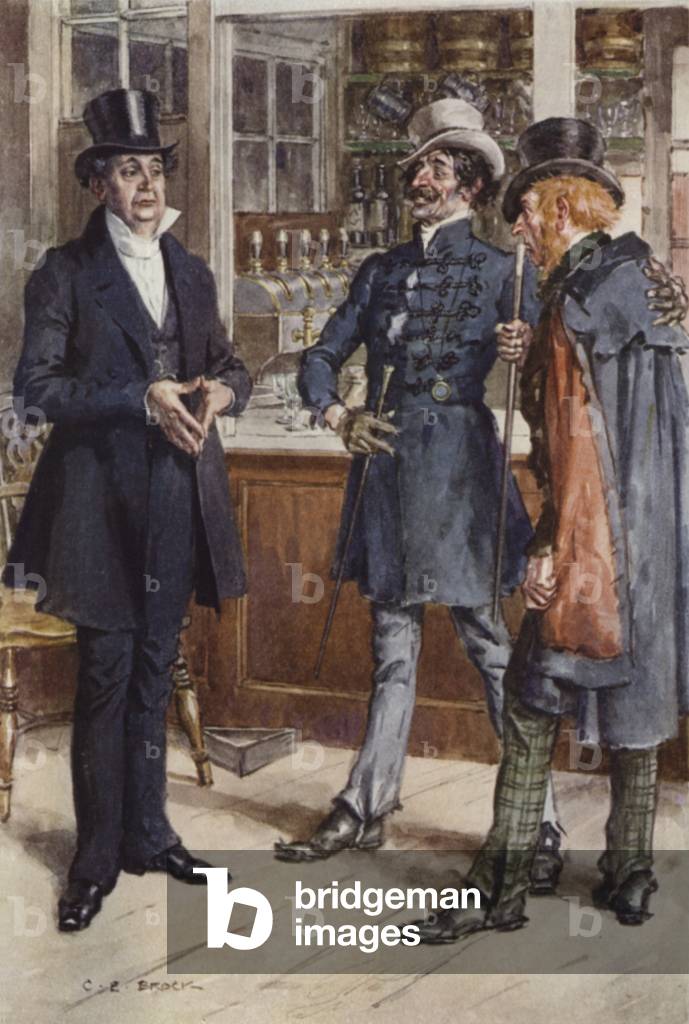
LLM2793821: Illustration for Martin Chuzzlewit (colour litho), Brock, Charles Edmund (1870-1938) (after) / Bridgeman Images
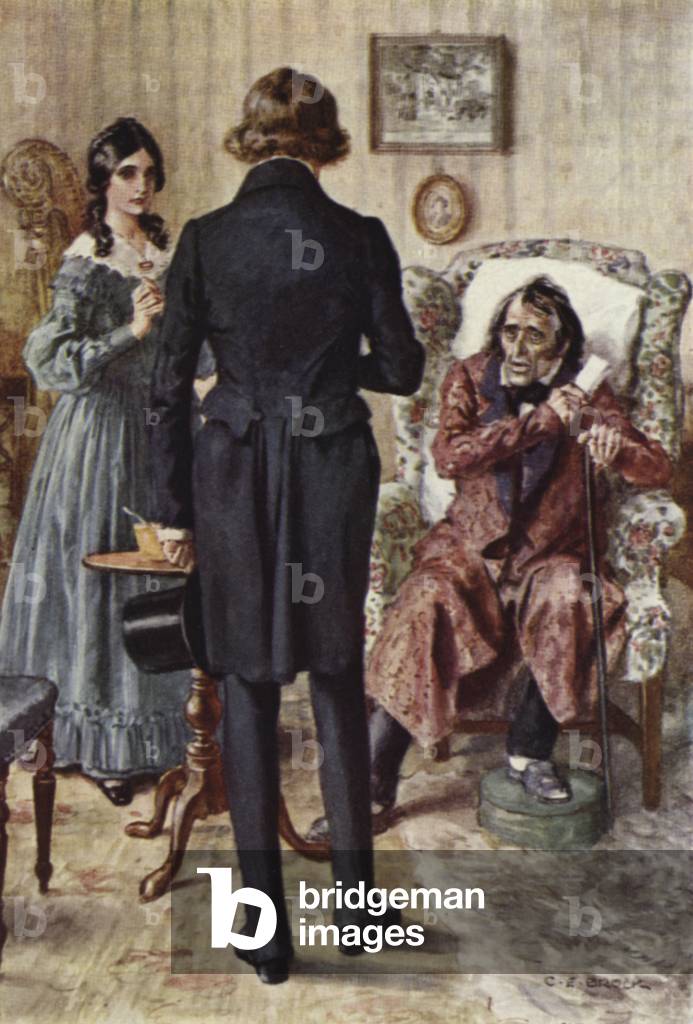
LLM2793828: Illustration for Nicholas Nickleby (colour litho), Brock, Charles Edmund (1870-1938) (after) / Bridgeman Images
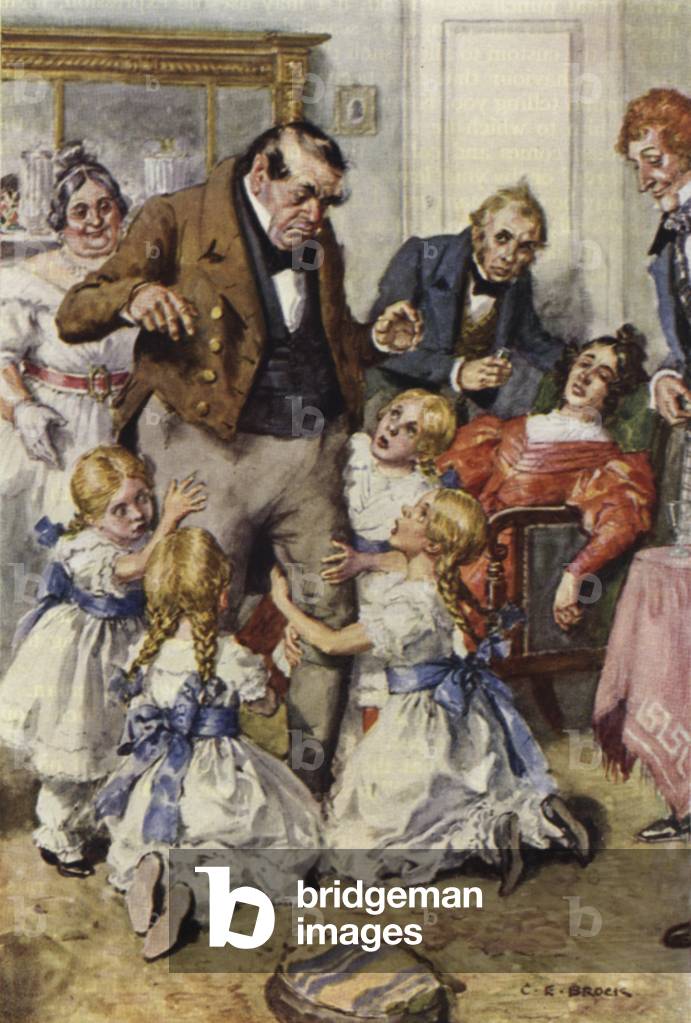
LLM2793834: Illustration for Nicholas Nickleby (colour litho), Brock, Charles Edmund (1870-1938) (after) / Bridgeman Images
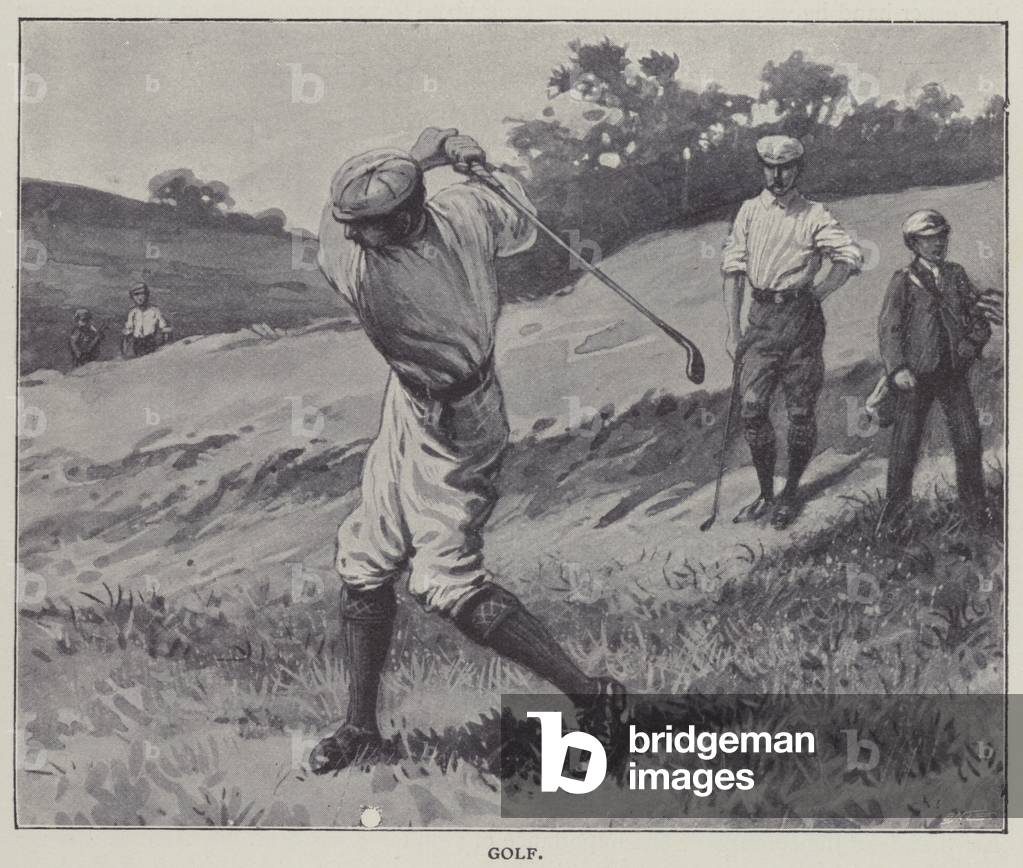
LLM2793887: Golf (litho), English School, (20th century) / Bridgeman Images
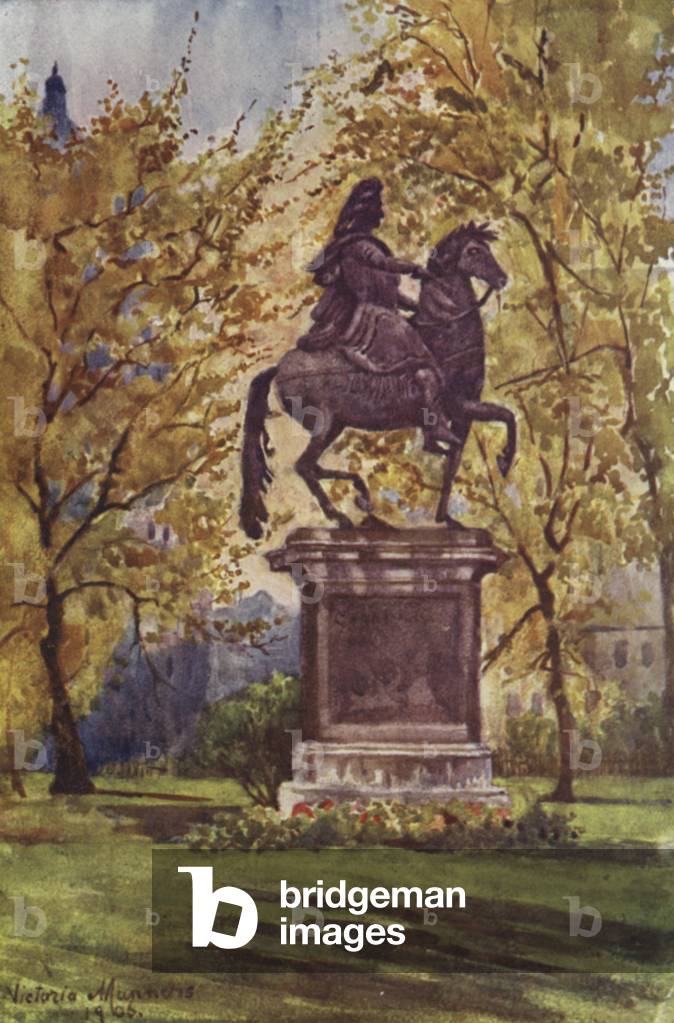
LLM2793901: Statue of William III in St James's Square (colour litho), Manners, Lady Victoria Marjorie Harriet (1883-1946) / Bridgeman Images

LLM2793944: London Street Arabs (litho), Stanley, Dorothy, nee Tennant (1855-1926) / Bridgeman Images
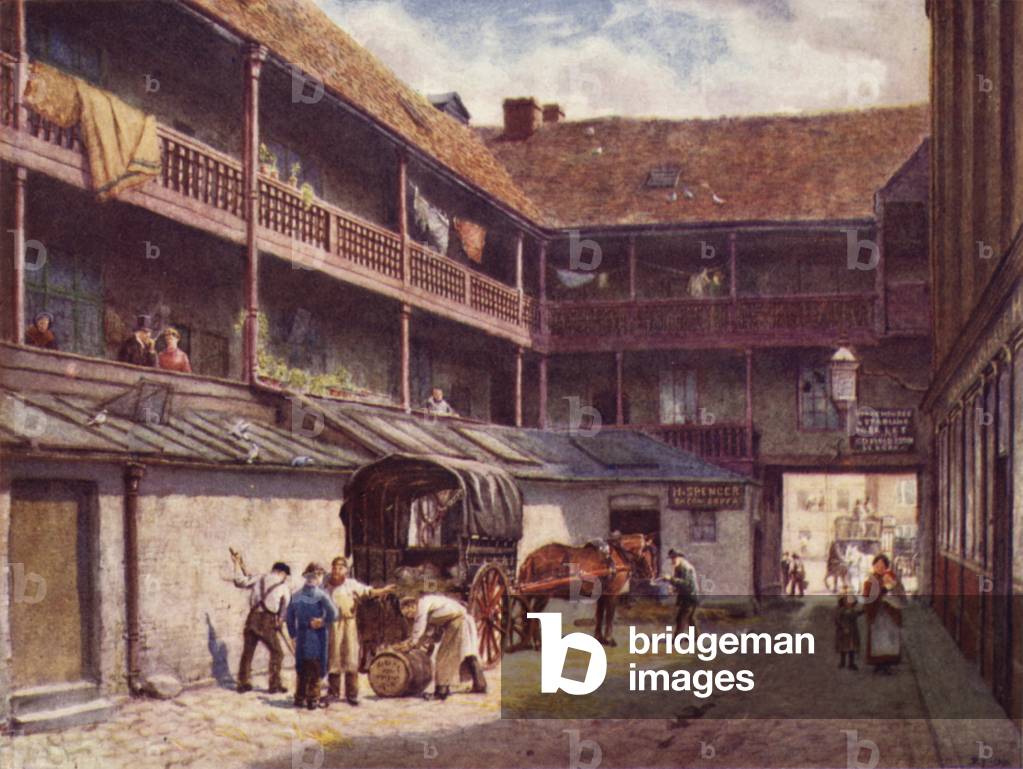
LLM2793974: White Hart Inn, Southwark, 1884 (colour litho), Norman, Philip (1842-1931) / Bridgeman Images
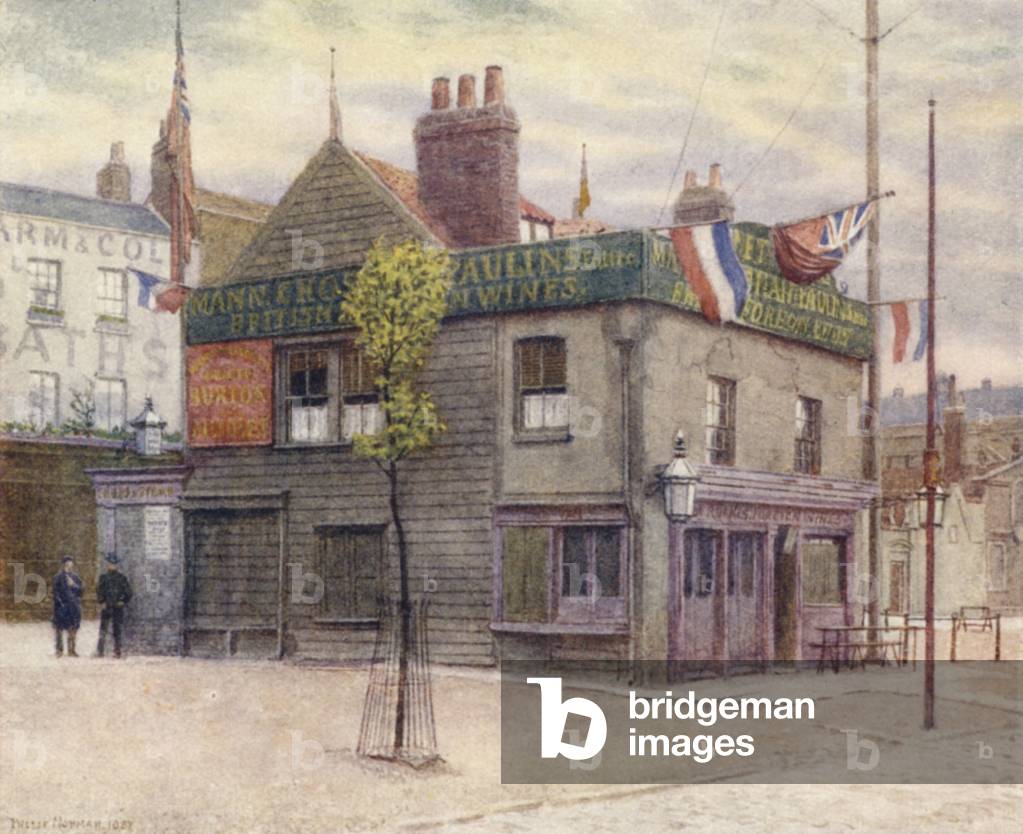
LLM2793988: Vine Tavern, Mile End, looking East, 1887 (colour litho), Norman, Philip (1842-1931) / Bridgeman Images
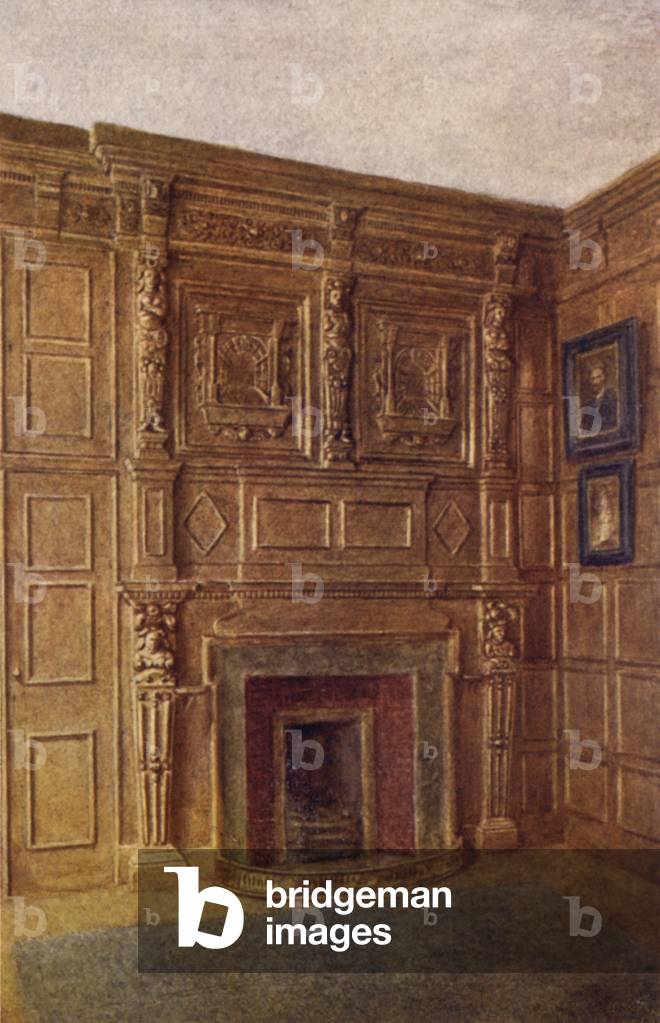
LLM2793992: Chimney-piece and part of Room at No 4 Coleman Street, 1892 (colour litho), Norman, Philip (1842-1931) / Bridgeman Images
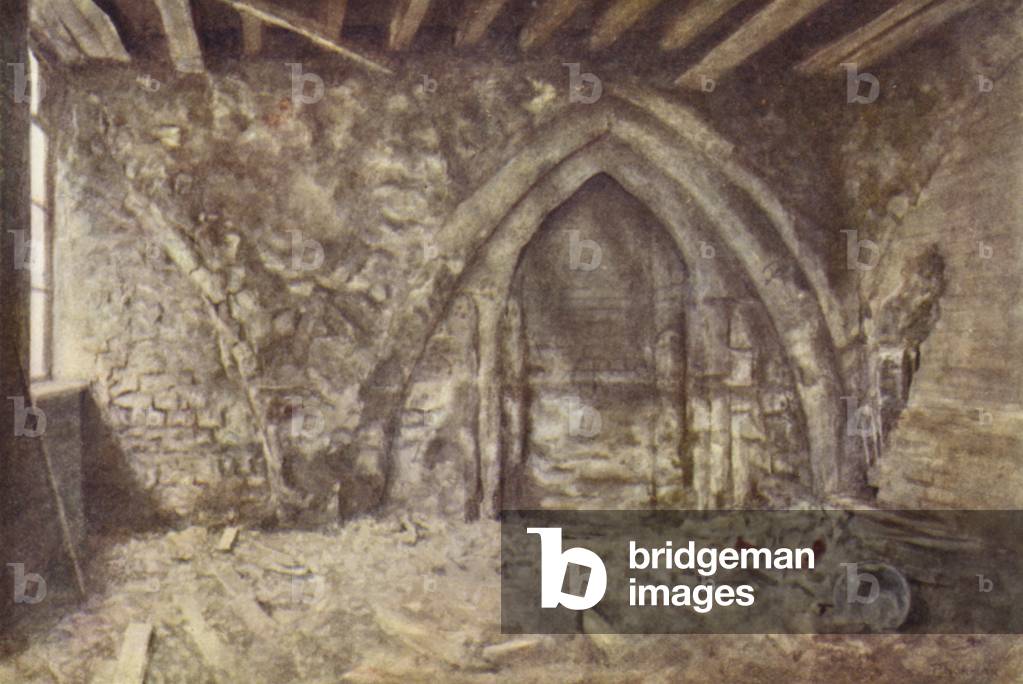
LLM2794000: Mediaeval Arches, Ireland Yard, Blackfriars, 1900 (colour litho), Norman, Philip (1842-1931) / Bridgeman Images
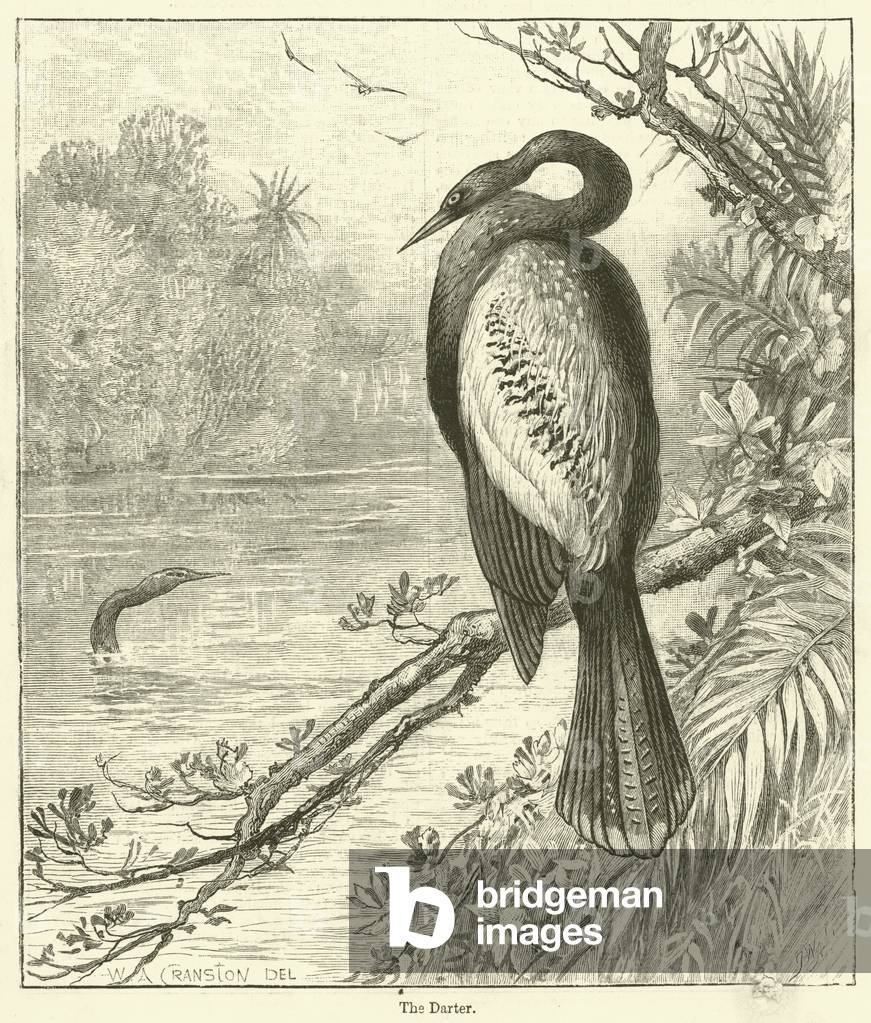
LLM2781108: The Darter (engraving), English School, (19th century) / Bridgeman Images
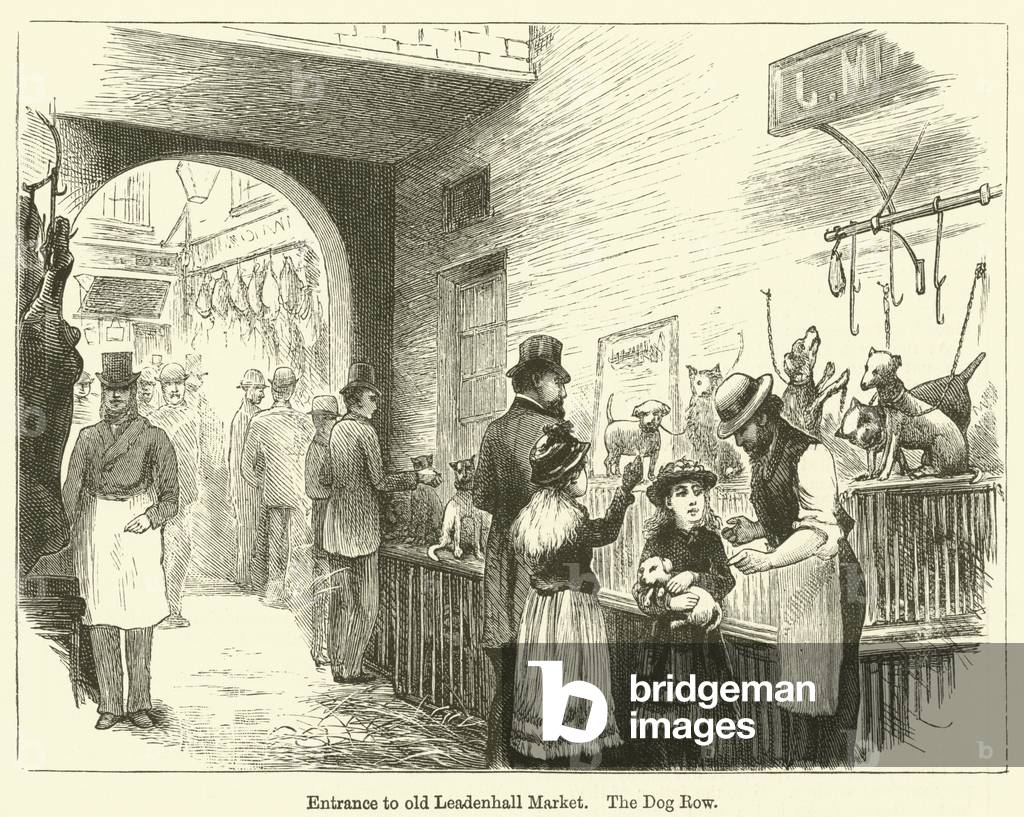
LLM2781119: Entrance to old Leadenhall Market, The Dog Row (engraving), English School, (19th century) / Bridgeman Images
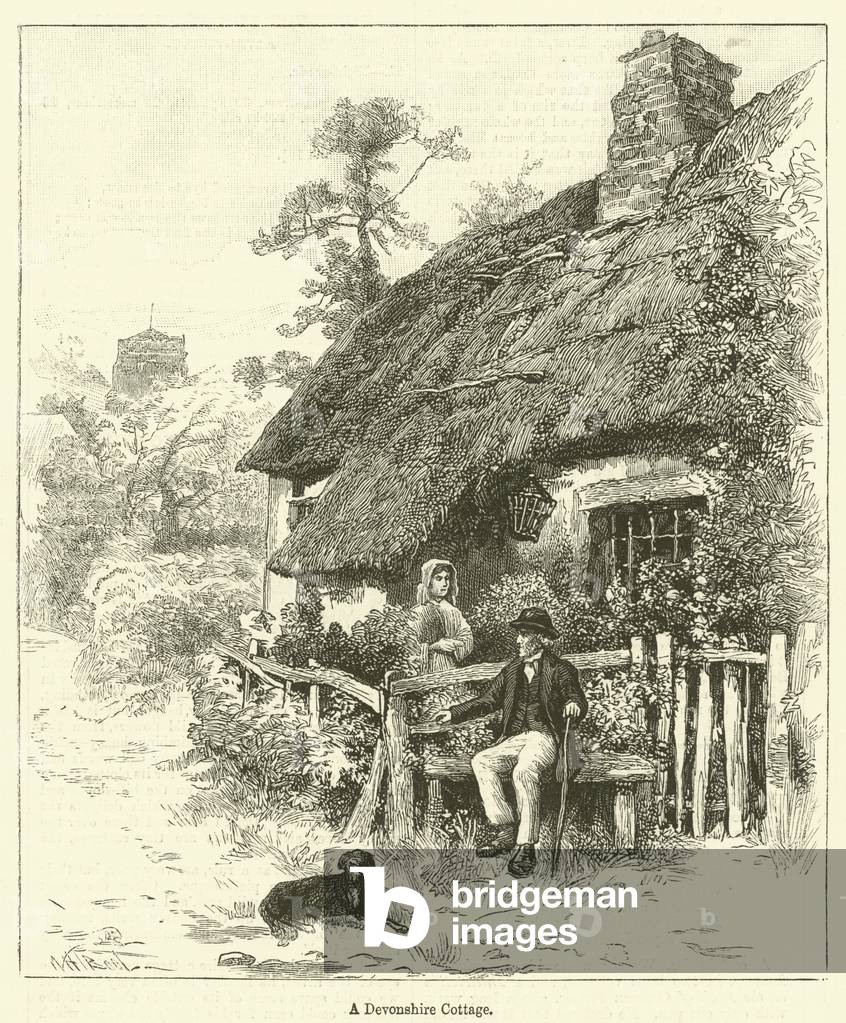
LLM2781132: A Devonshire Cottage (engraving), English School, (19th century) / Bridgeman Images
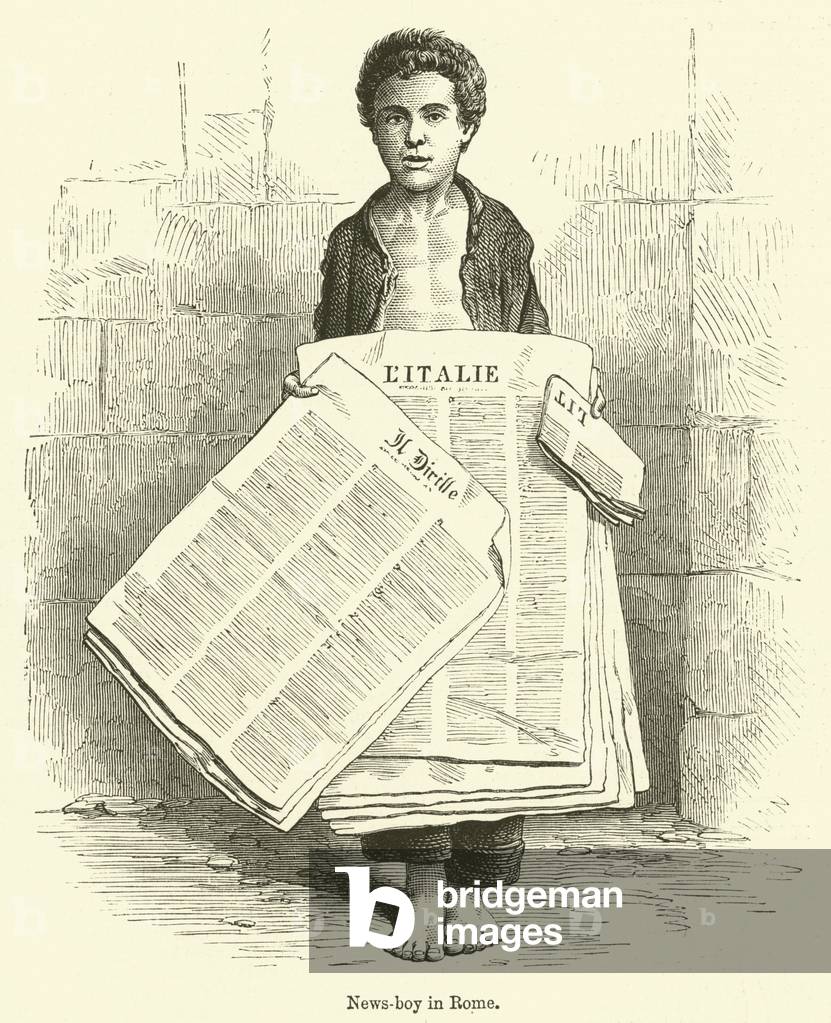
LLM2781147: News-boy in Rome (engraving), English School, (19th century) / Bridgeman Images
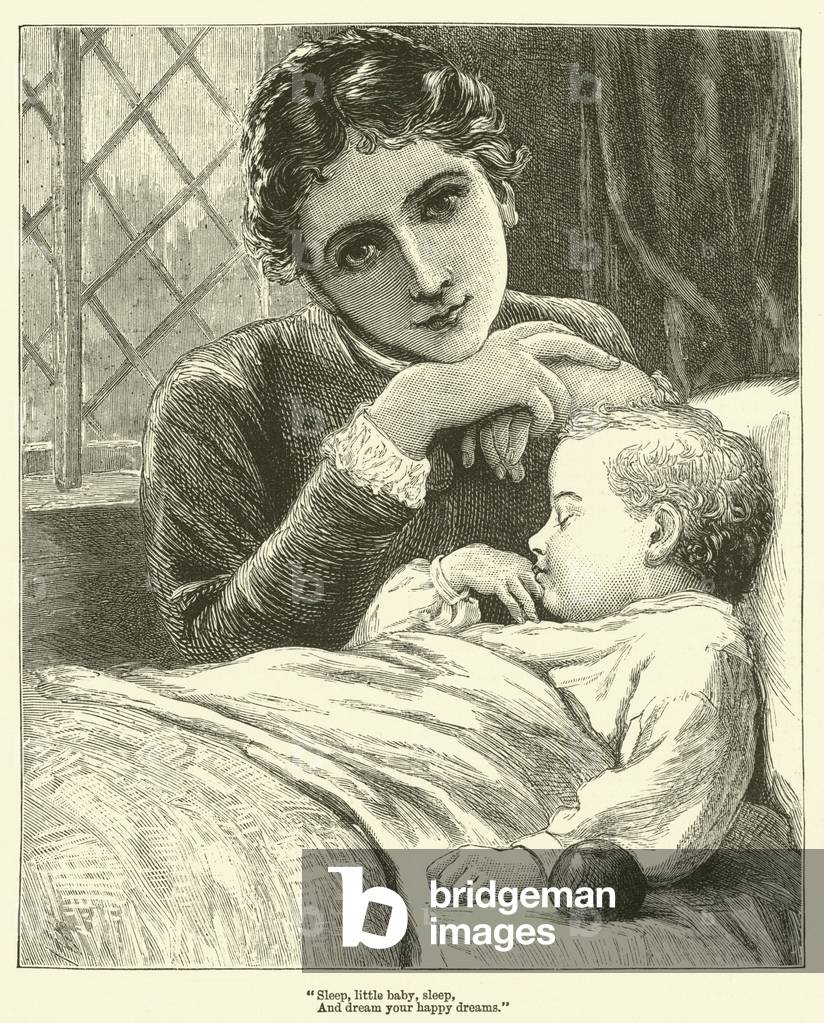
LLM2781160: Sleep, Little Baby, Sleep (engraving), English School, (19th century) / Bridgeman Images
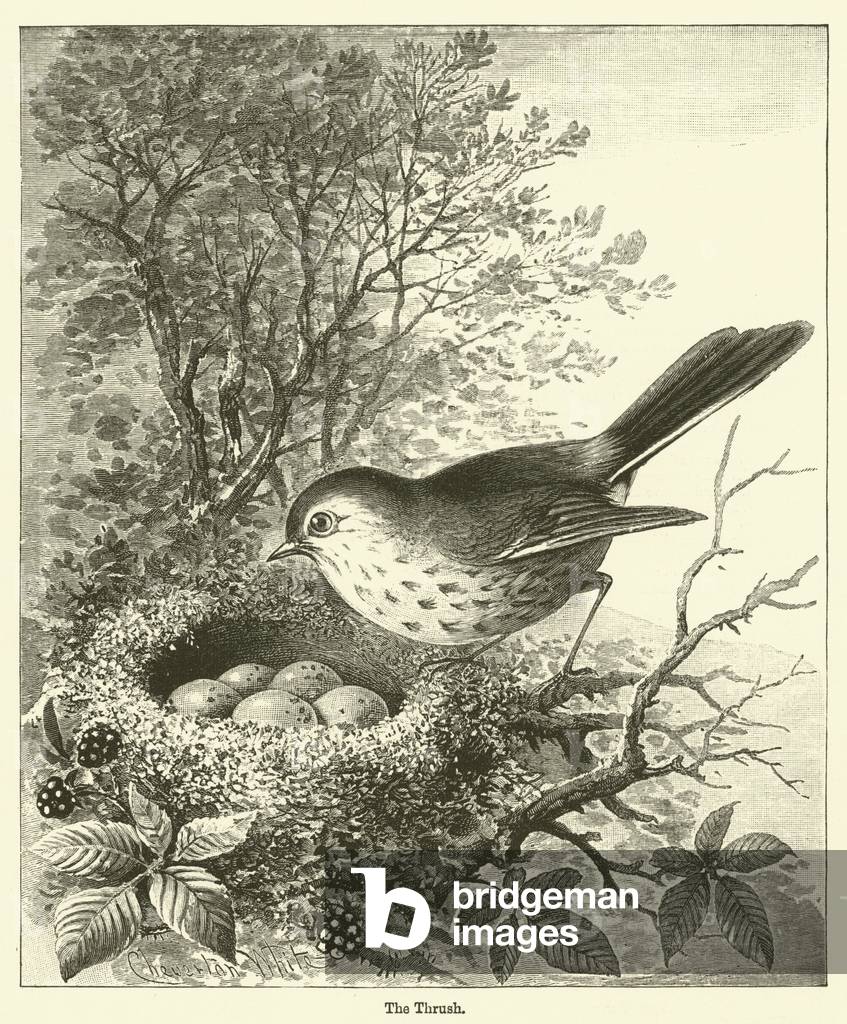
LLM2781188: The Thrush (engraving), English School, (19th century) / Bridgeman Images
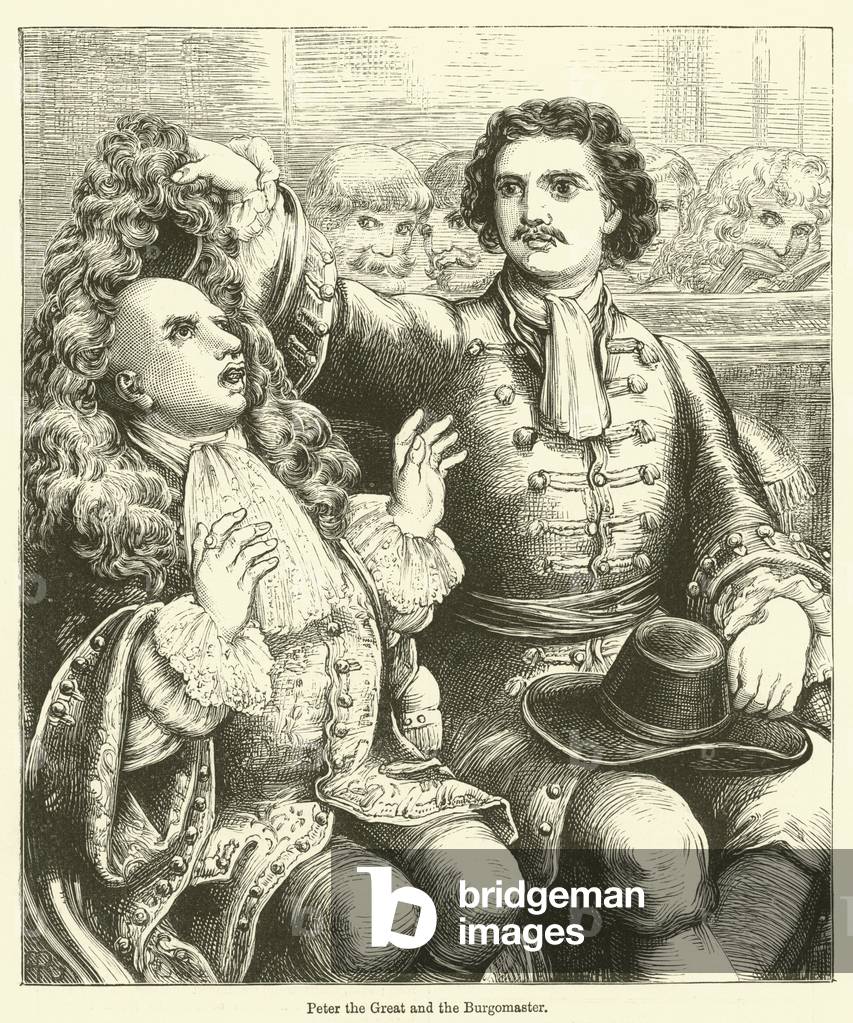
LLM2781197: Peter the Great and the Burgomaster (engraving), English School, (19th century) / Bridgeman Images
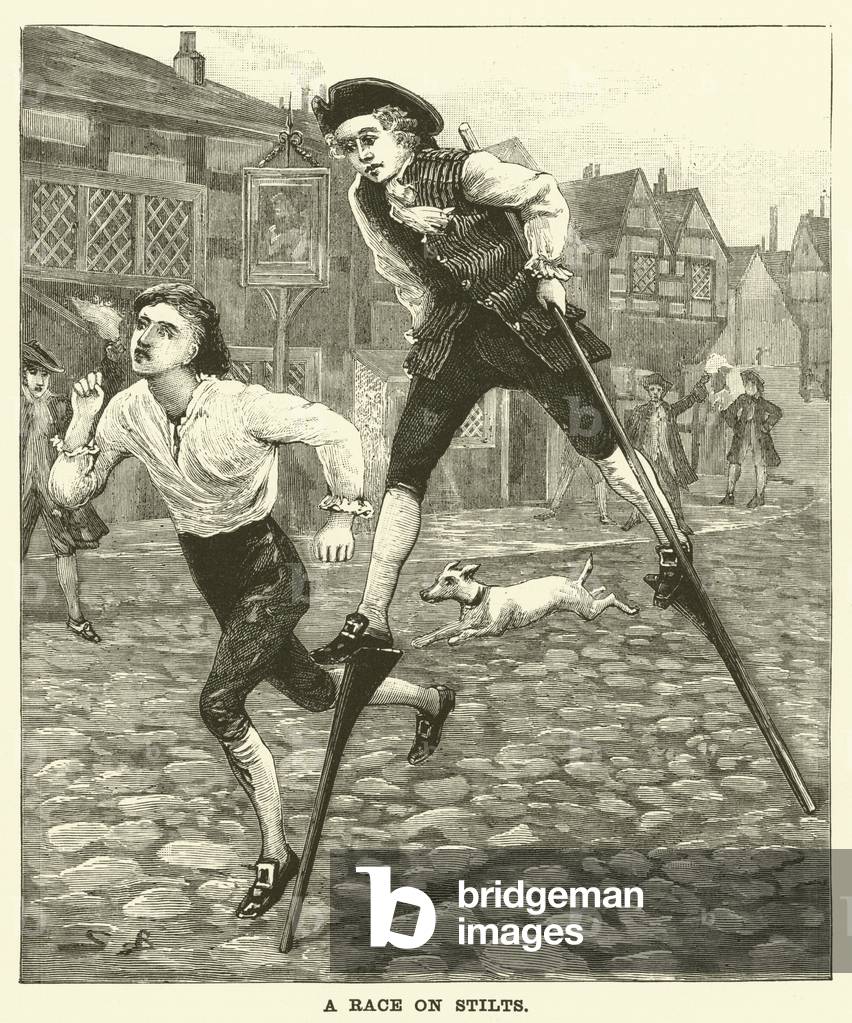
LLM2781206: A Race on Stilts (engraving), English School, (19th century) / Bridgeman Images
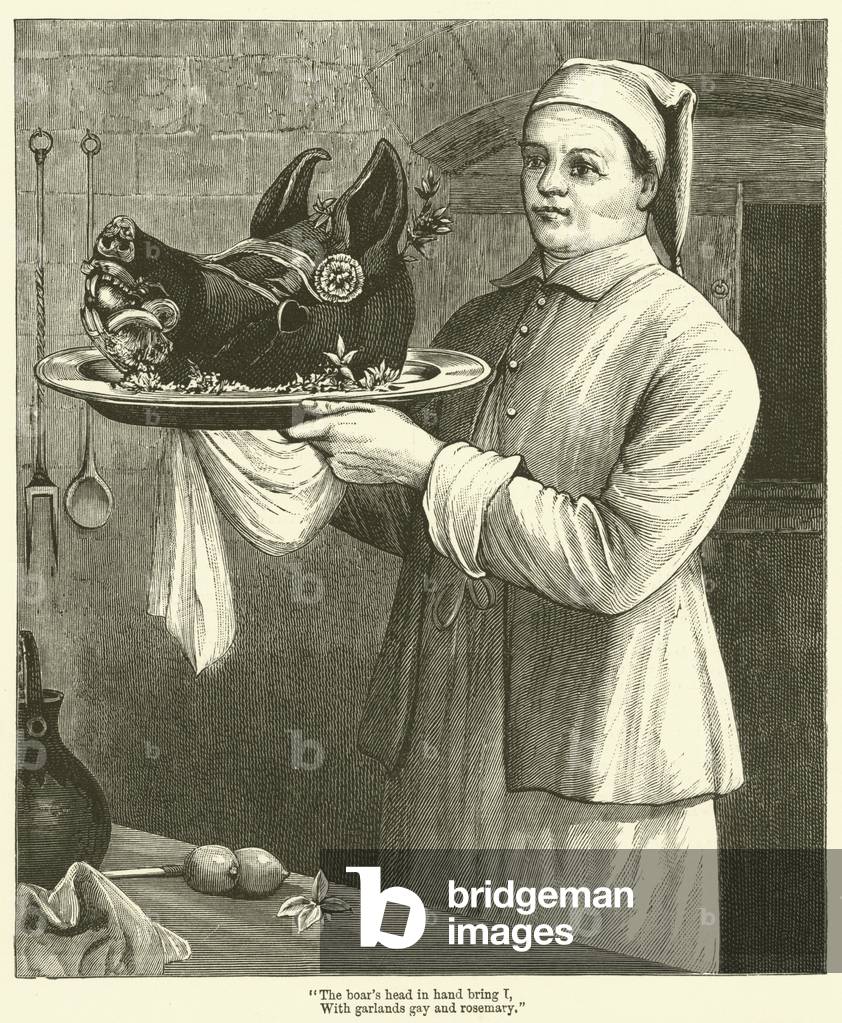
LLM2781213: "The boar's head in hand bring I, With garlands gay and rosemary" (engraving), English School, (19th century) / Bridgeman Images
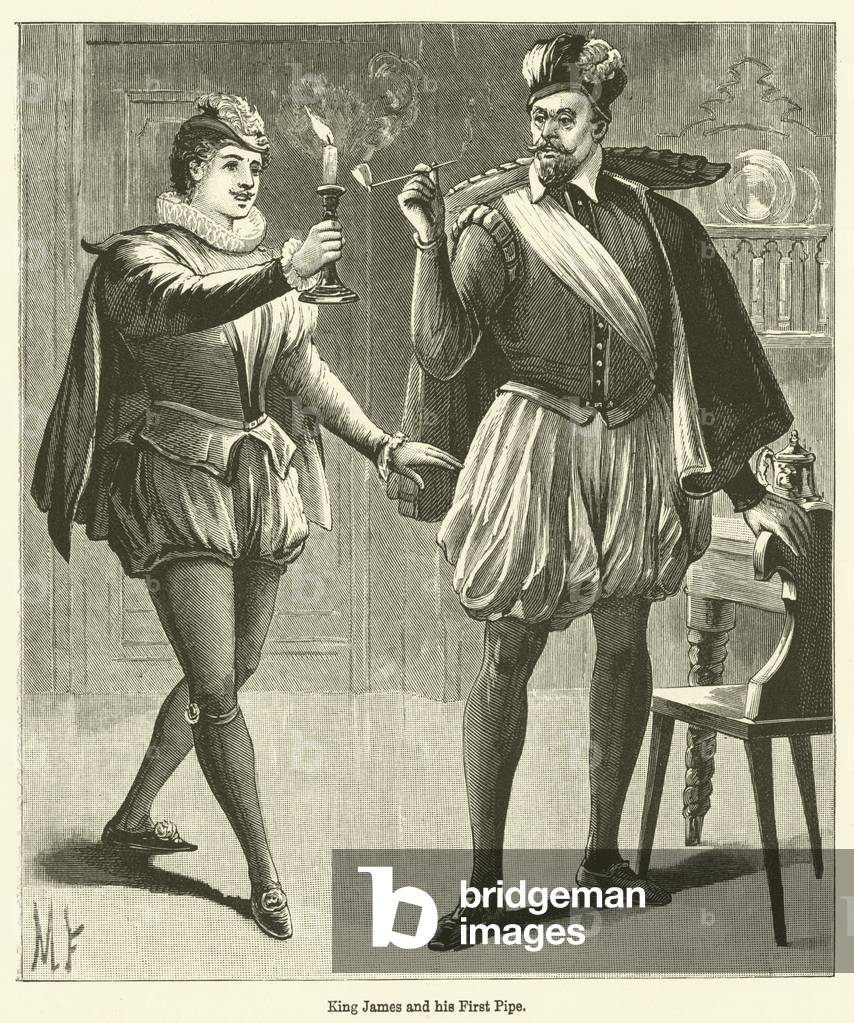
LLM2781226: King James and his First Pipe (engraving), English School, (19th century) / Bridgeman Images
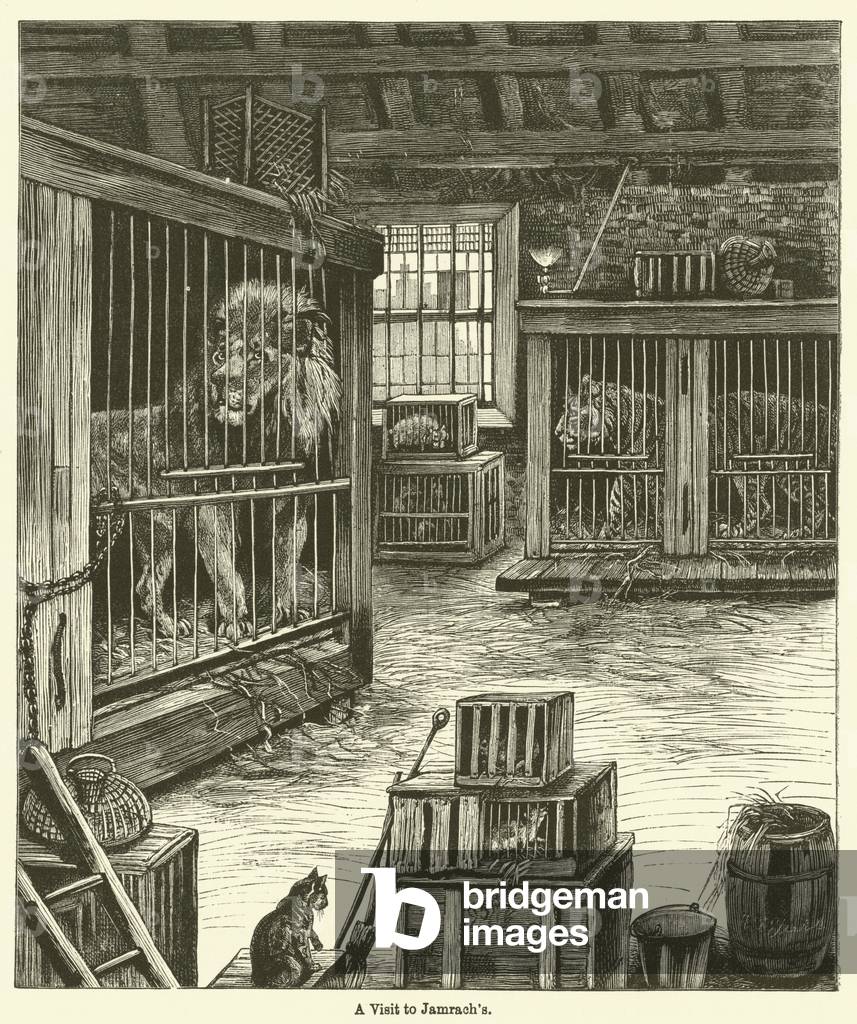
LLM2781233: A Visit to Jamrach's (engraving), English School, (19th century) / Bridgeman Images
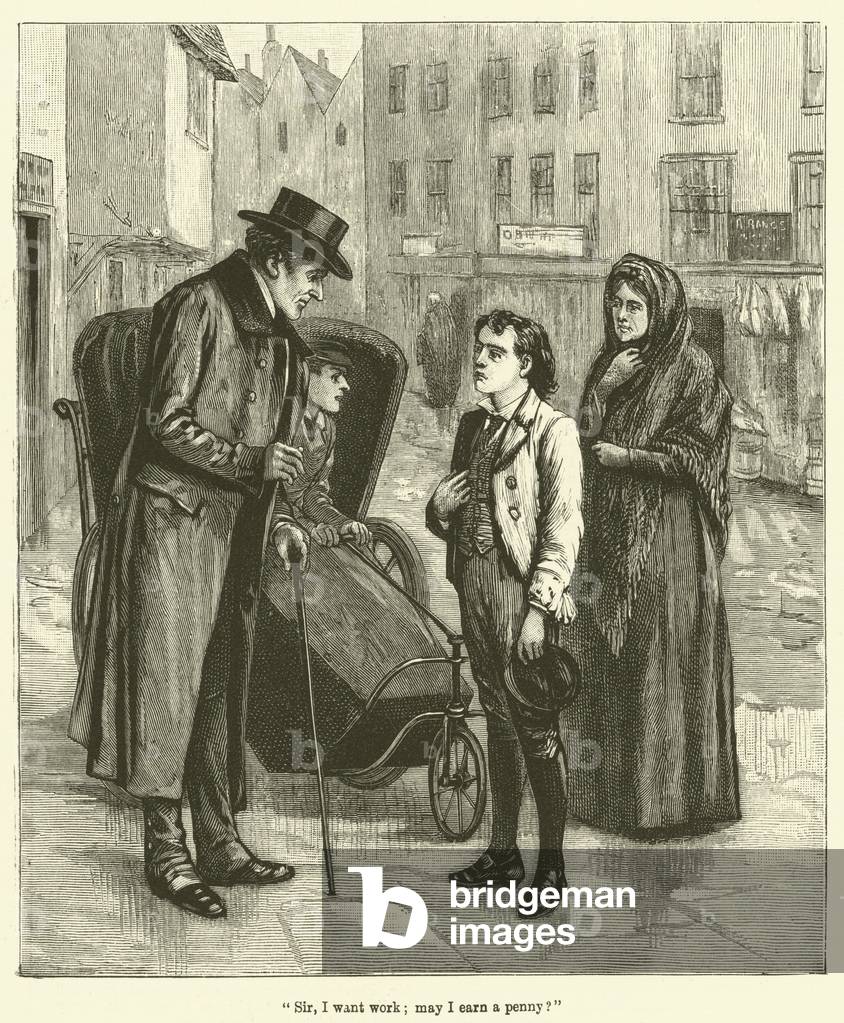
LLM2781240: "Sir, I want work; may I earn a penny?" (engraving), English School, (19th century) / Bridgeman Images
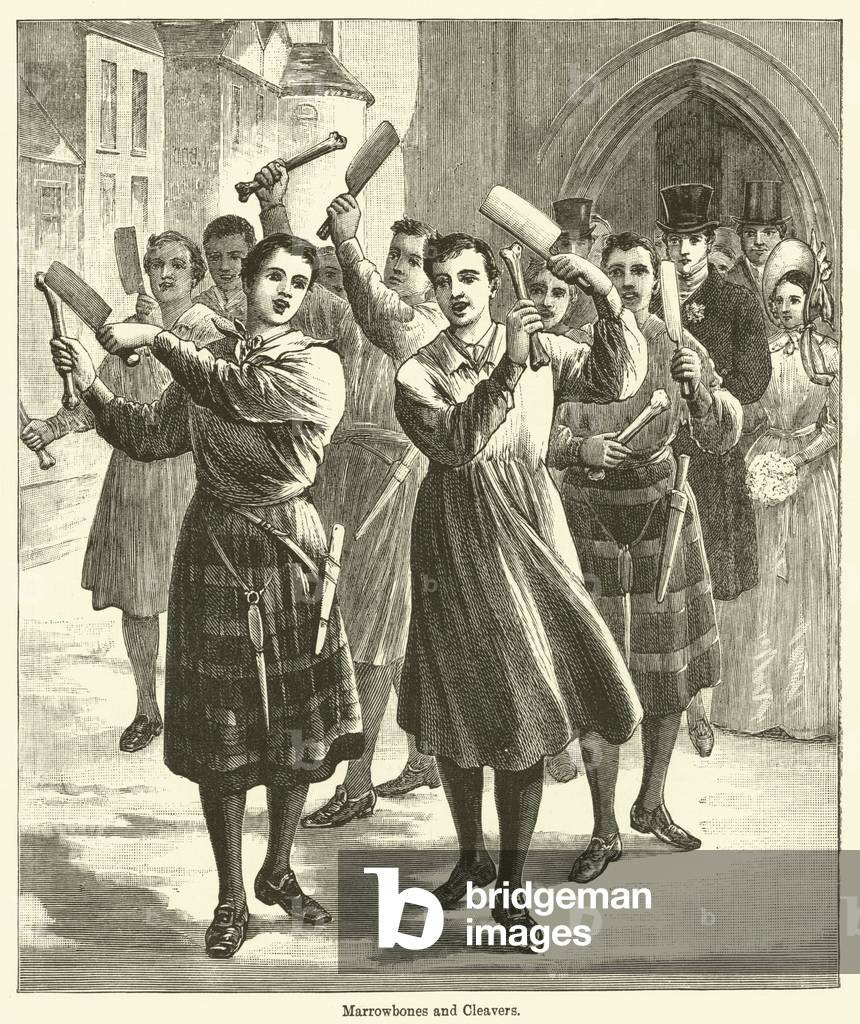
LLM2781260: Marrowbones and Cleavers (engraving), English School, (19th century) / Bridgeman Images
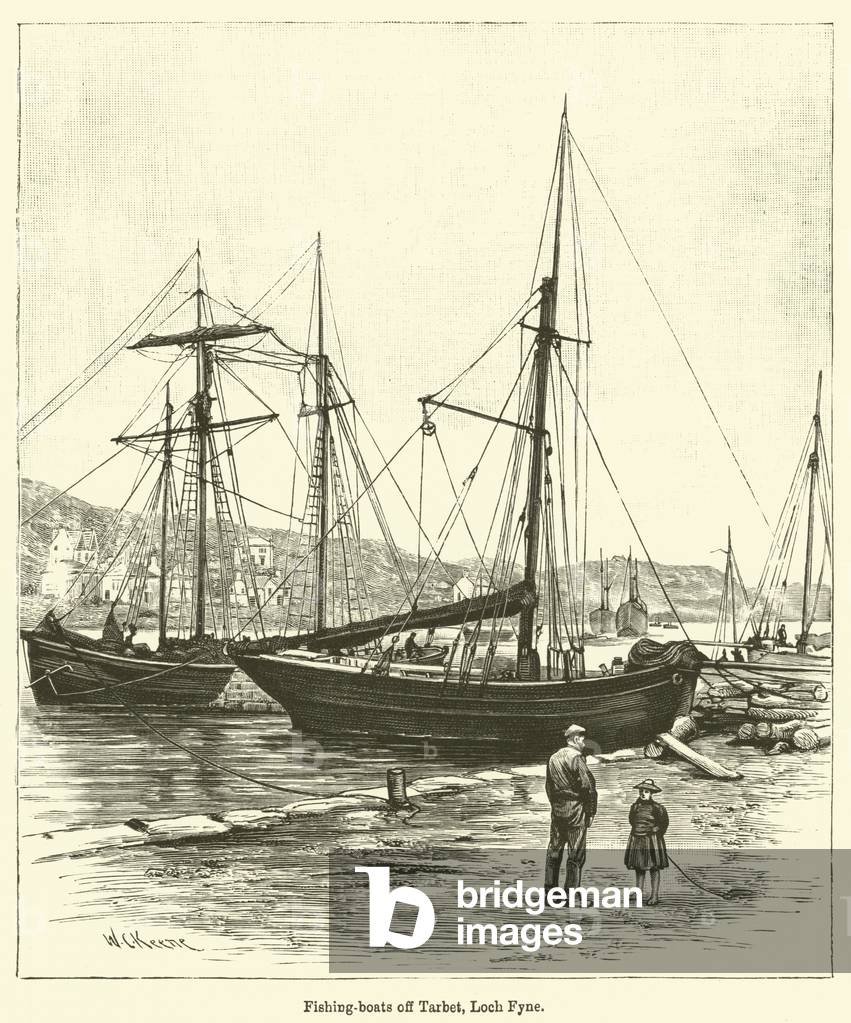
LLM2781266: Fishing-boats off Tarbet, Loch Fyne (engraving), English School, (19th century) / Bridgeman Images
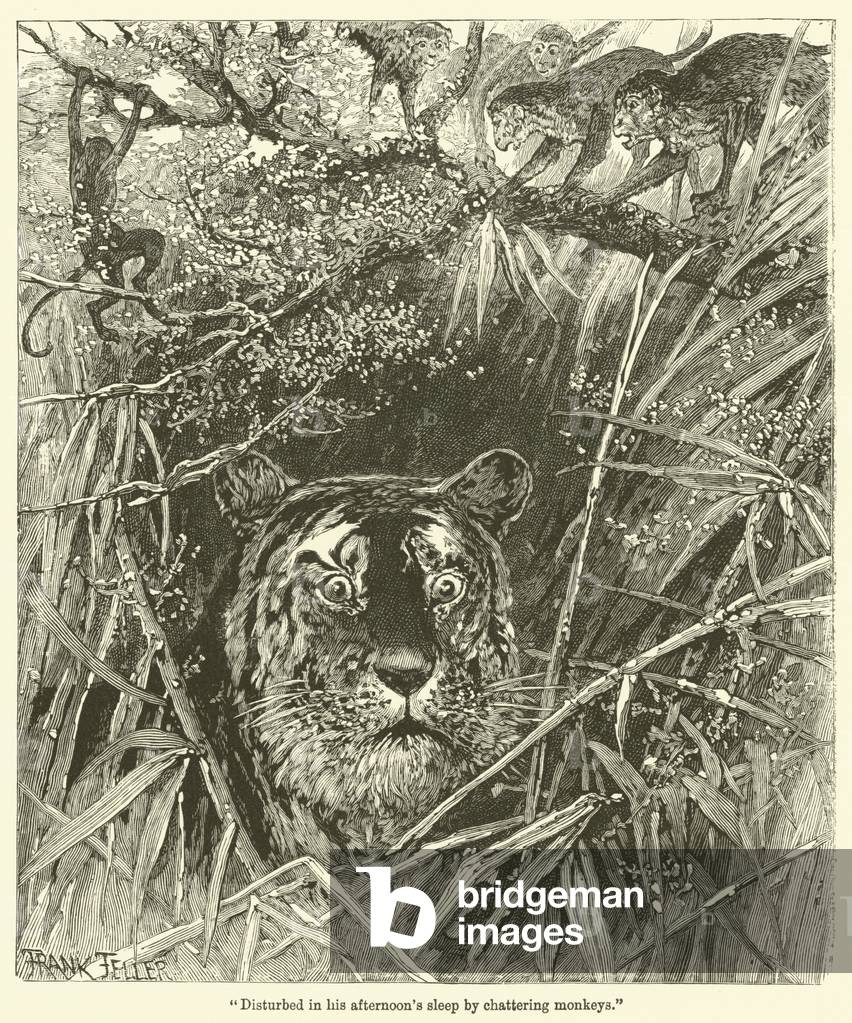
LLM2781284: "Disturbed in his afternoon's sleep by chattering monkeys" (engraving), English School, (19th century) / Bridgeman Images
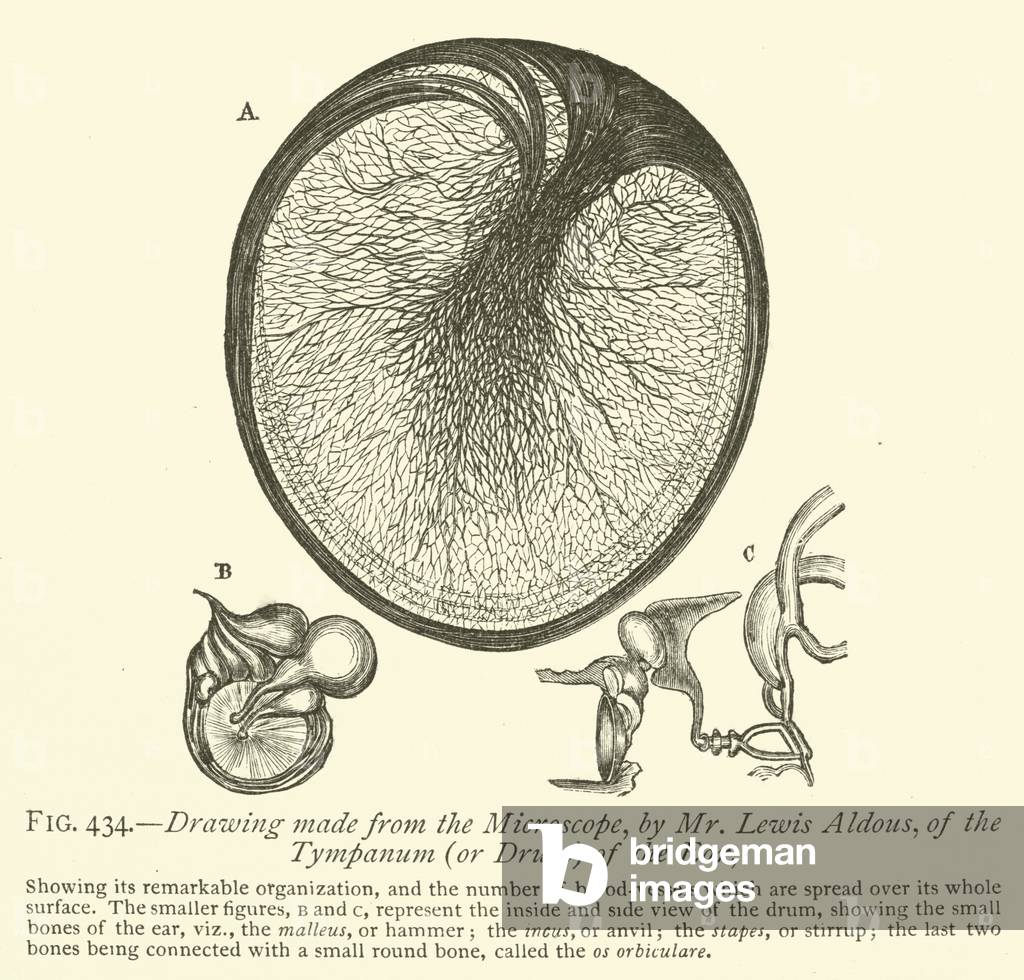
LLM2781316: Drawing made from the Microscope, by Mr Lewis Aldous, of the Tympanum (or Drum) of the Ear (engraving), English School, (19th century) / Bridgeman Images
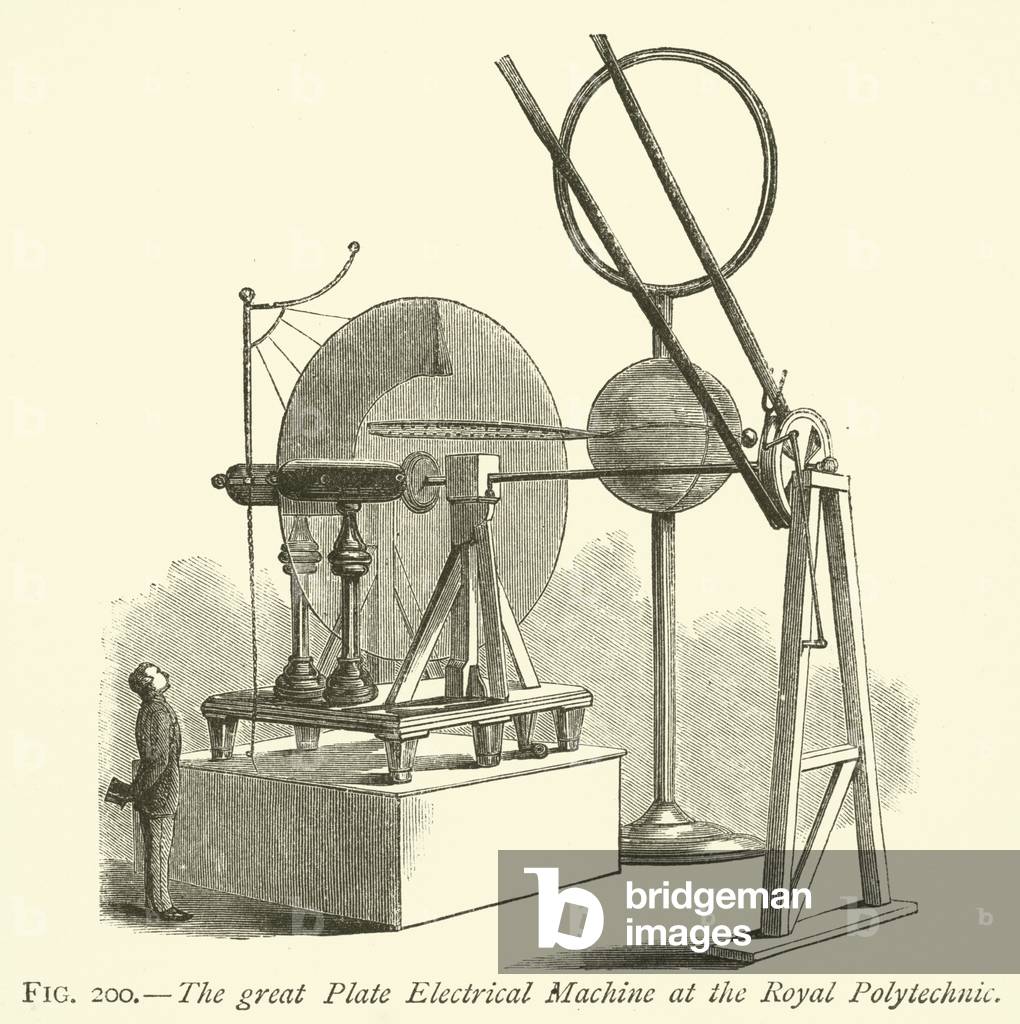
LLM2781325: The great Plate Electrical Machine at the Royal Polytechnic (engraving), English School, (19th century) / Bridgeman Images
