Search options

Orientation
Colour

Display options

View

Print

To print search results, use print friendly version of this page.

2491064 Search Results
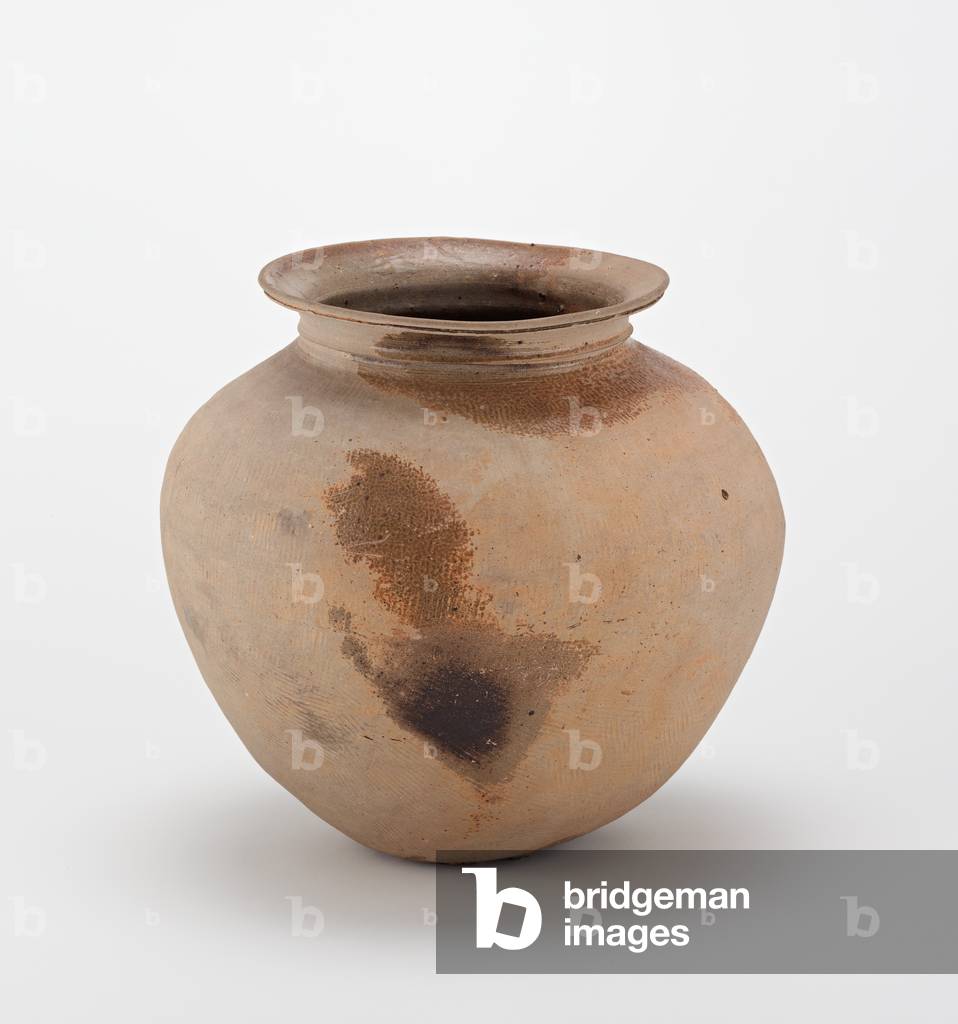
Jar, early 5th century (unglazed stoneware with traces of natural ash glaze)

FSG5932435: Jar, early 5th century (unglazed stoneware with traces of natural ash glaze), Korean school, (5th century) / Bridgeman Images

Bust of Cleopatra, c.1680-90 (creamy-white marble, carved in the round, supported on a circular verde antico socle)

FIT5938260: Bust of Cleopatra, c.1680-90 (creamy-white marble, carved in the round, supported on a circular verde antico socle), Parodi, Filippo (1630-1702) / Bridgeman Images

Landscape, with Abraham and Isaac, before 1667 (oil on copper)

FIT5938263: Landscape, with Abraham and Isaac, before 1667 (oil on copper), Poelenburgh or Poelenburch, Cornelis van (1586-1667) / Bridgeman Images

George Frideric Handel as Apollo, 1859 (bronze electrotype)

FIT5938269: George Frideric Handel as Apollo, 1859 (bronze electrotype), Roubiliac, Louis Francois (1695-1762) (after) / Bridgeman Images

Lekythos depicting warriors arming for battle, 510-500 B.C. (clay, black-figured) [see 5938265 and 5938245]

FIT5938293: Lekythos depicting warriors arming for battle, 510-500 B.C. (clay, black-figured) [see 5938265 and 5938245], Greek school, (6th century BC) / Bridgeman Images
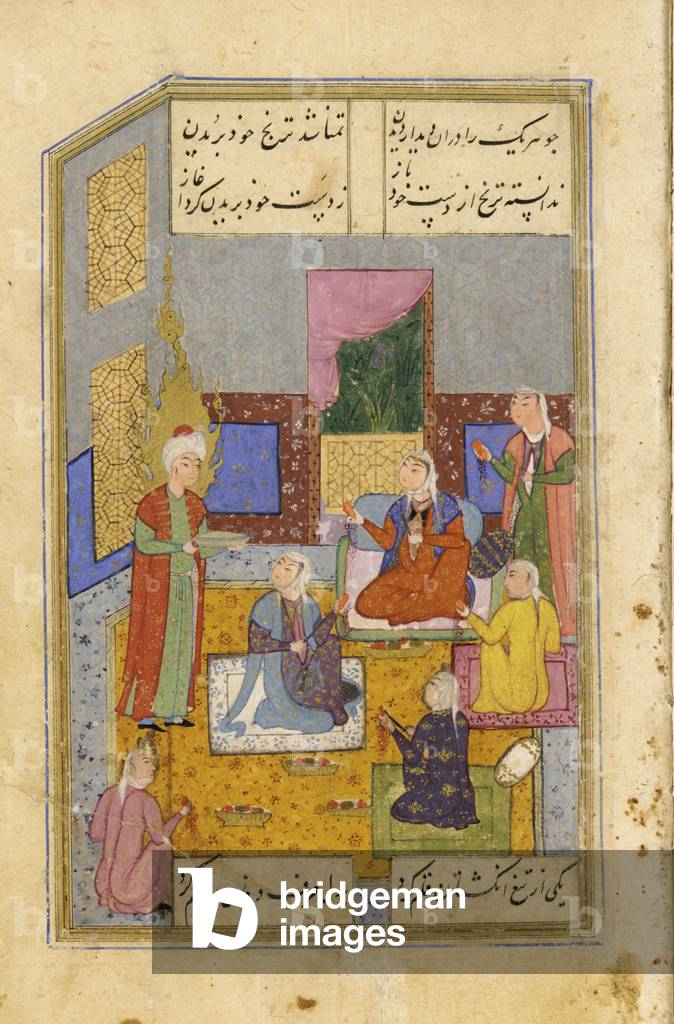
Egyptian women cut their hands at the sight of Yusuf's beauty, c.1565-70 (ink, opaque watercolor and gold on paper)

FSG5932519: Egyptian women cut their hands at the sight of Yusuf's beauty, c.1565-70 (ink, opaque watercolor and gold on paper), Persian School, (16th century) / Bridgeman Images

Folio from a Qur'an, c,1550-1600 (ink, opaque watercolor and gold on paper)

FSG5932528: Folio from a Qur'an, c,1550-1600 (ink, opaque watercolor and gold on paper), Ottoman School, (16th century) / Bridgeman Images

Jamshid u Khurshid, c.1600 (opaque watercolor, ink, and gold on paper)

FSG5932543: Jamshid u Khurshid, c.1600 (opaque watercolor, ink, and gold on paper), Persian School, (16th century) / Bridgeman Images
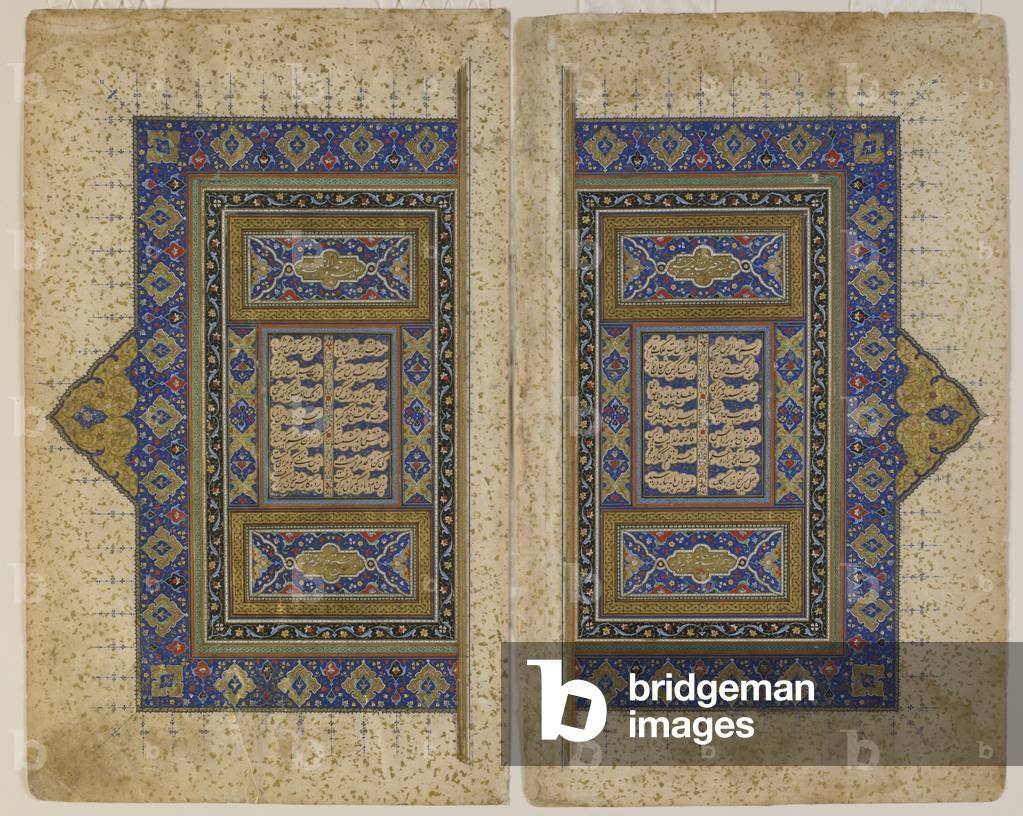
Frontispiece from a Khamsa (Quintet), 1575-1600 (ink, opaque watercolor, and gold on paper)

FSG5932549: Frontispiece from a Khamsa (Quintet), 1575-1600 (ink, opaque watercolor, and gold on paper), Persian School, (16th century) / Bridgeman Images
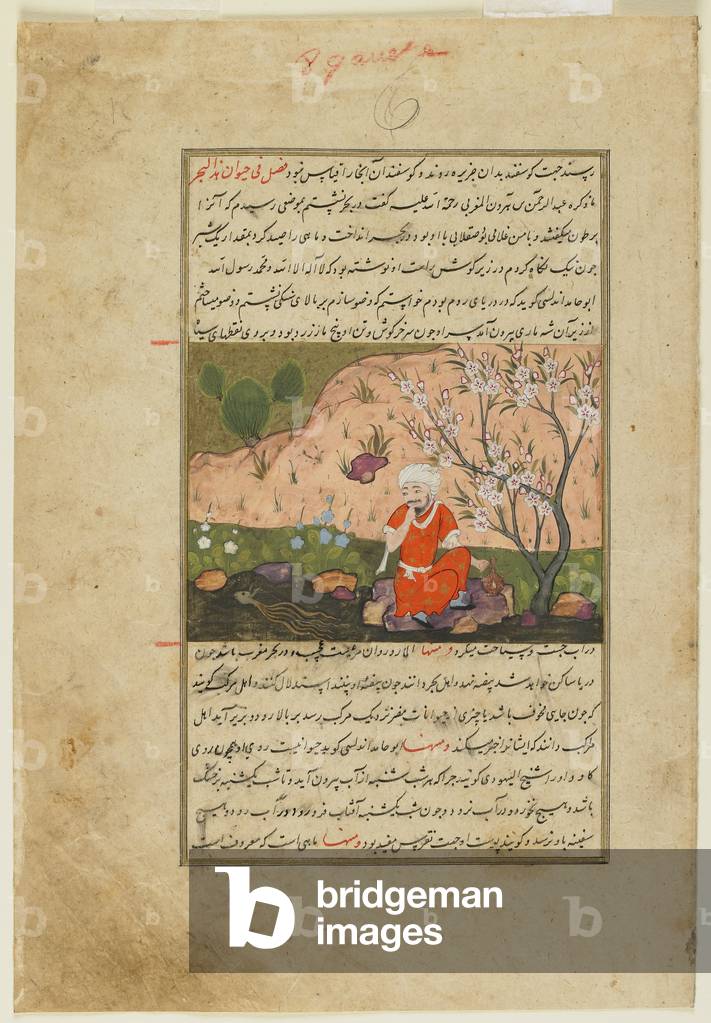
A man by the edge of a stream, c.1590-1600 (opaque watercolor, ink and gold on paper)

FSG5932561: A man by the edge of a stream, c.1590-1600 (opaque watercolor, ink and gold on paper), Persian School, (16th century) / Bridgeman Images
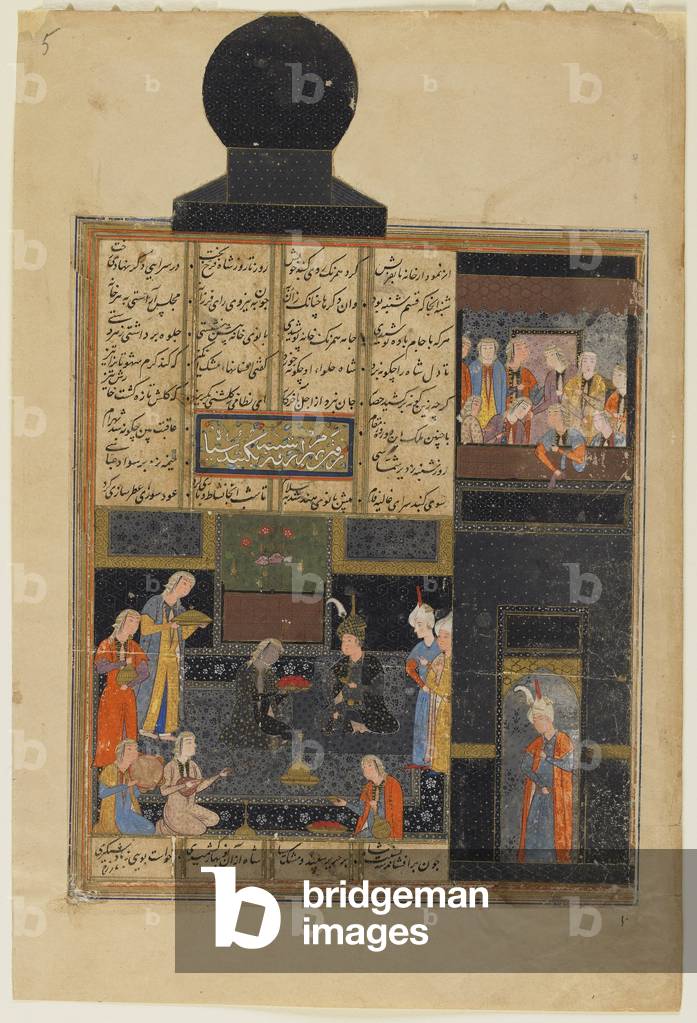
Bahram Gur and the Princess in the Black Pavilion from a Khamsa (Quintet) by Nizami, c.1550 (opaque watercolor, ink, and gold on paper)

FSG5932564: Bahram Gur and the Princess in the Black Pavilion from a Khamsa (Quintet) by Nizami, c.1550 (opaque watercolor, ink, and gold on paper), Persian School, (16th century) / Bridgeman Images
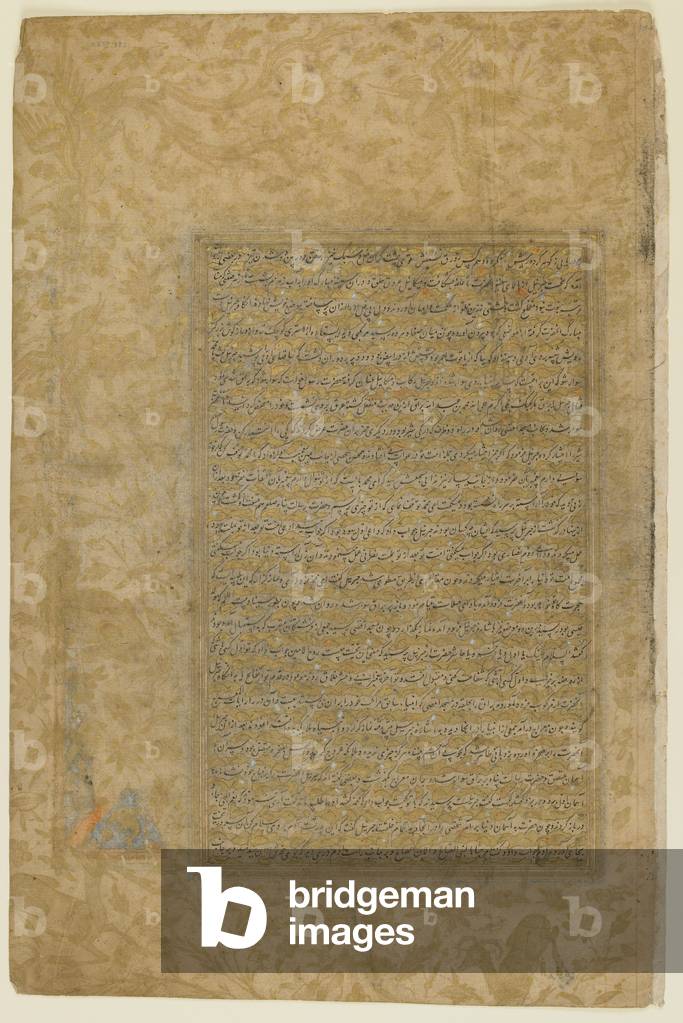
Folio from a Rawdat al-safa (Garden of felicity), 1571-72 (opaque watercolor, ink, and gold on paper)

FSG5932579: Folio from a Rawdat al-safa (Garden of felicity), 1571-72 (opaque watercolor, ink, and gold on paper), Persian School, (16th century) / Bridgeman Images

Rustam before Kay Ka'us, 1450-75 (ink, opaque watercolor and gold on paper)

FSG5932621: Rustam before Kay Ka'us, 1450-75 (ink, opaque watercolor and gold on paper), Indian School, (15th century) / Bridgeman Images

Man on top of a minaret, c.1417-18 (opaque watercolor and gold on paper)

FSG5932624: Man on top of a minaret, c.1417-18 (opaque watercolor and gold on paper), Persian School, (15th century) / Bridgeman Images

Khusraw Parviz seated on the Takht-i Taqdis, c.1425-50 (opaque watercolor and gold on paper)

FSG5932627: Khusraw Parviz seated on the Takht-i Taqdis, c.1425-50 (opaque watercolor and gold on paper), Indian School, (15th century) / Bridgeman Images

Stencilled manuscript border

FSG5932630: Stencilled manuscript border, Persian School, (16th century) / Bridgeman Images

Book cover belonging to S1986.44.1, Silsilat al-dhahab (Chain of gold) by Jami (died 1492)

FSG5932639: Book cover belonging to S1986.44.1, Silsilat al-dhahab (Chain of gold) by Jami (died 1492) / Bridgeman Images

Folio from a Shahnama, c.1600 (opaque watercolor, ink and gold on paper)

FSG5932648: Folio from a Shahnama, c.1600 (opaque watercolor, ink and gold on paper), Persian School, (16th century) / Bridgeman Images

Folio from a Qur'an, c.1550-99 (ink, opaque watercolor and gold on paper)

FSG5932681: Folio from a Qur'an, c.1550-99 (ink, opaque watercolor and gold on paper), Ottoman School, (16th century) / Bridgeman Images
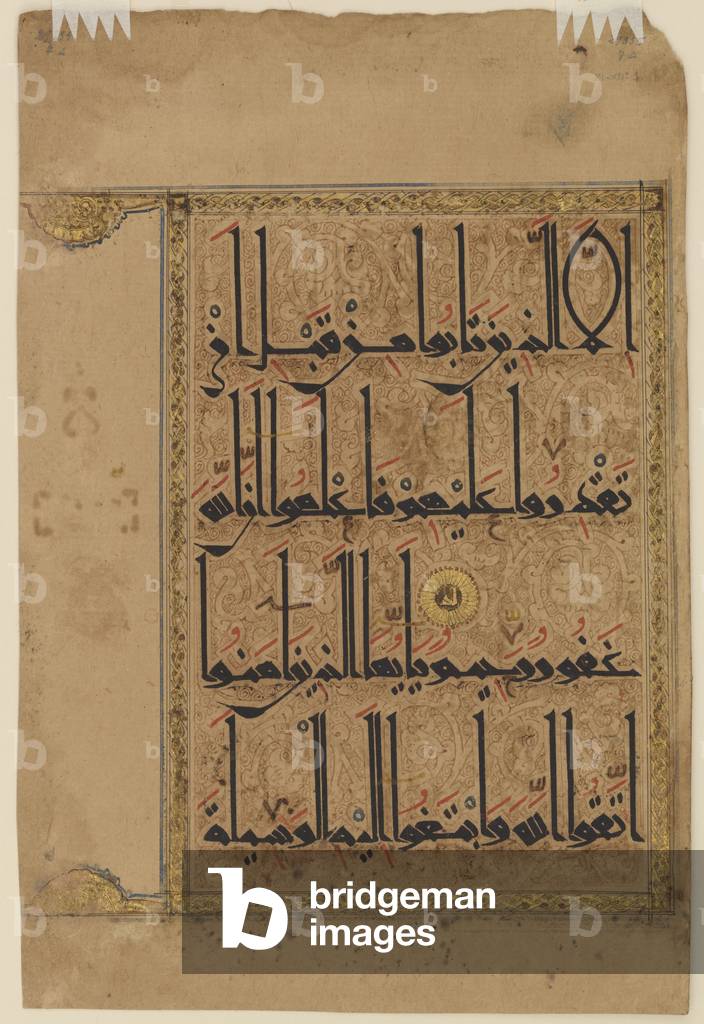
Folio from a Qur'an, c.1075-1100 (ink, opaque watercolor and gold on paper)

FSG5932690: Folio from a Qur'an, c.1075-1100 (ink, opaque watercolor and gold on paper), Persian School, (11th century) / Bridgeman Images
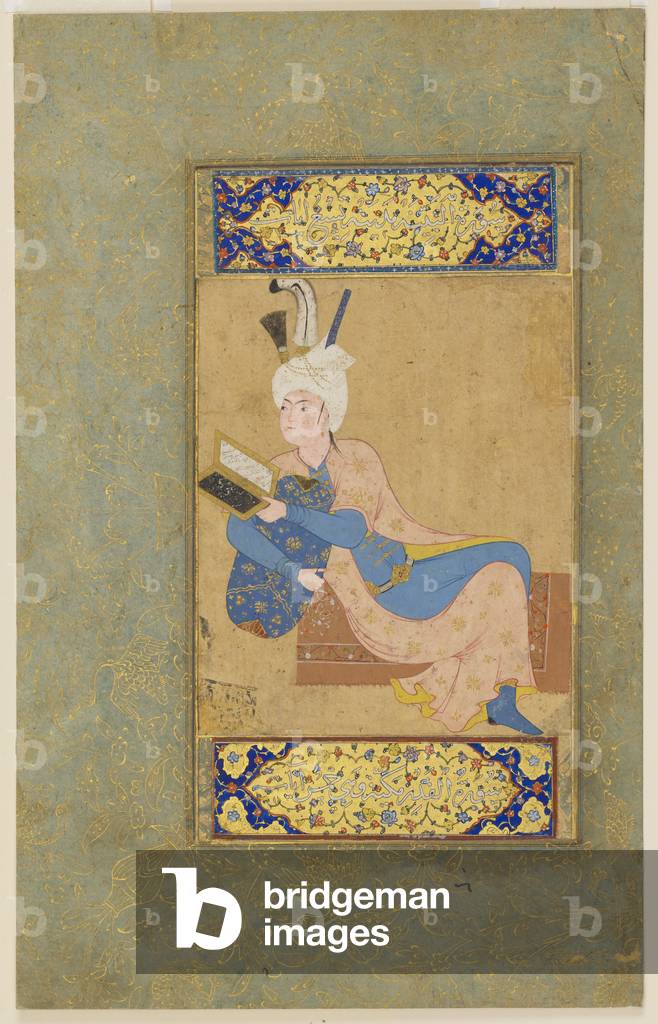
Reclining prince, c.1530 (opaque watercolor, ink and gold on paper)

FSG5932717: Reclining prince, c.1530 (opaque watercolor, ink and gold on paper), Mirak, Aqa (fl.c.1520-76) / Bridgeman Images
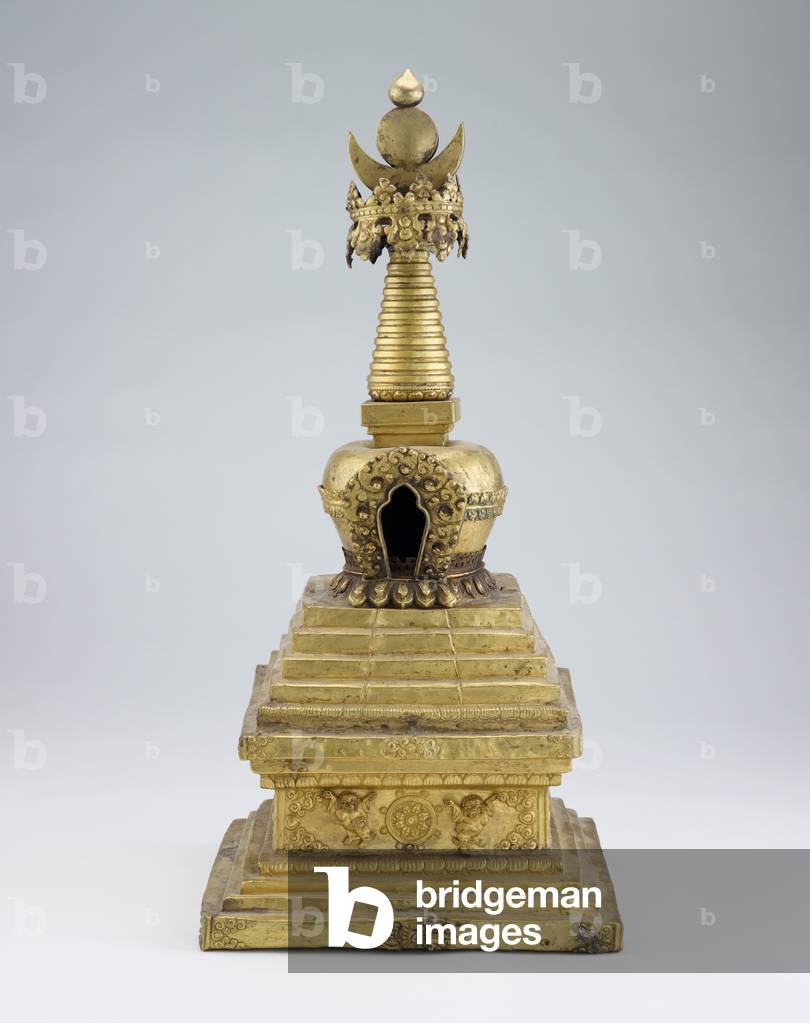
Stupa, late 17th-early 18th century (gilded copper alloy)

FSG5930979: Stupa, late 17th-early 18th century (gilded copper alloy), Tibetan School, (17th-18th century) / Bridgeman Images
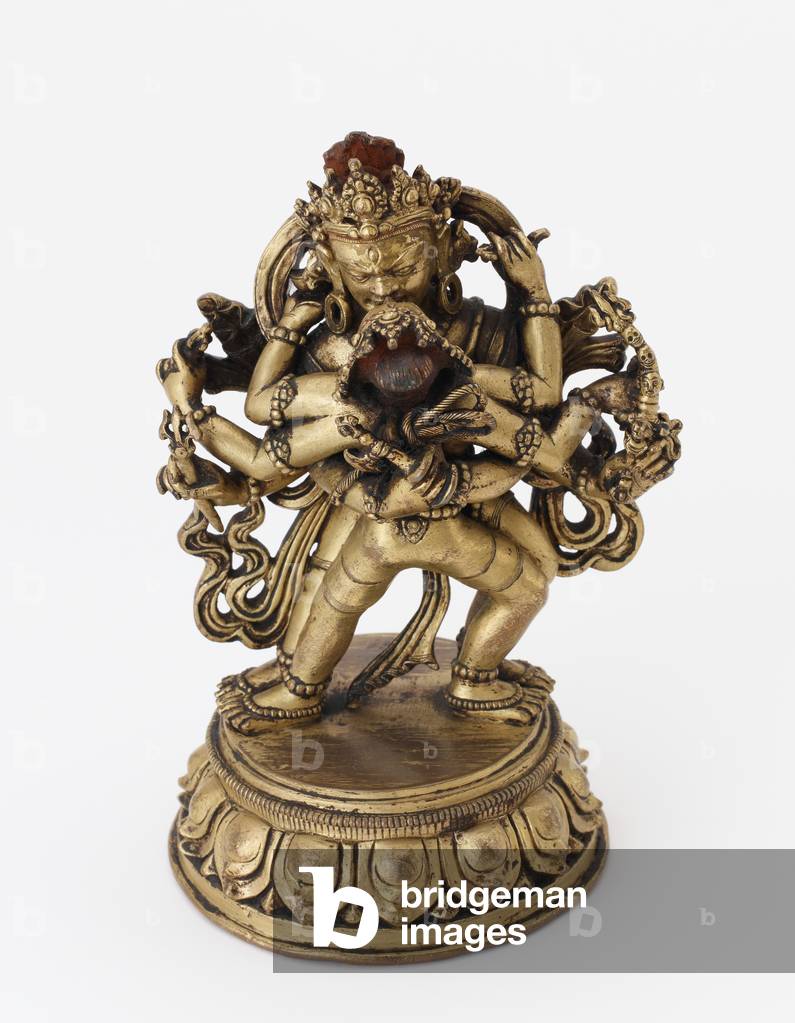
Four-armed Chakrasamvara Father-Mother, Late 17th to first half of the 18th century (gilded copper alloy)

FSG5930997: Four-armed Chakrasamvara Father-Mother, Late 17th to first half of the 18th century (gilded copper alloy), Chinese School, (18th century) / Bridgeman Images
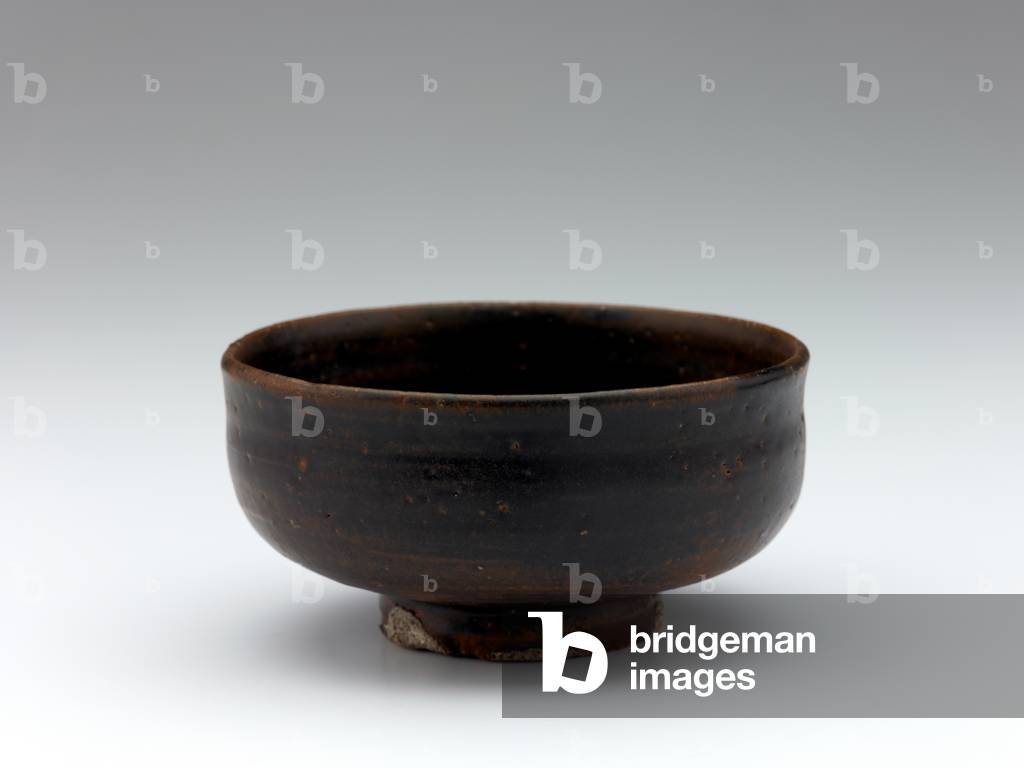
Bowl, second half of 15th-first half of 16th century (stoneware with iron glaze)

FSG5931024: Bowl, second half of 15th-first half of 16th century (stoneware with iron glaze), Korean School, (15th century) / Bridgeman Images

Dish with mold-impressed and inlaid decoration, late 12th-mid 13th century (stoneware with black and white inlays under celadon glaze)

FSG5931030: Dish with mold-impressed and inlaid decoration, late 12th-mid 13th century (stoneware with black and white inlays under celadon glaze), Korean School, (12th-13th century) / Bridgeman Images
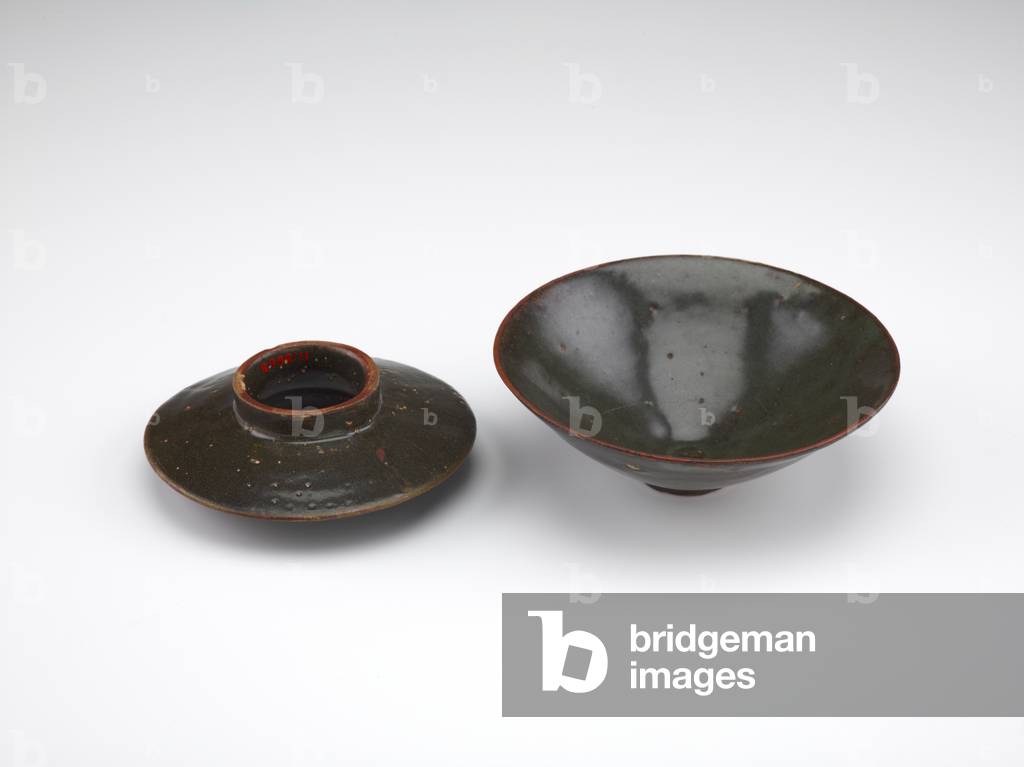
Tea bowl and tea bowl stand, first half of 12th century (stoneware with black slip under celadon glaze)

FSG5931039: Tea bowl and tea bowl stand, first half of 12th century (stoneware with black slip under celadon glaze), Korean School, (12th century) / Bridgeman Images
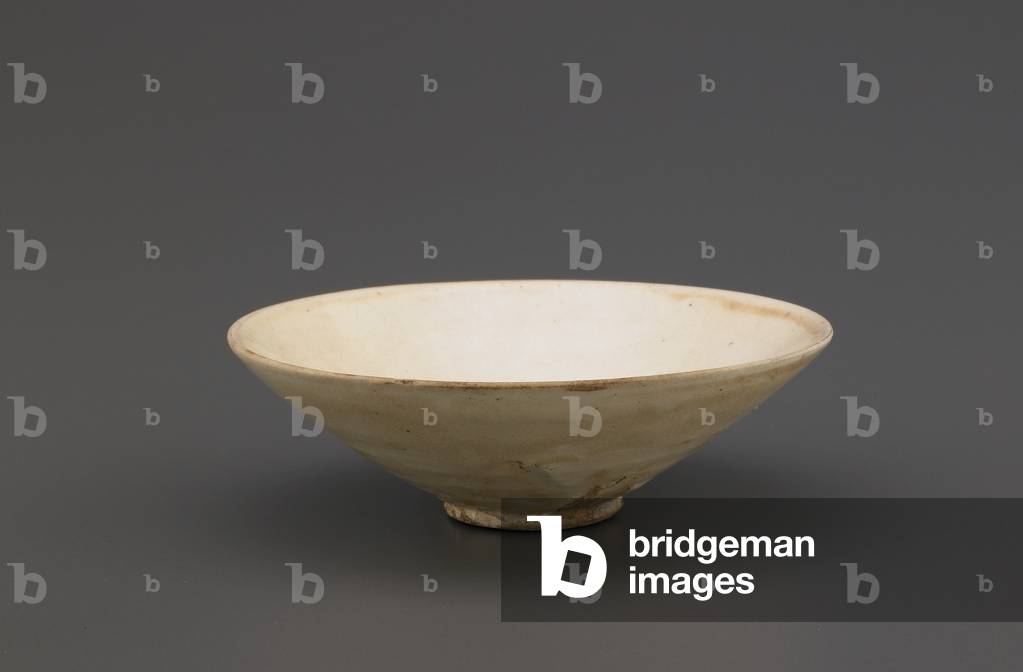
Bowl of Cizhou type ware, 11th-early 12th century (stoneware with white slip under clear, colourless glaze)

FSG5931159: Bowl of Cizhou type ware, 11th-early 12th century (stoneware with white slip under clear, colourless glaze), Chinese School, (11th-12th century) / Bridgeman Images
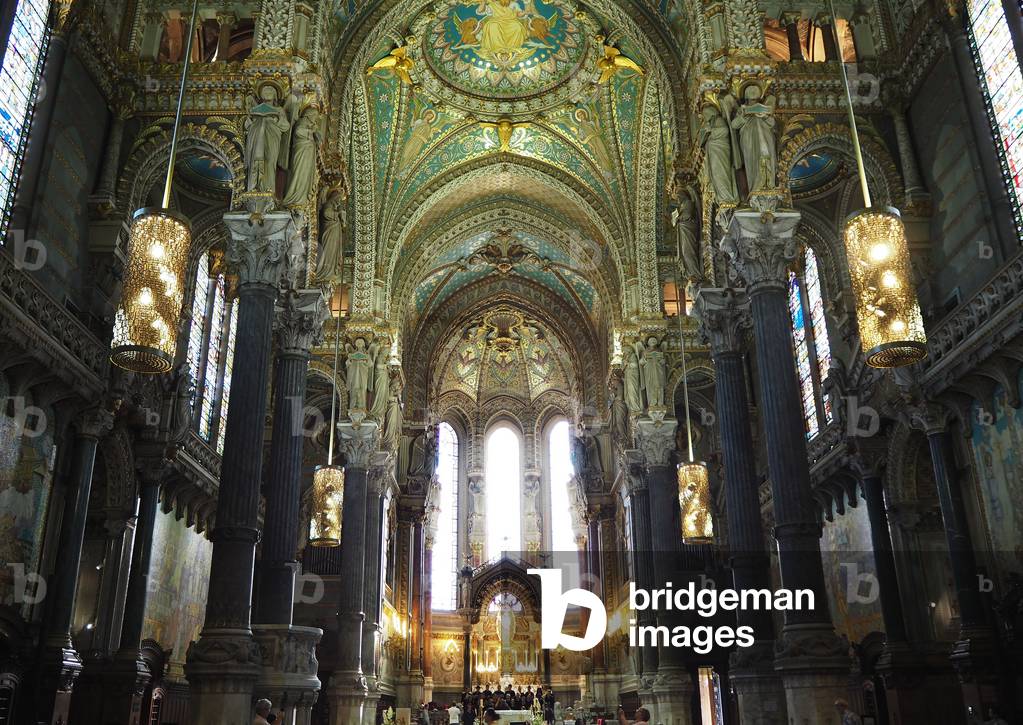
Lyon, region Auvergne, Rhone Alpes, departement du Rhone. 69000
La nef et le choeur
Basilique Notre Dame de Fourviere, fin XIX. Architecte Pierre Bossan, constructeur Louis Sainte Marie Perrin
Lyon, region Auvergne, Rhone Alpes, departement du Rhone. 69000
La nef et le choeur
Basilique Notre Dame de Fourviere, fin XIX. Architecte Pierre Bossan, constructeur Louis Sainte Marie Perrin

JEB5931198: Lyon, region Auvergne, Rhone Alpes, departement du Rhone. 69000 La nef et le choeur Basilique Notre Dame de Fourviere, fin XIX. Architecte Pierre Bossan, constructeur Louis Sainte Marie Perrin / Bridgeman Images
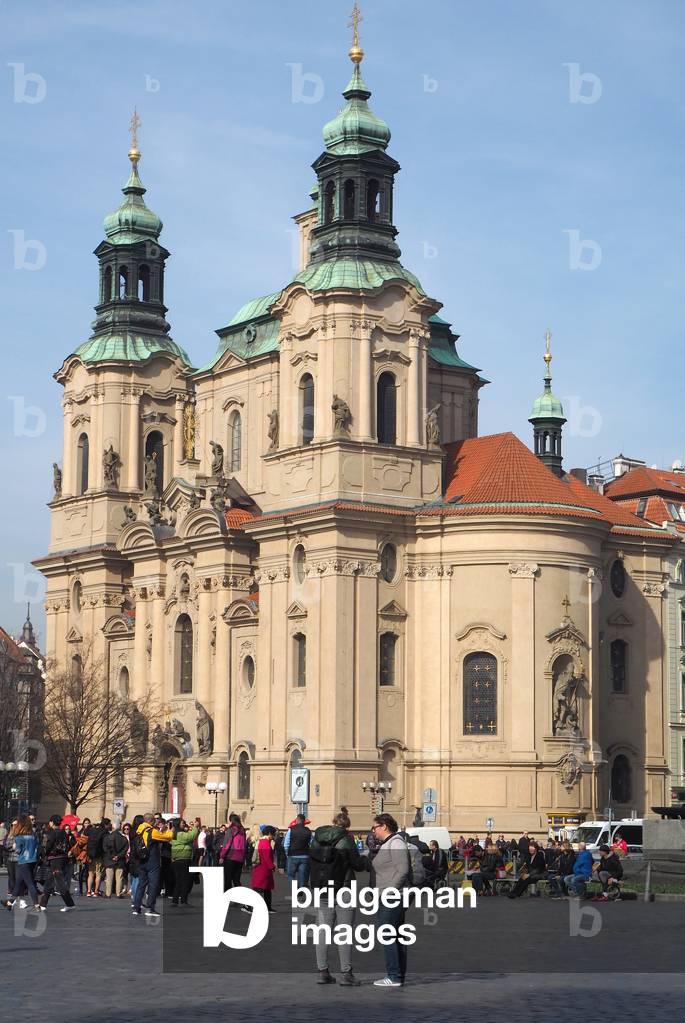
Prague, the capital of the Czech Republic, crossed by the river Vltava or Moldau in German. 1,295,000 inhabitants. Baroque town.
Saint Nicholas Church, Old Town Square
Prague, the capital of the Czech Republic, crossed by the river Vltava or Moldau in German. 1,295,000 inhabitants. Baroque town.
Saint Nicholas Church, Old Town Square

JEB5931252: Prague, the capital of the Czech Republic, crossed by the river Vltava or Moldau in German. 1,295,000 inhabitants. Baroque town. Saint Nicholas Church, Old Town Square / Bridgeman Images
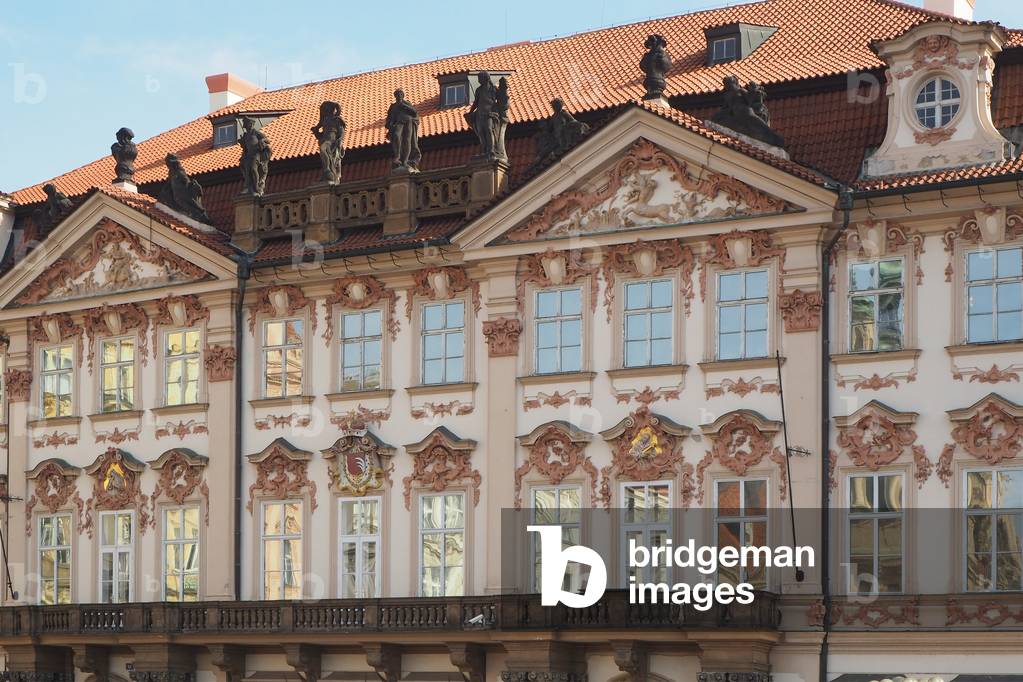
Prague, the capital of the Czech Republic, crossed by the river Vltava or Moldau in German. 1,295,000 inhabitants. Baroque town.
Kinsky Palace, Old Town Square. Museum of Art
Prague, the capital of the Czech Republic, crossed by the river Vltava or Moldau in German. 1,295,000 inhabitants. Baroque town.
Kinsky Palace, Old Town Square. Museum of Art

JEB5931255: Prague, the capital of the Czech Republic, crossed by the river Vltava or Moldau in German. 1,295,000 inhabitants. Baroque town. Kinsky Palace, Old Town Square. Museum of Art / Bridgeman Images
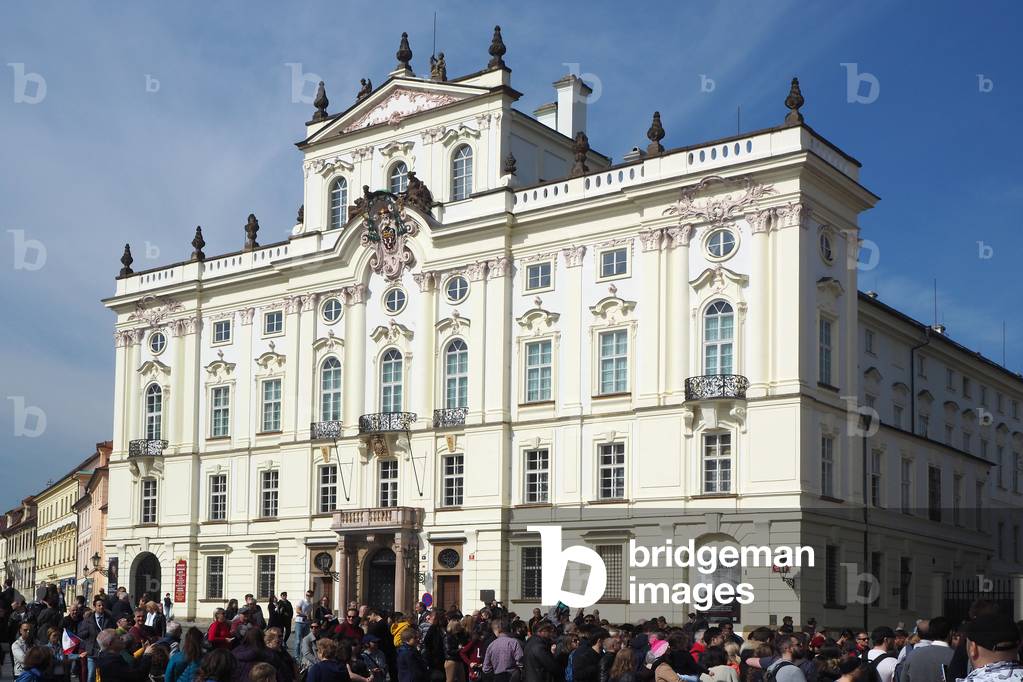
Prague, the capital of the Czech Republic, crossed by the river Vltava or Moldau in German. 1,295,000 inhabitants. Baroque City
Hrad Canske Square, Archiepiscopal Palace
Prague, the capital of the Czech Republic, crossed by the river Vltava or Moldau in German. 1,295,000 inhabitants. Baroque City
Hrad Canske Square, Archiepiscopal Palace

JEB5931261: Prague, the capital of the Czech Republic, crossed by the river Vltava or Moldau in German. 1,295,000 inhabitants. Baroque City Hrad Canske Square, Archiepiscopal Palace / Bridgeman Images
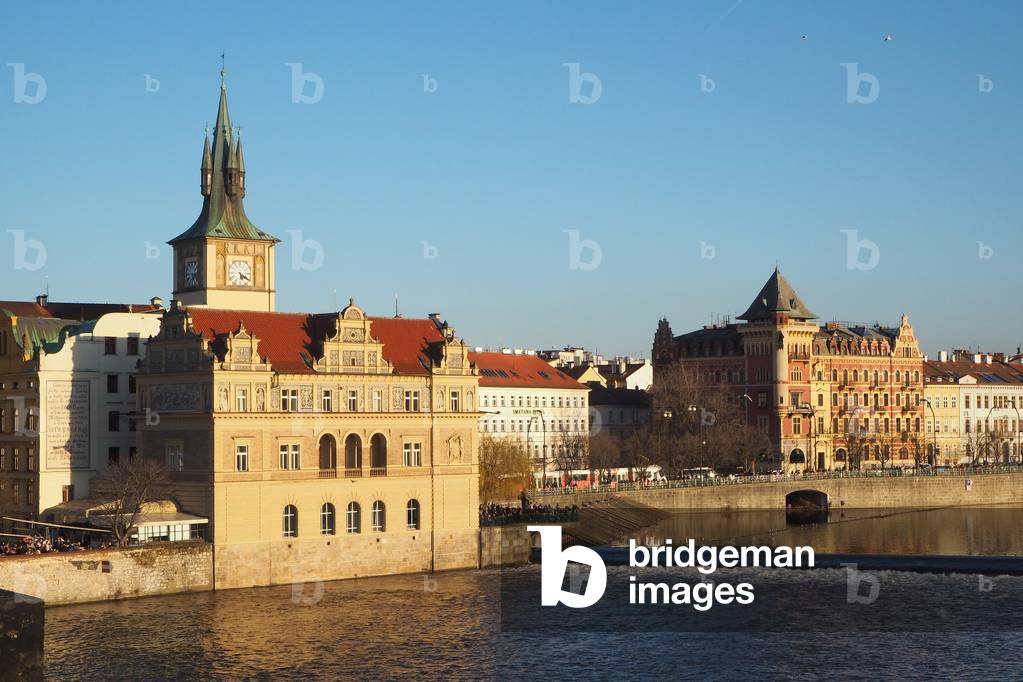
Prague, the capital of the Czech Republic, crossed by the river Vltava or Moldau in German. 1,295,000 inhabitants. Baroque City
View from Charles Bridge, Musee Bedricha Smetany
Prague, the capital of the Czech Republic, crossed by the river Vltava or Moldau in German. 1,295,000 inhabitants. Baroque City
View from Charles Bridge, Musee Bedricha Smetany

JEB5931267: Prague, the capital of the Czech Republic, crossed by the river Vltava or Moldau in German. 1,295,000 inhabitants. Baroque City View from Charles Bridge, Musee Bedricha Smetany / Bridgeman Images
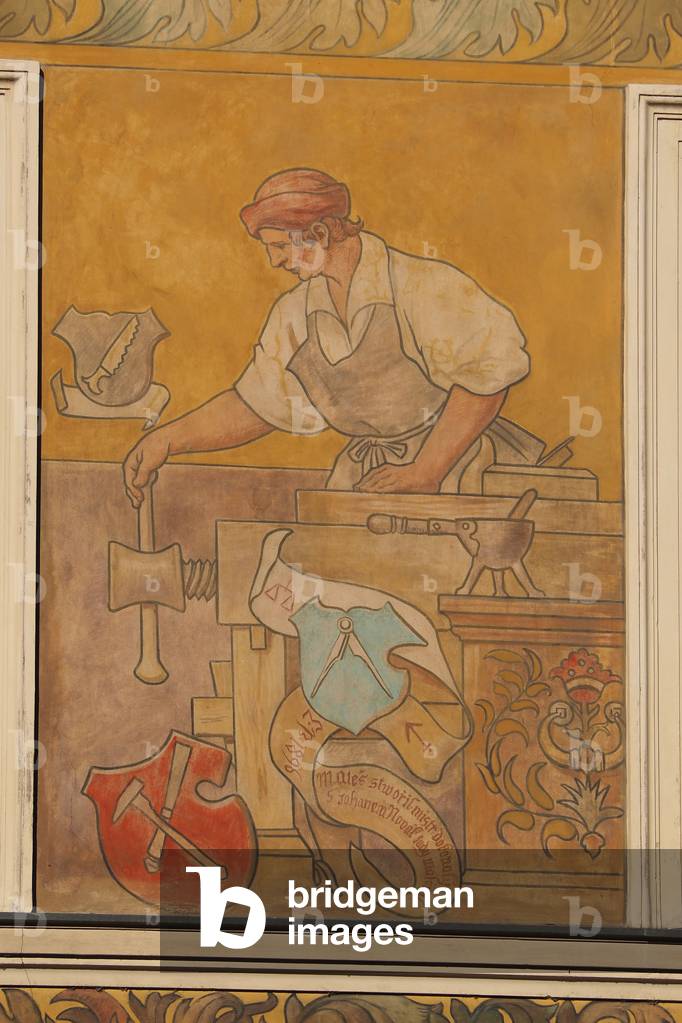
Prague, the capital of the Czech Republic, crossed by the river Vltava or Moldau in German. 1,295,000 inhabitants. Baroque City
Decor on a palace wall, carpenter
Prague, the capital of the Czech Republic, crossed by the river Vltava or Moldau in German. 1,295,000 inhabitants. Baroque City
Decor on a palace wall, carpenter

JEB5931273: Prague, the capital of the Czech Republic, crossed by the river Vltava or Moldau in German. 1,295,000 inhabitants. Baroque City Decor on a palace wall, carpenter / Bridgeman Images
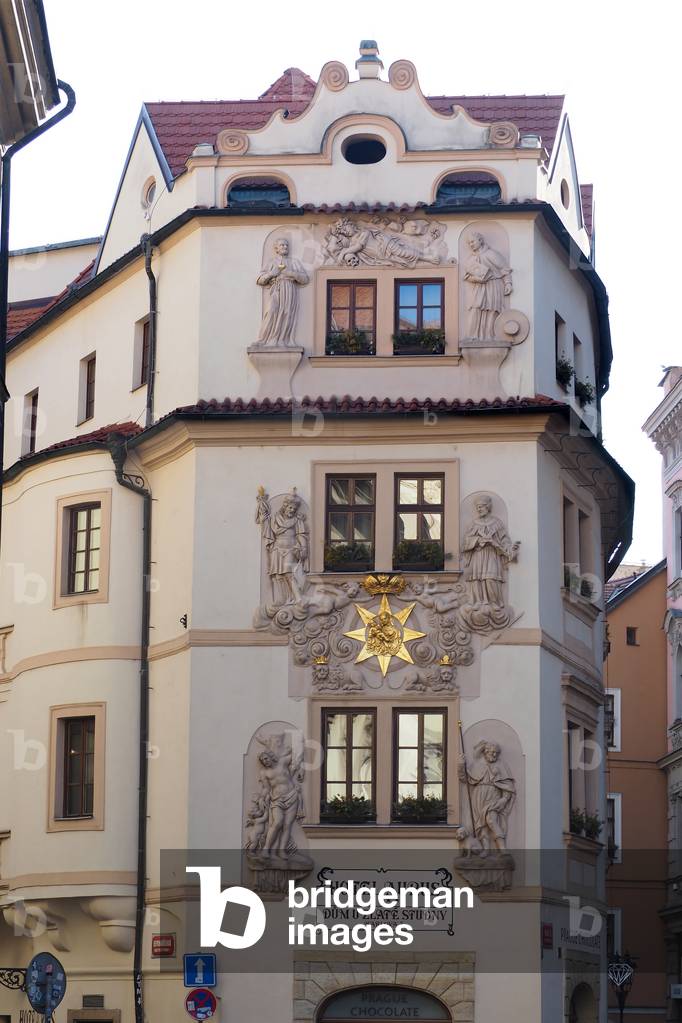
Prague, the capital of the Czech Republic, crossed by the river Vltava or Moldau in German. 1,295,000 inhabitants. Baroque City
Decoree facade of a palace near the Charles Bridge
Prague, the capital of the Czech Republic, crossed by the river Vltava or Moldau in German. 1,295,000 inhabitants. Baroque City
Decoree facade of a palace near the Charles Bridge

JEB5931276: Prague, the capital of the Czech Republic, crossed by the river Vltava or Moldau in German. 1,295,000 inhabitants. Baroque City Decoree facade of a palace near the Charles Bridge / Bridgeman Images
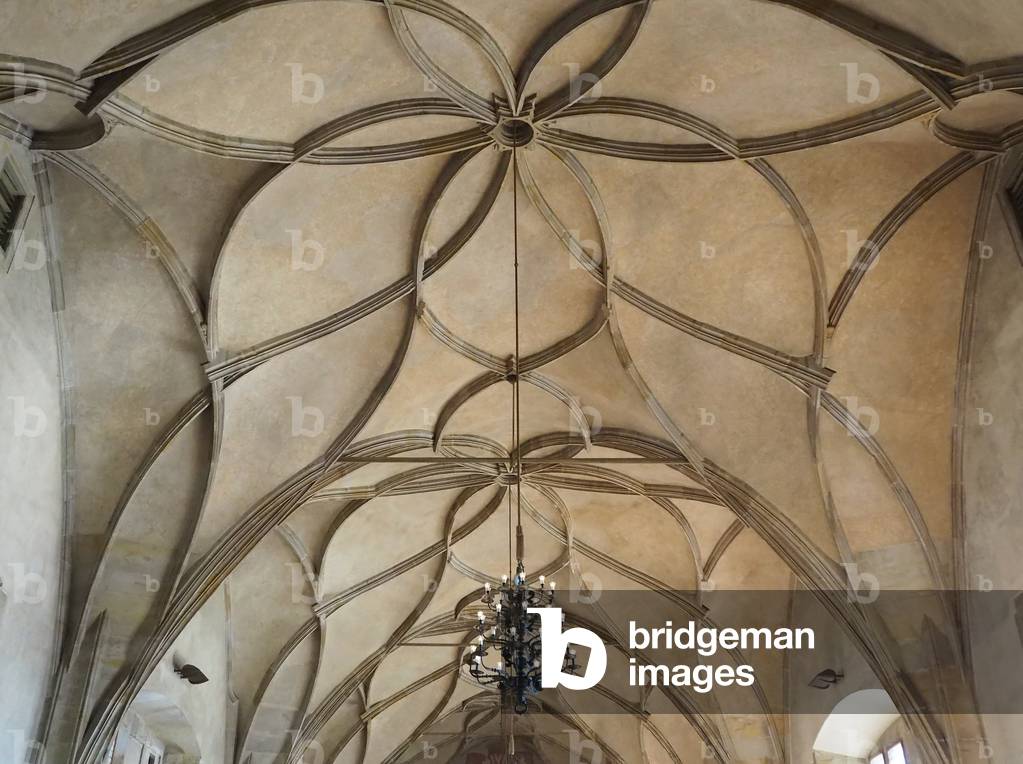
Prague, the capital of the Czech Republic, crossed by the river Vltava or Moldau in German. 1,295,000 inhabitants. Baroque City
Old Royal Palace, ceiling of the Vladislav Hall. Gothic Civil Flamboyant
Prague, the capital of the Czech Republic, crossed by the river Vltava or Moldau in German. 1,295,000 inhabitants. Baroque City
Old Royal Palace, ceiling of the Vladislav Hall. Gothic Civil Flamboyant

JEB5931309: Prague, the capital of the Czech Republic, crossed by the river Vltava or Moldau in German. 1,295,000 inhabitants. Baroque City Old Royal Palace, ceiling of the Vladislav Hall. Gothic Civil Flamboyant / Bridgeman Images
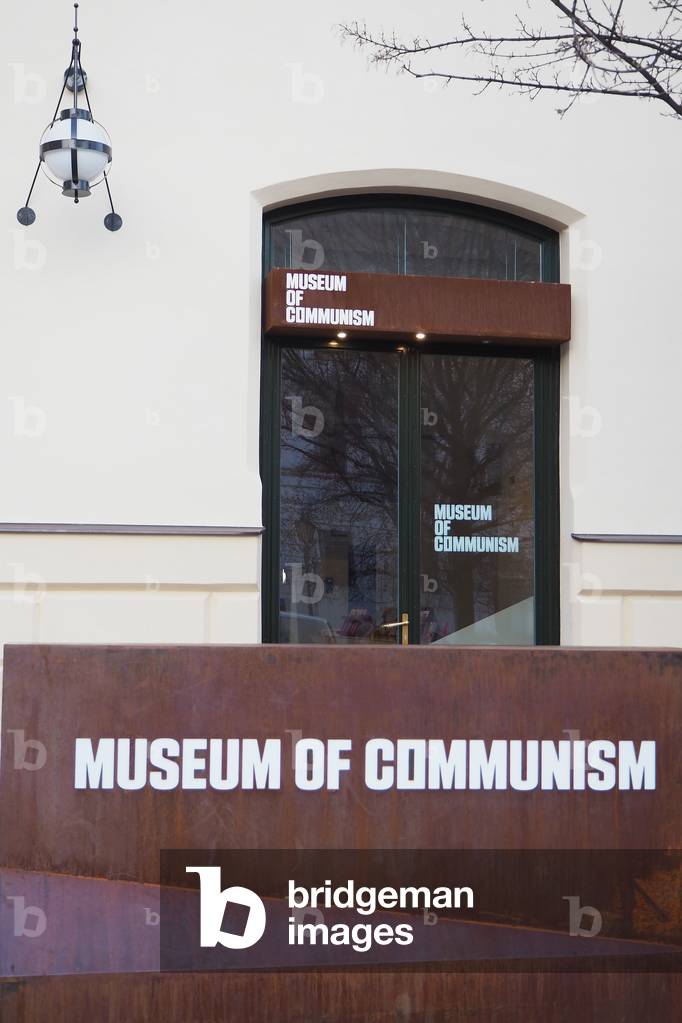
Prague, the capital of the Czech Republic, crossed by the river Vltava or Moldau in German. 1,295,000 inhabitants. Baroque City
Musee du Communisme, 1948-1989, communist period that ended with the Revelation of Velvet in November
Prague, the capital of the Czech Republic, crossed by the river Vltava or Moldau in German. 1,295,000 inhabitants. Baroque City
Musee du Communisme, 1948-1989, communist period that ended with the Revelation of Velvet in November

JEB5931324: Prague, the capital of the Czech Republic, crossed by the river Vltava or Moldau in German. 1,295,000 inhabitants. Baroque City Musee du Communisme, 1948-1989, communist period that ended with the Revelation of Velvet in November / Bridgeman Images


Back to top