Search options

Orientation
Colour

Display options

View

Print

To print search results, use print friendly version of this page.

2491476 Search Results

Cartoon of the politics of the Second Empire (Bonapartiste Regime) directed by Napoleon III (Charles Louis Napoleon Bonaparte, dit Louis-Napoleon Bonaparte, 1808-1873). “Stamir, the police journalist.” Alexandre Stamirowski, dit Stamir, had published in his newspaper “L'Inflexible”, a slanderous article accusing Henri Rochefort (1831-1913) of fraud. Illustration by Andre Gill, La Lanterne, July 11, 1868. Engraving in “” Napoleon dernier: Les Lanternes de l'Empire”” (Volume 1, volume 1), reedition of 1880-1881 of 75 issues of the newspaper “” La Lanterne “” published by Henri Rochefort (1831-1913) between 30/05/1868 and 29/10/1869 at the Anti-Clerical Librairie. Private collection.

JOC4401035: Cartoon of the politics of the Second Empire (Bonapartiste Regime) directed by Napoleon III (Charles Louis Napoleon Bonaparte, dit Louis-Napoleon Bonaparte, 1808-1873). “Stamir, the police journalist.” Alexandre Stamirowski, dit Stamir, had published in his newspaper “L'Inflexible”, a slanderous article accusing Henri Rochefort (1831-1913) of fraud. Illustration by Andre Gill, La Lanterne, July 11, 1868. Engraving in “” Napoleon dernier: Les Lanternes de l'Empire”” (Volume 1, volume 1), reedition of 1880-1881 of 75 issues of the newspaper “” La Lanterne “” published by Henri Rochefort (1831-1913) between 30/05/1868 and 29/10/1869 at the Anti-Clerical Librairie. Private collection. / Bridgeman Images
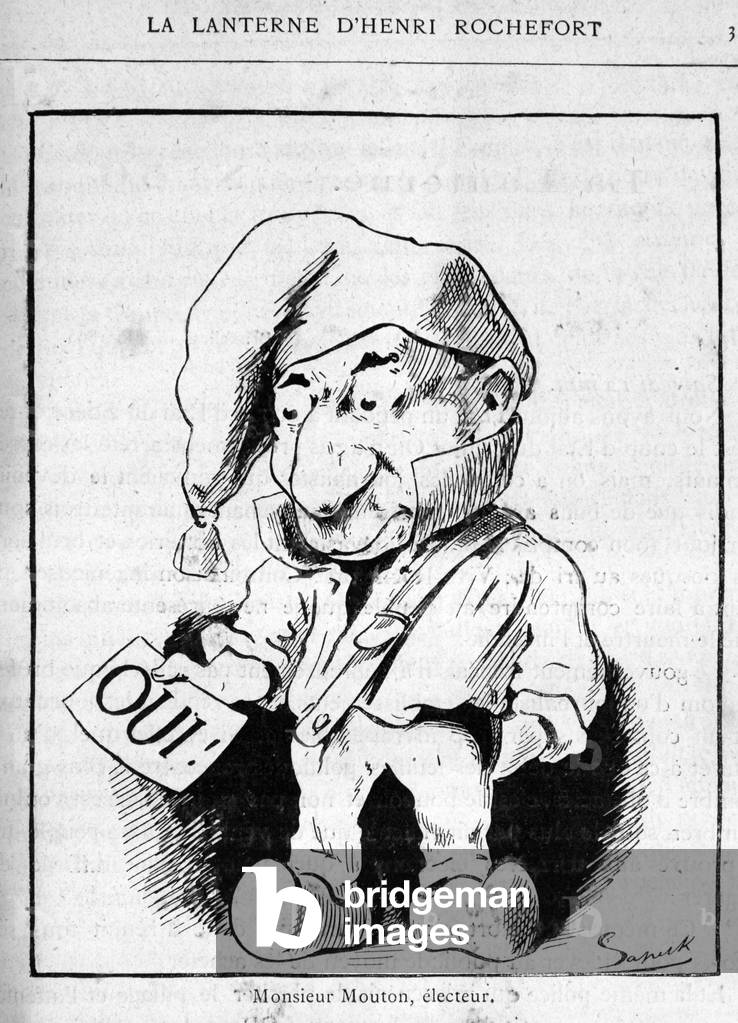
Cartoon of the politics of the Second Empire (Bonapartiste Regime) directed by Napoleon III (Charles Louis Napoleon Bonaparte, dit Louis-Napoleon Bonaparte, 1808-1873). “Mr. Mouton, elector””. The popularity of Emperor Napoleon III was enormous in the countryside that enjoyed a period of prosperity under the Second Empire. It is the peasants who support the regime in elections. Illustration by Sapeck, La Lanterne, June 11, 1869. Engraving in “” Napoleon dernier: Les Lanternes de l'Empire”” (Volume 2, volume 3), reedition of 1880-1881 of 75 issues of the newspaper “” La Lanterne “” published by Henri Rochefort (1831-1913) between 30/05/1868 and 29/10/1869 at the Anti-Clerical Librairie. Private collection.

JOC4401110: Cartoon of the politics of the Second Empire (Bonapartiste Regime) directed by Napoleon III (Charles Louis Napoleon Bonaparte, dit Louis-Napoleon Bonaparte, 1808-1873). “Mr. Mouton, elector””. The popularity of Emperor Napoleon III was enormous in the countryside that enjoyed a period of prosperity under the Second Empire. It is the peasants who support the regime in elections. Illustration by Sapeck, La Lanterne, June 11, 1869. Engraving in “” Napoleon dernier: Les Lanternes de l'Empire”” (Volume 2, volume 3), reedition of 1880-1881 of 75 issues of the newspaper “” La Lanterne “” published by Henri Rochefort (1831-1913) between 30/05/1868 and 29/10/1869 at the Anti-Clerical Librairie. Private collection. / Bridgeman Images
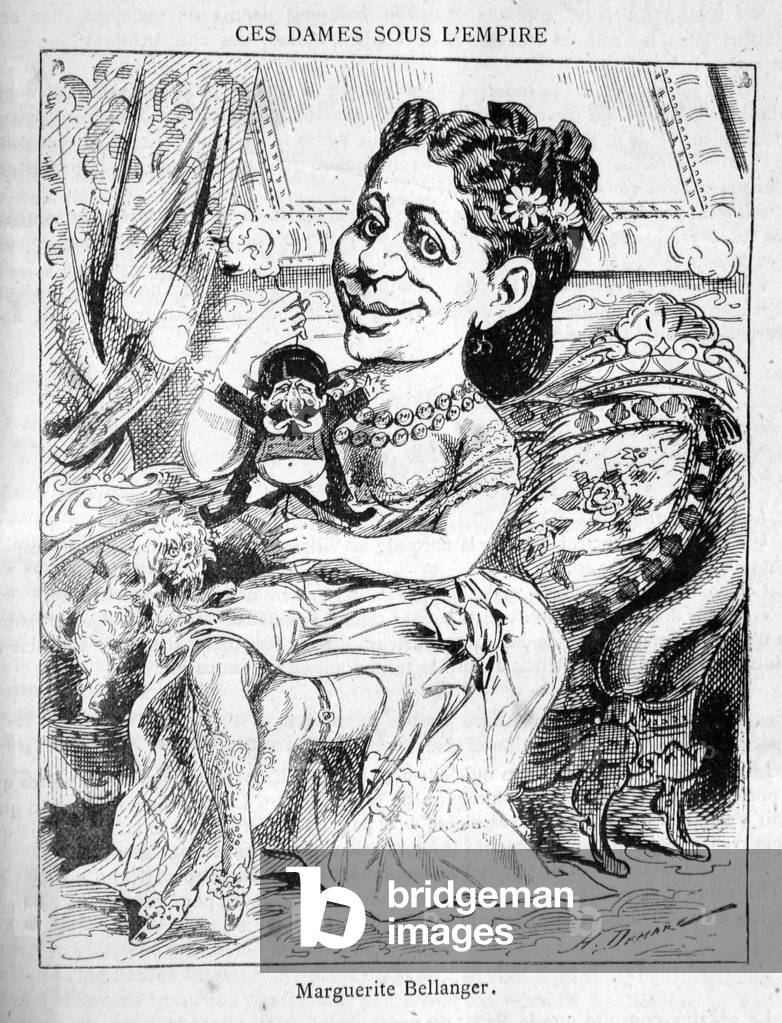
Cartoon of the politics of the Second Empire (Bonapartiste Regime) directed by Napoleon III (Charles Louis Napoleon Bonaparte, dit Louis-Napoleon Bonaparte, 1808-1873). Marguerite Bellanger. Julie Leboeuf, became an actress under the name of Marguerite Bellanger, is the last lasting affair of Emperor Napoleon III to whom she gave a son, Charles, did in 1864. La Lanterne, July 23, 1869. Engraving in “” Napoleon dernier: Les Lanternes de l'Empire”” (Volume 2, volume 3), reedition of 1880-1881 of 75 issues of the newspaper “” La Lanterne “” published by Henri Rochefort (1831-1913) between 30/05/1868 and 29/10/1869 at the Anti-Clerical Librairie. Private collection.

JOC4401116: Cartoon of the politics of the Second Empire (Bonapartiste Regime) directed by Napoleon III (Charles Louis Napoleon Bonaparte, dit Louis-Napoleon Bonaparte, 1808-1873). Marguerite Bellanger. Julie Leboeuf, became an actress under the name of Marguerite Bellanger, is the last lasting affair of Emperor Napoleon III to whom she gave a son, Charles, did in 1864. La Lanterne, July 23, 1869. Engraving in “” Napoleon dernier: Les Lanternes de l'Empire”” (Volume 2, volume 3), reedition of 1880-1881 of 75 issues of the newspaper “” La Lanterne “” published by Henri Rochefort (1831-1913) between 30/05/1868 and 29/10/1869 at the Anti-Clerical Librairie. Private collection. / Bridgeman Images

Cartoon of the politics of the Second Empire (Bonapartiste Regime) directed by Napoleon III (Charles Louis Napoleon Bonaparte, dit Louis-Napoleon Bonaparte, 1808-1873). “A barn drummer misfortune having had, at the time of the draw, the dark vein of bringing the number 7”: according to the conscription system, the one who draws the wrong number must complete 7 years of service, unless he can pay a replacement. La Lanterne, July 4, 1868. Engraving in “” Napoleon dernier: Les Lanternes de l'Empire”” (Volume 1, vol1), reedition of 1880-1881 of 75 issues of the newspaper “” La Lanterne “” published by Henri Rochefort (1831-1913) between 30/05/1868 and 29/10/1869 at the Anti-Clerical Librairie. Private collection.

JOC4401040: Cartoon of the politics of the Second Empire (Bonapartiste Regime) directed by Napoleon III (Charles Louis Napoleon Bonaparte, dit Louis-Napoleon Bonaparte, 1808-1873). “A barn drummer misfortune having had, at the time of the draw, the dark vein of bringing the number 7”: according to the conscription system, the one who draws the wrong number must complete 7 years of service, unless he can pay a replacement. La Lanterne, July 4, 1868. Engraving in “” Napoleon dernier: Les Lanternes de l'Empire”” (Volume 1, vol1), reedition of 1880-1881 of 75 issues of the newspaper “” La Lanterne “” published by Henri Rochefort (1831-1913) between 30/05/1868 and 29/10/1869 at the Anti-Clerical Librairie. Private collection. / Bridgeman Images

Cartoon of the politics of the Second Empire (Bonapartiste Regime) directed by Napoleon III (Charles Louis Napoleon Bonaparte, dit Louis-Napoleon Bonaparte, 1808-1873). “We finally decided to do a commemorative service for King Louis of Hollande (1778-1846), husband of Queen Hortense (Hortense de Beauharnais, 1783-1837)”. King Louis of Holland, father of Emperor Napoleon III known for his marital misfortunes. Illustration by Frid'Rick, La Lanterne, August 8, 1868. Engraving in “” Napoleon dernier: Les Lanternes de l'Empire”” (Volume 1, vol1), reedition of 1880-1881 of 75 issues of the newspaper “” La Lanterne “” published by Henri Rochefort (1831-1913) between 30/05/1868 and 29/10/1869 at the Anti-Clerical Librairie. Private collection.

JOC4401047: Cartoon of the politics of the Second Empire (Bonapartiste Regime) directed by Napoleon III (Charles Louis Napoleon Bonaparte, dit Louis-Napoleon Bonaparte, 1808-1873). “We finally decided to do a commemorative service for King Louis of Hollande (1778-1846), husband of Queen Hortense (Hortense de Beauharnais, 1783-1837)”. King Louis of Holland, father of Emperor Napoleon III known for his marital misfortunes. Illustration by Frid'Rick, La Lanterne, August 8, 1868. Engraving in “” Napoleon dernier: Les Lanternes de l'Empire”” (Volume 1, vol1), reedition of 1880-1881 of 75 issues of the newspaper “” La Lanterne “” published by Henri Rochefort (1831-1913) between 30/05/1868 and 29/10/1869 at the Anti-Clerical Librairie. Private collection. / Bridgeman Images
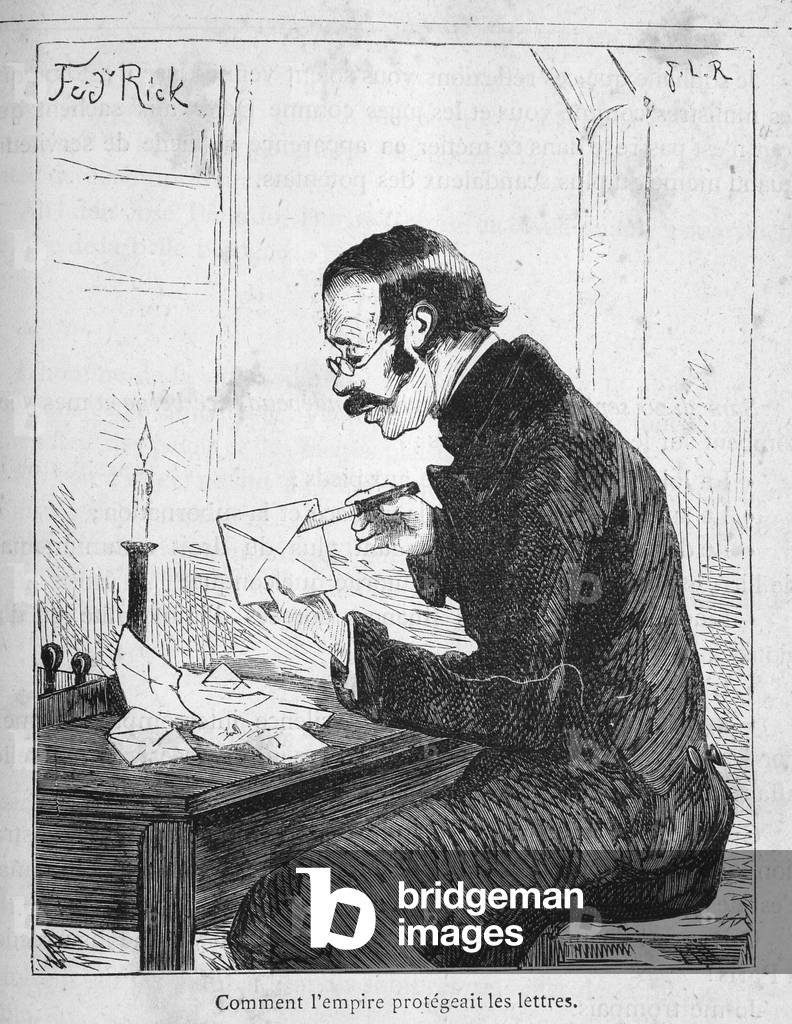
Cartoon of the politics of the Second Empire (Bonapartiste Regime) directed by Napoleon III (Charles Louis Napoleon Bonaparte, dit Louis-Napoleon Bonaparte, 1808-1873). “How the empire protected its letters”

JOC4401062: Cartoon of the politics of the Second Empire (Bonapartiste Regime) directed by Napoleon III (Charles Louis Napoleon Bonaparte, dit Louis-Napoleon Bonaparte, 1808-1873). “How the empire protected its letters” / Bridgeman Images

Cartoon of the politics of the Second Empire (Bonapartiste Regime) directed by Napoleon III (Charles Louis Napoleon Bonaparte, dit Louis-Napoleon Bonaparte, 1808-1873). “Monsignor Sibour”. Marie Dominique Sibour (1792-1857). Organiser of the “Te deum” celebrating the coup d'état on January 1, 1852. The cartoonist, like Hugo in Chatiments, plays on the Sibour/ciboire analogy, here filled with the blood of the victims of 2 December.

JOC4401115: Cartoon of the politics of the Second Empire (Bonapartiste Regime) directed by Napoleon III (Charles Louis Napoleon Bonaparte, dit Louis-Napoleon Bonaparte, 1808-1873). “Monsignor Sibour”. Marie Dominique Sibour (1792-1857). Organiser of the “Te deum” celebrating the coup d'état on January 1, 1852. The cartoonist, like Hugo in Chatiments, plays on the Sibour/ciboire analogy, here filled with the blood of the victims of 2 December. / Bridgeman Images

Le revers de Suzanne Lenglen, 1931 (print)

LSE4401939: Le revers de Suzanne Lenglen, 1931 (print) / Bridgeman Images

Stained glass windows of the Cathedrale Saint Etienne (Saint-Etienne).

ETI4397610: Stained glass windows of the Cathedrale Saint Etienne (Saint-Etienne). / Bridgeman Images

Construction d'un igloo - Christian Vibe, Laugthen og Nordpaa, ed; Gyldenbal, 1948, p. 135.

LSE4403147: Construction d'un igloo - Christian Vibe, Laugthen og Nordpaa, ed; Gyldenbal, 1948, p. 135., Unknown photographer, (20th century) / Bridgeman Images

L'Amour, by Francis Picabia (1879-1953); graphite pencil and print on paper.

LSE4403060: L'Amour, by Francis Picabia (1879-1953); graphite pencil and print on paper., Picabia, Francis (1879-1953) / Bridgeman Images

The floods of 1910: Odeon metro station, ca. 1910 (photo)

LSE4402406: The floods of 1910: Odeon metro station, ca. 1910 (photo) / Bridgeman Images

Pierre Mendes France at the Stade de Charletty, May 27, 1968

LSE4402445: Pierre Mendes France at the Stade de Charletty, May 27, 1968, French Photographer, (20th century) / Bridgeman Images

Monument to Verdi, Roncole, Parma, Emilia Romagna, Italy

CUB4476474: Monument to Verdi, Roncole, Parma, Emilia Romagna, Italy, Italian School, (20th century) / Bridgeman Images
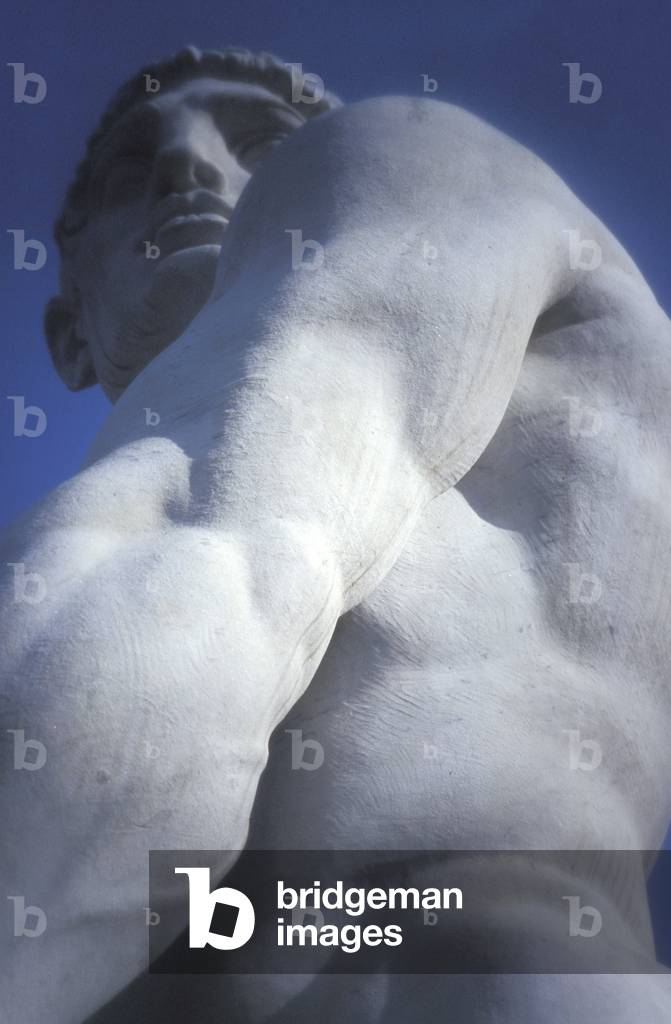
Stadio dei Marmi, Rome, Lazio, Italy

CUB4477794: Stadio dei Marmi, Rome, Lazio, Italy, Italian School, (20th century) / Bridgeman Images

Stadio dei Marmi, Rome, Lazio, Italy

CUB4477809: Stadio dei Marmi, Rome, Lazio, Italy, Italian School, (20th century) / Bridgeman Images
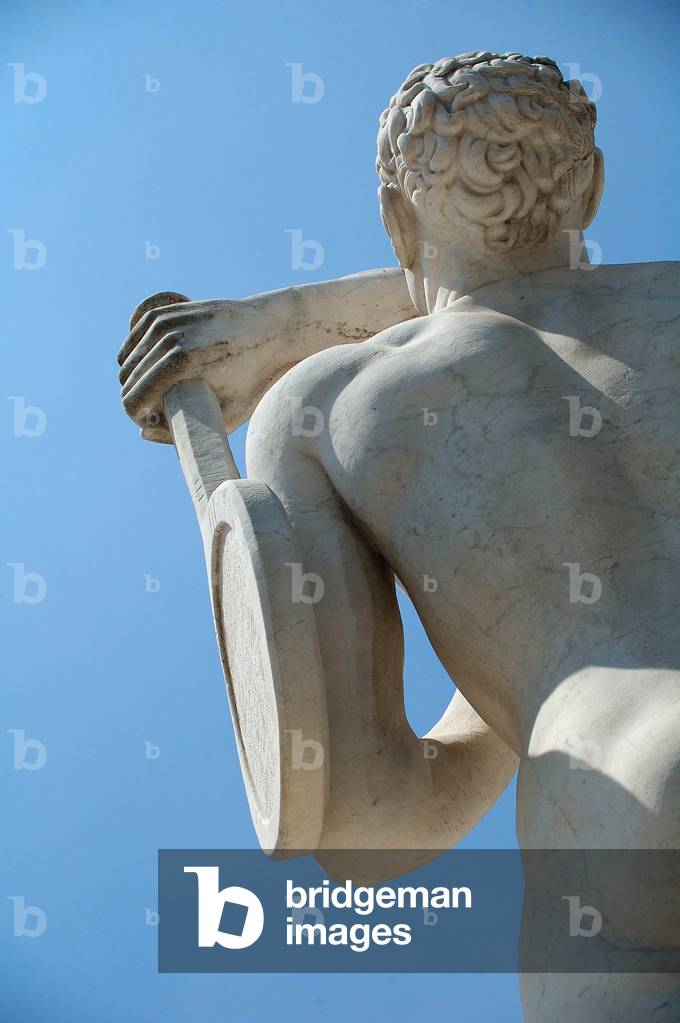
Statue, Stadio dei Marmi, Rome, Lazio, Italy

CUB4477885: Statue, Stadio dei Marmi, Rome, Lazio, Italy, Italian School, (20th century) / Bridgeman Images

Statue, Stadio dei Marmi, Rome, Lazio, Italy

CUB4477898: Statue, Stadio dei Marmi, Rome, Lazio, Italy, Italian School, (20th century) / Bridgeman Images

Statue, Stadio dei Marmi, Rome, Lazio, Italy

CUB4477923: Statue, Stadio dei Marmi, Rome, Lazio, Italy, Italian School, (20th century) / Bridgeman Images
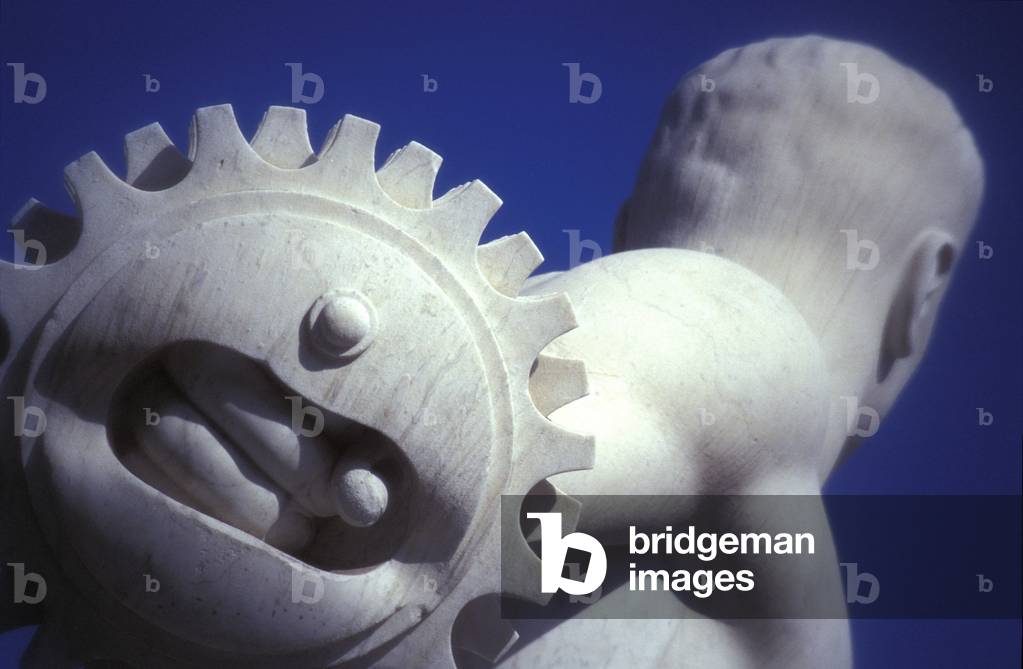
Statue, Stadio dei Marmi, Rome, Lazio, Italy

CUB4477688: Statue, Stadio dei Marmi, Rome, Lazio, Italy, Italian School, (20th century) / Bridgeman Images

Stadio dei Marmi, detail of a statue, Rome, Lazio, Italy

CUB4477810: Stadio dei Marmi, detail of a statue, Rome, Lazio, Italy, Italian School, (20th century) / Bridgeman Images
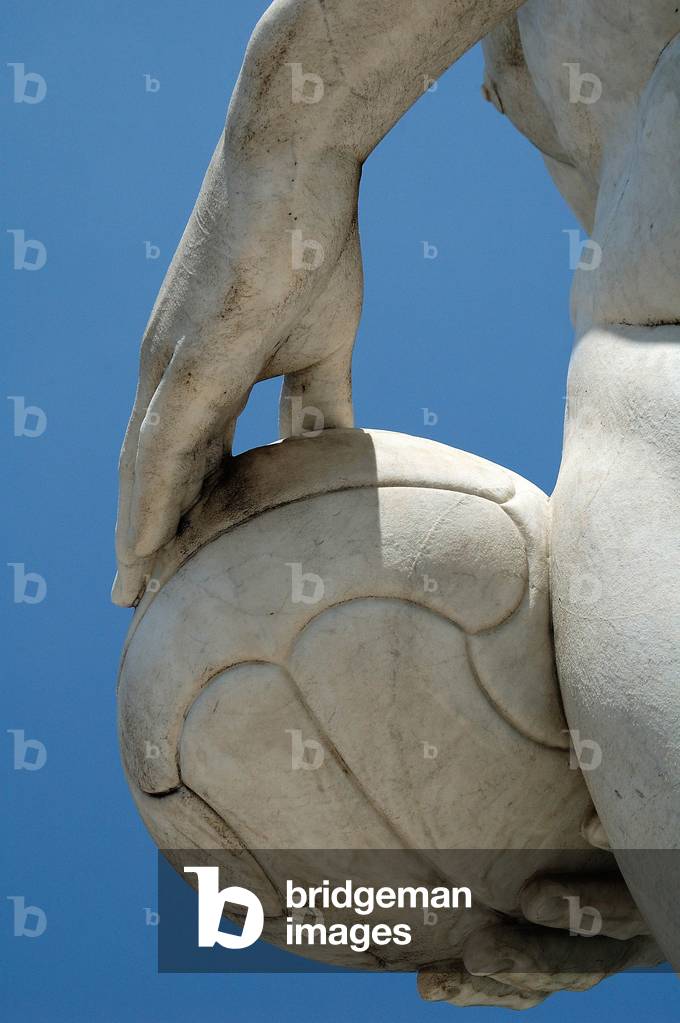
Statue, Stadio dei Marmi, Rome, Lazio, Italy

CUB4477893: Statue, Stadio dei Marmi, Rome, Lazio, Italy, Italian School, (20th century) / Bridgeman Images
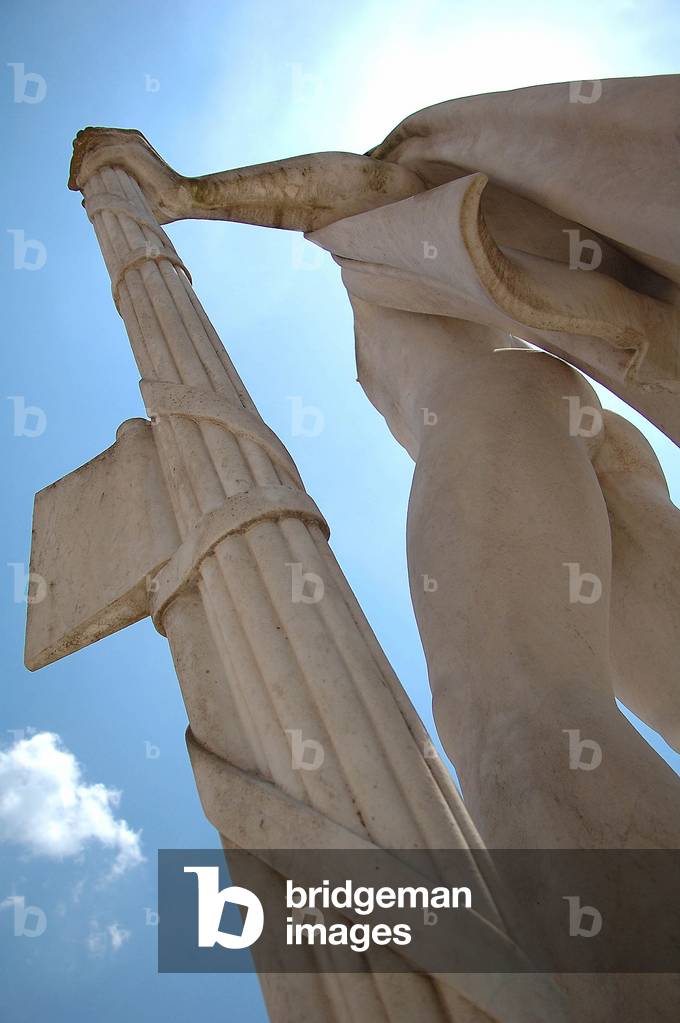
Statue, Stadio dei Marmi, Rome, Lazio, Italy

CUB4477908: Statue, Stadio dei Marmi, Rome, Lazio, Italy, Italian School, (20th century) / Bridgeman Images
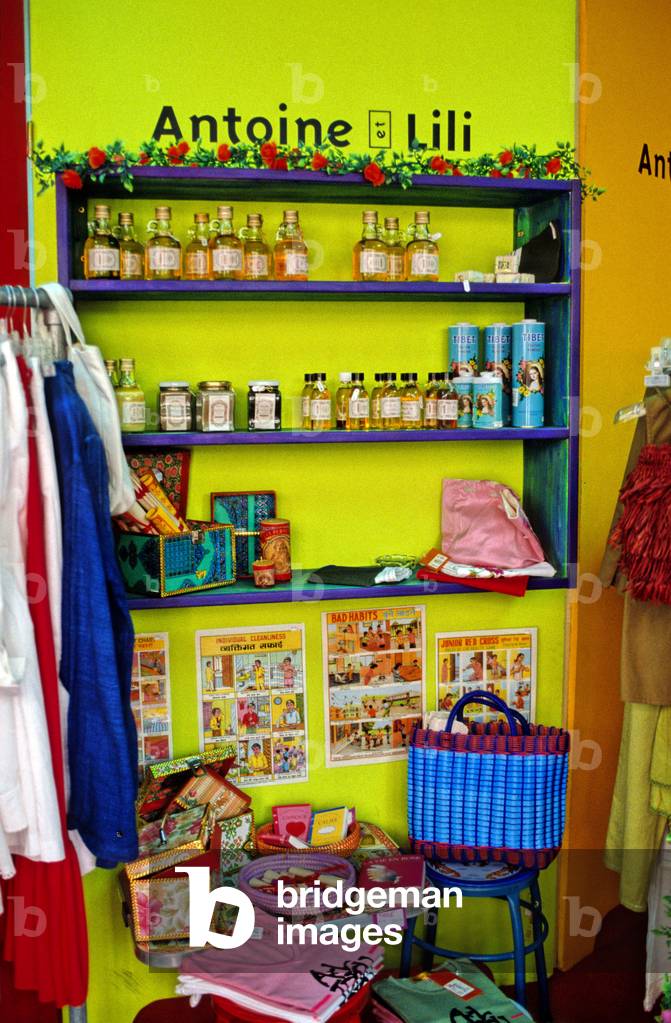
Antoine et Lili, quai de Jemmapes, Paris 75010

OMG4554261: Antoine et Lili, quai de Jemmapes, Paris 75010, Gambier, Olivier Martin / Bridgeman Images
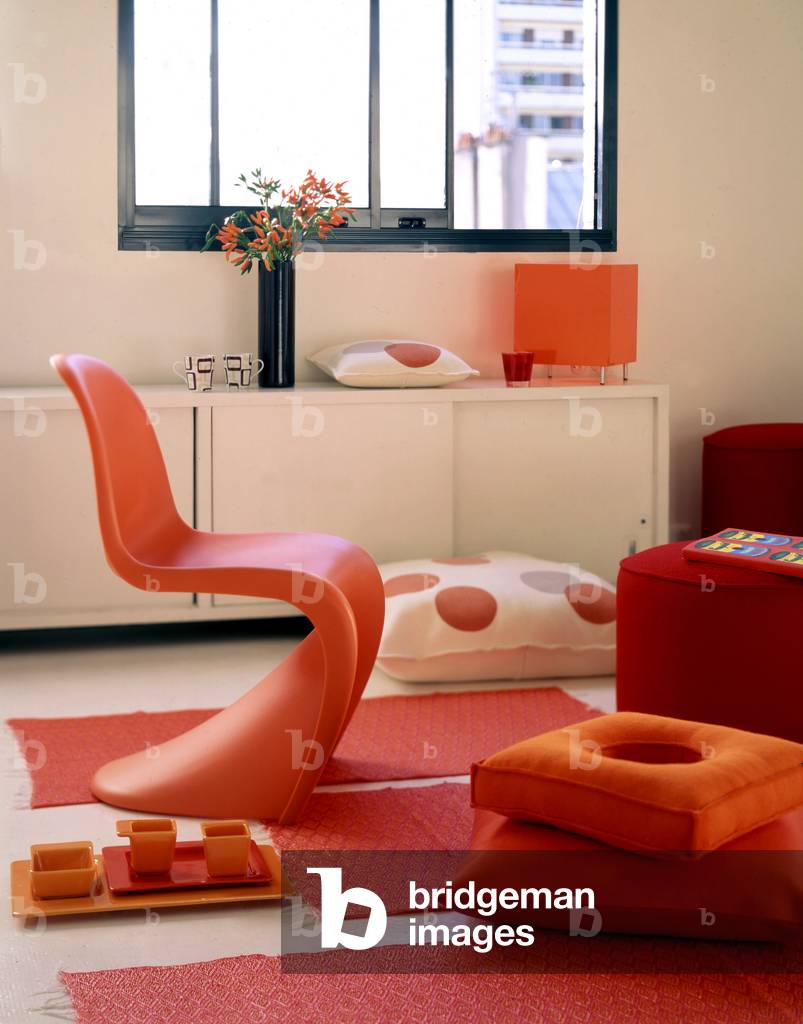
Design furniture. Photography 1990

OMG4557441: Design furniture. Photography 1990, Gambier, Olivier Martin / Bridgeman Images
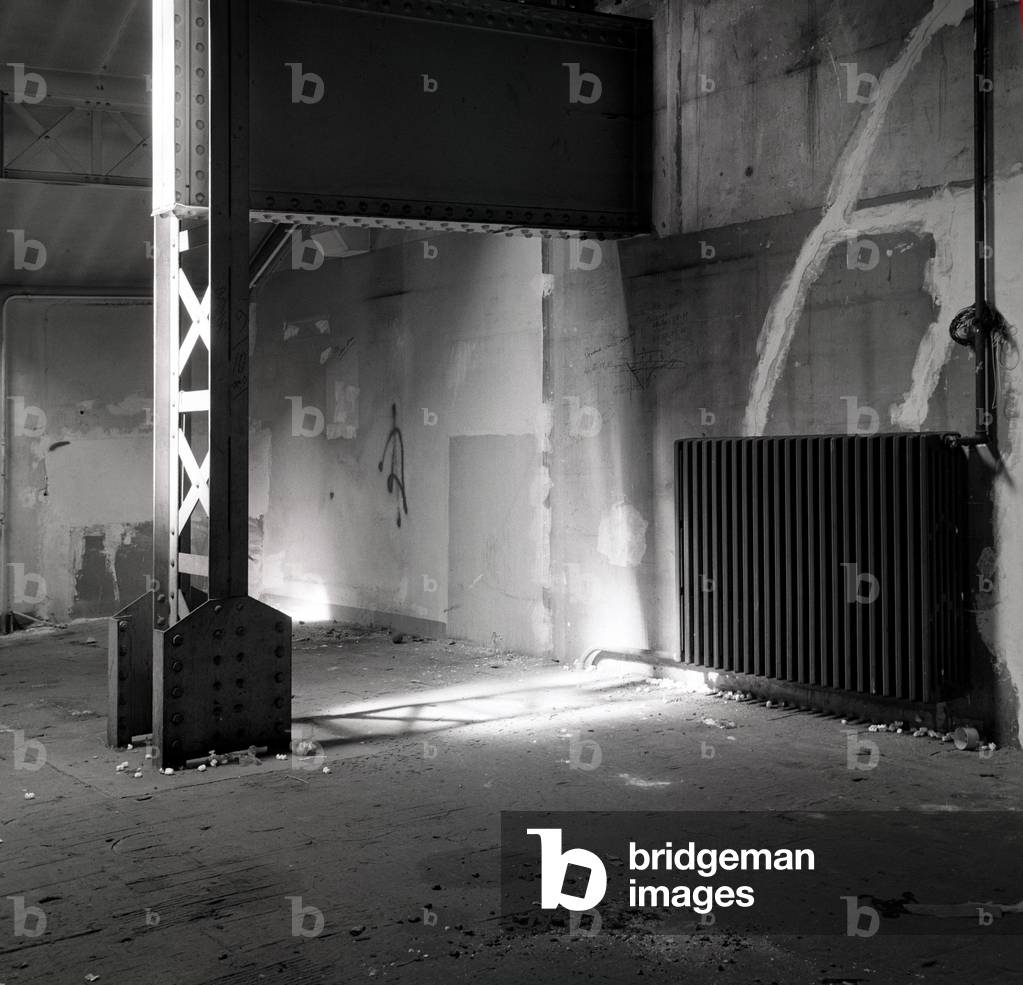
Les anciennes funebres municipales, 104 rue d'Aubervilliers, Paris 19. This large space occupied by the Pomps funebres de Paris was released in 1998. Its two characteristic halls of 19th century industrial construction (brick, iron, glass) were classed.

JSN4548408: Les anciennes funebres municipales, 104 rue d'Aubervilliers, Paris 19. This large space occupied by the Pomps funebres de Paris was released in 1998. Its two characteristic halls of 19th century industrial construction (brick, iron, glass) were classed., Salmon, Jacqueline / Bridgeman Images
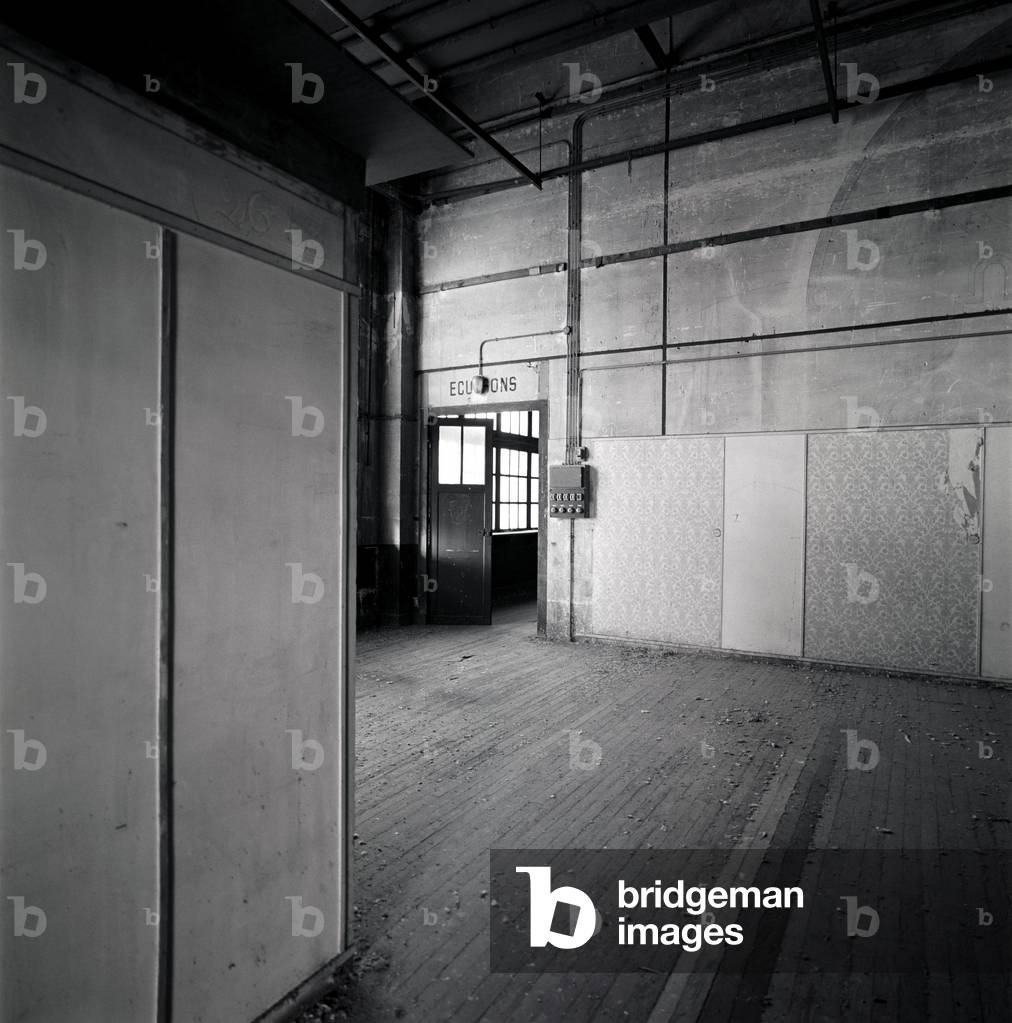
Les anciennes funebres municipales, 104 rue d'Aubervilliers, Paris 19. This large space occupied by the Pomps funebres de Paris was released in 1998. Its two characteristic halls of 19th century industrial construction (brick, iron, glass) were classed.

JSN4548439: Les anciennes funebres municipales, 104 rue d'Aubervilliers, Paris 19. This large space occupied by the Pomps funebres de Paris was released in 1998. Its two characteristic halls of 19th century industrial construction (brick, iron, glass) were classed., Salmon, Jacqueline / Bridgeman Images
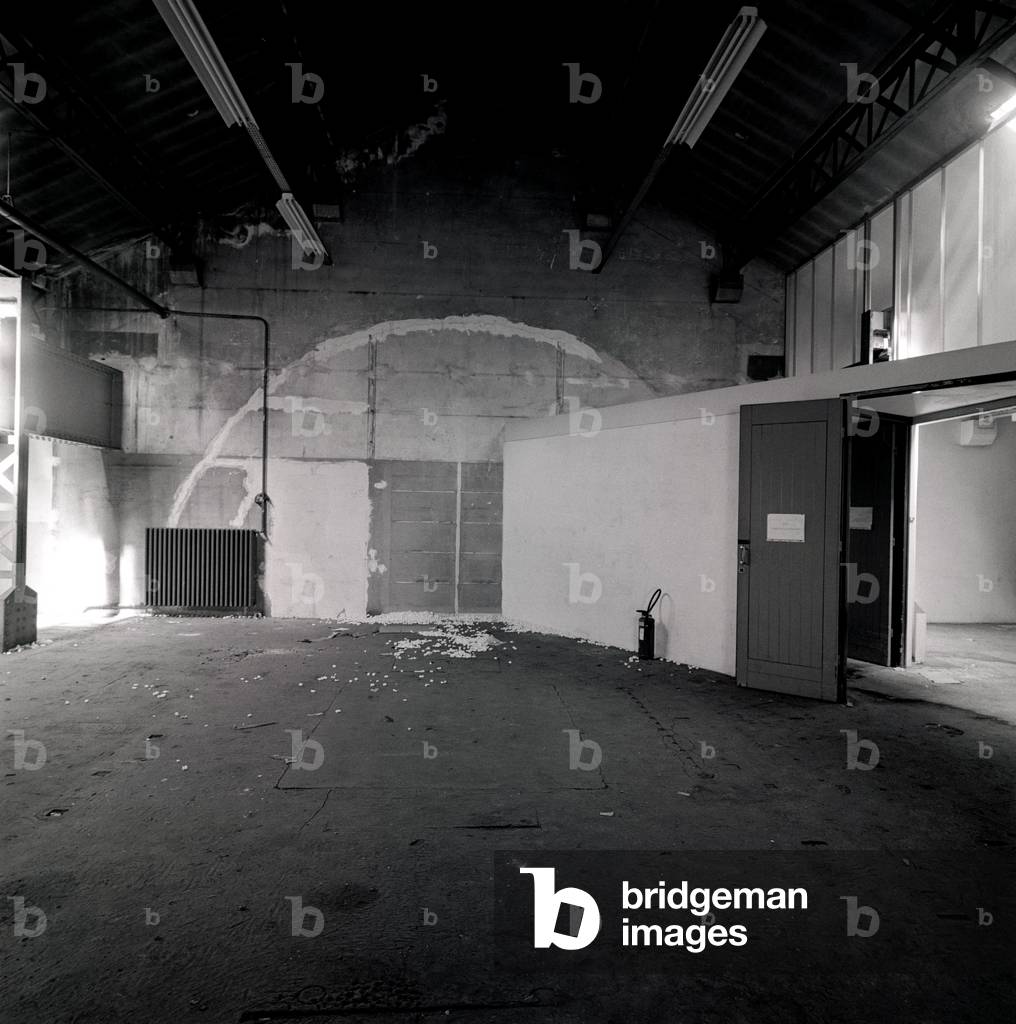
Les anciennes funebres municipales, 104 rue d'Aubervilliers, Paris 19. This large space occupied by the Pomps funebres de Paris was released in 1998. Its two characteristic halls of 19th century industrial construction (brick, iron, glass) were classed.

JSN4548385: Les anciennes funebres municipales, 104 rue d'Aubervilliers, Paris 19. This large space occupied by the Pomps funebres de Paris was released in 1998. Its two characteristic halls of 19th century industrial construction (brick, iron, glass) were classed., Salmon, Jacqueline / Bridgeman Images
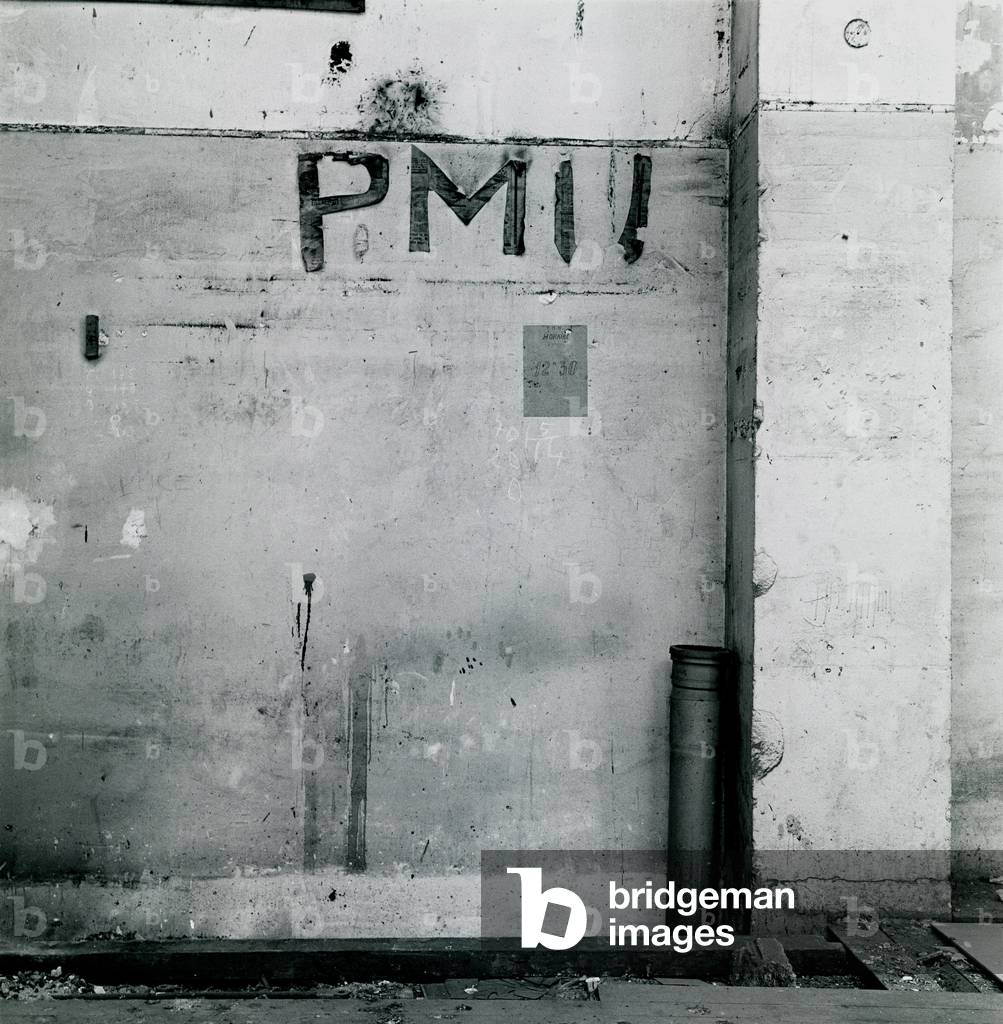
Les anciennes funebres municipales, 104 rue d'Aubervilliers, Paris 19. This large space occupied by the Pomps funebres de Paris was released in 1998. Its two characteristic halls of 19th century industrial construction (brick, iron, glass) were classed.

JSN4548392: Les anciennes funebres municipales, 104 rue d'Aubervilliers, Paris 19. This large space occupied by the Pomps funebres de Paris was released in 1998. Its two characteristic halls of 19th century industrial construction (brick, iron, glass) were classed., Salmon, Jacqueline / Bridgeman Images
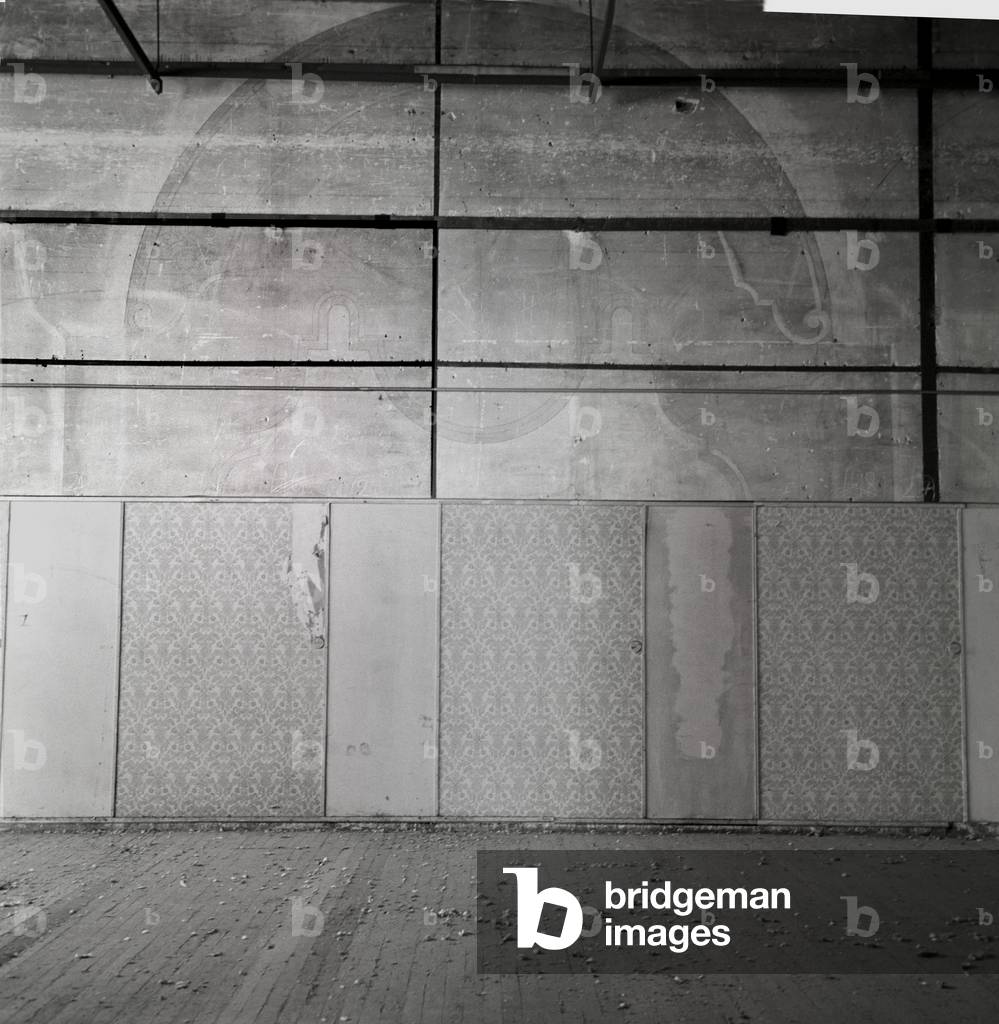
Les anciennes funebres municipales, 104 rue d'Aubervilliers, Paris 19. This large space occupied by the Pomps funebres de Paris was released in 1998. Its two characteristic halls of 19th century industrial construction (brick, iron, glass) were classed.

JSN4548432: Les anciennes funebres municipales, 104 rue d'Aubervilliers, Paris 19. This large space occupied by the Pomps funebres de Paris was released in 1998. Its two characteristic halls of 19th century industrial construction (brick, iron, glass) were classed., Salmon, Jacqueline / Bridgeman Images
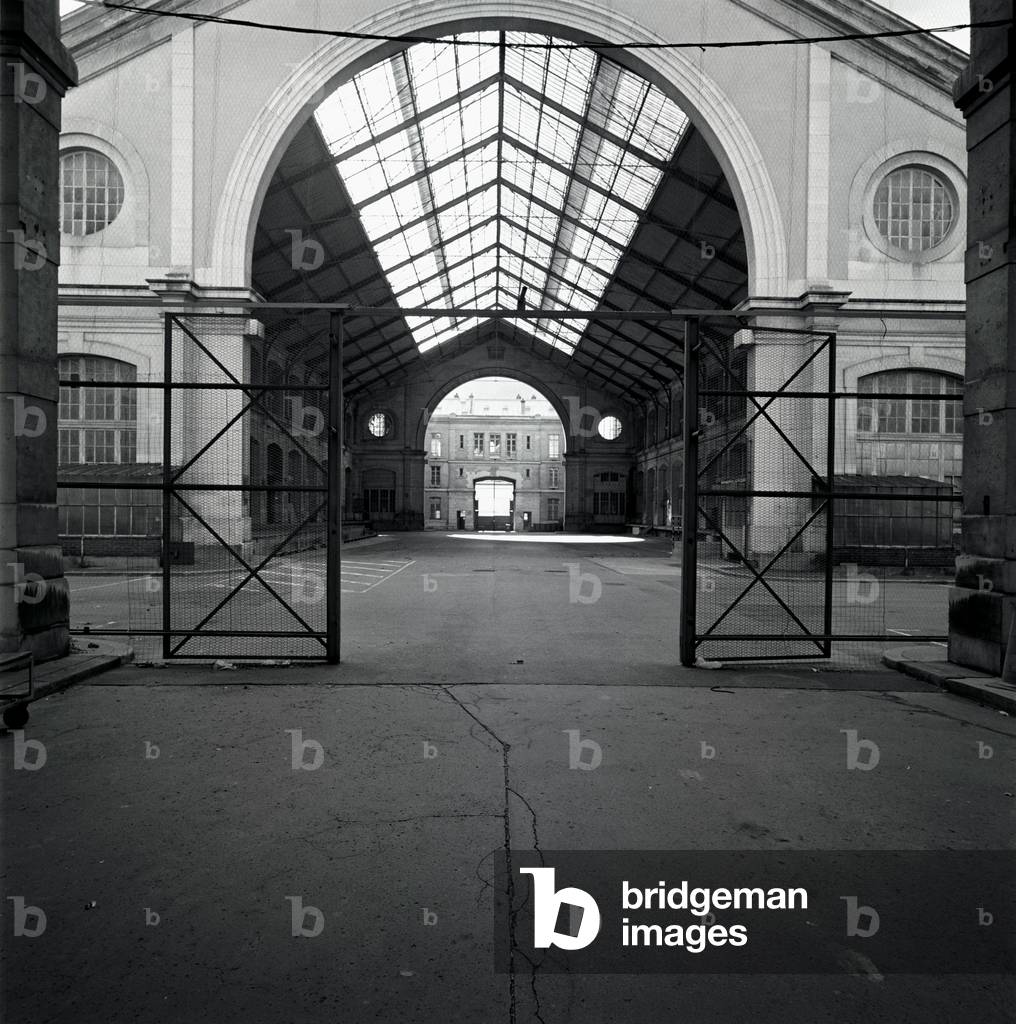
Les anciennes funebres municipales, 104 rue d'Aubervilliers, Paris 19. This large space occupied by the Pomps funebres de Paris was released in 1998. Its two characteristic halls of 19th century industrial construction (brick, iron, glass) were classed.

JSN4548444: Les anciennes funebres municipales, 104 rue d'Aubervilliers, Paris 19. This large space occupied by the Pomps funebres de Paris was released in 1998. Its two characteristic halls of 19th century industrial construction (brick, iron, glass) were classed., Salmon, Jacqueline / Bridgeman Images
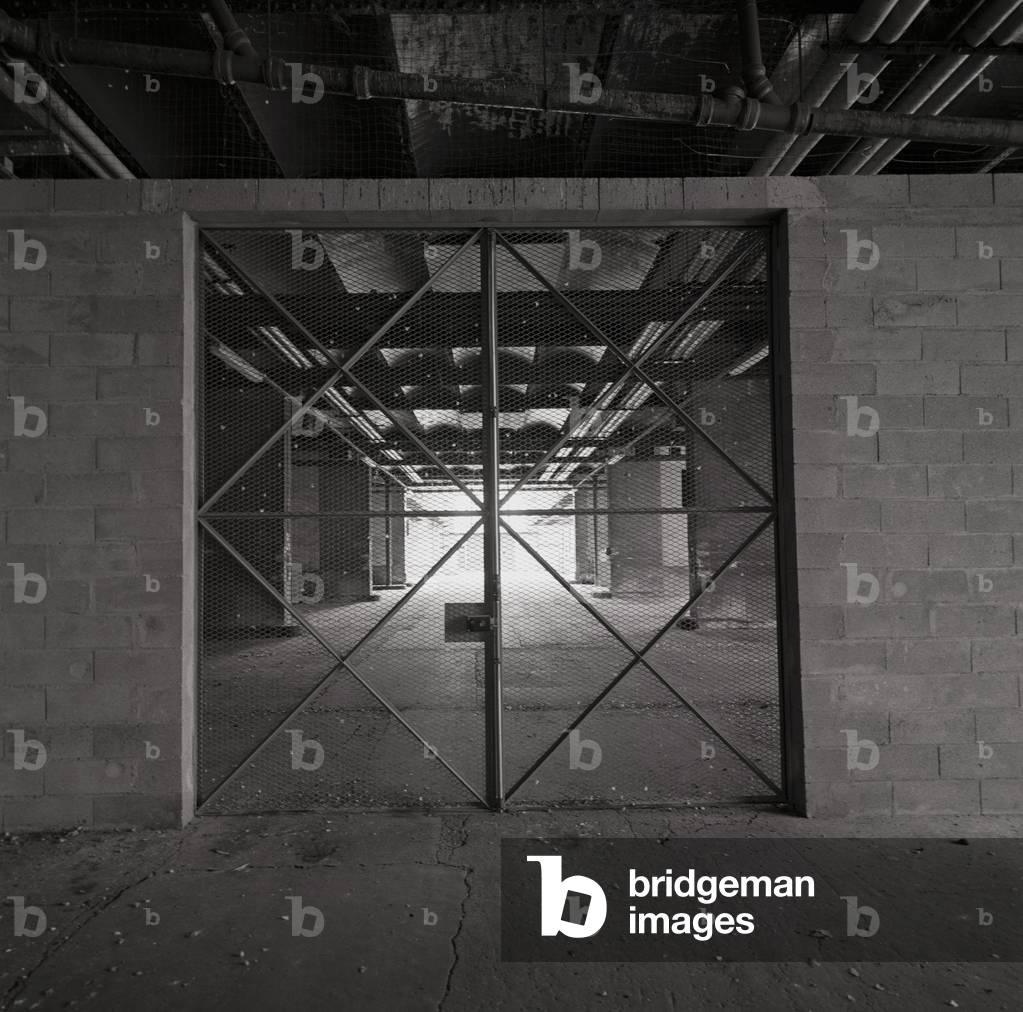
Les anciennes funebres municipales, 104 rue d'Aubervilliers, Paris 19. This large space occupied by the Pomps funebres de Paris was released in 1998. Its two characteristic halls of 19th century industrial construction (brick, iron, glass) were classed.

JSN4548452: Les anciennes funebres municipales, 104 rue d'Aubervilliers, Paris 19. This large space occupied by the Pomps funebres de Paris was released in 1998. Its two characteristic halls of 19th century industrial construction (brick, iron, glass) were classed., Salmon, Jacqueline / Bridgeman Images
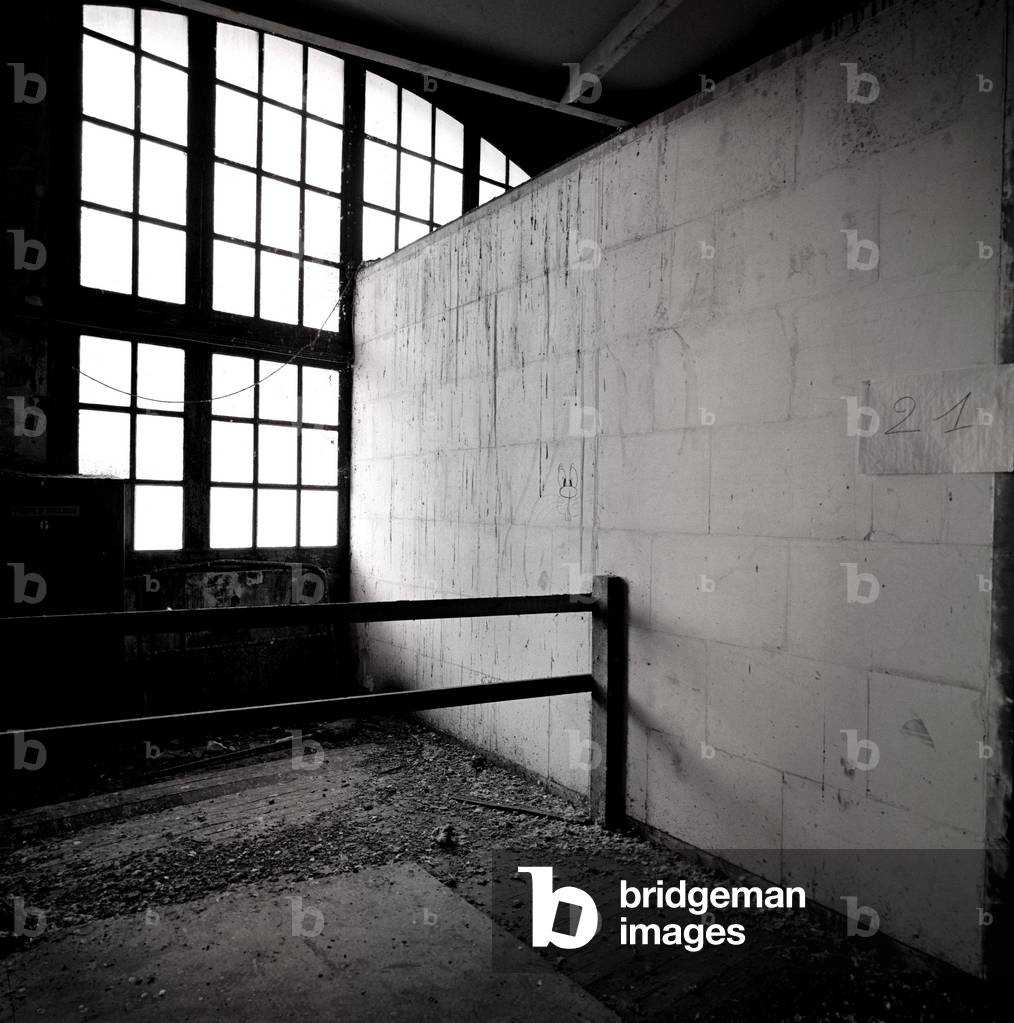
Les anciennes funebres municipales, 104 rue d'Aubervilliers, Paris 19. This large space occupied by the Pomps funebres de Paris was released in 1998. Its two characteristic halls of 19th century industrial construction (brick, iron, glass) were classed.

JSN4548472: Les anciennes funebres municipales, 104 rue d'Aubervilliers, Paris 19. This large space occupied by the Pomps funebres de Paris was released in 1998. Its two characteristic halls of 19th century industrial construction (brick, iron, glass) were classed., Salmon, Jacqueline / Bridgeman Images
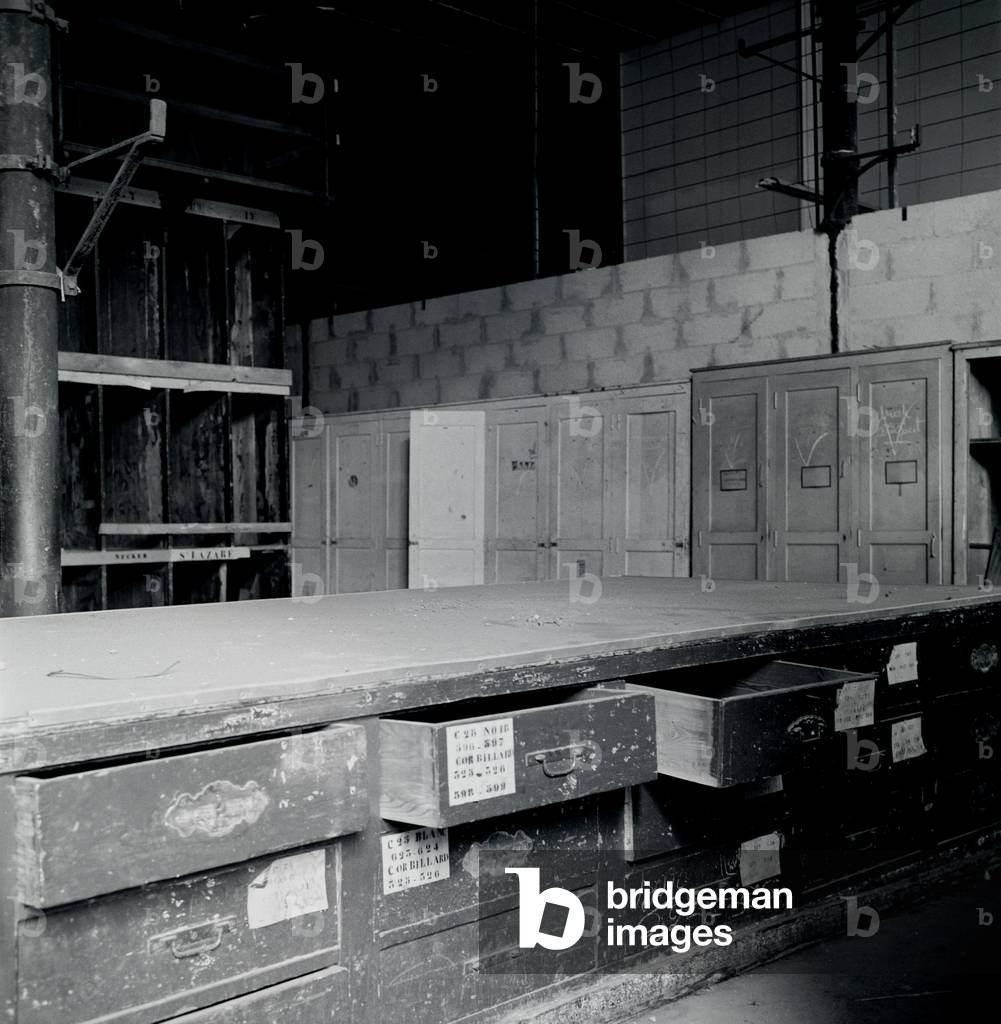
Les anciennes funebres municipales, 104 rue d'Aubervilliers, Paris 19. This large space occupied by the Pomps funebres de Paris was released in 1998. Its two characteristic halls of 19th century industrial construction (brick, iron, glass) were classed.

JSN4548485: Les anciennes funebres municipales, 104 rue d'Aubervilliers, Paris 19. This large space occupied by the Pomps funebres de Paris was released in 1998. Its two characteristic halls of 19th century industrial construction (brick, iron, glass) were classed., Salmon, Jacqueline / Bridgeman Images

Portrait of Jean-Christophe (Jean Christophe) Bailly, August 2014

JSN4550602: Portrait of Jean-Christophe (Jean Christophe) Bailly, August 2014, Salmon, Jacqueline / Bridgeman Images

La Cure d'air Trianon, 75 rue Pasteur in Nancy (Meurthe and Moselle). Architect Georges Biet (1869-1955), 1902. In Nancy, Art Nouveau takes the name of Ecole de Nancy, or Alliance provincial des industries d'art, thanks in particular to the emblematic figure of Emile Galle. Glassware, furniture, stained glass, ceramics, leather, ironwork, architecture, etc., participate in this vast movement of renovation of decorative arts that still marks the city today.

LBY4641078: La Cure d'air Trianon, 75 rue Pasteur in Nancy (Meurthe and Moselle). Architect Georges Biet (1869-1955), 1902. In Nancy, Art Nouveau takes the name of Ecole de Nancy, or Alliance provincial des industries d'art, thanks in particular to the emblematic figure of Emile Galle. Glassware, furniture, stained glass, ceramics, leather, ironwork, architecture, etc., participate in this vast movement of renovation of decorative arts that still marks the city today., Biet, Georges Emile (1869-1955) / Bridgeman Images


Back to top