Search options

Orientation
Colour

Display options

View

Print

To print search results, use print friendly version of this page.

2491476 Search Results

Food still life: Italian specialite, potato fritters (dough balls) of potatoes (photography)

LRI4734774: Food still life: Italian specialite, potato fritters (dough balls) of potatoes (photography) / Bridgeman Images

Food still life: plate of italian ravioli with vegetarian stuffing (photography)

LRI4735305: Food still life: plate of italian ravioli with vegetarian stuffing (photography) / Bridgeman Images

Food still life, pasta tagliolini with fish broth, from Rimini (photography)

LRI4735447: Food still life, pasta tagliolini with fish broth, from Rimini (photography) / Bridgeman Images

USA New Mexico: Santa Fe: March to the Indians

GYS4726459: USA New Mexico: Santa Fe: March to the Indians / Bridgeman Images

USA New Mexico: Santa Fe: Cathedrale Saint - Francois of Assisi

GYS4726499: USA New Mexico: Santa Fe: Cathedrale Saint - Francois of Assisi / Bridgeman Images
The Musee Carnavalet, 23 rue de Sevigne, Paris 75003. Architect: Nicolas Dupuis in 1548-1560 and rehabilitated in 1660 by Francois Mansart. Dedicated to the history of Paris, this grand museum has occupied two adjoining hotels since 1991: Hotel Carnavalet, one of the most beautiful hotels of the Parisian Renaissance and Hotel Le Peletier de Saint-Fargeau, built in the 18th century. In 1660, Francois Mansart was commissioned to expand and modernize it. In the foreground is the Victory Court with French gardens. Photograph 1992.

TEC4727093: The Musee Carnavalet, 23 rue de Sevigne, Paris 75003. Architect: Nicolas Dupuis in 1548-1560 and rehabilitated in 1660 by Francois Mansart. Dedicated to the history of Paris, this grand museum has occupied two adjoining hotels since 1991: Hotel Carnavalet, one of the most beautiful hotels of the Parisian Renaissance and Hotel Le Peletier de Saint-Fargeau, built in the 18th century. In 1660, Francois Mansart was commissioned to expand and modernize it. In the foreground is the Victory Court with French gardens. Photograph 1992. / Bridgeman Images

The Musee Carnavalet, 23 rue de Sevigne, Paris 75003. Architect: Nicolas Dupuis in 1548-1560 and rehabilitated in 1660 by Francois Mansart. Dedicated to the history of Paris, this grand museum has occupied two adjoining hotels since 1991: Hotel Carnavalet, one of the most beautiful hotels of the Parisian Renaissance and Hotel Le Peletier de Saint-Fargeau, built in the 18th century. In 1660, Francois Mansart was commissioned to expand and modernize it. In the foreground is the Victory Court with French gardens. Photograph 1992.

TEC4727235: The Musee Carnavalet, 23 rue de Sevigne, Paris 75003. Architect: Nicolas Dupuis in 1548-1560 and rehabilitated in 1660 by Francois Mansart. Dedicated to the history of Paris, this grand museum has occupied two adjoining hotels since 1991: Hotel Carnavalet, one of the most beautiful hotels of the Parisian Renaissance and Hotel Le Peletier de Saint-Fargeau, built in the 18th century. In 1660, Francois Mansart was commissioned to expand and modernize it. In the foreground is the Victory Court with French gardens. Photograph 1992. / Bridgeman Images

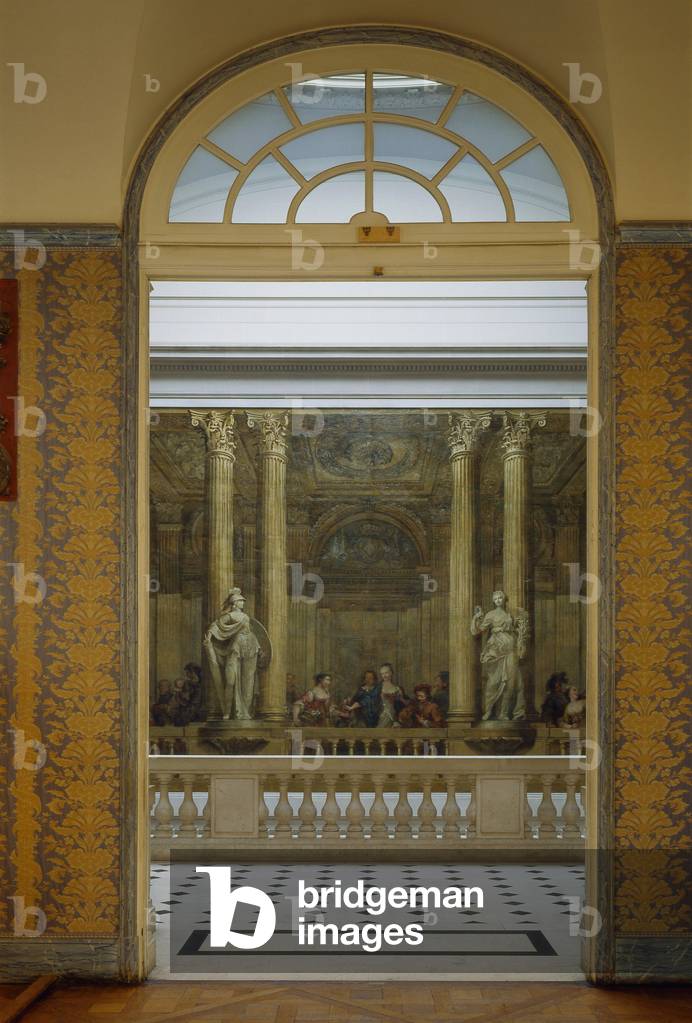
The Musee Carnavalet, 23 rue de Sevigne, Paris 75003. Architect: Nicolas Dupuis in 1548-1560 and rebuilt in 1660 by Francois Mansart. Detail of the ballroom of the Wende.Decorative set made in 1925 by the Catalan painter Jose-Maria Sert for the Wendel family mansion. Huge composition evenly covering walls and ceiling, on a silver background, representing the Depart of the Queen of Sheba going to visit King Solomon.

TEC4727379: The Musee Carnavalet, 23 rue de Sevigne, Paris 75003. Architect: Nicolas Dupuis in 1548-1560 and rebuilt in 1660 by Francois Mansart. Detail of the ballroom of the Wende.Decorative set made in 1925 by the Catalan painter Jose-Maria Sert for the Wendel family mansion. Huge composition evenly covering walls and ceiling, on a silver background, representing the Depart of the Queen of Sheba going to visit King Solomon. / Bridgeman Images

La salle de lecture de La Bibliotheque Sainte-Genevieve (Sainte Genevieve), 10 place du Pantheon, Paris 75005. Architecture by Henri Labrouste, 1845-1851.

TEC4727639: La salle de lecture de La Bibliotheque Sainte-Genevieve (Sainte Genevieve), 10 place du Pantheon, Paris 75005. Architecture by Henri Labrouste, 1845-1851. / Bridgeman Images

La salle de lecture de La Bibliotheque Sainte-Genevieve (Sainte Genevieve), 10 place du Pantheon, Paris 75005. Architecture by Henri Labrouste, 1845-1851.

TEC4727645: La salle de lecture de La Bibliotheque Sainte-Genevieve (Sainte Genevieve), 10 place du Pantheon, Paris 75005. Architecture by Henri Labrouste, 1845-1851. / Bridgeman Images
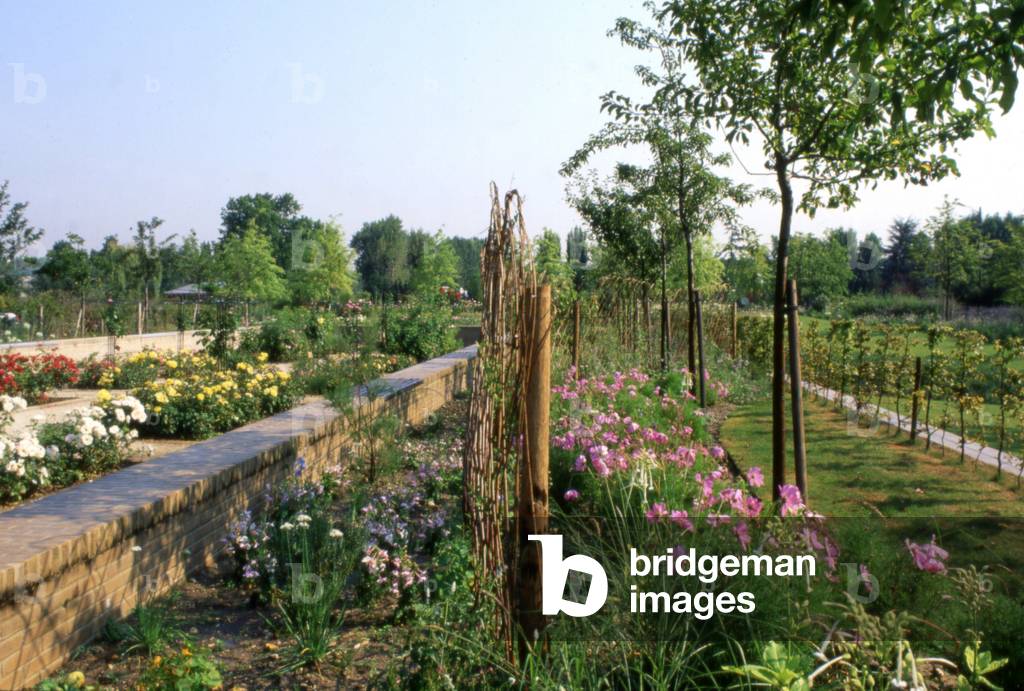
The Impressionist Park in Rueil Malmaison (Rueil-Malmaison), Hauts de Seine (Hauts-de-Seine), Ile de France (Ile-de-France), France

LBY4729241: The Impressionist Park in Rueil Malmaison (Rueil-Malmaison), Hauts de Seine (Hauts-de-Seine), Ile de France (Ile-de-France), France / Bridgeman Images
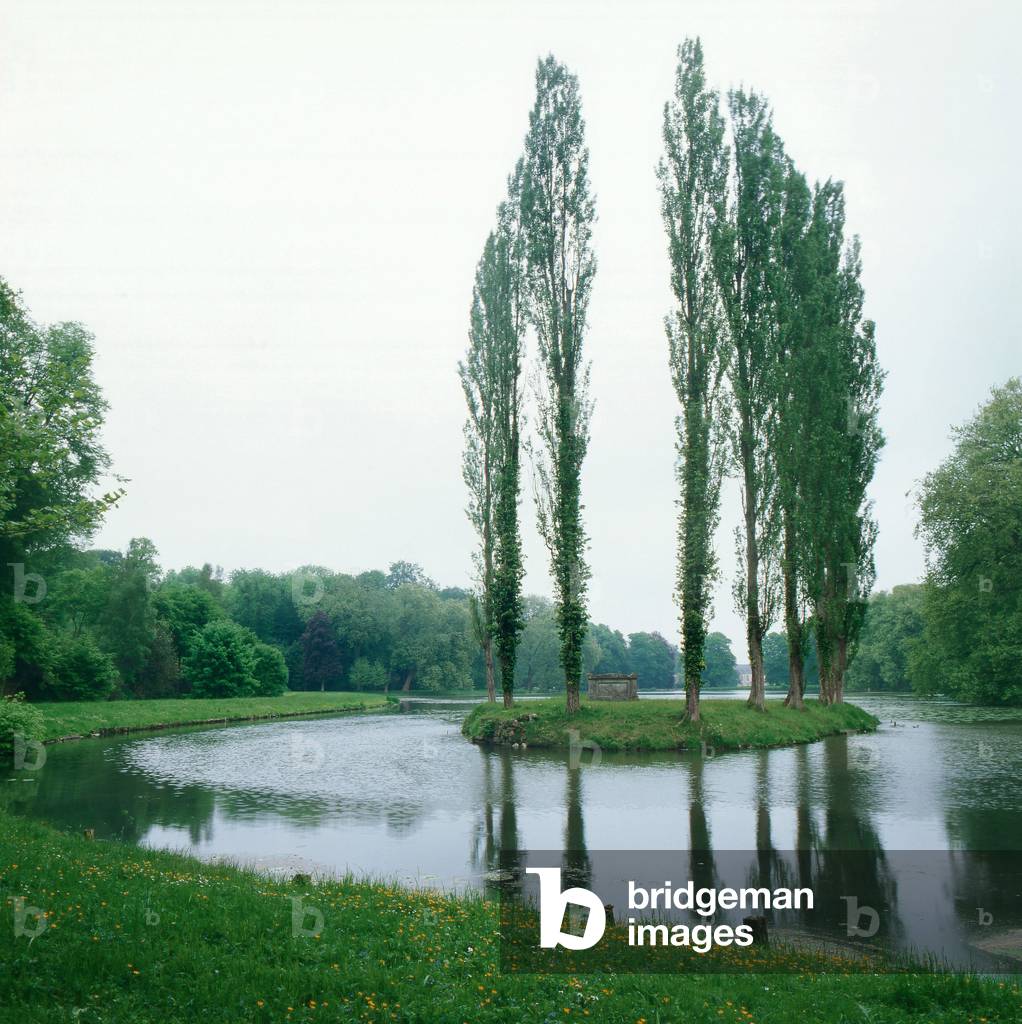
Parc d'Ermenonville “” Jean-Jacques Rousseau”, Oise, Picardie, France. From 1765 onwards, the Marquis Rene de Girardin created a park adorned with factories. Inspired by Jean-Jacques Rousseau in his vision of nature and with a moral intention, the Marquis surround himself with the advice of landscape architect Jean-Marie Morel, painter Hubert Robert, who later drew Mereville, Abbe Delille and Scottish gardeners. The park is treated in an English garden and the factories use both romantic style and maconic symbols. The ensemble stretched to the north and south of the castle over a hundred hectares and had about fifty factories of varying importance.

ITR4729589: Parc d'Ermenonville “” Jean-Jacques Rousseau”, Oise, Picardie, France. From 1765 onwards, the Marquis Rene de Girardin created a park adorned with factories. Inspired by Jean-Jacques Rousseau in his vision of nature and with a moral intention, the Marquis surround himself with the advice of landscape architect Jean-Marie Morel, painter Hubert Robert, who later drew Mereville, Abbe Delille and Scottish gardeners. The park is treated in an English garden and the factories use both romantic style and maconic symbols. The ensemble stretched to the north and south of the castle over a hundred hectares and had about fifty factories of varying importance. / Bridgeman Images
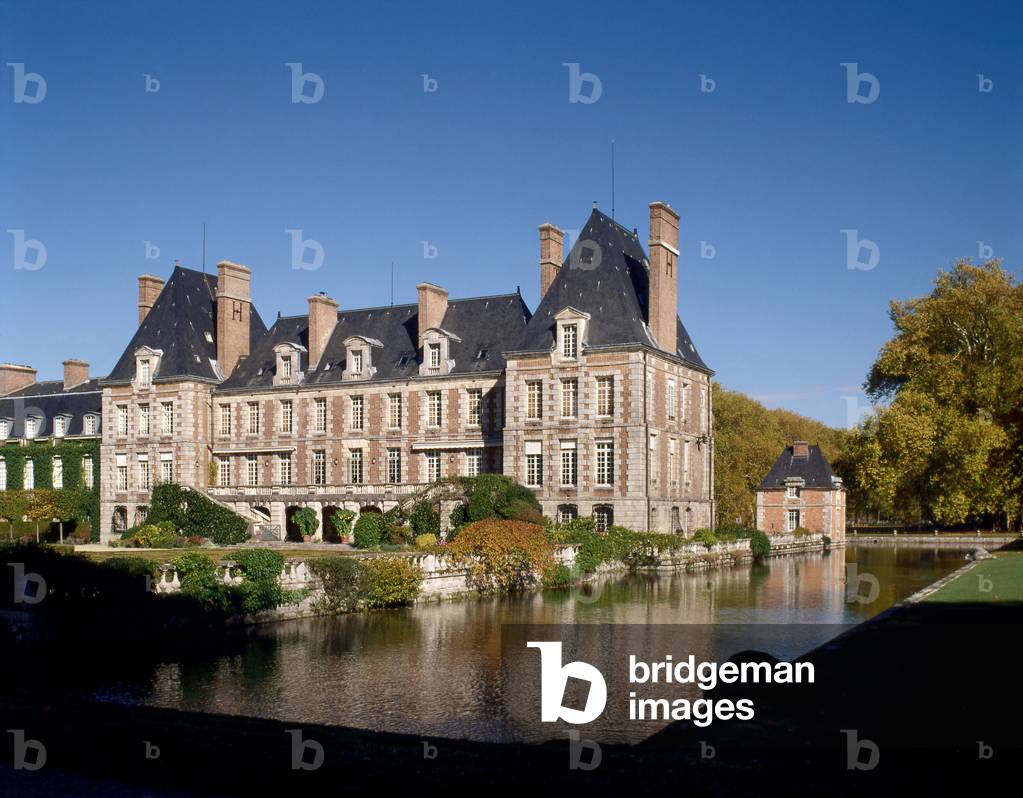
Chateau de Courances, Essonne, Ile de France (Ile-De-France). Architecture of Claude I and Claude II Gallard, 1622-1630. Garden, canals and water games redesigned in the 19th century by Achille Duchene.

ITR4730276: Chateau de Courances, Essonne, Ile de France (Ile-De-France). Architecture of Claude I and Claude II Gallard, 1622-1630. Garden, canals and water games redesigned in the 19th century by Achille Duchene. / Bridgeman Images
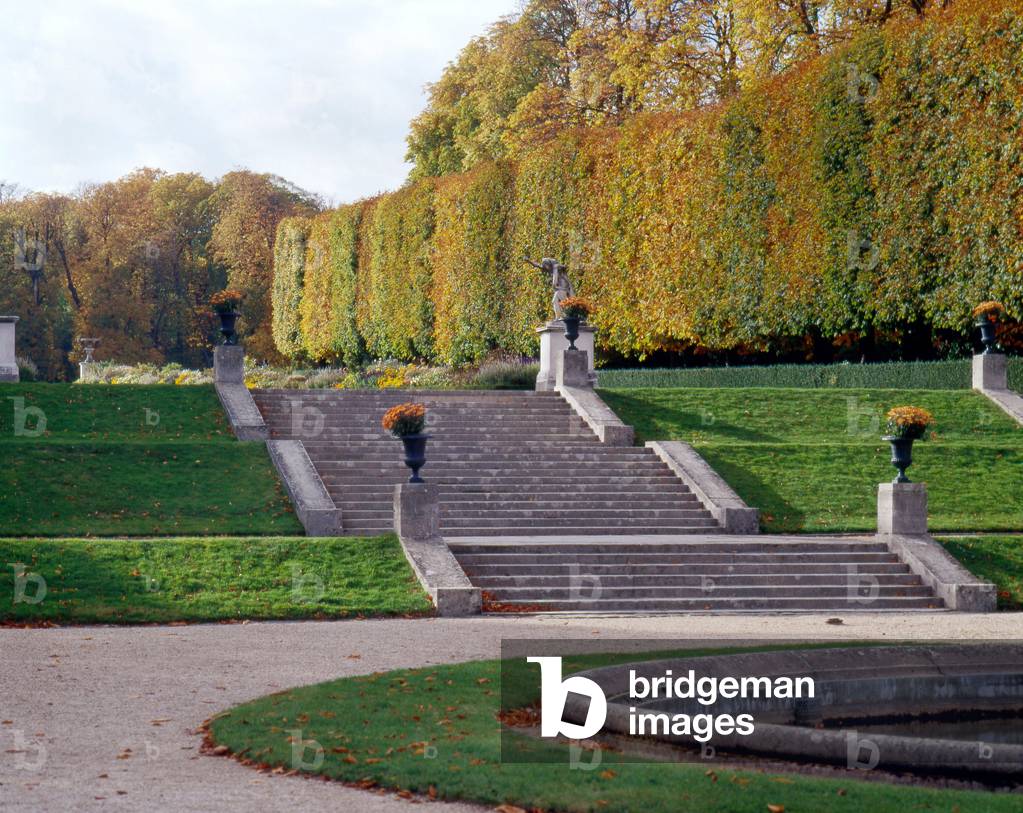
Parc de Saint-Cloud (Saint Cloud), Hauts de Seine (Hauts-de-Seine), Ile de France. Architecture by Jules Hardouin-Mansart and Antoine Le Pautre, 17th century. The castle of Saint-Cloud was burned in 1870 during the Prussian offensive. The ruins were razed in 1891. Apart from the common areas, there are still the Grande Cascade, the Grand Jet, the Basin du Fer a Horseback and other basins. The gardens would have been designed by Andre Le Notre

ITR4730581: Parc de Saint-Cloud (Saint Cloud), Hauts de Seine (Hauts-de-Seine), Ile de France. Architecture by Jules Hardouin-Mansart and Antoine Le Pautre, 17th century. The castle of Saint-Cloud was burned in 1870 during the Prussian offensive. The ruins were razed in 1891. Apart from the common areas, there are still the Grande Cascade, the Grand Jet, the Basin du Fer a Horseback and other basins. The gardens would have been designed by Andre Le Notre / Bridgeman Images
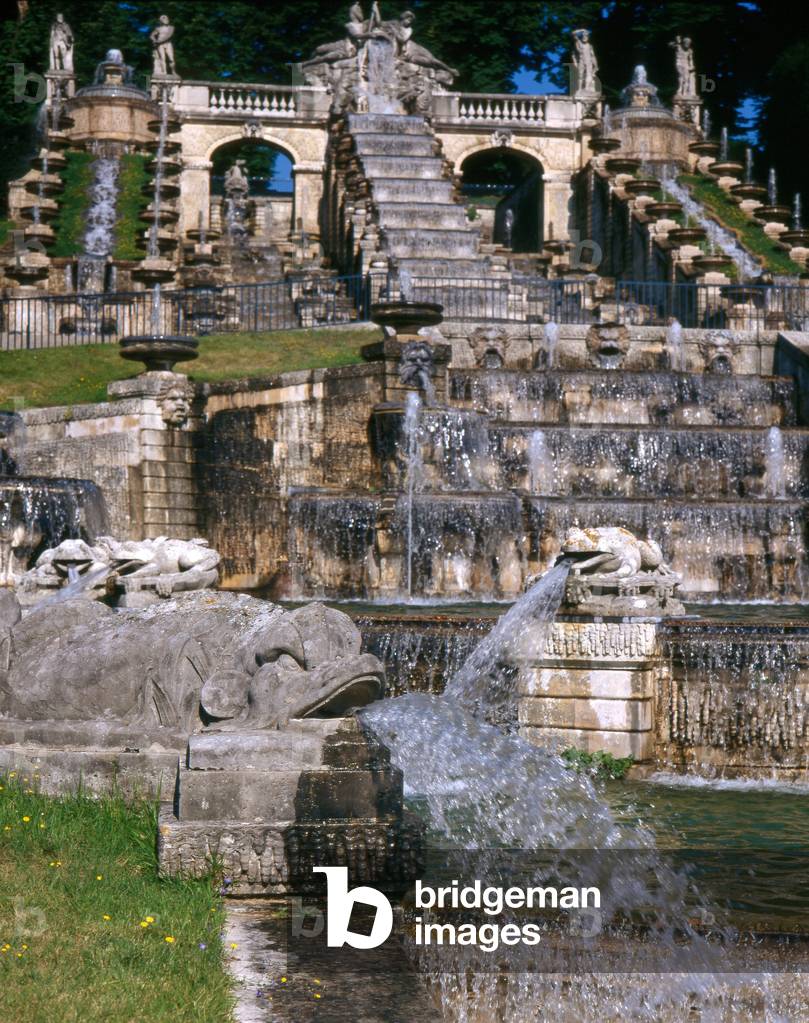
Parc de Saint-Cloud (Saint Cloud), Hauts de Seine (Hauts-de-Seine), Ile de France. Architecture by Jules Hardouin-Mansart and Antoine Le Pautre, 17th century. The castle of Saint-Cloud was burned in 1870 during the Prussian offensive. The ruins were razed in 1891. Apart from the common areas, there are still the Grande Cascade, the Grand Jet, the Basin du Fer a Horseback and other basins. The gardens would have been designed by Andre Le Notre

ITR4730648: Parc de Saint-Cloud (Saint Cloud), Hauts de Seine (Hauts-de-Seine), Ile de France. Architecture by Jules Hardouin-Mansart and Antoine Le Pautre, 17th century. The castle of Saint-Cloud was burned in 1870 during the Prussian offensive. The ruins were razed in 1891. Apart from the common areas, there are still the Grande Cascade, the Grand Jet, the Basin du Fer a Horseback and other basins. The gardens would have been designed by Andre Le Notre / Bridgeman Images

Spain - Andalusia - Seville - Plaza Espagna

GYS4718127: Spain - Andalusia - Seville - Plaza Espagna / Bridgeman Images

Lanzarote island, north coast, volcanic landscape

GYS4718599: Lanzarote island, north coast, volcanic landscape / Bridgeman Images
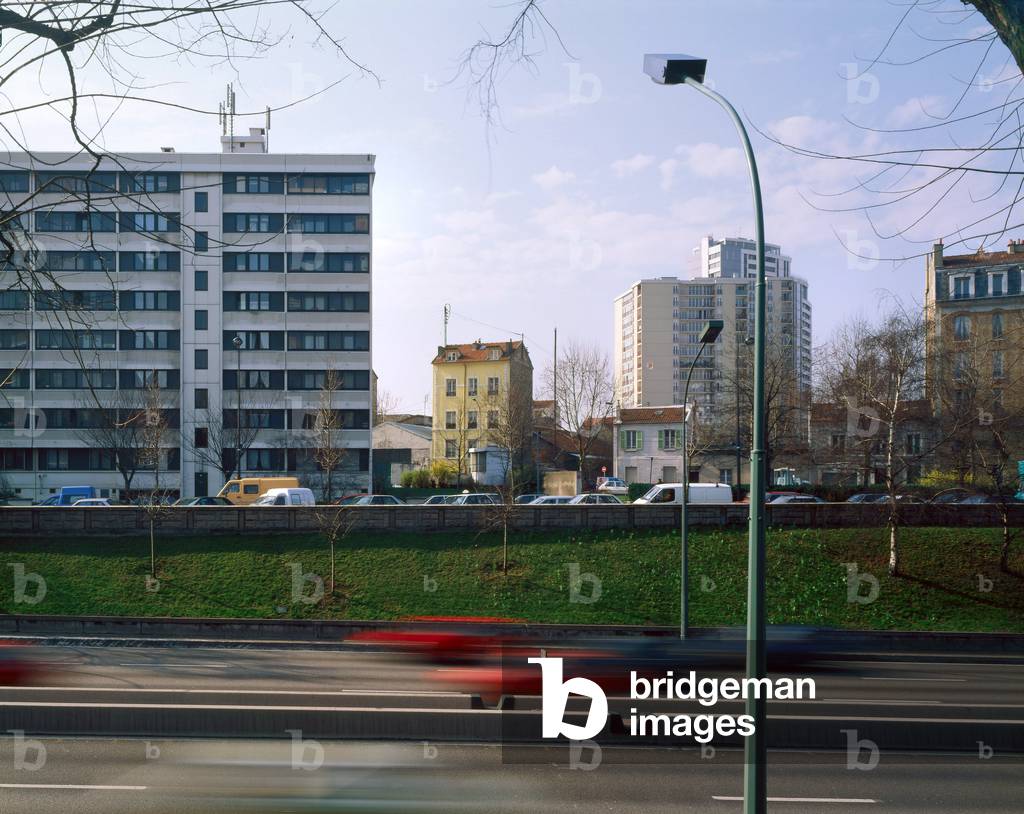
Boulevard Peripherique in Paris

TEC4752187: Boulevard Peripherique in Paris / Bridgeman Images

Parking in Issy-Plaine, Issy Plaine RER Tramway, Hauts de Seine (Hauts-De-Seine), Ile de France (Ile-de-France). Architecture of the Atelier de Midi, 1996.

LBY4752794: Parking in Issy-Plaine, Issy Plaine RER Tramway, Hauts de Seine (Hauts-De-Seine), Ile de France (Ile-de-France). Architecture of the Atelier de Midi, 1996. / Bridgeman Images

Le pont du Gard, Languedoc-Roussillon (Languedoc Roussillon), France

TEC4753082: Le pont du Gard, Languedoc-Roussillon (Languedoc Roussillon), France / Bridgeman Images
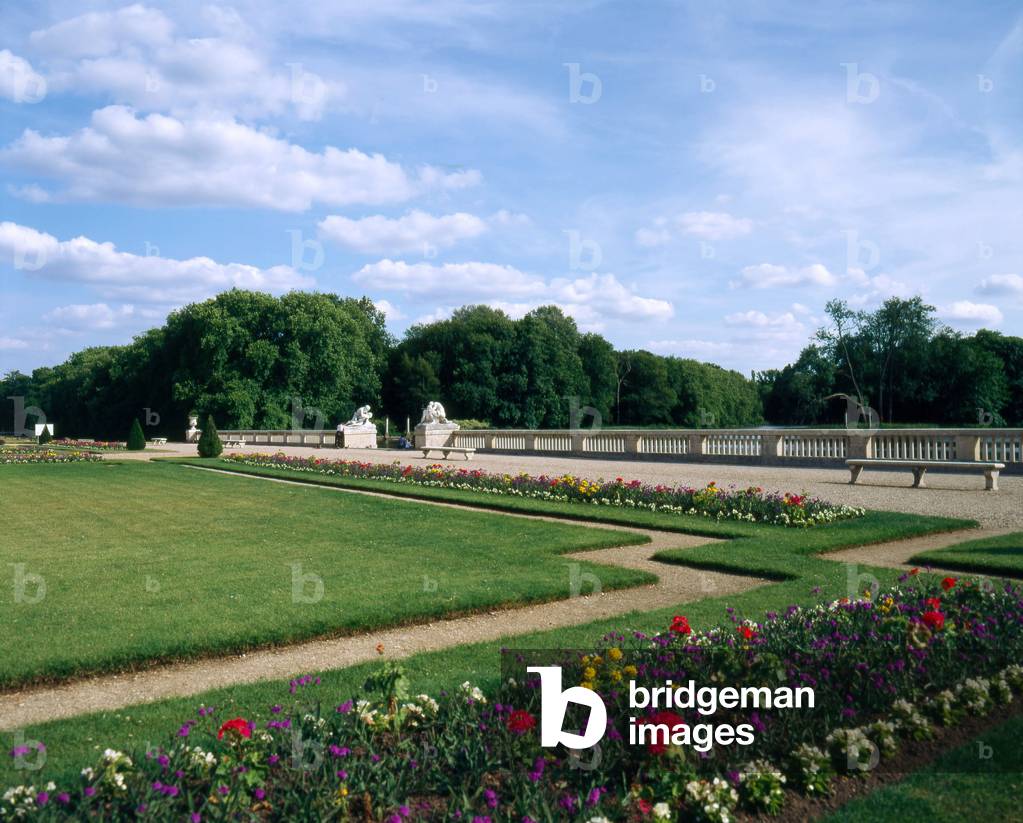
Parc du chateau de Rambouillet, Les Yvelines, Ile de France (Ile-de-France), France. The financier Fleuriau of Armenonville bought the estate of Rambouillet in 1699. It was he who brought the gardens up, especially with the creation of canals and ponds.

ITR4729692: Parc du chateau de Rambouillet, Les Yvelines, Ile de France (Ile-de-France), France. The financier Fleuriau of Armenonville bought the estate of Rambouillet in 1699. It was he who brought the gardens up, especially with the creation of canals and ponds. / Bridgeman Images
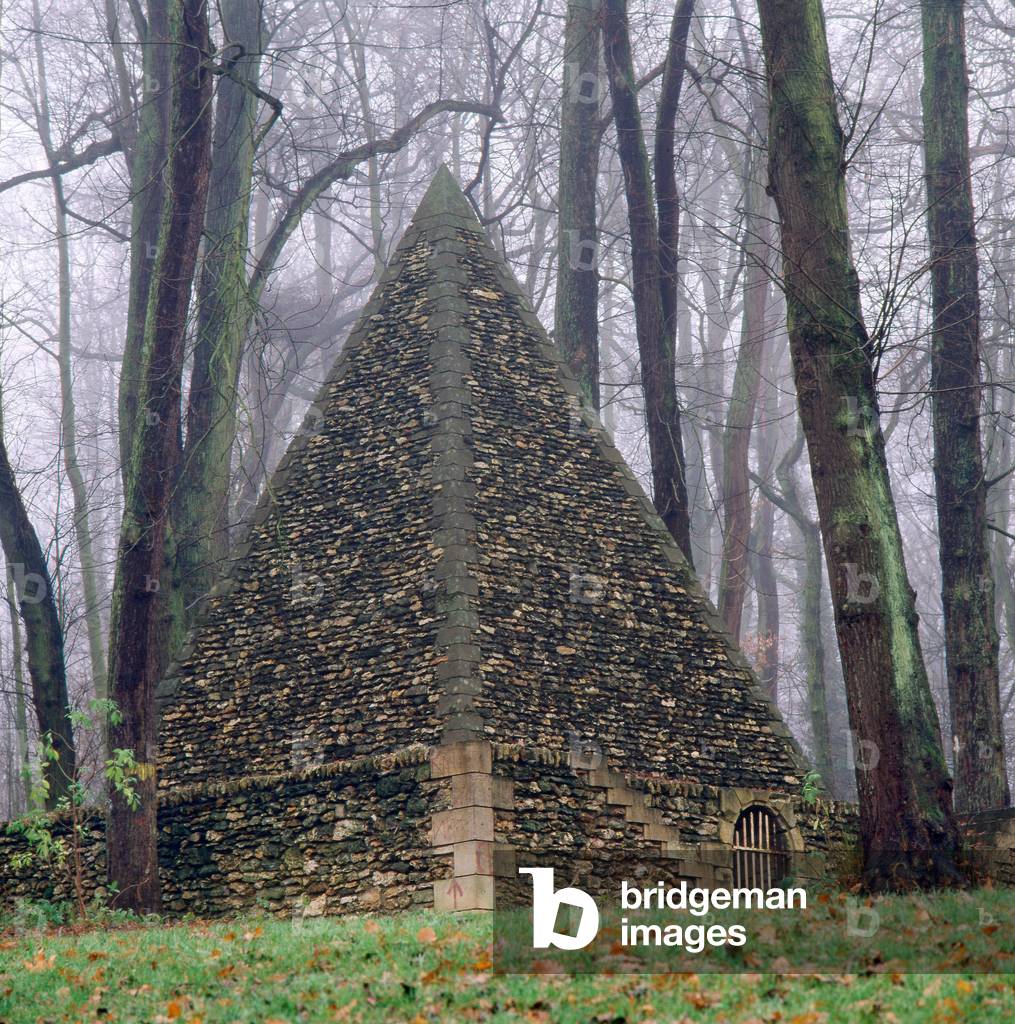
The desert of Retz to Chambourcy (Parc et jardin de Chambourcy) Desert de Retz, les Yvelines, Ile de France (Ile-de-France), France. The Desert de Retz, created between 1774 and 1789 by Monsieur de Monville, with pavilions of manure or factories of rare species to achieve the absolute of grace of that period.

ITR4729803: The desert of Retz to Chambourcy (Parc et jardin de Chambourcy) Desert de Retz, les Yvelines, Ile de France (Ile-de-France), France. The Desert de Retz, created between 1774 and 1789 by Monsieur de Monville, with pavilions of manure or factories of rare species to achieve the absolute of grace of that period. / Bridgeman Images
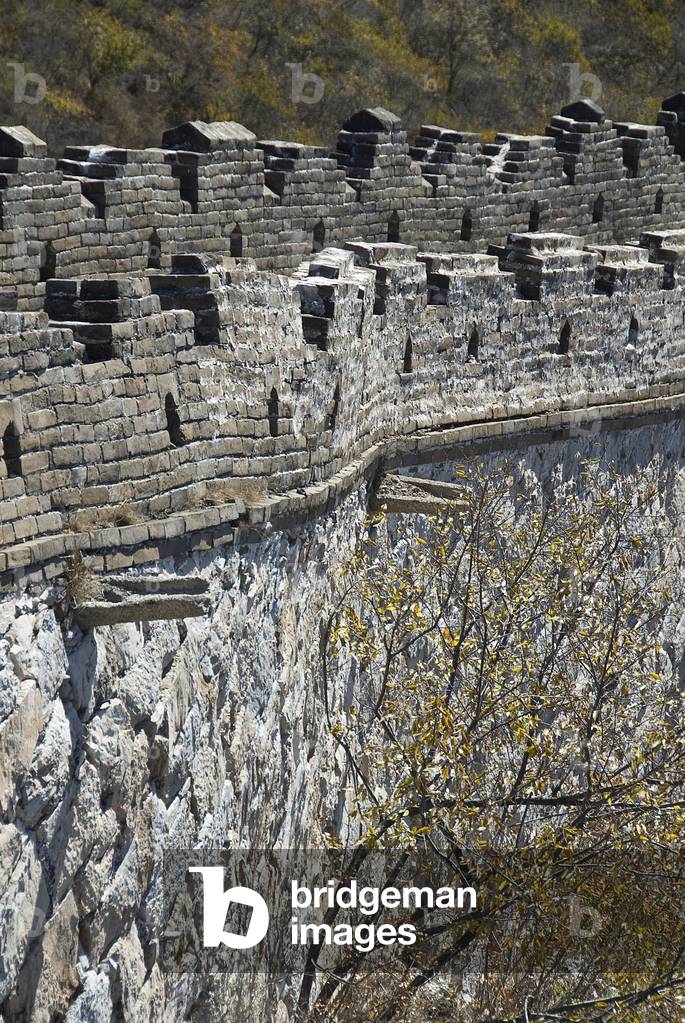
The Great Wall of China is close to Pekin. Construction of the Great Wall began in the 9th and 8th century BC, and continued for more than 2,000 years. If all its constructions and trunks spread across the vast region of North and Central China were combined, the Great Wall would extend over 50,000 km (100,000 li). Indeed, historical records show that since the Fighting Kingdoms, more than 20 feodal states and imperial dynasties have begun building defense walls. Photography 25/10/07

LBY4725489: The Great Wall of China is close to Pekin. Construction of the Great Wall began in the 9th and 8th century BC, and continued for more than 2,000 years. If all its constructions and trunks spread across the vast region of North and Central China were combined, the Great Wall would extend over 50,000 km (100,000 li). Indeed, historical records show that since the Fighting Kingdoms, more than 20 feodal states and imperial dynasties have begun building defense walls. Photography 25/10/07 / Bridgeman Images

The Forbidden City in Pekin, China. Decorative pattern depicting a dragon. Architecture made between 1407-1420. Photography 28/10/07. The Prohibited Cite extends over 72 hectares in the heart of Pekin. From 1420 to 1911 it was the main residence of twenty four emperors of the Ming and Qing. It is the largest and best preserved architectural ensemble of ancient palaces in the world.

LBY4725611: The Forbidden City in Pekin, China. Decorative pattern depicting a dragon. Architecture made between 1407-1420. Photography 28/10/07. The Prohibited Cite extends over 72 hectares in the heart of Pekin. From 1420 to 1911 it was the main residence of twenty four emperors of the Ming and Qing. It is the largest and best preserved architectural ensemble of ancient palaces in the world. / Bridgeman Images

USA Colorado: first snow

GYS4725873: USA Colorado: first snow / Bridgeman Images

Diet: still life of clementines, oranges, pumpkin (pumpkin), rhubarb, persimmon, Jerusalem artichokes.

LRI4725961: Diet: still life of clementines, oranges, pumpkin (pumpkin), rhubarb, persimmon, Jerusalem artichokes. / Bridgeman Images

Patio de los Leones, l'Alhambra, Granada, Andalusia, Spain. Photography 08/12/07

LBY4725980: Patio de los Leones, l'Alhambra, Granada, Andalusia, Spain. Photography 08/12/07 / Bridgeman Images

Patio of the room dore, the Alhambra, Granada, Andalusia, Spain.

LBY4726031: Patio of the room dore, the Alhambra, Granada, Andalusia, Spain. / Bridgeman Images

View of Anton Dvorak's piano (photography)

LRI4726104: View of Anton Dvorak's piano (photography) / Bridgeman Images

Gothic architecture: entrance to the Carolingian church. 11th century Cathedrale Notre Dame de Chartres (Eure et Loir)

JEB4845714: Gothic architecture: entrance to the Carolingian church. 11th century Cathedrale Notre Dame de Chartres (Eure et Loir) / Bridgeman Images

Reading room of the library of the University of Dresden, Saxony, Germany.

IMB4836753: Reading room of the library of the University of Dresden, Saxony, Germany. / Bridgeman Images

Library of the Palace Liechtenstein, Vienna, Austria, Europe. Photography

IMB4836793: Library of the Palace Liechtenstein, Vienna, Austria, Europe. Photography / Bridgeman Images

Panoramic view, Aswan (Aswan), Nile, Nubia, Egypt, Africa

IMB4837251: Panoramic view, Aswan (Aswan), Nile, Nubia, Egypt, Africa / Bridgeman Images

Coptic monk (Coptic), Copt, Egypt, Africa

IMB4837413: Coptic monk (Coptic), Copt, Egypt, Africa / Bridgeman Images

Constantin tower (tower of Constance), Rempards (ramparts) of Aigues Mortes (Aigues-Mortes), Languedoc-Rousillion, France

IMB4837537: Constantin tower (tower of Constance), Rempards (ramparts) of Aigues Mortes (Aigues-Mortes), Languedoc-Rousillion, France / Bridgeman Images
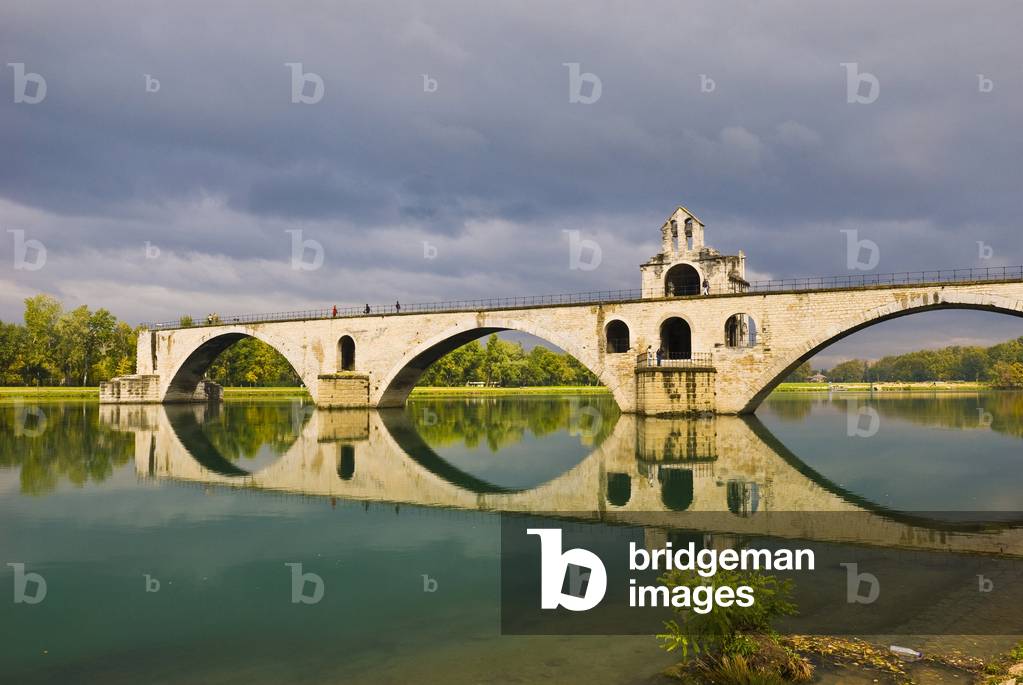
Bridge Saint Benezet (Saint-Benezet), Pont d'Avignon, Avignon, Provence-Alpes-Cote d'Azur, France

IMB4837619: Bridge Saint Benezet (Saint-Benezet), Pont d'Avignon, Avignon, Provence-Alpes-Cote d'Azur, France / Bridgeman Images


Back to top