2491516 Search Results
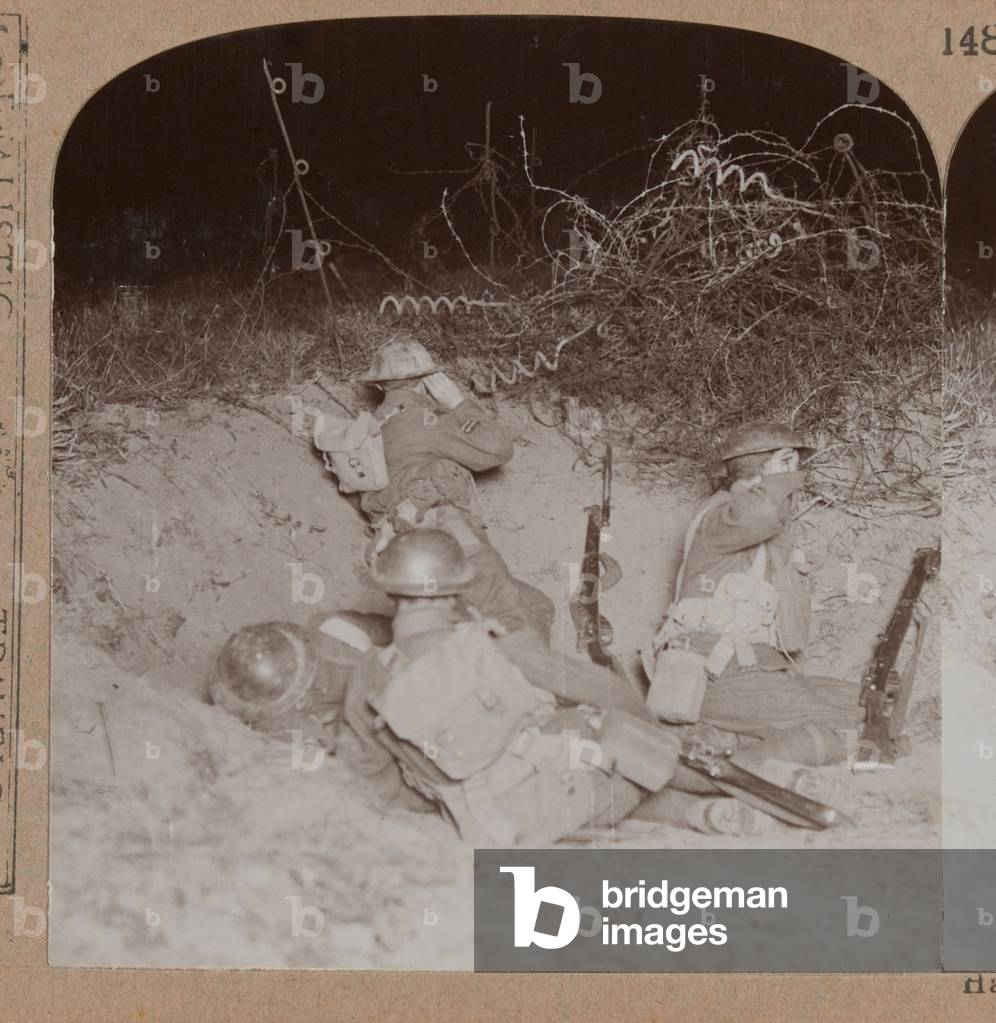
NAM5920244: Hazardous work. A listening post in a shell crater in No Mans Land near Lagincourt, 1917 circa (b/w photo), Unknown photographer, (20th century) / Bridgeman Images
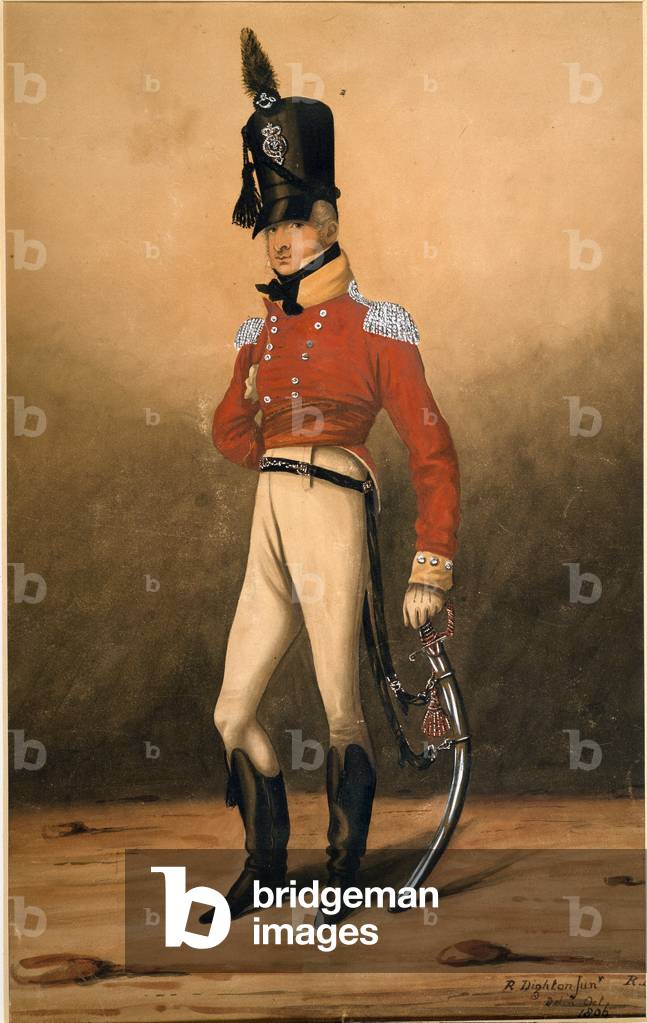
NAM5920253: Captain Henry Proctor, 82nd Regiment of Foot, Prince of Waless Volunteers, 1806 (w/c), Dighton, Robert the younger (1786-1865) / Bridgeman Images
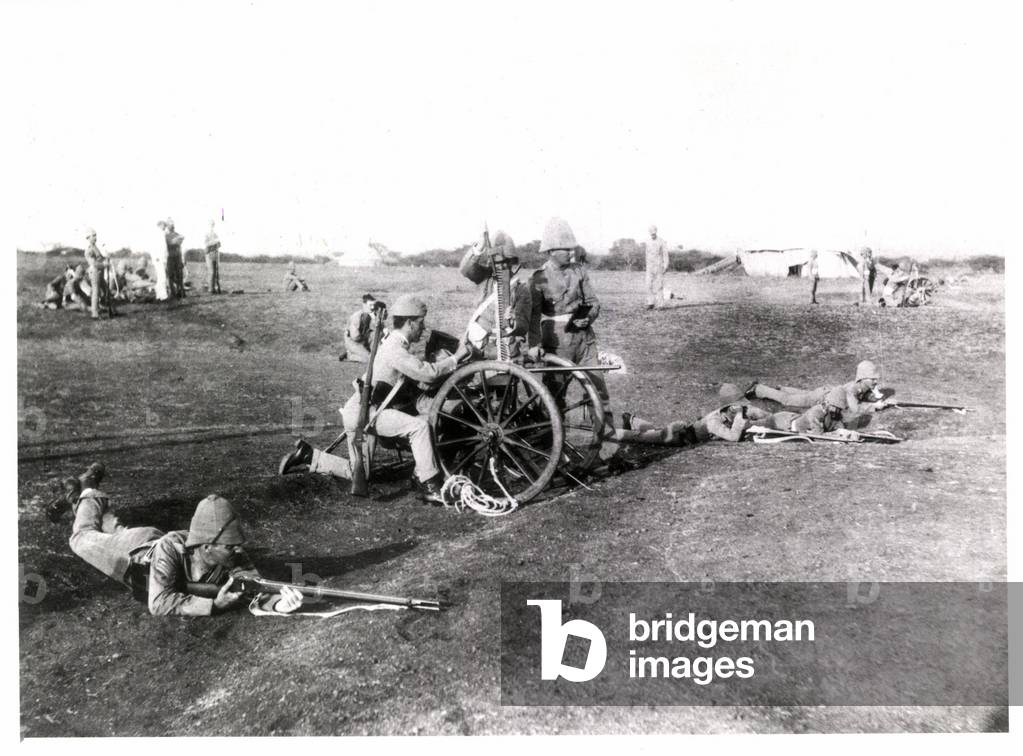
NAM5920262: Members of The King's Own Yorkshire Light Infantry training with Gardner Guns, 1890 circa (b/w photo), Unknown photographer, (19th century) / Bridgeman Images
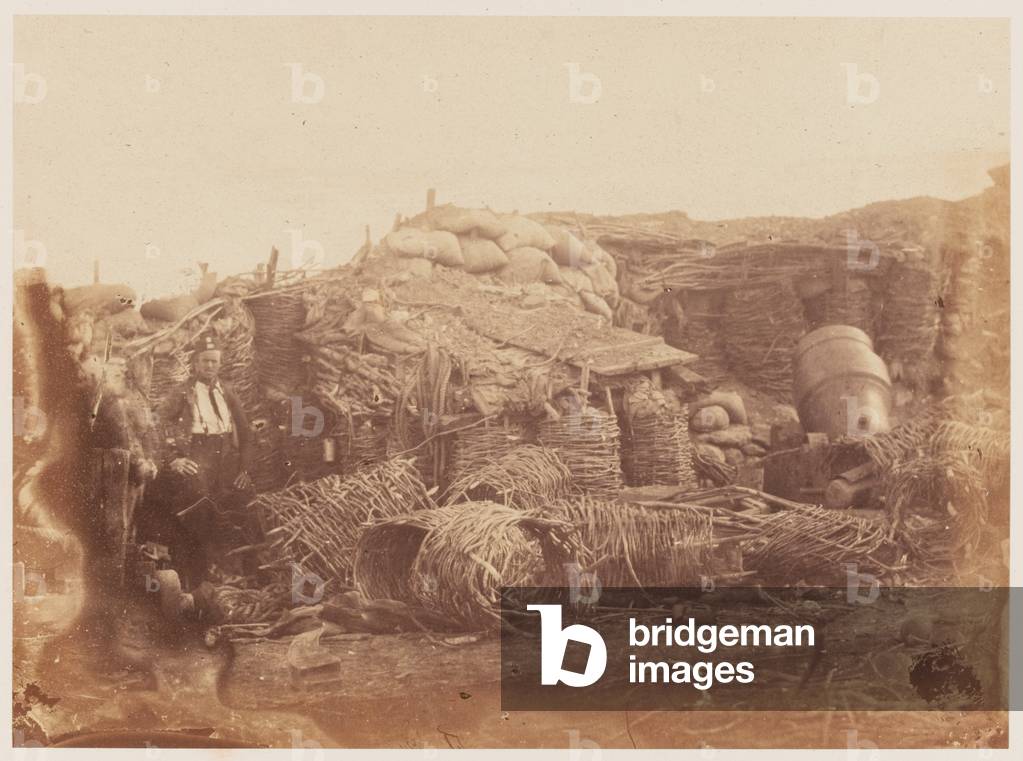
NAM5920273: Whistling Dick' in the Malakoff, 1855 (b/w photo), Lefevre, George Shaw (1831-1928) / Bridgeman Images
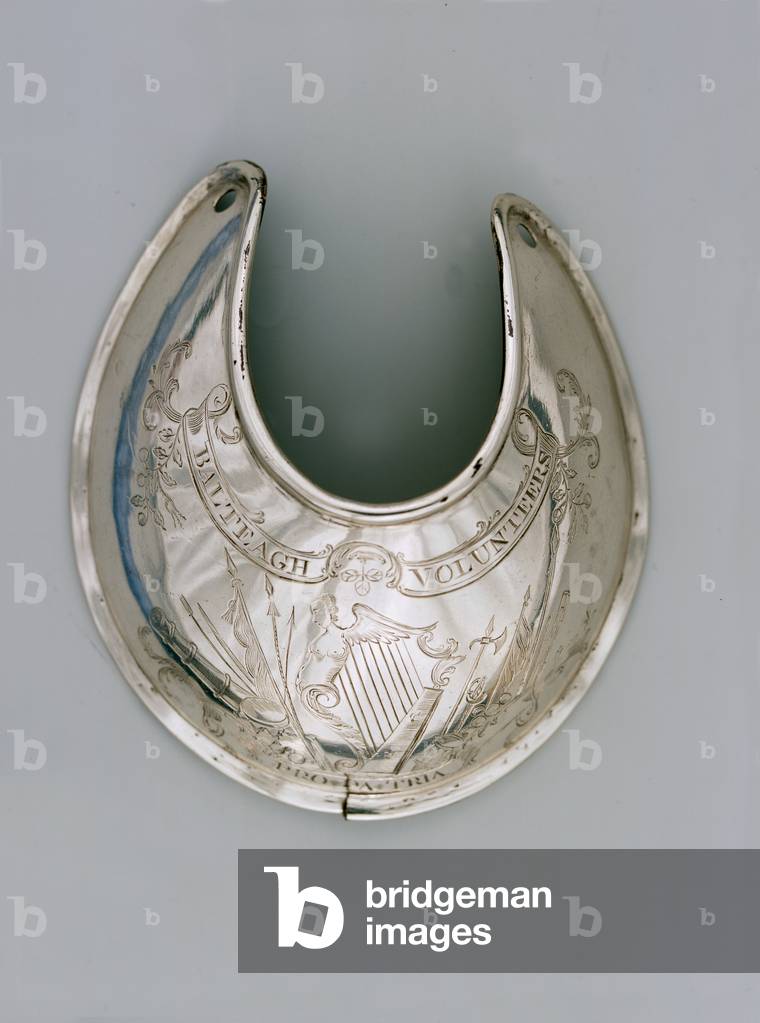
NAM5920279: Gorget, Balteagh Volunteers, 1785 circa (metal), British School, (18th Century) / Bridgeman Images
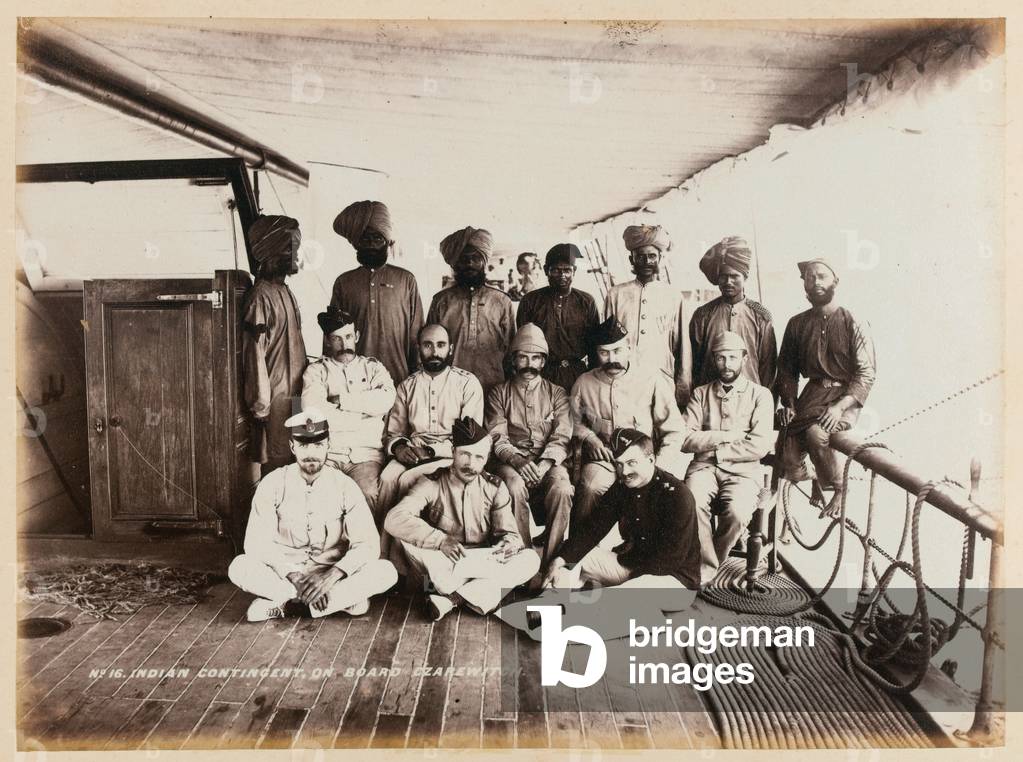
NAM5920308: Indian Contingent on board the Czarewitch (b/w photo), Unknown photographer, (20th century) / Bridgeman Images
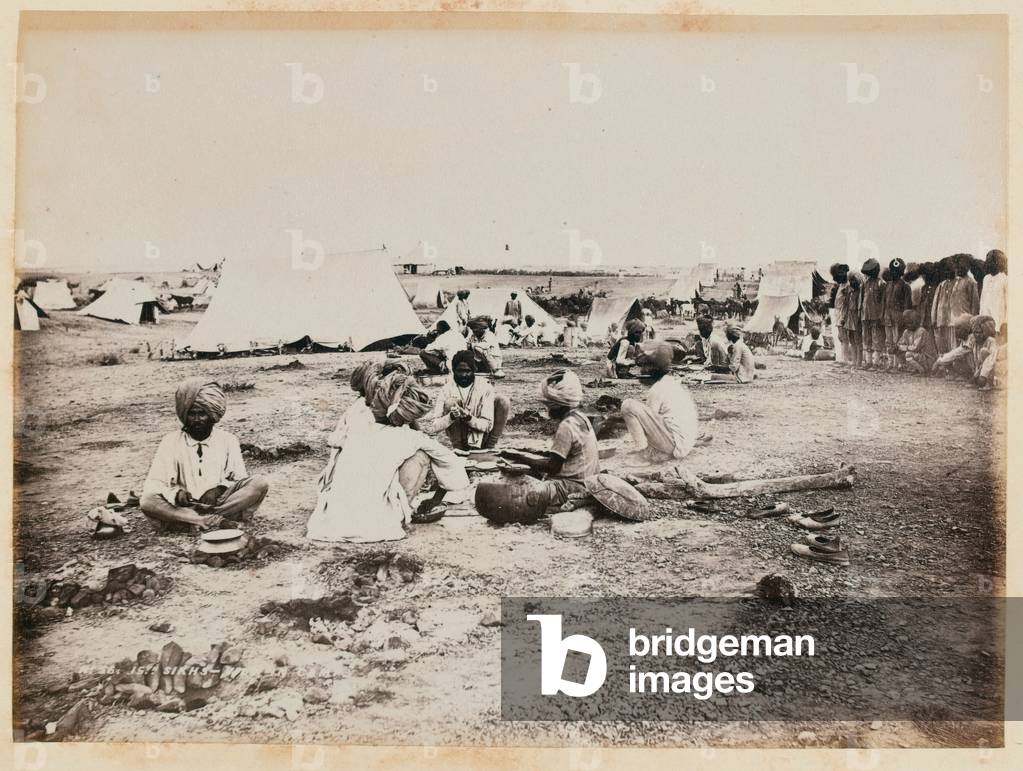
NAM5920311: Camp of the 15th (Bengal) Native Infantry, Suakin Field Force, 1885 (b/w photo), Unknown photographer, (19th century) / Bridgeman Images
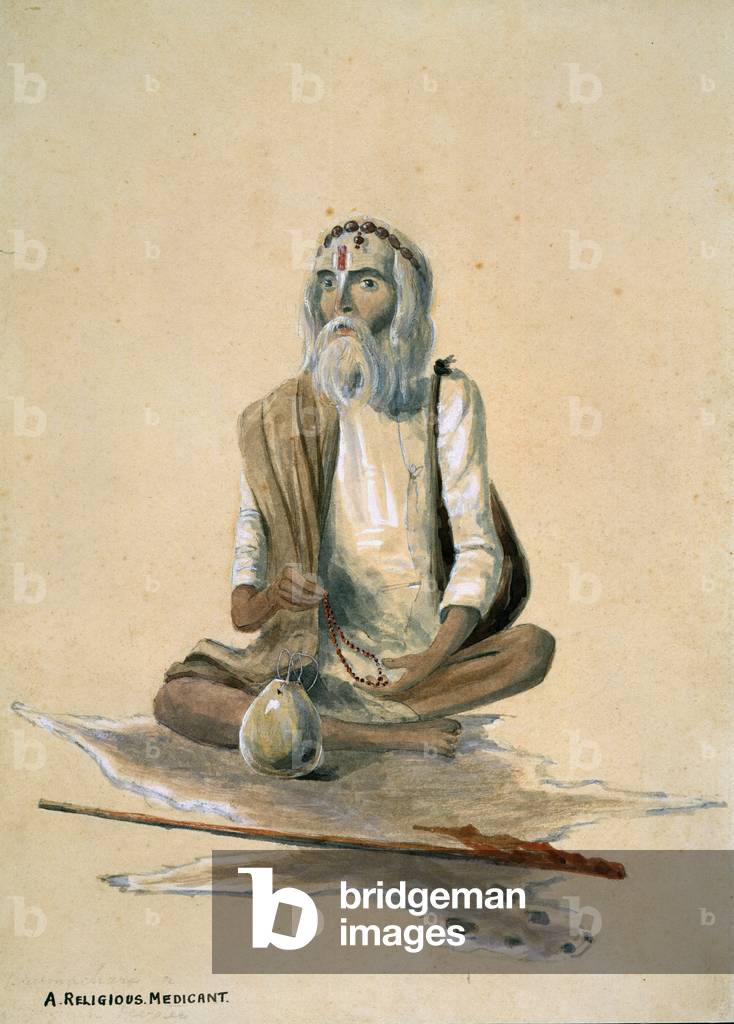
NAM5920314: A religious mendicant, India, 1870 circa (w/c), James, Captain Cornelius Francis (fl.1868) / Bridgeman Images
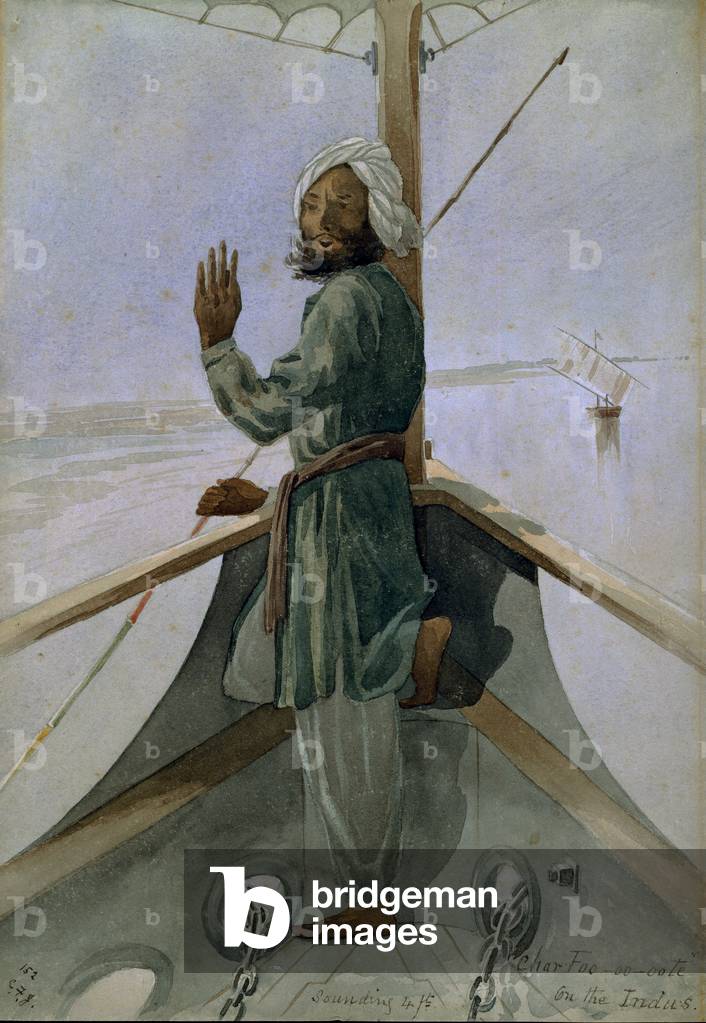
NAM5920320: Sounding 4/5, Char foo-oote (4ft) on the Indus, India, 1870 circa (w/c), James, Captain Cornelius Francis (fl.1868) / Bridgeman Images
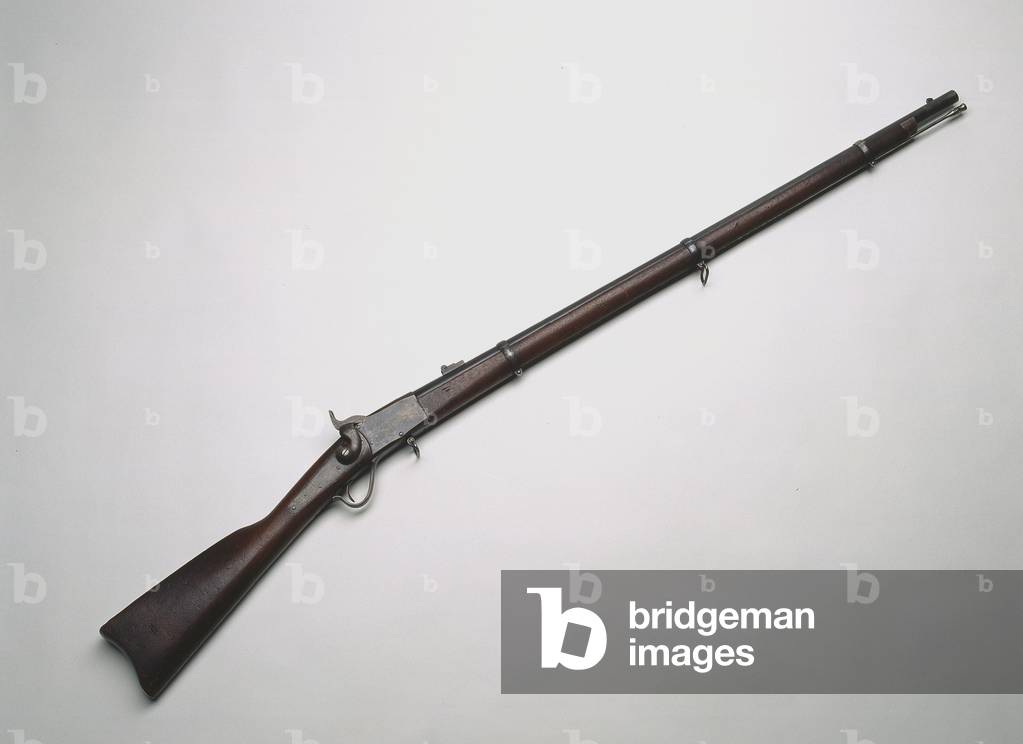
NAM5920339: Peabody .50 in Rifle, 1867 circa, British School, (19th century) / Bridgeman Images
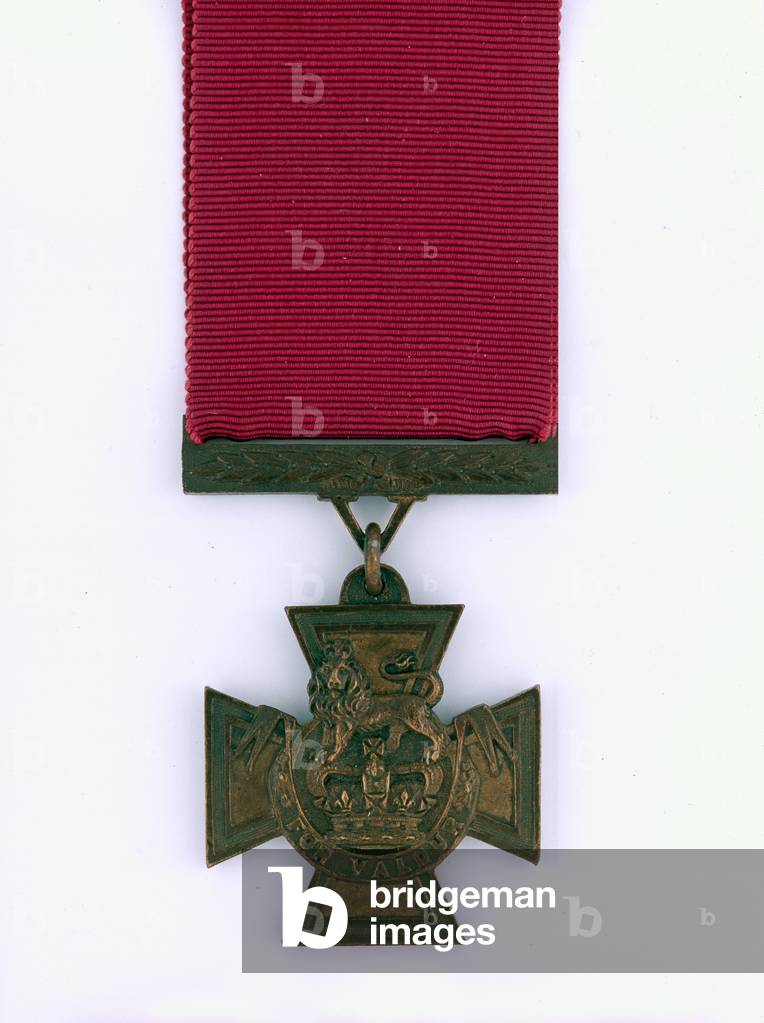
NAM5920346: VC awarded to Captain Hugh Shaw, 18th (Royal Irish) Regiment of Foot, for his actions at Nukumaru, New Zealand, 1865 (metal), British School, (19th century) / Bridgeman Images
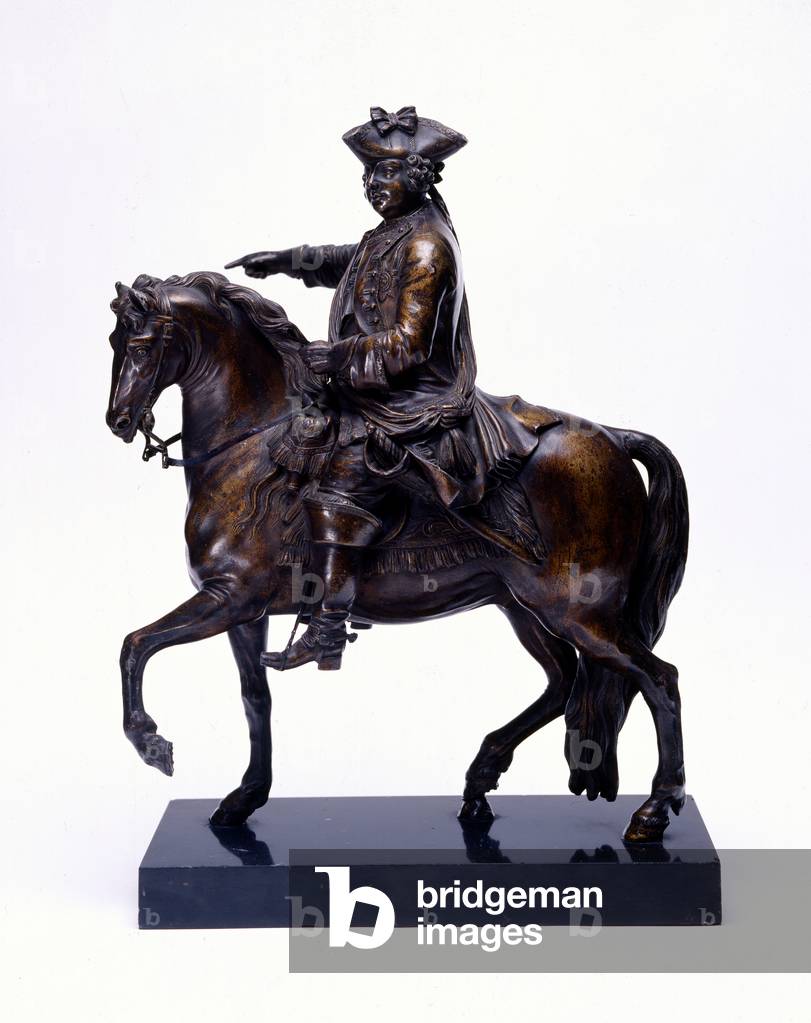
NAM5920349: Statuette of William Augustus, Duke of Cumberland, 1746 circa (lead and bronze), Cheere, Henry (1703-81) / Bridgeman Images
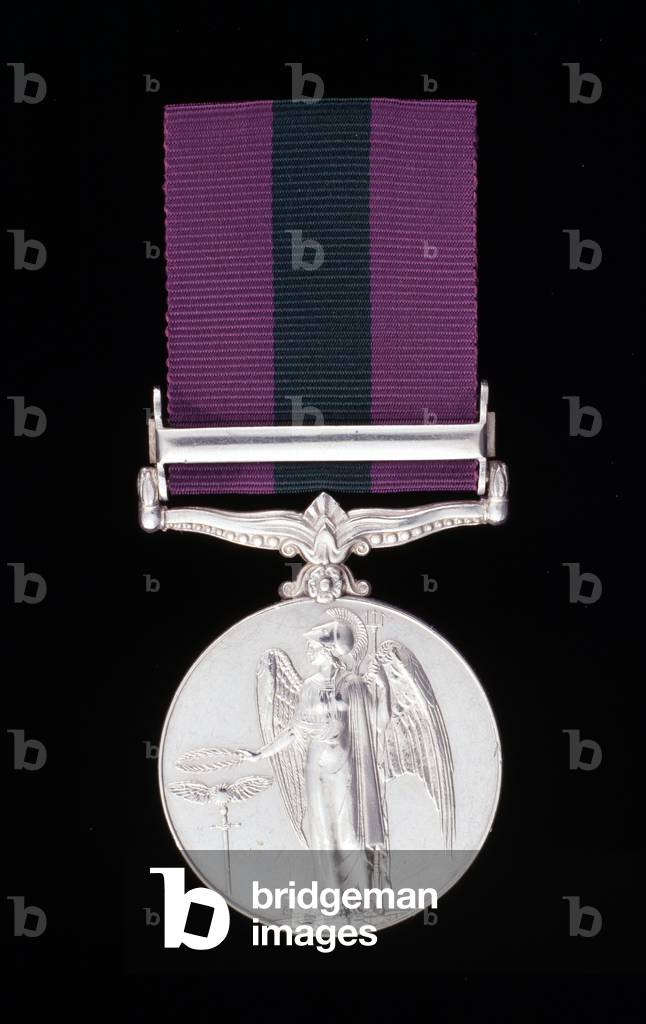
NAM5920365: General Service Medal 1918-62 with clasp for South East Asia 1945-46, Sapper Gian Singh, Bombay Engineer Group (metal), German School, (20th century) / Bridgeman Images
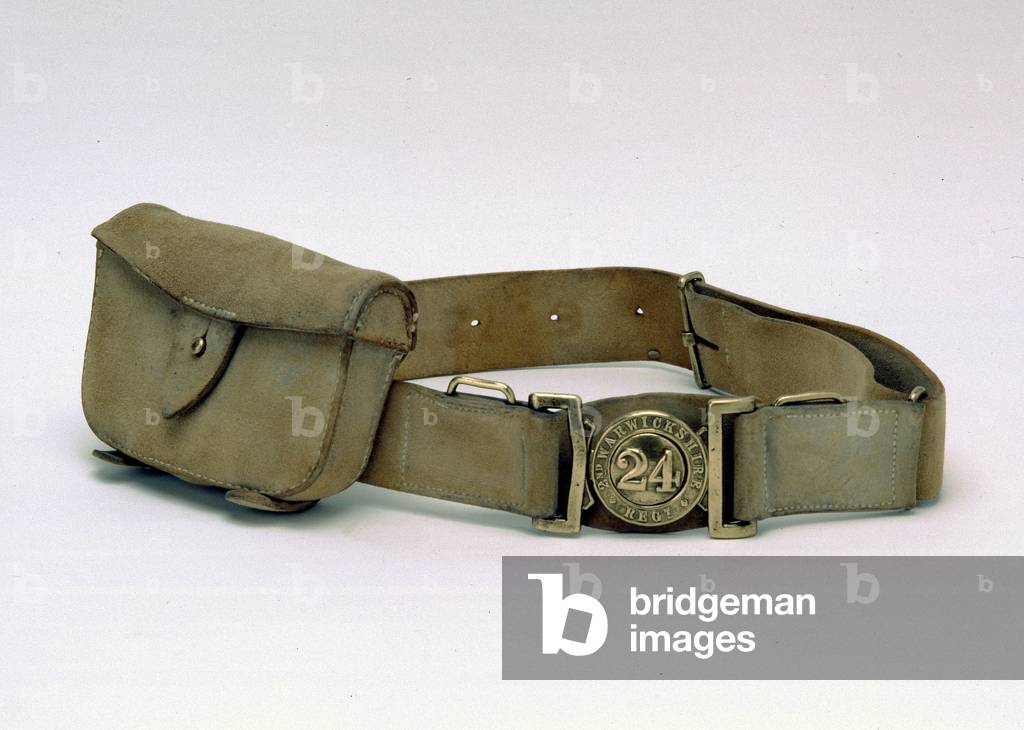
NAM5920379: Waistbelt, other ranks, 24th (2nd Warwickshire) Regiment of Foot, 1879 (leather), British School, (19th century) / Bridgeman Images
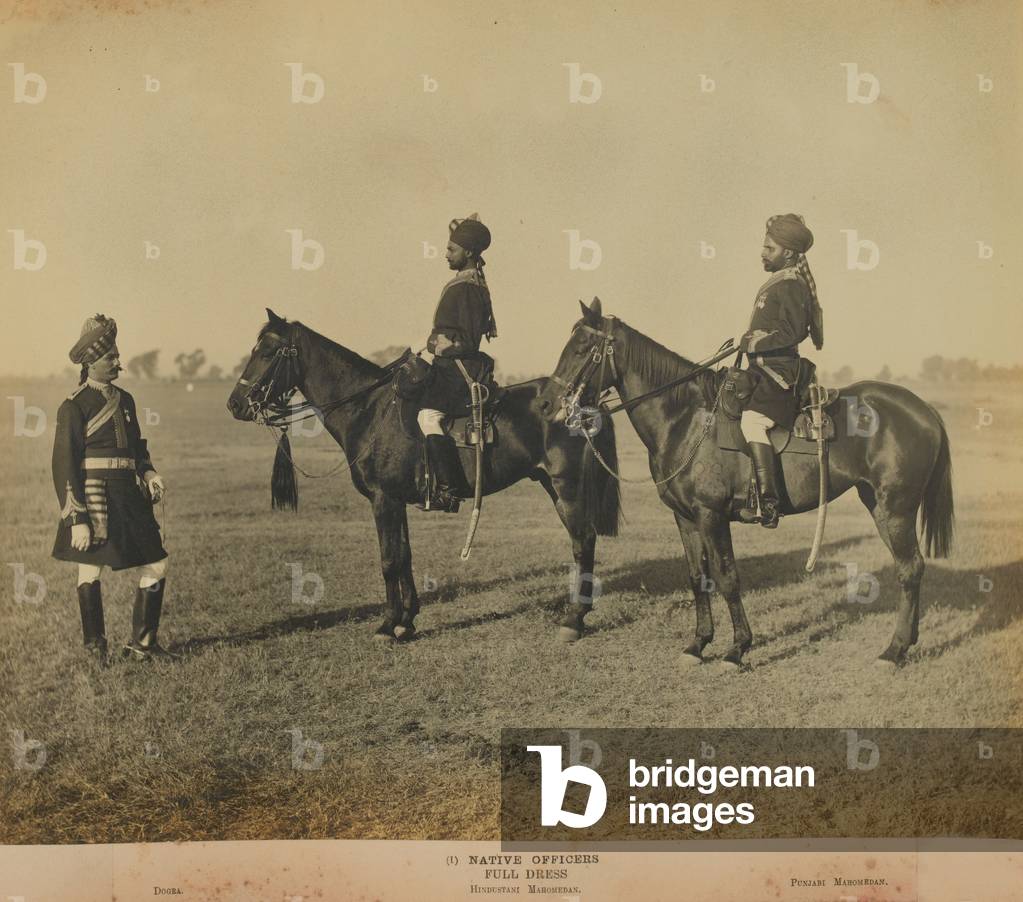
NAM5920425: Native officers in full dress, 1903 circa (b/w photo), Unknown photographer, (20th century) / Bridgeman Images
![Survivors 94th Regt & Colors, Bronkhurst [sic] Spruit. - Decr 20th 1880, Pretoria, Transvaal War (1880-1881), 5 April 1881 (b/w photo)](https://images-cdn.bridgemanimages.com/api/1.0/image/600wm.NAM.72632950.7055475/5920448.jpg?old-wm)
NAM5920448: Survivors 94th Regt & Colors, Bronkhurst [sic] Spruit. - Decr 20th 1880, Pretoria, Transvaal War (1880-1881), 5 April 1881 (b/w photo), Unknown photographer, (19th century) / Bridgeman Images
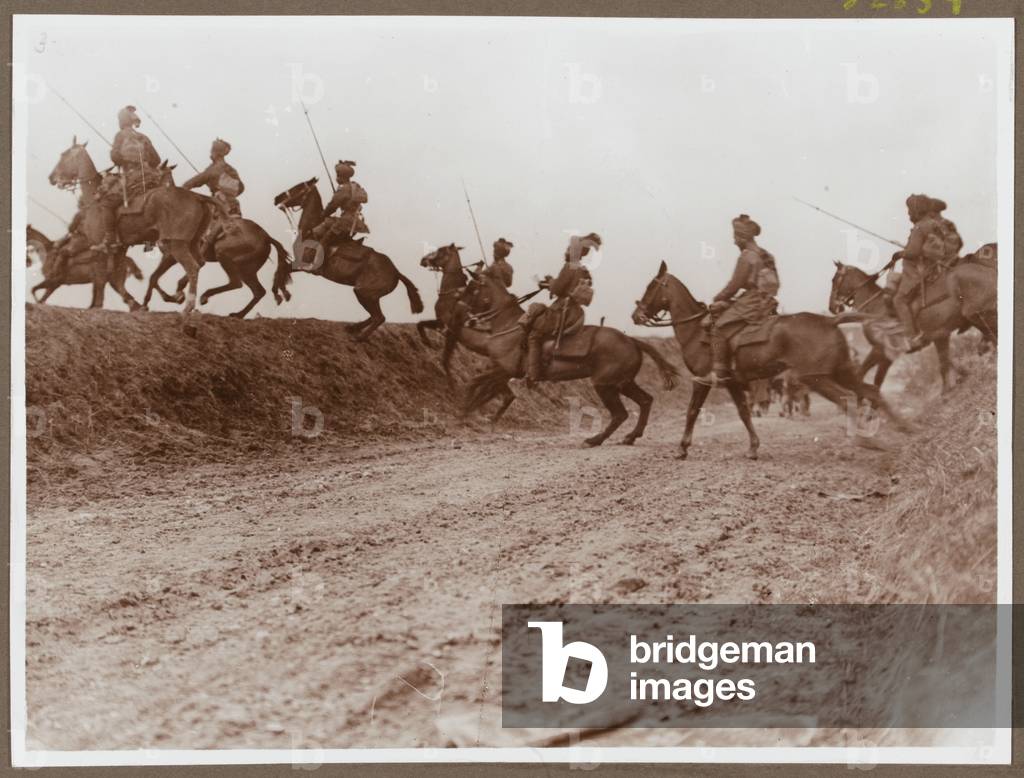
NAM5920451: Lancers of Hodsons Horse negotiating a ditch, 1938 (b/w photo), Mullick Photo House (early 20th century) / Bridgeman Images
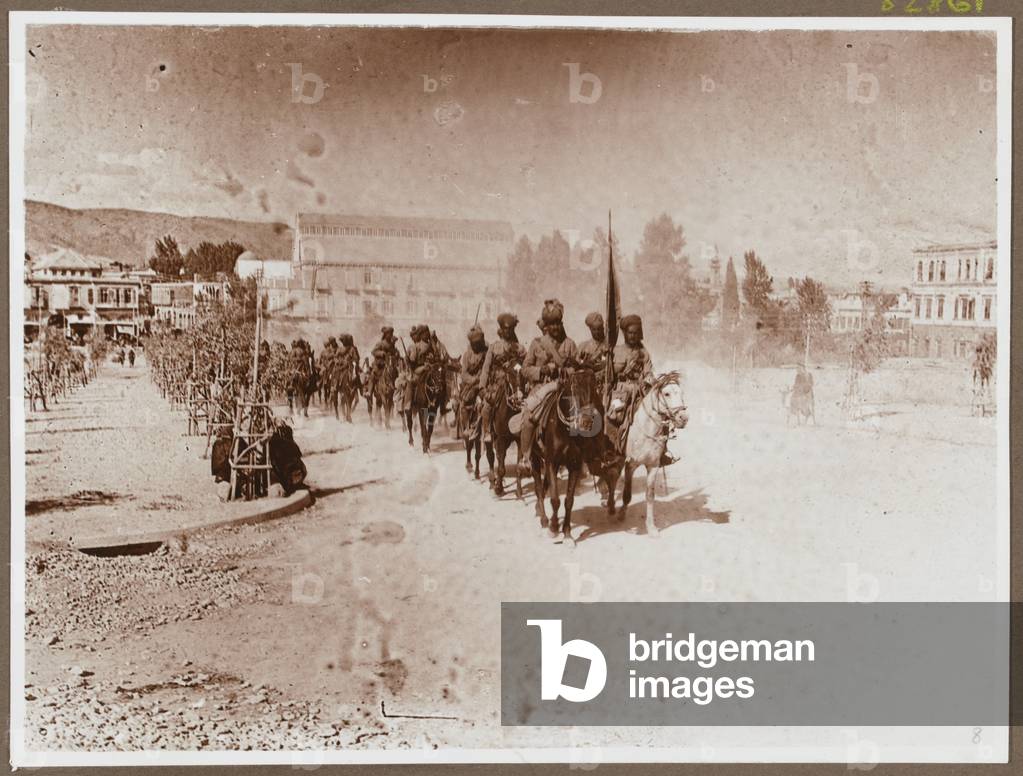
NAM5920454: 9th Hodson's Horse march through Damascus, 2 October 1918 (b/w photo), Mullick Photo House (early 20th century) / Bridgeman Images
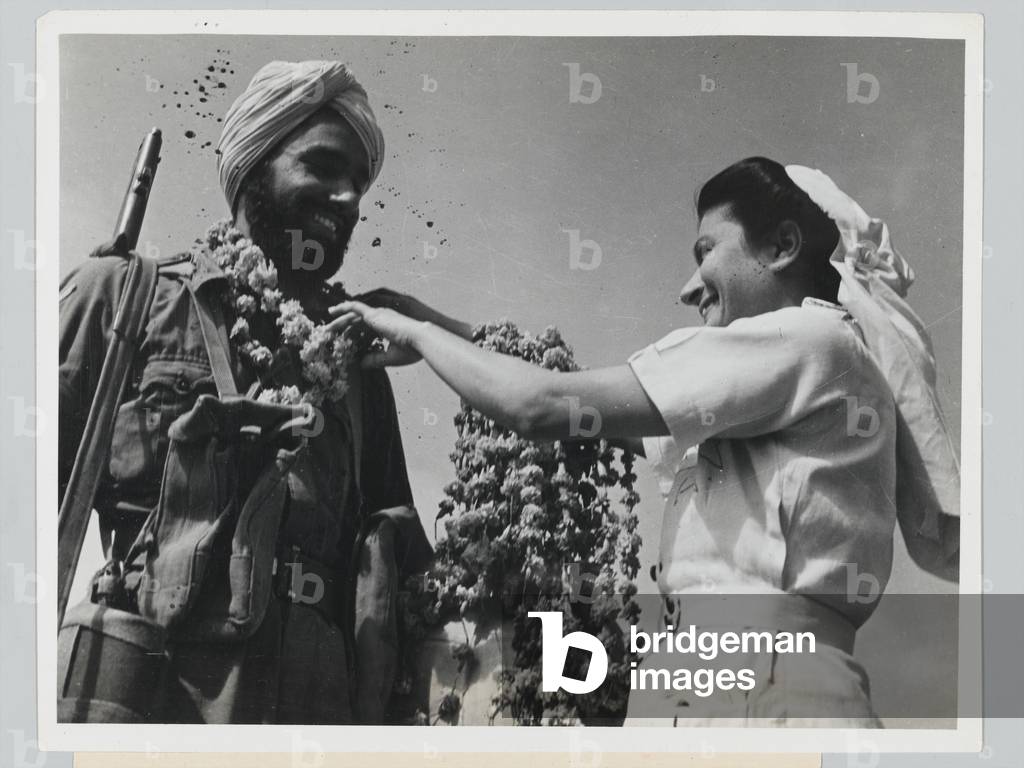
NAM5920467: A Sikh soldier receives a garland of flowers from a nurse, 1946 circa (b/w photo), Unknown photographer, (20th century) / Bridgeman Images
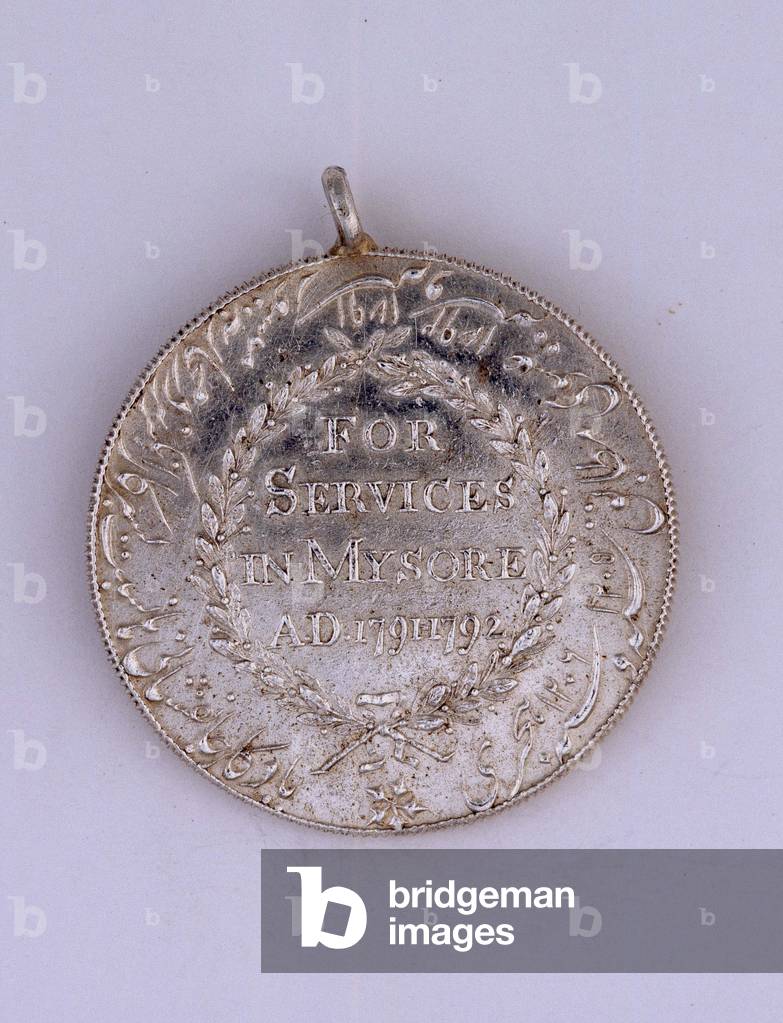
NAM5920473: Mysore Campaign Medal, 1790-92 (metal), British School, (19th century) / Bridgeman Images
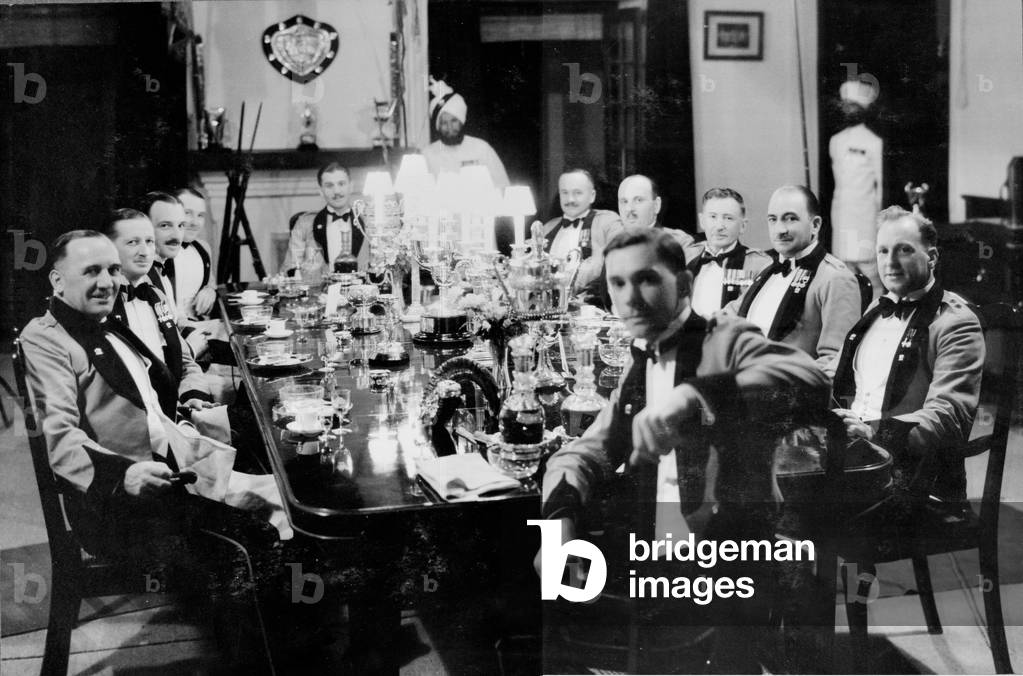
NAM5920489: Officer's mess, 10th Battalion, 1st Punjab Regiment, 1937 circa. (b/w photo), Unknown photographer, (20th century) / Bridgeman Images
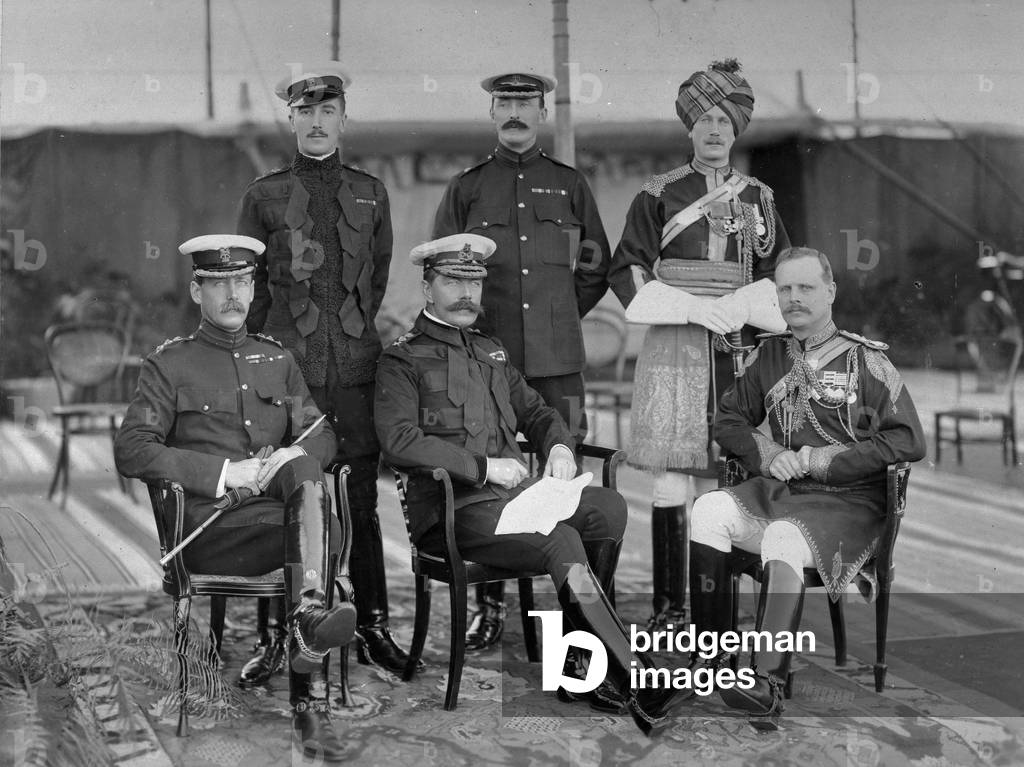
NAM5920492: General Kitchener of Khartoum, Commander-in-Chief India, with his personal staff, 1903 (b/w photo), Unknown photographer, (20th century) / Bridgeman Images

NAM5920498: Pattern 1897 infantry officers sword, 1937 (metal), English School, (20th century) / Bridgeman Images
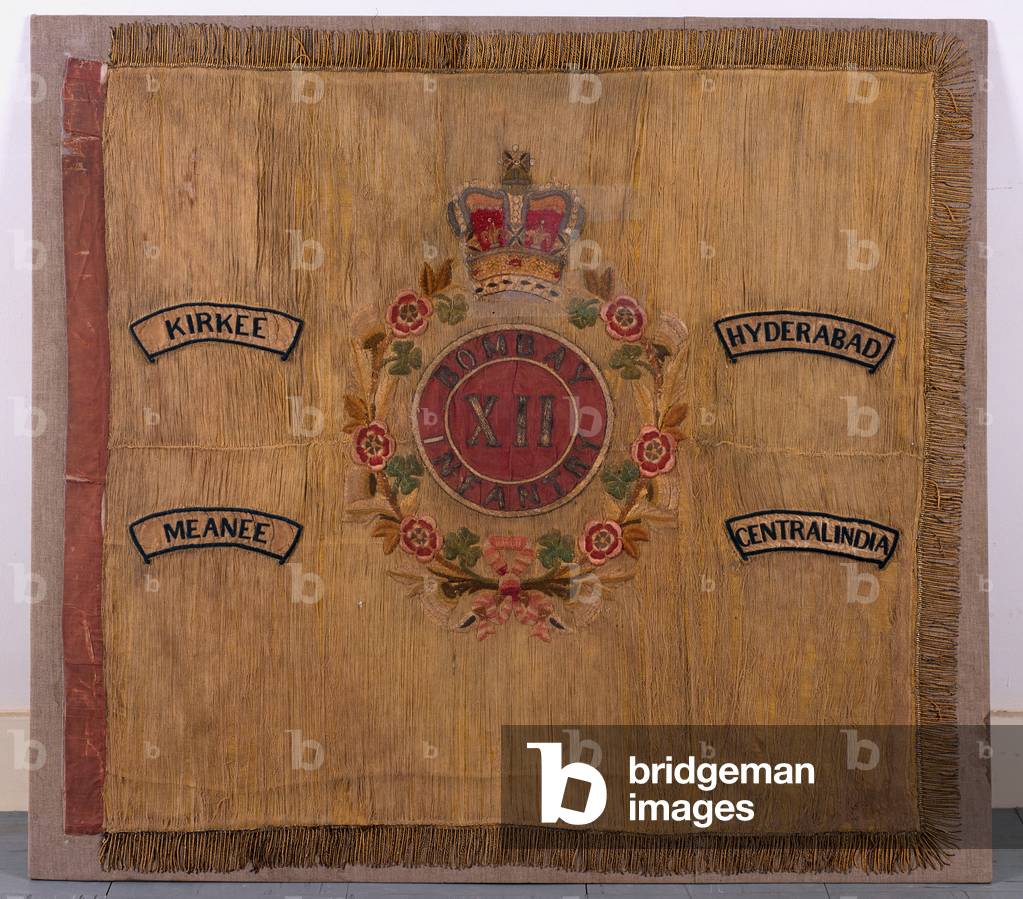
NAM5920932: Regimental Colour, 12th Bombay Infantry, 1885-1922 (fabric), British School, (19th century) / Bridgeman Images
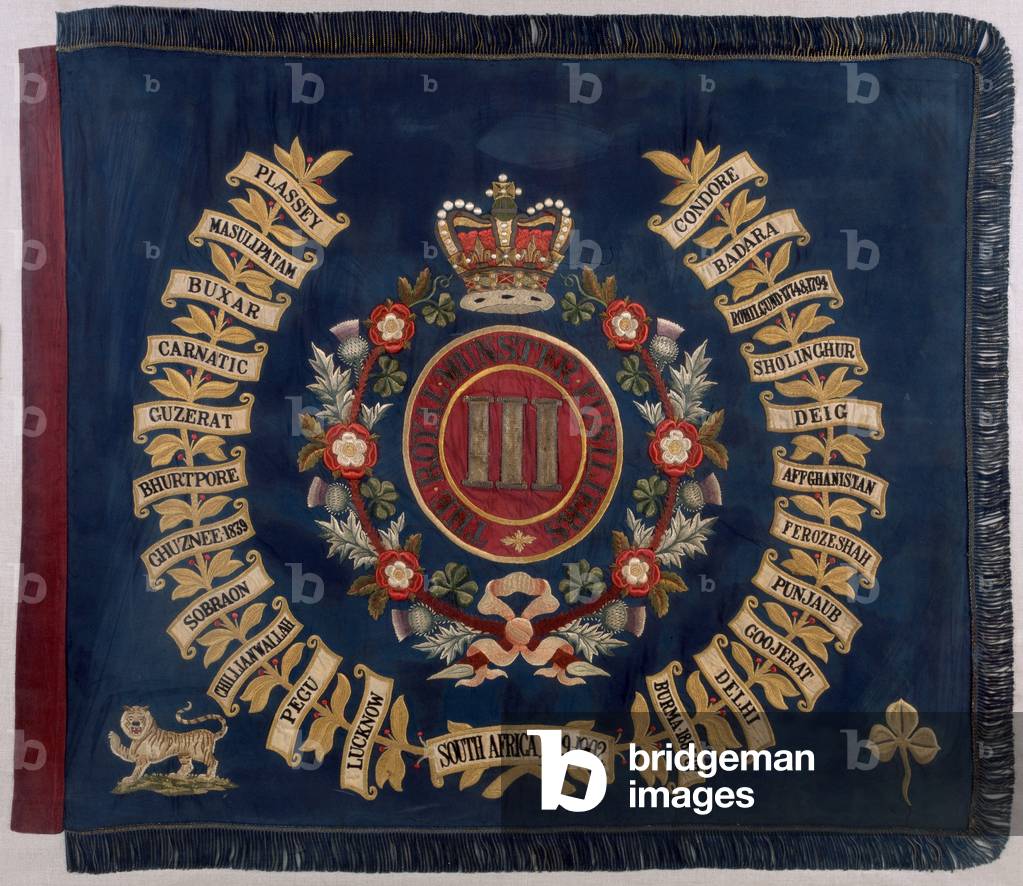
NAM5920941: Regimental Colour, 3rd (Special Reserve) Battalion, Royal Munster Fusiliers, 1902-1922 (fabric), British School, (20th century) / Bridgeman Images
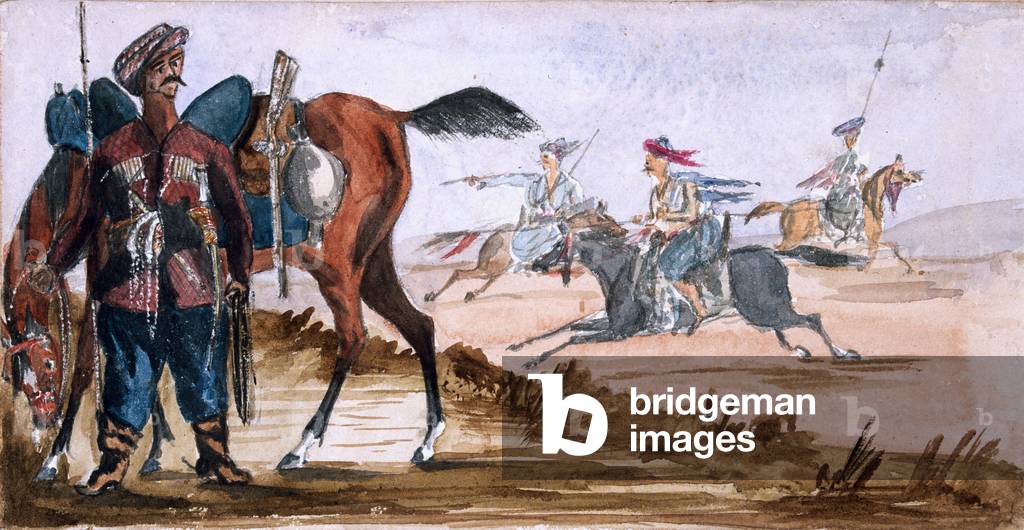
NAM5920972: Bashi Bazouk of Circassia, & others at exercise in the background (watercolour and pencil), Markham, William Thomas (1830-86) / Bridgeman Images

NAM5919845: An unidentified officer of the 13th Bombay Native Infantry, 1824 circa (oil on canvas), Chinnery, George (1774-1852) / Bridgeman Images
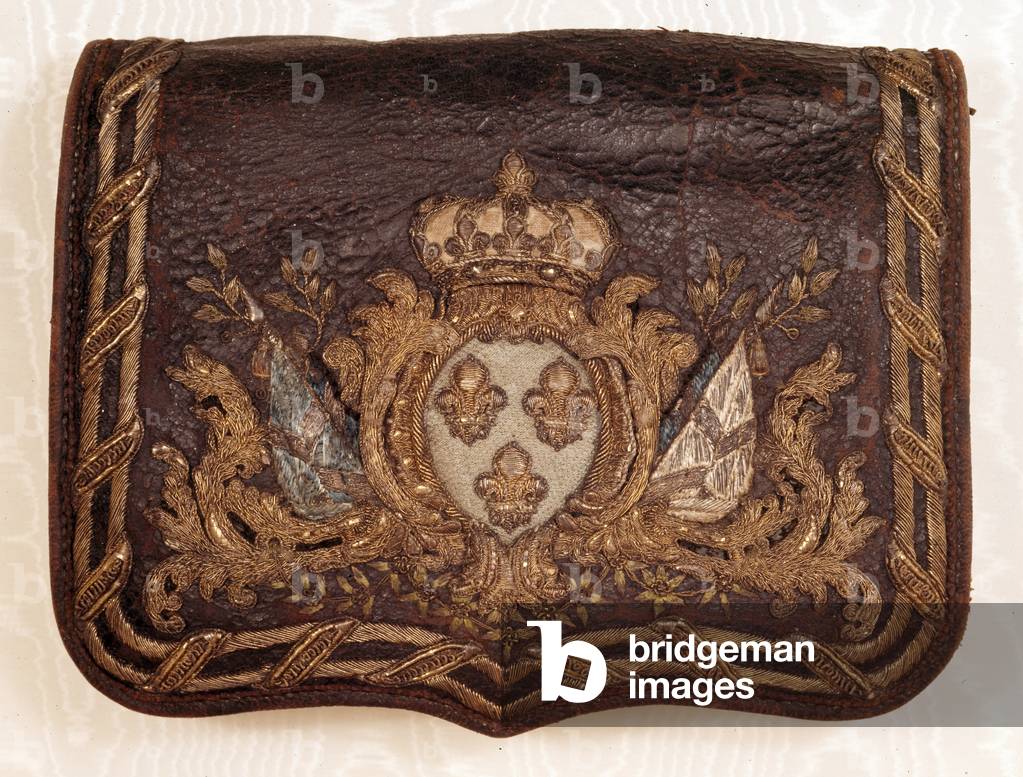
NAM5919855: French infantry leather cartridge pouch, taken at the Battle of Dettingen, 1743 (leather), French School, (18th century) / Bridgeman Images

NAM5920992: Short Magazine Lee-Enfield .303 inch bolt action rifle No 4 Mk I*, 1945, Canadian School, (20th century) / Bridgeman Images

NAM5919874: Lieutenant General Lord W C Bentinck, 1813 (stipple engraving), Breitner, Georg-Hendrik (1857-1923) / Bridgeman Images

NAM5921016: Thal in the Kurram, showing the road bridge over the Kurram river to Parachinar, 1920 circa (b/w photo), Unknown photographer, (20th century) / Bridgeman Images

NAM5919898: Lieutenant-General Sam Browne and staff, 1878 circa (b/w photo), Burke, John (fl.1878-79) / Bridgeman Images
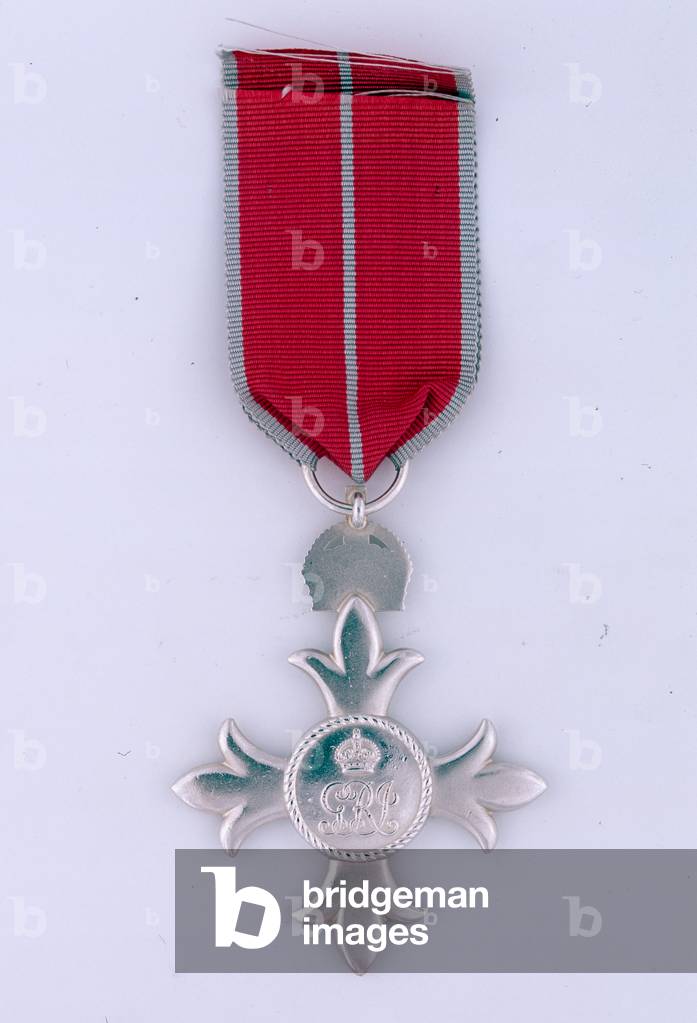
NAM5921053: Order of the British Empire, Colonel John Anthony Stafford Fearfield, Royal Signals and Force 136, Special Operations Executive, 1947 (metal), British School, (20th century) / Bridgeman Images

NAM5919907: Apothecaries of General Roberts' Division, 1878 circa (b/w photo), Burke, John (fl.1878-79) / Bridgeman Images
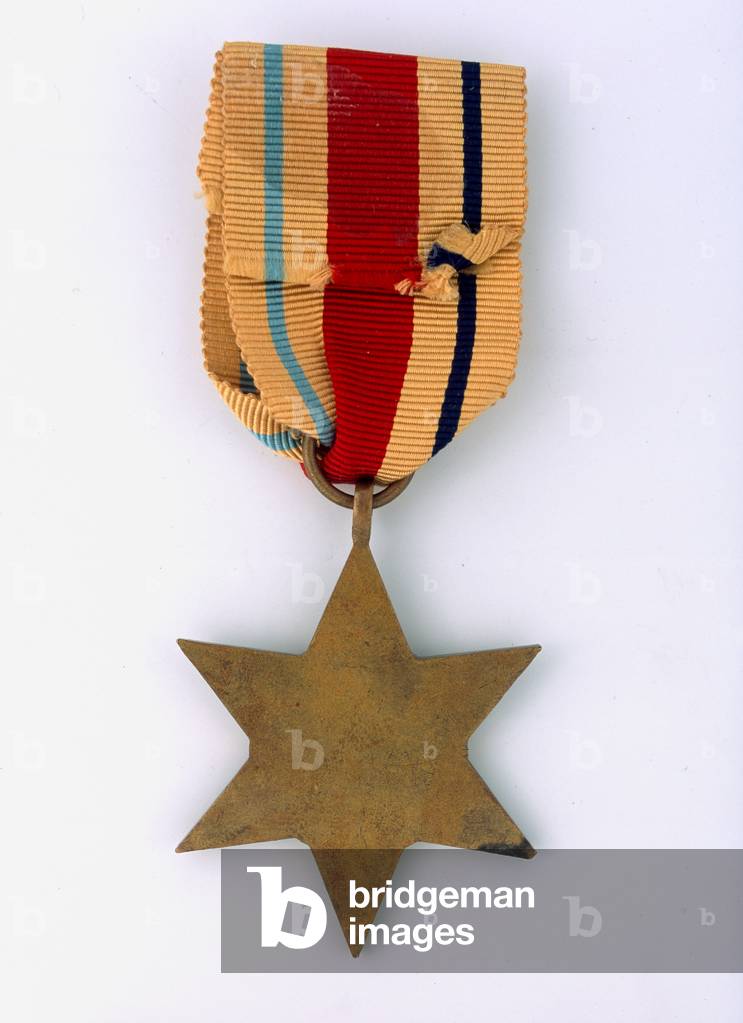
NAM5921085: Africa Star 1940-43, Sergeant Herbert Frederick Chambers, Royal Armoured Corps and Special Boat Service (metal), British School, (20th century) / Bridgeman Images
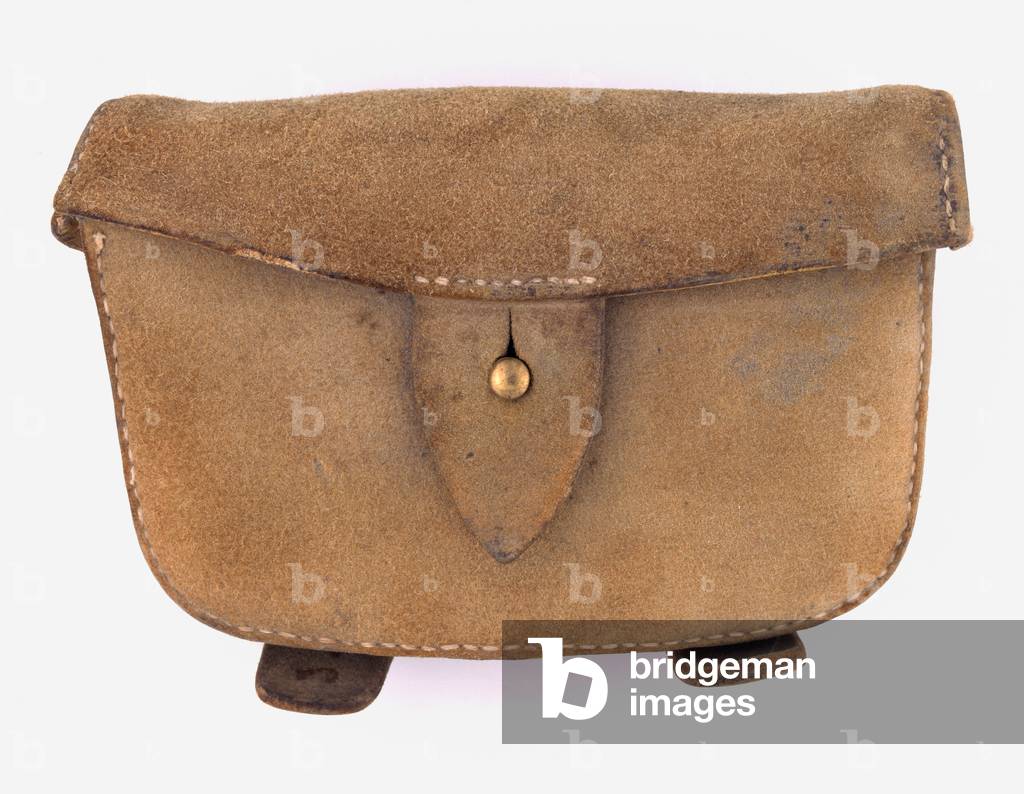
NAM5919971: Waistbelt pouch, other ranks, 24th (2nd Warwickshire) Regiment of Foot, 1879 (leather), British School, (19th century) / Bridgeman Images
