2490904 Search Results
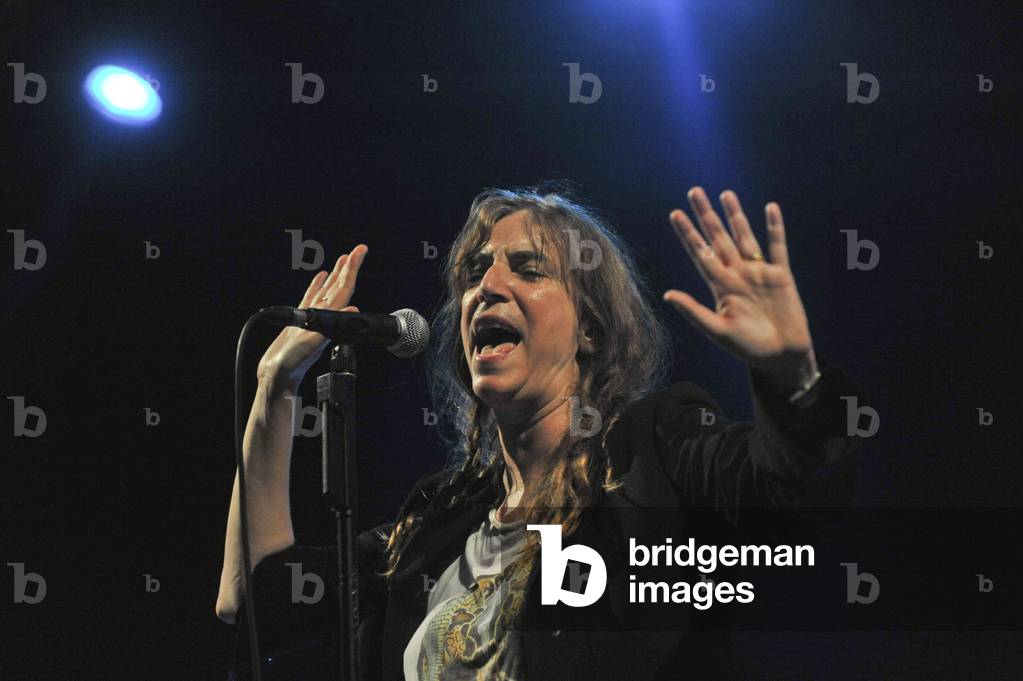
GRZ4965245: Venice 1/08/10 - The singer and poet Patti Smith in Concert in St.Mark Place in Venice for Emergency / Bridgeman Images

GRZ4965266: Venice 29/08/2010 Bice Curiger is the Director of the Visual Arts Sector, with responsibility for curating the 54th International Biennale Art Exhibition that will run June 4 to November 27, 2011 / Bridgeman Images
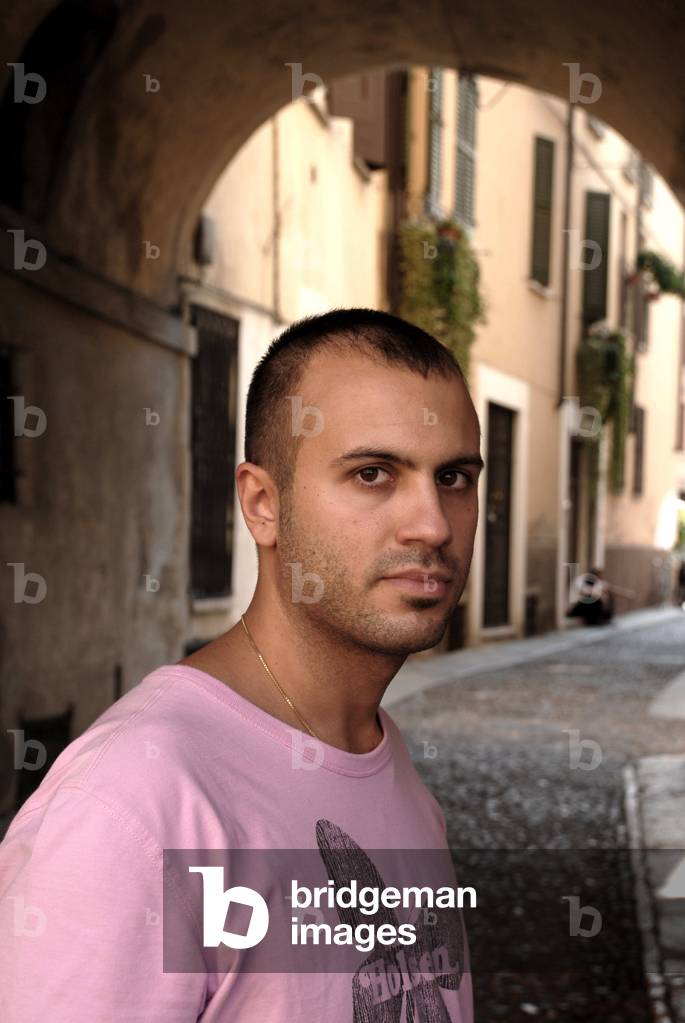
GIE4965314: Portrait of Gabriele Dadati in September 2009 / Bridgeman Images
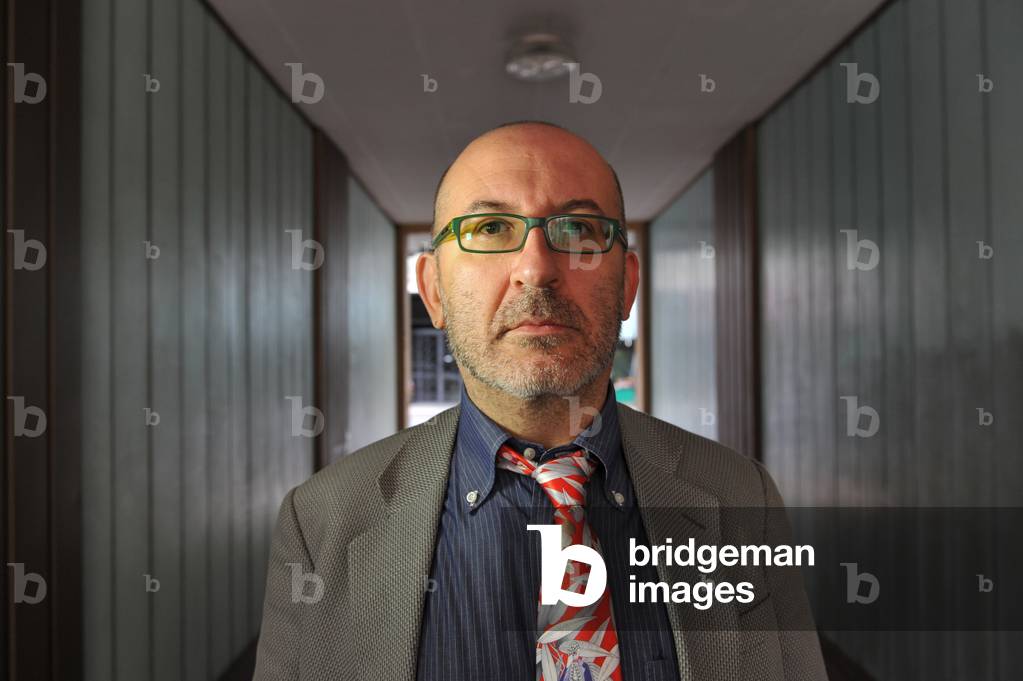
GRZ4965328: Pordenone 17/9/10 - “” Pordenonelegge”” Literary manifestation: The writer Sandrone Dazieri letteratura scrittore / Bridgeman Images

GRZ4965382: Pordenone 17/9/10 - “” Pordenonelegge”” Literary manifestation: The director Dario Argento cinema / Bridgeman Images

GRZ4965436: Pordenone 17/9/10 - “” Pordenonelegge”” Literary manifestation: The writer, poet and director Eric-Emmanuel Schmitt letteratura scrittore / Bridgeman Images
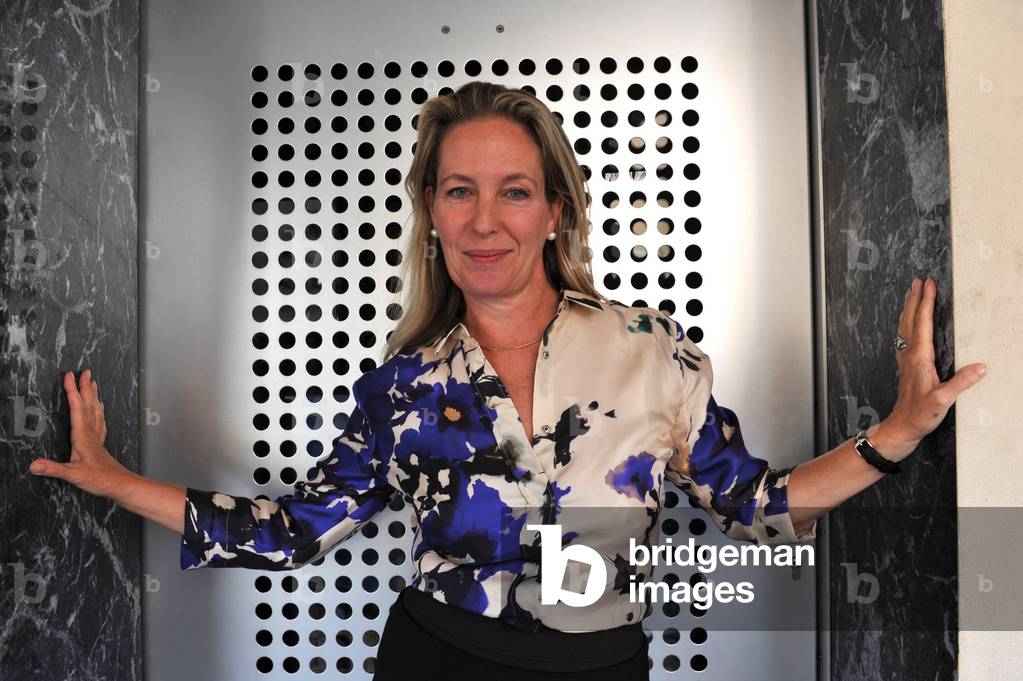
GRZ4965455: Pordenone 17/9/10 - “” Pordenonelegge”” Literary manifestation: The writer Katie Hickman letteratura scrittore / Bridgeman Images
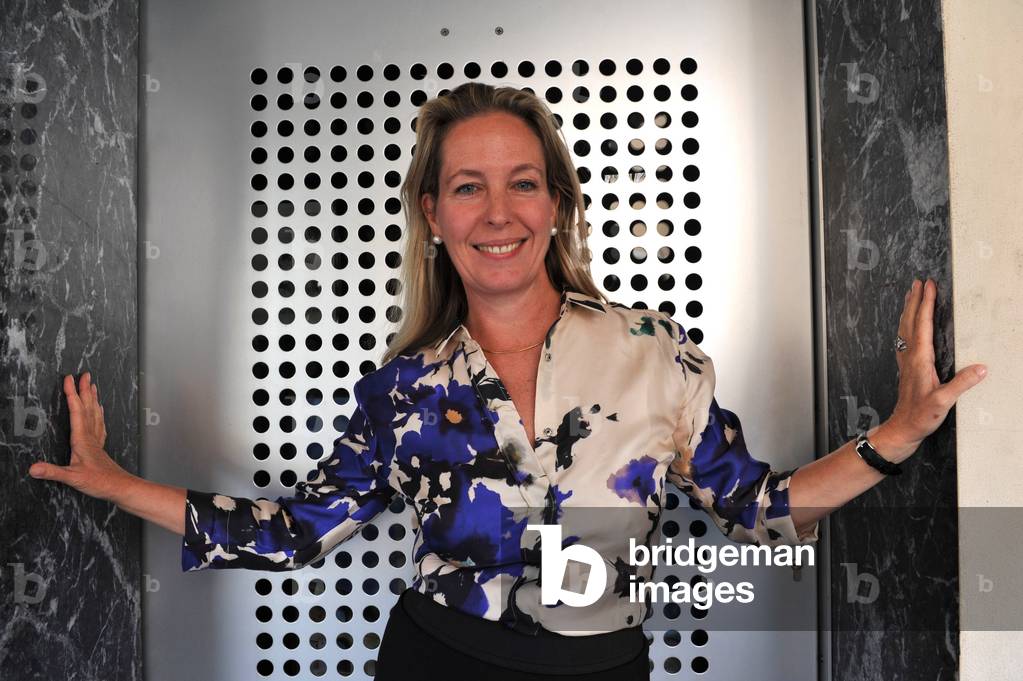
GRZ4965458: Pordenone 17/9/10 - “” Pordenonelegge”” Literary manifestation: The writer Katie Hickman letteratura scrittore / Bridgeman Images
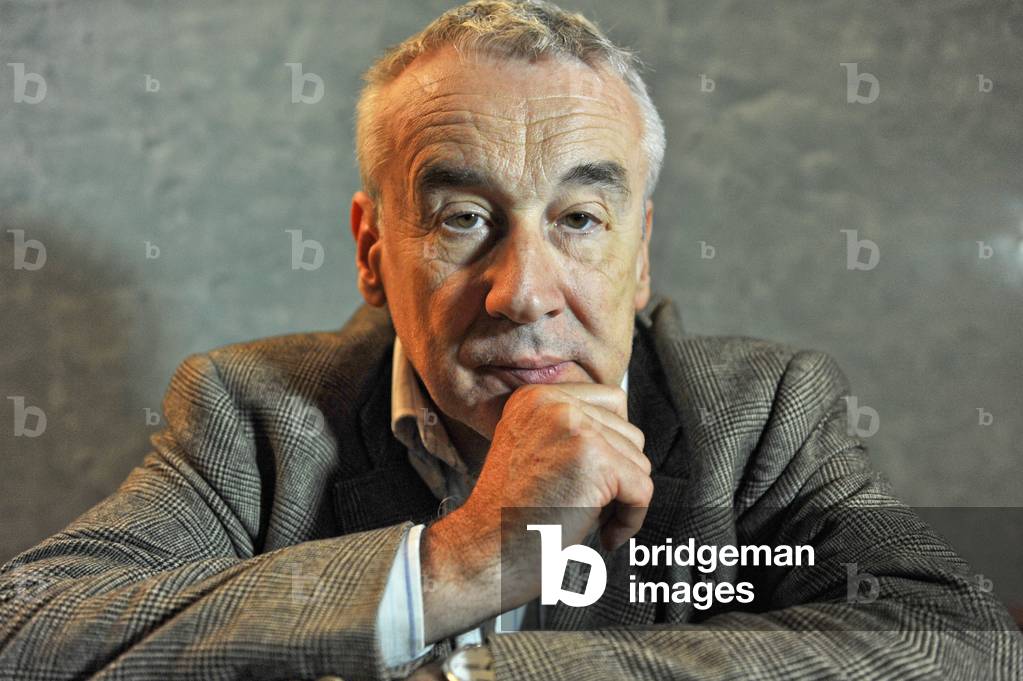
GRZ4965555: Pordenone 17/9/10 - “” Pordenonelegge”” Literary manifestation: The philosopher Giulio Giorello filosofo filosofia / Bridgeman Images

GIE4965564: Francisco Gonzalez Ledesma in September 2009 / Bridgeman Images
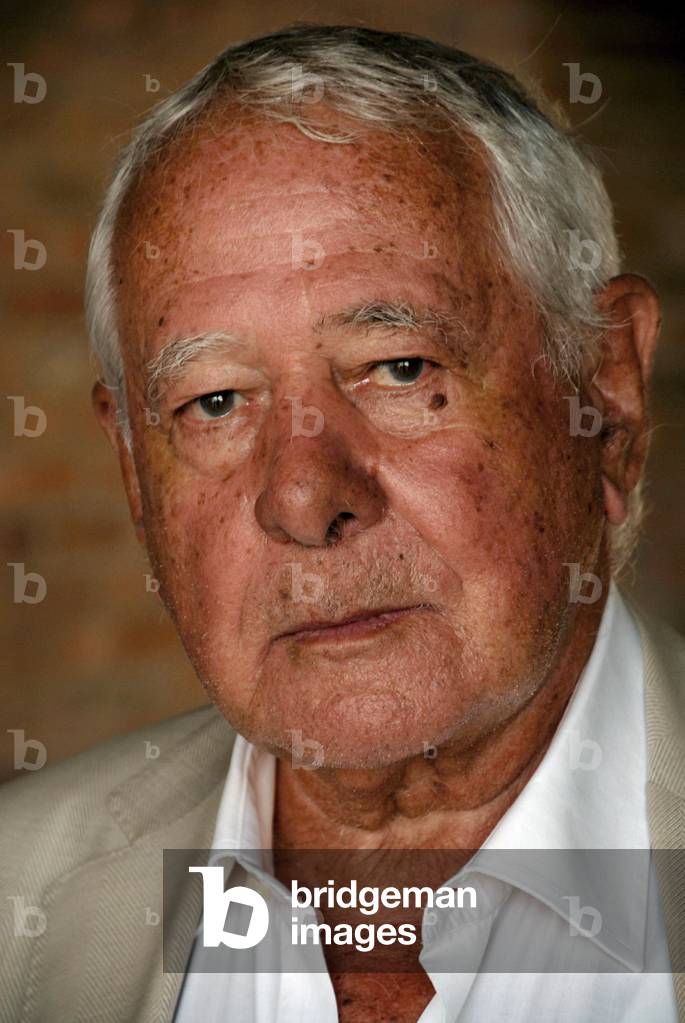
GIE4965529: Francisco Gonzalez Ledesma in September 2009 / Bridgeman Images

GRZ4965611: Pordenone 17/9/10 - “” Pordenonelegge”” Literary manifestation: The writer, philosopher and critic Michel Le Bris letteratura scrittore filosofia / Bridgeman Images
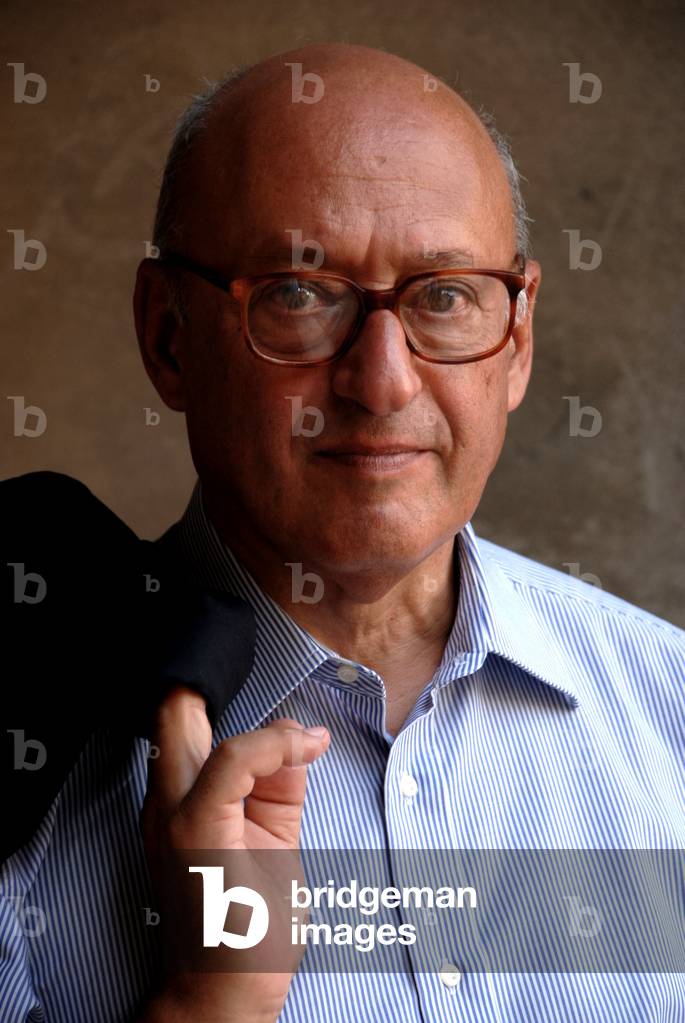
GIE4965610: Dorfles Piero in September 2009 / Bridgeman Images

GRZ4965630: Pordenone 17/9/10 - “” Pordenonelegge”” Literary manifestation: The writer Michel Ondaatje letteratura scrittore / Bridgeman Images

GRZ4965696: Pordenone 17/9/10 - “” Pordenonelegge”” Literary manifestation: The medical doctor, writer and Carlo Flamigni  / Bridgeman Images

GIE4965706: Pulsatilla (Valeria Di Napoli) in September 2009 / Bridgeman Images
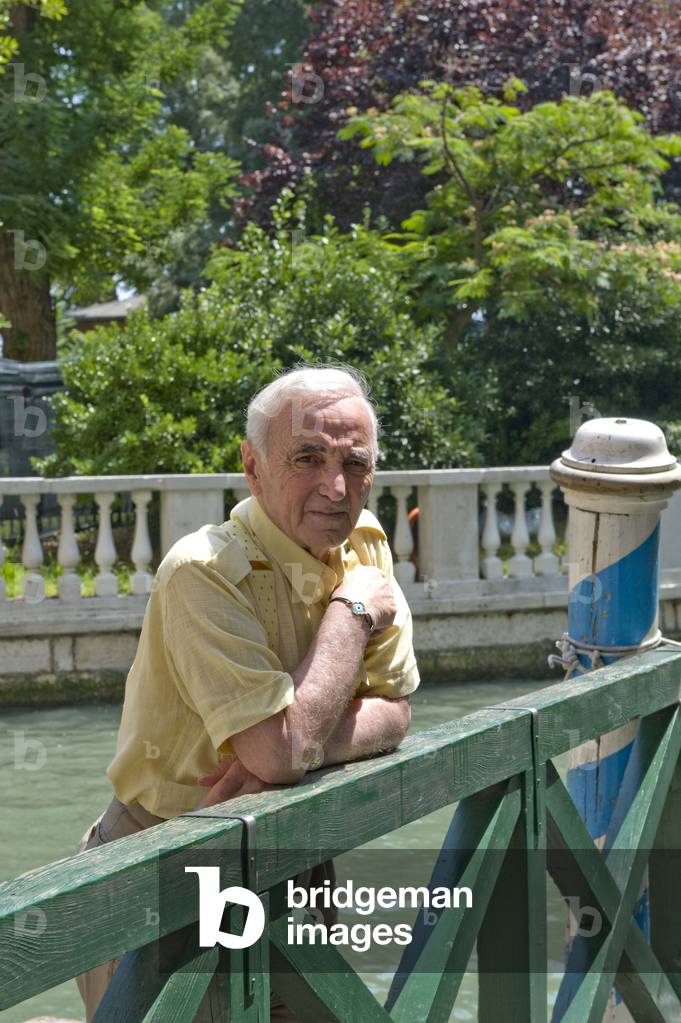
GRZ4965199: Portrait of Charles Aznavour in Venice on July 15, 2010 (photo) / Bridgeman Images

GIE4965238: Portrait of Franco Cordero in September 2009 / Bridgeman Images

GIE4965244: Portrait of Franco Cordero in September 2009 / Bridgeman Images

GRZ4965254: Venice 29/08/2010 Bice Curiger is the Director of the Visual Arts Sector, with responsibility for curating the 54th International Biennale Art Exhibition that will run June 4 to November 27, 2011 / Bridgeman Images

GIE4965287: Portrait of Gabriele Dadati in September 2009 / Bridgeman Images

GIE4965306: Portrait of Gabriele Dadati in September 2009 / Bridgeman Images
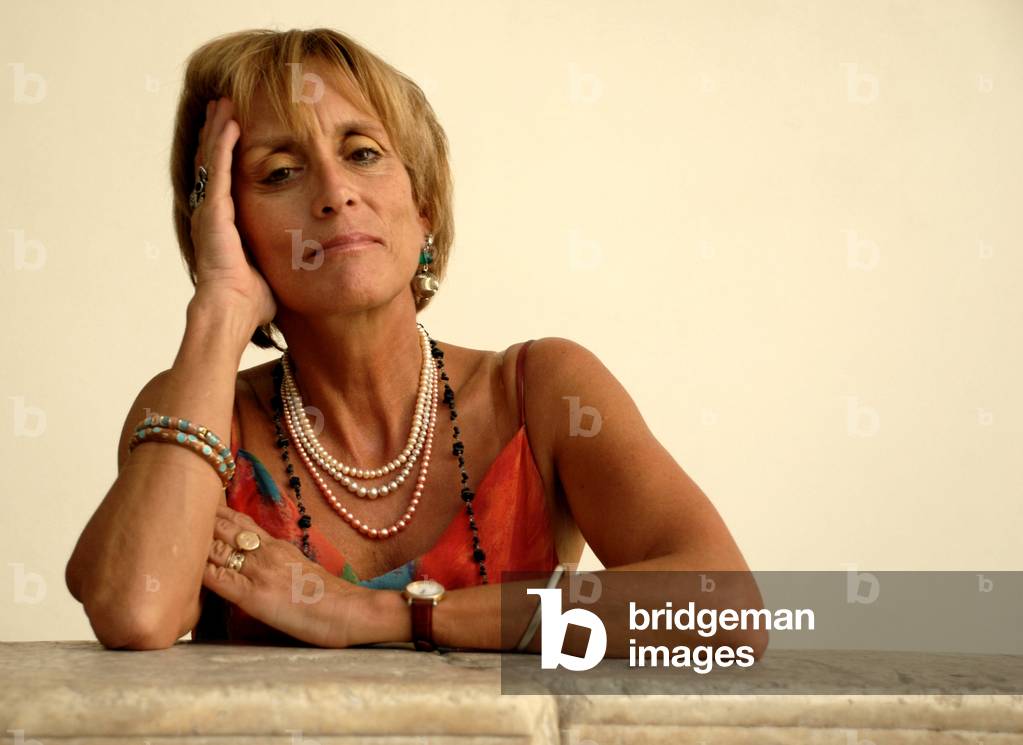
GIE4965313: Portrait of Roberta De Monticelli in September 2009 / Bridgeman Images
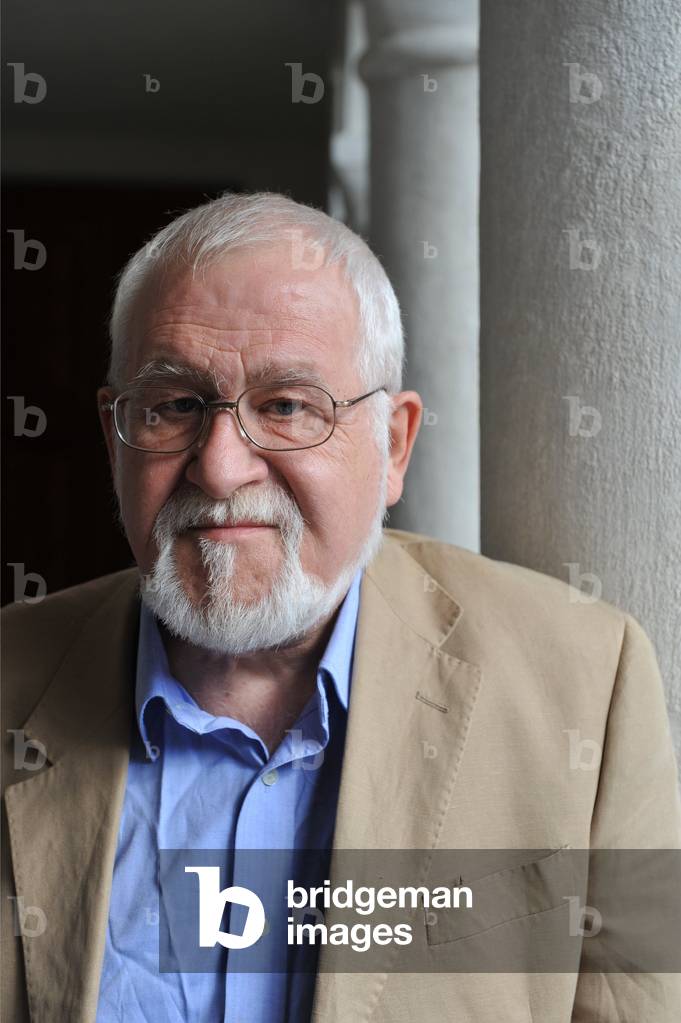
GRZ4965330: Pordenone 17/9/10 - “” Pordenonelegge”” Literary manifestation: The poet Douglas Dunn letteratura scrittore poeta poesia / Bridgeman Images

GIE4965351: Portrait of Roberta De Monticelli in September 2009 / Bridgeman Images
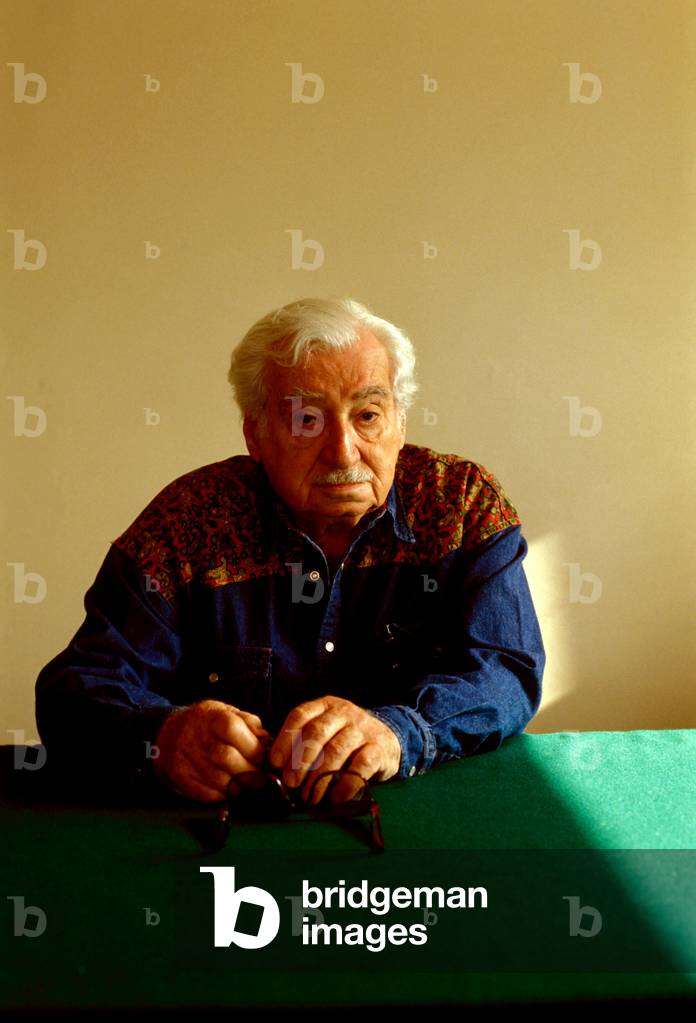
GIE4965394: Portrait of the writer Jorge Amado. / Bridgeman Images
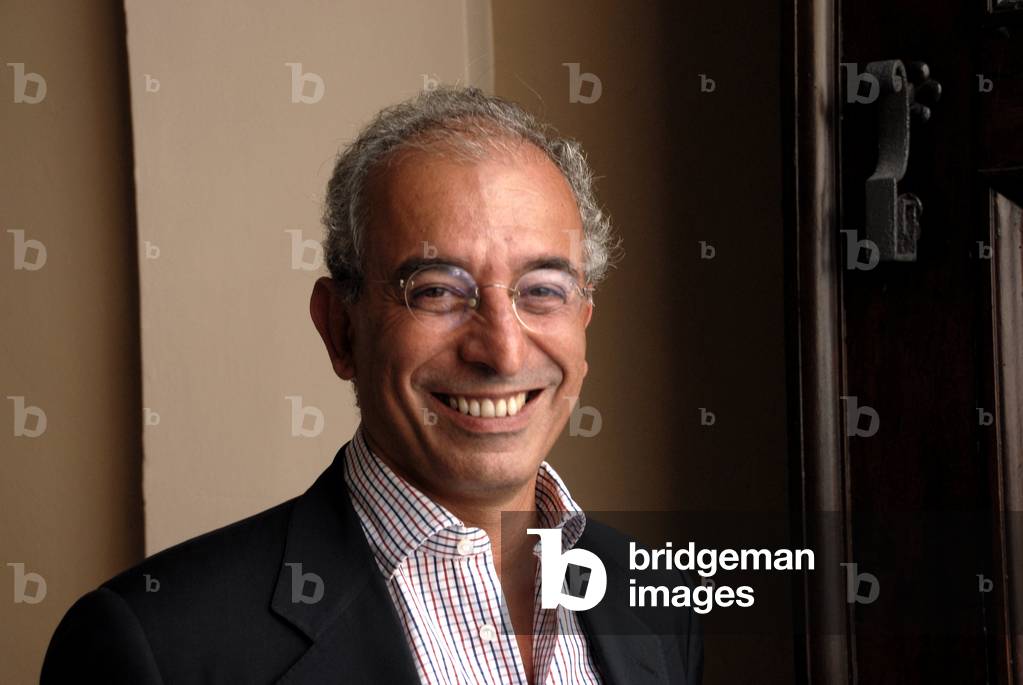
GIE4965423: Portrait of Gad Lerner in September 2009 / Bridgeman Images

GRZ4965438: Pordenone 17/9/10 - “” Pordenonelegge”” Literary manifestation: The writer Katie Hickman letteratura scrittore / Bridgeman Images

GIE4965441: Portrait of Frank (Franck) Maubert, Sarzana, September 2009 / Bridgeman Images

GRZ4965487: Pordenone 17/9/10 - “” Pordenonelegge”” Literary manifestation: The writer Sandrone Dazieri letteratura scrittore / Bridgeman Images

GRZ4965581: Pordenone 17/9/10 - “” Pordenonelegge”” Literary manifestation: The writer Tahar Ben Jelloun letteratura scrittore / Bridgeman Images
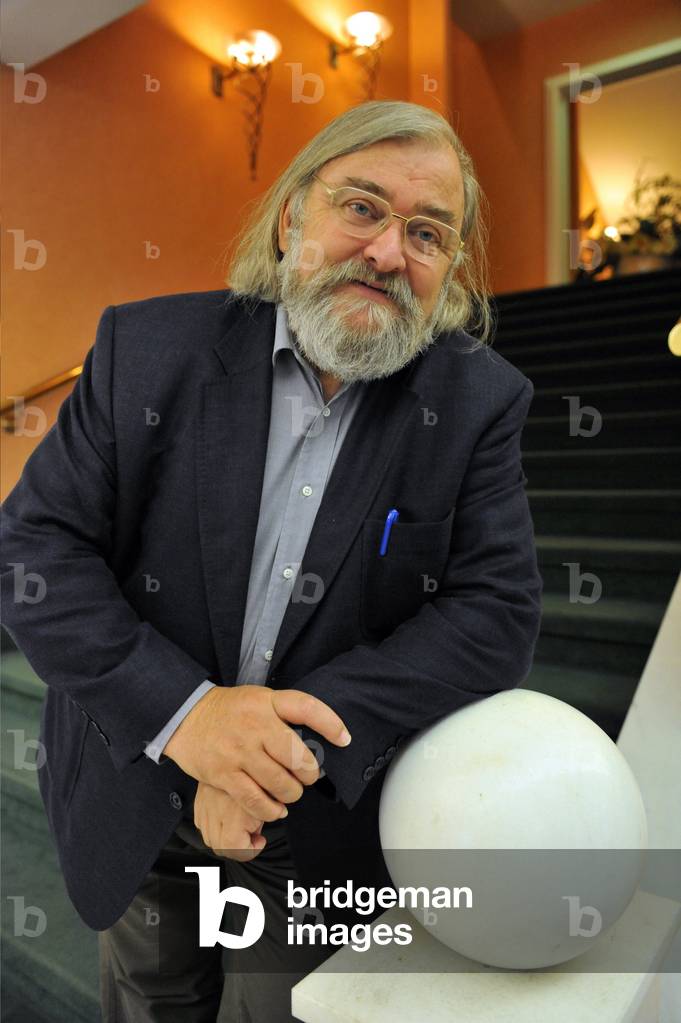
GRZ4965620: Pordenone 17/9/10 - “” Pordenonelegge”” Literary manifestation: The writer, philosopher and critic Michel Le Bris letteratura scrittore filosofia / Bridgeman Images
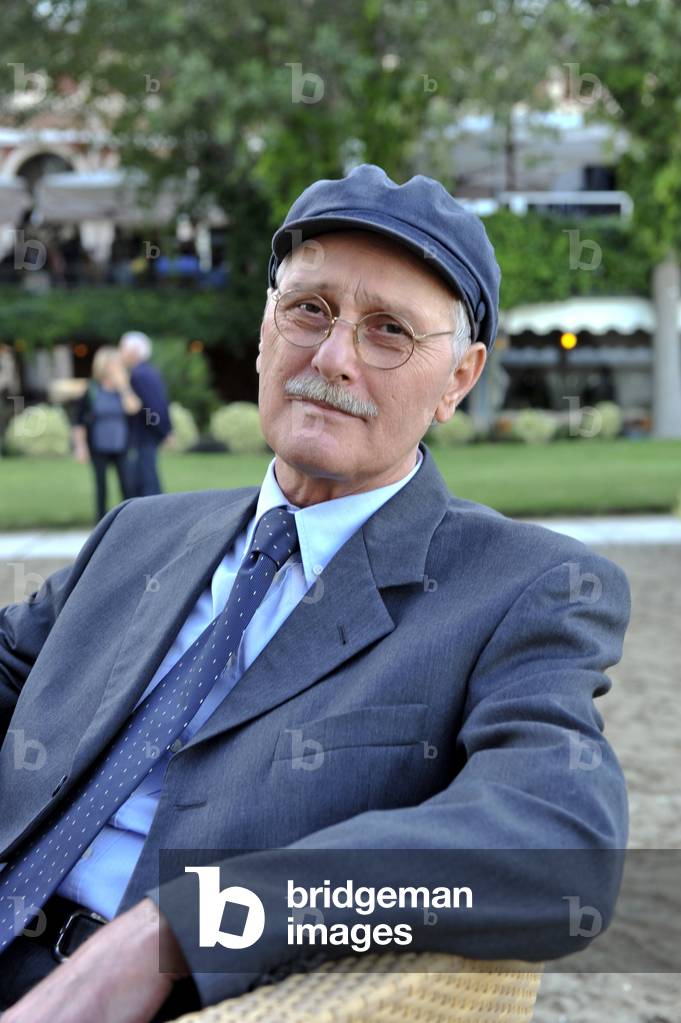
GRZ4965820: Venice 3/09/10 - The writer Antonio Pennacchi in the Venice Lido Beach letter / Bridgeman Images

GRZ4965837: Rovereto 23/09/10 - The swiss architect Mario Botta in his Mart Museum during his exhibition “” Mario Botta. Architecture 1960-2010”” - architetto architettura / Bridgeman Images

GRZ4965917: Venice 29/09/10 - The music composer Wolfgang Rihm is the 2010 Music Biennale Golden Lion for Lifetime Achievement / Bridgeman Images

GIE4965939: Portrait of Franco Arminio poet and Italian writer in 2009. / Bridgeman Images
