Search options

Orientation
Colour

Display options

View

Print

To print search results, use print friendly version of this page.

2491100 Search Results

U.S. troops advancing in Oran, North Africa, Nov 18, 1942. They are part of the Central Task Force of Operation Torch that defeated Vichy French forces in Algeria during World War 2

EVB2945824: U.S. troops advancing in Oran, North Africa, Nov 18, 1942. They are part of the Central Task Force of Operation Torch that defeated Vichy French forces in Algeria during World War 2 / Bridgeman Images

Aerial view of the Imperial Palace grounds in Tokyo, Japan, in 1945. World War 2

EVB2945845: Aerial view of the Imperial Palace grounds in Tokyo, Japan, in 1945. World War 2 / Bridgeman Images

British enlisted women, 'gunner girls' at night action station in 1940-41. They are next to anti-aircraft gun firing in near background. They stand beside a concrete bunker. World War 2

EVB2945940: British enlisted women, 'gunner girls' at night action station in 1940-41. They are next to anti-aircraft gun firing in near background. They stand beside a concrete bunker. World War 2 / Bridgeman Images

A young woman sews 'pup' tents for the U.S. Army. At the Langdon Tent & Awning Company, a two-needle machine joins widths of cloth to form the tent. June 1941. World War 2

EVB2945949: A young woman sews 'pup' tents for the U.S. Army. At the Langdon Tent & Awning Company, a two-needle machine joins widths of cloth to form the tent. June 1941. World War 2 / Bridgeman Images
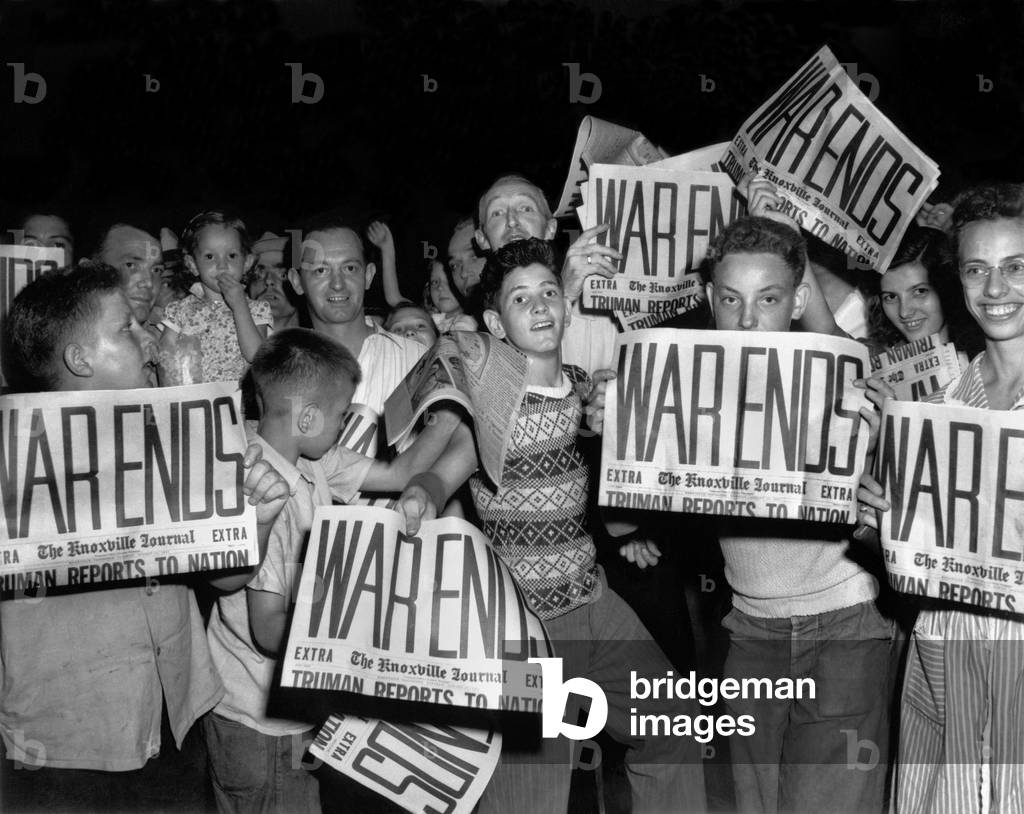
'WAR ENDS' headlines on Knoxville Journal of Aug. 14, 1945. Citizens of Oak Ridge, Tennessee, celebrate V-J Day (Victory Over Japan). World War 2

EVB2946000: 'WAR ENDS' headlines on Knoxville Journal of Aug. 14, 1945. Citizens of Oak Ridge, Tennessee, celebrate V-J Day (Victory Over Japan). World War 2 / Bridgeman Images
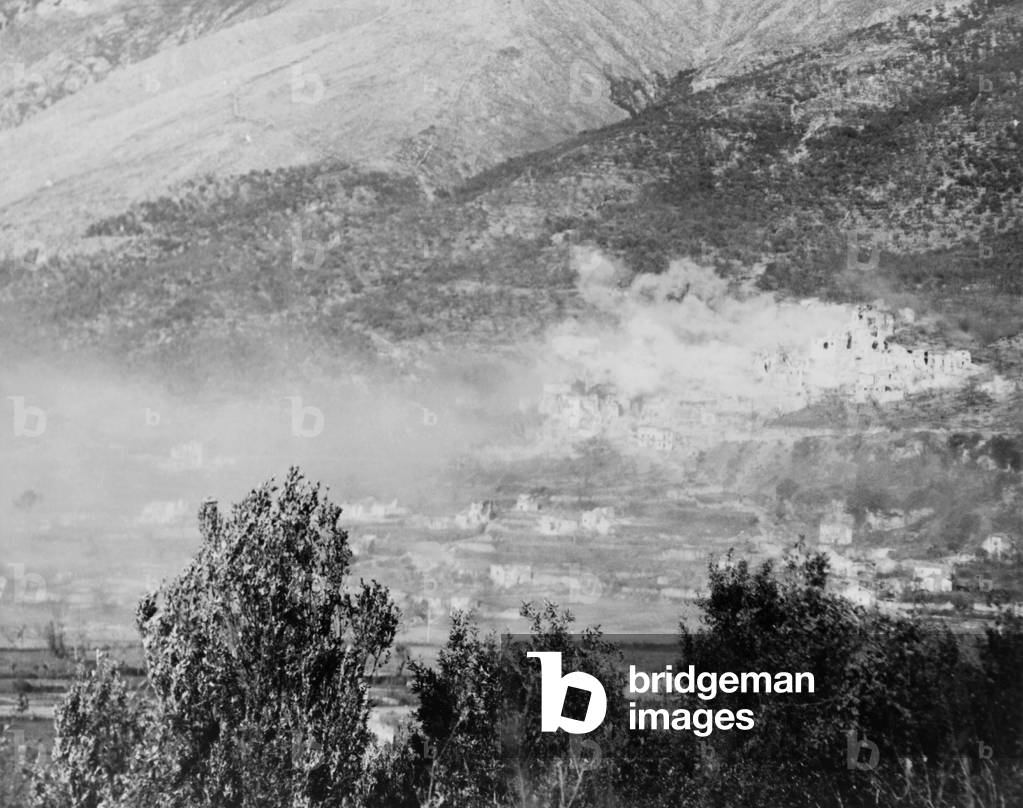
Thick clouds of smoke rising over the town of San Pietro on the German Reinhard Line. After intensive fighting from Dec. 8-17, the town fell to US Army. World War 2

EVB2946030: Thick clouds of smoke rising over the town of San Pietro on the German Reinhard Line. After intensive fighting from Dec. 8-17, the town fell to US Army. World War 2 / Bridgeman Images

After working all night, two helmeted women shipyard workers read the newspaper on the bus home. c. 1940-45. World War 2

EVB2945944: After working all night, two helmeted women shipyard workers read the newspaper on the bus home. c. 1940-45. World War 2 / Bridgeman Images

Chemical Warfare branch of the U.S. Army covered Palermo with a protective smokescreen. Sept. 27, 1943. World War 2

EVB2945959: Chemical Warfare branch of the U.S. Army covered Palermo with a protective smokescreen. Sept. 27, 1943. World War 2 / Bridgeman Images
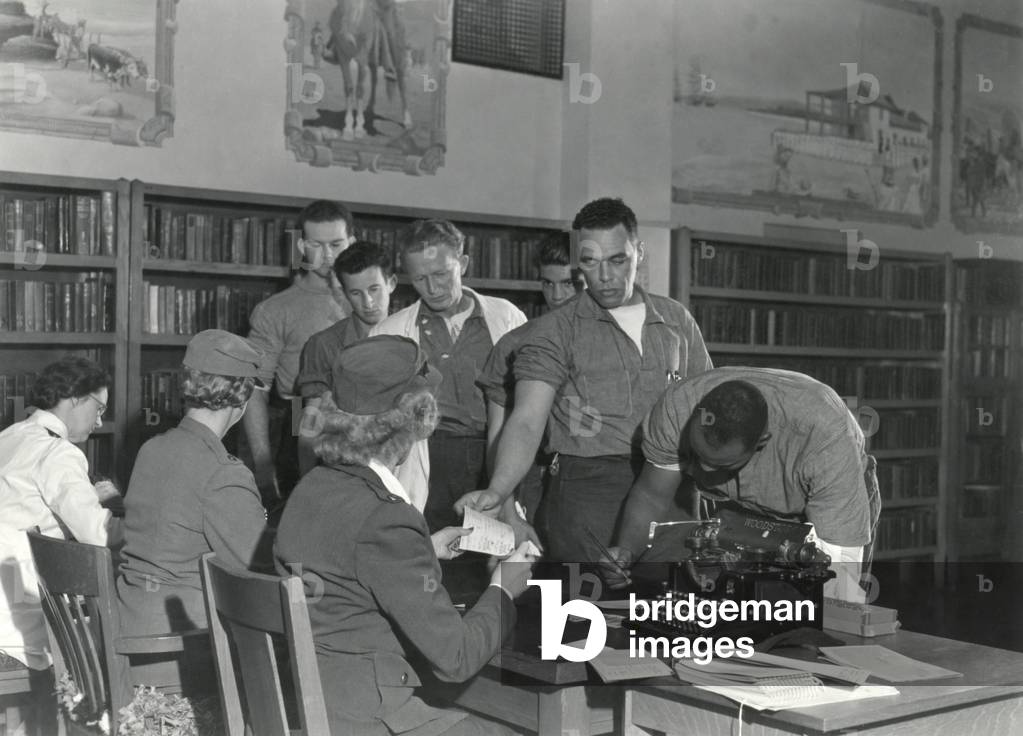
San Quentin prisoners applying for wartime employment. San Quentin inmates made hundreds of cable submarine nets as well as multipurpose cargo nets. At other prisons, inmates sewed uniforms, manufactured air-raid sirens, and wooden assault boats. c. 1943

EVB2945971: San Quentin prisoners applying for wartime employment. San Quentin inmates made hundreds of cable submarine nets as well as multipurpose cargo nets. At other prisons, inmates sewed uniforms, manufactured air-raid sirens, and wooden assault boats. c. 1943 / Bridgeman Images
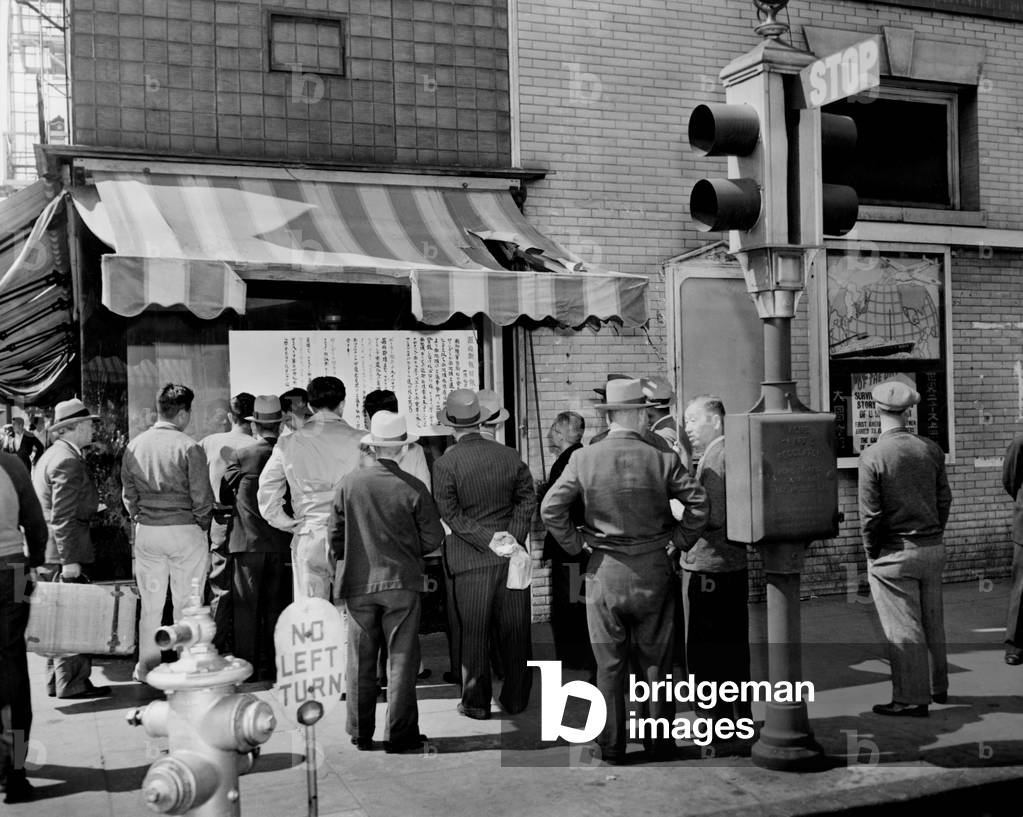
Residents of 'Little Tokyo' in Los Angeles reading notices instructing them to evacuate. April 1942. World War 2

EVB2945977: Residents of 'Little Tokyo' in Los Angeles reading notices instructing them to evacuate. April 1942. World War 2 / Bridgeman Images
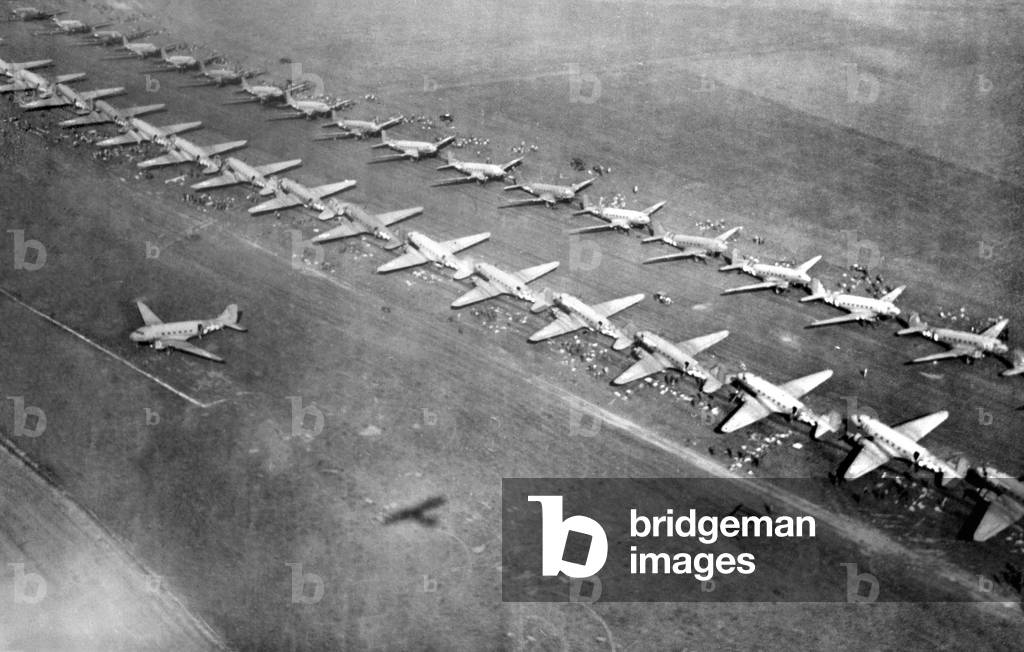
Long lines of C-47 transports loaded with paratroopers at an English airfield, Sept. 17, 1944. Operation Market Garden would drop 34,600 airborne troops near key bridges in the Netherlands. A BRIDGE TO FAR, was a 1977 film based on Cornelius Ryan's 1974 book about the disastrous battle. World War 2

EVB2945253: Long lines of C-47 transports loaded with paratroopers at an English airfield, Sept. 17, 1944. Operation Market Garden would drop 34,600 airborne troops near key bridges in the Netherlands. A BRIDGE TO FAR, was a 1977 film based on Cornelius Ryan's 1974 book about the disastrous battle. World War 2 / Bridgeman Images

Deep snow banks on a narrow road halt military traffic in the woods of Wallerode, Belgium. After the Battle of the Bulge, Allied forces renewed their drive into Germany. January 30, 1945. World War 2

EVB2945289: Deep snow banks on a narrow road halt military traffic in the woods of Wallerode, Belgium. After the Battle of the Bulge, Allied forces renewed their drive into Germany. January 30, 1945. World War 2 / Bridgeman Images

Private Warren Capers and aided over 330 soldiers on a D-Day, June 6, 1944 (b/w photo)

EVB2945307: Private Warren Capers and aided over 330 soldiers on a D-Day, June 6, 1944 (b/w photo) / Bridgeman Images
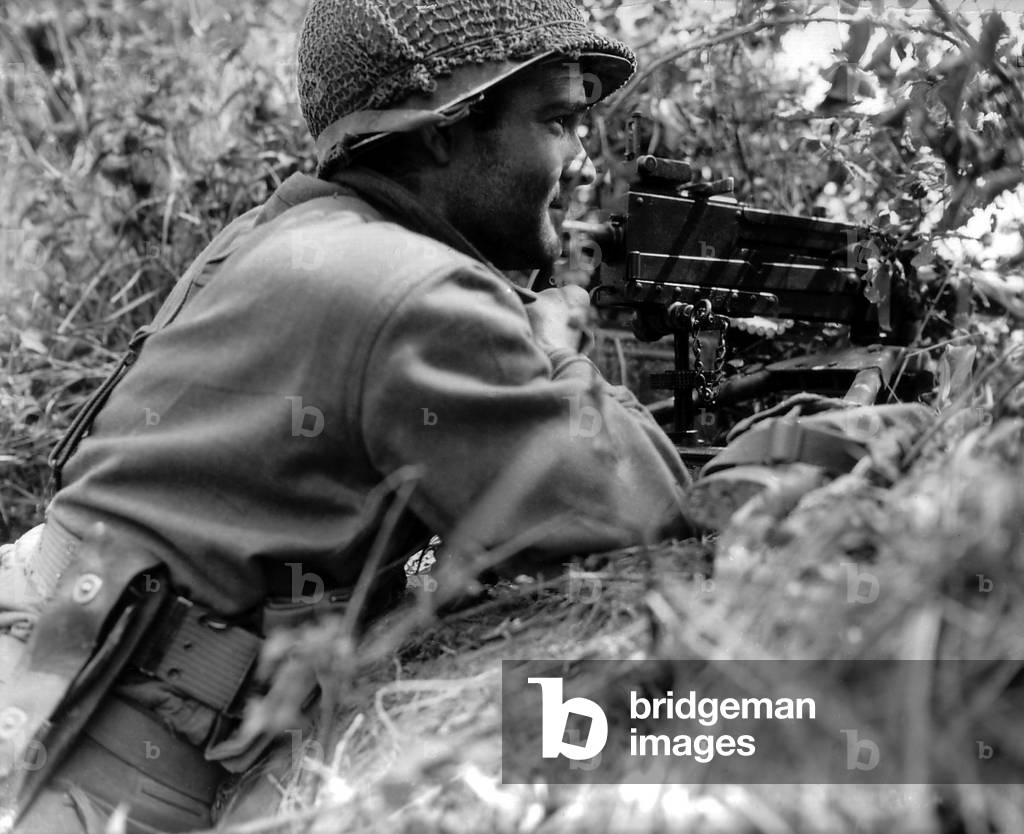
Soldier positioned in a ditch with gun Browning machine gun in Normandy, France. He is part of Operation Cobra, code name for First U.S. Army's offensive to breakout of Normandy. July 27, 1944. France, World War 2

EVB2945203: Soldier positioned in a ditch with gun Browning machine gun in Normandy, France. He is part of Operation Cobra, code name for First U.S. Army's offensive to breakout of Normandy. July 27, 1944. France, World War 2 / Bridgeman Images

Cheering Danes gather in Copenhagen around British liberation soldiers on May 5, 1945. World War 2

EVB2945266: Cheering Danes gather in Copenhagen around British liberation soldiers on May 5, 1945. World War 2 / Bridgeman Images

U.S. Army Air Force gunner operating a machine gun during a aerial fight with German planes. World War 2. c. 1942-43

EVB2945430: U.S. Army Air Force gunner operating a machine gun during a aerial fight with German planes. World War 2. c. 1942-43 / Bridgeman Images

Huge compressors and converters at the Atomic Energy Commission's Oak Ridge Gaseous Diffusion Plant. c. 1972

EVB2945460: Huge compressors and converters at the Atomic Energy Commission's Oak Ridge Gaseous Diffusion Plant. c. 1972 / Bridgeman Images
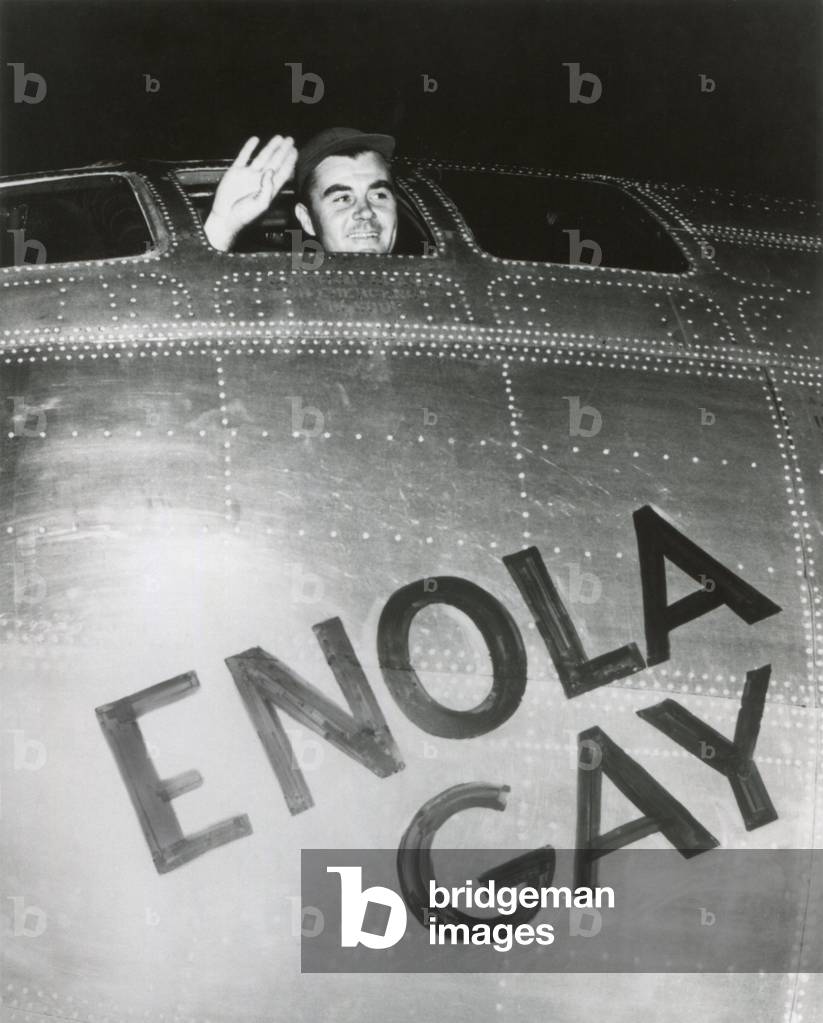
Col. Paul W. Tibbets, Jr., pilot of the ENOLA GAY waves from his cockpit before the takeoff. Several hours later, the B-29 bomber dropped the first atomic bomb on Hiroshima. August 6, 1945. World War 2

EVB2945475: Col. Paul W. Tibbets, Jr., pilot of the ENOLA GAY waves from his cockpit before the takeoff. Several hours later, the B-29 bomber dropped the first atomic bomb on Hiroshima. August 6, 1945. World War 2 / Bridgeman Images

TBF (Torpedo Fighter Bombers) Avengers flying in formation over Norfolk, Va. Photo by Lt. Comdr. Horace Bristol, who became a noted photographer after the war. World War 2. Sept. 1942

EVB2945443: TBF (Torpedo Fighter Bombers) Avengers flying in formation over Norfolk, Va. Photo by Lt. Comdr. Horace Bristol, who became a noted photographer after the war. World War 2. Sept. 1942 / Bridgeman Images

Canada's first paratroopers receive their wings at Fort Benning, Ga. They are in formation around a Douglas C-47, the signature plane of World War 2 Airborne operations. c. 1941-43

EVB2945449: Canada's first paratroopers receive their wings at Fort Benning, Ga. They are in formation around a Douglas C-47, the signature plane of World War 2 Airborne operations. c. 1941-43 / Bridgeman Images

Robert Oppenheimer at the Clinton Engineer Works (Oak Ridge) of the Manhattan Project after World War 2. Oppenheimer headed the Project's secret weapons laboratory at Los Alamos. c. 1945-46

EVB2945455: Robert Oppenheimer at the Clinton Engineer Works (Oak Ridge) of the Manhattan Project after World War 2. Oppenheimer headed the Project's secret weapons laboratory at Los Alamos. c. 1945-46 / Bridgeman Images
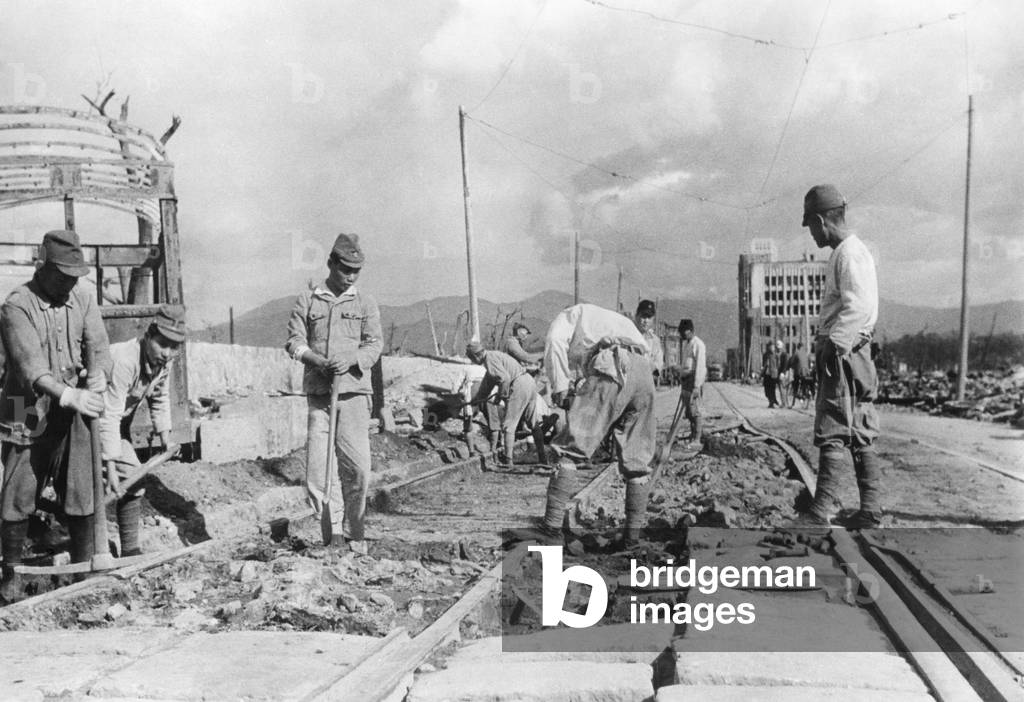
Japanese soldiers repair street car tracks in devastated Hiroshima after the end of World War 2. It is possible these men are civilians, wearing the only clothing they have, their military uniforms. Sept-Nov. 1945

EVB2945486: Japanese soldiers repair street car tracks in devastated Hiroshima after the end of World War 2. It is possible these men are civilians, wearing the only clothing they have, their military uniforms. Sept-Nov. 1945 / Bridgeman Images
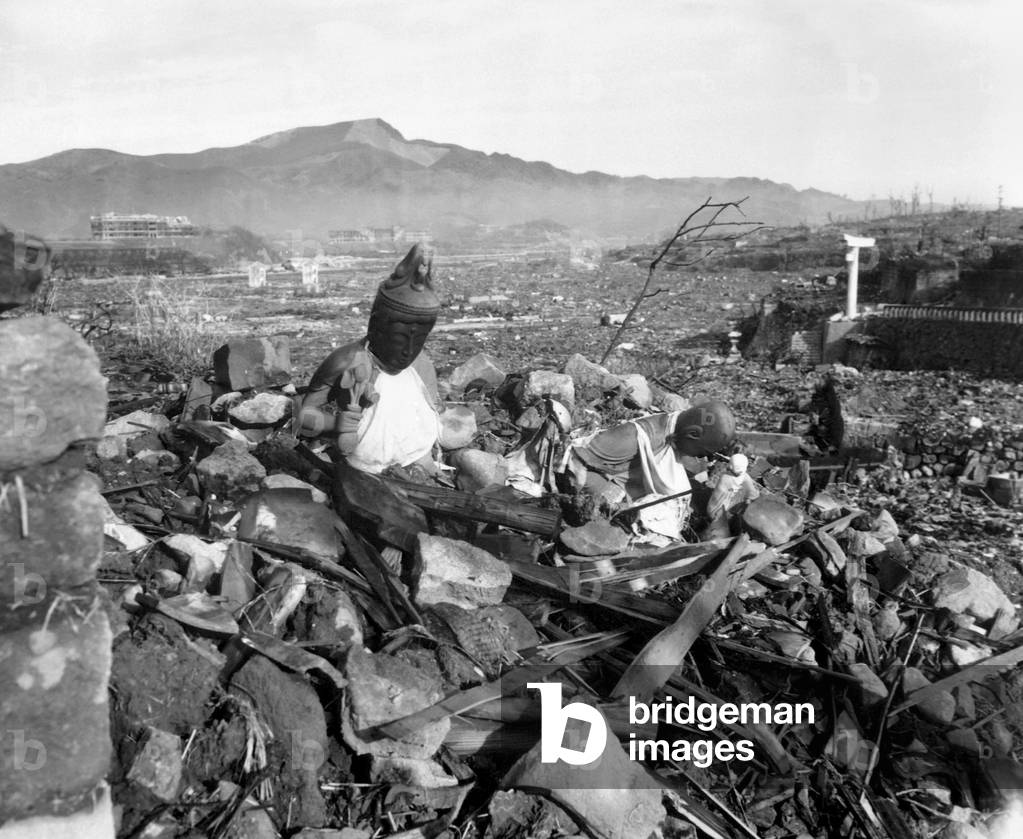
Ruins of Nagasaki, Japan, after atomic bombing of August 9, 1945. Battered religious figures are amid the rubble. Sept. 24, 1945

EVB2945501: Ruins of Nagasaki, Japan, after atomic bombing of August 9, 1945. Battered religious figures are amid the rubble. Sept. 24, 1945 / Bridgeman Images

65 mm guns captured from the Italians are transported to forward positions by Ethiopian solders. Italo-Ethiopian War, 1935-36

EVB2945528: 65 mm guns captured from the Italians are transported to forward positions by Ethiopian solders. Italo-Ethiopian War, 1935-36 / Bridgeman Images

FBI Director J. Edgar Hoover is lassoed by Texas Rangerettes at the Texas Expo. c. 1935-1940

EVB2945576: FBI Director J. Edgar Hoover is lassoed by Texas Rangerettes at the Texas Expo. c. 1935-1940 / Bridgeman Images

General Dwight Eisenhower with Prime Minister Winston Churchill. At left is General Sir Alan Brooke and at right is RAF General Sir Arthur Tedder. c. 1943-45. World War 2

EVB2945609: General Dwight Eisenhower with Prime Minister Winston Churchill. At left is General Sir Alan Brooke and at right is RAF General Sir Arthur Tedder. c. 1943-45. World War 2 / Bridgeman Images

Field Marshall Erich von Manstein with German military men on an inspection tour in Russia 1941-43. He lead major operations in Poland, France, and Russia before his dismissal by Hitler in March 30, 1944. World War 2

EVB2945663: Field Marshall Erich von Manstein with German military men on an inspection tour in Russia 1941-43. He lead major operations in Poland, France, and Russia before his dismissal by Hitler in March 30, 1944. World War 2 / Bridgeman Images

President Harry Truman addressing a joint session of Congress in Washington, on April 16, 1945. Truman became President four days after the sudden death of Franklin Roosevelt. World War 2

EVB2945699: President Harry Truman addressing a joint session of Congress in Washington, on April 16, 1945. Truman became President four days after the sudden death of Franklin Roosevelt. World War 2 / Bridgeman Images
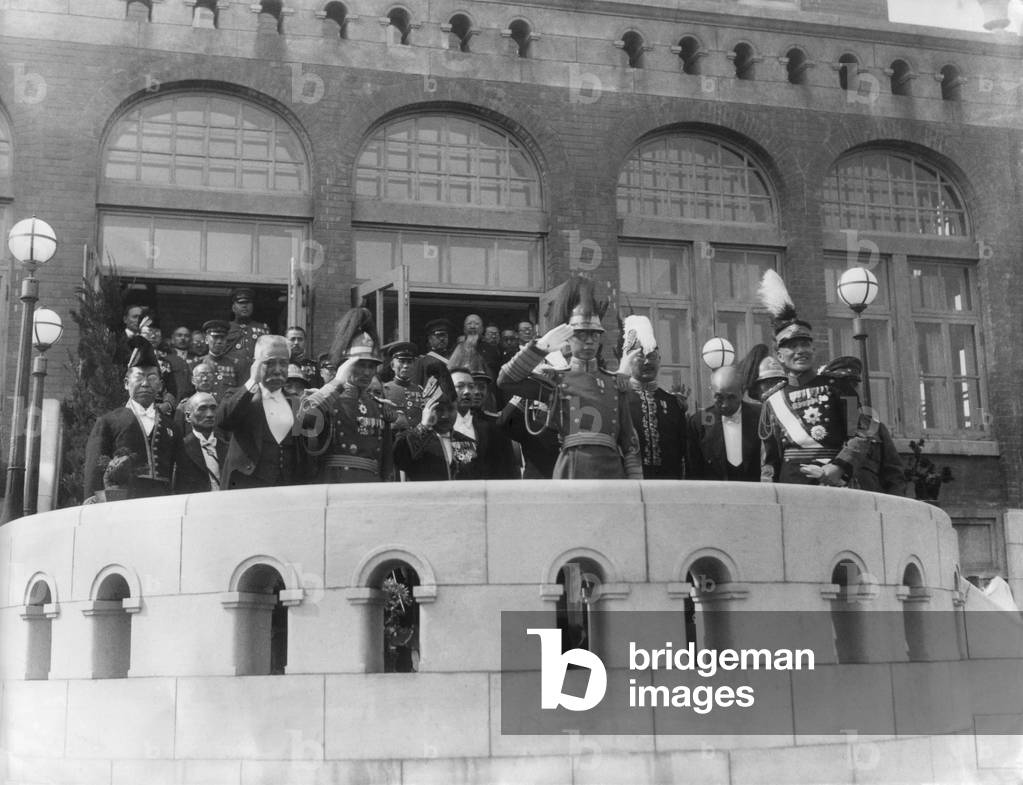
Emperor Pu-Yi of Manchukuo with his Japanese 'clients', all in dress uniform. Possibly at the formal recognition of Pu-Yi as the Emperor of Manchukuo. c. March 1, 1934

EVB2945514: Emperor Pu-Yi of Manchukuo with his Japanese 'clients', all in dress uniform. Possibly at the formal recognition of Pu-Yi as the Emperor of Manchukuo. c. March 1, 1934 / Bridgeman Images
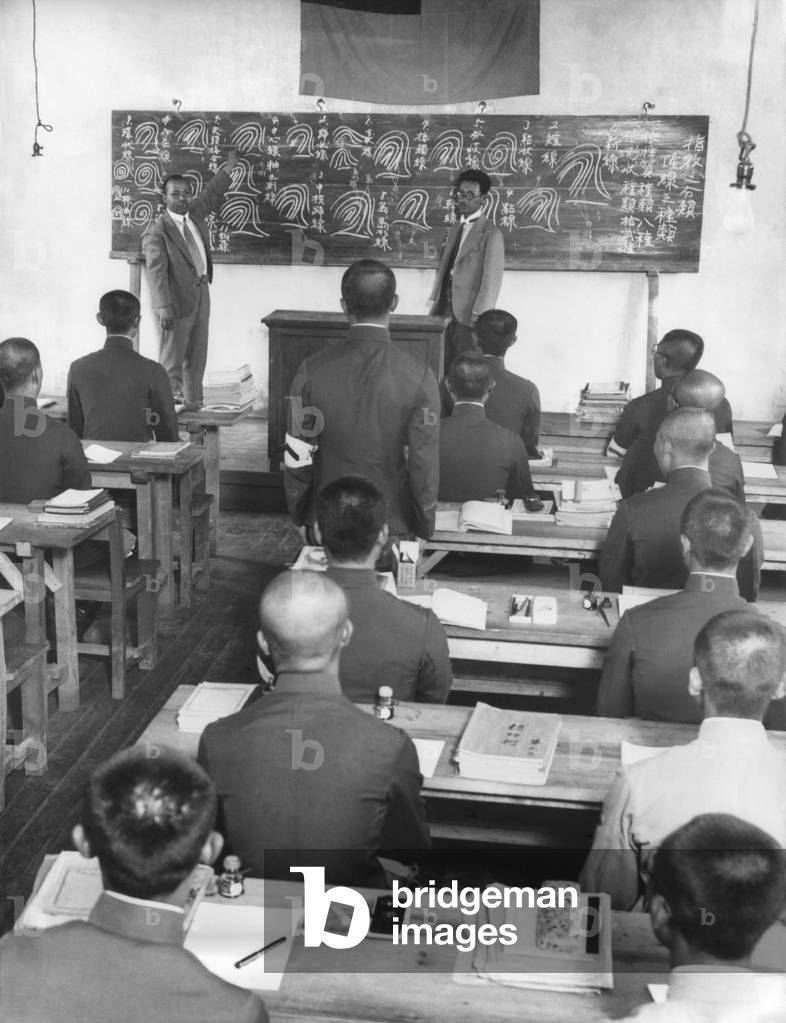
Japanese in Manchukuo create a new 100,000 police force in 60 days. Japanese instructors from Tokyo drill peasants in reading fingerprints. The instructor has an interpreter

EVB2945517: Japanese in Manchukuo create a new 100,000 police force in 60 days. Japanese instructors from Tokyo drill peasants in reading fingerprints. The instructor has an interpreter / Bridgeman Images
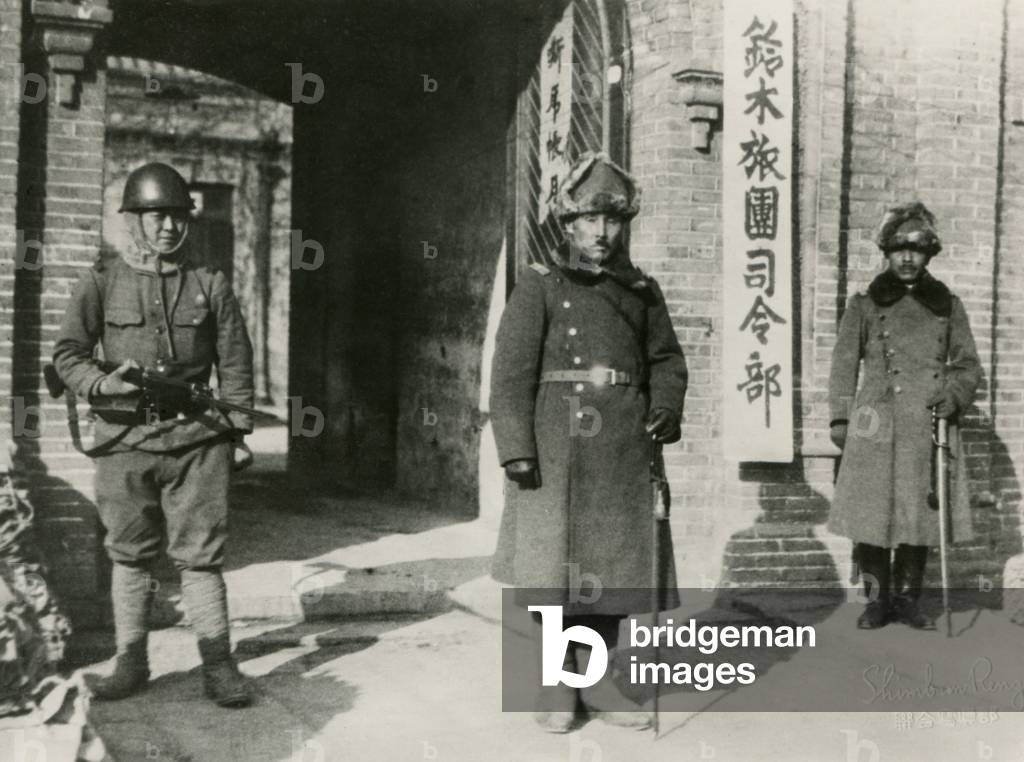
Major Gen. Sosaku Suzuki (center), head of Japanese army at his headquarters in Manchukuo (Manchuria). Feb. 7, 1933. Suzuki was killed in action in the Philippines on April 19, 1945

EVB2945526: Major Gen. Sosaku Suzuki (center), head of Japanese army at his headquarters in Manchukuo (Manchuria). Feb. 7, 1933. Suzuki was killed in action in the Philippines on April 19, 1945 / Bridgeman Images

Republican Celebration is the Madrid Bull Ring. Also called the Popular Front, the Republicans, held Madrid throughout most of the Civil War, finally falling to Nationalist Forces in March 1939. Spanish Civil War, 1936-1939

EVB2945532: Republican Celebration is the Madrid Bull Ring. Also called the Popular Front, the Republicans, held Madrid throughout most of the Civil War, finally falling to Nationalist Forces in March 1939. Spanish Civil War, 1936-1939 / Bridgeman Images

Charles Lindbergh with Kingman Brewster (left), chairman of the Yale News, and Richard M. Bissell. The famous aviator spoke at a meeting sponsored by the Yale University America First Committee on Oct. 30, 1940

EVB2945550: Charles Lindbergh with Kingman Brewster (left), chairman of the Yale News, and Richard M. Bissell. The famous aviator spoke at a meeting sponsored by the Yale University America First Committee on Oct. 30, 1940 / Bridgeman Images

German nationals leave Polish territory, supposedly fleeing persecution at hands of the Poles. Women and children pass through the German border fence, not far from Danzig. August 23, 1939. German propaganda was creating a crisis to justify their upcoming Sept. 1, 1939 invasion of Poland

EVB2945553: German nationals leave Polish territory, supposedly fleeing persecution at hands of the Poles. Women and children pass through the German border fence, not far from Danzig. August 23, 1939. German propaganda was creating a crisis to justify their upcoming Sept. 1, 1939 invasion of Poland / Bridgeman Images

J. Edgar Hoover with Edward G. Robinson and others on MGM Studio's lot set of 'Thunder In the City'. Sept. 28, 1937. On far right is actor Ralph Richardson

EVB2945577: J. Edgar Hoover with Edward G. Robinson and others on MGM Studio's lot set of 'Thunder In the City'. Sept. 28, 1937. On far right is actor Ralph Richardson / Bridgeman Images

Admiral William Halsey visiting a sandbagged hospital dugout at Bougainville. The soldier is receiving a saline injection after an appendectomy in South Pacific during World War 2. c. 1943-44

EVB2945622: Admiral William Halsey visiting a sandbagged hospital dugout at Bougainville. The soldier is receiving a saline injection after an appendectomy in South Pacific during World War 2. c. 1943-44 / Bridgeman Images


Back to top