2491528 Search Results

COY3849569: Mariinsky (formerly Kirov) Ballet 'La Valse' (photo), Conway, Dee (b.1947) / Bridgeman Images
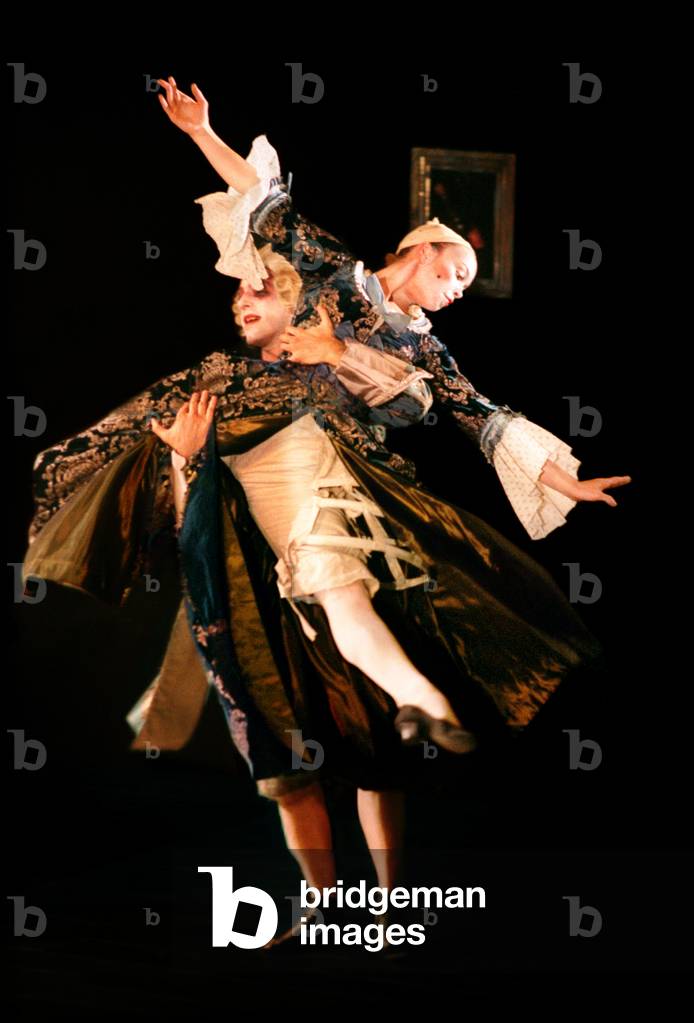
LEL3849600: Pleasure's Progress - The Piazza, Lewis, Laurie / Bridgeman Images
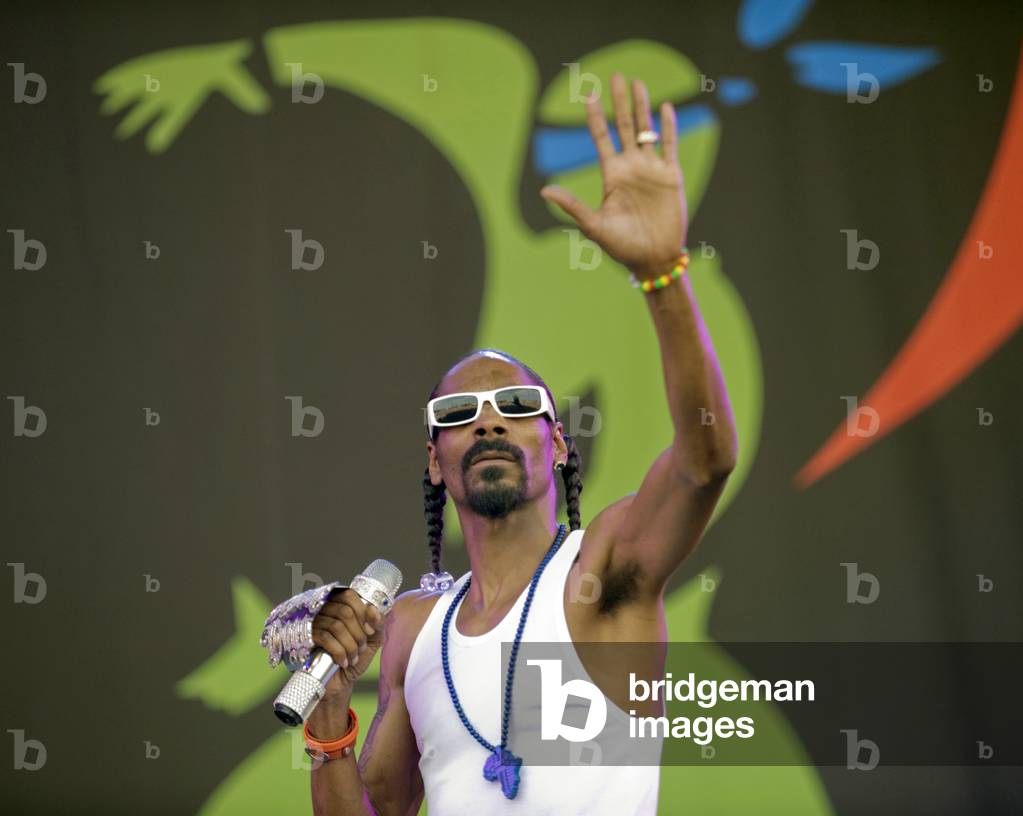
BLA3849813: Glastonbury Festival June 2010, Black, Steve / Bridgeman Images

COY3849573: Mariinsky Ballet in Lavrovsky's 'Romeo & Julyiet' (photo), Conway, Dee (b.1947) / Bridgeman Images

COY3849579: Tavaziva Dances in 'Worlds Apart' (photo), Conway, Dee (b.1947) / Bridgeman Images
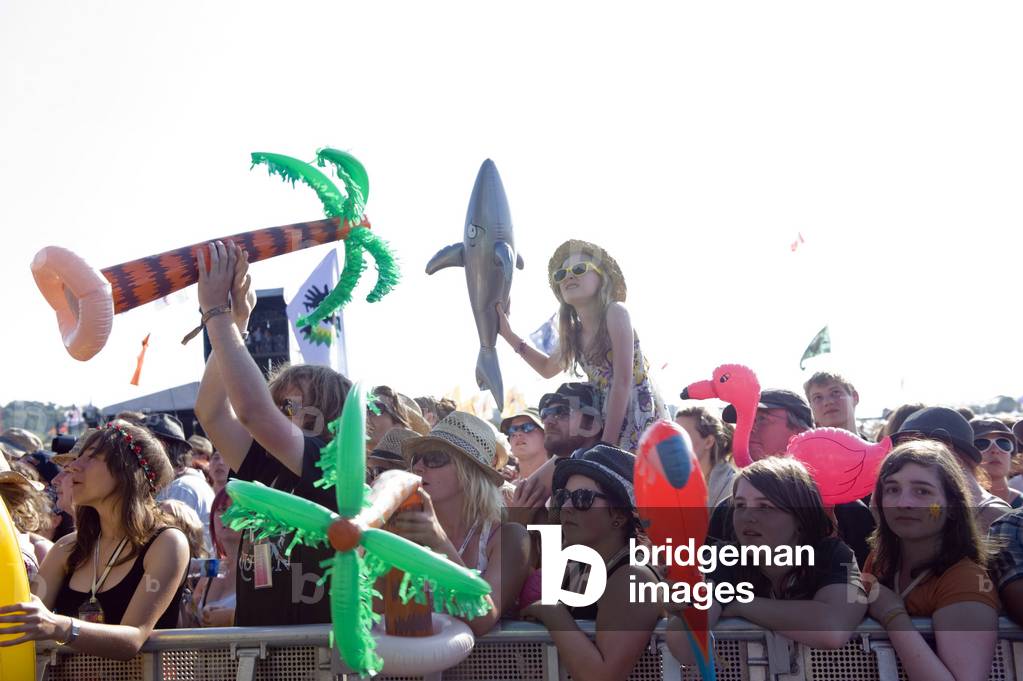
BLA3849658: Glastonbury Festival 2010, Black, Steve / Bridgeman Images

KOL3850197: The Flying Dutchman by Richard Wagner. In the left crew of Daland, right side crew of Flying Dutchman, Turku, Finland, 13 August 2005., Kolho, Matti / Bridgeman Images

SKC3850144: Tenor Trombone player, Stock, Chris / Bridgeman Images

KOL3850215: The Flying Dutchman by Richard Wagner. In the left crew of Daland, right side crew of Flying Dutchman, Turku, Finland, 13 August 2005., Kolho, Matti / Bridgeman Images

BLA3850180: Birds with Sky Mirrors by MAU, Edinburgh Festival, Black, Steve / Bridgeman Images

MOE3850097: Die Walkure Act 3, Moore, Rob / Bridgeman Images

MOE3850115: Die Walkure Act 3, Moore, Rob / Bridgeman Images

SKC3850145: Tenor Trombone player, Stock, Chris / Bridgeman Images

BLA3850184: Birds with Sky Mirrors by MAU, Edinburgh Festival, Black, Steve / Bridgeman Images

KOL3850214: The Flying Dutchman by Richard Wagner. In the left crew of Daland, right side crew of Flying Dutchman, Turku, Finland, 13 August 2005., Kolho, Matti / Bridgeman Images

KOL3850223: The Flying Dutchman by Richard Wagner. In the left crew of Daland, right side crew of Flying Dutchman, Turku, Finland, 13 August 2005., Kolho, Matti / Bridgeman Images

KEI3850391: Christopher Brookmyre (photo), Keightley, Pauline / Bridgeman Images

PRL3850441: Bob Dylan in concert in Uk, 2010 (photo), Jay Price, Simon / Bridgeman Images
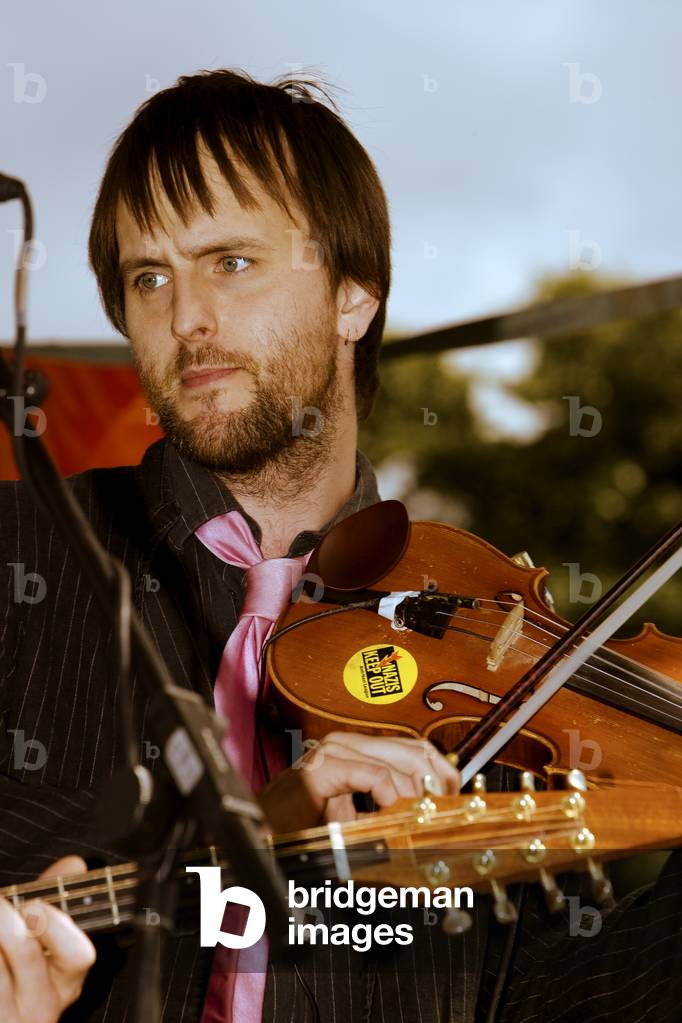
PRL3850456: Jon Boden from Bellowhead, Jay Price, Simon / Bridgeman Images

PRL3850486: The Joy Formidable, Jay Price, Simon / Bridgeman Images

PRL3850504: Ry Cooder & Nick Lowe, Jay Price, Simon / Bridgeman Images

PRL3850507: Dr. John, Jay Price, Simon / Bridgeman Images

PRL3850519: Blondie, Jay Price, Simon / Bridgeman Images

BLA3850423: Grupo Corpo at the Edinburgh Festival, Black, Steve / Bridgeman Images

BLA3850380: Tam Dean Burn as Robert Blackwood in Caledonia, Black, Steve / Bridgeman Images
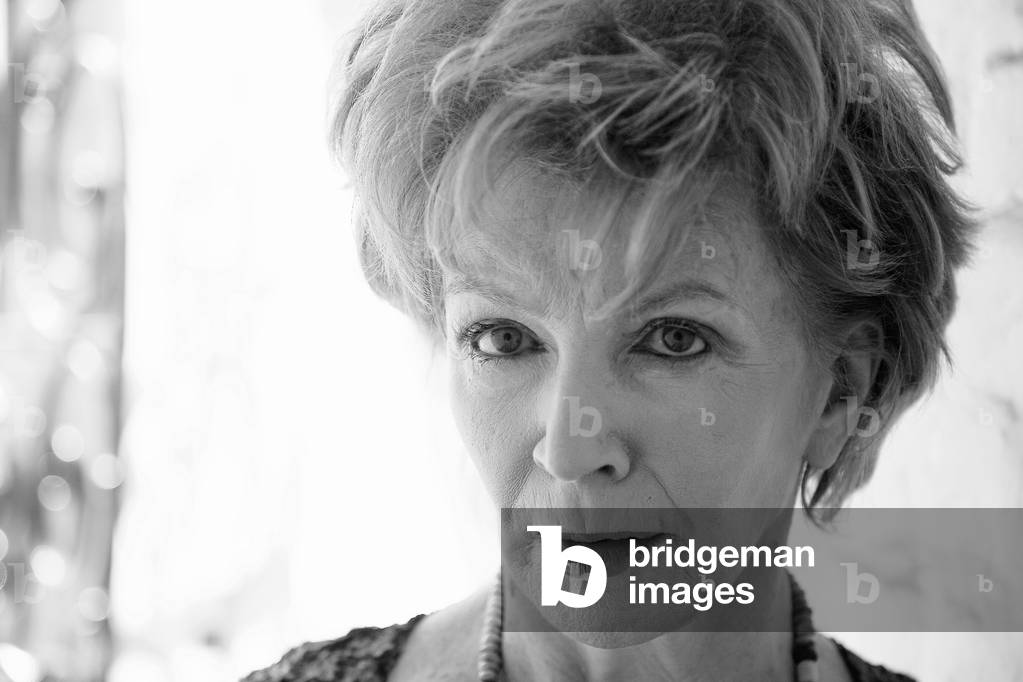
PRL3850449: Edna O'Brien, Jay Price, Simon / Bridgeman Images

KEI3850410: Michael Rosen (photo), Keightley, Pauline / Bridgeman Images

PRL3850500: Ry Cooder & Nick Lowe, Jay Price, Simon / Bridgeman Images
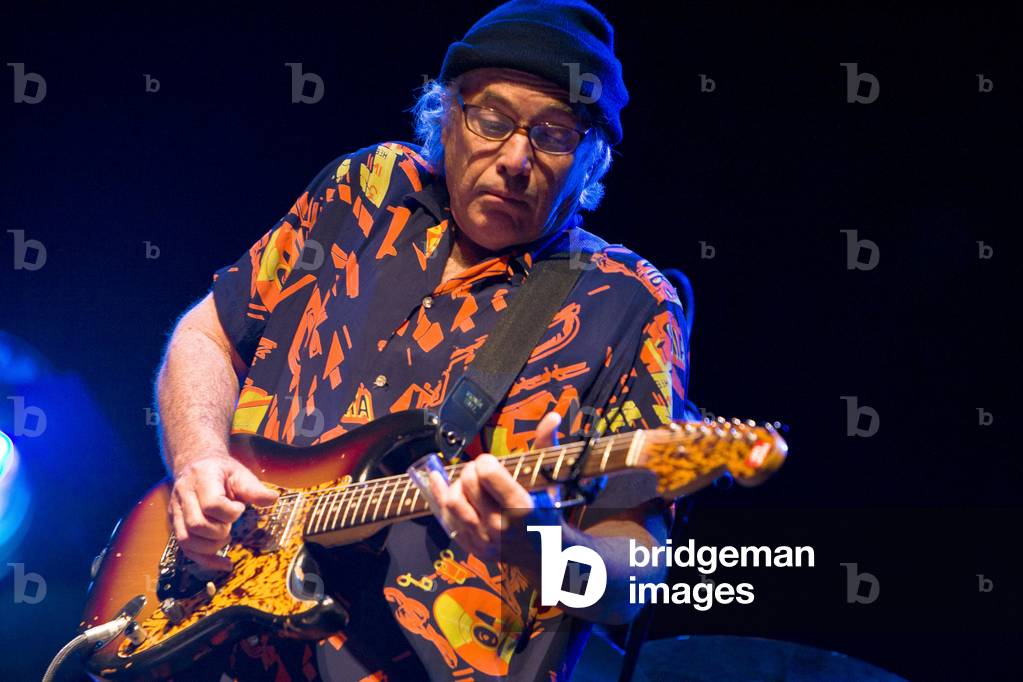
PRL3850503: Ry Cooder & Nick Lowe, Jay Price, Simon / Bridgeman Images

PRL3850521: Richard Thompson, Jay Price, Simon / Bridgeman Images
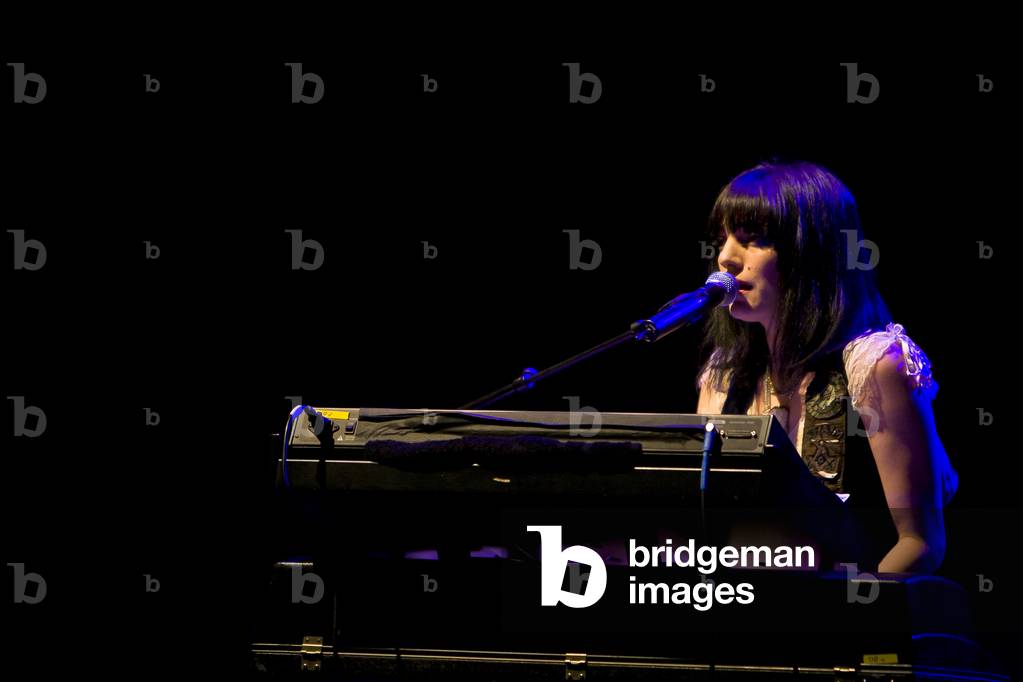
PRL3850472: Juliette Commagere, Jay Price, Simon / Bridgeman Images
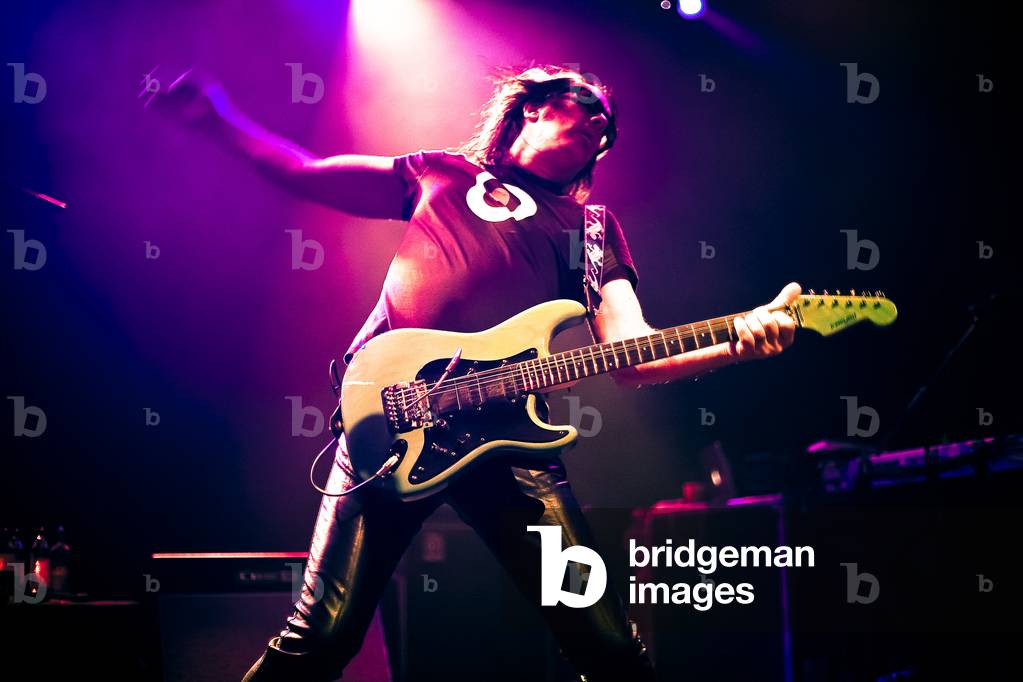
PRL3850560: Todd Rundgren, Jay Price, Simon / Bridgeman Images

PRL3850517: Van Morrison, Jay Price, Simon / Bridgeman Images

YAS3850587: Eliza Doolittle / Bridgeman Images
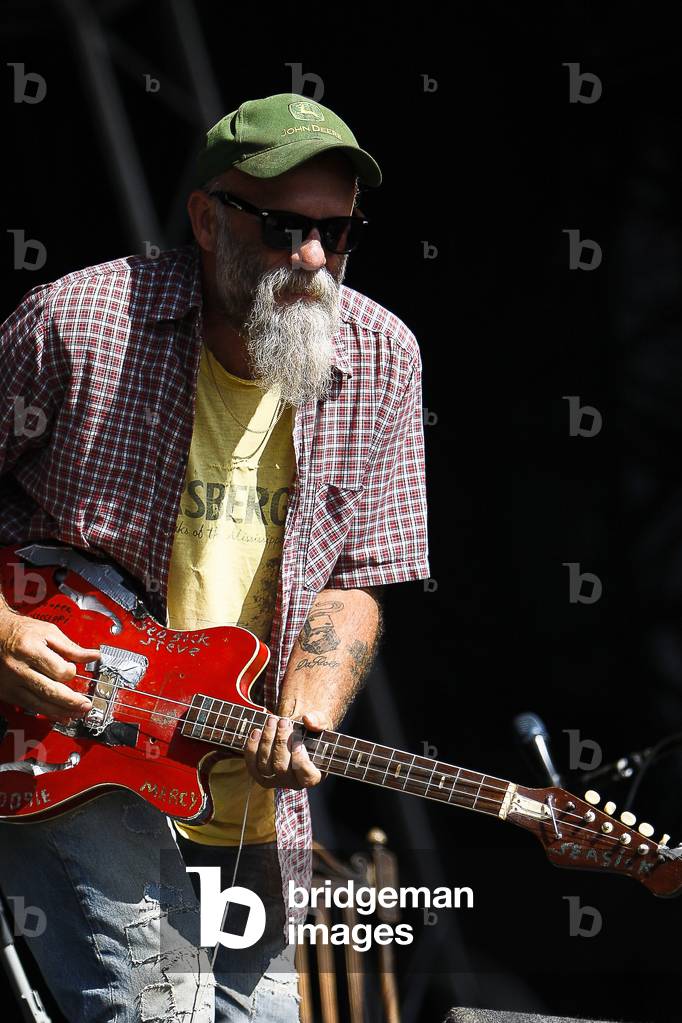
PRL3850535: Seasick Steve, Jay Price, Simon / Bridgeman Images
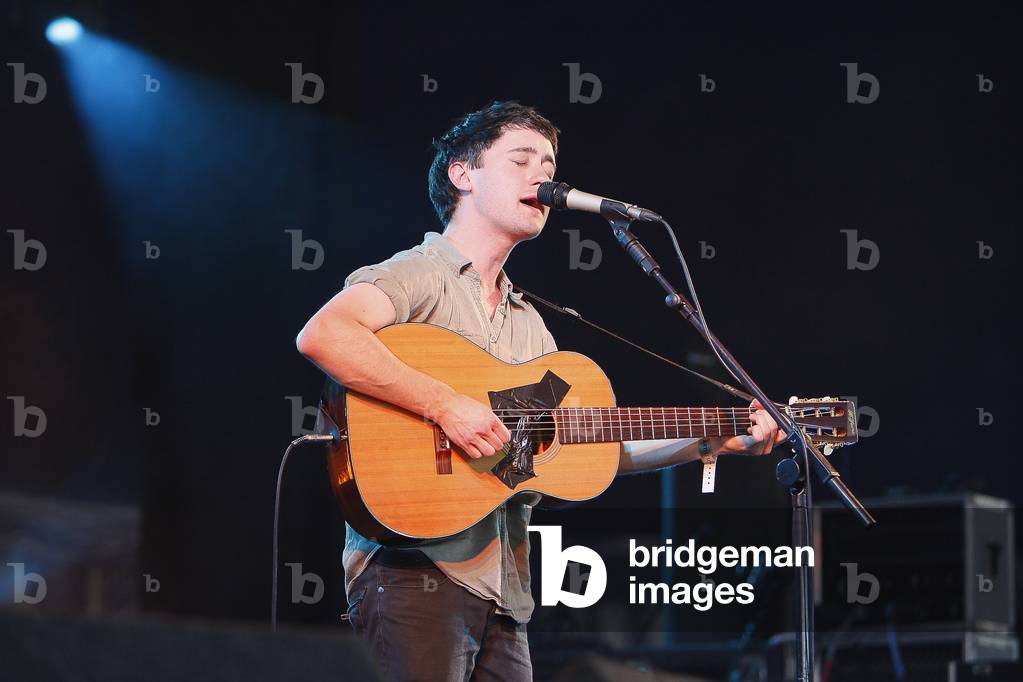
PRL3850544: Villagers, Jay Price, Simon / Bridgeman Images
