2491513 Search Results
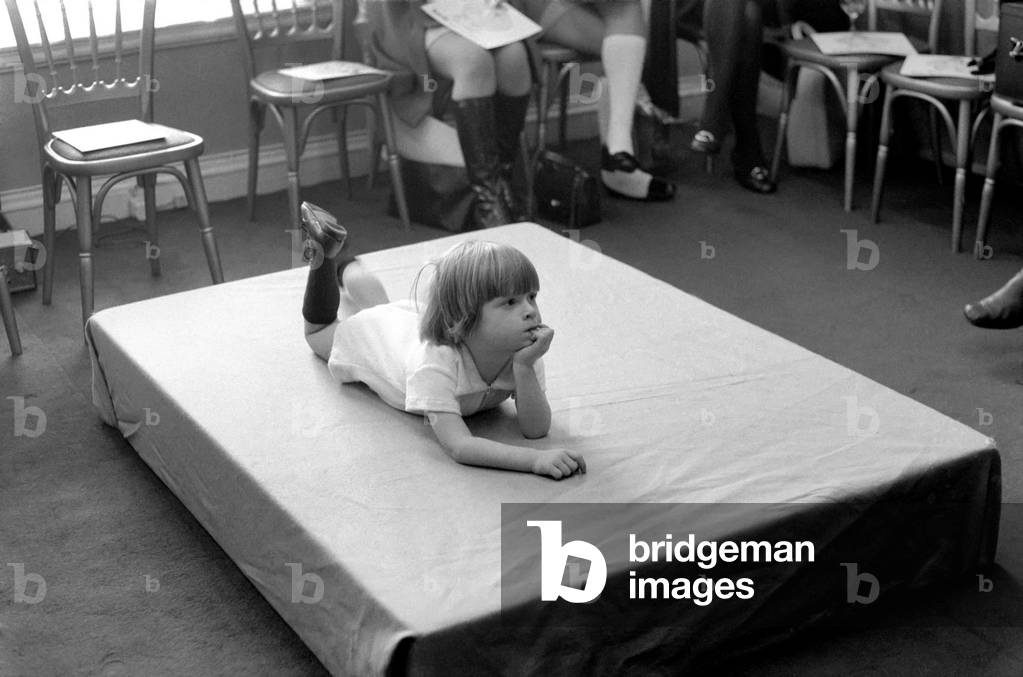
MPX5077328: It's a pretty spring for children at Tick-A-Tee with a collection of super swinging co-ordinates, dresses and separate, shown in Conduit Street, by "Groovy Baby Ian Doody", and his girl friends. This young model became bored with the whole proces and decide to lie down on the job. November 1969 / Bridgeman Images
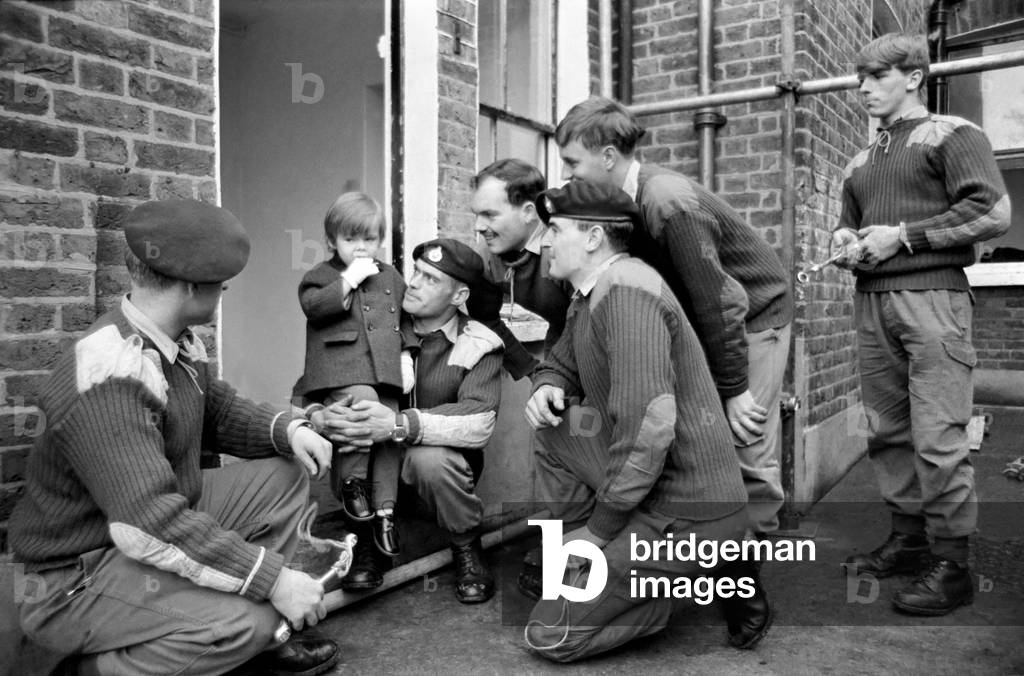
MPX5077379: Mark Diment meets the six marines who are working on his special play area, at the Chancellor Grove, West Norwood home where he will soon be moving. November 1969 / Bridgeman Images
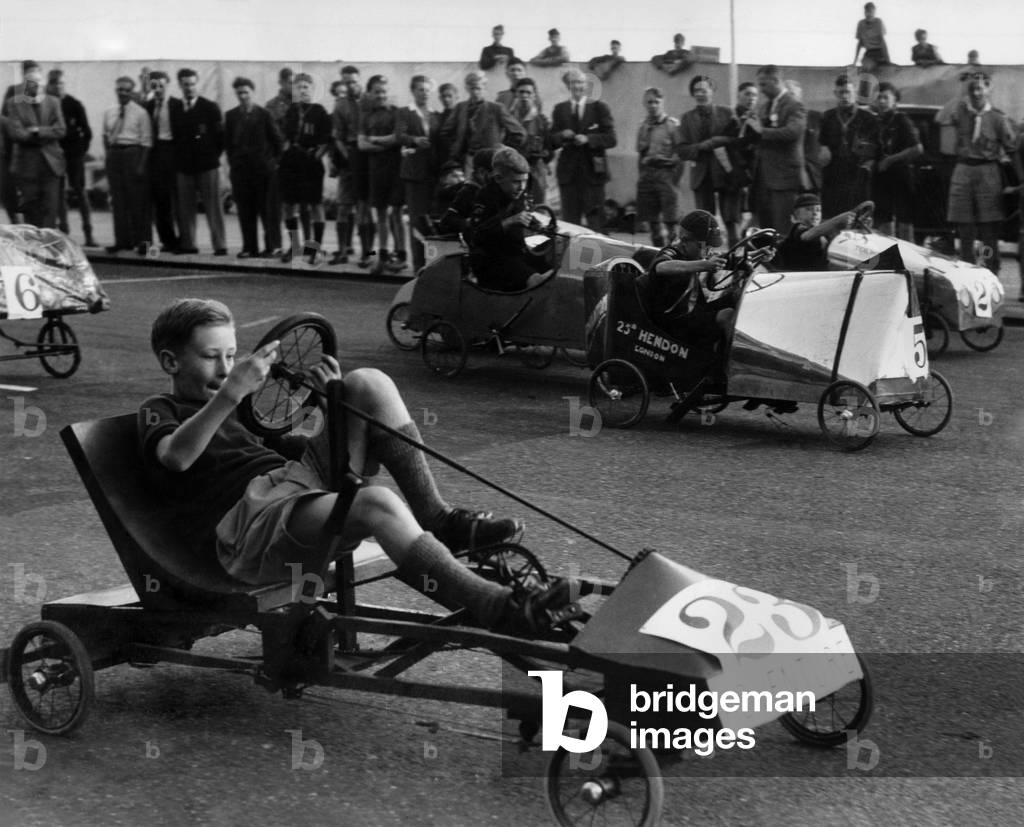
MPX5077410: Scouts Soap Box Derby at Brighton circa 1948. / Bridgeman Images
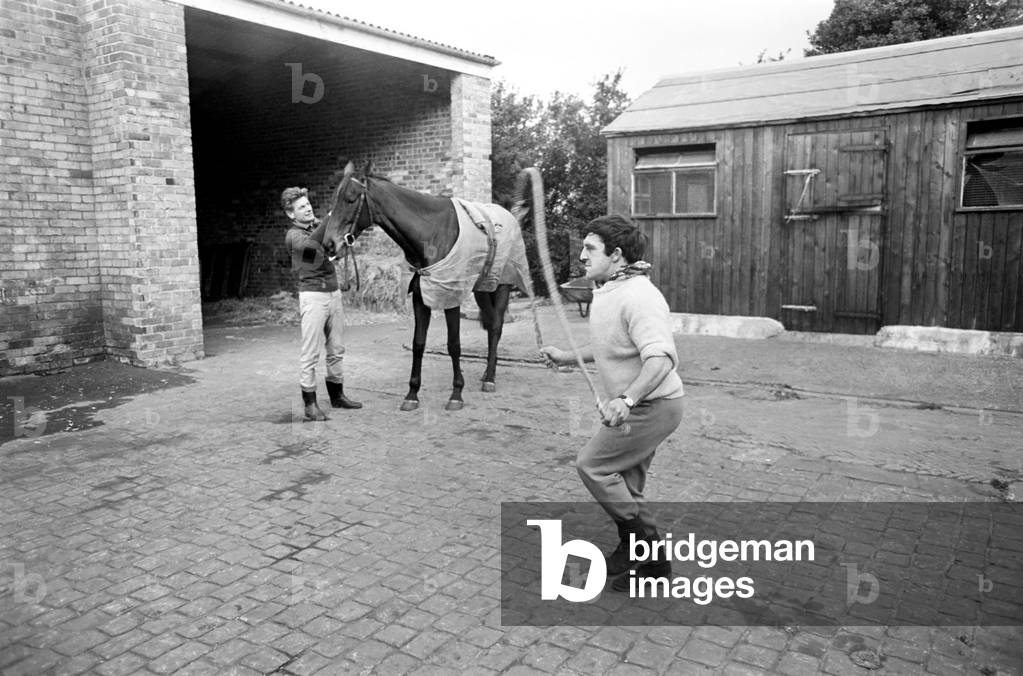
MPX5077425: Jockey Billy Ellison training in the stable yard. November 1969 / Bridgeman Images
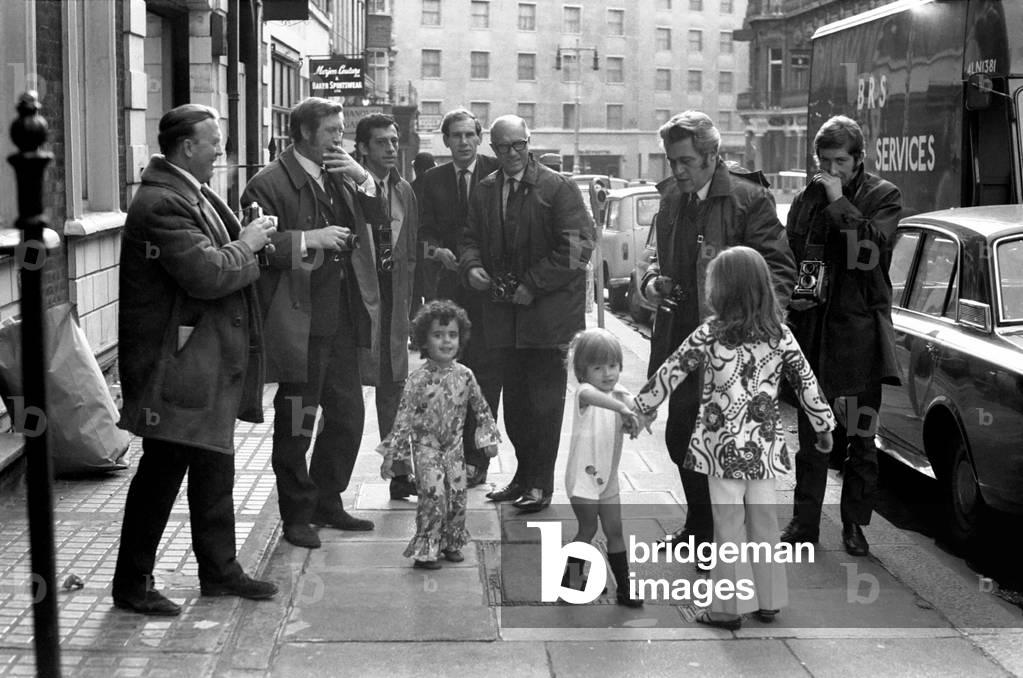
MPX5077282: It's a pretty spring for children at Tick-A-Tee with a collection of super swinging co-ordinates, dresses and separate, shown in Conduit Street, by "Groovy Baby Ian Doody", and his girl friends. November 1969 / Bridgeman Images
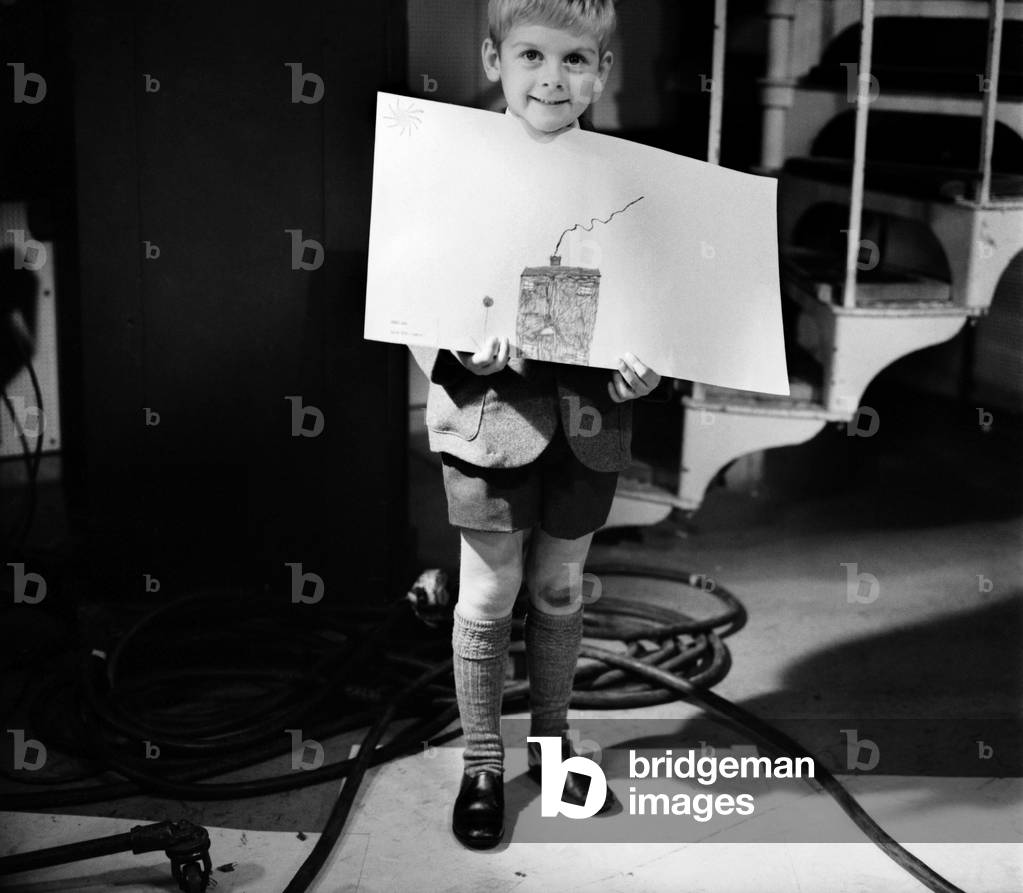
MPX5077300: Children from The Glebe Primary School, Sussex Road, invited to illustrate 16 different categories of weather ranging from foggy nights to sunny days. At Thames Television Studio's. Children of The Glebe Primary School arriving at Television House, Kingsway brandishing their weather paintings. November 1969 / Bridgeman Images
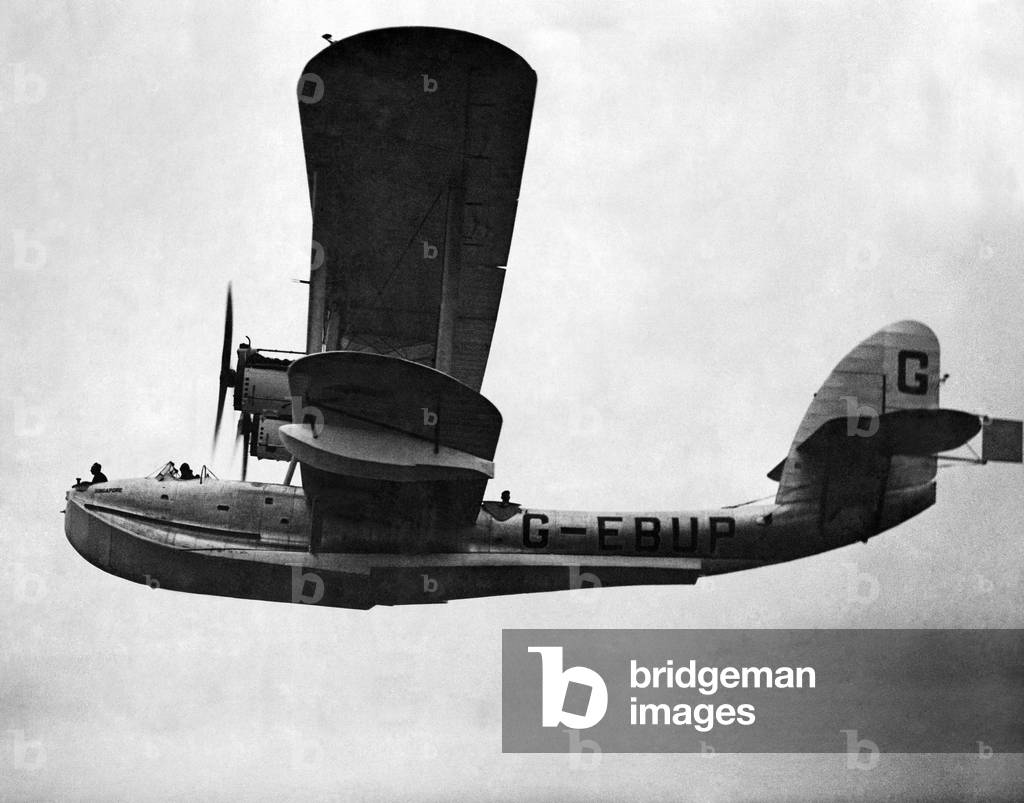
MPX5077315: Singapore Flying Boat: South African Survey. The short Rolls Singapore Flying boat in flight. November 1927 / Bridgeman Images
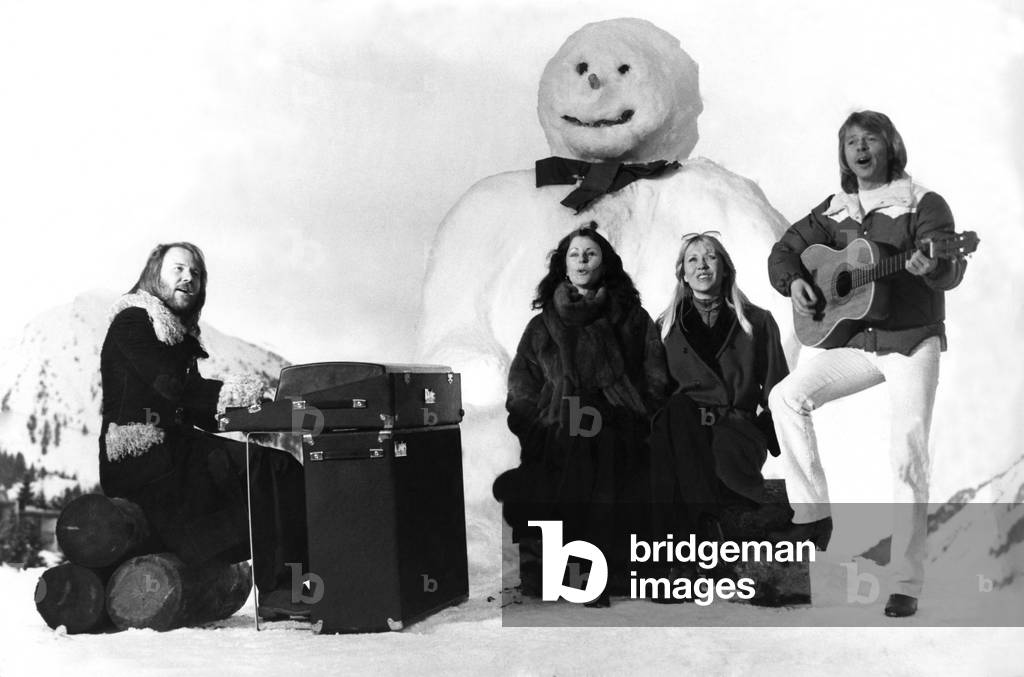
MPX5077327: ABBA recording Alpine Spectacular in Leysin, Switzerland, for BBC. February 1979 / Bridgeman Images
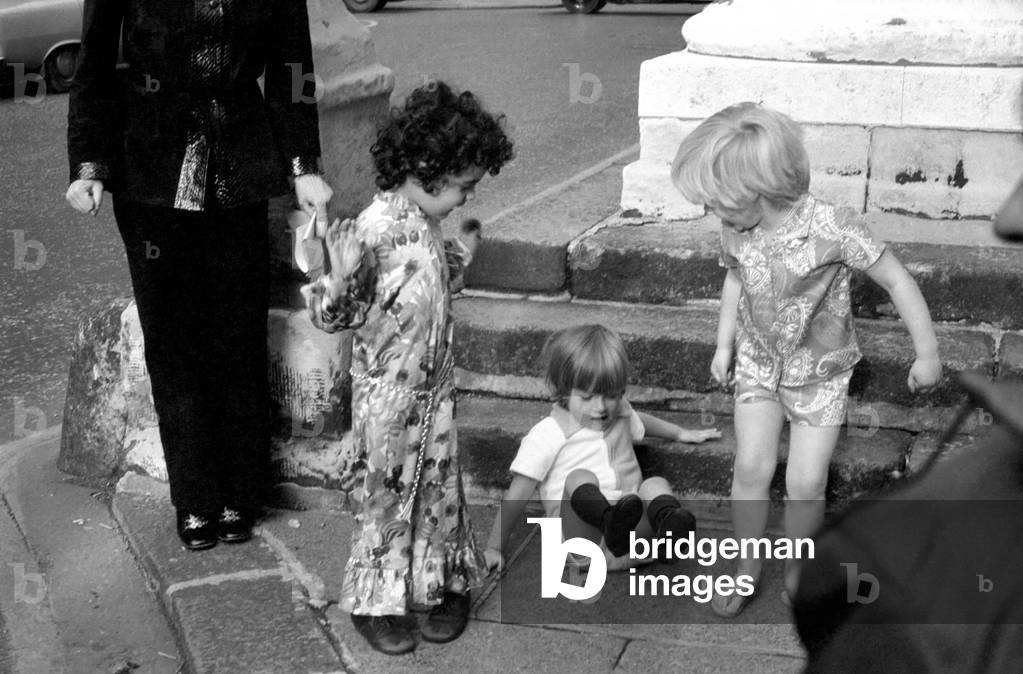
MPX5077348: It's a pretty spring for children at Tick-A-Tee with a collection of super swinging co-ordinates, dresses and separate, shown in Conduit Street, by "Groovy Baby Ian Doody", and his girl friends. November 1969 / Bridgeman Images
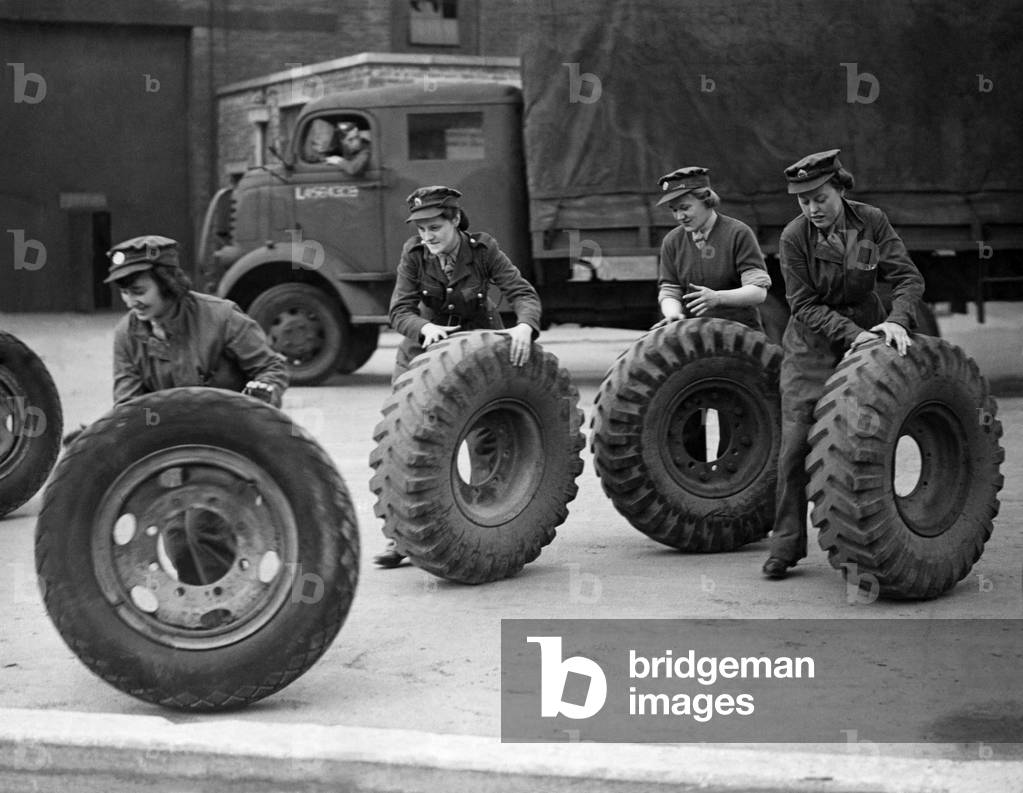
MPX5077394: Who pinched the lorry? ATS girls at Western Command Ordinance factory rolling out tyres for Army trucks. Every bit of rubber helps the war effort. October 1942 / Bridgeman Images
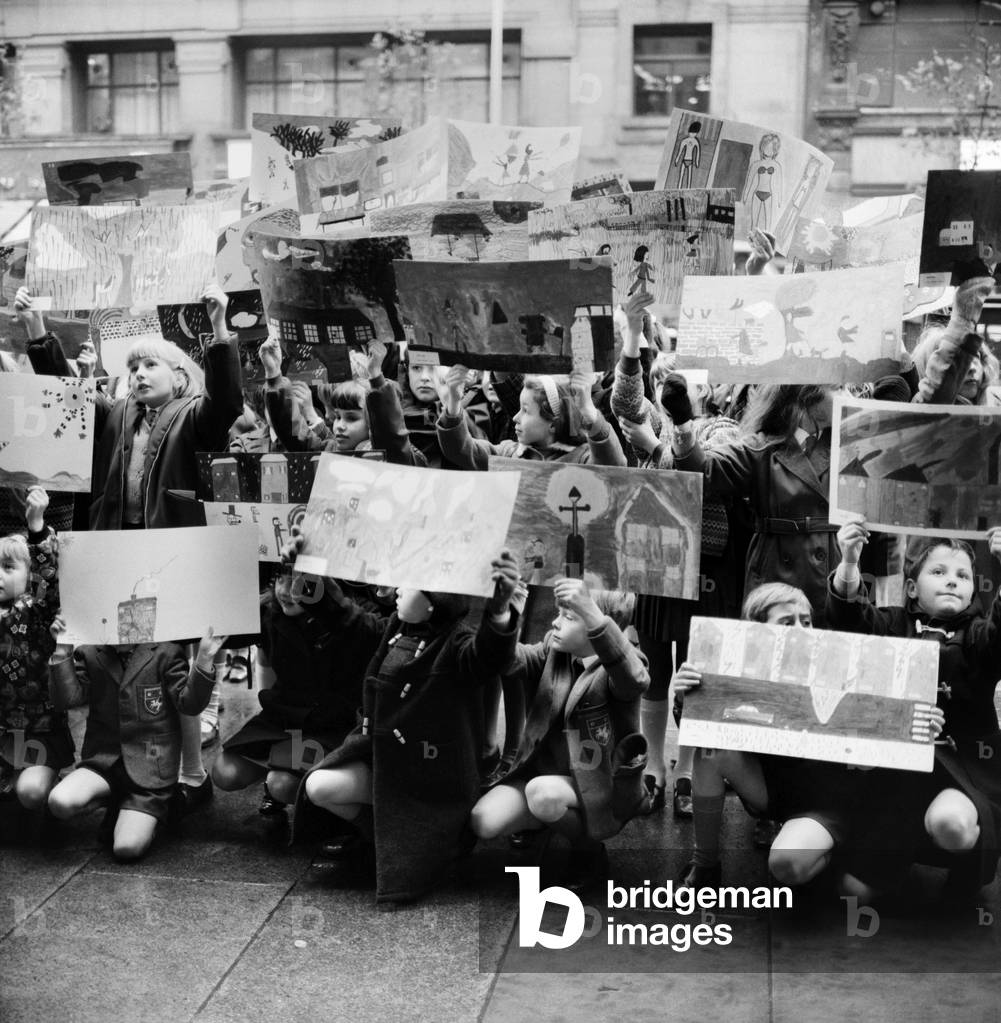
MPX5077415: Children from The Glebe Primary School, Sussex Road, invited to illustrate 16 different categories of weather ranging from foggy nights to sunny days. At Thames Television Studio's. Children of The Glebe Primary School arriving at Television House, Kingsway brandishing their weather paintings. November 1969 / Bridgeman Images
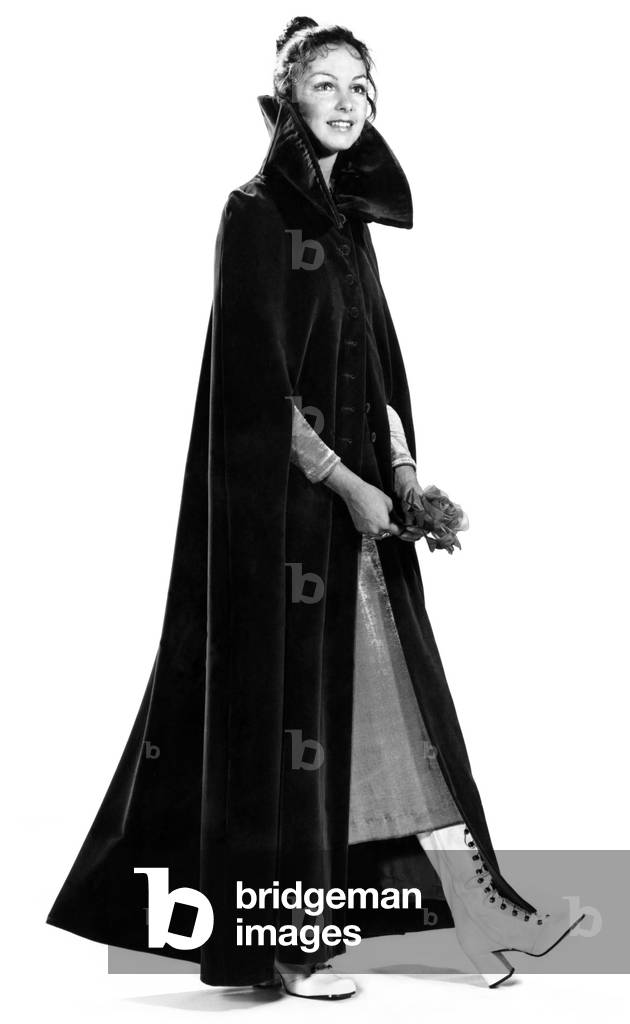
MPX5077451: Clothing: We dressed Biddy Lampard in a "nun"-like dark purple cape, £19 5s., from Biba, Kensington, London, W.8, worn over a silver-grey velvet dress. November 1970 / Bridgeman Images

MPX5077466: The Y.M.C.A. "British boys for British farms" scheme which started in 1932 has hostels for boys from 14 yrs of age at Stratford on Avon, Bristol, Hornsey and two near Derby at Mammerton and Parkhill. Learning how to cut and bind. c. 1932 / Bridgeman Images
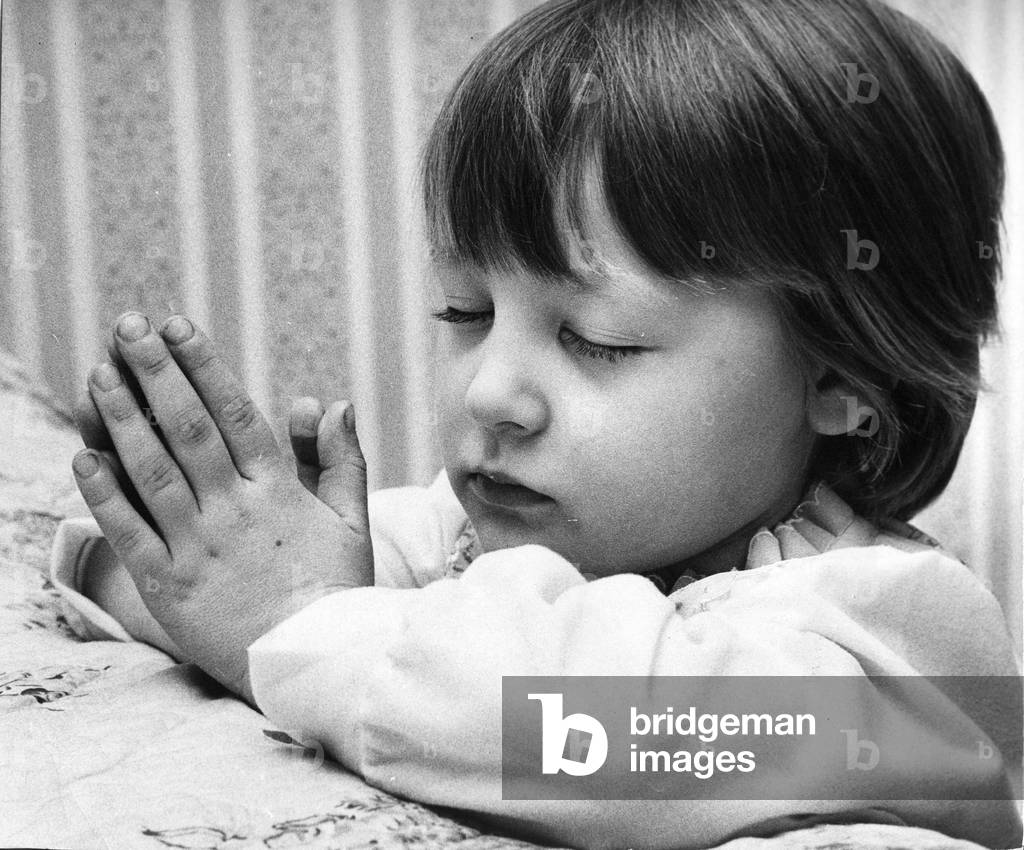
MPX5077182: Young Denise Woodhouse praying like a little angel. C. 1970 / Bridgeman Images
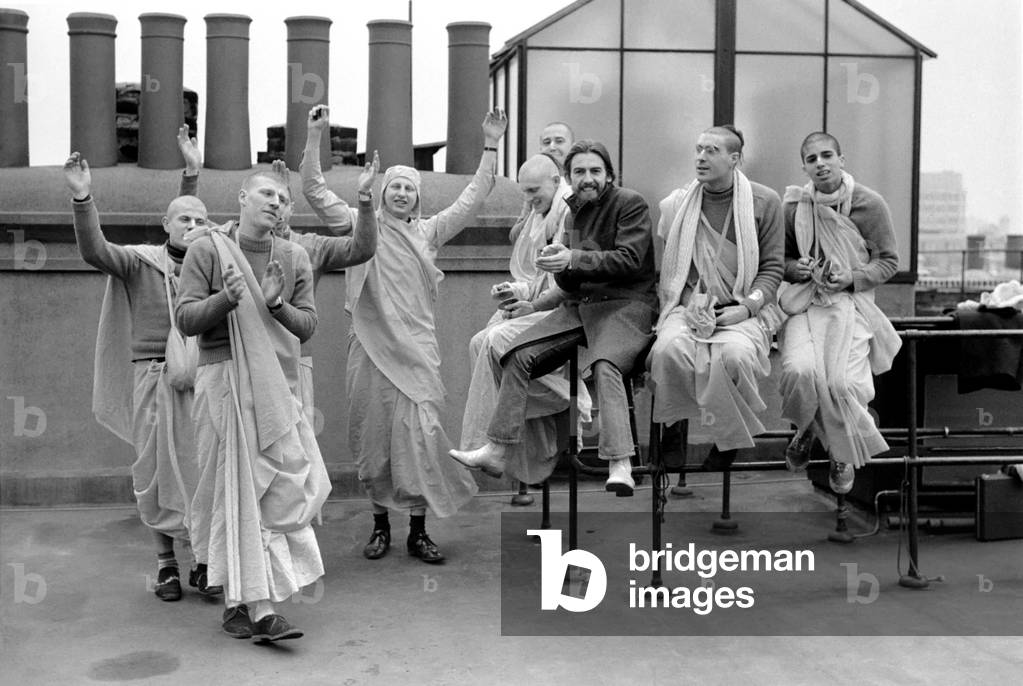
MPX5077233: George Harrison with the Radha Krishna. March 1970 / Bridgeman Images
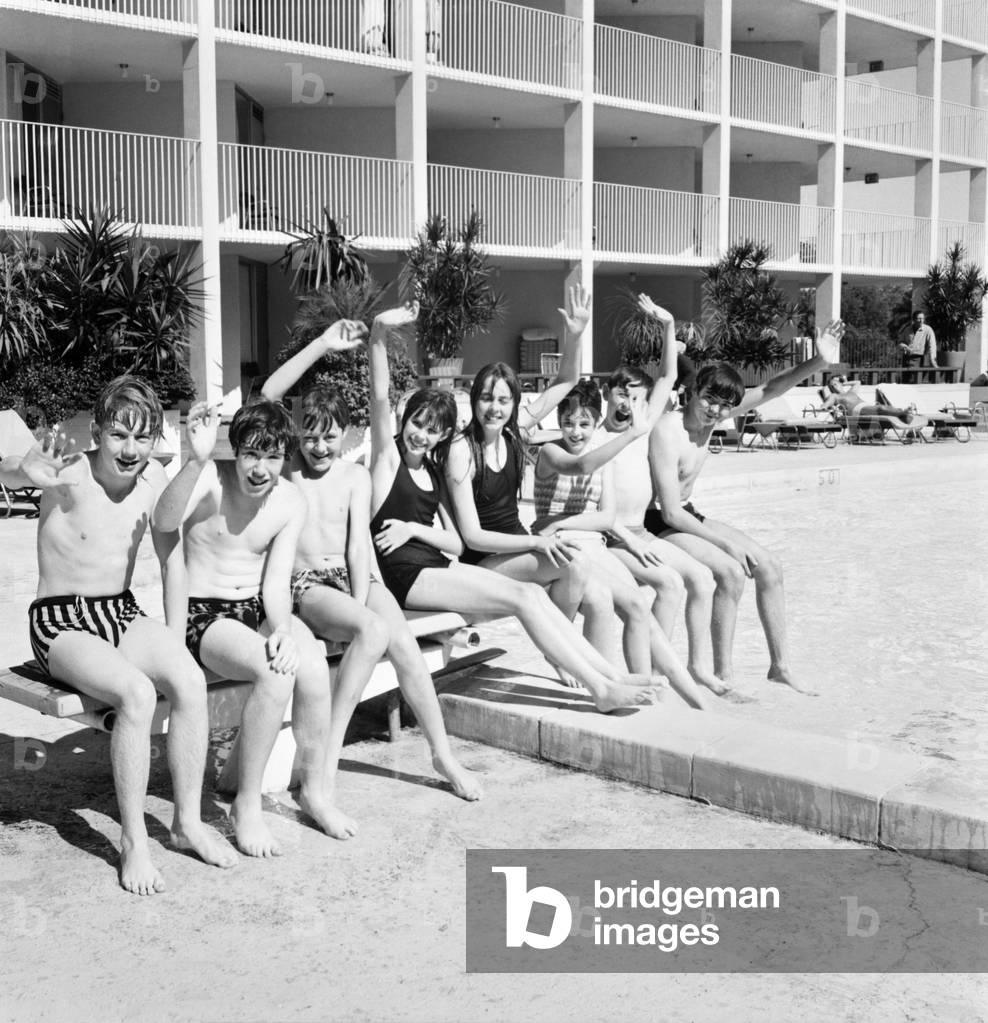
MPX5077350: Holiday makers bathing in the pool at the Robert Meyer Hotel, Orlando, Florida, USA. November 1969 / Bridgeman Images
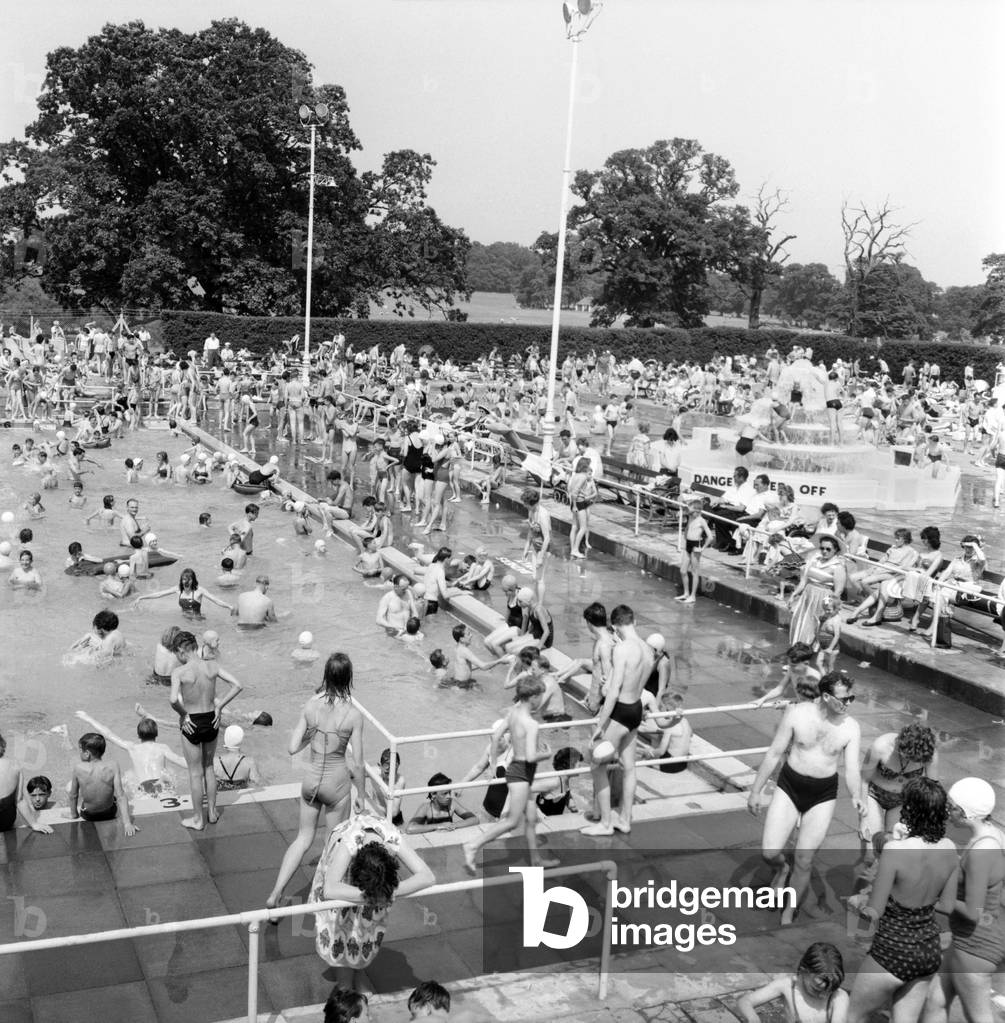
MPX5077362: Whitsun bank holiday crowds flock to the Brockwell Lido, an open-air swimming pool built in 1937 June 1960 / Bridgeman Images
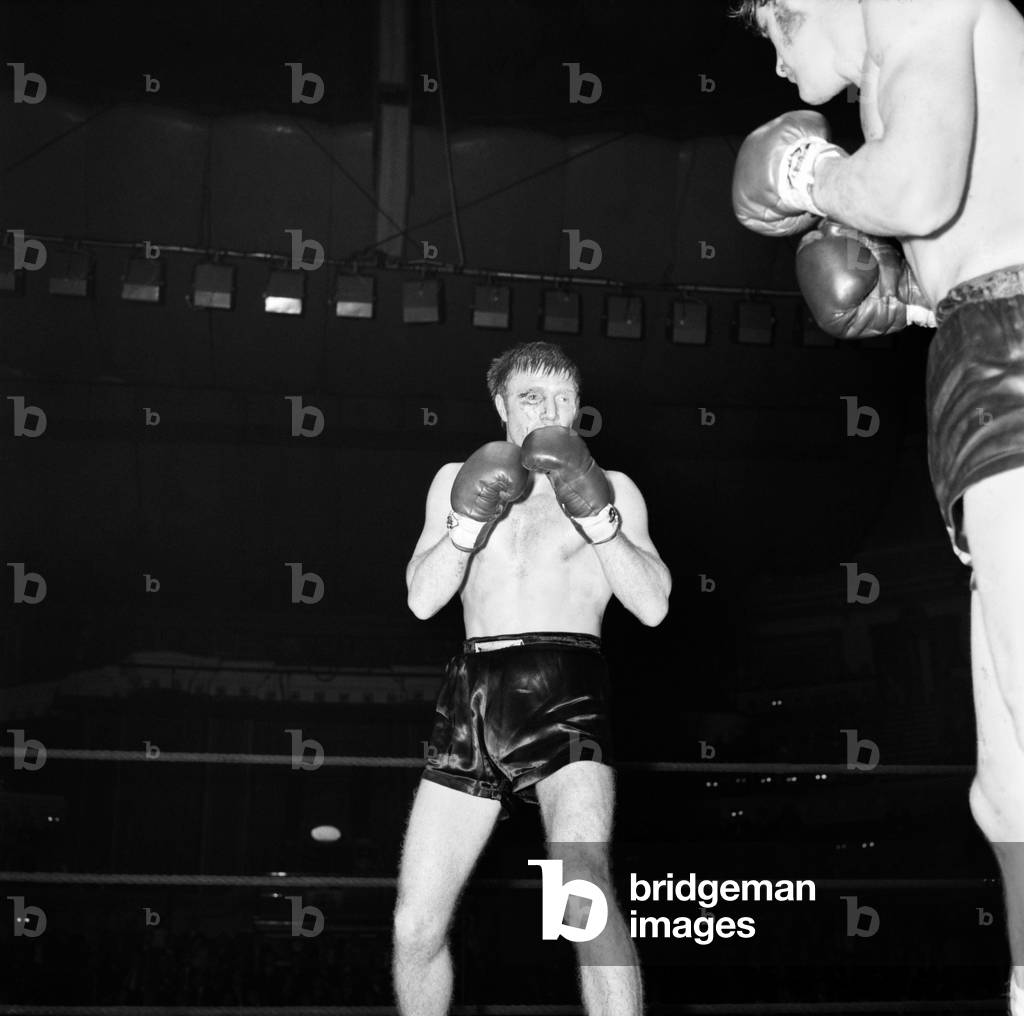
MPX5077365: Welterweight boxing at the Royal Albert Hall Ralph Charles v. Chuck Henderson. November 1969 / Bridgeman Images
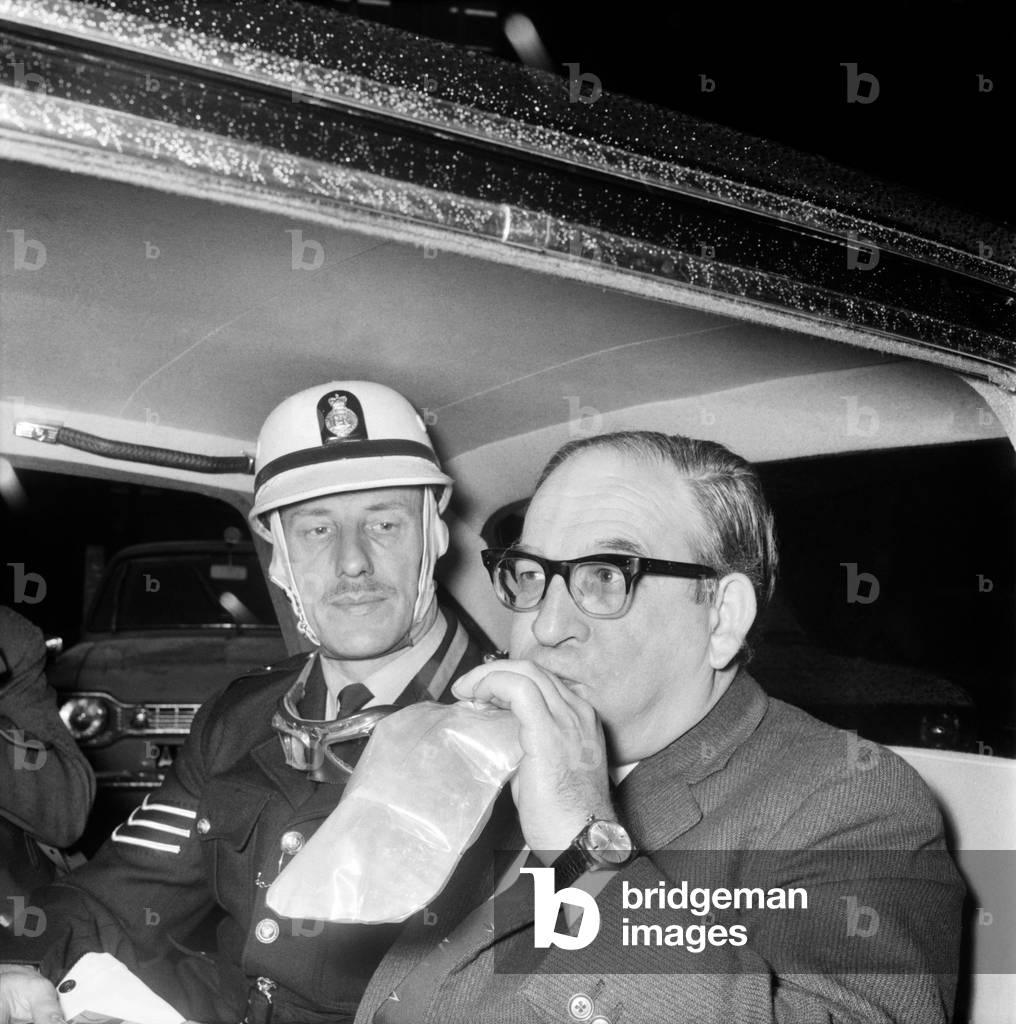
MPX5077408: Politics. Transport. Road safety: The Minister of Transport, Mr. Fred Mulley was 'breathalysed' this morning from Police Sergeant Syd Furner, and then had a blood sample taken by experimental Lab Technician Gillian Martin as a demonstration for the Press. The Minister blowing into the bag, in the back of his car for Sergeant Syd Furner. November 1969 / Bridgeman Images

MPX5077552: Leaving for New York - Ingrid Bergman, who has become a grandmother for the first time - daughter Pia had a baby son two days ago. Miss Bergman was very excited as she flew to see them, with a present for the baby. December 1972 / Bridgeman Images

MPX5077561: David Bedford smashed the world 10,000 meters record at Crystal Palace with a time of 27mins 31secs and gestures to the press in attendance. July 1973 / Bridgeman Images

MPX5077582: Woman poses for pictures modeling a bikini. November 1969 / Bridgeman Images

MPX5077585: 83 year old Percy Dunlop who has just been awarded the MBE and is still working as a full-time teacher at Star Lane primary school, Canning Town. November 1969 / Bridgeman Images

MPX5077478: A flash-back in a movie is easily done. The scenes are shot on different days and the two pieces of film put together by the film editor. Not so on the stage. For Eric Porter in his new play has to change for 35 to 55 and then to 85 without leaving the stage. November 1969 / Bridgeman Images

MPX5077514: The British Airliner "City of Liverpool" in which 15 people were Killed near Dixmude, Belgium. March 1933 / Bridgeman Images

MPX5077627: 28 year old Nicole Shelby, an actress who will be appearing with Benny Hill in his show and also in a special film which Benny wrote the script called "Eddie in August". November 1969 / Bridgeman Images

MPX5077595: Boy playing rugby with his pet chimp Charles at the Longleat Lion Reserve All is going well, except when Charles gets the ball, and converts a try up the nearest tree. November 1969 / Bridgeman Images

MPX5077607: Hexagon Motors of Highgate. Aston Martin. December 1974 / Bridgeman Images

MPX5077634: The 25th Open Tennis Tournament at the Palace Hotel, Torquay. Ladies Singles Mrs. Ann Jones in action. November 1969 / Bridgeman Images

MPX5077681: L-R Mary McCartney being carried by Benny Lane, Billy McCaldrey, Paul and Linda McCartney. February 1972 / Bridgeman Images

MPX5077640: The Nolan Sisters: Six lovely young ladies aged from 9 to 24 years are appearing in The Harry Secombe Christmas Show on Sunday, 29th December. They are the Nolan Sisters and they live at Ilford. L/R Maureen (20), Linda (15), Anne (24), Bernadette (14), Denise (22), and Coleen (9) in front of group. December 1974 / Bridgeman Images

MPX5077711: George Harrison with the Radha Krishna. March 1970 / Bridgeman Images

MPX5077723: Canon Reed and Sedan Chair. A sedan chair, dated 1660- 1680, has been aquired by Canon C Reed of St Anns Church Manchester, through the generosity of several Manchester business men. September 1949 / Bridgeman Images

MPX5078412: Lovely Karin Dor, the young German born actress is in London for the opening of her latest film "Topaz" in which she plays a sensuous counter-spy in the sophisticated, but equally treacherous world of espionage. November 1969 / Bridgeman Images

MPX5078427: The Plane, The King And Queen Chose. A plane very much in production news, is the Vickers-Viking, chosen for the King and Queen to use during their South African tour. Vikings on the assembly line at Weybridge. February 1947 / Bridgeman Images

MPX5078436: Hertfordshire Land Army Girls demonstrate how expert they are at the Press Review of the County War Agriculture Committee's week end Cultivation Demonstration near Barnet, Herts. March 1942 / Bridgeman Images
