2491516 Search Results
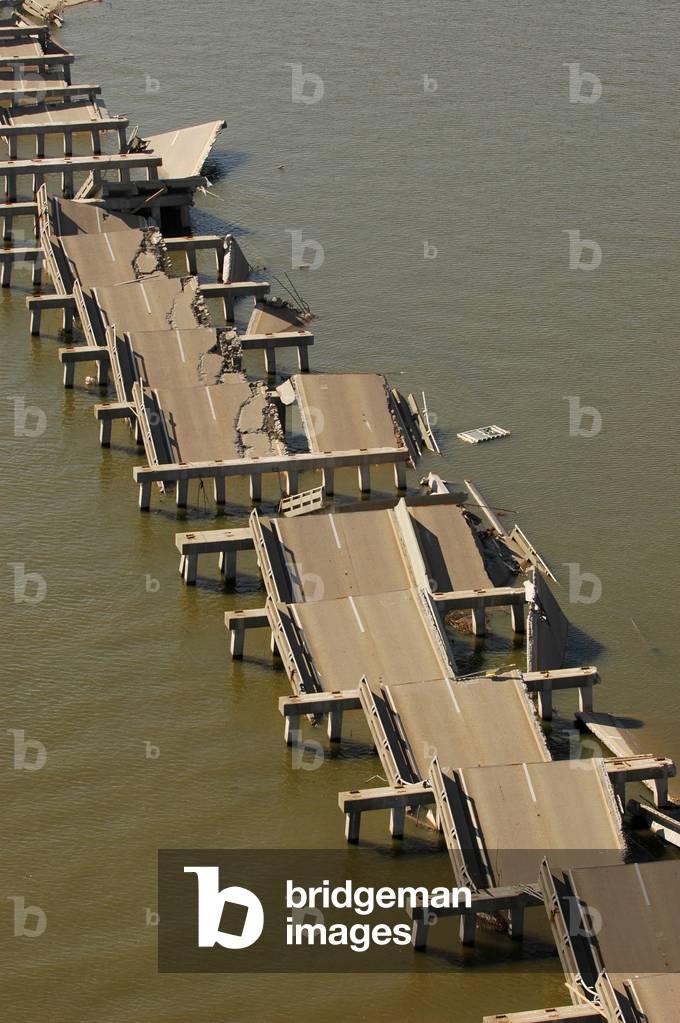
EVB2940536: Hurricane Katrina destroyed this section of a Mississippi gulf coast Highway I-90 bridge connecting Pass Christian near Gulfport to Bay St. Louis. Oct. 4 2005 / Bridgeman Images
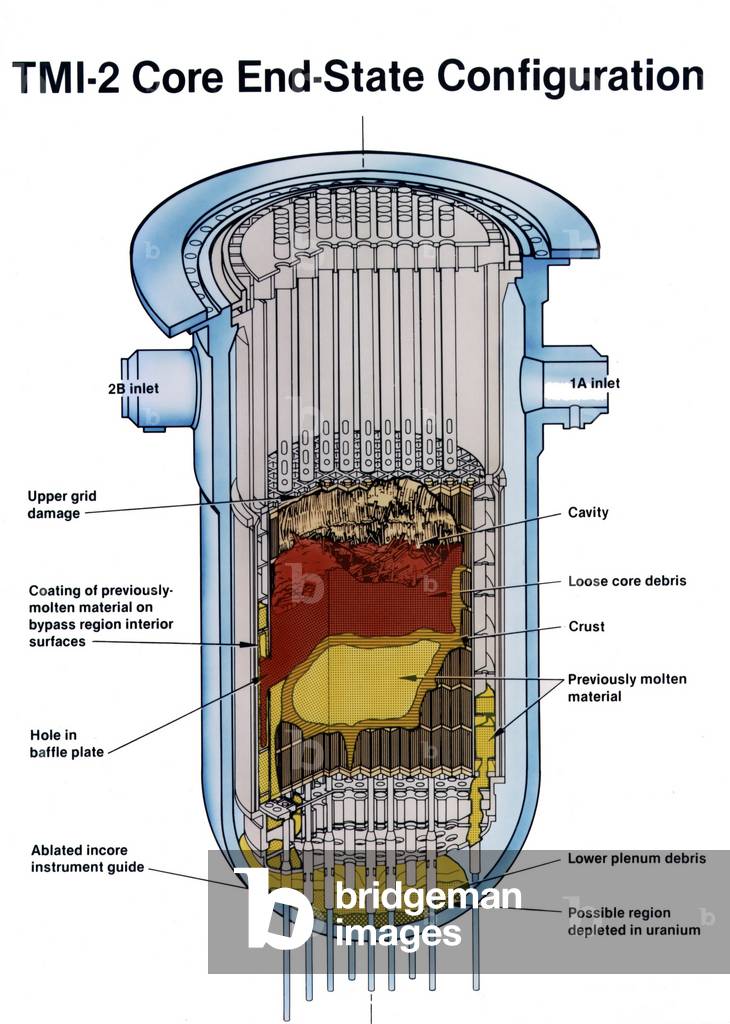
EVB2940493: Diagram of the partially melted nuclear reactor of Unit 2 at the Three Mile Island Nuclear Generating Station. April 1979 / Bridgeman Images
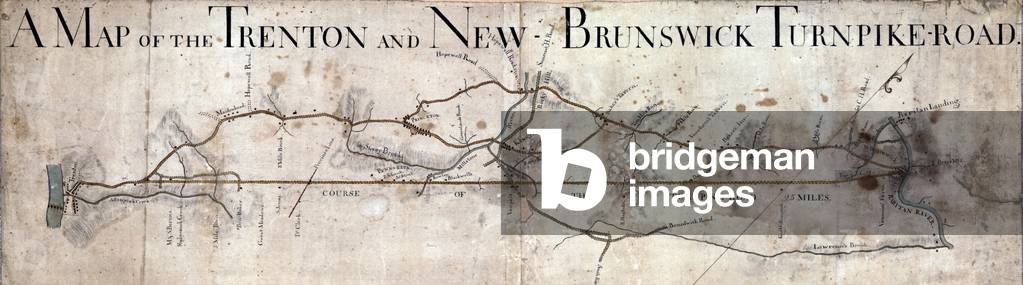
EVB2940578: A Map of the Trenton and New Brunswick Turnpike-road. c. 1800 / Bridgeman Images
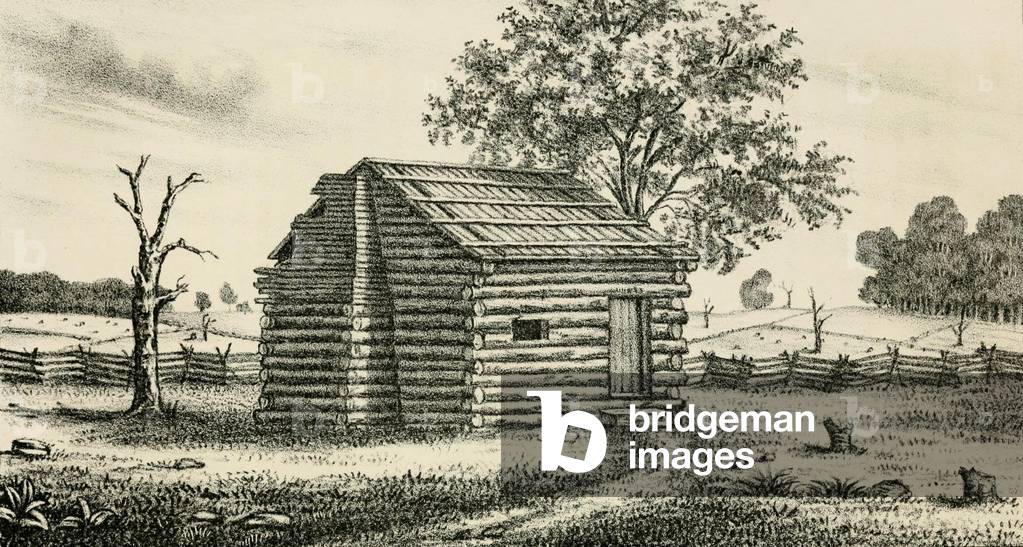
EVB2940590: A frontier Presbyterian Church. The log cabin church was built in western Pennsylvania. c. 1800 / Bridgeman Images
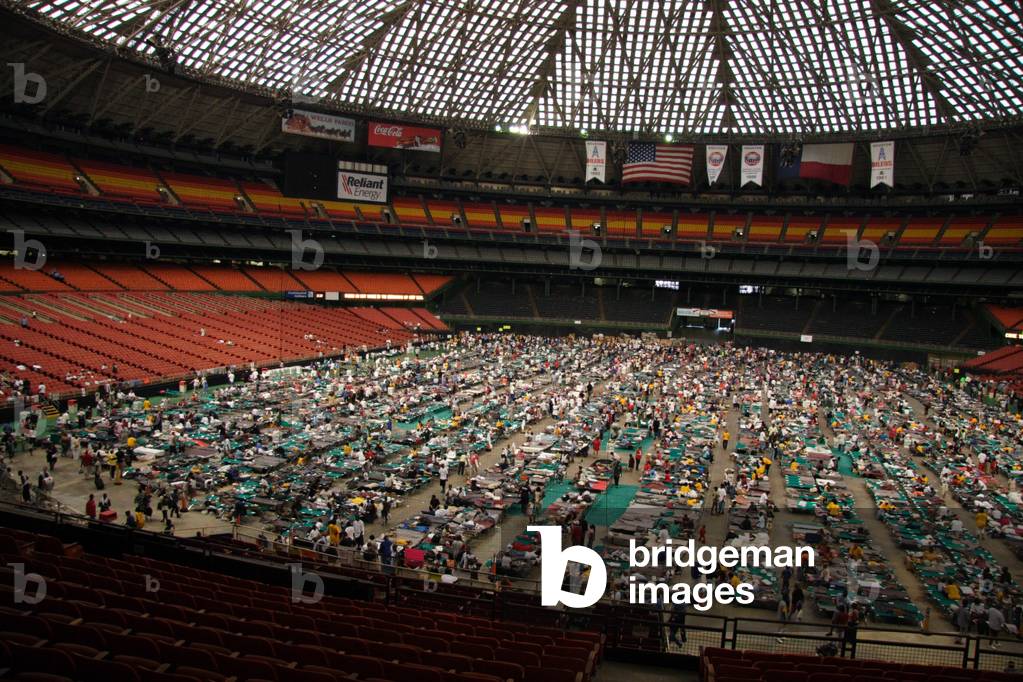
EVB2940520: Thousands of Louisiana evacuees from Hurricane Katrina in a Red Cross shelter in the Houston Astrodome. Sept. 2 2005 / Bridgeman Images
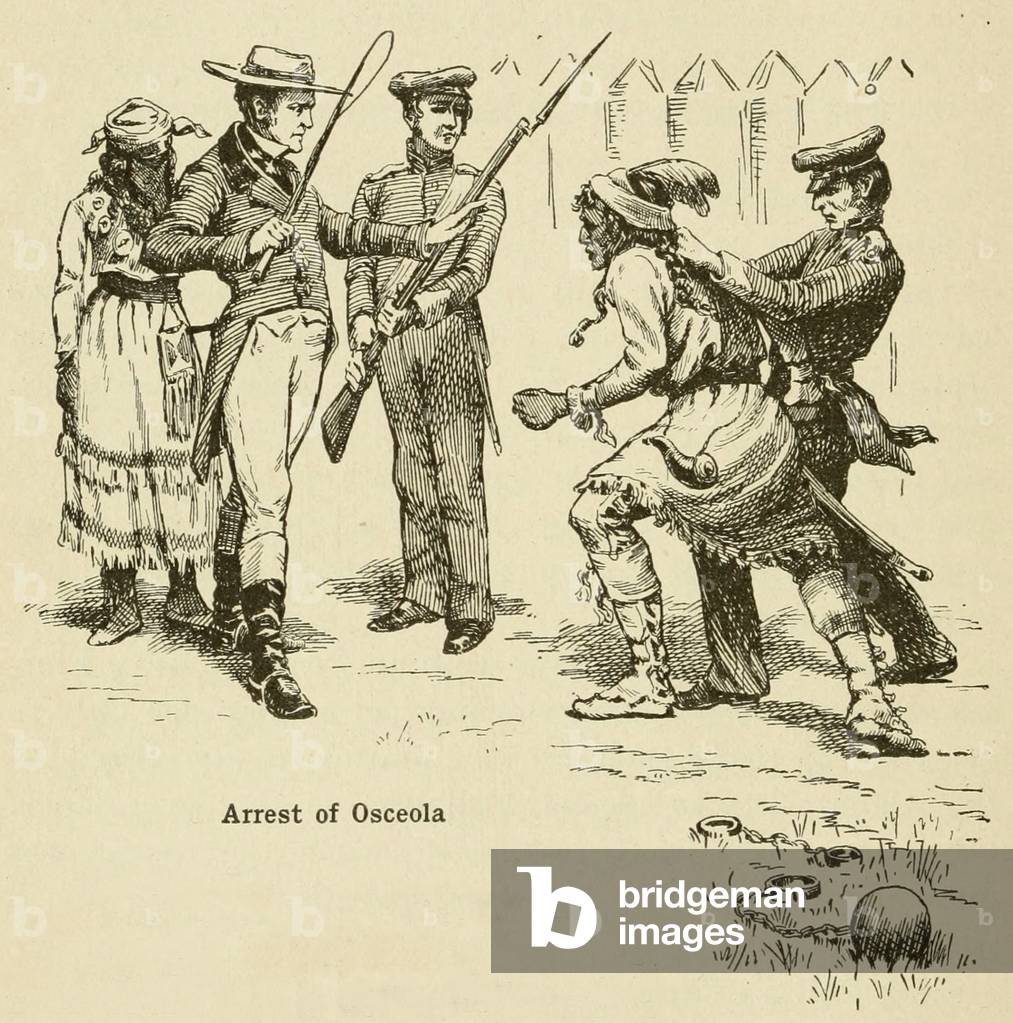
EVB2940596: Arrest of Osceola on October 21 1837. He was captured when he arrived for supposed truce negotiations and died of Malaria three months later as a US prisoner / Bridgeman Images

EVB2940614: Election of 1836. Political cartoon of the 1836 presidential election as race between four candidate horses jockeyed by their political constituency. L-R William Harrison's jockey is a frontiersman Van Buren's is Andrew Jackson Webster's a New England Yankee and Hugh White's a southerner. Van Buren won the 1836 election and Harrison was elected in 1840, Unknown Artist, (19th century) / Bridgeman Images
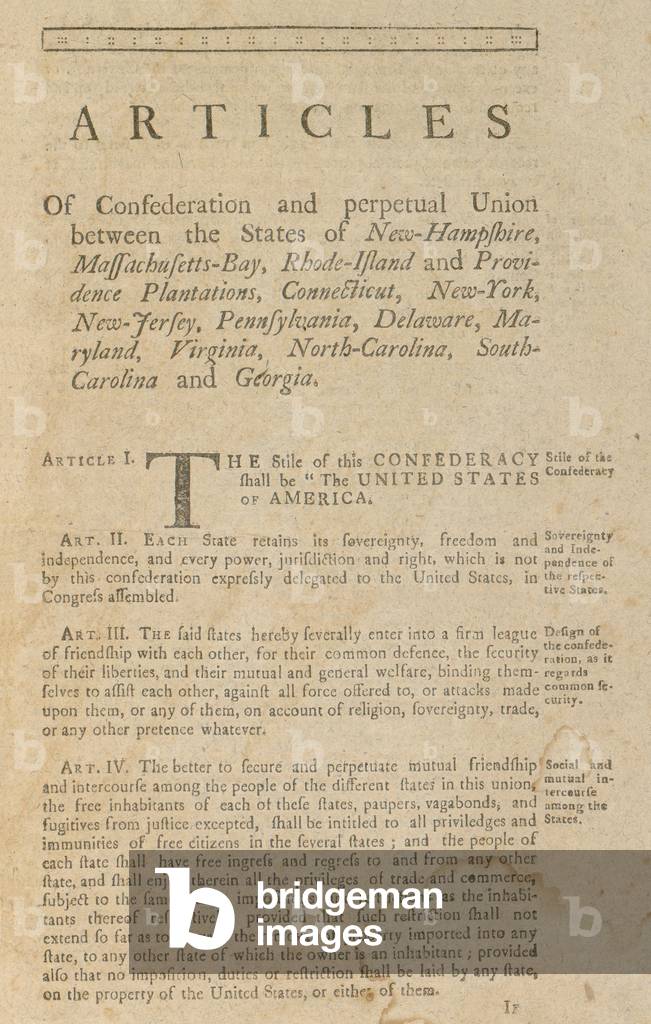
EVB2940541: The Articles of Confederation. First page of a 1777 printed version of the Nation's first constitution. It structured a confederation of 13 sovereign states bound loosely in a 'league of friendship.' / Bridgeman Images
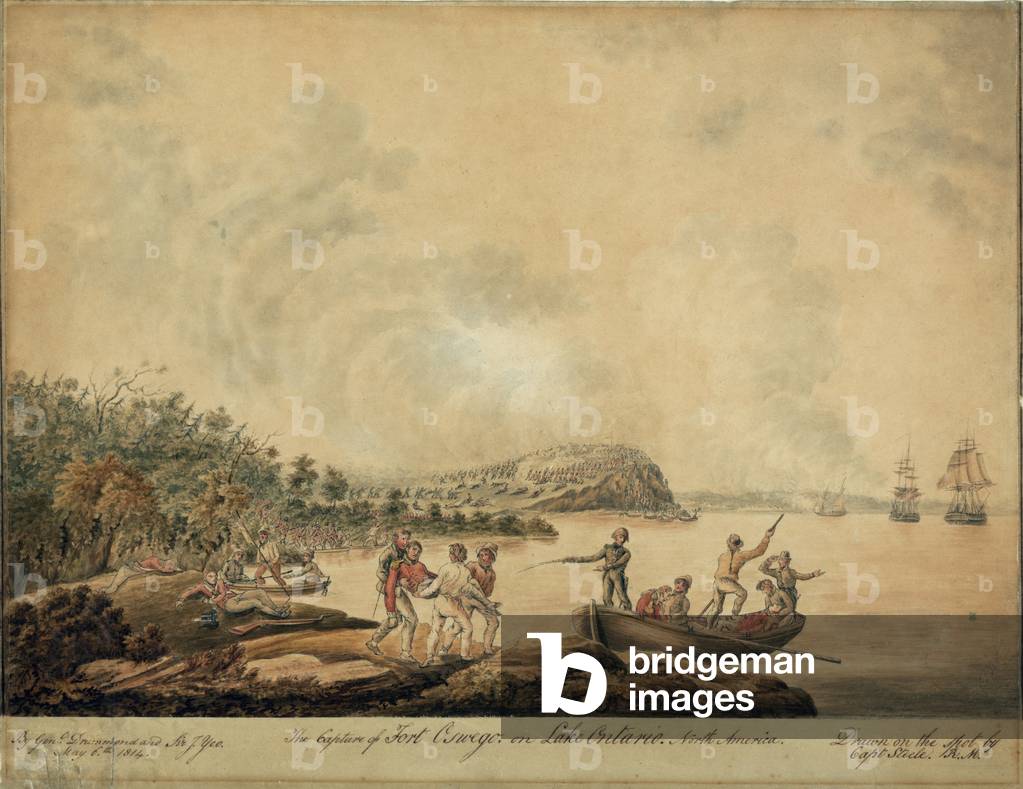
EVB2940683: The capture of Fort Oswego on Lake Ontario. British soldiers carrying the injured to a rowboat. In the background British troops overwhelm the American Fort Oswego during the War of 1812. May 6 1814 / Bridgeman Images
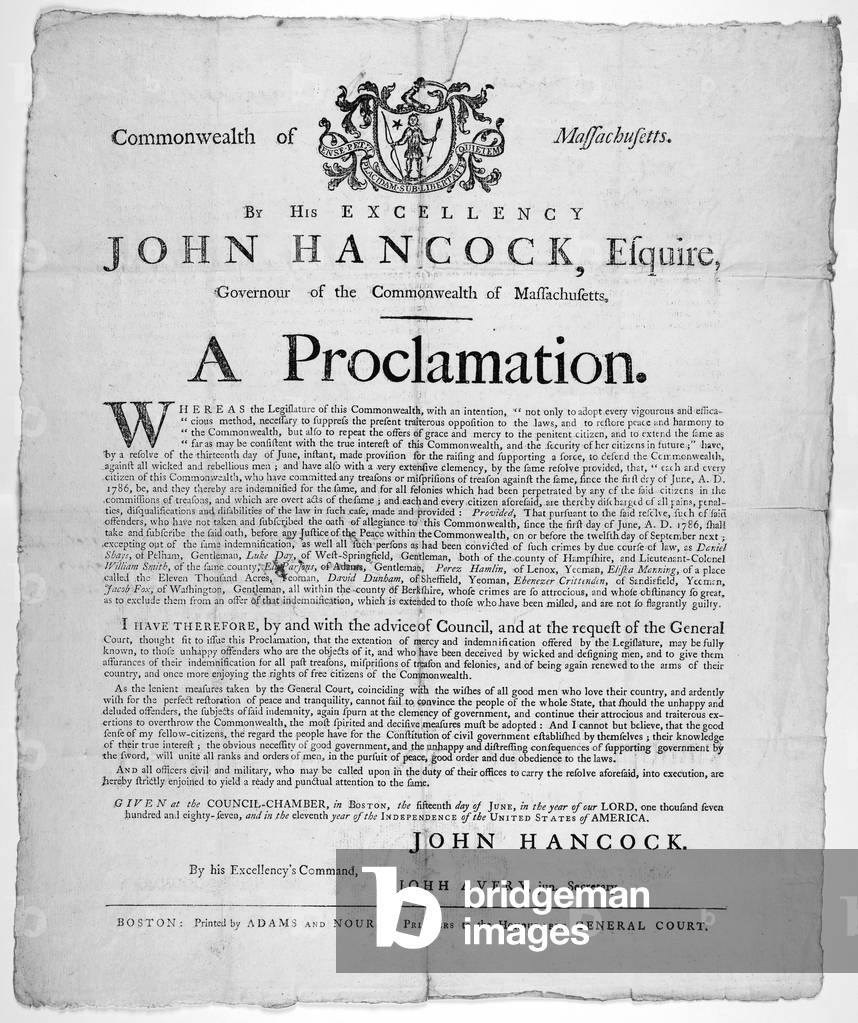
EVB2940589: Commonwealth of Massachusetts. By His excellency John Hancock, Esquire Governour of the Commonwealth of Massachusetts. A proclamation (against the Shays' rebellion) 1787 / Bridgeman Images
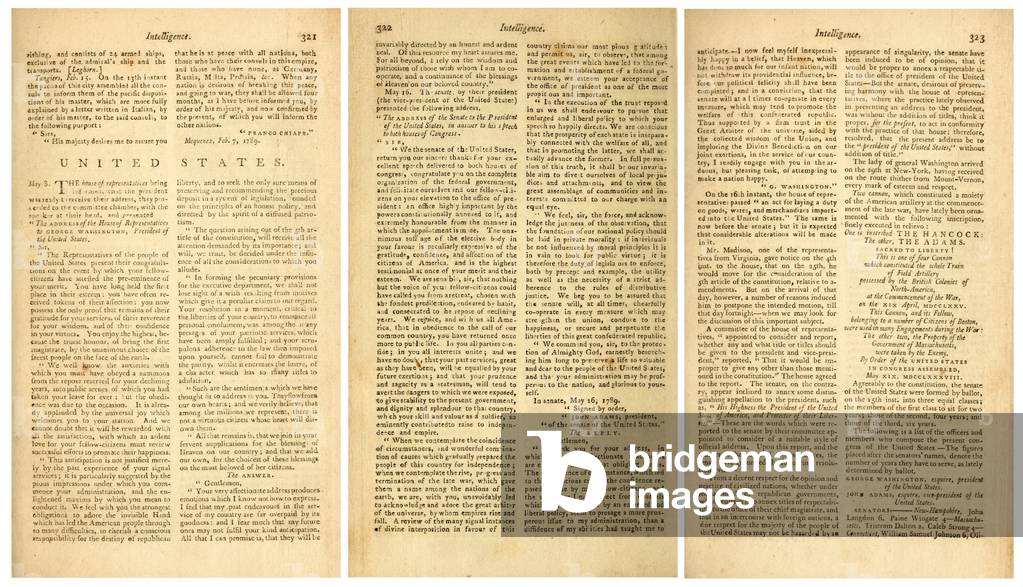
EVB2940701: COLUMBIAN MAGAZINE reporting of the First sessions of the US Congress in May 1789 / Bridgeman Images
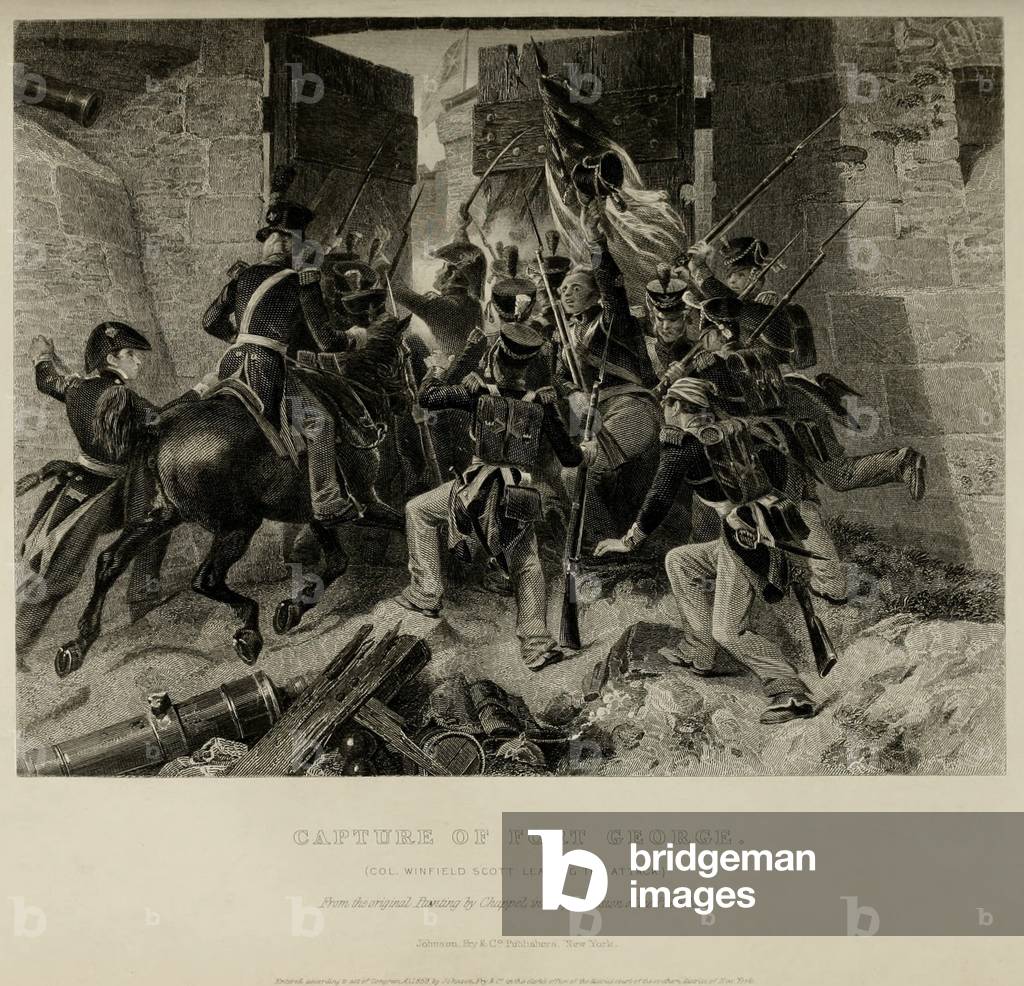
EVB2940685: Capture of Fort George. Col. Winfred Scott lead Americans to defeat British forces and captured the Fort George in Upper Canada. May 27 1813 / Bridgeman Images

EVB2940710: Thomas the Clerk of the Congress announcing to Washington at Mount Vernon his election to the Presidency. April 1789. Illustration by Howard Pyle / Bridgeman Images

EVB2940748: New York City Subway. A passenger is in his own world reading his newspaper with his shopping bags secured between his feet. May 1973 / Bridgeman Images

EVB2940831: Gang of farm workers weeding sugar beets by hand with hoes. The men and woman wear hats and long sleeves to as protection against day long exposure to the sun. c. 1973-75 / Bridgeman Images
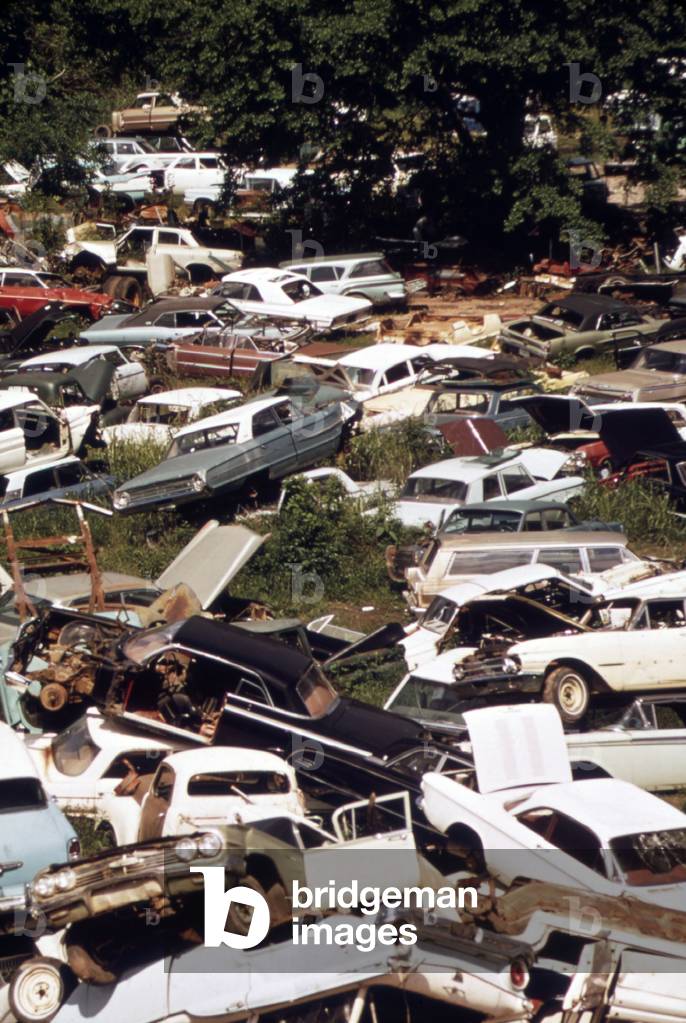
EVB2940790: An automobile junkyard. Wrecked car parts were sold for auto repairs and whole cars for recycling as scrap steel. c. 1973-75 / Bridgeman Images

EVB2940852: Air pollution is visible from the Weyerhaeuser paper mills and Reynolds metal plant both located in Longview Washington on the Columbia River. c. 1973-75 / Bridgeman Images

EVB2940853: Dump in New Jersey with a view of the back of the Statue of Liberty in New York Harbor. This landfill was developed into Liberty State Park which opened June 14 1976. Ronald Reagan used the Park as a patriotic backdrop to kickoff his 1980 presidential campaign. c. 1973-75 / Bridgeman Images
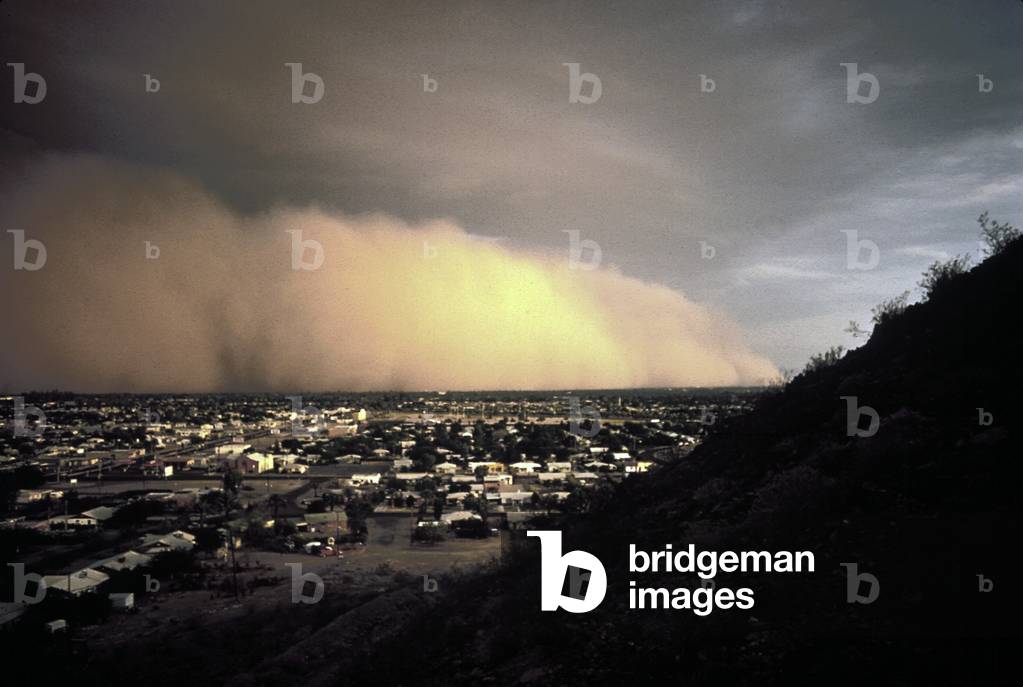
EVB2940870: Dust storm over Phoenix Arizona on Labor Day 1972. No rain had fallen in the area for 153 days / Bridgeman Images
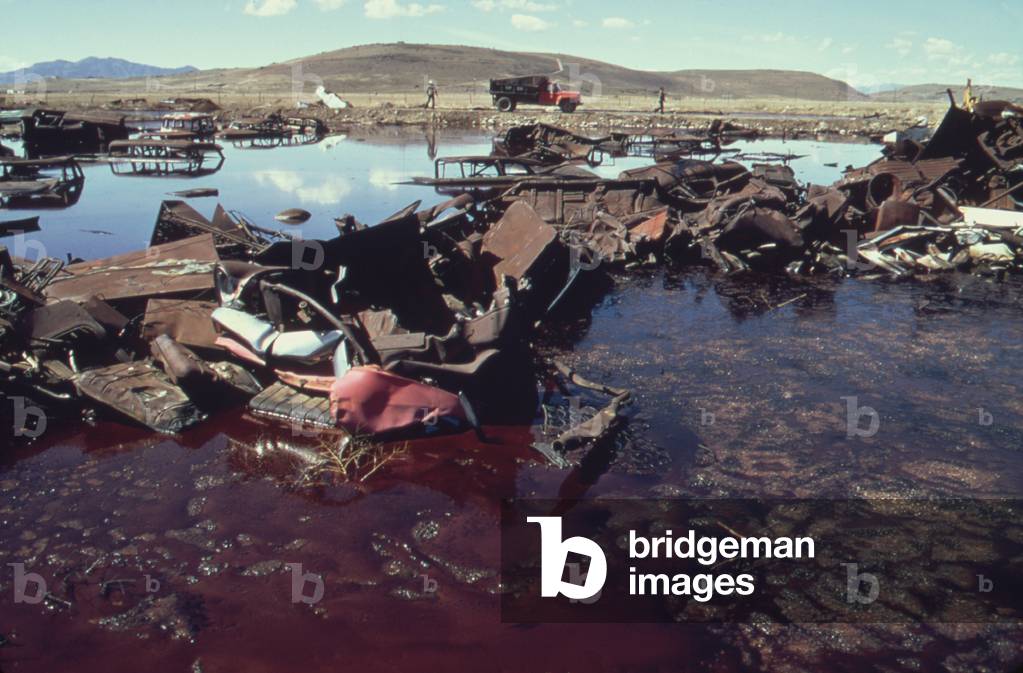
EVB2940868: A five acre pond so polluted with junked autos acid and oil it threatened to contaminate the nearby Great Salt Lake and a wildlife refuge. Under EPA supervision the water was removed cleaned and safely disposed. c. 1973-75 / Bridgeman Images
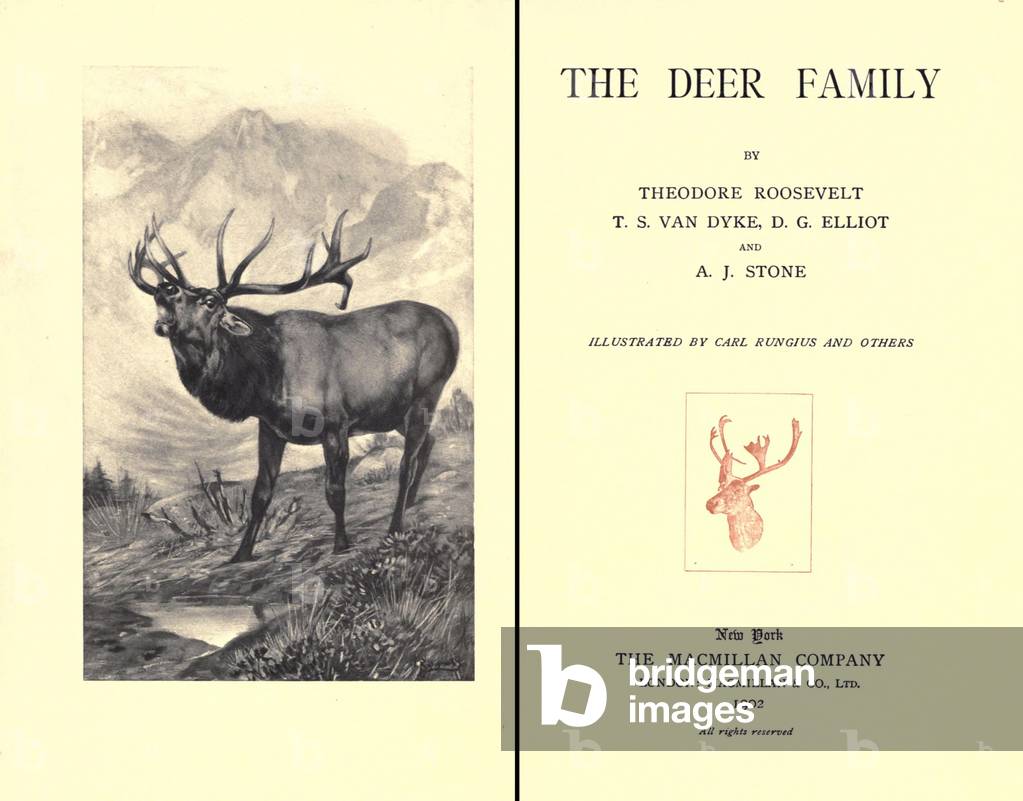
EVB2940889: THE DEER FAMILY was first published in 1902 by Theodore Roosevelt and other contributors. Image shows the frontispiece and title page of the 1902 edition by the Macmillan Company / Bridgeman Images

EVB2940898: Abandoned French machinery at the site of the Panama Canal. France's Ferdinand de Lesseps' effort 1880-1893 to excavate a sea level canal was defeated by landslides and mosquito borne diseases. Photo c. 1905 / Bridgeman Images

EVB2940845: Neon lights of the Golden Nugget Casino in Las Vegas Nevada, 1973-75 (photo) / Bridgeman Images
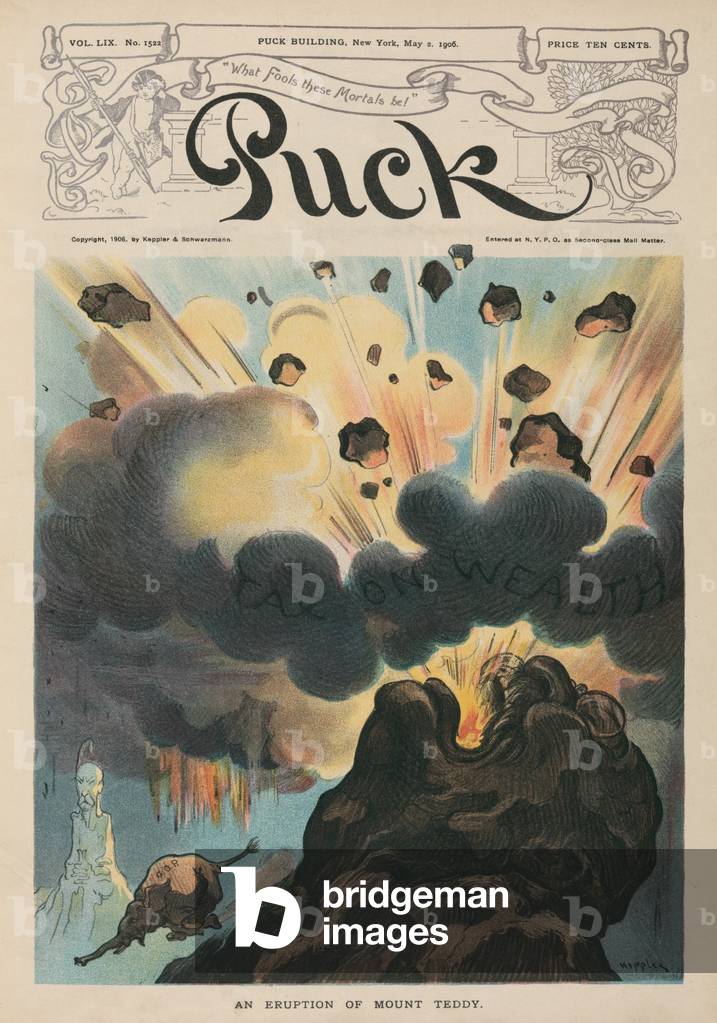
EVB2940915: ERUPTION OF MOUNT TEDDY a 1906 cartoon of Theodore Roosevelt as a volcano spewing a dark cloud labeled 'Tax on Wealth' which causes the Republican elephant to race for safety. Vice President Charles Fairbanks at left a contender for the 1908 Republican nomination remains expressionless / Bridgeman Images

EVB2940860: African Americans mostly women waiting for the city bus in Atlanta Georgia. c. 1975 / Bridgeman Images
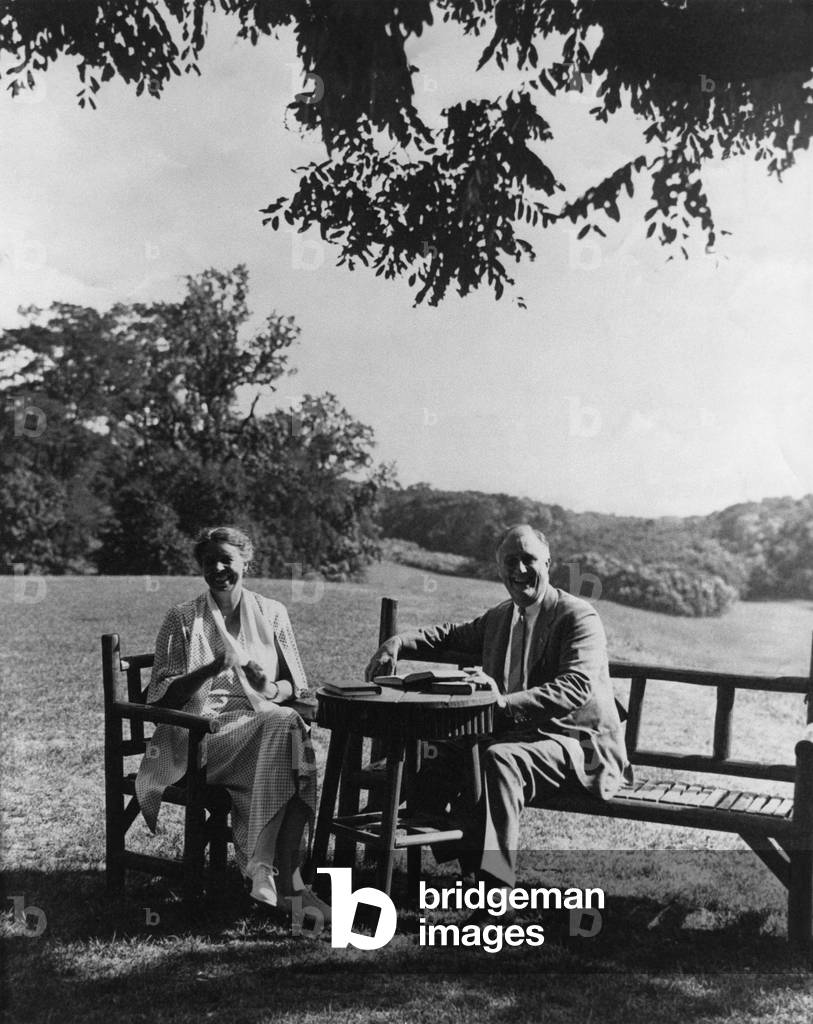
EVB2940924: Franklin and Eleanor Roosevelt on the south lawn at Hyde Park NY. August 16 1933 / Bridgeman Images
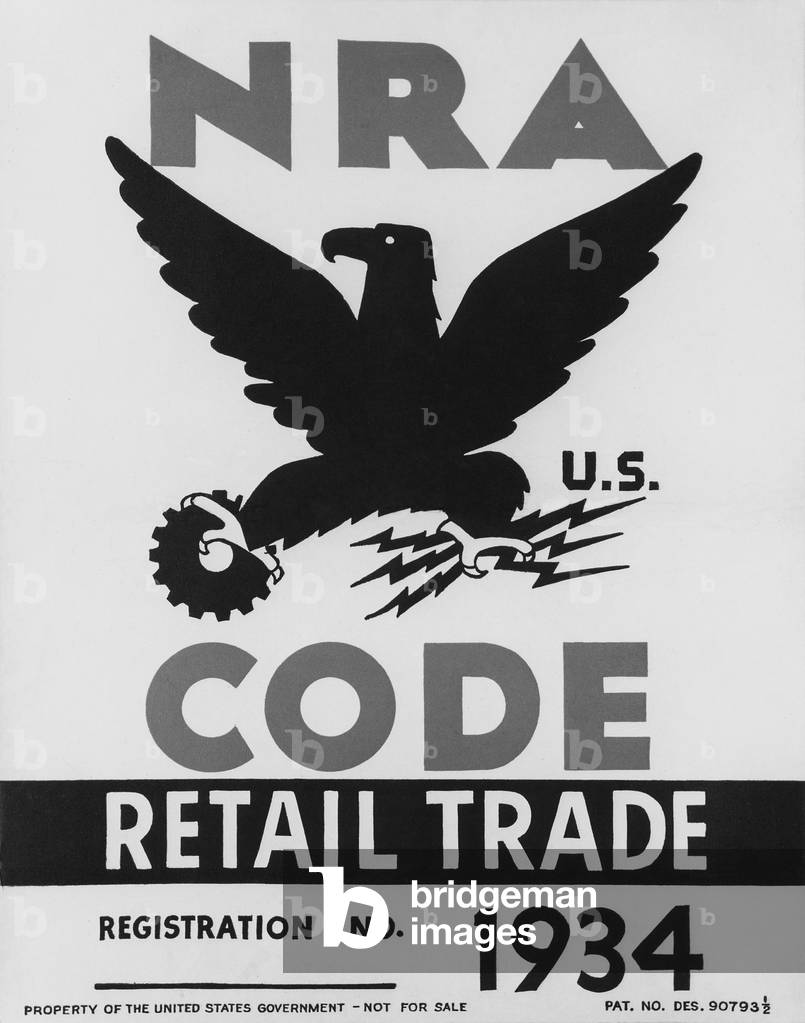
EVB2940958: NRA Code, Retail Trade 1934, 1934 (poster), Coiner, Charles T. (1898–1989) / Bridgeman Images
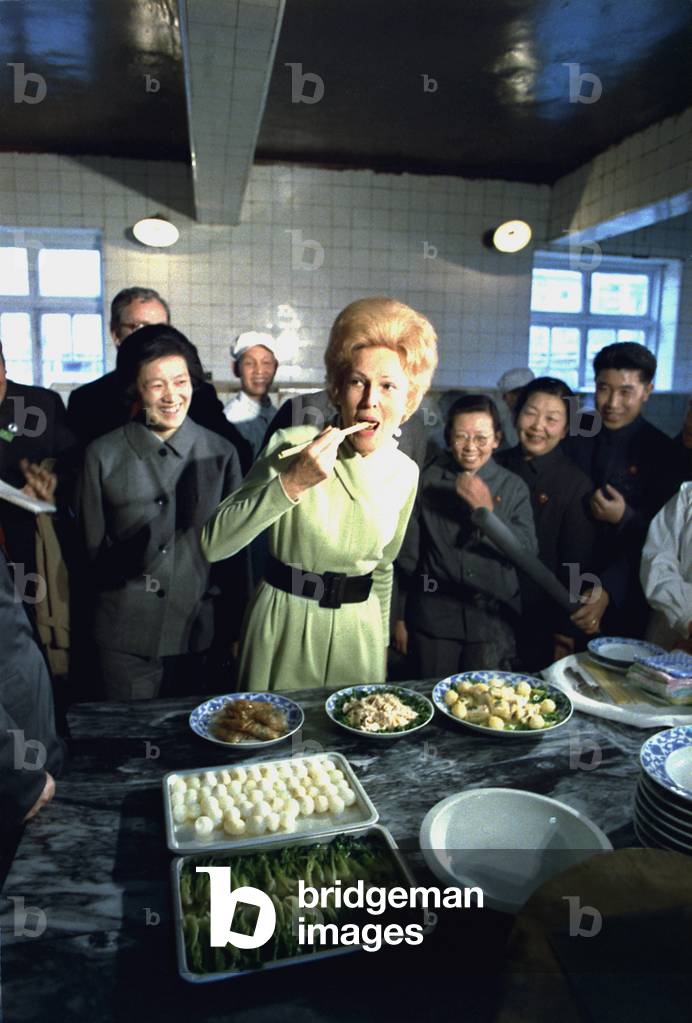
EVB2941000: Nixon in China. Pat Nixon samples cuisine on a visit to the Beijing Hotel kitchen. Feb. 22 1972 / Bridgeman Images
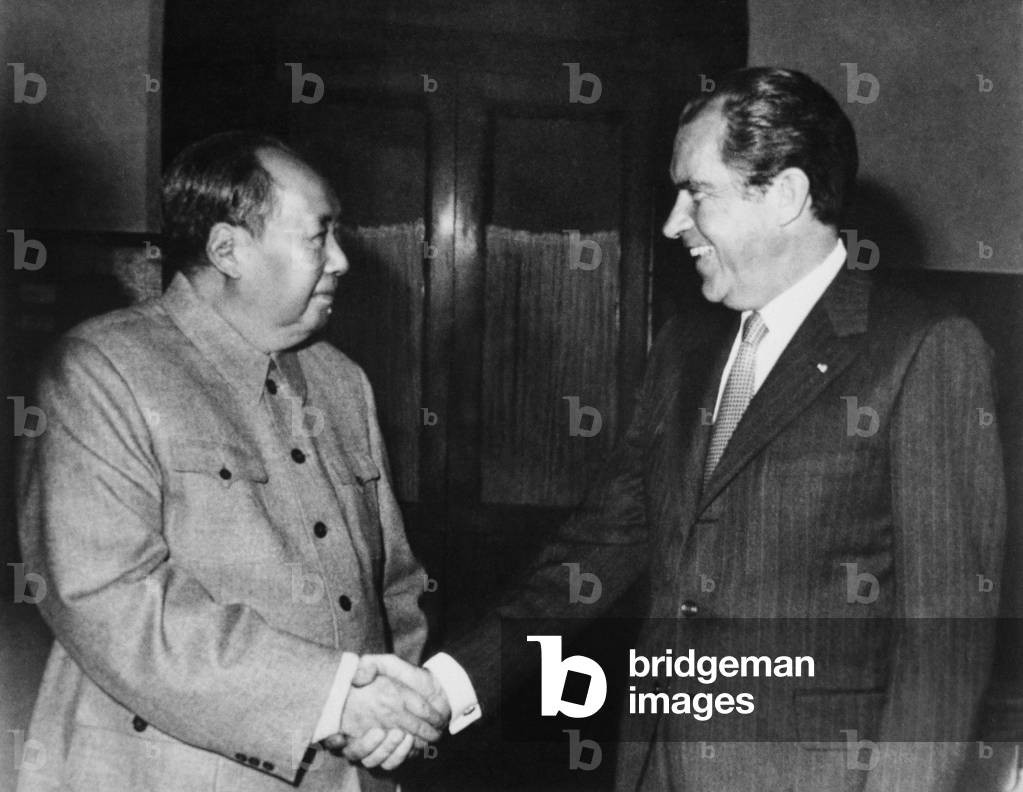
EVB2941003: Nixon in China. President Nixon meets with China's Communist Party Leader Mao Tse- Tung. Feb. 21 1972 / Bridgeman Images
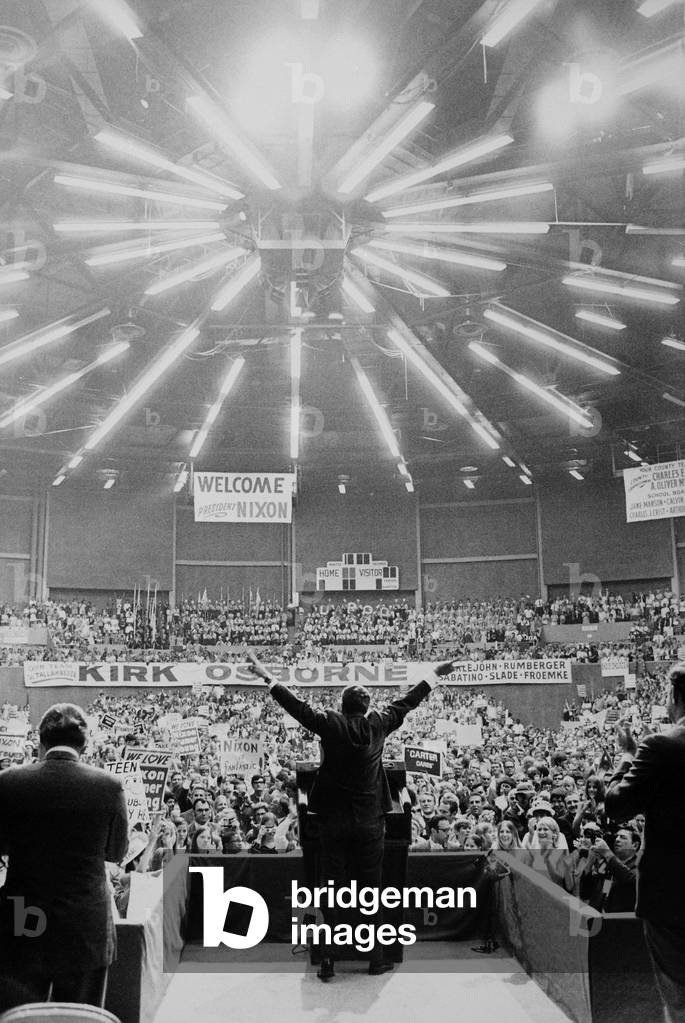
EVB2941008: President Richard Nixon making his signature 'V' gesture while speaking to a Florida crowd. c. 1969-74 / Bridgeman Images

EVB2941063: Secretary of State Henry Kissinger and Soviet Ambassador Anatoly Dobrynin meeting on a helicopter. Jan. 25 1974 / Bridgeman Images
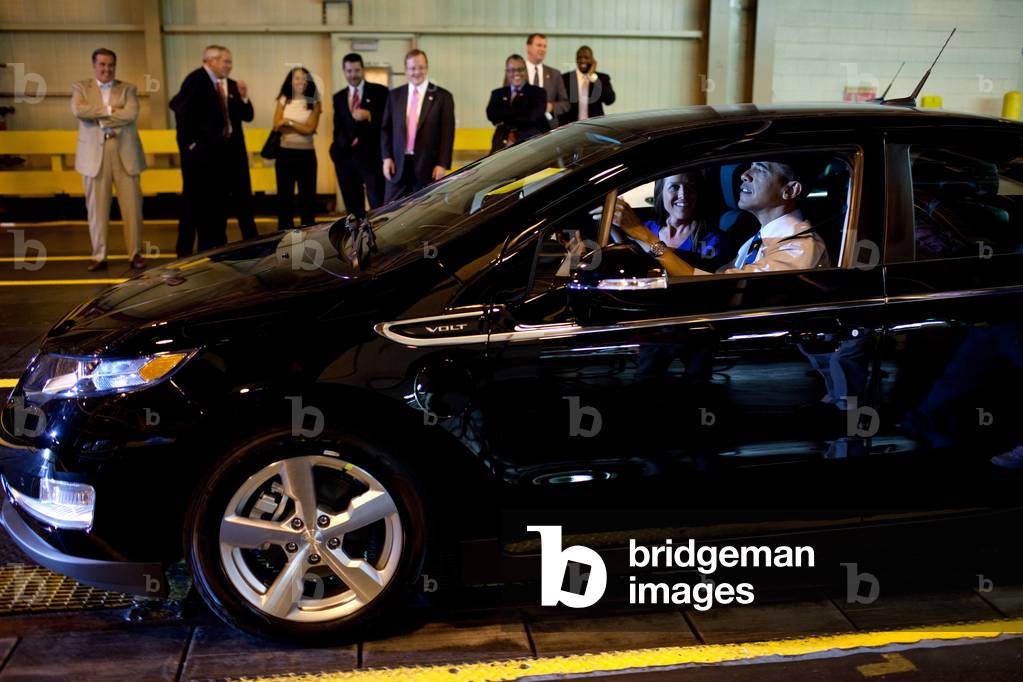
EVB2939370: President Obama drives a new Chevy Volt General Motor's plug-in hybrid electric vehicle during his tour of the General Motors Auto Plant in Hamtramck Michigan. July 30 2010. (BSWH_2011_8_158) / Bridgeman Images
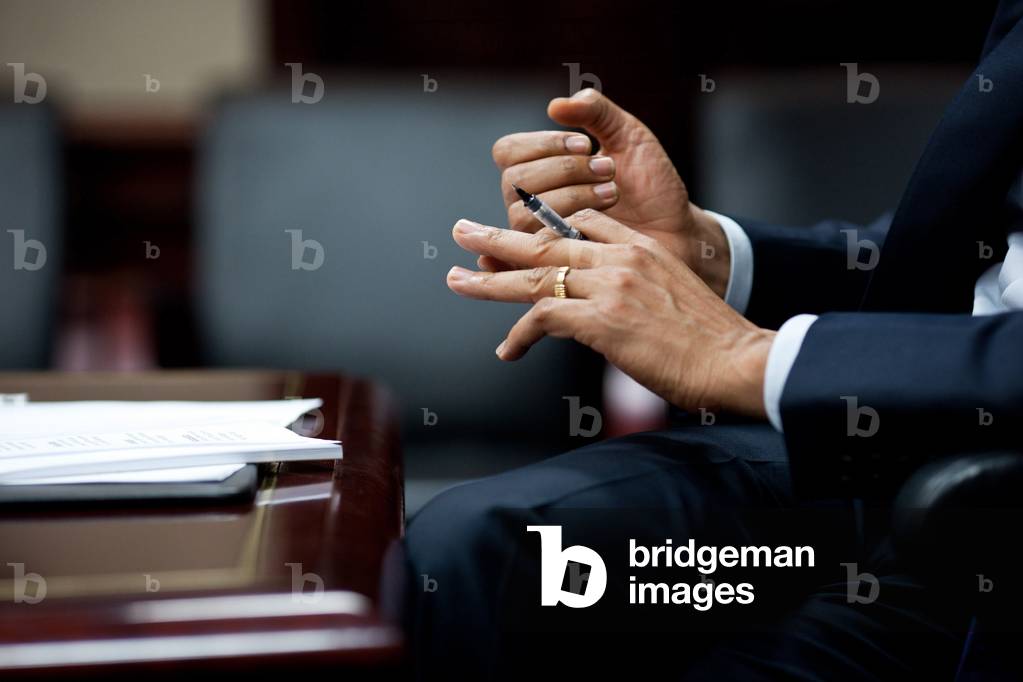
EVB2939341: President Obama's hands gesture during a briefing on the situation in Libya with members of Congress in White House Situation Room. March 25 2011. (BSWH_2011_8_131) / Bridgeman Images
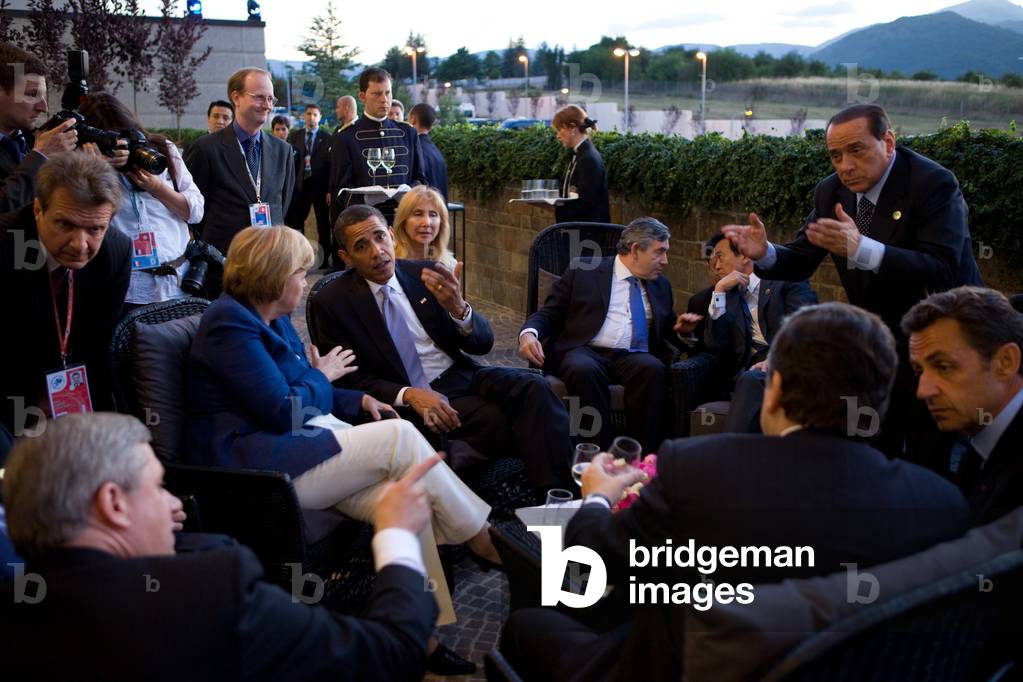
EVB2939394: World leaders relaxing before dinner at the G-8 Summit in L'Aquila, Italy, 2009 (photo) / Bridgeman Images
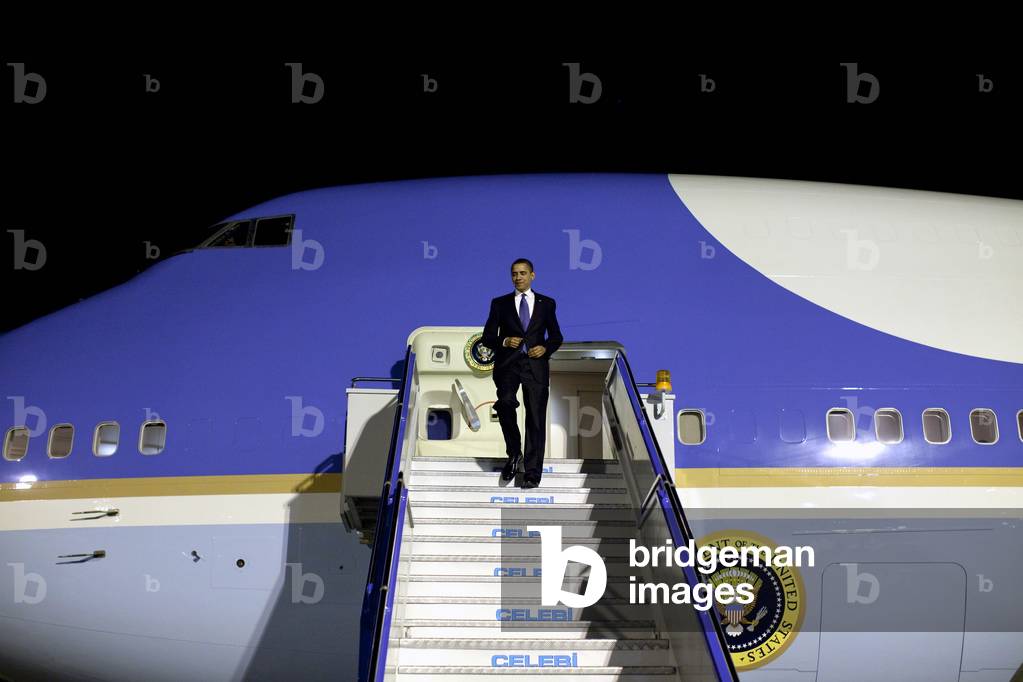
EVB2939333: President Obama arriving at Esenboga Airport in Ankara Turkey April 6 2009. (BSWH_2011_8_124) / Bridgeman Images
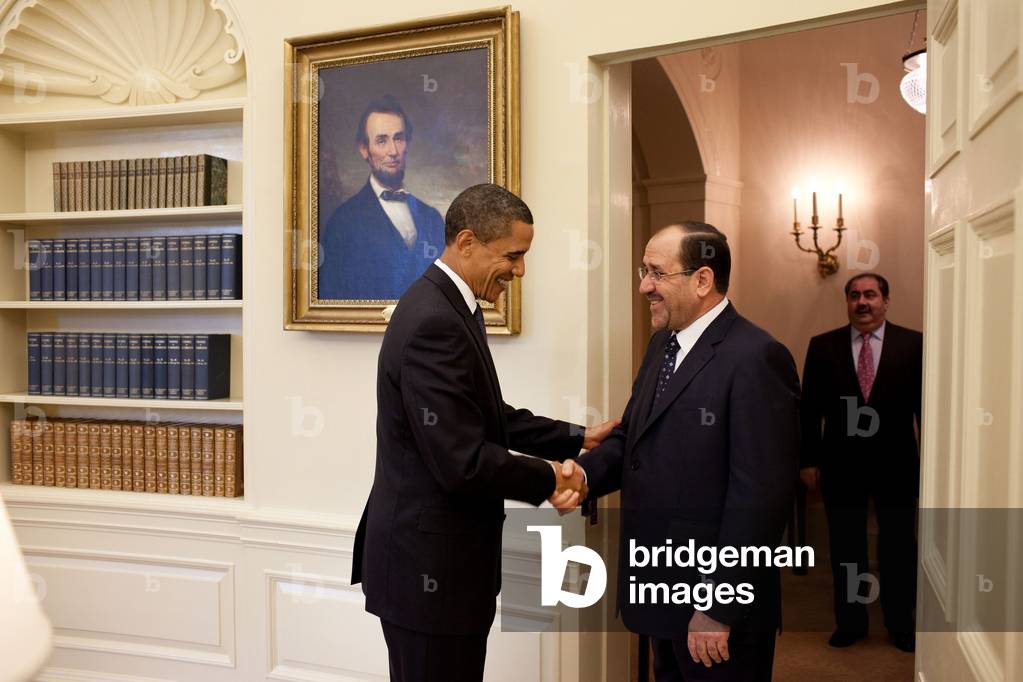
EVB2939466: President Obama greets Iraqi Prime Minister Maliki in the Oval Office on July 22 2009. (BSWH_2011_8_244) / Bridgeman Images
