2491383 Search Results

TEC4734550: Le parc Atlantique, Paris 75014. Photography 20/04/98 / Bridgeman Images
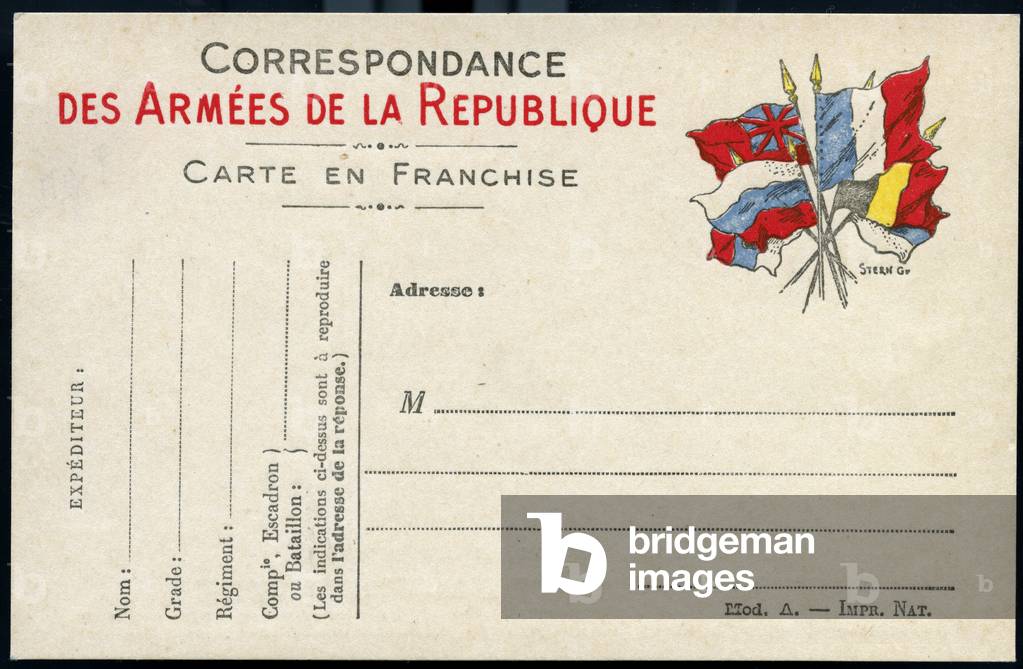
LUX4734586: First World War: France, Military Correspondence Postcard with 6 flags emblem, 1914 / Bridgeman Images

LRI4734640: Food still life: frittata with onions and herbs (photography) / Bridgeman Images
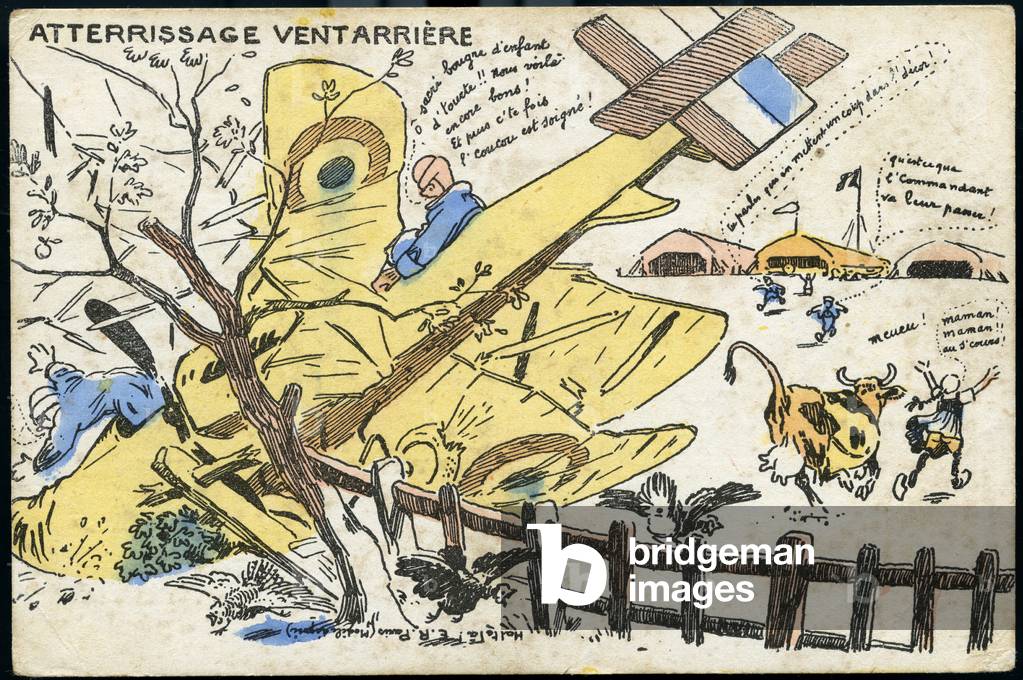
LUX4734658: First World War: France, Humorous propaganda postcard showing the force landings, 1917 / Bridgeman Images

LUX4736337: First World War: France, Postcard of a photo taken in the studio showing a soldier in a green and bucolic trench thinking of his child, 1916, My child has this word my heart suddenly twisted, his absence is for me, the hardest battle / Bridgeman Images

FLO4736358: Mountain parsley or deer parsley (Peucedanum oreoselinum). Lithograph from “Afbeelding der Artseny-Gewassen” by Johannes Zorn (1739-1799), Netherlands, 1796. Mountain parsley, Peucedanum oreoselinum. Handcoloured copperplate botanical engraving from J. Zorn's “Afbeelding der Artseny-Gewassen,” Amsterdam, 1796. / Bridgeman Images
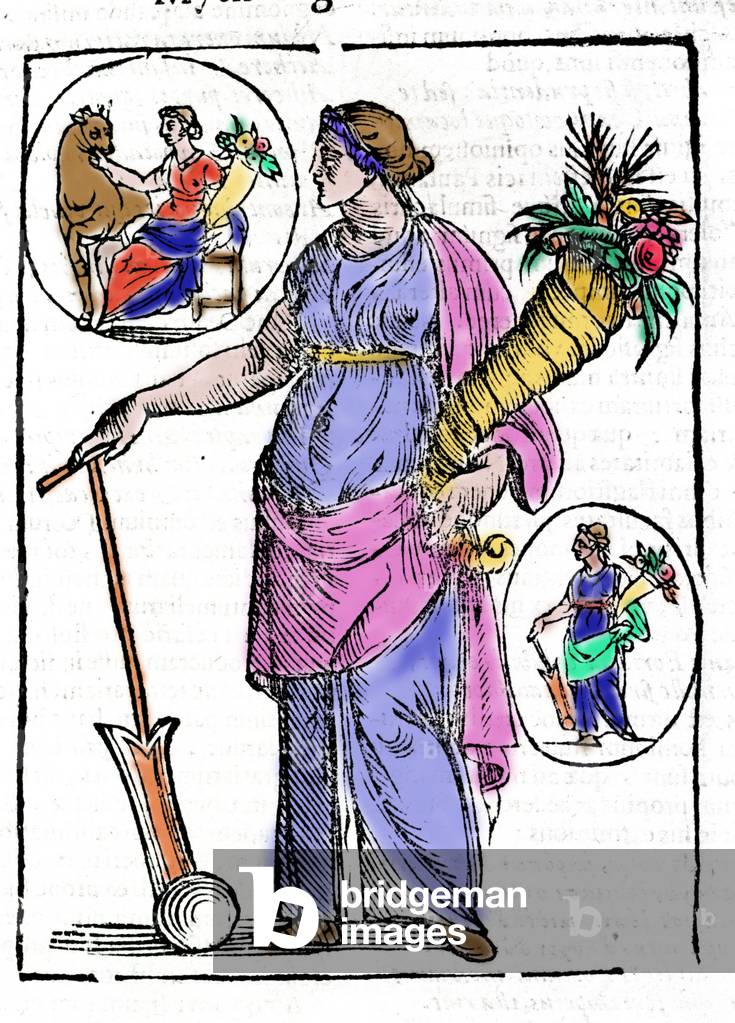
GIA4736436: Cérés., Unknown Artist, (19th century) / Bridgeman Images
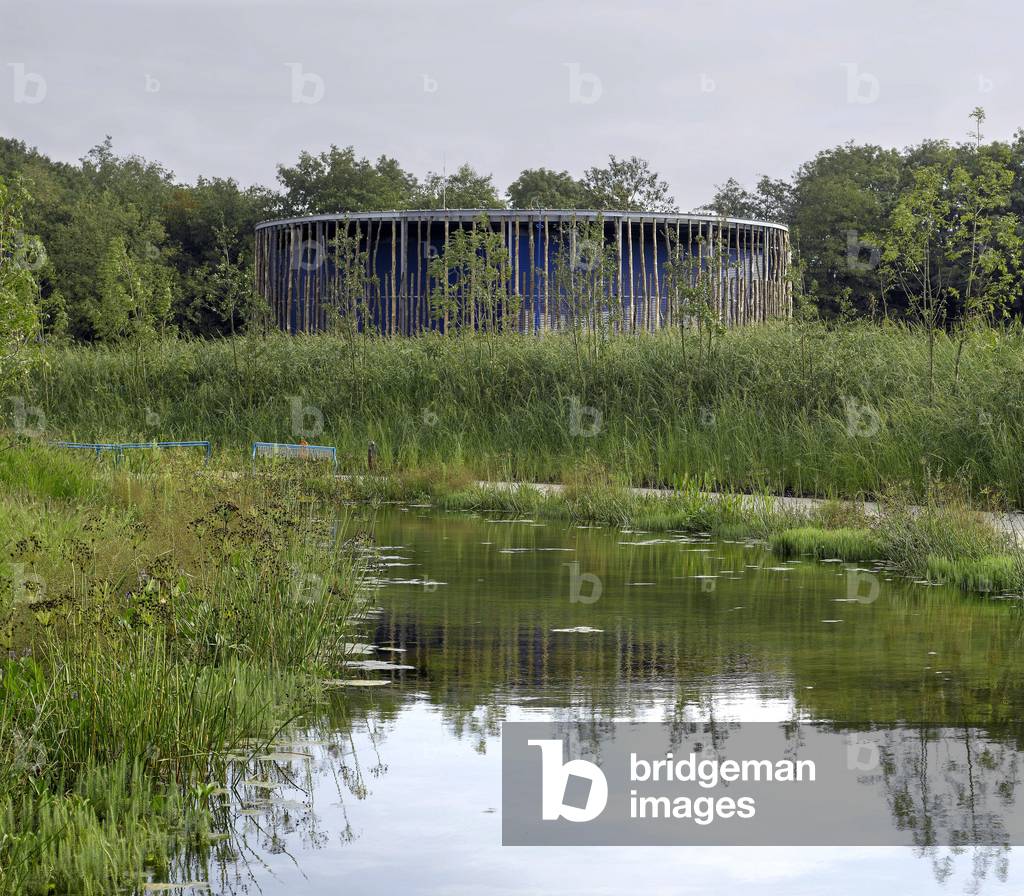
MDA4736454: The Bioscope leisure park in Ungersheim, Haut-Rhin (Haut Rhin), Alsace, France. Architecture by Ursula Kurz and Frederic Jung, 2006., Kurz, Ursula & Jung, Frederic / Bridgeman Images

GIA4736478: rabies or angry person squeezing tissue between his teeth. Illumination of the 14th century of the “Tacuinum Sanitatis”, Vienna, National Library., Unknown Artist, (14th century) / Bridgeman Images

GIA4736535: All kinds of traumatic war injuries. 16th century, Unknown Artist, (16th century) / Bridgeman Images

LBY4725504: The Forbidden City in Pekin, China. Architecture made between 1407-1420. Photography 28/10/07. The Prohibited Cite extends over 72 hectares in the heart of Pekin. From 1420 to 1911 it was the main residence of twenty four emperors of the Ming and Qing. It is the largest and best preserved architectural ensemble of ancient palaces in the world. / Bridgeman Images

FLO4725543: Common turbot - Turbo peacock or Rombou moon - Barbue - Scophthalmus maximus 7, peacock flounder, Bothus lunatus 8, and kite, Scophthalmus rhombus, upper side 9, under side 10. Handcolored copperplate engraving from Gottlieb Tobias Wilhelm's Encyclopedia of Natural History: Fish, Augsburg, 1804. Wilhelm (1758-1811) was a Bavarian clergy and naturalist known as the German Buffon. / Bridgeman Images

LBY4725588: The Forbidden City in Pekin, China. Decorative pattern depicting a dragon. Architecture made between 1407-1420. Photography 28/10/07. The Prohibited Cite extends over 72 hectares in the heart of Pekin. From 1420 to 1911 it was the main residence of twenty four emperors of the Ming and Qing. It is the largest and best preserved architectural ensemble of ancient palaces in the world. / Bridgeman Images

MME4725609: Italian writer Margherita Oggero/Torino, 2015., Mencarini, Marcello / Bridgeman Images

LUX4725666: Morocco: A Sultan's Eunuch, 1920 - Flandrin / Bridgeman Images

LUX4726671: France: Colorisee fantasy photo showing a dance la Mattchiche (matchiche, maxixe) danced by the dancers: les rieuses, 1905 - F.Mayol / Bridgeman Images

LRI4726695: Portrait of Antonio Cagnoni, 19th century (engraving), Anonymous / Bridgeman Images

LUX4726752: France: photo of Colonna Romano (Colonna-Romano) from the casino of Paris, 1903 / Bridgeman Images
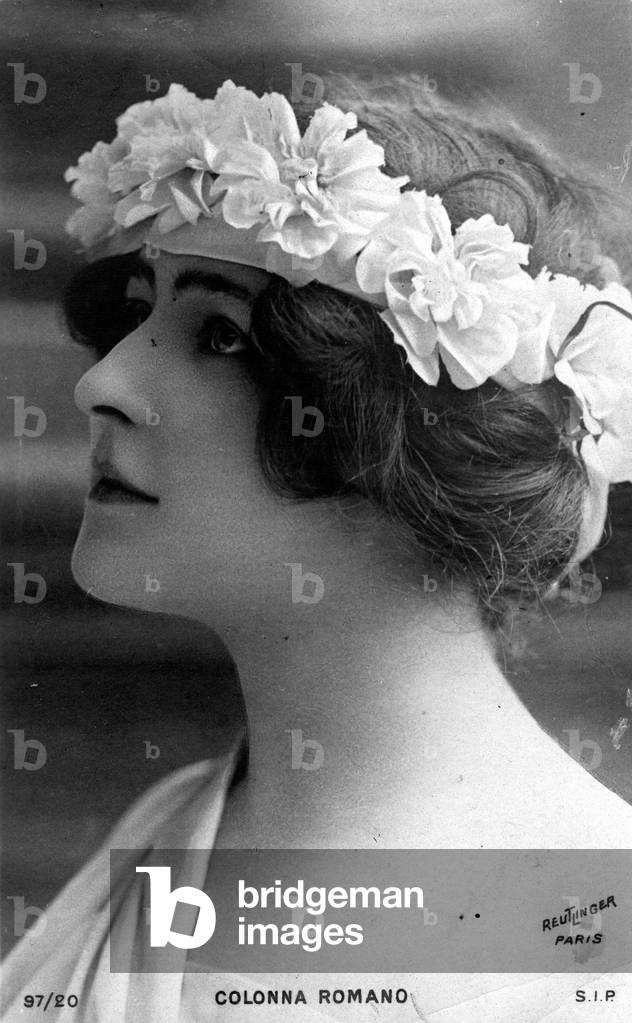
LUX4726788: France: portrait of actress Colonna Romano (Colonna-Romano), 1903 / Bridgeman Images
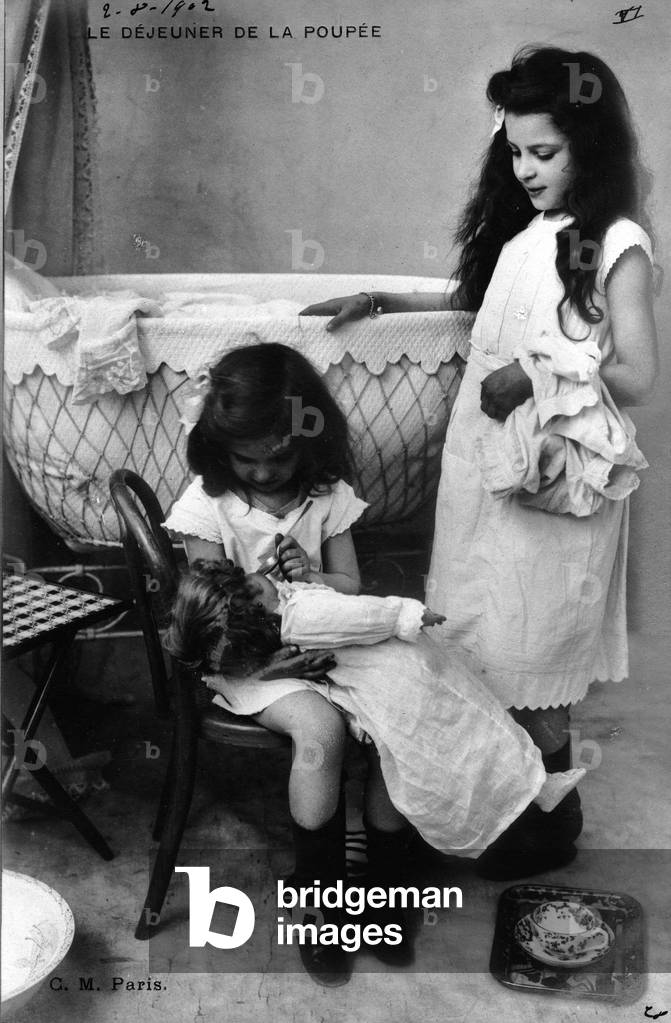
LUX4726824: France: gender photo of two little girls giving food to their dolls, 1900 / Bridgeman Images

FLO4726860: John Lambert's epic swine skin disease (Ichthyose hystrix) - Strong water extracted from the Encyclopedia of Natural History: Humanite, by Gottlieb Tobias Wilhelm (1758-1811), 1804 - John Lambert's porcupine skin disorder, Ichthyosis hystrix - Handcoloured copperplate engraving from Gottlieb Tobias Wilclom's “” Pedia of Natural History: Mankind,”” Augsburg, 1804 / Bridgeman Images

GIA4726863: Teutons enjoying the holidays - engraving of the end of the 19th century, Unknown Artist, (19th century) / Bridgeman Images

LRI4726935: Portrait of Alexander Glazunov (b/w photo), Unknown photographer, (20th century) / Bridgeman Images

LRI4724885: Portrait of Giacomo Meyerbeer (engraving), Unknown Artist, (19th century) / Bridgeman Images

FLO4724906: Orvet fragile or common and variete of American apode lezard - Eau forte by Gottlieb Tobias Wilhelm (1758-1811), from Encyclopedie of Natural History: Amphibians, 1794 - Slow-worm or blind worm, Anguis fragilis, and eastern glass lizard, Ophisaurus ventralis - Handcolored copperplate engraving from G. T. Wilhelm's “Encyclopedia of Natural History: Amphibia,”” 1794 / Bridgeman Images

LRI4724963: Portrait of Grammatio Metallo (painting), Unknown Artist, (17th century) / Bridgeman Images

LUX4724981: France, Ile-de-France, Paris (75): Paris inonde, entrance to the rue de Lyon, 1910 - At Iart restaurant / Bridgeman Images

MME4725020: May 2015. Italian journalist and writer Silvia Truzzi/Torino, 2015, Silvia Truzzi, giornalista and scrittrice -, Mencarini, Marcello / Bridgeman Images

LRI4725056: Portrait of Joseph Mayseder (lithography), Unknown Artist, (19th century) / Bridgeman Images

GYS4725062: Tobago Island (Caribbean): tropical forest / Bridgeman Images

FLO4725074: Sea lamprey - Planer's Lamprey (Lamprillon) - Sea lamprey eel, Petromyzon marinus 1, mouth 2, river lamprey, Lampetra fluviatilis 3,4, and brook lamprey, Lampetra planeri 5. Handcolored copperplate engraving from Gottlieb Tobias Wilhelm's Encyclopedia of Natural History: Fish, Augsburg, 1804. Wilhelm (1758-1811) was a Bavarian clergy and naturalist known as the German Buffon. / Bridgeman Images

LUX4725101: France, Centre, Indre (36), Valencay: the front of the saddlery Gaugault, 1910 / Bridgeman Images
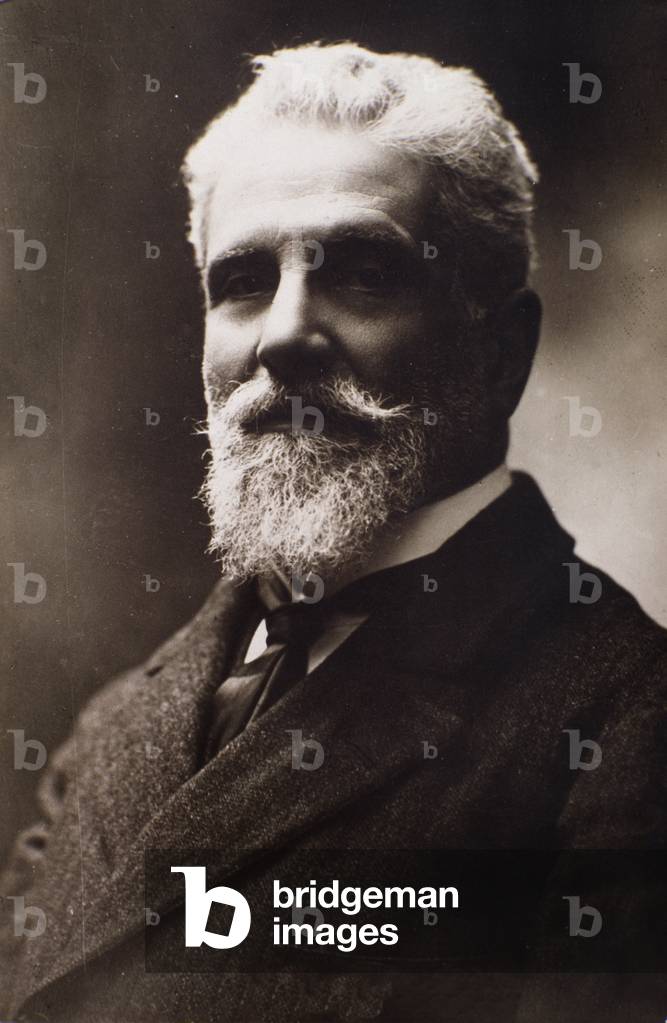
LRI4727085: Portrait of Giuseppe Gallignani, 20th century (b/w photo), Unknown photographer, (20th century) / Bridgeman Images

TEC4727166: The Musee Carnavalet, 23 rue de Sevigne, Paris 75003. Architect: Nicolas Dupuis in 1548-1560 and rehabilitated in 1660 by Francois Mansart. Dedicated to the history of Paris, this grand museum has occupied two adjoining hotels since 1991: Hotel Carnavalet, one of the most beautiful hotels of the Parisian Renaissance and Hotel Le Peletier de Saint-Fargeau, built in the 18th century. In 1660, Francois Mansart was commissioned to expand and modernize it. In the foreground is the Victory Court with French gardens. Photograph 1992. / Bridgeman Images

FLO4725152: Fish sabre - Lancon equille - Pacific cutlassfish, Trichiurus lepturus 71, and sand eel, Ammodytes tobianus 72. Handcolored copperplate engraving from Gottlieb Tobias Wilhelm's Encyclopedia of Natural History: Fish, Augsburg, 1804. Wilhelm (1758-1811) was a Bavarian clergy and naturalist known as the German Buffon. / Bridgeman Images

GYS4725344: Tobago Island (Caribbean): palm tree - coconut tree / Bridgeman Images
