2491557 Search Results

SIT306434: Untitled, 1938 (colour litho), Kauffer, Edward McKnight (1890-1954) / Bridgeman Images

FDB328908: Gamekeeper, illustration from 'Four And Twenty Toilers', engraved and printed by Edmund Evans at the Racquet Court Press, pub. by Grant Richards, London, 1900 (colour litho), Bedford, Francis Donkin (1864-1954) / Bridgeman Images

FDB328921: Ostler, illustration from 'Four And Twenty Toilers', engraved and printed by Edmund Evans at the Racquet Court Press, pub. by Grant Richards, London, 1900 (colour litho), Bedford, Francis Donkin (1864-1954) / Bridgeman Images

STC359819: The British Battle Squadron at full speed in the narrow seas (litho), Padday, Charles Murray (1868-1954) / Bridgeman Images

STC363679: The "Fair Maid of Kent" kissed by insurgents, illustration from 'Hutchinson's Story of the British Nation', c.1920 (litho), Dovaston, Margaret (1884-1954) / Bridgeman Images
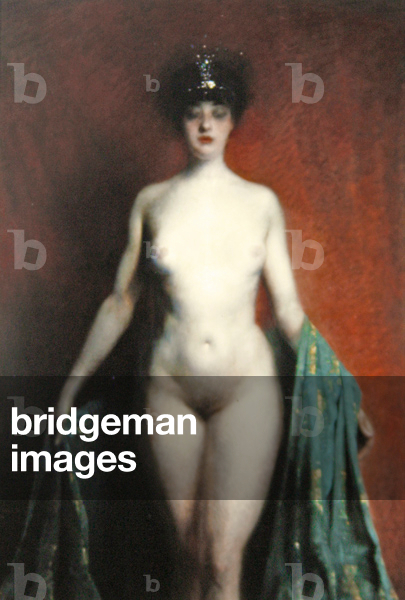
PNH474352: Souveraine, 1909 (oil on canvas), Watelet, Charles Joseph (1867-1954) / Bridgeman Images

STM620752: Guitarist, 1928 (oil on paper), Derain, Andre (1880-1954) / Bridgeman Images

CH650707: Lady with a Parasol, (oil on canvas), Cucuel, Edward (1879-1954) / Bridgeman Images

CH653588: Woman in White, c.1918-19 (oil on canvas), Matisse, Henri (1869-1954) / Bridgeman Images

CH822788: The Boardwalk, 1953 (oil on masonite), Marsh, Reginald (1898-1954) / Bridgeman Images

CH822922: A Wind-Blown Skirt: A Double-sided drawing, 1944 (brush and black ink, ink wash, and watercolour on paper), Marsh, Reginald (1898-1954) / Bridgeman Images

CH825335: Sitting Woman; Femme Assise, 1946 (charcoal on paper), Matisse, Henri (1869-1954) / Bridgeman Images

CH826497: Head of a Woman in Profile, (pen and black ink on paper), Matisse, Henri (1869-1954) / Bridgeman Images

IL832955: The head of Donald MacWilliam presented to Alexander II AD1214, 1920's (litho), Dovaston, Margaret (1884-1954) / Bridgeman Images

IL833071: The performance of an early mystery play (litho), 1920's (litho), Robinson, Thomas Heath (1869-1954) / Bridgeman Images

NUM168655: Woman with Roses (oil on canvas), Matisse, Henri (1869-1954) / Bridgeman Images

CHT171393: Costume design for Bartholo, for a performance of 'The Barber of Seville' in Paris (pen & ink and pencil on paper), Derain, Andre (1880-1954) / Bridgeman Images

BBC186465: Bavarian Village (oil on canvas), Bloch, Martin (1883-1954) / Bridgeman Images

BBC186477: Welsh Village (oil on canvas), Bloch, Martin (1883-1954) / Bridgeman Images

MAA198375: Little Timidity, 1885 (oil on canvas), Beaumont, Frederick Samuel (1861-1954) / Bridgeman Images

IL202164: Prince Feroze-Shah Awakes the Beautiful Princess, illustration from 'Children's Stories from the Arabian Nights', by Rose Yeatman Woolf, c.1920 (colour litho), Theaker, Harry George (1873-1954) / Bridgeman Images

IL212325: 'Queen Frigga and the Beldame' from 'Baldur the Belobed' illustrated in 'Children's Stories from the Northern Legends' published by Raphael Tuck, Theaker, Harry George (1873-1954) / Bridgeman Images

IL212332: Banqueting Scene, from 'Children's Stories from the Northern Legends' published by Raphael Tuck (colour litho), Theaker, Harry George (1873-1954) / Bridgeman Images

XAB241164: Captive Germans, 1916 (oil on canvas), Goriuschkin-Sorokopudov, Ivan Silych (1873-1954) / Bridgeman Images

STC306652: The Judgement of the Nine Ploughshares, illustration from 'The History of the Nation' (litho), Dovaston, Margaret (1884-1954) / Bridgeman Images

FDB328915: The Old Bus Horse, illustration from 'Four And Twenty Toilers', engraved and printed by Edmund Evans at the Racquet Court Press, pub. by Grant Richards, London, 1900 (colour litho), Bedford, Francis Donkin (1864-1954) / Bridgeman Images
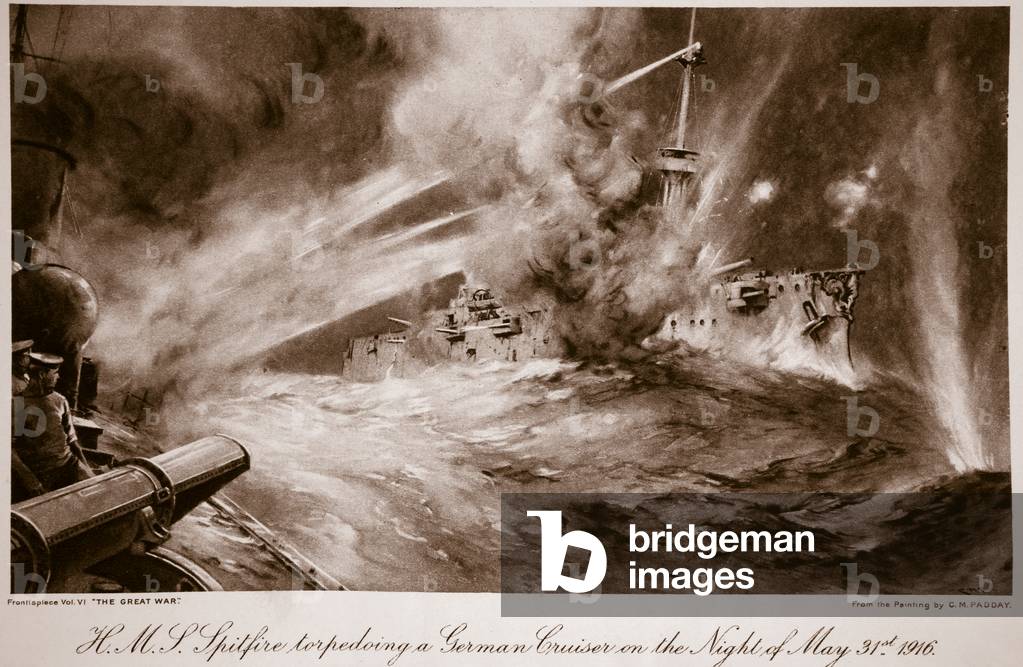
STC359621: H.M.S Spitfire torpedoing a German Cruiser on the Night of May 31st, 1916, 1914-19 (litho), Padday, Charles Murray (1868-1954) (after) / Bridgeman Images
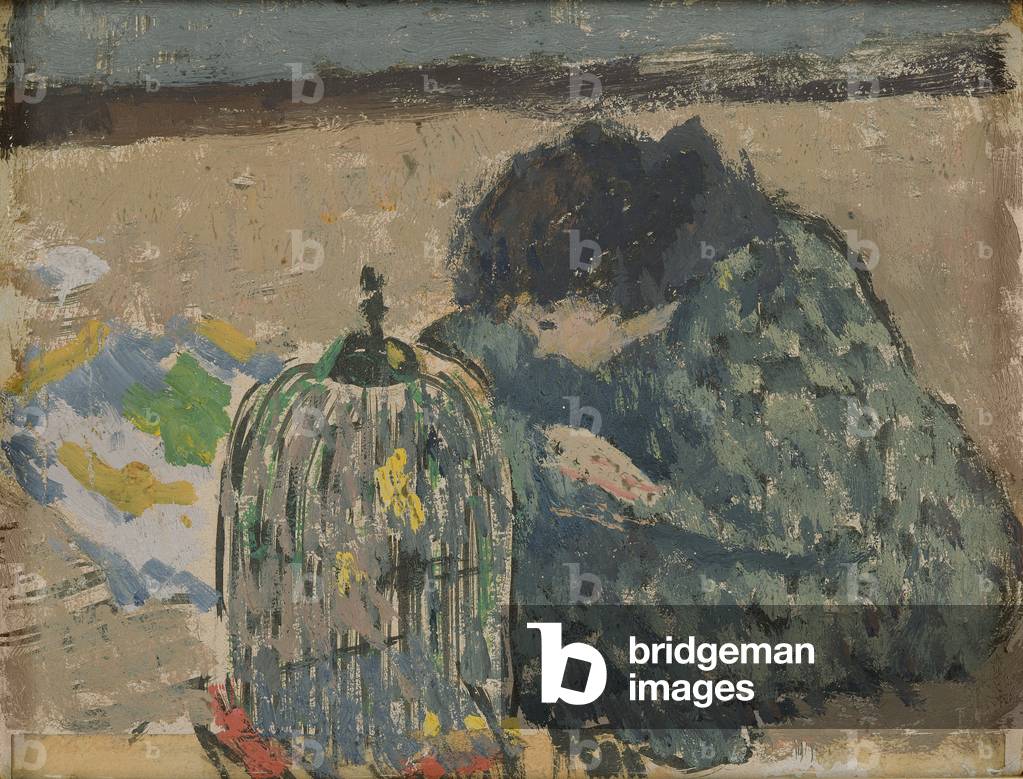
XIR384575: Woman with a canary, c.1892-94 (oil on card), Andre, Albert (1869-1954) / Bridgeman Images

XIR394988: Still life with a glass of wine, c.1932 (oil on canvas), Derain, Andre (1880-1954) / Bridgeman Images

WTL474916: The Chrysler Building, New York (photo), Alen, William Van (1883-1954) / Bridgeman Images
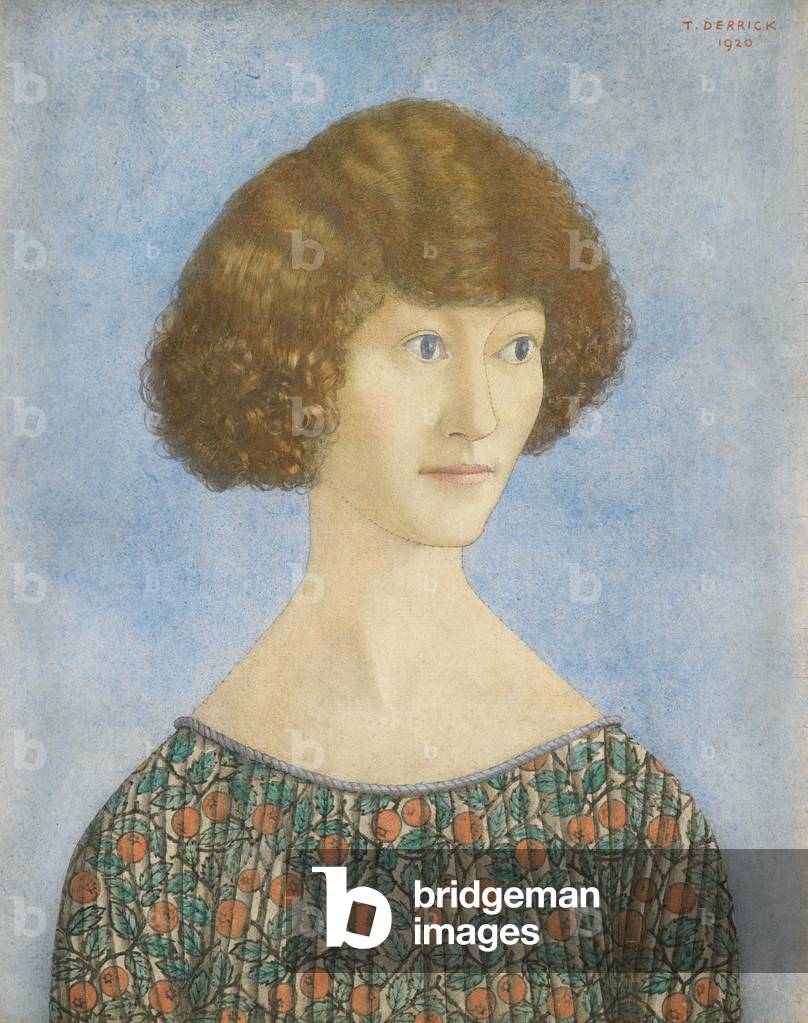
MAA619263: Donna Cristina, 1920 (tempera on panel) , Derrick, Thomas (1885-1954) / Bridgeman Images

CH656018: Odalisques with Checkerboard, c.1928 (pen and black ink on paper), Matisse, Henri (1869-1954) / Bridgeman Images

CH822923: A Wind-Blown Skirt: A double-sided drawing, 1944 (80 x 57cm) (drawing), Marsh, Reginald (1898-1954) / Bridgeman Images

CH823209: The El, 1929 (watercolour and pencil on paper), Marsh, Reginald (1898-1954) / Bridgeman Images

CH825761: Vase of Poppies; Vase de Coquelicots, (oil on canvas), Andre, Albert (1869-1954) / Bridgeman Images

CH826247: The Dancer, 1949 (pen and ink on paper), Matisse, Henri (1869-1954) / Bridgeman Images
