2490904 Search Results

FLO4691639: Red-shanked douc, Pygathrix nemaeus. Endangered. Simia nemaeus Linn. Handcoloured copperplate engraving by Johann Sebastian Leitner after an illustration by Jacques de Seve from Johann Christian Daniel Schreber's Animal Illustrations after Nature, or Schreber's Fantastic Animals, Erlangen, Germany, 1775. / Bridgeman Images
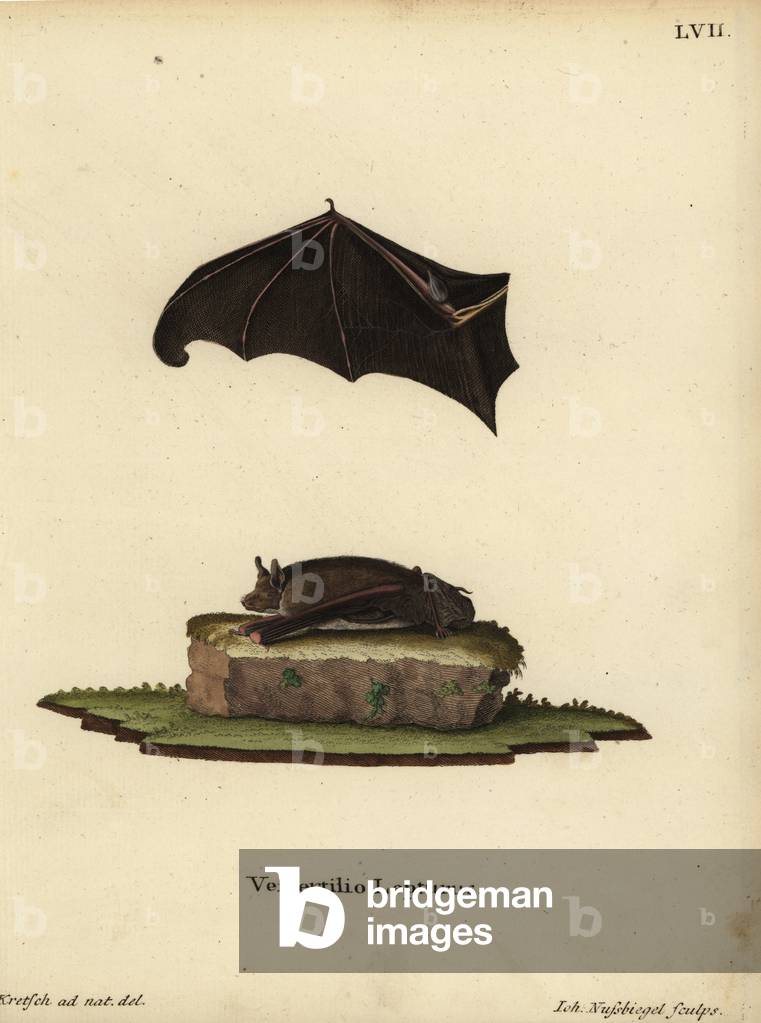
FLO4691984: Lesser sac-winged bat, Saccopteryx leptura. Vespertilio lepturus. Handcoloured copperplate engraving by Johann Nussbiegel after an illustration from nature by J.D. Kretsch from Johann Christian Daniel Schreber's Animal Illustrations after Nature, or Schreber's Fantastic Animals, Erlangen, Germany, 1775. / Bridgeman Images

FLO4692192: Indian rhinoceros, Rhinoceros unicornis. Vulnerable. Handcoloured copperplate engraving by Johann Nussbiegel after an illustration from the life by Johann Elias Ridinger from Johann Christian Daniel Schreber's Animal Illustrations after Nature, or Schreber's Fantastic Animals, Erlangen, Germany, 1775. / Bridgeman Images

FLO4693263: Fossil of Neuropteris grandiflora, extinct species of fern, from the carboniferous period. Lithographie in Petrefactenbuch (Book of Petrification) by Dr. F.A.Schmidt, published in Stuttgart (Germany) in 1855 by Verlag von Krais and Hoffmann. / Bridgeman Images
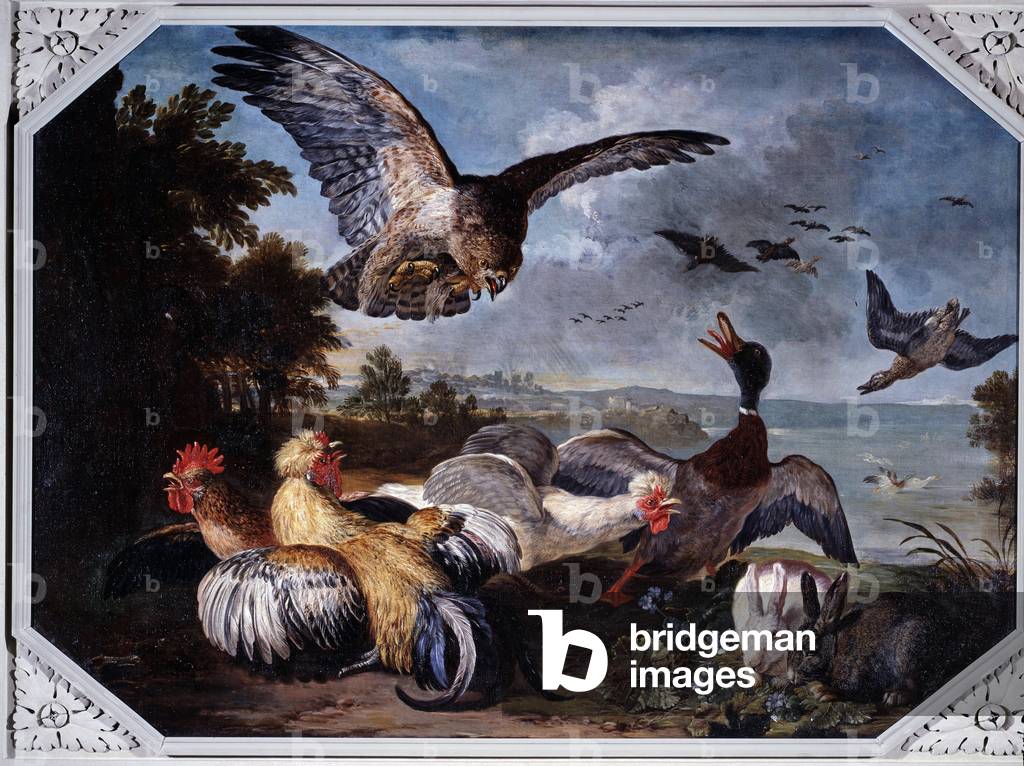
LRI4693278: Birds frightened by an eagle (oil on canvas, 17th century), Koninck, David de (1636-99) / Bridgeman Images
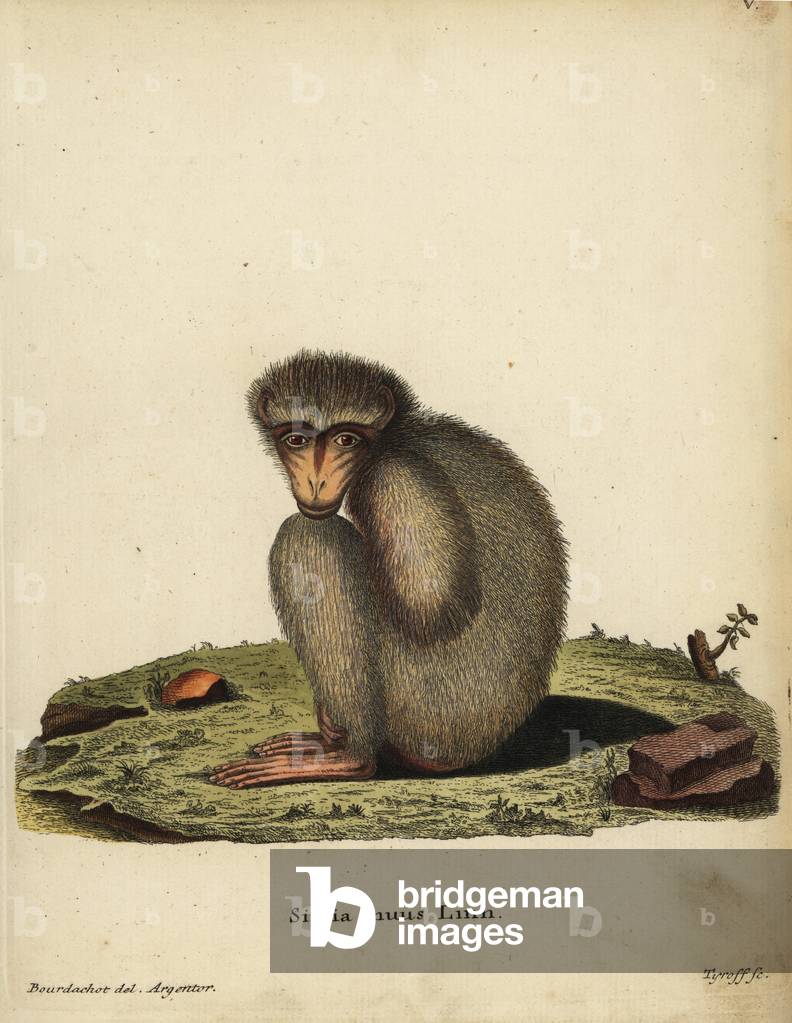
FLO4692003: Barbary ape or macaque, Macaca sylvanus. Endangered. Simia inuus Linn. Handcoloured copperplate engraving by Tyroff after an illustration by Bourdachot from Johann Christian Daniel Schreber's Animal Illustrations after Nature, or Schreber's Fantastic Animals, Erlangen, Germany, 1775. / Bridgeman Images
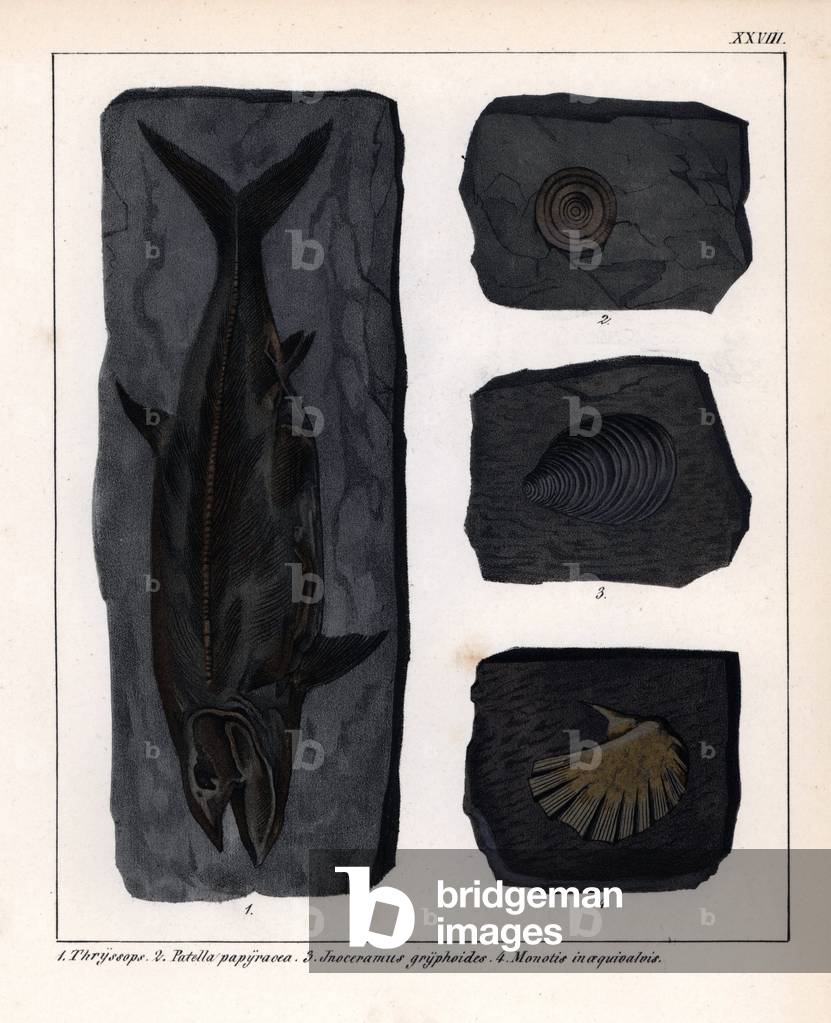
FLO4693528: Fossil of extinct fish: Thryssops, and shells Patella papyracea, Inoceramus gryphoides and Monotis inaequivalvis. Lithographie in Petrefactenbuch (Book of Petrification) by Dr. F.A.Schmidt, published in Stuttgart (Germany) in 1855 by Verlag von Krais and Hoffmann. / Bridgeman Images

TEC4692256: The City of the Sciences and the Industry, Paris 19th, photo taken in 1986 (photo), Fainsilber, Adrien (b.1932) / Bridgeman Images

FLO4692274: Nicobar crab-eating macaque, Macaca fascicularis. Simia cynomolgos Linn. Handcoloured copperplate engraving by Johann Sebastian Leitner after an illustration by Jacques de Seve from Johann Christian Daniel Schreber's Animal Illustrations after Nature, or Schreber's Fantastic Animals, Erlangen, Germany, 1775. / Bridgeman Images

TEC4692316: The City of the Sciences and the Industry, Paris 19th, photo taken in 1986 (photo), Fainsilber, Adrien (b.1932) / Bridgeman Images
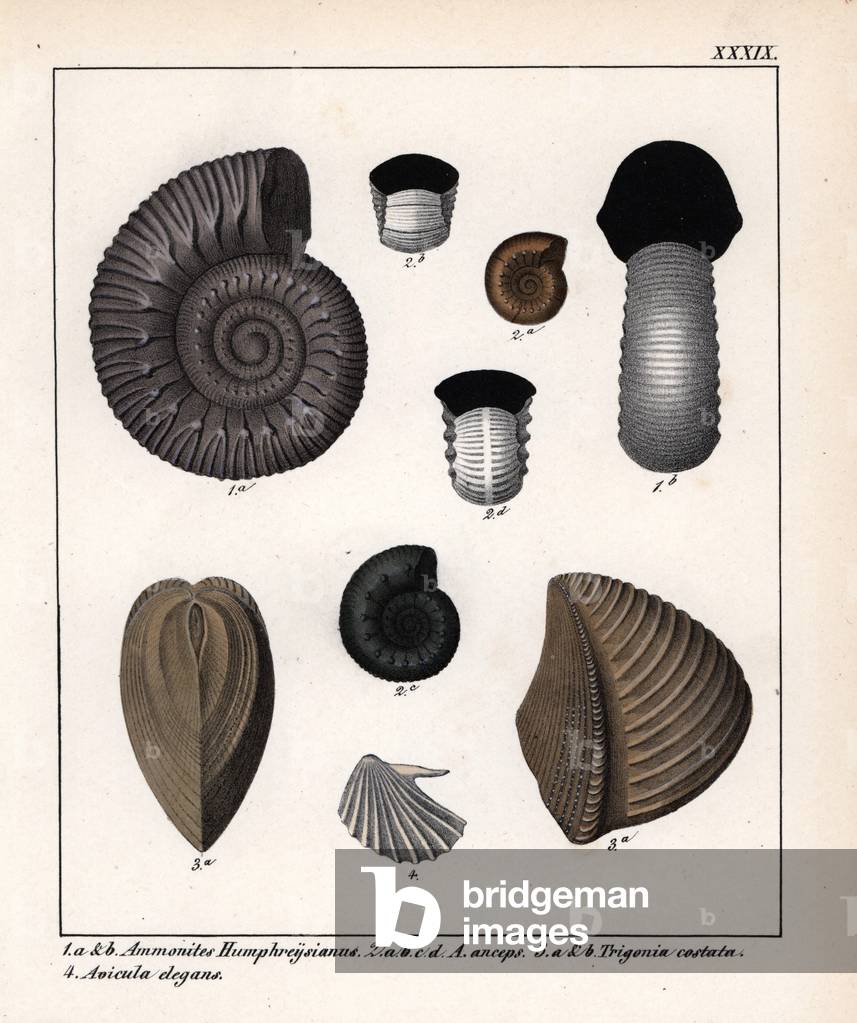
FLO4693613: Gasteropod fossils (small species): Ammonites Humphreysianus, A. anceps, Trigonia costata and Avicula elegans. Lithographie in Petrefactenbuch (Book of Petrification) by Dr. F.A.Schmidt, published in Stuttgart (Germany) in 1855 by Verlag von Krais and Hoffmann. / Bridgeman Images

FLO4694576: Northern leopard frog, Lithobates pipiens (Peeping frog, Rana pipiens). Handcoloured copperplate engraving by Hill after an illustration by George Shaw from his General Zoology, Amphibia, London, 1801. / Bridgeman Images

MME4694710: Jazz percussionist and vibraphonist LIONEL HAMPTON, “” Umbria Jazz””, Perugia, 1981/LIONEL HAMPTON, percussionista e vibrafonista, “” Umbria Jazz””, Perugia, 1981, Mencarini, Marcello / Bridgeman Images

FLO4693932: Precious Metals (gold in quartz vermeil, gold crystal, gold in quartz, gold pepites, sylvanite, platinum and iridosmine) - Chromolithography of Mineralogy by Gustav Adolph Kengott (1818-1897), extract from Natural History by Gotthilf Heinrich von Schubert (1780-1860), 1886 - Precious metals including gold in ruddy quartz, including gold, gold crystal, gold tablet in quartz, lumps of gold, sylvanite, platinum and osmiridium - Chromolithograph from Dr. Aldolph Kenngott's “” Mineralogy”” section in Gotthilf Heinrich von Schubert's “” Naturgeschichte,””” Schreiber, Munich, 1886 / Bridgeman Images

MME4694855: Pop singer RICHIE HAVENS/RICHIE HAVENS, singer, Mencarini, Marcello / Bridgeman Images

FLO4694868: Young crocodile hatching from the egg, Crocodylus niloticus. Handcoloured copperplate engraving by Heath after an illustration by George Shaw from his General Zoology, Amphibia, London, 1801. / Bridgeman Images
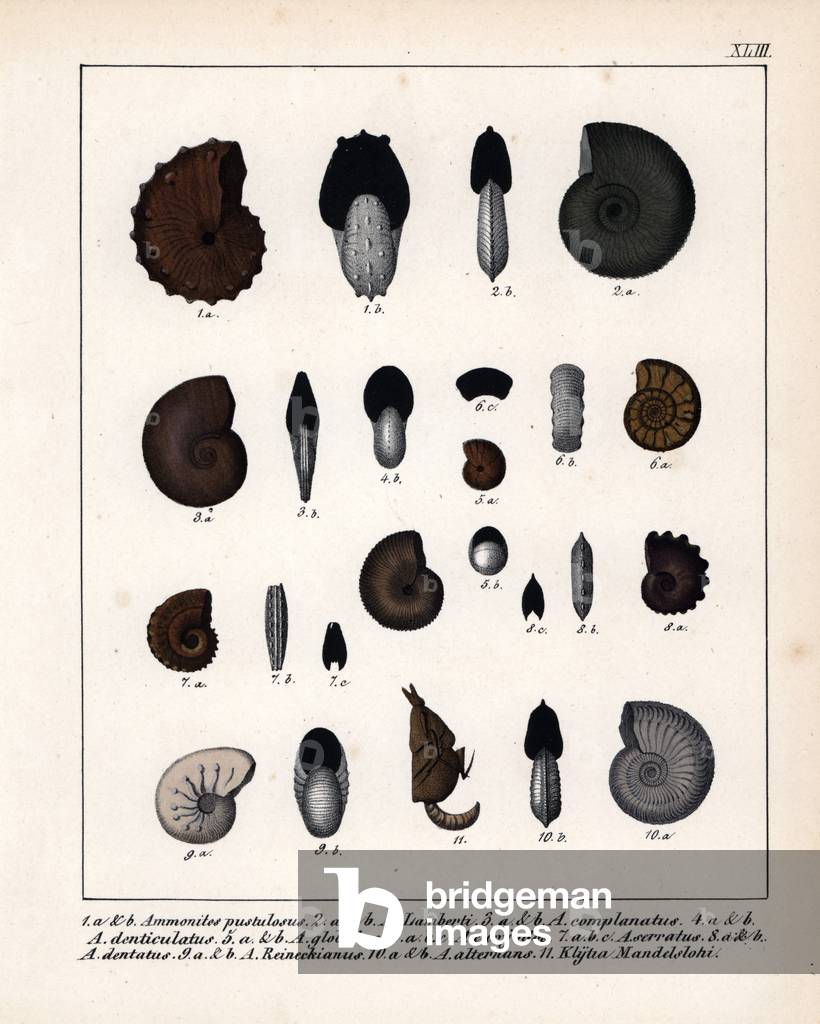
FLO4693625: Ammonite fossils (eteintes species): A. pustulosus, A. Lamberti, A. complanatus, A. denticulatus, A. globulus, A. euryodos, A. serratus, A. dentatus, A. Reineckianus, A. alternans, and Klytia Mandelslohi. Lithographie in Petrefactenbuch (Book of Petrification) by Dr. F.A.Schmidt, published in Stuttgart (Germany) in 1855 by Verlag von Krais and Hoffmann. / Bridgeman Images

GIA4693895: Ostia (Ostia) Ancient: mosaic of the Baths of Neptune., Roman / Bridgeman Images
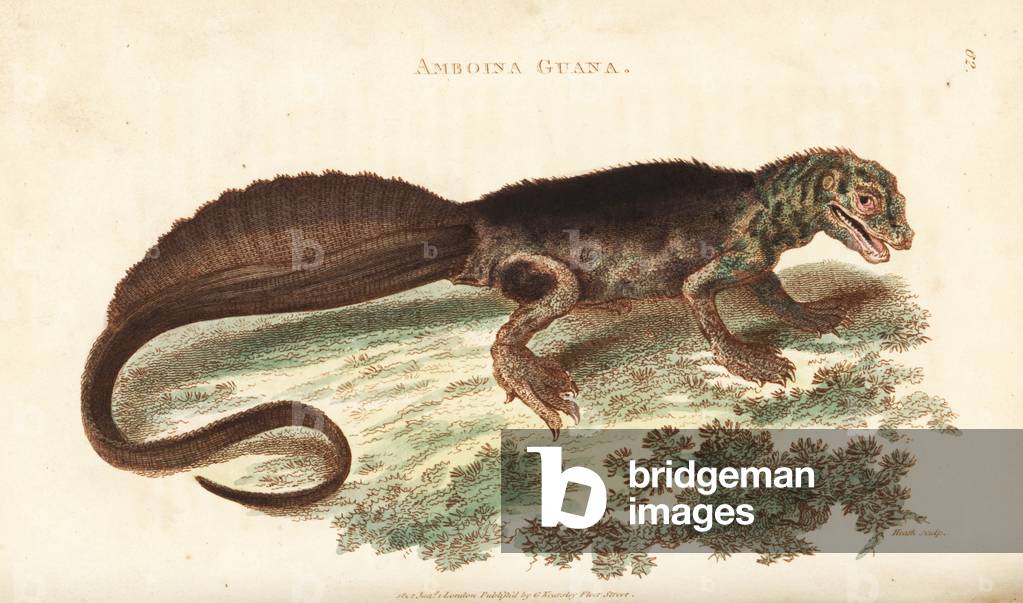
FLO4694943: Amboina sailfin lizard, Hydrosaurus amboinensis (Amboina guana, Lacerta amboinensis). Handcoloured copperplate engraving by Heath after an illustration by George Shaw from his General Zoology, Amphibia, London, 1801. / Bridgeman Images

FLO4695051: Mountain horned lizard, Phrynosoma orbiculare (orbicular lizard, Lacerta orbicularis). Handcoloured copperplate engraving by Hill after an illustration by George Shaw from his General Zoology, Amphibia, London, 1801. / Bridgeman Images

FLO4695188: European glass lizard, Pseudopus apodus (apodal lizard, Lacerta apus). Handcoloured copperplate engraving by Heath after an illustration by George Shaw from his General Zoology, Amphibia, London, 1801. / Bridgeman Images
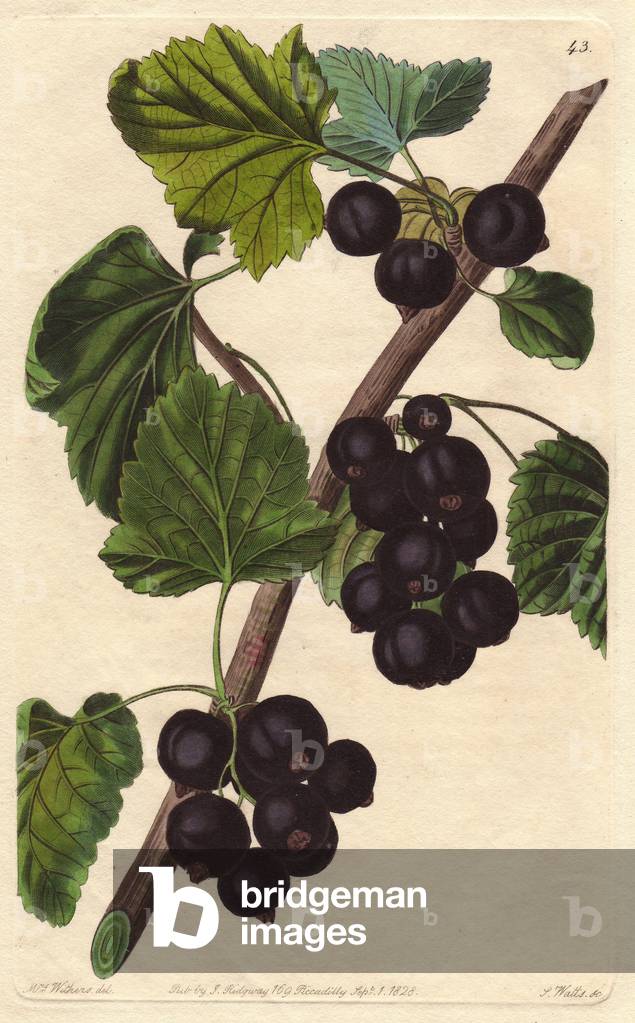
FLO4688004: Blackcurrant (black currant or black currant). Lithograph after the illustration of Augusta Withers (1793-1877), published in the “Pomology Magazine” (1828-1830) by John Lindley (1795-1865). Black Naples currant, Ribes nigrum, raised in the north of England and Scotland. Illustration by Mrs. Withers. Handcoloured copperplate engraved by S. Watts from J. Lindley's “” Pomological Magazine,” London, 1828-1930. / Bridgeman Images

FLO4688110: View of the Venereum of the House of Sallust, Reg VI, Ins 2, 3-5,30, Pompeii. The large painting on the rear wall shows Actaeon and Diana. Chromolithograph and illustration by D. Capri from Antonio Niccoliniõs Pompeii: Views and Restorations (Pompeii: Essaies et Restorations), published by Zucchi & De Luca, Naples, 1898. Antonio was grandson of the architect Antonio Niccolini Sr. / Bridgeman Images
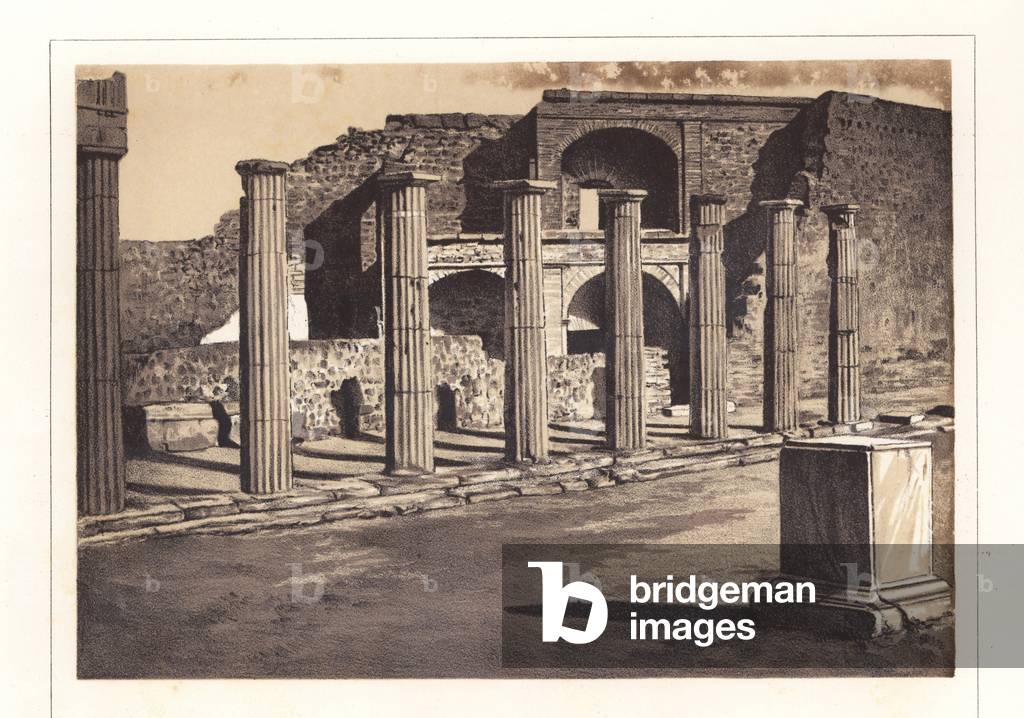
FLO4688219: Exterior of the Small Theatre or Odeon, Pompeii VIII.7.19. Columns in the street, and plinth for a statue. Chromolithograph and illustration by S. De Stefano from Antonio Niccoliniõs Pompeii: Views and Restorations (Pompeii: Essaies et Restorations), published by Fausto Niccolini, Naples, 1898. Antonio was grandson of the architect Antonio Niccolini Sr. / Bridgeman Images

TEC4688289: Musee Guggenheim in Bilbao, Spain. End of construction 1997, architect Frank Gehry. Photography 05/05/06., Gehry, Frank (1929-2025) / Bridgeman Images

LRI4688301: Frieze of the months of main entrance (sculpture, 1220-1230), Italian School, (13th century) / Bridgeman Images

LBY4688350: Musee Guggenheim in Bilbao, Spain. End of construction 1997, architect Frank Gehry. Photography 1997., Gehry, Frank (1929-2025) / Bridgeman Images

FLO4689946: Prince mushroom, Agaricus augustus (Psalliota augusta) and field mushroom, Agaricus campestris (Psalliota campestris). Chromolithograph by Lassus after an illustration by A. Bessin from Leon Rolland's Guide to Mushrooms from France, Switzerland and Belgium, Atlas des Mushrooms, Paul Klincksieck, Paris, 1910. / Bridgeman Images

FLO4688412: Natives of the Sandwich Islands (Hawaii), 19th century. Copied from Louis Choris '” Picturesque Journey.”” Handcoloured lithograph by J. Bull from James Cowles Prichard's Natural History of Man, Balliere, London, 1855. / Bridgeman Images

FLO4674272: Military costume, 12th century. Knight in red cape, white tunic, over chainmail suit of armour and plate greaves, spurs and gauntlets. His arms include sword and dagger. His “” nasal”” helmet features a chainmail gorgerin and a strip of leather and armour to protect the nose. Handcoloured copperplate drawn and engraved by Leopold Massard from “” French Costumes from KingClovis to Our Days,”” Massard, Mifliez, Paris, 1834., Massard, Leopold (1812-1889) / Bridgeman Images

FLO4675984: Pope Sixtus IV (Francesco della Rovere, 1414-1484), crown 1471 - Pope Sixtus IV, (1414-1484), seated on a throne - He wears a bonnet and almuce in red wool trimmed with ermine, linen rochet, and a cassock of white wool - From a painting by Piero della Francesca in the Vatican - Handcoloured illustration drawn and lithographed by Paul Mercuri with text by Camille Bonnard from “” Historical Costumes from the 12th to 15th Centuries,”” Levy Fils, Paris, 1861, Mercuri, Paolo (1804-84) / Bridgeman Images

FLO4676131: Costume of a member of the company della Calza, young Venetian noble, wearing the distinctive costume of a theatrical society, responsible for organizing parties and games in Venice (Italy) (show, carnival, boat race or naval battles in the canals), 15th century - Member of a Compagnie della Calza, young Venetian noblemen who organized spectacles and masquerades in Venice, 15th century - He wears a violet toque, a green velvet jacket, black doublet, and odd stockings - The left is striped, and the right is scarlet decorated with pearls and palms - From a painting by Vittore Carpaccio in the Academy of Fine Arts, Venice - Handcoloured illustration drawn and lithographed by Paul Mercuri with text by Camille Bonnard from “” Historical Costumes from the 12th to 15th Centuries,”” Levy Fils, Paris, 1861, Mercuri, Paolo (1804-84) / Bridgeman Images

FLO4675742: Stingy. Death broke into the vault, where the Stingy sits among his coffers and bags of gold. Death on a stool, deliberately collects in a large dish the money on the table that the Mad had counted. In an agony of terror and despair, the poor man seems to beg indulgence from his undesirable visitor. Hand-coloured engraving by Christian Von Mechel (or Chretien de Mechel, 1737-1817) in “The Triumph of Death”” based on original drawings by Hans Holbein the Young (1497-1543), 1860. / Bridgeman Images

FLO4675769: The drinkers. On the right, La Mort festive holds an ebriete head and poured a bottle of red wine into its throat. His companions watch and applaud. In front, a drunk character vomits on the floor and a third drunk on the left looks deep into his mug. Hand-coloured engraving by Christian Von Mechel (or Chretien de Mechel, 1737-1817) in “The Triumph of Death”” based on original drawings by Hans Holbein the Young (1497-1543), 1860. / Bridgeman Images

FLO4675787: The curse: Adam digs in the ground, assists by death. Deep down, Eve breastfed her newborn by holding a cattail. Hand-coloured engraving by Christian Von Mechel (or Chretien de Mechel, 1737-1817) in “The Triumph of Death”” based on original drawings by Hans Holbein the Young (1497-1543), 1860. / Bridgeman Images

FLO4675821: The Child. A cottage owner's wife prepares a family meal when death arrives and takes away the youngest of her children. Hand-coloured engraving by Christian Von Mechel (or Chretien de Mechel, 1737-1817) in “The Triumph of Death”” based on original drawings by Hans Holbein the Young (1497-1543), 1860. / Bridgeman Images
