2491100 Search Results

MPX5124841: Friends enjoying some early summer sunshine on the south coast during the Whitsun Bank Holiday, May 1959 (b/w photo) / Bridgeman Images

MPX5124859: Reading Pop Festival. crowds waiting for the bands to take the stage during the festival, 24th August 1973 (b/w photo) / Bridgeman Images

MPX5124877: Reading Pop Festival. Young festival goers get a few minutes rest in between watching bands, 26th June 1971 (b/w photo) / Bridgeman Images

MPX5124904: Young boys playing in the water on a hot day at Oldbury Reservoir near Atherstone, North Warwickshire, 4th July 1977 (b/w photo) / Bridgeman Images

MPX5124931: History back in the air... the last serving Royal Air Force Lancaster bomber makes its first flight since being grounded nearly two years ago for a major overhaul. Putting the plane through its paces at Staverton Air Show is Squadron Leader Jacko Jackson. The Lancaster will make its annual visit to the RAFA Air Display at Baginton Airport, Coventry, in August, 7th May 1979 (b/w photo) / Bridgeman Images

MPX5124955: Peter Wilson, Mirror Sports Journalist at Wimbledon, 22nd June 1971 (b/w photo) / Bridgeman Images

MPX5124982: Rolling Stones: Anita Pallenberg at their hotel in Newcastle upon Tyne, March 1971 (b/w photo) / Bridgeman Images

MPX5125012: Kenneth More and Lauren Bacall at the Odeon Theatre, Leicester Square in 1959 (b/w photo) / Bridgeman Images

MPX5125018: Kenneth More on the set of the film The Longest Day, 1961 (b/w photo) / Bridgeman Images

MPX5125045: Rolling Stones: During the first night of the band's UK tour at Newcastle City Hall on Thursday 4 March 1971 (b/w photo) / Bridgeman Images

MPX5124755: Miss World Competition at the Royal Albert Hall, 20th November 1970 (b/w photo) / Bridgeman Images

MPX5124758: West Ham players get in a spot of training at their training ground at Chadwell Heath, Essex ahead of their Soccer Players Athletics meeting at Crystal Palace. Left to right are: Bobby Moore, Alan Stephenson, Bobby Robson, Geoff Hurst, Billy Bonds and Clyde Best. 6th April 1972 (photo) / Bridgeman Images

MPX5124845: The burn that runs through Glen Roy in Invernesshire in the Highlands of Scotland, c. 1960 (b/w photo) / Bridgeman Images

MPX5124851: Reading Pop Festival. Festival goers with their pet dog watching the bands performing on the main stage, 24th August 1973 (b/w photo) / Bridgeman Images

MPX5124869: A small boy plays in the squalor outside tenement blocks in Govan, Glasgow. September 1956 (b/w photo) / Bridgeman Images

MPX5124881: General view of Loch Leven and the Pap of Glen Coe in Argyllshire, Scotland, c. 1960 (b/w photo) / Bridgeman Images

MPX5124884: Reading Pop Festival. Music fans having a sleep at the festival, 26th June 1971 (b/w photo) / Bridgeman Images

MPX5124890: Reading Pop Festival. Festival goers covered in waterproof plastic sheets to protect them from the rain as they watch bands performing on the main stage, 26th June 1971 (b/w photo) / Bridgeman Images

MPX5124896: Reading Pop Festival. A happy Music fan watching the bands performing on the main stage, 26th June 1971 (b/w photo) / Bridgeman Images

MPX5124971: The Rolling Stones play at Longleat, the home of Lord Bath, 2nd August 1964 (b/w photo) / Bridgeman Images

MPX5124977: The Rolling Stones fans at the last concert of their tour at the Round House, London. 14 March 1971 (b/w photo) / Bridgeman Images

MPX5125010: Fire eater Bernard Brasseur in Clayton Street, Newcastle in June 1978 (b/w photo) / Bridgeman Images

MPX5125016: Rolling Stones: During their concert at The Free Trade Hall in Manchester 5 March 1971 (b/w photo) / Bridgeman Images

MPX5125025: Pop singer David Bowie smiles as he arrives at Victoria Station in London May 1976 (b/w photo) / Bridgeman Images

MPX5125031: Queue for Rolling Stones Concert in Manchester. February 1971 (b/w photo) / Bridgeman Images

MPX5124747: Adam Faith modelling a Canary Yellow pullover and Suede jacket. 13th December 1963 (b/w photo) / Bridgeman Images
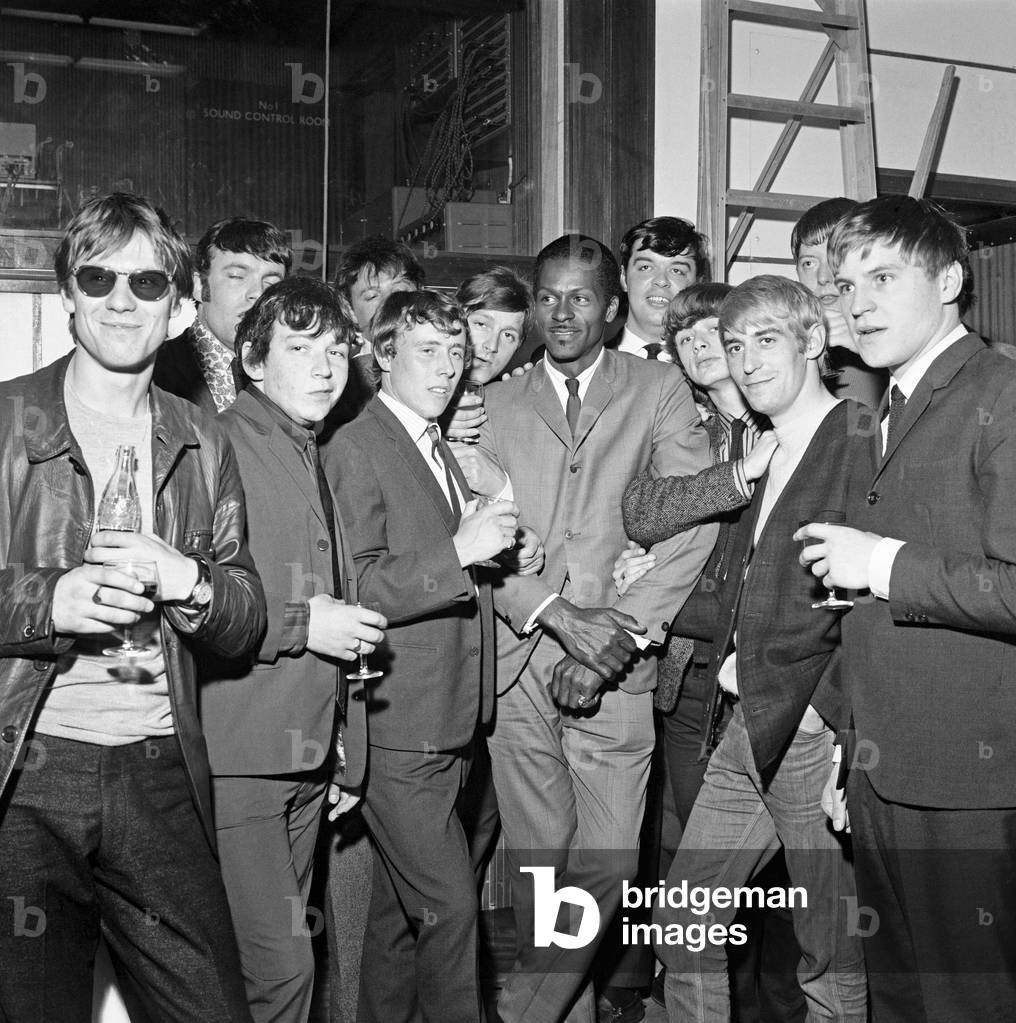
MPX5124759: Chuck Berry pictured with The Animals and The Dominoes at Pye recording studios, Cumberland Place, 25th May 1964 (b/w photo) / Bridgeman Images
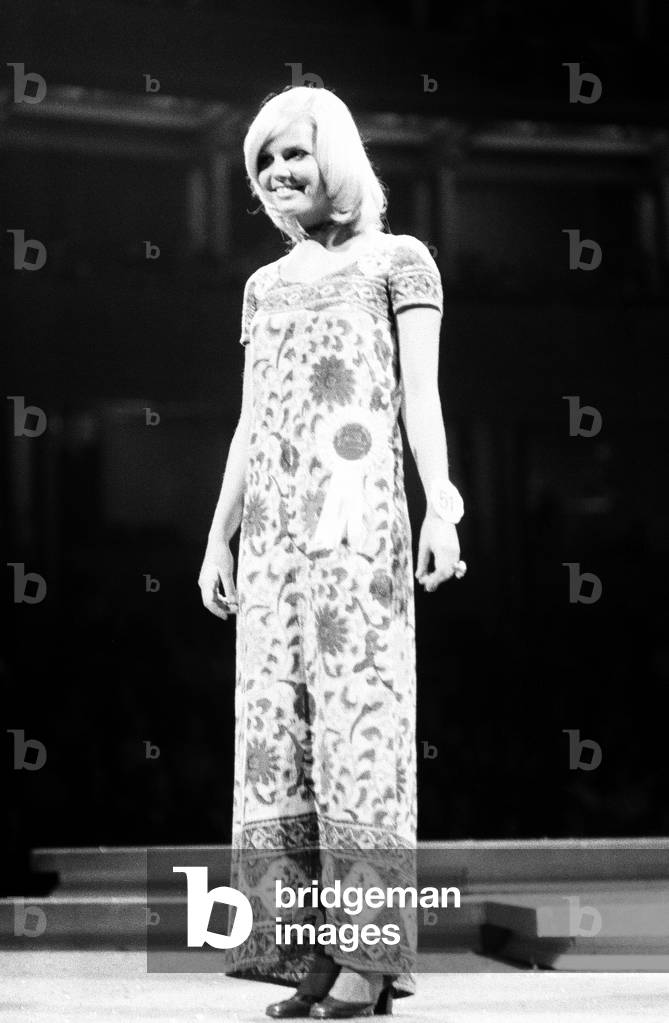
MPX5124762: Miss World Competition at the Royal Albert Hall, 20th November 1970 (b/w photo) / Bridgeman Images
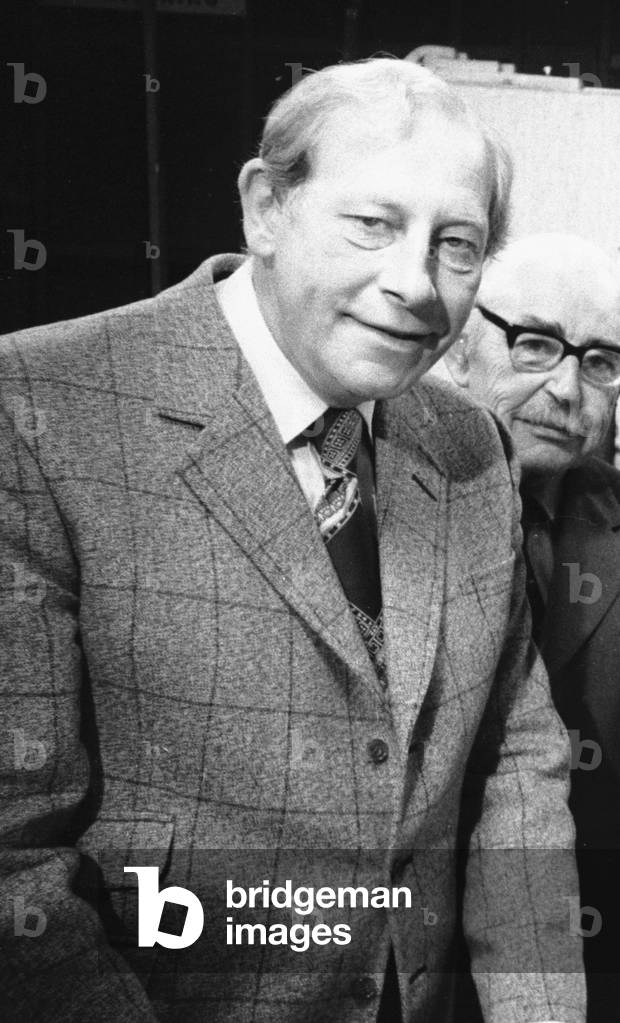
MPX5124771: Veteran BBC Newscaster Peter Woods seen here at celebrations to mark the 25 anniversary of the BBC Television News Service at BBC TV Centre in White City, 25th June 1979 (b/w photo) / Bridgeman Images

MPX5124783: Miss World Competition at the Royal Albert Hall, 20th November 1970 (b/w photo) / Bridgeman Images

MPX5124807: 10 year old Alan Barker with a friendly pigeon on his head as he walks along the promenade at Bognor Regis, 4th August 1964 (b/w photo) / Bridgeman Images

MPX5124816: Miss Julie Rogers who appears on ABC's "Thank Your Lucky Stars" singing her new record "Its Magic" April 1964 (b/w photo) / Bridgeman Images

MPX5124828: General view showing the Cairngorms from Geln Mor lodge in Invernesshire in winter time, c. 1947 (b/w photo) / Bridgeman Images

MPX5124831: Roadside view of Loch Ard, a body of fresh water in the Loch Lomond and the Trossachs National Park, Stirling District, Scotland, 3rd August 1946 (b/w photo) / Bridgeman Images

MPX5124861: The burn that runs through Glen Roy in Invernesshire in the Highlands of Scotland, c. 1960 (b/w photo) / Bridgeman Images

MPX5124864: Jimmy Hogan Soccer Coach for Brentford FC on his Daily Dispatch coaching tour, 23rd September 1946 (photo) / Bridgeman Images
