2491100 Search Results

GRZ4880990: THE CYCLIST GUIDO DE ROSSO AT HIS HOME IN FARRA DI SOLIGO - 1961 / Bridgeman Images

SOB4881097: Redmond O-Hanlon, May 29, 2004, Bassouls, Sophie / Bridgeman Images

ZUM4881163: Aug. 08, 1957 Portrait of Hussein of Jordan (1935-1999) (left) and President Abdel Salam Aref (Arif) (1921-1966) of Iraq kissing / Bridgeman Images

ZUM4881186: Aug. 08, 1957 - President of North Vietnam Ho Chi-Minh arrived in Belgrade, for talks with President Tito seen / Bridgeman Images

ICA4881232: Le Point, Satirique en Couleurs, 1988_3_5: President of the Republic - Mitterrand Francois, Rocard Michel, Bebe - Illustration by Jacques Faizant (1918-2006), Faizant, Jacques (1918-2006) / Bridgeman Images

ZUM4881285: Feb. 02, 1958 - President Ho Chi Minh of North Vietnam plants an Hanoi Cactus in the grounds of the Gandhi Shrine at Rayghat on the banks of the River Junore during his visit to New Delhi / Bridgeman Images

ZUM4881337: Sep. 12, 1953 - Mommy is quite worried about her baby. The baby was born in Frankfurt Zoo and baby Tapirs born in captivity are quite rare. The baby already has a mobile snout like its mother. / Bridgeman Images

ZUM4881347: 21/02/1958 - New York portrait of American diplomat Robert Murphy traveling to London to deal with Selwyn Lloyd and Harold Macmillan with the Franco-Tunisian crisis in the context of the Algerian War / Bridgeman Images

GIE4881369: Portrait of Indian Writer Jhumpa Lahiri 2004 / Bridgeman Images

ZUM4879587: Sep. 09, 1953 - The Munich” Oktober Festival At the weekend the famous Bavarian and German public festival” The October Festival” will begin. The Munchener Kindl and the Munich beer welcome the guests from all the world. / Bridgeman Images

ZUM4879625: Portrait of the first dancer Jacqueline Rayet (born 1933) in 1956 / Bridgeman Images
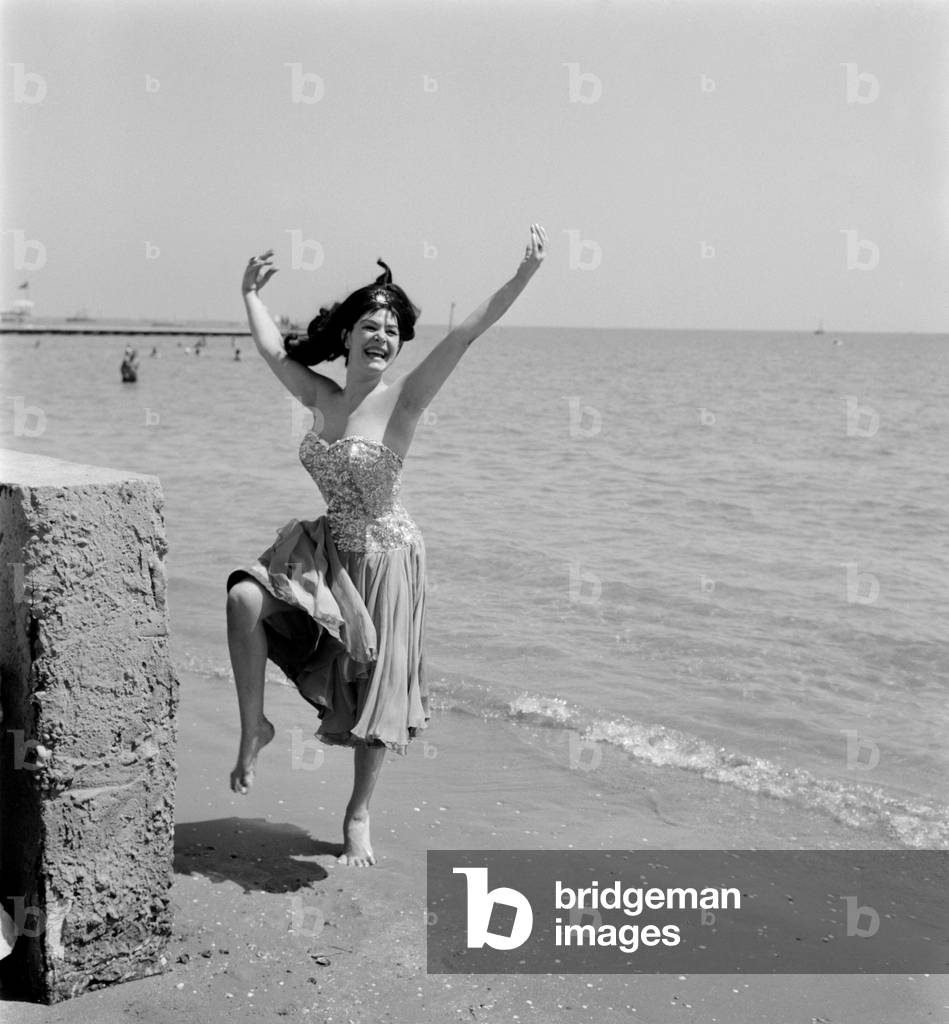
GRZ4879658: THE DANCER AND ACTRESS SILVANA BLASI AT VENICE LIDO BEACH - 196? / Bridgeman Images

ZUM4879807: Carpenters reparting the tower of the Church of St. Mary (Marienkirche) in Lubeck Germany 1956 / Bridgeman Images

ZUM4880024: Sep. 09, 1953 - Crown Prince of Laos Arrives in New Delhi.: H.R.H. Prince Savang Vathana, Crown Prince of Laos, accompanied by Royal Princesses and the Prime Minister of Laos, arrived in New Delhi recently for a ten-day stay at the invitation of the Government of India. India's Prime Minister, Mr. Nehru, was at Palam Airport to greet the Royal guests when they arrived from Calcutta / Bridgeman Images

GRZ4880028: THE ACTRESS LUCIA BOSE IN SPAIN (shooting with a rifle while hunting) - 1961 / Bridgeman Images
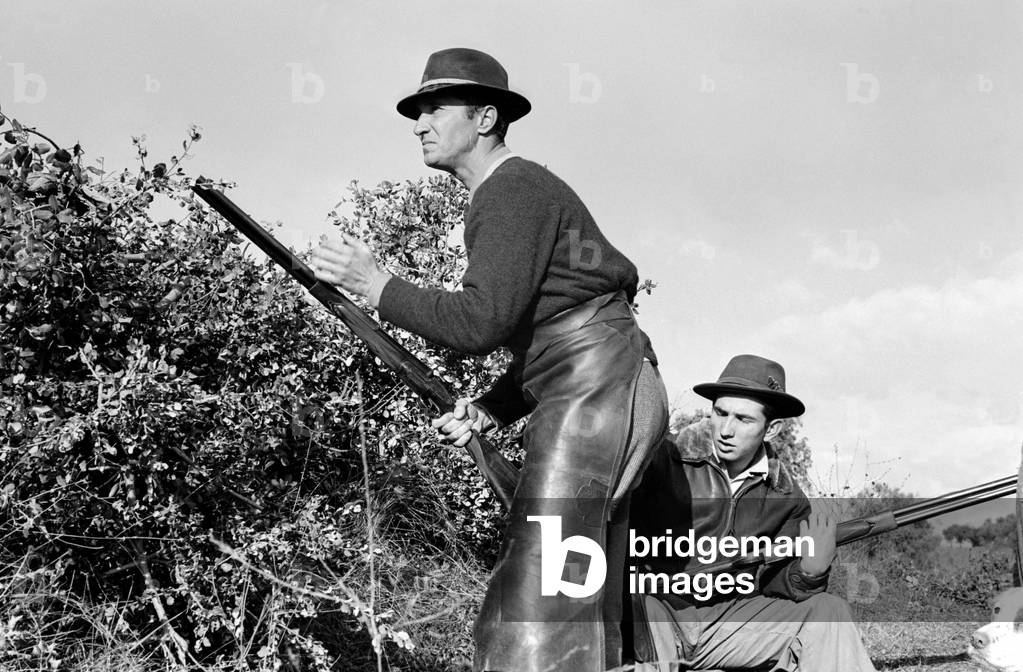
GRZ4880091: LOUIS MIGUEL DOMINGUIN (father of Miguel Bose), TORERO, IN SPAIN (he participates in a hunt) - 1961 / Bridgeman Images
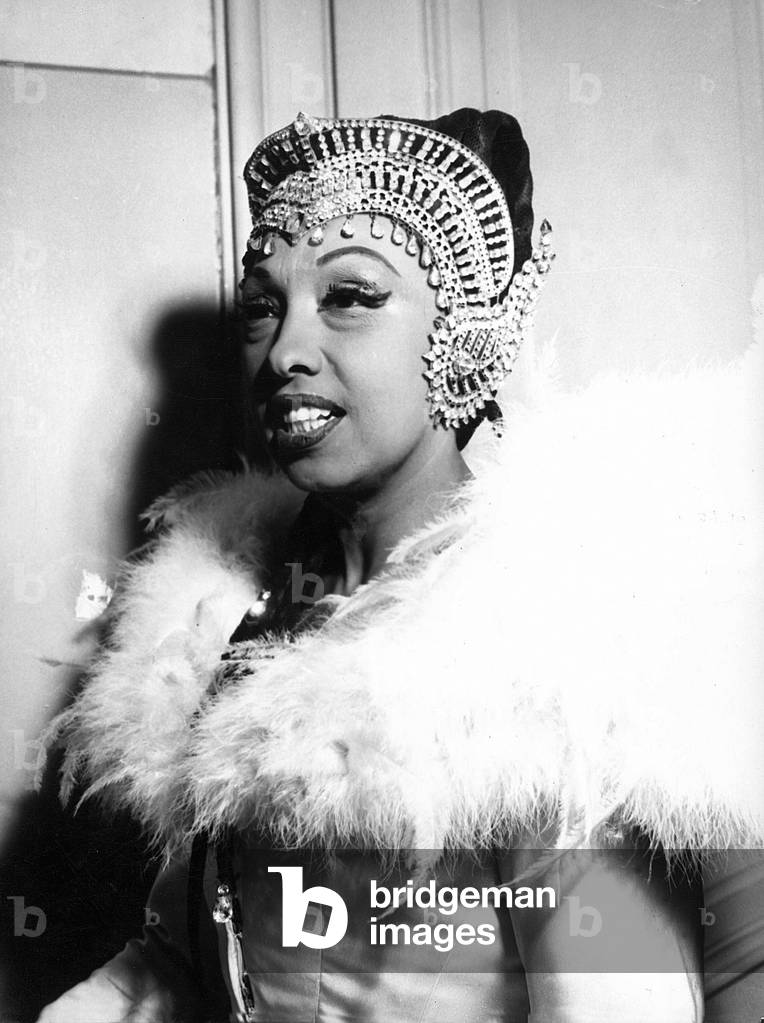
ZUM4881438: Apr. 24, 1958 portrait of singer JOSEPHINE BAKER / Bridgeman Images

ICA4881491: Days of France, Satirical in Colors, 1967_5_27: Humor, Vol, Reading - Illustration by Jacques Faizant (1918-2006), Faizant, Jacques (1918-2006) / Bridgeman Images

GIE4881531: Portrait of Karel Glastra van Loon, Dutch journalist and writer. (1962-2005) / Bridgeman Images
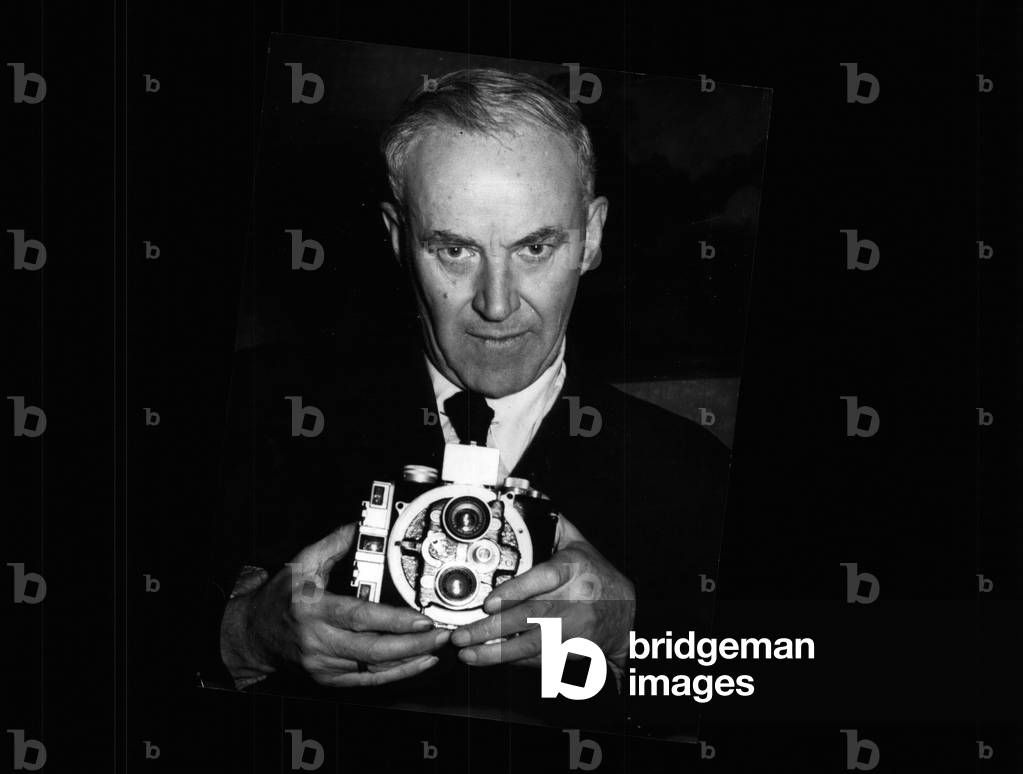
ZUM4881546: Sep. 15, 1953 - Doreka - the first double-reflex-camera: The engineer Konrad Paasch from Berlin an old practiced photographer constructed the first double-reflex-camera and he already announced the patent. At the Doreka as well the color-film as also the black and white film are together in one box naturally separated. Double seized it is fit out by a mirror-camera. Besides this new construction engineer Paasch intends to contract also a” double box” / Bridgeman Images
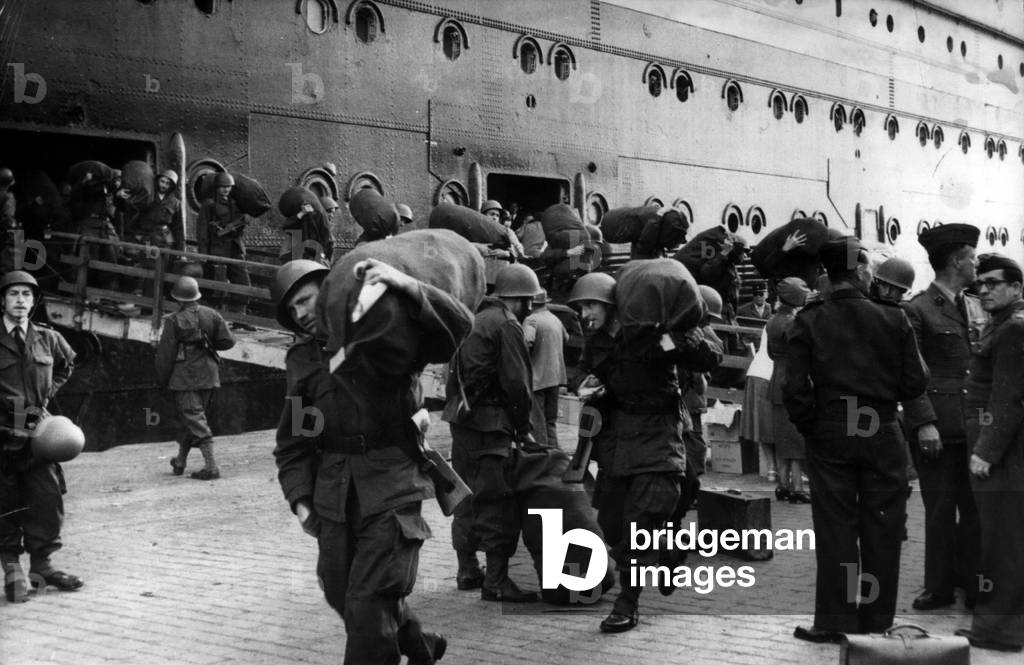
ZUM4881587: Putsch d'Algiers (coup d'état of 13 May 1958): 3800 French soldiers debarquent in Algiers, Algeria / Bridgeman Images
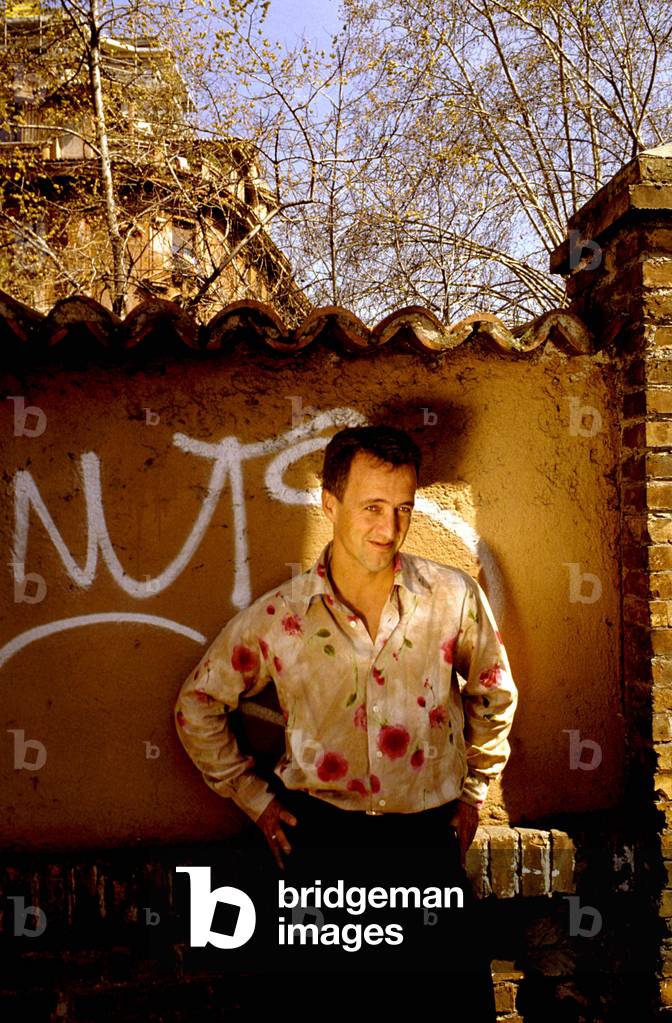
GIE4881632: Portrait of Karel Glastra van Loon, Dutch journalist and writer. (1962-2005) / Bridgeman Images

GIE4881809: Portrait of Heidi Julavits American writer. / Bridgeman Images

GRZ4881870: THE PRODUCER SALOMON HURK WITH THE ACTRESS ELSA MERLINI - VENICE - 1947 / Bridgeman Images

GRZ4880216: THE ACTRESS MIRIAM (MYRIAM) BRU ON VENICE LIDO BEACH - 1952 / Bridgeman Images

SOB4880267: Guillaume Noyelle, September 2, 2003, Bassouls, Sophie / Bridgeman Images

GRZ4880329: THE ACTRESS MYRIAM BRU AT INTERNATIONAL FILM FESTIVAL IN VENICE LIDO - 1954 / Bridgeman Images
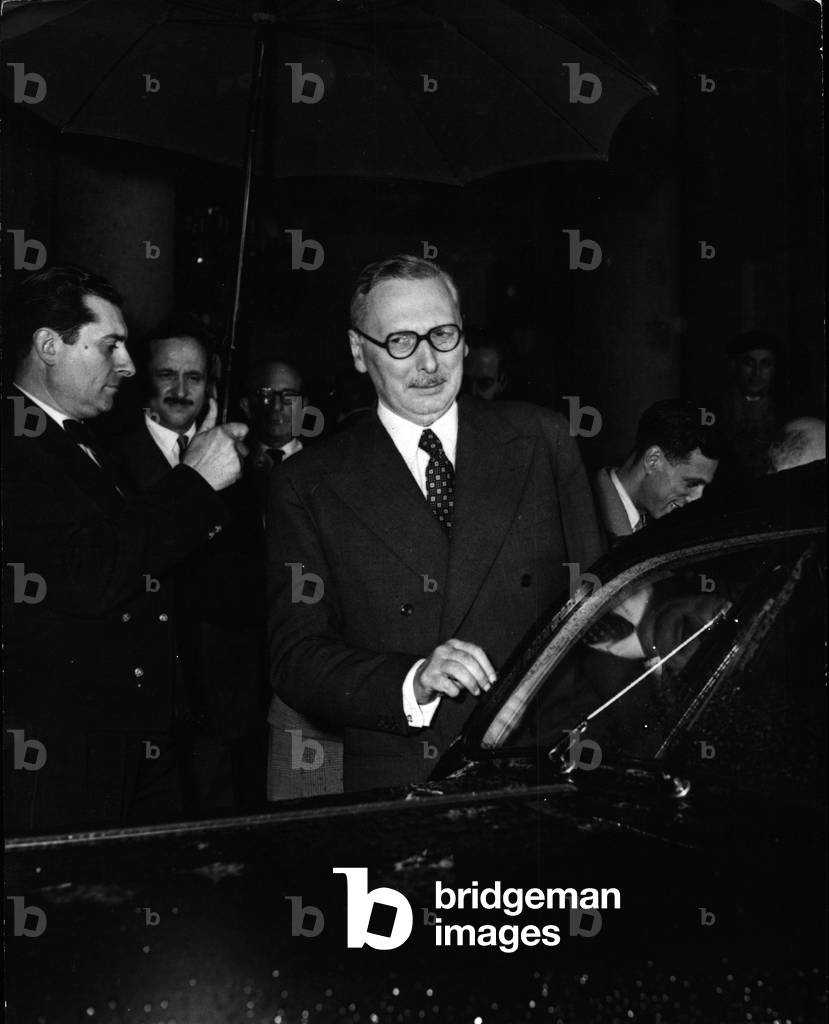
ZUM4880393: Portrait of politician Rene Pleven (1901-1993), 1956 / Bridgeman Images
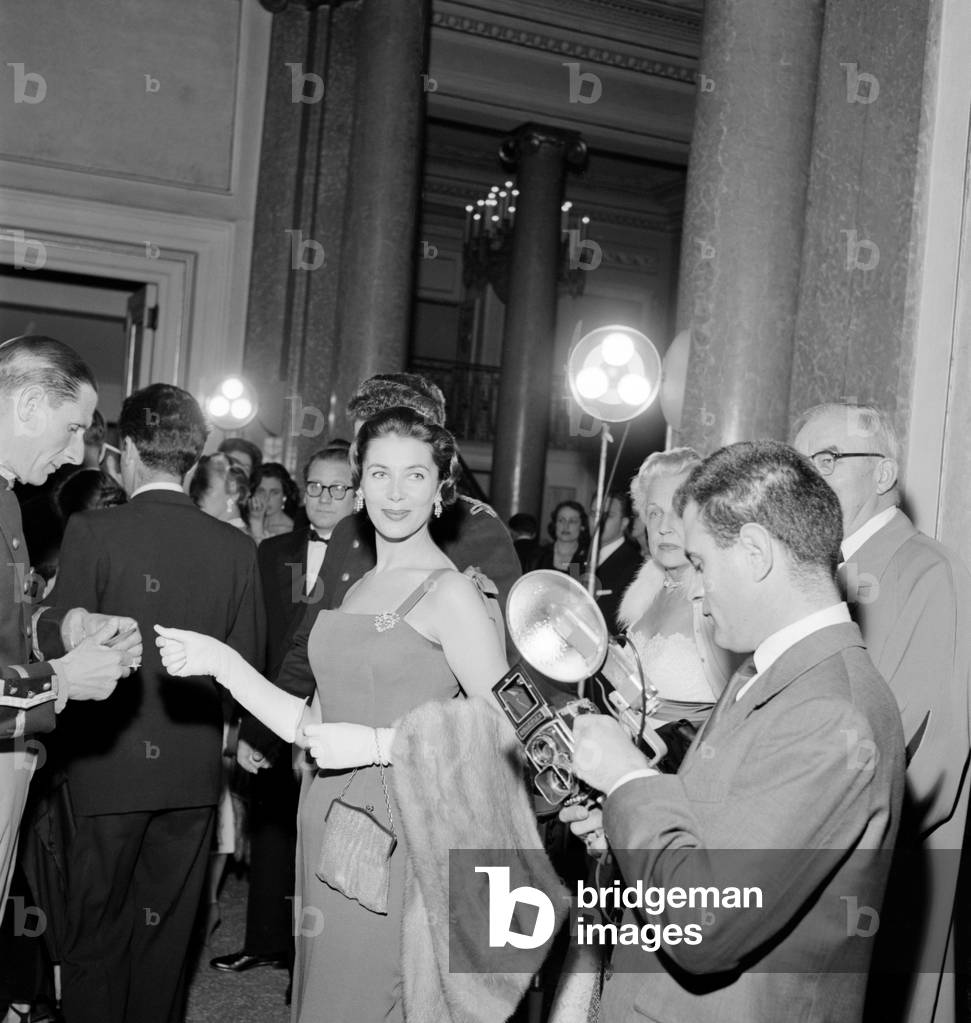
GRZ4880425: THE ACTRESS MYRIAM BRU AT THE THEATRE LA FENICE FOR THE LAURENCE OLIVIER'S GALA EVENING - 1957 / Bridgeman Images

ZUM4881456: Sep. 14, 1953 - Musical Instruments and masks from Nigeria on show. Trying out the” Ryon”: Drums, harps and other musical instruments from Nigeria together with ritual masks and clothing are on show at the Cereminial Foyer of the Royal Festival Hall, organized by the British Empire Society for the blind / Bridgeman Images
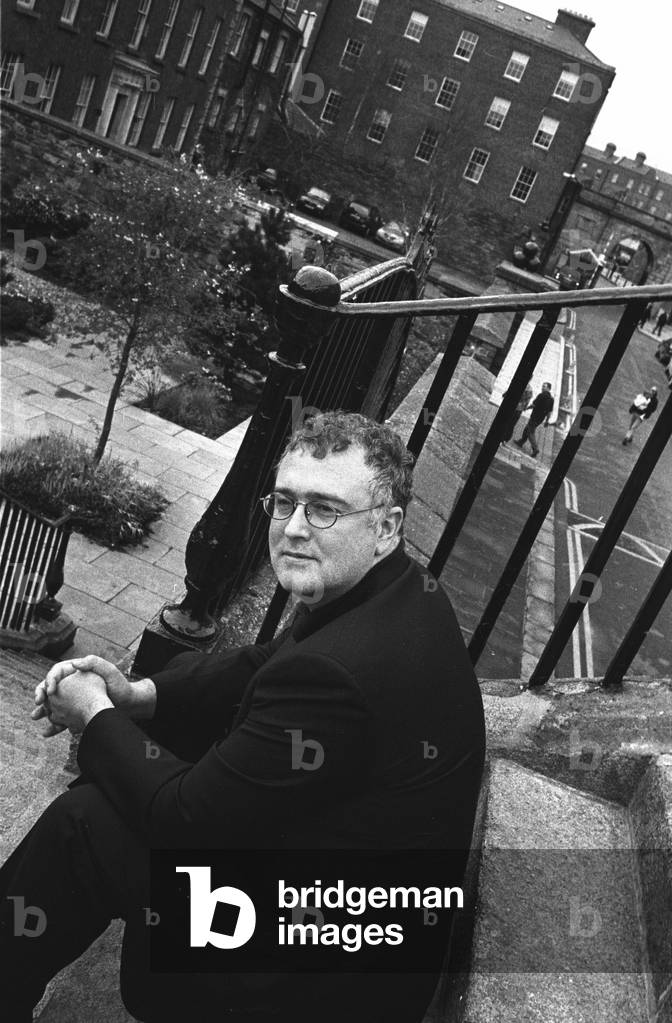
SOB4880532: Joseph O'Connor, April 3, 2004, Bassouls, Sophie / Bridgeman Images

SOB4880601: Tawni O'Dell, December 10, 2004, Bassouls, Sophie / Bridgeman Images

ZUM4880669: Portrait of the Russian dancer Galina Ulanova (1910-1998) October 1956 / Bridgeman Images

ZUM4880679: Sep. 09, 1953 -” Kronprinz Frederik” Leaves For Denmark Towed By Tugs: the salvaged Danish liner” Kronprinz Frederik”, which caught fire and sank last April, left Harwich this morning - towed by tugs - for Denmark / Bridgeman Images

SOB4880719: Tawni O'Dell, December 10, 2004, Bassouls, Sophie / Bridgeman Images

ICA4881768: Days of France, Satirical in Colours, 1976_10_25: Humor, Fashion, Internal architecture, Knitting - Illustration by Jacques Faizant (1918-2006), Faizant, Jacques (1918-2006) / Bridgeman Images
