2491528 Search Results
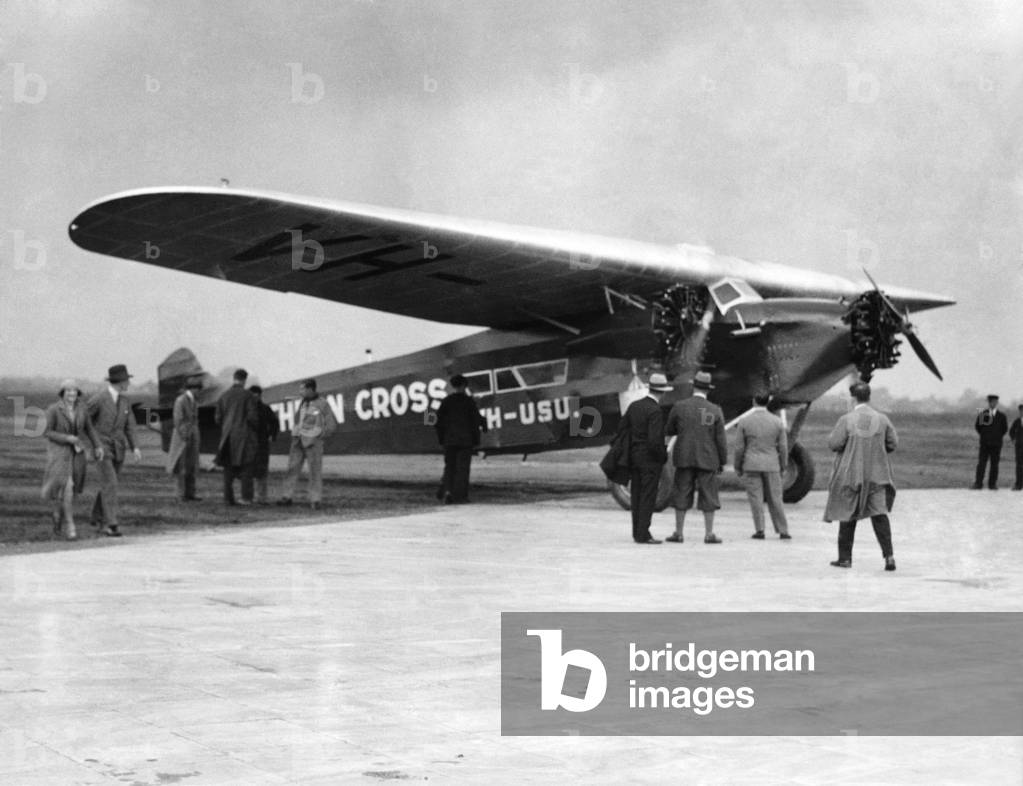
MPX5077120: The Southern Cross, the three-engine Fokker VII-3m at Portmarnock Beach, Ireland prior to becoming the second aircraft to make a non-stop east to west crossing of the Atlantic. 24 June, 1930 / Bridgeman Images
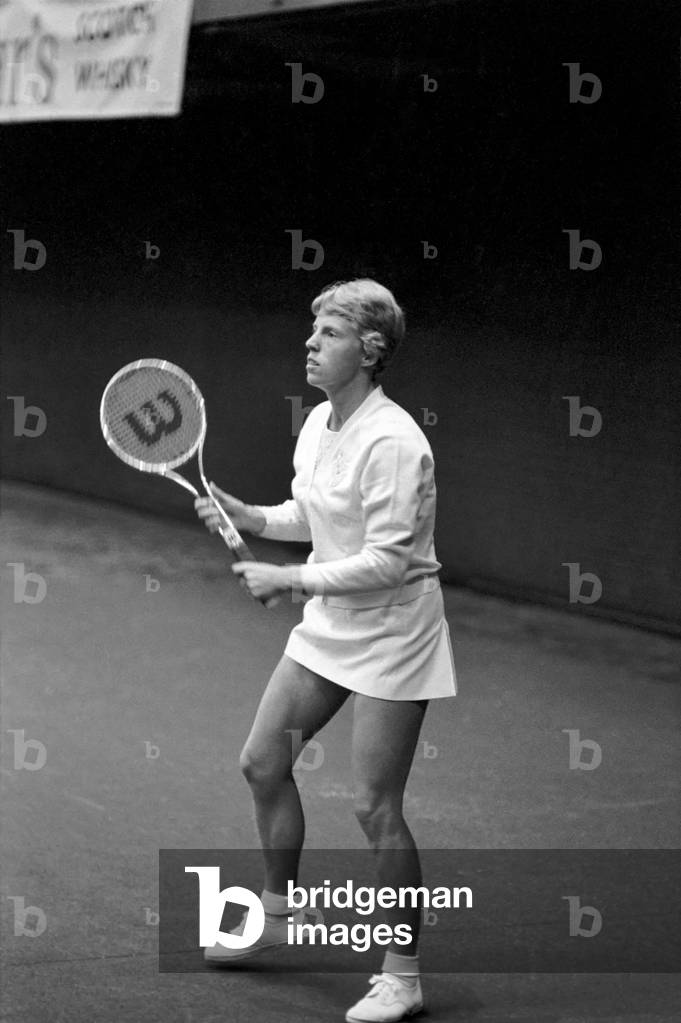
MPX5077256: The 25th Open Tennis Tournament at the Palace Hotel, Torquay. Ladies Singles Mrs. Ann Jones in action. November 1969 / Bridgeman Images
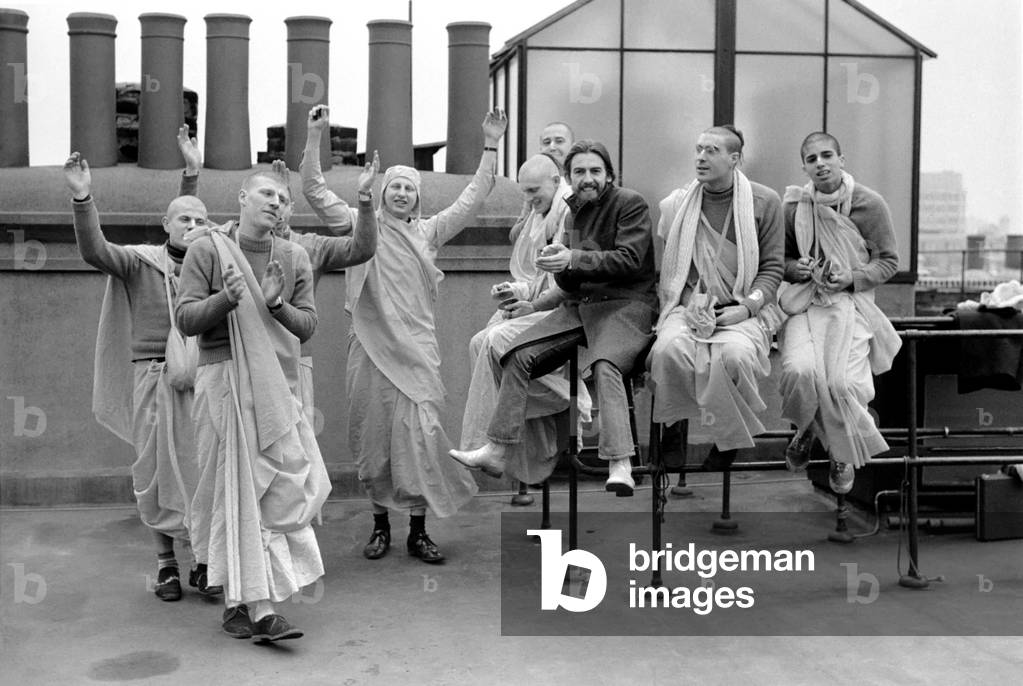
MPX5077233: George Harrison with the Radha Krishna. March 1970 / Bridgeman Images

MPX5071235: Not such a silly ass. Little Miss Muffet, fluffy little baby donkey, is only a month old, but she is already the belle of the Blackpool beach. Worn out with all the admiration showered on her, Miss Muffet decides to sleep it off. Father's boots make a fine pillow and won't he be surprised when he returns from his swim to find such an unusual watch dog. June 1947 / Bridgeman Images

MPX5071837: Tiny Tim is to take part in tonights charity Save Rave pop show at the London Palladium, which Princess Margaret will attend. Tiny Tim will be wearing three neck ties given to him by his girl friend Vicki, he will wear them all at once, when he goes to bed they go on his pillow. Tiny Tim wearing his three ties at the Palladium today. November 1969 / Bridgeman Images

MPX5071849: Winter's first snows have been no help when it comes to mastering the arts of ski-ing. Even though she was on an indoor slope, Miss Maureen Beech came a purler when she tried her luck on a huge indoor ski slope at a holiday and travel exhibition in Brighton. She really let the British side down for there to see her spectacular tumble were a band of Austrian folk dancers in town for the exhibition. Because as well as performing their Tyrol Whirls they are all expert skiers too. December 1969 / Bridgeman Images

MPX5071900: Gravesend to Calais 48 hour trip Via Ferry dancing and French Cafe culture. English Girls enjoying French refreshment and toasting each other with wine in a Calais Cafe. June 1960 / Bridgeman Images

MPX5071906: Gravesend to Calais 48 hour trip Via Ferry dancing and French Cafe culture. June 1960 / Bridgeman Images

MPX5071909: Family pictures of Alan and Maureen Rothwell, with babies Tody aged 2 years and Ben aged 16 months, playing on the swings and slides at their local play ground. November 1969 / Bridgeman Images
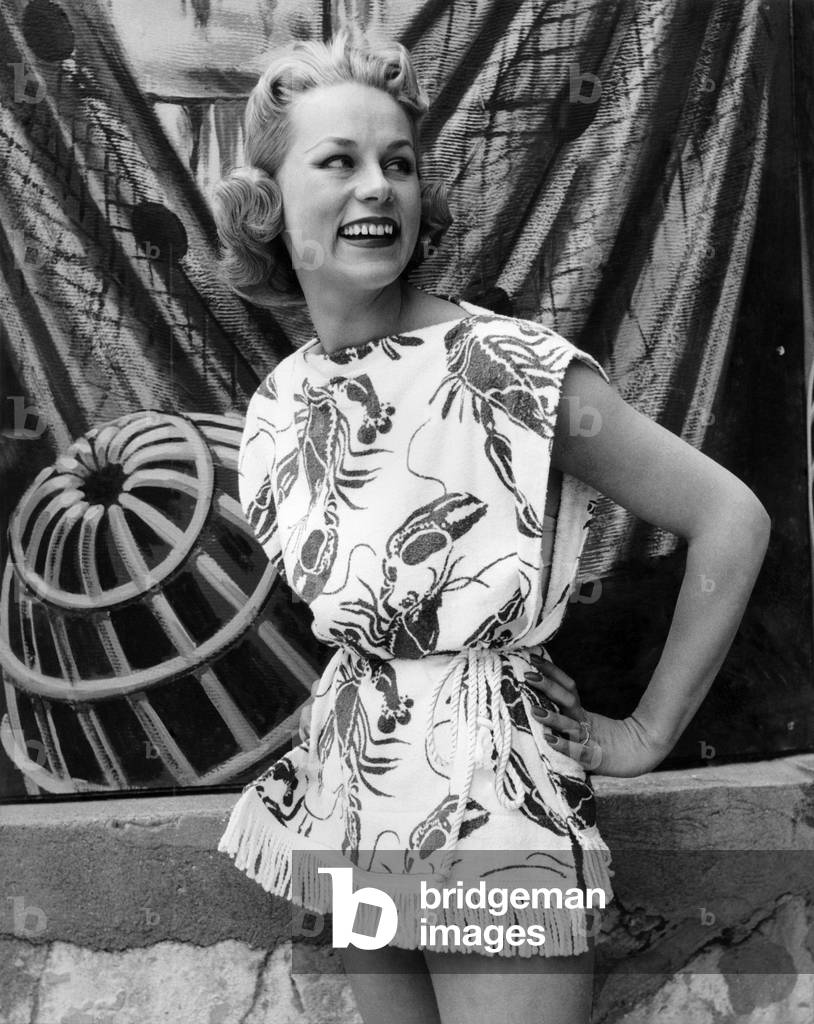
MPX5074490: Woman wearing a patterned sleeveless short skirted outfit for a day out to the beach. July 1955 / Bridgeman Images
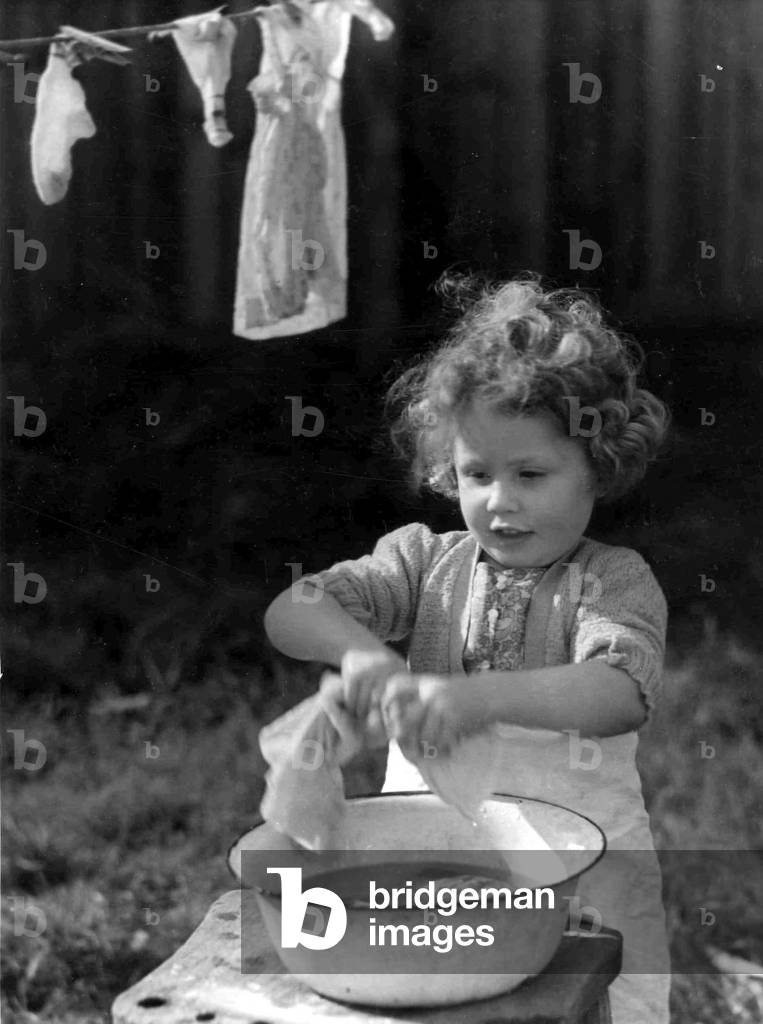
MPX5074500: Young girl wringing out the washing. c. 1945 / Bridgeman Images

MPX5074329: Happy young girl holding up her hairbrush after getting her teddy bear clothed and combed Circa 1945 / Bridgeman Images
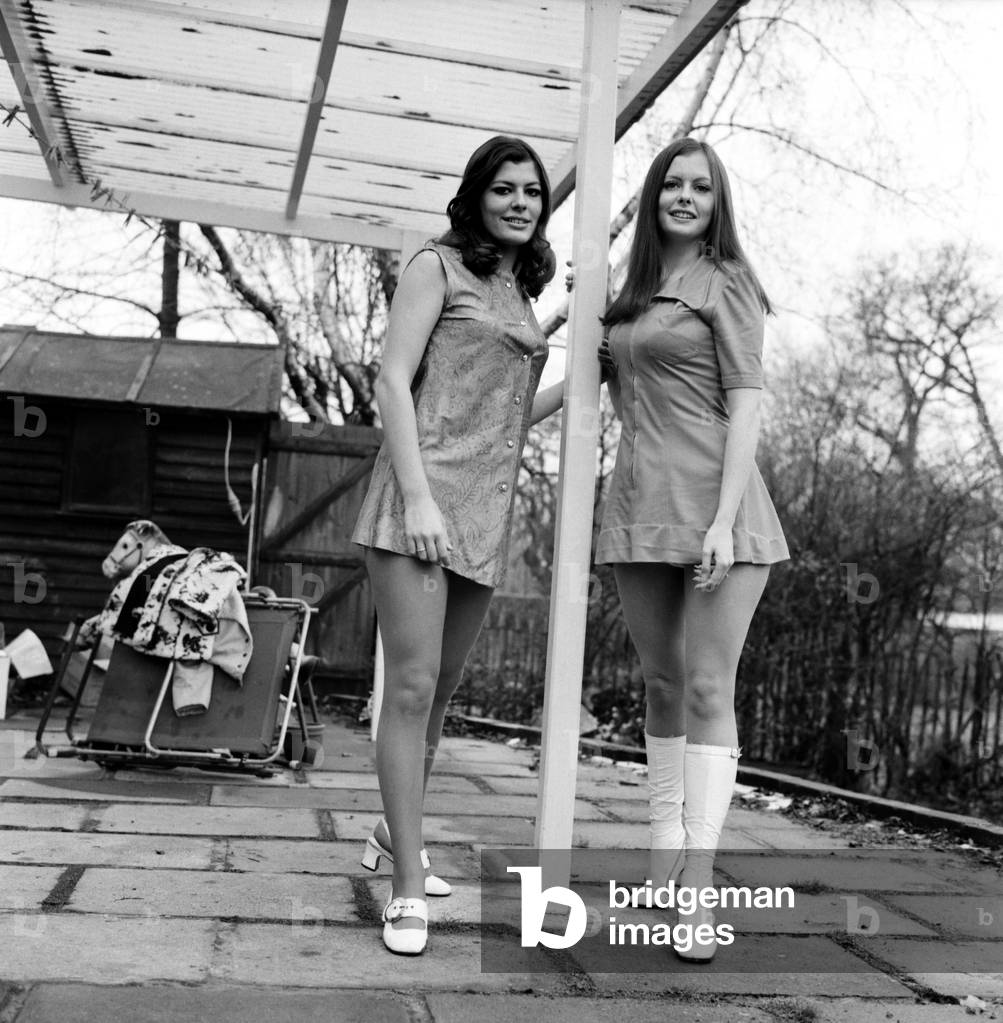
MPX5074515: The two Michelle sisters of Chigwell, Essex come into view on the television screens quite often. When one is not appearing the other is doing a stint. January 1970 / Bridgeman Images

MPX5083593: Alan Goldshaker aged 3 making up his jigsaw puzzles, October 1953 (b/w photo) / Bridgeman Images

MPX5083652: Venice Film Festival 1953, Italian film actress Aurora De Alba who is to dance at the festival, August 1953 (b/w photo) / Bridgeman Images

MPX5083638: Venice Film Festival 1953, German actress Tania Weber, August 1953 (b/w photo) / Bridgeman Images

MPX5083805: Making the acquaintance of a kid, 15th April 1945 (b/w photo) / Bridgeman Images

MPX5083750: Mother Buffalo, the wild sort, showed little interest in her new born calf Ferdy, 11th May 1947 (b/w photo) / Bridgeman Images

MPX5083825: Cats at the home of Jonquil Antony, September 1953 (b/w photo) / Bridgeman Images

MPX5083953: Durham Miners Gala, The party's over, a family make their way home after the gala, 1960 (b/w photo) / Bridgeman Images

MPX5084053: The girl with the world's toughest secretarial job; is Lotte Hass, 28th August 1953 (b/w photo) / Bridgeman Images

MPX5084057: Three women modelling the latest in bikini fashions, 18th July 1970 (b/w photo) / Bridgeman Images

MPX5084071: Polo player David Healy and Jimmy Edwards have a breather during half time, sitting on the end of a car, 19th July 1970 (b/w photo) / Bridgeman Images

MPX5084093: Queen Elizabeth with Prince Philip arriving for a reception at the Civic Hall, Leeds, 12th July 1977 (b/w photo) / Bridgeman Images

MPX5084110: Devastation and survivors of the earthquake on the Greek Island of Cephalonia, August 1953 (b/w photo) / Bridgeman Images

MPX5084156: Bear in the bath, that's Daley the black Canadian bear, c.September 1960 (b/w photo) / Bridgeman Images

MPX5084174: Radar, the Alsatian seen here answering the telephone, 5th September 1970 (b/w photo) / Bridgeman Images

MPX5084164: Titch joins Mrs. Jean Haddock (left), her daughter Vivien, and his owner, farm manager Mr. Ken Beddoes at tea-time, 27th February 1973 (b/w photo) / Bridgeman Images

MPX5084237: Playwright Terrence Frisby with his wife Christine and two month old baby boy Domonic at their Putney home, 14th November 1969 (b/w photo) / Bridgeman Images

MPX5084243: Comedian Eric Morecambe seen here at his Hertfordshire home, December 1971 (b/w photo) / Bridgeman Images

MPX5084255: Brighton's Dolphinarium, 19th March 1975 (b/w photo) / Bridgeman Images

MPX5084267: Brighton's Dolphinarium, 19th March 1975 (b/w photo) / Bridgeman Images

MPX5084279: Immigrants arriving at Gatwick airport from Nairobi in Kenya, 23rd February 1968 (b/w photo) / Bridgeman Images

MPX5084285: Immigrants arriving at Gatwick airport from Nairobi in Kenya, 23rd February 1968 (b/w photo) / Bridgeman Images

MPX5084186: Jockey Tommy Jenning pictured after his only ride on Poke Johnny in the 2.30 at Ascot, 24th November 1969 (b/w photo) / Bridgeman Images

MPX5084411: Comparison of two boys, one from 1937 and one from 1987, January 1987 (b/w photo) / Bridgeman Images
