Search options

Orientation
Colour

Display options

View

Print

To print search results, use print friendly version of this page.

2497570 Search Results

Porte Dauphine metro station, Paris 75016. Architect Hector Guimard (1867-1942), realisation 1905.

TEC4653658: Porte Dauphine metro station, Paris 75016. Architect Hector Guimard (1867-1942), realisation 1905. / Bridgeman Images

Guinee Bissau, archipelago of the Bijagos Islands, flight of pink flamingos

GYS4719279: Guinee Bissau, archipelago of the Bijagos Islands, flight of pink flamingos / Bridgeman Images

Guinee Bissau, archipelago of the Bijagos Islands, island and village of Boubaque

GYS4719310: Guinee Bissau, archipelago of the Bijagos Islands, island and village of Boubaque / Bridgeman Images

HOLAND: THE HAGUE: Musee Mauritshuis:

GYS4719536: HOLAND: THE HAGUE: Musee Mauritshuis: / Bridgeman Images
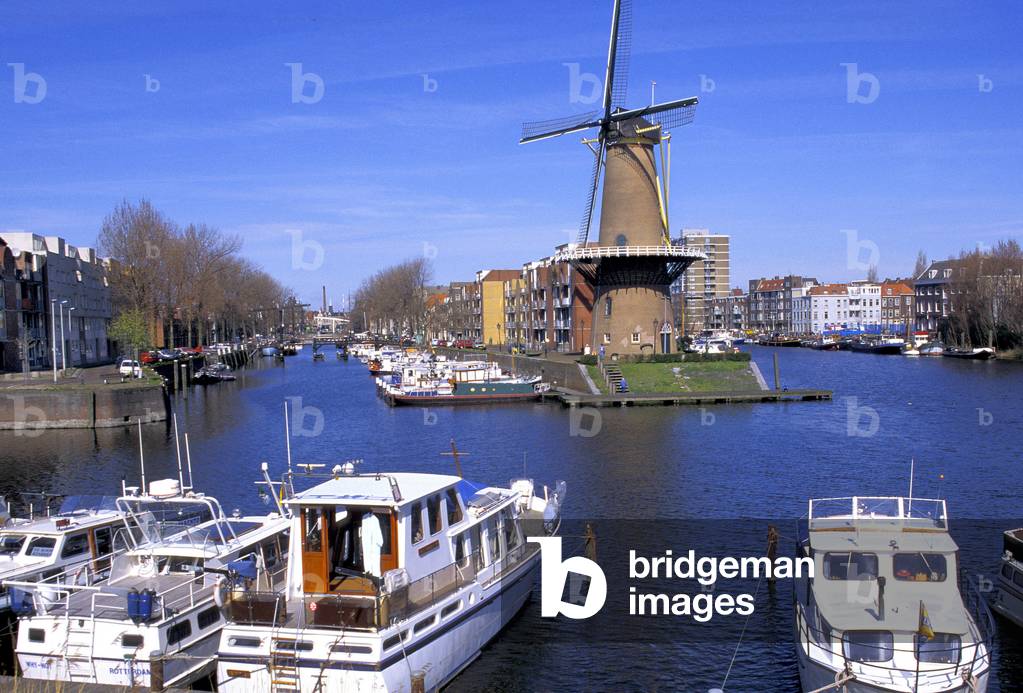
HOLAND: ROTTERDAM: Delfshaven

GYS4719639: HOLAND: ROTTERDAM: Delfshaven / Bridgeman Images

Portrait of Niyazi Bey (engraving)

LRI4662034: Portrait of Niyazi Bey (engraving) / Bridgeman Images

Dorygnathus - Dorygnathus at altitude - Flight of dorygnathus over a forest at the beginning of the Jurassic 180 million years ago. This pterosaur had a wingspan of about 1 metre. Like all pterosaurs, dorygnathus is a flying reptile, not a dinosaur. A flock of Dorygnathus soars high over a rugged, Early Jurassic European landscape of Wollemi Pine approximately 180 million years ago. Dorygnathus had a wing span of about 3 feet and its large, curved fangs suggests that it dined primarily on fish. Like all pterosaurs, Dorygnathus was a flying reptile, not a dinosaur (the flying descendents of the dinosaurs live on today as birds)

PIX4662112: Dorygnathus - Dorygnathus at altitude - Flight of dorygnathus over a forest at the beginning of the Jurassic 180 million years ago. This pterosaur had a wingspan of about 1 metre. Like all pterosaurs, dorygnathus is a flying reptile, not a dinosaur. A flock of Dorygnathus soars high over a rugged, Early Jurassic European landscape of Wollemi Pine approximately 180 million years ago. Dorygnathus had a wing span of about 3 feet and its large, curved fangs suggests that it dined primarily on fish. Like all pterosaurs, Dorygnathus was a flying reptile, not a dinosaur (the flying descendents of the dinosaurs live on today as birds) / Bridgeman Images

HOLAND: ROTTERDAM: the port: sea freight

GYS4719797: HOLAND: ROTTERDAM: the port: sea freight / Bridgeman Images

Italy: Archaeological site of Herculanum: at the foot of the Vesuve: general view

GYS4720195: Italy: Archaeological site of Herculanum: at the foot of the Vesuve: general view / Bridgeman Images

Microraptor - Microraptor was a genus of small dromaeosaurid living in the lower cretace between 130 and 125 million years. Microraptor is a genus of small, four-winged dromaeosaurid dinosaur

PIX4662643: Microraptor - Microraptor was a genus of small dromaeosaurid living in the lower cretace between 130 and 125 million years. Microraptor is a genus of small, four-winged dromaeosaurid dinosaur / Bridgeman Images

Einiosaurus and White Rhinoceros - Comparison - Einiosaurus & White Rhinoceros compared - An adult Einiosaurus who lived 77 million years ago is compared to today's adult white rhinoceros (Ceratotherium simum). The Einiosaurus was 2 metres high at the withers and weighed 3.6 tonnes, while the white rhinoceros was 1.8 metres high at the withers and weighed 3.2 tonnes. An adult Einiosaurus from 77 million years ago is compared to a modern adult White Rhinoceros (Ceratotherium simum). The Einiosaurus is 6 and a half feet tall at the shoulder and weighs 8,000 pounds*, while the White Rhinoceros is 6 feet tall at the shoulder and weighs 7,000 pounds.* Values are estimates only based upon available paleontological data

PIX4662925: Einiosaurus and White Rhinoceros - Comparison - Einiosaurus & White Rhinoceros compared - An adult Einiosaurus who lived 77 million years ago is compared to today's adult white rhinoceros (Ceratotherium simum). The Einiosaurus was 2 metres high at the withers and weighed 3.6 tonnes, while the white rhinoceros was 1.8 metres high at the withers and weighed 3.2 tonnes. An adult Einiosaurus from 77 million years ago is compared to a modern adult White Rhinoceros (Ceratotherium simum). The Einiosaurus is 6 and a half feet tall at the shoulder and weighs 8,000 pounds*, while the White Rhinoceros is 6 feet tall at the shoulder and weighs 7,000 pounds.* Values are estimates only based upon available paleontological data / Bridgeman Images

Nedoceratops and White Rhinoceros - Comparison - Nedoceratops & White Rhinoceros compared - An adult Nedoceratops (Diceratops) who lived 70 million years ago is compared to today's adult white rhinoceros (Ceratotherium simum). The Nedoceratops was 2.5 metres high at the withers and weighed 5.4 tons, while the white rhinoceros was 1.8 metres high at the withers and weighed 3.2 tons. An adult Nedoceratops (FKA Diceratops) from 70 million years ago is compared to a modern adult White Rhinoceros (Ceratotherium simum). The Nedoceratops is a little over 8 feet tall at the shoulder and weighs 12,000 pounds*, while the White Rhinoceros is 6 feet tall at the shoulder and weighs 7,000 pounds.* Values are estimates only based upon available paleontological data

PIX4662983: Nedoceratops and White Rhinoceros - Comparison - Nedoceratops & White Rhinoceros compared - An adult Nedoceratops (Diceratops) who lived 70 million years ago is compared to today's adult white rhinoceros (Ceratotherium simum). The Nedoceratops was 2.5 metres high at the withers and weighed 5.4 tons, while the white rhinoceros was 1.8 metres high at the withers and weighed 3.2 tons. An adult Nedoceratops (FKA Diceratops) from 70 million years ago is compared to a modern adult White Rhinoceros (Ceratotherium simum). The Nedoceratops is a little over 8 feet tall at the shoulder and weighs 12,000 pounds*, while the White Rhinoceros is 6 feet tall at the shoulder and weighs 7,000 pounds.* Values are estimates only based upon available paleontological data / Bridgeman Images

Stegoceras - Stegoceras was a herbivorous pachycephalosaur two-meres long dinosaur that lived in North America during Cretace. Stegoceras was a genus of plant-eating ornithischian pachycephalosaurid dinosaur that lived in what is now North America during the Late Cretaceous period. It had an estimated length of up to 2 meters

PIX4663208: Stegoceras - Stegoceras was a herbivorous pachycephalosaur two-meres long dinosaur that lived in North America during Cretace. Stegoceras was a genus of plant-eating ornithischian pachycephalosaurid dinosaur that lived in what is now North America during the Late Cretaceous period. It had an estimated length of up to 2 meters / Bridgeman Images

General view of Collioure, Pyrenees-Orientales (Pyrenees Orientales), Languedoc-Roussillon (Languedoc Roussillon), France. Architecture by Sebastien Le Prestre, Marquis de Vauban (1633-1707).

LBY4713375: General view of Collioure, Pyrenees-Orientales (Pyrenees Orientales), Languedoc-Roussillon (Languedoc Roussillon), France. Architecture by Sebastien Le Prestre, Marquis de Vauban (1633-1707). / Bridgeman Images

The Saint Nicolas Tower at La Rochelle, Charente Maritime (Charente-Maritime), Poitou-Charentes (Poitou Charente), France. Architecture of the Middle Ages, 1374-1394.

ITR4713418: The Saint Nicolas Tower at La Rochelle, Charente Maritime (Charente-Maritime), Poitou-Charentes (Poitou Charente), France. Architecture of the Middle Ages, 1374-1394. / Bridgeman Images

Aerienne view of Fort La Latte (Fort-La-Latte) in Frehel, Cotes-d'Armor (Cotes d'Armor) in Brittany, France. Architecture by Sebastien Le Prestre, Marquis de Vauban (1633-1707).

ITR4713483: Aerienne view of Fort La Latte (Fort-La-Latte) in Frehel, Cotes-d'Armor (Cotes d'Armor) in Brittany, France. Architecture by Sebastien Le Prestre, Marquis de Vauban (1633-1707). / Bridgeman Images

Eglise de la place d'armes de Neuf-Brisach Place d'arme et église - Neuf-Brisach - Architecture by Sebastien Le Prestre, Marquis de Vauban (1633-1707) -

ITR4713866: Eglise de la place d'armes de Neuf-Brisach Place d'arme et église - Neuf-Brisach - Architecture by Sebastien Le Prestre, Marquis de Vauban (1633-1707) - / Bridgeman Images

General view of Camaret-sur-Mer (Camaret sur Mer), Finistere, Brittany, France. Architecture by Sebastien Le Prestre, Marquis de Vauban (1633-1707).

ITR4714173: General view of Camaret-sur-Mer (Camaret sur Mer), Finistere, Brittany, France. Architecture by Sebastien Le Prestre, Marquis de Vauban (1633-1707). / Bridgeman Images

Interieur de la Belle fontaine de la Citadelle de Vauban à Belle Ile en mer (Belle-Ile-en-Mer), Morbihan, Brittany, France. Architecture by Sebastien Le Prestre, Marquis de Vauban (1633-1707), 1683-1689. The Belle Fontaine was built on the coast by Vauban to supply the boats with drinking water.

ITR4714485: Interieur de la Belle fontaine de la Citadelle de Vauban à Belle Ile en mer (Belle-Ile-en-Mer), Morbihan, Brittany, France. Architecture by Sebastien Le Prestre, Marquis de Vauban (1633-1707), 1683-1689. The Belle Fontaine was built on the coast by Vauban to supply the boats with drinking water. / Bridgeman Images

The Citadel of Mont-Dauphin (Mont Dauphin), Hautes Alpes (Hautes-Alpes), Provence-Alpes-Cote d'Azur (Provence Alpes Cote d'Azur), France. Architecture by Sebastien The Prestre by Sebastien Le Prestre, Marquis of Vauban (1633-1707), 1693

ITR4714734: The Citadel of Mont-Dauphin (Mont Dauphin), Hautes Alpes (Hautes-Alpes), Provence-Alpes-Cote d'Azur (Provence Alpes Cote d'Azur), France. Architecture by Sebastien The Prestre by Sebastien Le Prestre, Marquis of Vauban (1633-1707), 1693 / Bridgeman Images

La Sagrada Familia in Barcelona (Spain). Architect 1893, Antoni Gaudi (1852-1926). Photography 25/09/08.

TEC4664764: La Sagrada Familia in Barcelona (Spain). Architect 1893, Antoni Gaudi (1852-1926). Photography 25/09/08. / Bridgeman Images

La Sagrada Familia in Barcelona (Spain). Architect 1893, Antoni Gaudi (1852-1926). Photography 25/09/08.

TEC4664815: La Sagrada Familia in Barcelona (Spain). Architect 1893, Antoni Gaudi (1852-1926). Photography 25/09/08. / Bridgeman Images

Corsica seen from the International Space Station (ISS) 12-2016 - Corsica from ISS 12-2016:

PIX4665254: Corsica seen from the International Space Station (ISS) 12-2016 - Corsica from ISS 12-2016: / Bridgeman Images
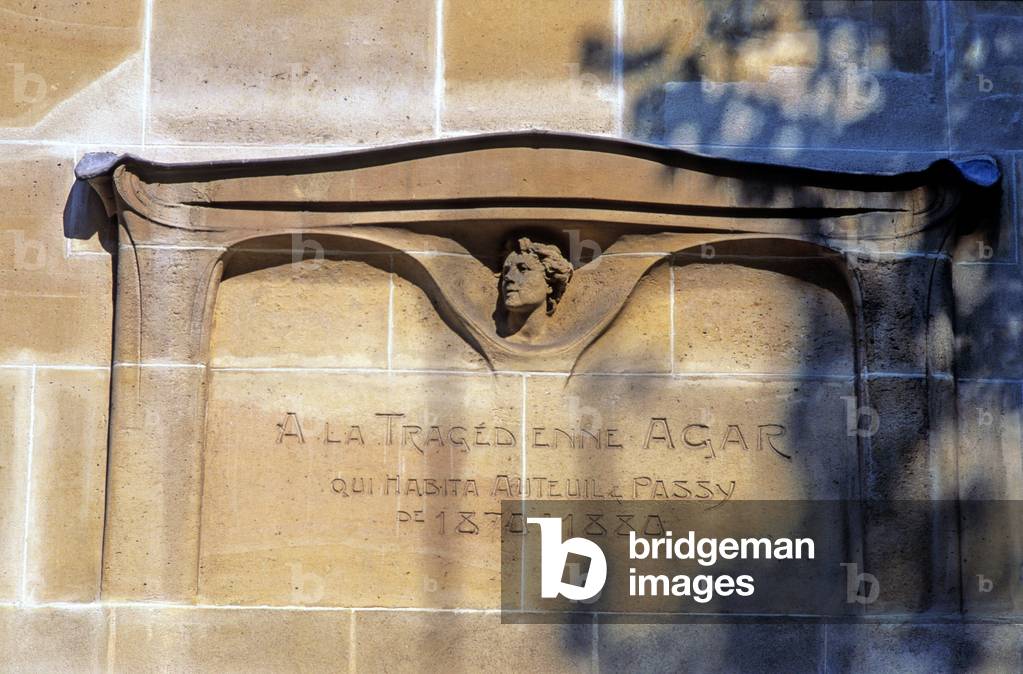
Housing building, 11 rue Agar in Paris 75016. Architect Hector Guimard (1867-1942), 1911.

TEC4653721: Housing building, 11 rue Agar in Paris 75016. Architect Hector Guimard (1867-1942), 1911. / Bridgeman Images
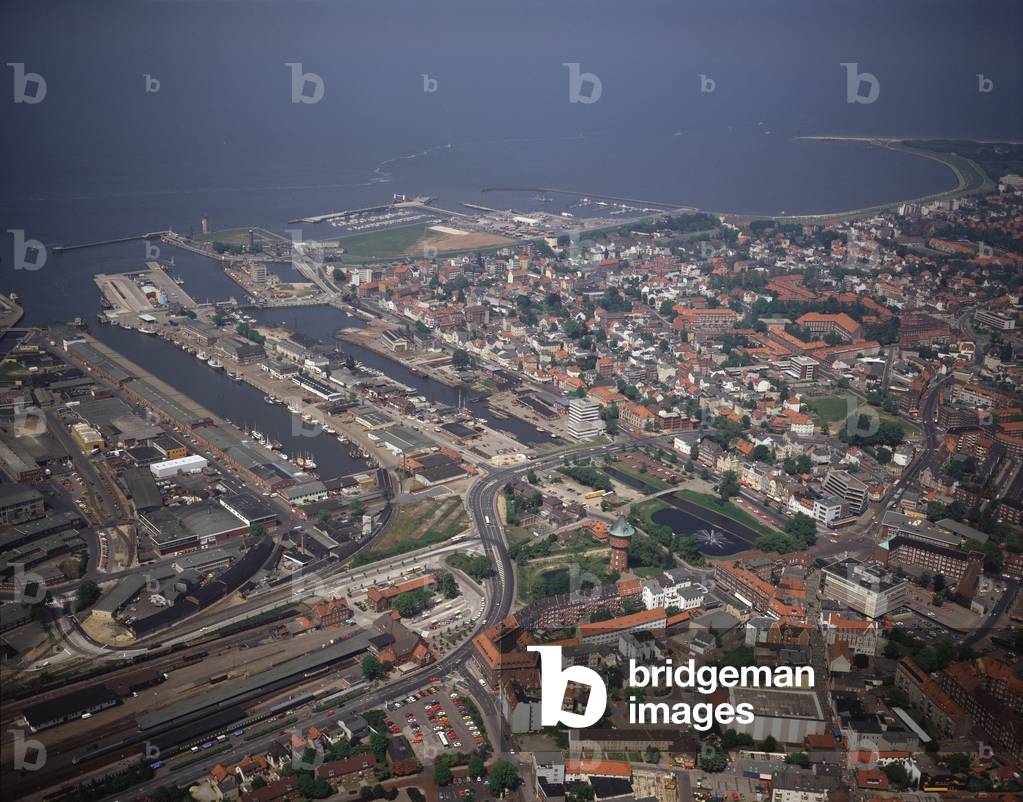
Aerial view of the city, 1990 - Photography

LRI4653726: Aerial view of the city, 1990 - Photography / Bridgeman Images
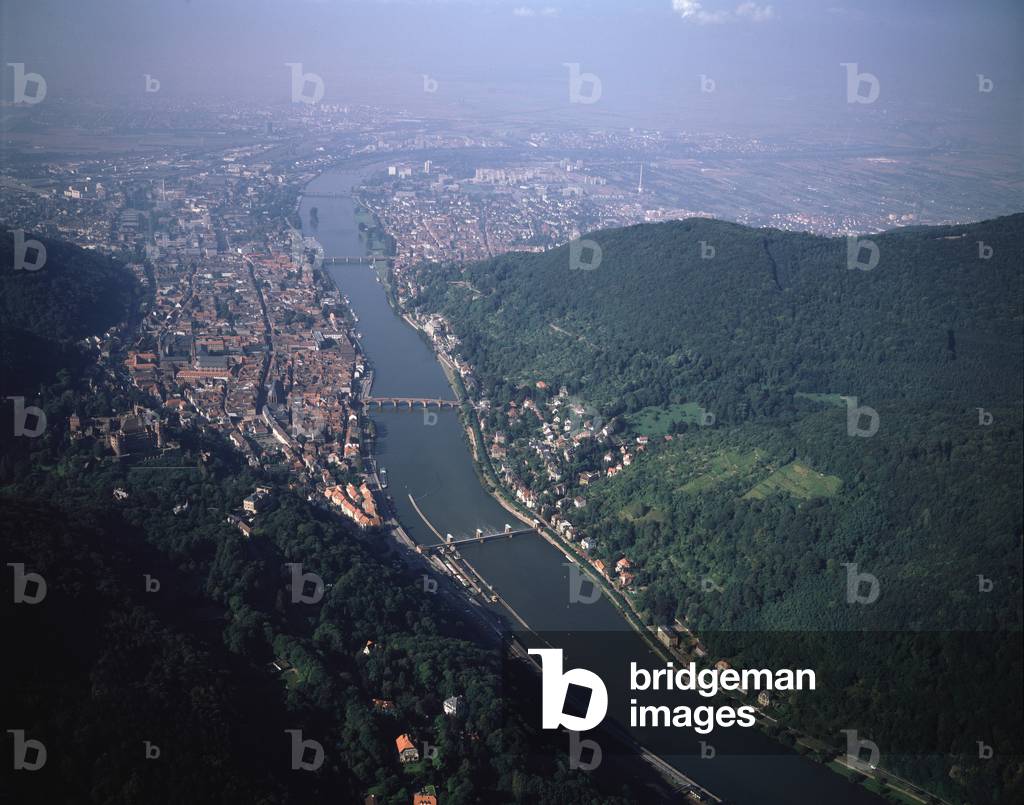
Aerial view of city of Heidelberg with castle on Neckar river, 1990 - Photography

LRI4653861: Aerial view of city of Heidelberg with castle on Neckar river, 1990 - Photography / Bridgeman Images

Aerial view of the city with Daimler-Benz factories, 1990 - Photography

LRI4653874: Aerial view of the city with Daimler-Benz factories, 1990 - Photography / Bridgeman Images

Aerial view of Mannheim city center, 1990 - Photography

LRI4653927: Aerial view of Mannheim city center, 1990 - Photography / Bridgeman Images

Grantecan Telescope - Grantecan - The Grantecan Telescope (Gran Telescopio Canarias) is the largest telescope in the world. Its hexagonal mirror measures 10.4 m in diameter. The instrument cost EUR 130 million to Spain (90%), Mexico (5%) and Florida (5%). It is located at 2400 m above sea level, at the Roque de Los Muchachos Observatory, located at the top of the island of La Palma, in the Spanish archipelago of the Canary Islands. The Gran Telescopio Canarias (GTC), called GranteCAN, is a 10.4 m reflecting telescope and is undertaking commissioning observations at the Observatorio del Roque de los Muchachos on the island of La Palma, Spain. It is the largest telescope of the world, in 2008

PIX4654481: Grantecan Telescope - Grantecan - The Grantecan Telescope (Gran Telescopio Canarias) is the largest telescope in the world. Its hexagonal mirror measures 10.4 m in diameter. The instrument cost EUR 130 million to Spain (90%), Mexico (5%) and Florida (5%). It is located at 2400 m above sea level, at the Roque de Los Muchachos Observatory, located at the top of the island of La Palma, in the Spanish archipelago of the Canary Islands. The Gran Telescopio Canarias (GTC), called GranteCAN, is a 10.4 m reflecting telescope and is undertaking commissioning observations at the Observatorio del Roque de los Muchachos on the island of La Palma, Spain. It is the largest telescope of the world, in 2008 / Bridgeman Images

Battery from Fort Medoc to Cussac Fort Medoc (Cussac-Fort-Medoc), Gironde, Aquitaine, France. Architecture by Sebastien Le Prestre, Marquis de Vauban (1633-1707), 1685-1690.

ITR4713621: Battery from Fort Medoc to Cussac Fort Medoc (Cussac-Fort-Medoc), Gironde, Aquitaine, France. Architecture by Sebastien Le Prestre, Marquis de Vauban (1633-1707), 1685-1690. / Bridgeman Images

Detail of the relief of the pillars of the Porte de France of the Citadel of Longwy, Meurthe-et-Moselle (Meurthe-et-Moselle), Lorraine, France. Architecture by Sebastien Le Prestre, Marquis de Vauban (1633-1707), 1678-1690.

ITR4713916: Detail of the relief of the pillars of the Porte de France of the Citadel of Longwy, Meurthe-et-Moselle (Meurthe-et-Moselle), Lorraine, France. Architecture by Sebastien Le Prestre, Marquis de Vauban (1633-1707), 1678-1690. / Bridgeman Images

La Porte de France de la Citadelle de Longwy, Meurthe-et-Moselle (Meurthe-et-Moselle), Lorraine. Architecture by Sebastien Le Prestre, Marquis de Vauban (1633-1707), 1678-1690. Longwy's only door survived with its guard bodies and its front door.

ITR4713942: La Porte de France de la Citadelle de Longwy, Meurthe-et-Moselle (Meurthe-et-Moselle), Lorraine. Architecture by Sebastien Le Prestre, Marquis de Vauban (1633-1707), 1678-1690. Longwy's only door survived with its guard bodies and its front door. / Bridgeman Images

Rehabilitation of the Musee Saint-Pierre in Lyon. Architecture by Philippe Dubois and Jean-Michel Wilmotte, 1992-1998. Photography 1994

TEC4707209: Rehabilitation of the Musee Saint-Pierre in Lyon. Architecture by Philippe Dubois and Jean-Michel Wilmotte, 1992-1998. Photography 1994 / Bridgeman Images

Ring (Anello) (1859) by Antonio Pacinotti (1841-1912), Italian physicist.

GIA4707212: Ring (Anello) (1859) by Antonio Pacinotti (1841-1912), Italian physicist. / Bridgeman Images
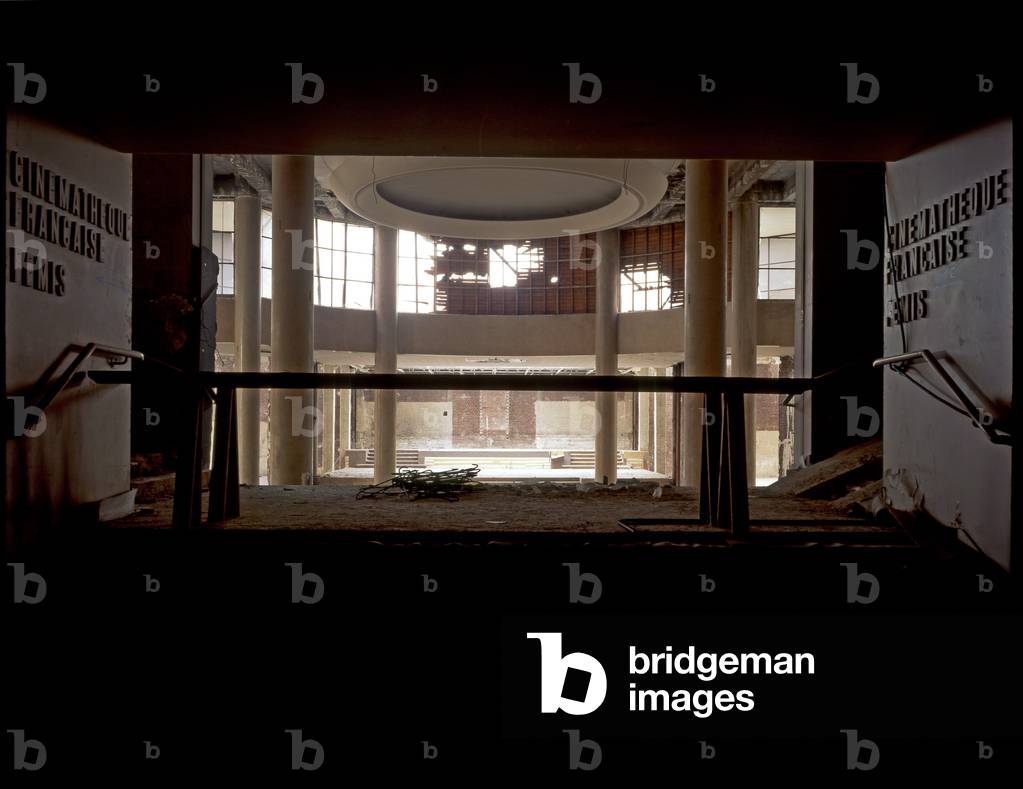
Hall of the Palais de Tokyo dedicated to the Georges Pompidou Centre, Paris 16.

TEC4707362: Hall of the Palais de Tokyo dedicated to the Georges Pompidou Centre, Paris 16. / Bridgeman Images

Mauna Kea Observatory - Hawaii - Mauna Kea Observatory - Hawaii - Mauna Kea Observatory, 4200 metres, altitude, Hawaii, USA. From right to left, the UKIRT telescope, Gemini North, CFHT. In the foreground, the rear lights of a car

PIX4654957: Mauna Kea Observatory - Hawaii - Mauna Kea Observatory - Hawaii - Mauna Kea Observatory, 4200 metres, altitude, Hawaii, USA. From right to left, the UKIRT telescope, Gemini North, CFHT. In the foreground, the rear lights of a car / Bridgeman Images


Back to top