2491551 Search Results

EVB2940251: Jimmy Carter signs a House of Representatives Resolution to extend the deadline for state ratification of the for Equal Rights Amendment from 1979 to 1982. At Carter's left is Representative Elizabeth Holtzman of New York introduced the legislation. Oct 20 1978 / Bridgeman Images

EVB2940272: Chinese Vice Premier Deng Xiaoping and US President Jimmy Carter in a high level meeting with senior advisors during Deng's State Visit in January 1979 / Bridgeman Images
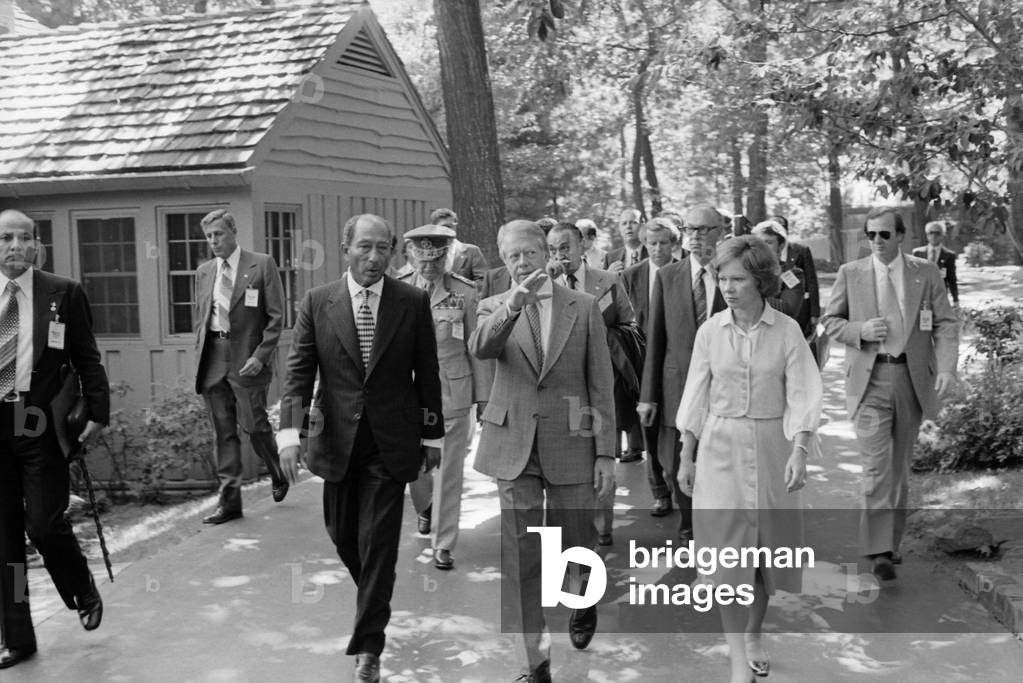
EVB2940281: Jimmy Carter welcomes Anwar Sadat and the Egyptian delegation to Camp David. The delegation was critical to the success of the summit negotiations. Sept 5-17 1978 / Bridgeman Images

EVB2940296: President and Rosalynn Carter with Yugoslav President Josip Tito 1892-1980 during his state visit. March 9 1978, Unknown photographer, (20th century) / Bridgeman Images
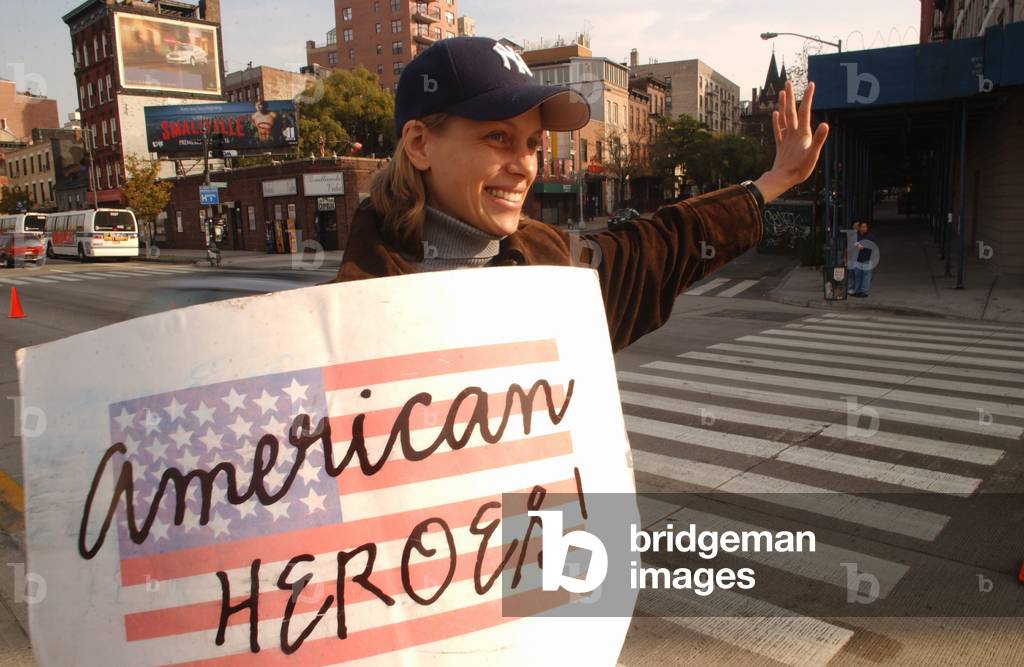
EVB2940317: Well wishers demonstrate their support for recovery workers near the site of the World Trade Center, Oct. 20 2001 / Bridgeman Images
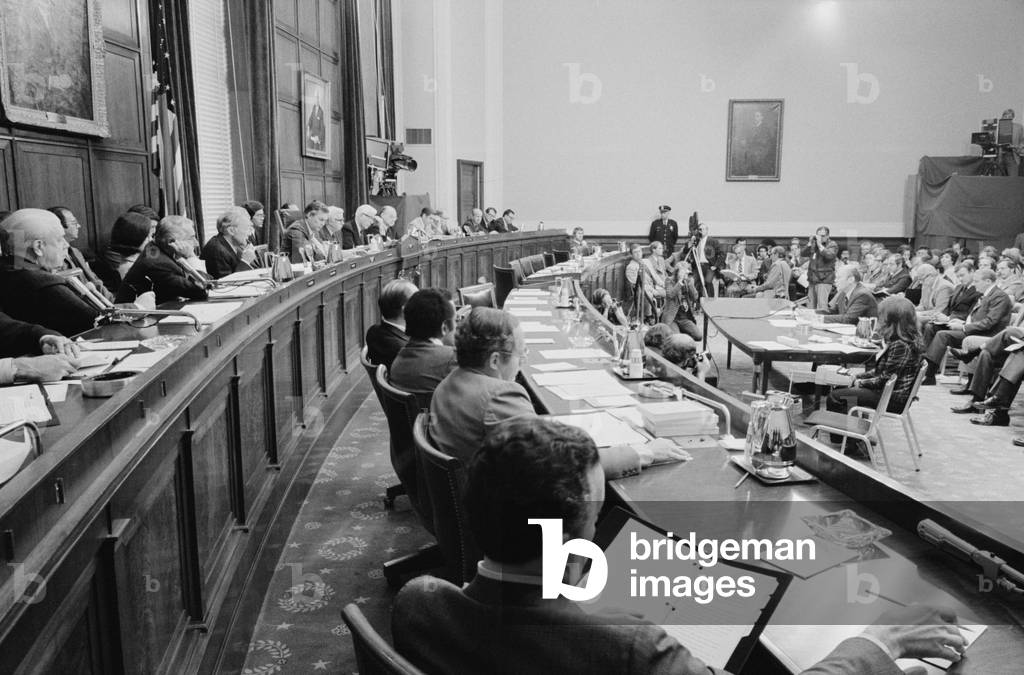
EVB2940371: Overview of the House Judiciary Subcommittee's questioning President Ford's pardoning of Richard Nixon. Oct 17 1974 / Bridgeman Images
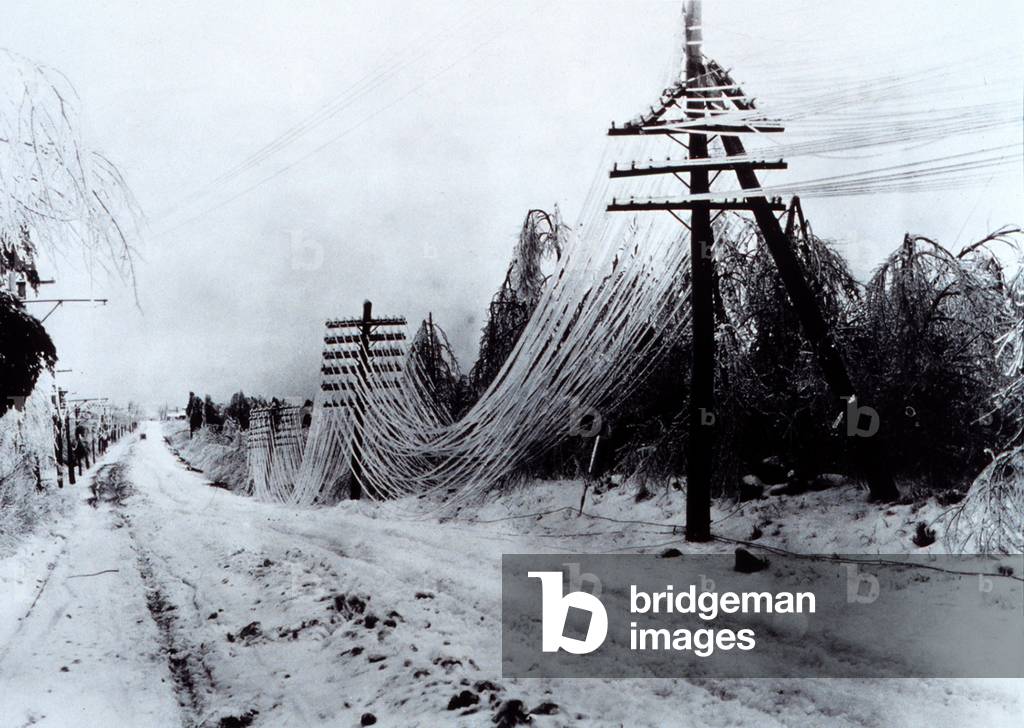
EVB2940419: Power and telephone lines sagging after heavy ice storm. c. 1920-1950 / Bridgeman Images
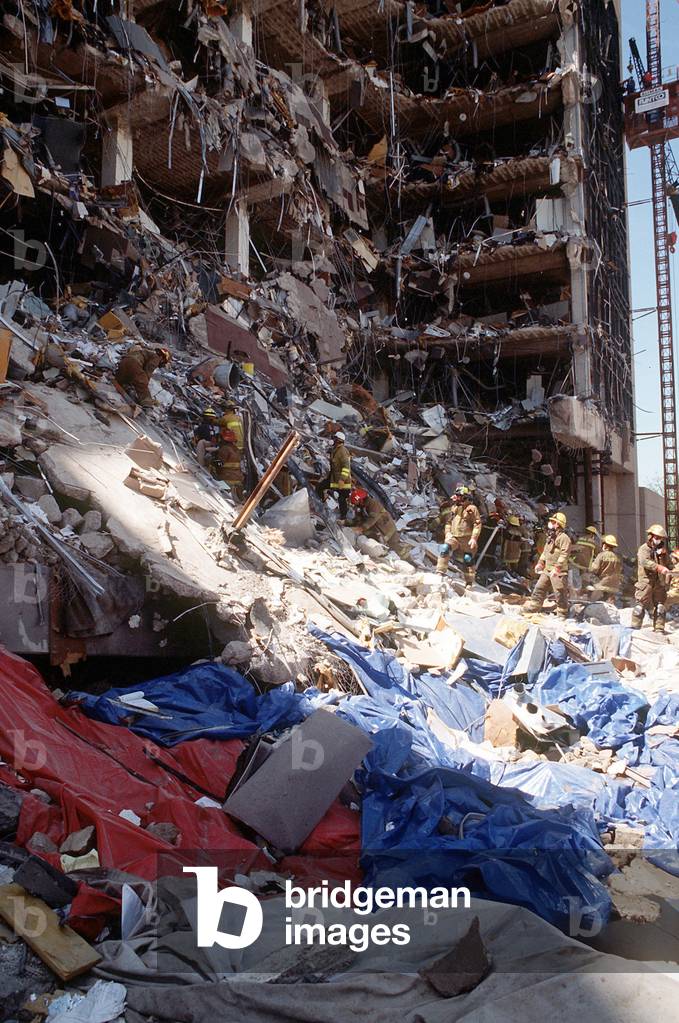
EVB2940431: Oklahoma City firefighters form a line to remove rubble from the explosion site of the Alfred P. Murrah Federal Building. April 21 1995 / Bridgeman Images
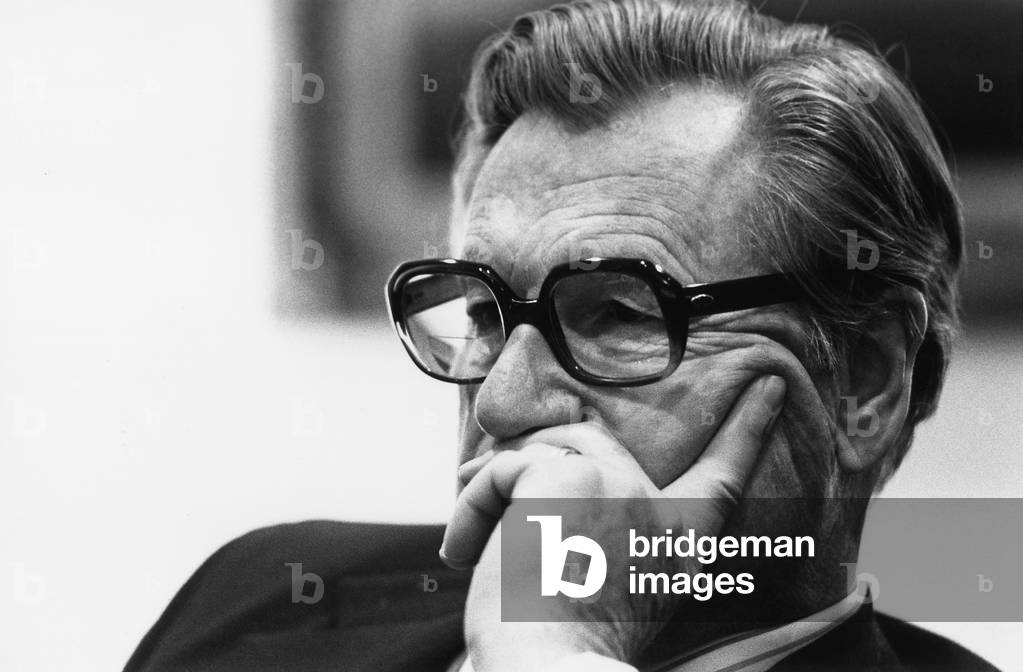
EVB2940455: Vice President Nelson Rockefeller at a National Security Council meeting during the collapse of the South Vietnam in April 1975, Unknown photographer, (20th century) / Bridgeman Images
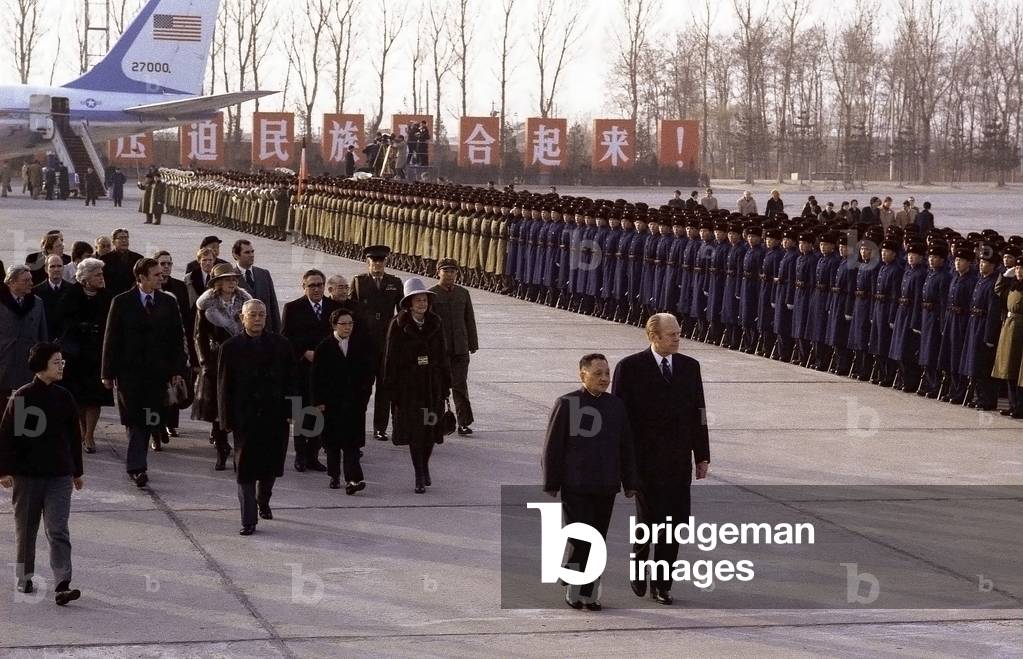
EVB2940467: Deng Xiao Ping and President Ford inspects the honor guard, dec 1, 1975 (photo) / Bridgeman Images
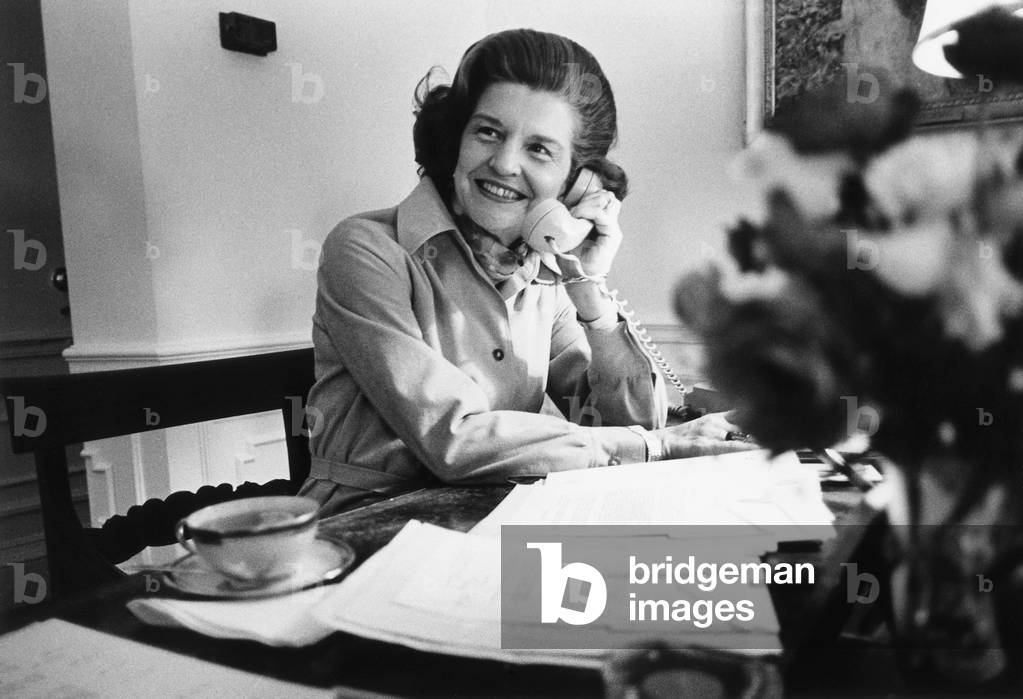
EVB2940473: Betty Ford works at her desk situated in the First Lady's Dressing Room White House. 1974-76 / Bridgeman Images
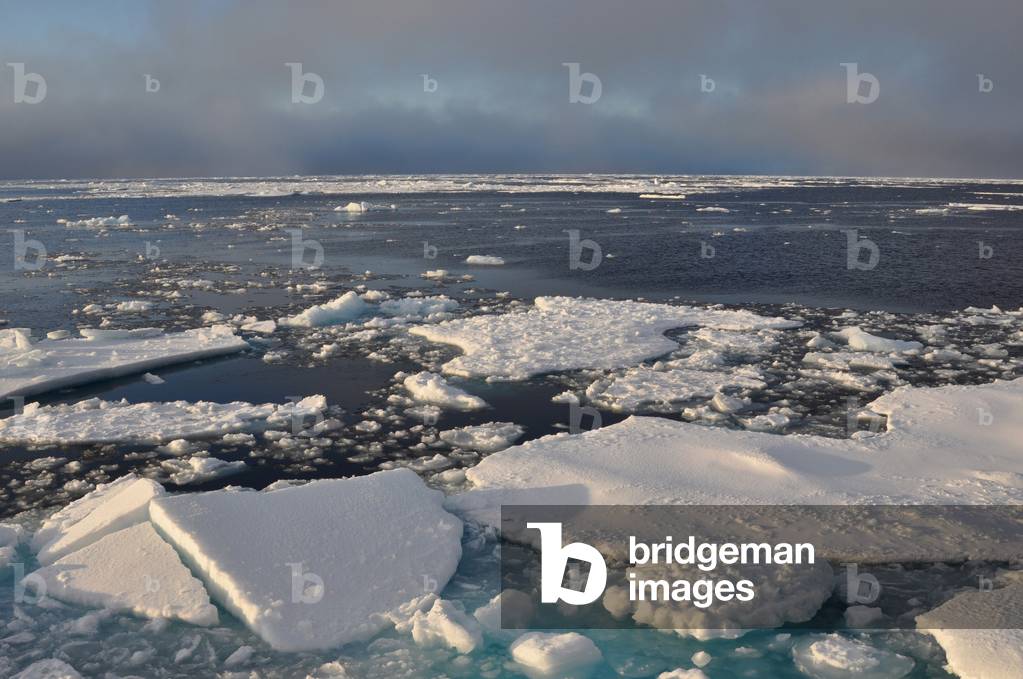
EVB2940500: Arctic Ocean ice at the height of the summer melt. Sept. 9 2009 / Bridgeman Images
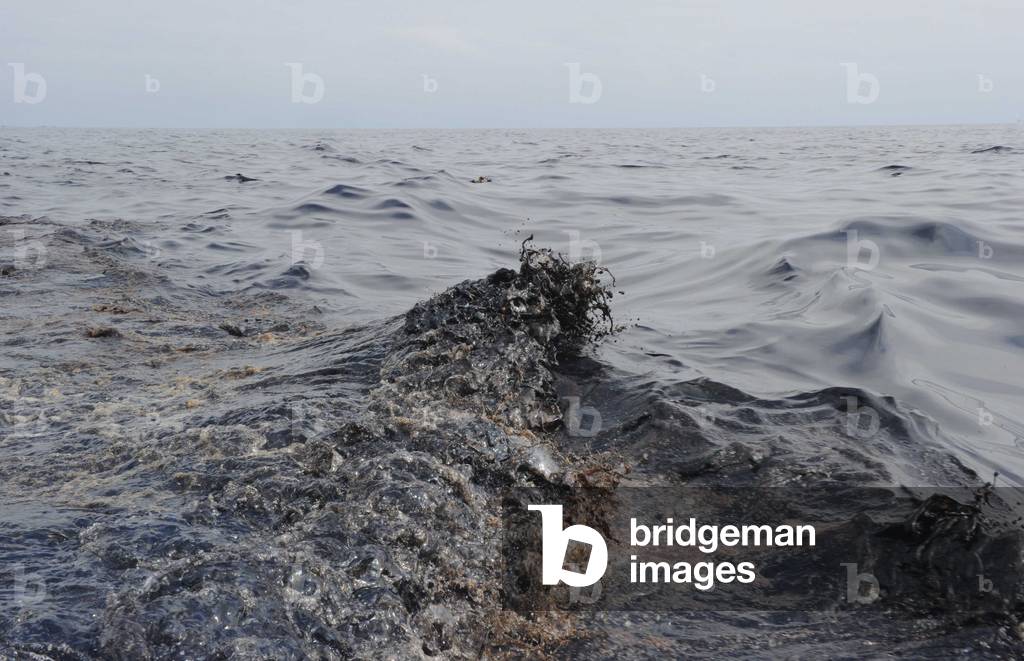
EVB2940512: Oil slick in the waves of the Gulf of Mexico caused by the ongoing spill of British Petroleum's Deepwater Horizon offshore drilling rig. May 7 2010 / Bridgeman Images

EVB2940515: State Farm Insurance set up an outdoor office in Dade County to assist customers after Hurricane Andrew. State Farm was the largest insurer in southern Florida serving 20 of the home and car owners. Eventually many insurance companies were bankrupted and others were stressed by covering their customers' losses. Sept. 1992 / Bridgeman Images

EVB2947729: President Barack Obama near the Treasury at the ancient city of Petra in Jordan. March 23, 2013. Al-Khazneh (The Treasury) is one of the most elaborate temples in the ancient city of Petra. This structure was carved out of a sandstone rock face / Bridgeman Images

EVB2947735: Nuclear Security Summit in Seoul, Republic of Korea. Meeting between Prime Minister Yousaf Raza Gillani of Pakistan and President Barack Obama, March 27, 2012 / Bridgeman Images

EVB2947738: President Barack Obama visits the Church of the Nativity in Bethlehem, the West Bank, Palestine. He lights candles with Greek Orthodox priests / Bridgeman Images

EVB2947750: First Lady Michelle Obama meets with former President Nelson Mandelain South Africa, 011 (photo) / Bridgeman Images

EVB2947777: President Barack and Michelle Obama look at the Chicago skyline, June 15, 2012. The Obama's married there in 1992 and it was their home and political base before he elected President / Bridgeman Images

EVB2947807: President Barack Obama poses with former Presidents, April 25, 2013 (photo) / Bridgeman Images

EVB2947819: Commemoration ceremony at the National September 11 Memorial in New York City. President Barack and Michelle Obama, with former President George W. and Laura Bush, walk along the North Memorial Pool. Sept. 11, 2011 / Bridgeman Images

EVB2947876: Aerial view of Ground Zero from the northwest on a hazy day, Oct. 4, 2001. At upper left is the Brooklyn Bridge, and at upper right is Governor's Island. World Trade Center, New York City, after September 11, 2001 terrorist attacks / Bridgeman Images

EVB2947888: Construction workers maneuver the last piece of debris removed from Ground Zero. May 28, 2002. It was the 30-foot 'Column Number 1001B' of Two World Trade Center (South Tower). The steel beam, one of 47 that held up the South Tower, was plastered with mass cards, rosary beads, flags, photos of missing innocents, and letters from children to parents who would never be coming home. It is in the National Sept. 11 Memorial & Museum. U.S. Navy Photo by Bob Houlihan / Bridgeman Images

EVB2947897: President George W. Bush and senior staff on phones after learning of the 9-11 Terrorist Attacks. President Bush spoke with New York Governor George Pataki, FBI Director Robert Mueller and Vice President Dick Cheney. The group is still at Emma E. Booker Elementary School in Sarasota, FL. At left is Andy Card, Chief of Staff / Bridgeman Images

EVB2947909: National Security Council on Sept 12, 2001 / Bridgeman Images

EVB2947912: Oval Office press conference on Sept. 13, 2001, 2 days following the 9-11 Terrorist Attacks. President George W. Bush talks with reporters after his telephone call to NY Gov. George Pataki and NYC Mayor, Rudolph Giuliani / Bridgeman Images

EVB2947915: National Day of Prayer and Remembrance service on Sept. 14, 2001 (photo) / Bridgeman Images

EVB2947921: President George W. Bush waves an American flag after addressing recovery workers in NYC. Sept. 14, 2001. With Bush is retired New York City firefighter Bob Beckwith / Bridgeman Images
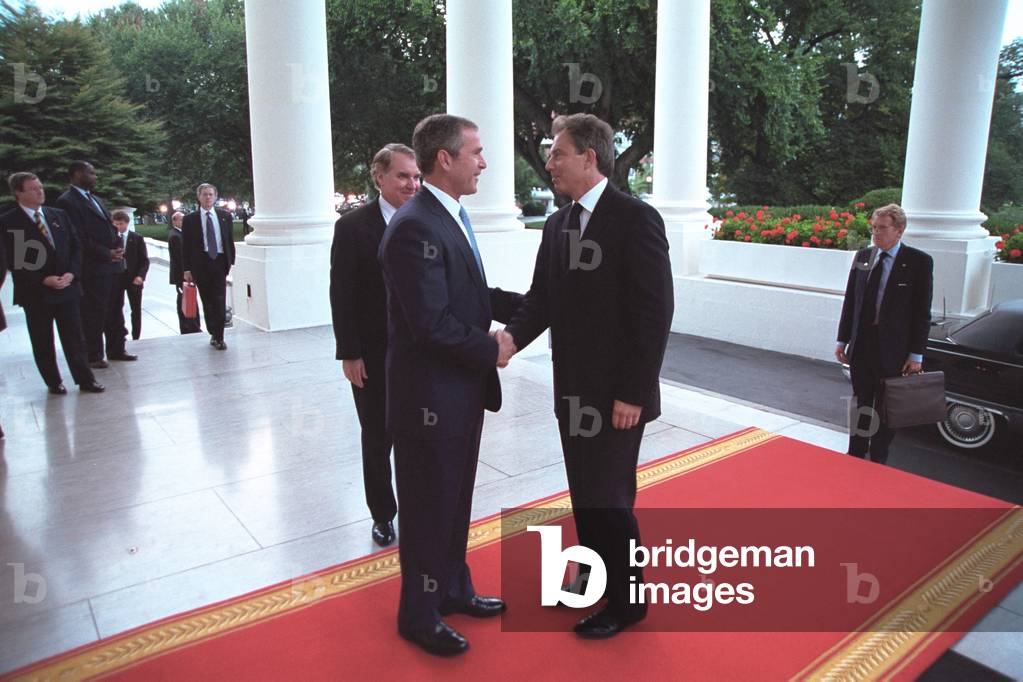
EVB2947930: Pres. George W. Bush greets PM Tony Blair at the White House on Sept. 20, 2001 / Bridgeman Images
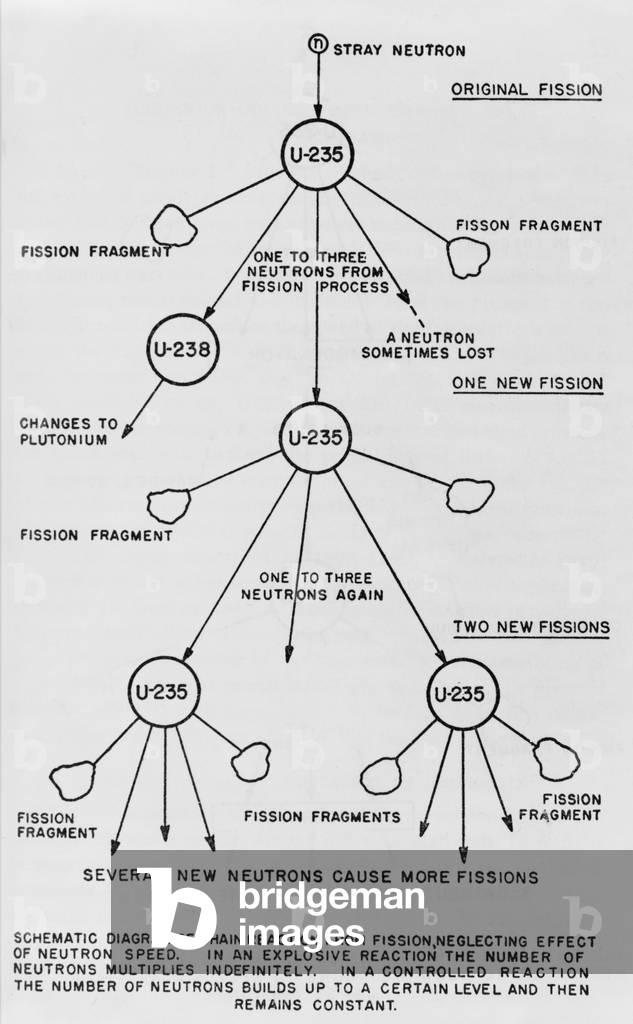
EVB2947960: Schematic diagram of chain reaction from fission of uranium 235. From a U.S. government publication by Henry DeWolf Smyth, c. 1940-45 / Bridgeman Images
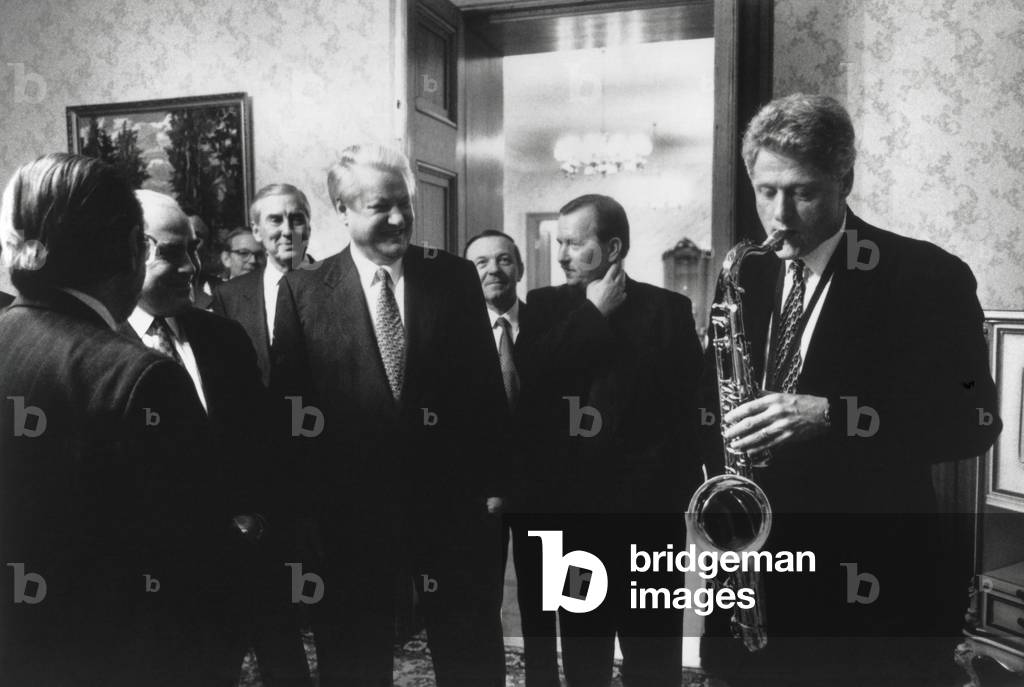
EVB2947963: President Bill Clinton plays the saxophone presented to him by Russian President Boris Yeltsin. Yeltsin hosted a private dinner at Novoya Ogarova Dacha, Russia. Jan. 13, 1994 / Bridgeman Images

EVB2947966: President Bill Clinton embraces his wife, Hillary, and daughter, Chelsea. Jan. 20, 1997, after taking the oath of office for his second term / Bridgeman Images

EVB2947981: Vice President Lyndon Johnson, on rostrum of the Senate, in 1961. Johnson hoped to have a significant role coordinating between the White House and the Senate, but found the new Senate leaders were unwilling to share their power / Bridgeman Images

EVB2948005: First nuclear reactor at the University of Chicago achieved the first self-sustaining chain reaction, 1942 / Bridgeman Images

EVB2948020: Eleanor Roosevelt, on Inauguration Day 1933. The new First Lady worn a lavender velvet day dress that is now in the collection of the Smithsonian Institution / Bridgeman Images

EVB2948023: President Franklin Roosevelt, looking behind him, waving from his campaign train in Milwaukee. 1936 / Bridgeman Images
