Search options

Orientation
Colour

Display options

View

Print

To print search results, use print friendly version of this page.

2497570 Search Results

Ornamental pepper. Capsicum annuum.

FBU4237248: Ornamental pepper. Capsicum annuum. / Bridgeman Images

Solanum melongena 'Purple Gem F1', Eggplant, Vegetable.

FBU4237251: Solanum melongena 'Purple Gem F1', Eggplant, Vegetable. / Bridgeman Images

Capisum chinensis 'fatalii yellow'.

FBU4237284: Capisum chinensis 'fatalii yellow'. / Bridgeman Images

Salvia fruticosa 'Greek Skies' (Sage). Lamiacee. Ornamental, officinal and aromatic plant forming a 1 m high shrub. Requires full sun

FBU4237410: Salvia fruticosa 'Greek Skies' (Sage). Lamiacee. Ornamental, officinal and aromatic plant forming a 1 m high shrub. Requires full sun / Bridgeman Images

Indian Petroglyphs of North America. Arches National Park. Ute rock art. 17th - 19th century

FBU4239742: Indian Petroglyphs of North America. Arches National Park. Ute rock art. 17th - 19th century / Bridgeman Images

News Paper Rock. Indian Petroglyphs of North America of Navajo tribes and Utah. Period extending over about 2000 years until the 14th century.

FBU4239838: News Paper Rock. Indian Petroglyphs of North America of Navajo tribes and Utah. Period extending over about 2000 years until the 14th century. / Bridgeman Images

News Paper Rock. Indian Petroglyphs of North America of Navajo tribes and Utah. Period extending over about 2000 years until the 14th century.

FBU4239856: News Paper Rock. Indian Petroglyphs of North America of Navajo tribes and Utah. Period extending over about 2000 years until the 14th century. / Bridgeman Images

Morinda citrifolia. The nono or apple-dog (Morinda citrifolia) is a tropical tree in the Rubiaceae family, native to Asia (India) or Australia. The tree and its fruit are used as a medicinal plant in the traditional Polynesian culture

FBU4237620: Morinda citrifolia. The nono or apple-dog (Morinda citrifolia) is a tropical tree in the Rubiaceae family, native to Asia (India) or Australia. The tree and its fruit are used as a medicinal plant in the traditional Polynesian culture / Bridgeman Images
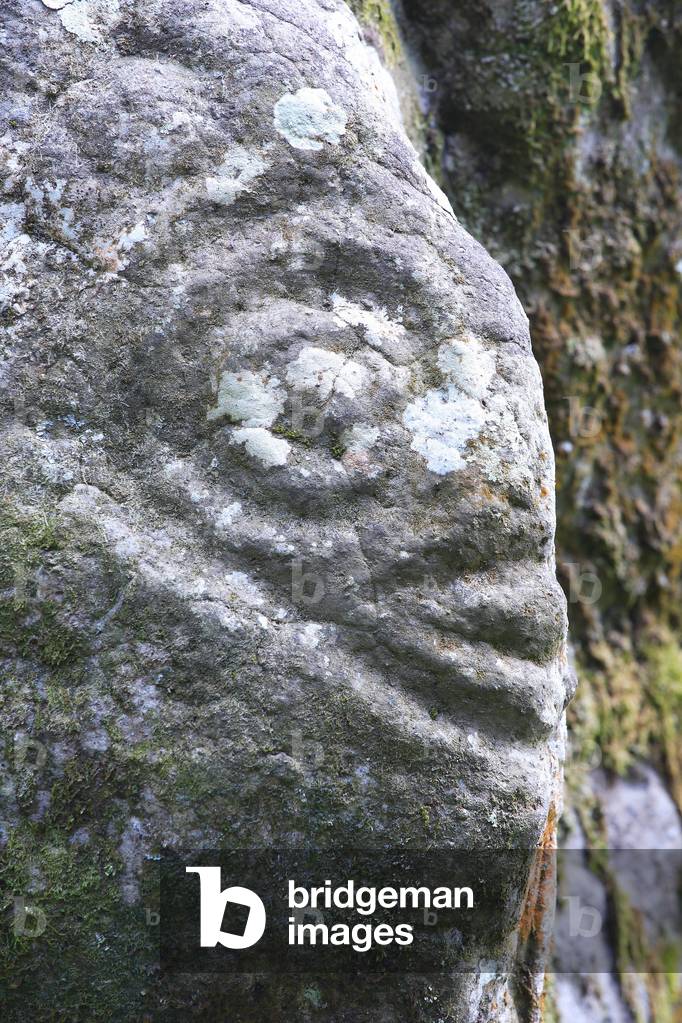
Anthropomorphic petroglyph on one of the stone of the me'ae (religious and sacred space)/Archaeological site of Iipona in Puamau/Pre-European period/island of Hiva Oa/Archipelago of the Marquises/French Polynesia

FBU4237704: Anthropomorphic petroglyph on one of the stone of the me'ae (religious and sacred space)/Archaeological site of Iipona in Puamau/Pre-European period/island of Hiva Oa/Archipelago of the Marquises/French Polynesia / Bridgeman Images

Roland Tower in the Ancient Theatre/Arles/UNESCO Classroom Site

FBU4235834: Roland Tower in the Ancient Theatre/Arles/UNESCO Classroom Site / Bridgeman Images

Portal of the Church of Saint Trophime (12th century)/Arles/UNESCO class site

FBU4235901: Portal of the Church of Saint Trophime (12th century)/Arles/UNESCO class site / Bridgeman Images

Cloitre Saint-Trophime (Saint Trophime)/Top Detail/Arles/UNESCO class site

FBU4235937: Cloitre Saint-Trophime (Saint Trophime)/Top Detail/Arles/UNESCO class site / Bridgeman Images

Riomaggiore/The Five Lands (Cinque terre)/Italy/UNESCO Class Site

FBU4235985: Riomaggiore/The Five Lands (Cinque terre)/Italy/UNESCO Class Site / Bridgeman Images

Yellow tomato 'Persimon' (Lycopersicon esculentum). Old tomatoes. Organic culture. Magnani operation. Nice

FBU4236936: Yellow tomato 'Persimon' (Lycopersicon esculentum). Old tomatoes. Organic culture. Magnani operation. Nice / Bridgeman Images

Long House a Mesa Verde - Anasazi ancient American civilization troglodyte dwellings or Pueblo ancestral people, 12th - 14th century - Cliff Dwelling, Mesa Verde National Park, Colorado, USA (USA), UNESCO Site

FBU4241779: Long House a Mesa Verde - Anasazi ancient American civilization troglodyte dwellings or Pueblo ancestral people, 12th - 14th century - Cliff Dwelling, Mesa Verde National Park, Colorado, USA (USA), UNESCO Site / Bridgeman Images

National Monument Bandelier - Remains of the troglodytic dwellings of the Ancestral People Pueblo (Anasazi) - 14th - 15th century - North American civilization - Cliff dwellings long house - New Mexico - USA (USA)

FBU4241962: National Monument Bandelier - Remains of the troglodytic dwellings of the Ancestral People Pueblo (Anasazi) - 14th - 15th century - North American civilization - Cliff dwellings long house - New Mexico - USA (USA) / Bridgeman Images

National Monument Bandelier - Grand Kiva of a village of the ancestral people Pueblo (Anasazi) - Tyuonyi pueblo - 14th - 15th century - American civilization of North America - Cliff dwellings long house - New Mexico - United States (USA)

FBU4241974: National Monument Bandelier - Grand Kiva of a village of the ancestral people Pueblo (Anasazi) - Tyuonyi pueblo - 14th - 15th century - American civilization of North America - Cliff dwellings long house - New Mexico - United States (USA) / Bridgeman Images

Pueblo de Taos - Structure of the North House (Hlaauma) - Set of houses and ceremonial centres in adobe, remarkably representative of the culture of the Pueblos Indians - Indian village still lives - UNESCO Site, New Mexico, USA (USA)

FBU4242127: Pueblo de Taos - Structure of the North House (Hlaauma) - Set of houses and ceremonial centres in adobe, remarkably representative of the culture of the Pueblos Indians - Indian village still lives - UNESCO Site, New Mexico, USA (USA) / Bridgeman Images

Pueblo de Taos: Set of houses and ceremonial centres in adobe, remarkably representative of the culture of the Pueblos Indians - Indian village pueblo still lives - UNESCO website, New Mexico, USA (USA)

FBU4242190: Pueblo de Taos: Set of houses and ceremonial centres in adobe, remarkably representative of the culture of the Pueblos Indians - Indian village pueblo still lives - UNESCO website, New Mexico, USA (USA) / Bridgeman Images

Pueblo de Taos - Structure of the North House (Hlaauma) - Set of houses and ceremonial centres in adobe, remarkably representative of the culture of the Pueblos Indians - Indian village still lives - UNESCO Site, New Mexico, USA (USA)

FBU4242196: Pueblo de Taos - Structure of the North House (Hlaauma) - Set of houses and ceremonial centres in adobe, remarkably representative of the culture of the Pueblos Indians - Indian village still lives - UNESCO Site, New Mexico, USA (USA) / Bridgeman Images

Ruin of the 17th century church, built by the Spanish near Indian villages Pueblos - Pecos National Historical Park - New Mexico, USA (USA)..

FBU4242208: Ruin of the 17th century church, built by the Spanish near Indian villages Pueblos - Pecos National Historical Park - New Mexico, USA (USA).. / Bridgeman Images

Ruins of an Indian Village Pueblo - Pecos National Historical Park - Pueblo South - New Mexico, USA -

FBU4242247: Ruins of an Indian Village Pueblo - Pecos National Historical Park - Pueblo South - New Mexico, USA - / Bridgeman Images

Indian Petroglyphs representing various forms, animals and characters - Petroglyph National Monument - Albuquerque, New Mexico, USA (USA)

FBU4242304: Indian Petroglyphs representing various forms, animals and characters - Petroglyph National Monument - Albuquerque, New Mexico, USA (USA) / Bridgeman Images

Indian Petroglyphs - animal representation - Petroglyph National Monument - Albuquerque, New Mexico, USA (USA)

FBU4242334: Indian Petroglyphs - animal representation - Petroglyph National Monument - Albuquerque, New Mexico, USA (USA) / Bridgeman Images

Indian Petroglyphs depicting a face - Petroglyph National Monument - Albuquerque, New Mexico, USA (USA)

FBU4242358: Indian Petroglyphs depicting a face - Petroglyph National Monument - Albuquerque, New Mexico, USA (USA) / Bridgeman Images

Indian Petroglyphs representing animals - Petroglyph National Monument - Albuquerque, New Mexico, USA (USA)

FBU4242373: Indian Petroglyphs representing animals - Petroglyph National Monument - Albuquerque, New Mexico, USA (USA) / Bridgeman Images

Indian Petroglyphs representing a character - Petroglyph National Monument - Albuquerque, New Mexico, USA (USA)

FBU4242406: Indian Petroglyphs representing a character - Petroglyph National Monument - Albuquerque, New Mexico, USA (USA) / Bridgeman Images

Petroglyphs depicting animals and characters - Petroglyph National Monument - Albuquerque, New Mexico, USA (USA)

FBU4242469: Petroglyphs depicting animals and characters - Petroglyph National Monument - Albuquerque, New Mexico, USA (USA) / Bridgeman Images

Representation of the newly born Achilles with his nurse, Anatrophe - Detail from the panel representing the first bath of achilles - Paphos Mosaics, the villa of thesus 5th Century AD - Cyprus - Achilles nouveau ne avec sa nourrice, Anatrophe - Detail of the Mosaic representing the first bath of achillas - Paphos Mosaics, Thesee House - Ve Siecle apres JC - UNESCO Site - Cyprus

FBU4242631: Representation of the newly born Achilles with his nurse, Anatrophe - Detail from the panel representing the first bath of achilles - Paphos Mosaics, the villa of thesus 5th Century AD - Cyprus - Achilles nouveau ne avec sa nourrice, Anatrophe - Detail of the Mosaic representing the first bath of achillas - Paphos Mosaics, Thesee House - Ve Siecle apres JC - UNESCO Site - Cyprus / Bridgeman Images

Panel representing the first bath of Achilles - Paphos Mosaics, Villa of Theseus, 5th Century AD - Cyprus - Mosaique representing the first bath of Achilles - Mosaics of Paphos, House of Thesee - 5th Century AD - UNESCO Site - Cyprus

FBU4242640: Panel representing the first bath of Achilles - Paphos Mosaics, Villa of Theseus, 5th Century AD - Cyprus - Mosaique representing the first bath of Achilles - Mosaics of Paphos, House of Thesee - 5th Century AD - UNESCO Site - Cyprus / Bridgeman Images

Representation of the newly born Achilles with his nurse, Anatrophe - Detail from the panel representing the first bath of achilles - Paphos Mosaics, the villa of thesus 5th Century AD - Cyprus - Achilles nouveau ne avec sa nourrice, Anatrophe - Detail of the Mosaic representing the first bath of achille - Mosaics of Paphos, House of thesee - Ve Siecle apres JC - UNESCO Site - Cyprus

FBU4242658: Representation of the newly born Achilles with his nurse, Anatrophe - Detail from the panel representing the first bath of achilles - Paphos Mosaics, the villa of thesus 5th Century AD - Cyprus - Achilles nouveau ne avec sa nourrice, Anatrophe - Detail of the Mosaic representing the first bath of achille - Mosaics of Paphos, House of thesee - Ve Siecle apres JC - UNESCO Site - Cyprus / Bridgeman Images

Detail of the Panel representing the story of Pyramos and Thisbe immortalised by Ovid - Pyramos is represented in the attitude of a river deity - Paphos mosaics, House of Dionysos - Cyprus - Detail of the Mosaic representing the tragic history of Pyramus and Thisbe in Babylon, after the Metamorphoses of Ovid - Pyramus appears here in the traditional attitude of a god-river - Paphos Mosaics, Aion House - End II century after JC - UNSECO Site - Cyprus

FBU4242906: Detail of the Panel representing the story of Pyramos and Thisbe immortalised by Ovid - Pyramos is represented in the attitude of a river deity - Paphos mosaics, House of Dionysos - Cyprus - Detail of the Mosaic representing the tragic history of Pyramus and Thisbe in Babylon, after the Metamorphoses of Ovid - Pyramus appears here in the traditional attitude of a god-river - Paphos Mosaics, Aion House - End II century after JC - UNSECO Site - Cyprus / Bridgeman Images

Bust of Winter - Detail of the Four Season panel - Paphos mosaics, House of Dionysos - End of the 2nd Century AD - Cyprus - Personification of the Winter - Detail of the mosaic of the four seasons - Mosaics of Paphos, House of Dionysus - End II Century after JC - UNSECO Site - Cyprus

FBU4242933: Bust of Winter - Detail of the Four Season panel - Paphos mosaics, House of Dionysos - End of the 2nd Century AD - Cyprus - Personification of the Winter - Detail of the mosaic of the four seasons - Mosaics of Paphos, House of Dionysus - End II Century after JC - UNSECO Site - Cyprus / Bridgeman Images

Hunting scene: A hunter about to attack a lion - Paphos mosaics, House of Dionysos - End of the 2nd Century AD - Cyprus - Hunting scene: A hunter about to attack a lion - Mosaics of Paphos, House of Dionysos - End of the 2nd century AD - UNESCO Site, Cyprus

FBU4243032: Hunting scene: A hunter about to attack a lion - Paphos mosaics, House of Dionysos - End of the 2nd Century AD - Cyprus - Hunting scene: A hunter about to attack a lion - Mosaics of Paphos, House of Dionysos - End of the 2nd century AD - UNESCO Site, Cyprus / Bridgeman Images

Archeological site of New Paphos: View upon the colonnade of the house of Theseus - 2nd century A -D - Paphos - Cyprus - Ancient Site of Neo Paphos: View of the Colonnade of the House of Thesee - UNESCO Site - Paphos - Cyprus

FBU4243212: Archeological site of New Paphos: View upon the colonnade of the house of Theseus - 2nd century A -D - Paphos - Cyprus - Ancient Site of Neo Paphos: View of the Colonnade of the House of Thesee - UNESCO Site - Paphos - Cyprus / Bridgeman Images

Archeological site of New Paphos: View upon the colonnade of the house of Theseus - 2nd century A -D - Paphos - Cyprus - Ancient Site of Neo Paphos: View of the Colonnade of the House of Thesee - UNESCO Site - Paphos - Cyprus

FBU4243221: Archeological site of New Paphos: View upon the colonnade of the house of Theseus - 2nd century A -D - Paphos - Cyprus - Ancient Site of Neo Paphos: View of the Colonnade of the House of Thesee - UNESCO Site - Paphos - Cyprus / Bridgeman Images


Back to top