2491632 Search Results

XRA2677296: International cat show, Hotel Continental, Paris, October 12, 1956 (b/w photo) / Bridgeman Images

XRA2677302: The conference for an European army, Paris, February 15, 1951 : Belgium representative (b/w photo) / Bridgeman Images

XRA2677311: Anti communist demonstration in Paris, November 7, 1956 (b/w photo) / Bridgeman Images

XRA2677314: Anti communist demonstration in Paris, November 7, 1956 (b/w photo) / Bridgeman Images

XRA2677320: Rising of the Seine river in Paris, January 1955 : the Zouave at the Alma bridge (b/w photo) / Bridgeman Images
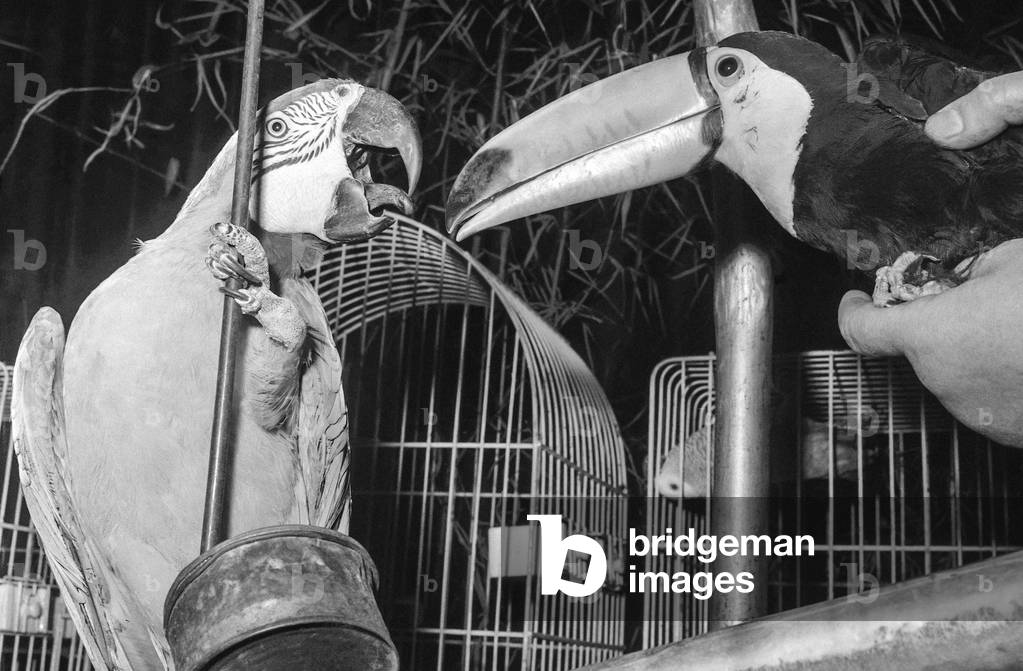
XRA2677356: Birds exhibition in Paris, November 9, 1956 : a parrot and a toucan (b/w photo) / Bridgeman Images
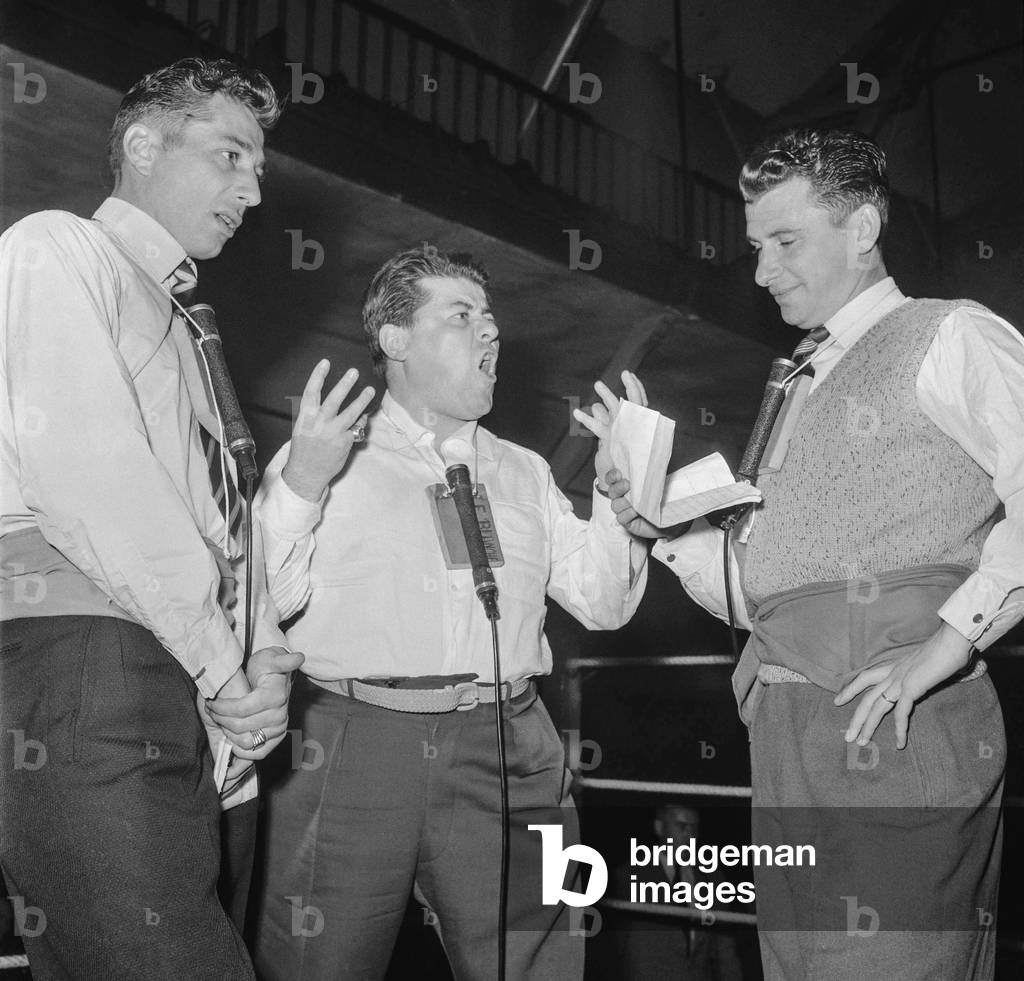
XRA2677365: Radio Ring (b/w photo) / Bridgeman Images

XRA2677300: The conference for an European army, Paris, February 15, 1951 (b/w photo) / Bridgeman Images
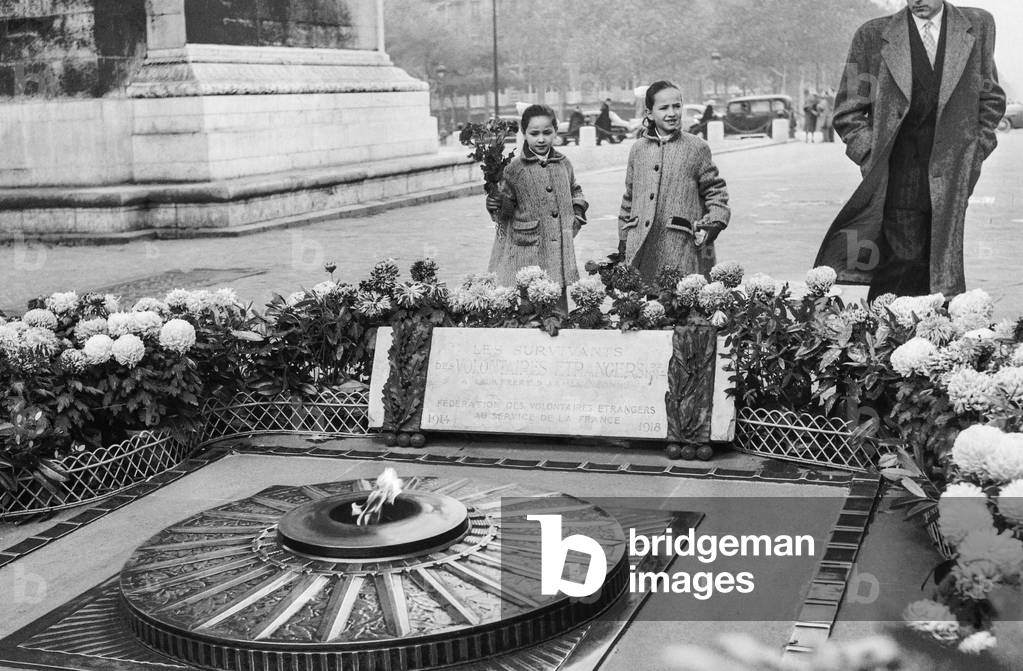
XRA2677333: 2 young girls putting flowers on the Tomb of the Unknown Soldier, Paris, November 1st, 1956 (b/w photo) / Bridgeman Images
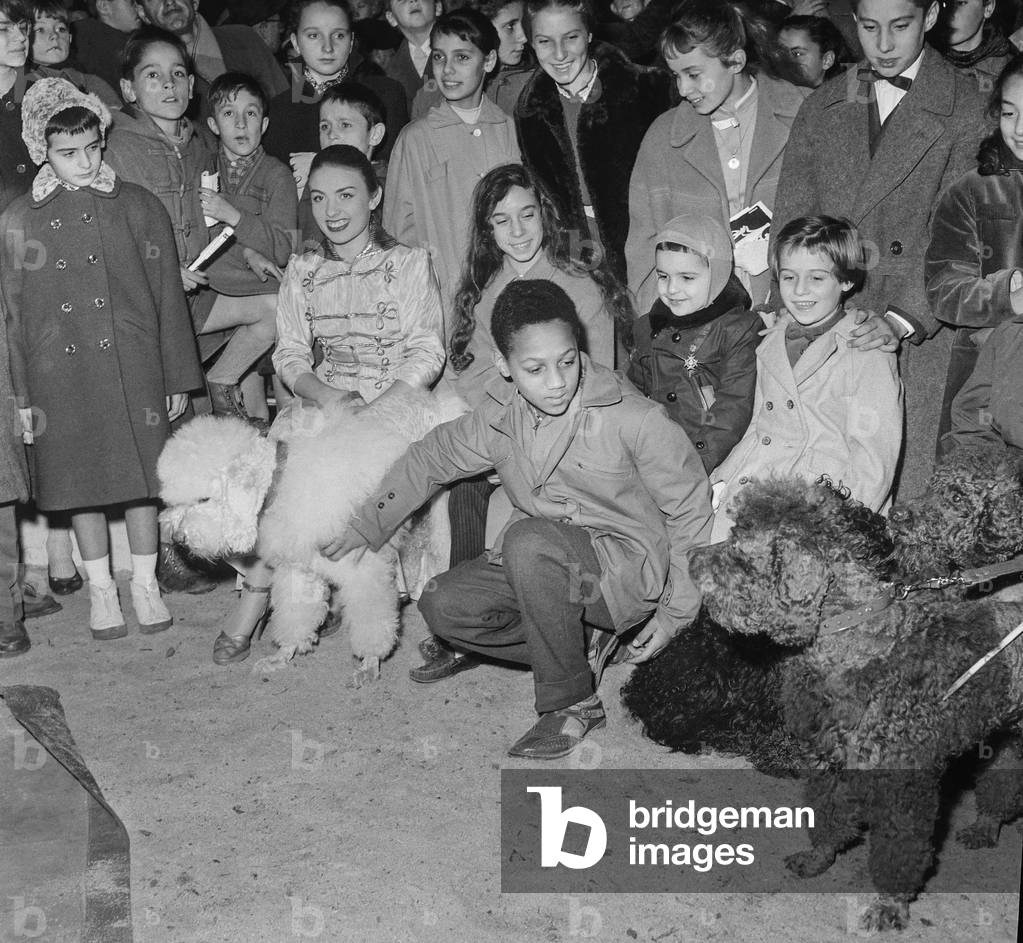
XRA2677357: The childhood fair at the Grand Palais in Paris on November 8, 1956 : Tania Constantine, son of Gaston Monnerville, daughters of Mathilde Casadesus (b/w photo) / Bridgeman Images

XRA2677094: Charles Aznavour on stage, Nice, 1985 (b/w photo) / Bridgeman Images

XRA2677187: The International Circus Festival of Monte-Carlo, February 1, 1988 : Stefano Casiraghi, Princess Caroline of Monaco with Andrea, Prince rainier III, Princess Stephanie (b/w photo) / Bridgeman Images

XRA2677220: Artist Felix Macri with models dressed with coat-hangers, Nice, French Riviera, August 3, 1988 (b/w photo) / Bridgeman Images

XRA2677253: Cannes film festival, May 15, 1990 : Martin Sheen and his wife (b/w photo) / Bridgeman Images

XRA2677292: Leather craft exhibition, Paris, January 29, 1957 : umbrella (b/w photo) / Bridgeman Images

XRA2677313: Demonstration of hospital staff in Paris, May 10, 1963 (b/w photo) / Bridgeman Images

XRA2677316: Demonstration of hospital staff in Paris, May 10, 1963 (b/w photo) / Bridgeman Images

XRA2677325: An helicopter taxi between Orly airport and Le Bourget airport, Paris, July 18, 1958 (b/w photo) / Bridgeman Images
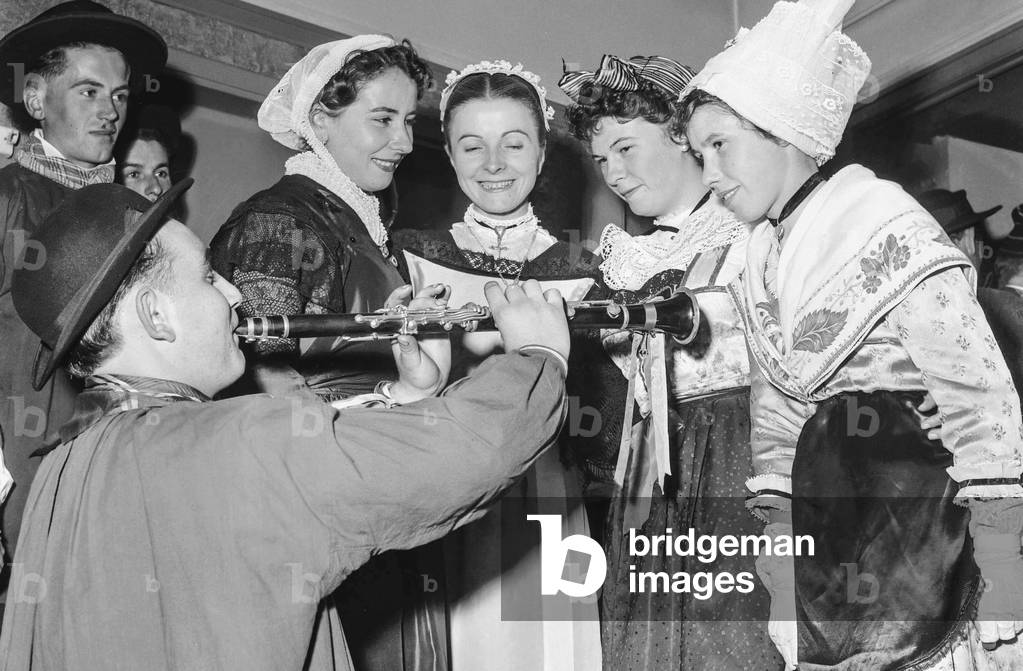
XRA2677340: French folk groups at the Salle Pleyel, Paris, October 15, 1956 (b/w photo) / Bridgeman Images
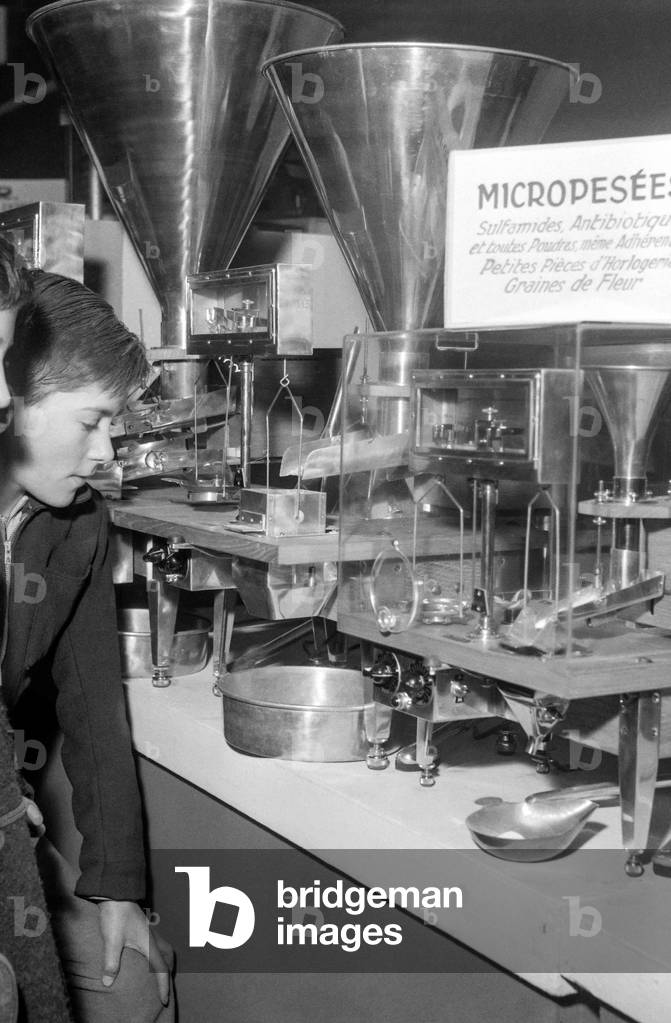
XRA2677358: Chemistry fair, Paris, November 22, 1956 : scales (b/w photo) / Bridgeman Images
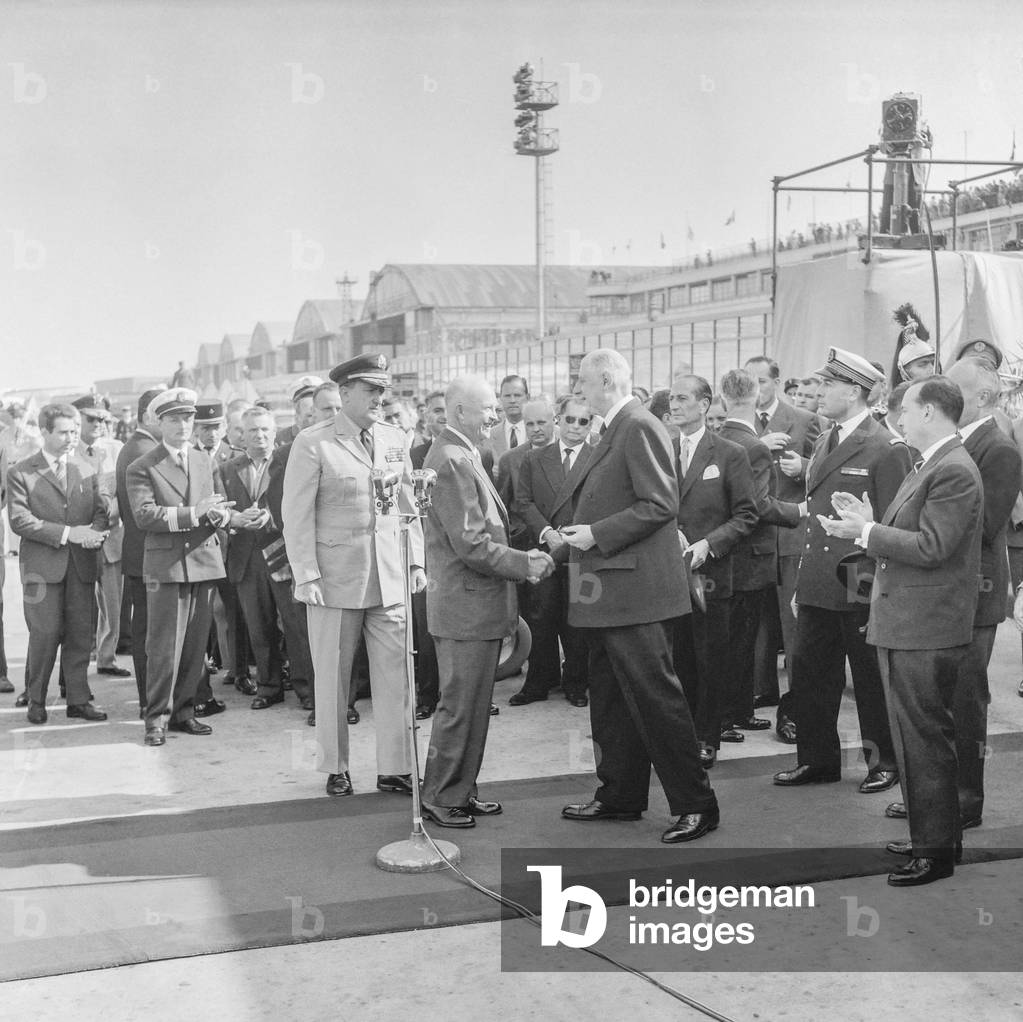
XRA2677405: Visit of American president Dwight Eisenhower in Paris : here with French president Charles de Gaulle, September 2, 1959 (b/w photo) / Bridgeman Images
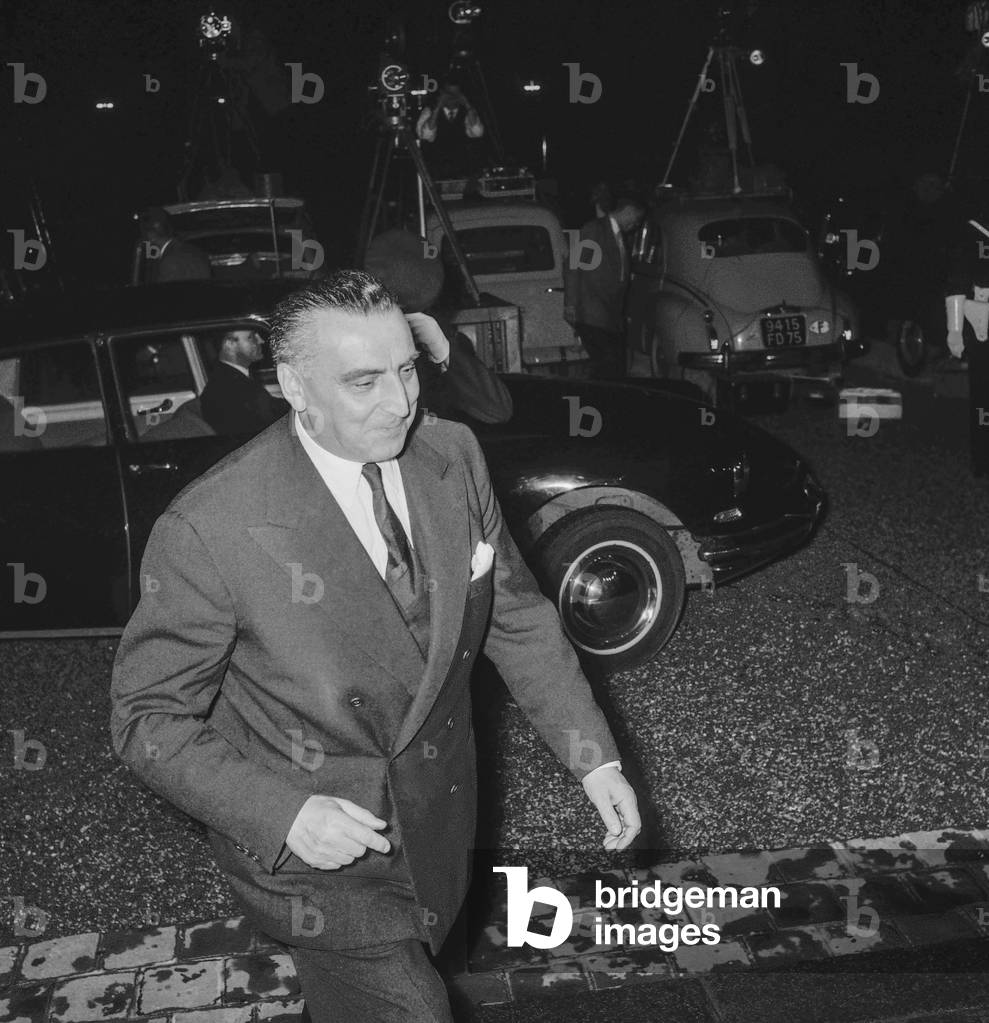
XRA2677414: First Council of Ministers of the De Gaulle government (b/w photo) / Bridgeman Images
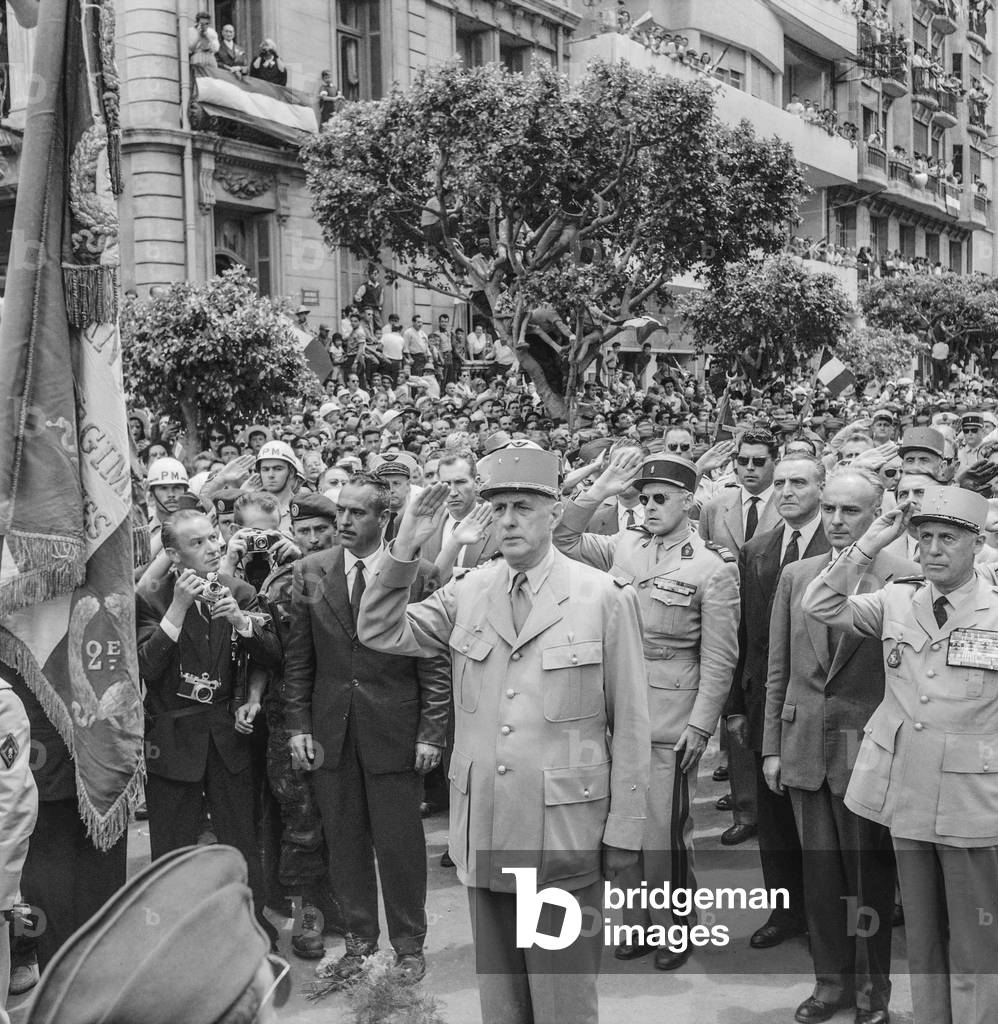
XRA2677477: Algerian War : French General Charles De Gaulle during his travel in Oran, Algeria, June 6, 1958 (b/w photo) / Bridgeman Images
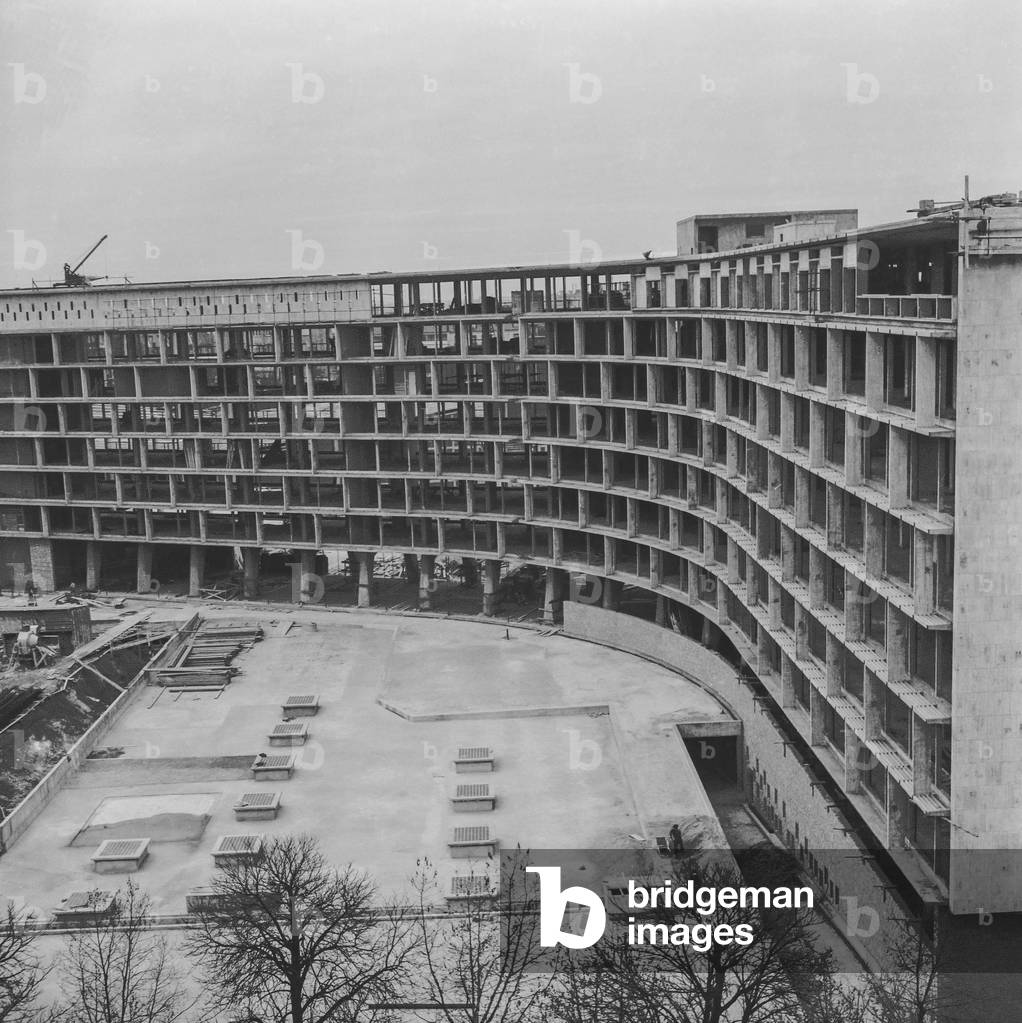
XRA2677501: Building of the UNESCO Headquarters in Paris on February 5, 1957 (b/w photo) / Bridgeman Images
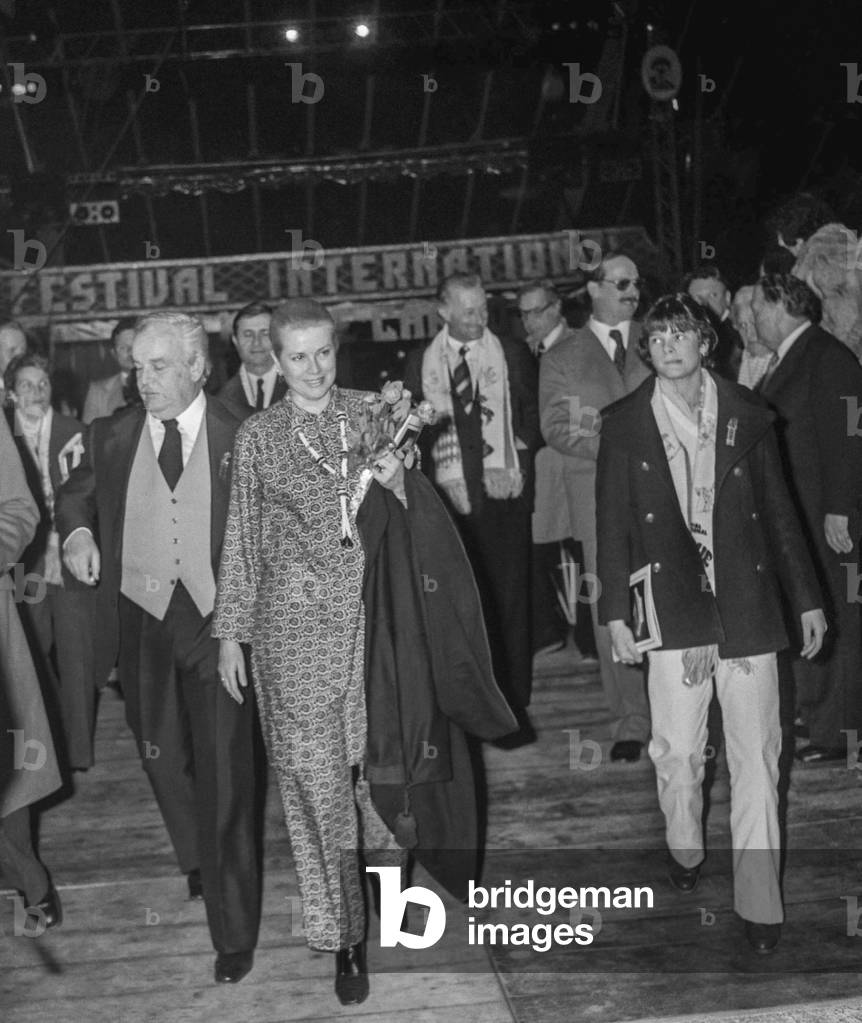
XRA2677522: The International Circus Festival of Monte-Carlo, December 13, 1978 : Prince Rainier III of Moanco and Princess Grace (b/w photo) / Bridgeman Images

XRA2677540: Tennisman Bjorn Borg and his fiancee Mariana visiting children at the hospital in Nice, French Riviera, December 27, 1978 (b/w photo) / Bridgeman Images
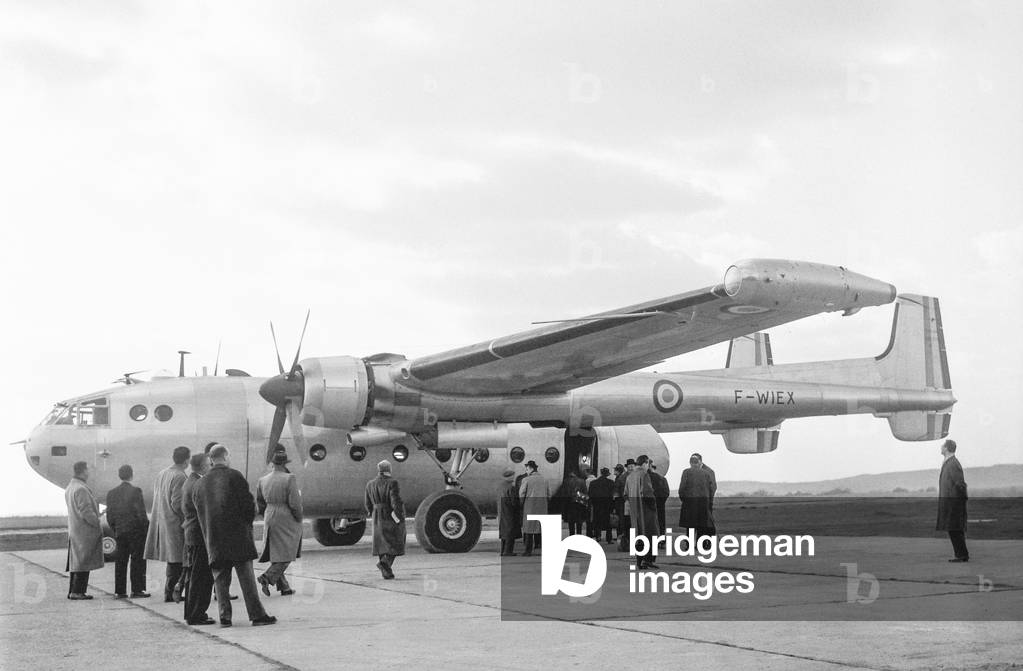
XRA2677380: Turbomeca factory (gas turbine engines) in Bordes, France, February 20, 1958 : "Nord 2506" with Marbore II turbojets on the airfield in Pau (b/w photo) / Bridgeman Images

XRA2677549: General Sylvestre Bangui, ambassador of Central African Republic in France, during a press conference in Paris about children killed in his country, May 27, 1979 (b/w photo) / Bridgeman Images

XRA2677449: Belgian actress Patricia Karim on set of film "La P... sentimentale" July 18, 1958 (b/w photo) / Bridgeman Images
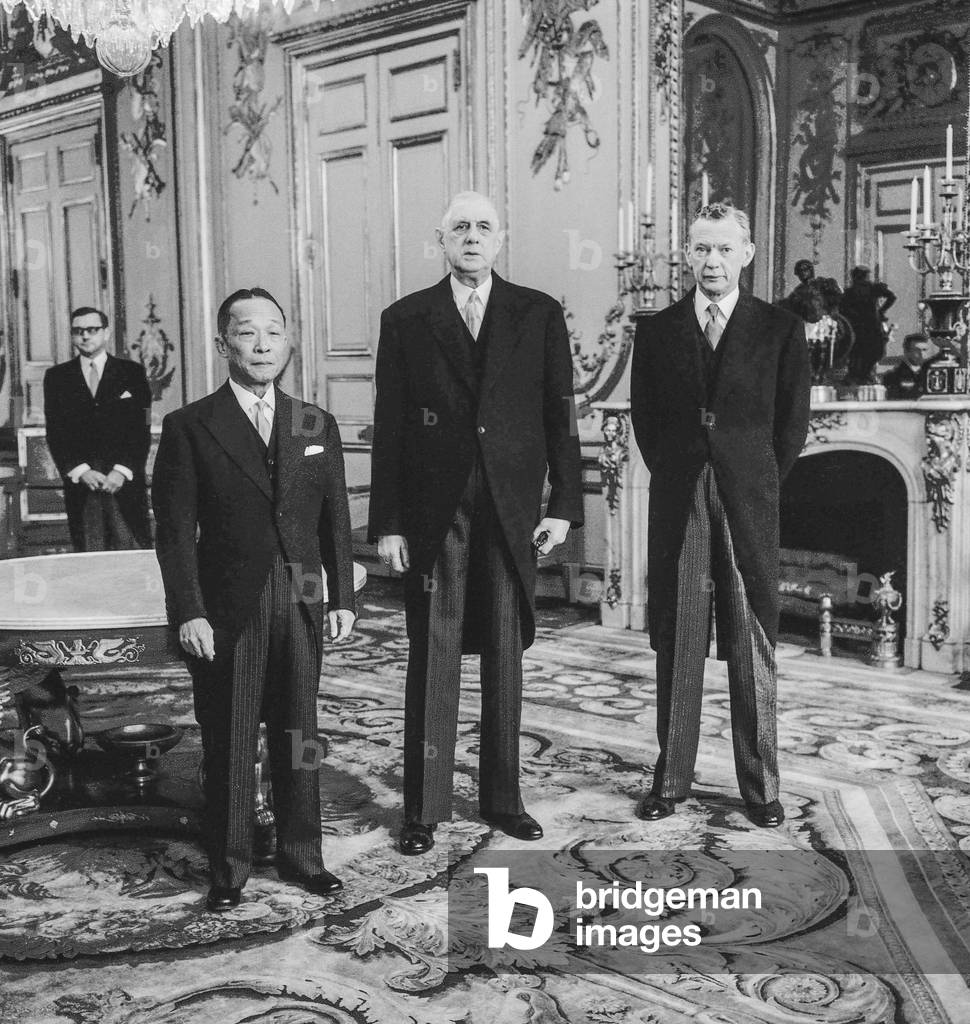
XRA2677455: Mr Cheed Sreshthaputraet le General De Gaulle l (b/w photo) / Bridgeman Images

XRA2677642: Jean Martinez "Play boy 80" in Beaulieu sur Mer, French Riviera, August 26, 1980 (b/w photo) / Bridgeman Images

XRA2677663: Majorettes from St Laurent du Var (French Riviera) with the cup won in Chicago, August 11, 1980 (b/w photo) / Bridgeman Images
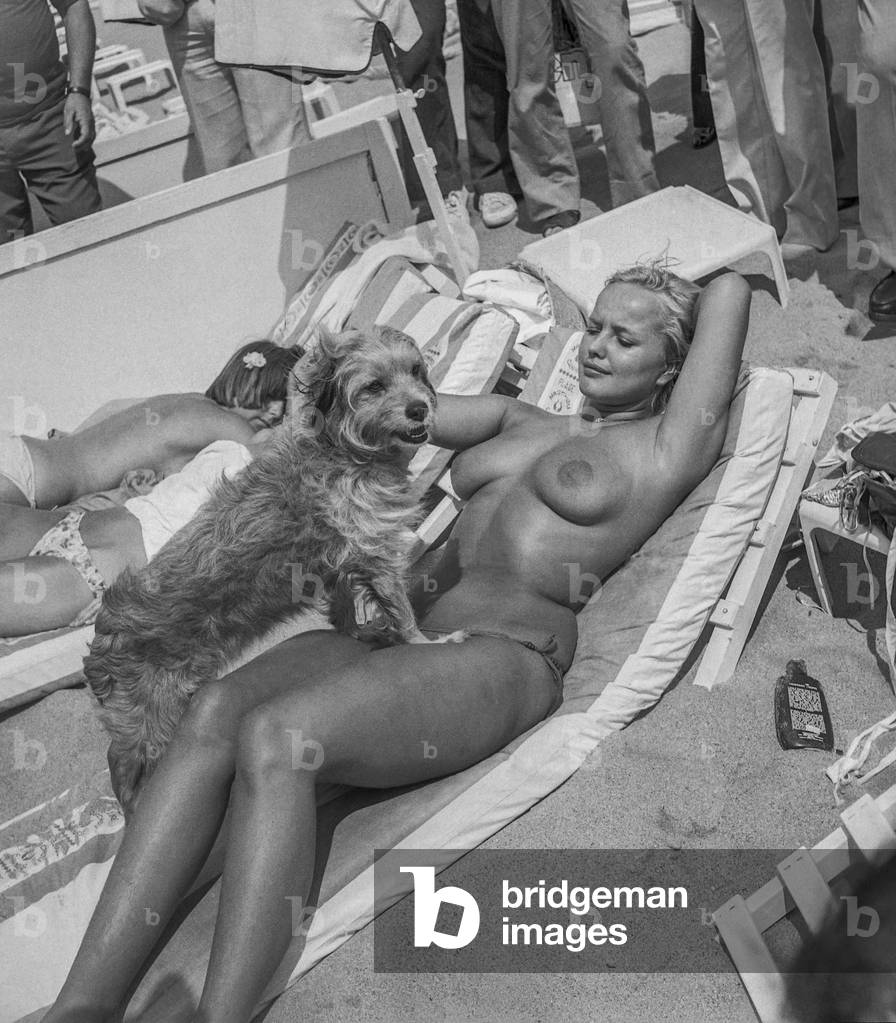
XRA2677515: Cannes film festival, May 21, 1979 : the dog Benji and porn actress Olinka Hardiman (b/w photo) / Bridgeman Images
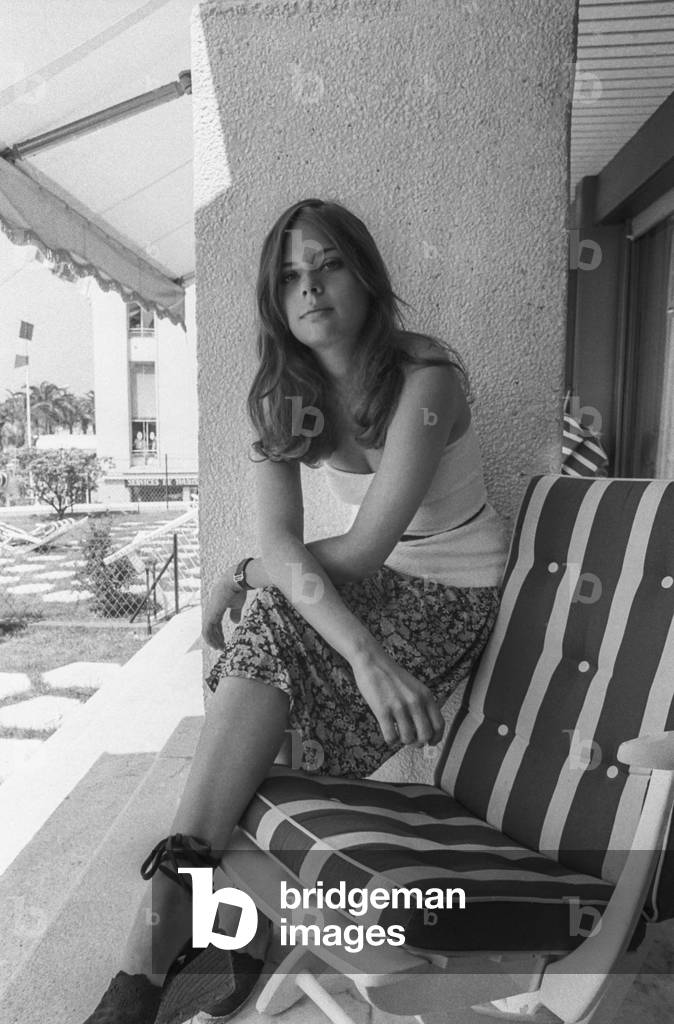
XRA2677554: Cannes film festival, May 16, 1979 : French actress Marie Trintignant (b/w photo) / Bridgeman Images

XRA2677584: Sylvie Vartan and Prince Rainier III of Monaco after a tennis meeting for celebrities in Monaco, July 10, 1979 (b/w photo) / Bridgeman Images
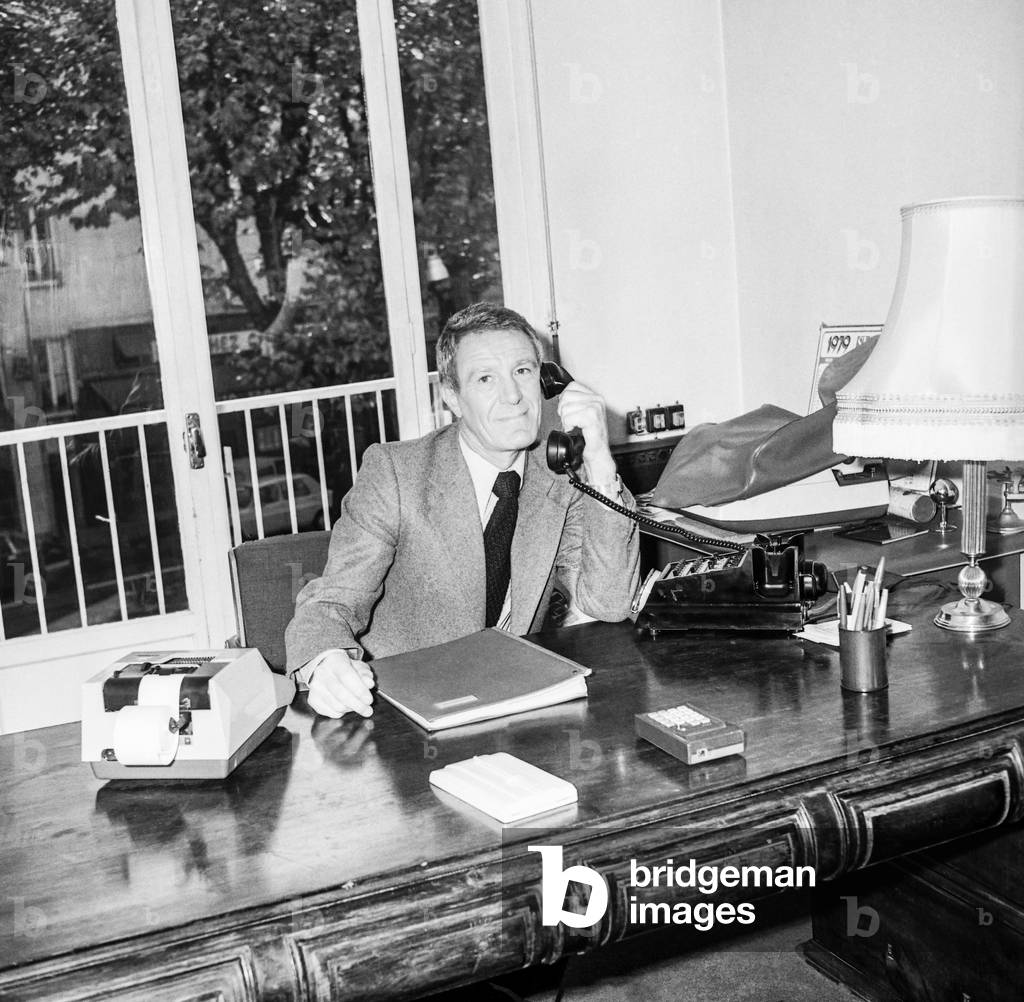
XRA2677587: Guy Granger, future president of Nice football club (OGC Nice), October 30, 1979, France (b/w photo) / Bridgeman Images
