2491632 Search Results

GIA4766232: View of Vienna and Graben Square (hollow) which takes its name from the ditch dug by the Romans to defend the city. Lithograph from the half of the 19th century., Unknown Artist, (19th century) / Bridgeman Images

GIA4767083: Portrait of Henry Bataille (1872 - 1922), French playwright. Illustration of the beginning of the 20th century., Unknown Artist, (20th century) / Bridgeman Images

GIA4767168: Interior view of the Italian transatlantic Rex: a cabin. 1933 approx., Unknown photographer, (20th century) / Bridgeman Images

GIA4767381: portrait of François Coppée (1842 - 1908), french poet, unknown photographer / Bridgeman Images

GIA4767561: Dalila costume for the first act of the opera “” Samson and Dalila”” by Camille Saint Saens (Saint-Saens). 1877, Unknown Artist, (19th century) / Bridgeman Images

GIA4767657: Portrait of Laetitia Bonaparte (Letizia Maria Ramolino) (1750-1836), mother of Napoleon I. Engraving of the 19th century, Unknown Artist, (19th century) / Bridgeman Images

GIA4767871: A man suffering from obesitis. 1910, Unknown Artist, (20th century) / Bridgeman Images

FIA5406613: Martha blames her vain sister mary magdalene, c.1621 (oil on canvas), Vouet, Simon (1590-1649) / Bridgeman Images

FIA5406659: Emperor Nicholas I Visiting the Alexander Column Construction Site, 19th century (watercolour on paper), Unknown Artist, (19th century) / Bridgeman Images

FIA5406665: The Michael Palace In Saint Petersburg, 19th century (ink on paper), Unknown Artist, (19th century) / Bridgeman Images

FIA5406679: View of the Chain Panteleimonovsky Bridge and the Mikhailovsky Castle, 1827 (pen, brush, watercolour, ink and white colour on paper), Traitteur, Wilhelm von (1788-1859) / Bridgeman Images
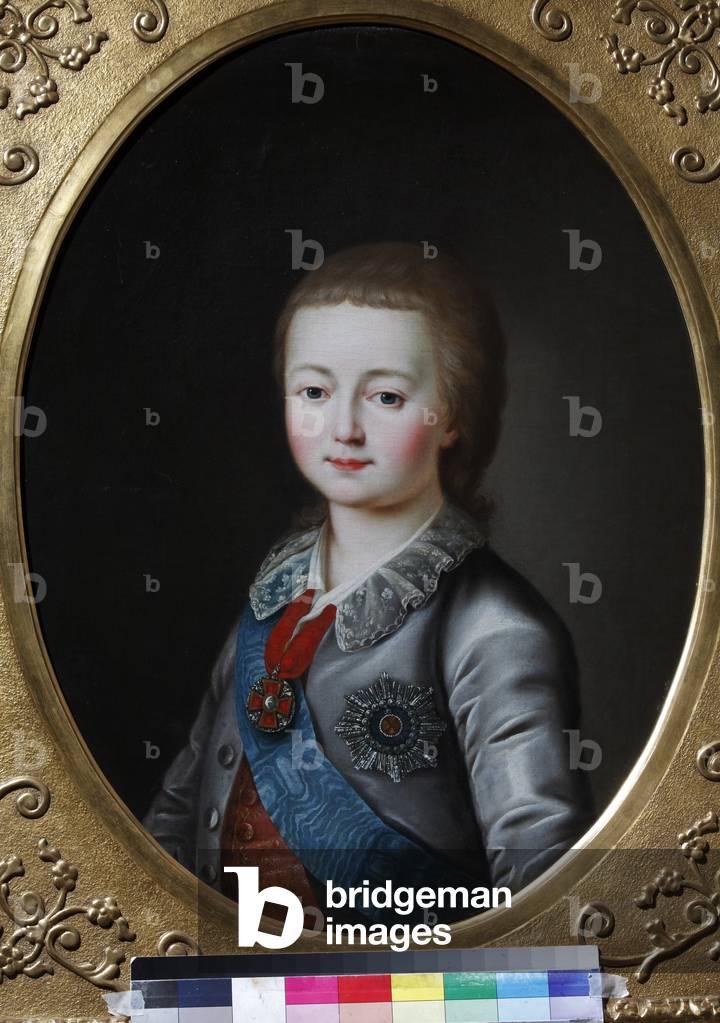
FIA5406756: Constantin Pavlovitch Romanov, Grand Duke of Russia, 1780s (oil on canvas), Miropolsky, Leonty Semyonovich (1749-1819) / Bridgeman Images

FIA5406885: Head of Medusa, 1780s (coloured glass, gilded paper), Tassie, James (1735-99) / Bridgeman Images

GIA4768522: Les horreurs de la lutte politique en Irlande. Une bombe lancee sur la foule dans un jardin public a tue une femme et blesse plusieurs enfants. L'illustrazione del popolo. 1922., Unknown Artist, (20th century) / Bridgeman Images

LUX4768645: France, Rhone-Alpes, Haute-Savoie (74), Annecy: View of the prison before restoration., Unknown photographer, (20th century) / Bridgeman Images

FIA5407124: Self-portrait with his wife - Self-portrait With Wife, 1711 (oil on canvas), Kupezky or Kupetzky, Johann (1667-1740) / Bridgeman Images

GIA4768998: Accordion, Comin & Co. Venice, 1920., Anonymous / Bridgeman Images

FIA5407142: ALOIS Jelen (1801-1857) as Max in the Opera der Freishuetz, 1826 (oil on canvas), Machek, Antonin (1775-1844) / Bridgeman Images

GIA4769483: How discord was born in the Church of Rome (Schism) between 1378 and 1417: manuscript of the 14th century.@- in “” Croniche del Sercambi””. National Archive, Lucca., Italian School, (14th-15th century) / Bridgeman Images

FIA5407289: Portrait of Ivan Fyodorovich Gorbunov (1831-1896), 1870s (photograph), Bergamasco, Charles (Karl) (1830-1896) / Bridgeman Images

LUX4770058: France, Provence-Alpes-Cote d'Azur, Bouches-du-Rhone (13), Martigues: The port, fishing boats, church. On the dock of tourists watch boats, 1925, Unknown photographer, (20th century) / Bridgeman Images

FIA5407347: Anna Akhmatova (1889-1966), 1924 (porcelain), Danko (Dan'ko), Natalia Jakovlevna (1892-1942) / Bridgeman Images

GIA4770285: Carthage view of the Gulf of Tunis in a 17th century historical atlas., Unknown Artist, (17th century) / Bridgeman Images

GIA4770900: Representation of the house where George Frederick Handel was born (Georg Friedrich Handel, 1685-1759), an English composer of German origin. Engraving of the 19th century., Unknown Artist, (19th century) / Bridgeman Images
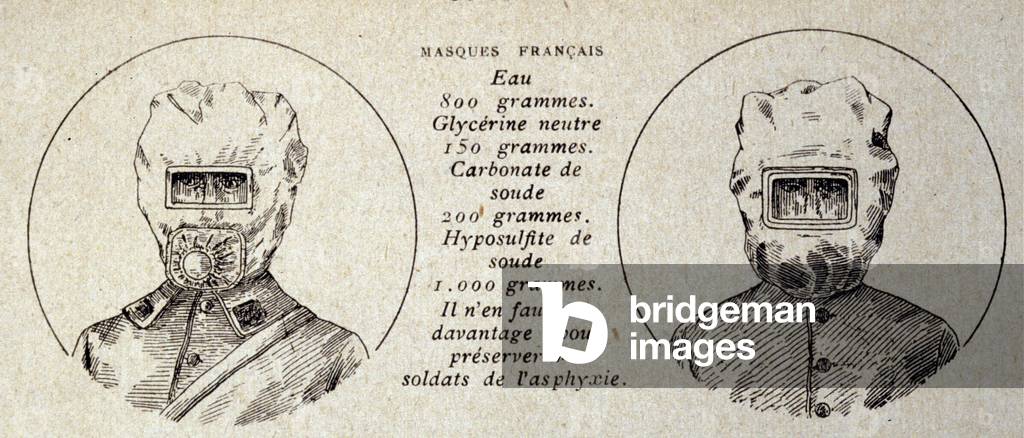
GIA4771415: French gas masks. Illustrated plate. Engraving of a treaty on chemical warfare, 1915., Unknown Artist, (20th century) / Bridgeman Images
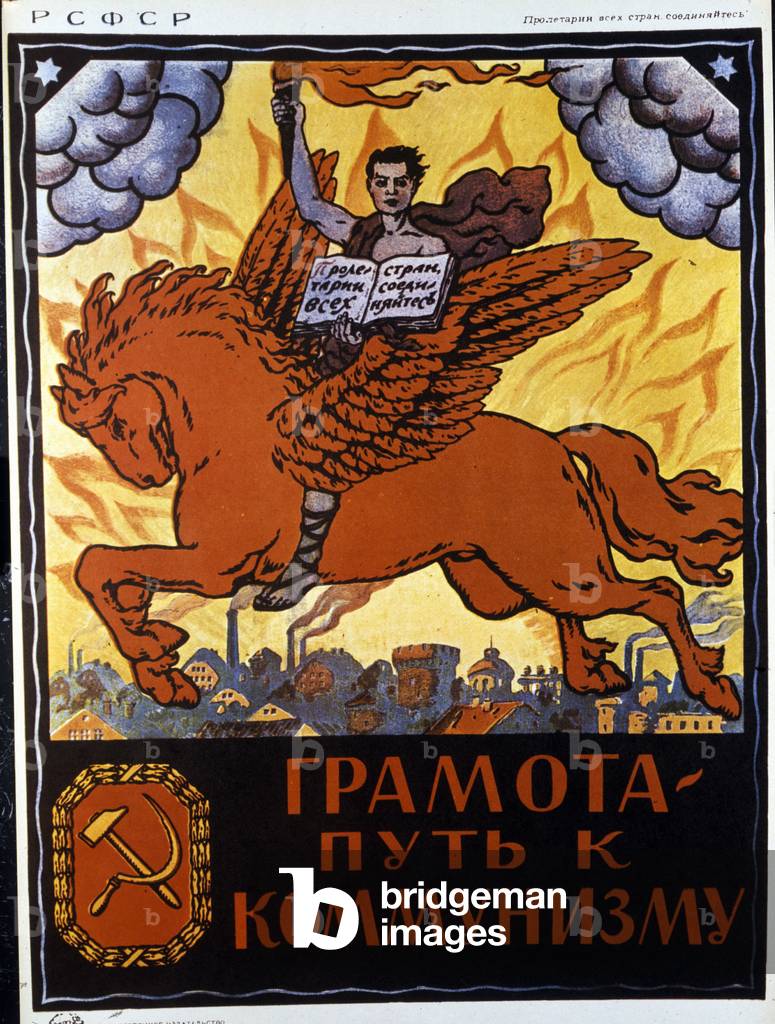
GIA4771616: Education opens the way to communism. Campaign against illiteracy, in 1917 60% of the population was illiterate. Anonymous poster, Moscow, 1920., Russian School, (20th century) / Bridgeman Images

GIA4771668: Tattoos by a native of New Zealand., Unknown Artist, (19th century) / Bridgeman Images

GIA4771720: Alpine hunters skiing in Moncenisio in Piedmont, 1903. Illustration by Beltrame. ""La Domenica del Corriere""., Beltrame, Achille (1871-1945) / Bridgeman Images
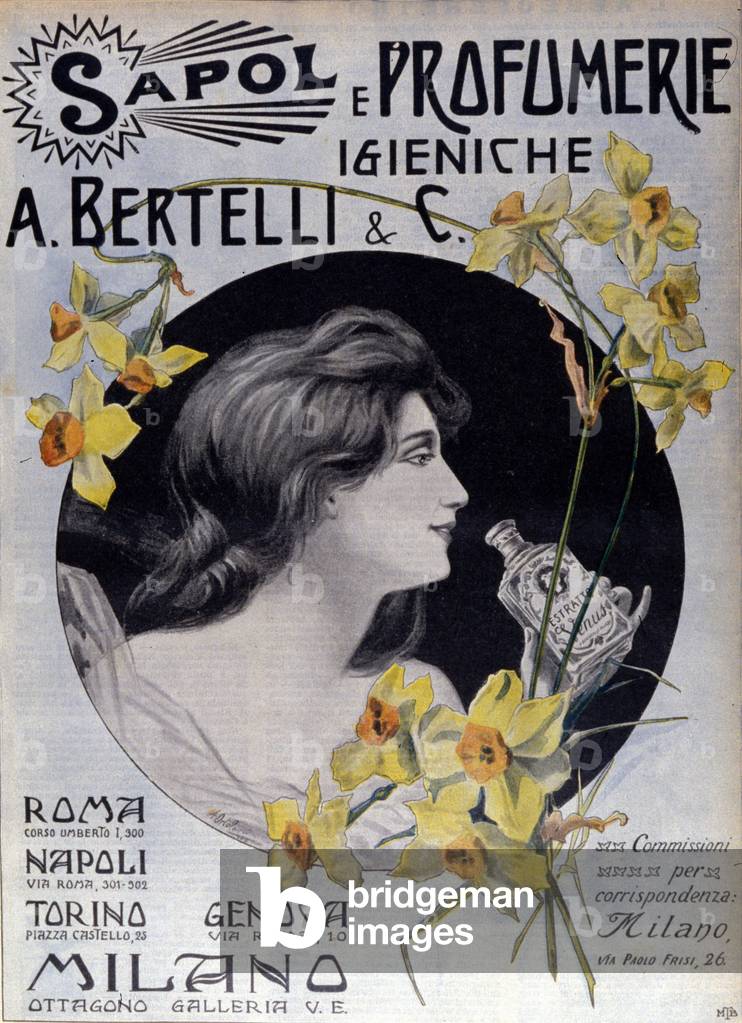
GIA4772299: Advertizing for the perfume Bertelli, c.1904, Unknown Artist, (20th century) / Bridgeman Images

LUX4772330: France, Rhone-Alpes, Isere (38), Saint-Christophe-en-Oisans (La Berarde): mountainous landscape, the route de la Berarde, in the background the chain of Belledonne, 1924, Unknown photographer, (20th century) / Bridgeman Images

GIA4772504: A wild fire, a diffuse light that can be seen at night near the marshes and cemeteries, would be a clever spirit from popular tradition. chromolithographof the 19th century., Unknown Artist, (19th century) / Bridgeman Images

FIA5407746: Artemis II (dead in 351 BC), 1640s (oil on canvas), Vouet, Simon (1590-1649) / Bridgeman Images

GIA4773018: Portrait of Don Juan of Austria (1547-1578), illegitimate son of Charles V (1500 - 1558). Engraving, Unknown Artist, (19th century) / Bridgeman Images

FIA5407815: Portrait of Carlgustaf Ticinous (1695-1770), 1750 (oil on canvas), Arenius, Olof (1701-66) / Bridgeman Images
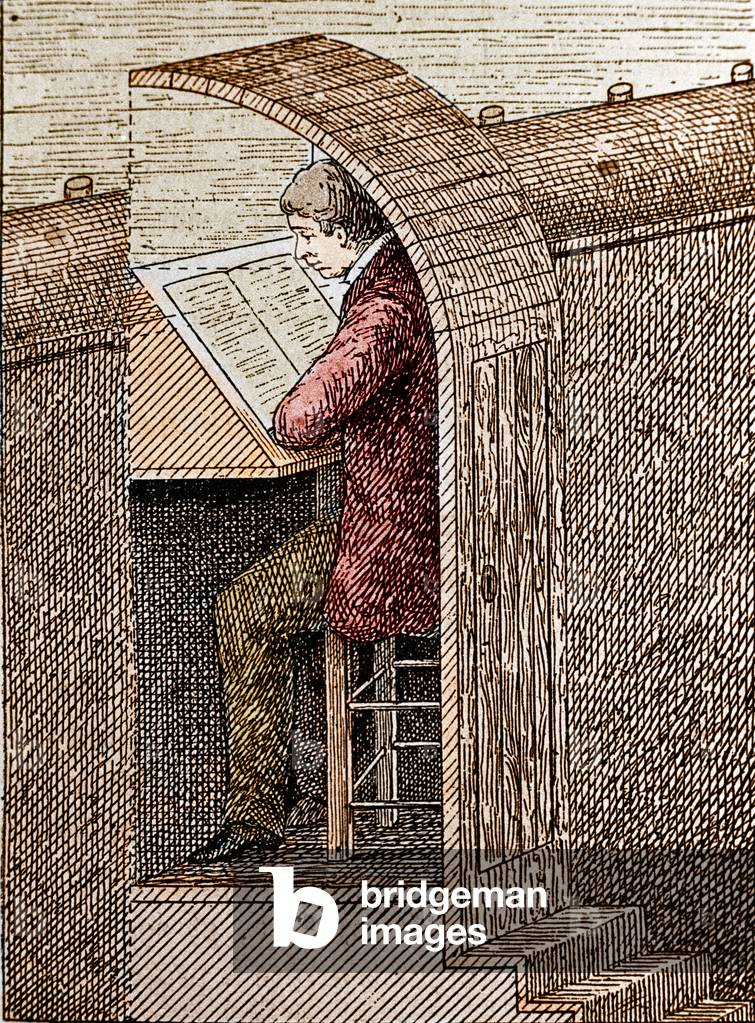
GIA4773097: The blower in his hole. A theatre blower helps comedians remember their text when they're on stage. Here he is depicted in his “hole” an opening practiced on the front of the scene away from the eyes of the public. Engraving of the 19th century., Unknown Artist, (19th century) / Bridgeman Images

FIA5407832: Charles Emil Lewenhaupt the groin, general commanded military suedais, 18th century (oil on canvas), Scheffel, Johann Henrik (1690-1781) / Bridgeman Images
