2491633 Search Results
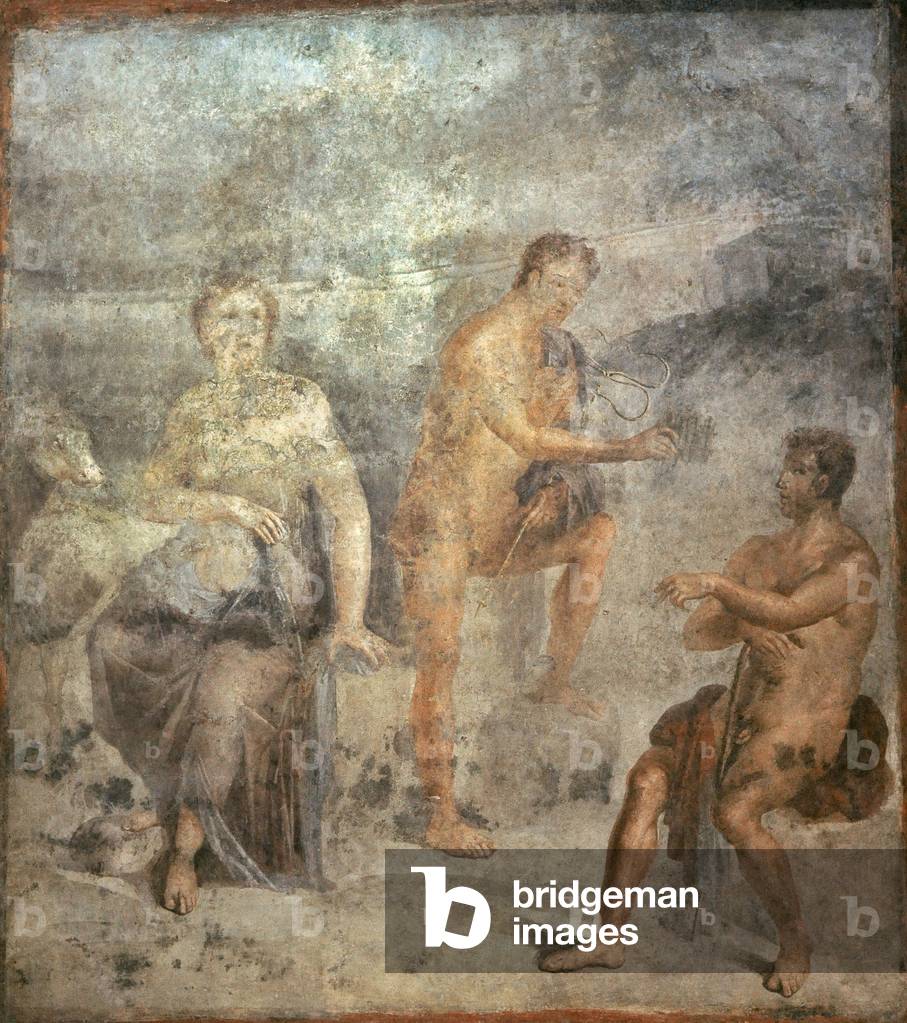
TRK3597742: Io, Argo and Hermes, The Ekklesiasterion, Temple Isis, Pompeii, Italy, Roman (1st century AD) / Bridgeman Images

TRK3597934: Red figure column krater depicting a warrior before a girl holding a spear and a shield decorated with a lion, Attributed to the Siracuse Painter, c.475 BC, from Cuma, Syracuse Painter (fl.c.470-460 BC) / Bridgeman Images
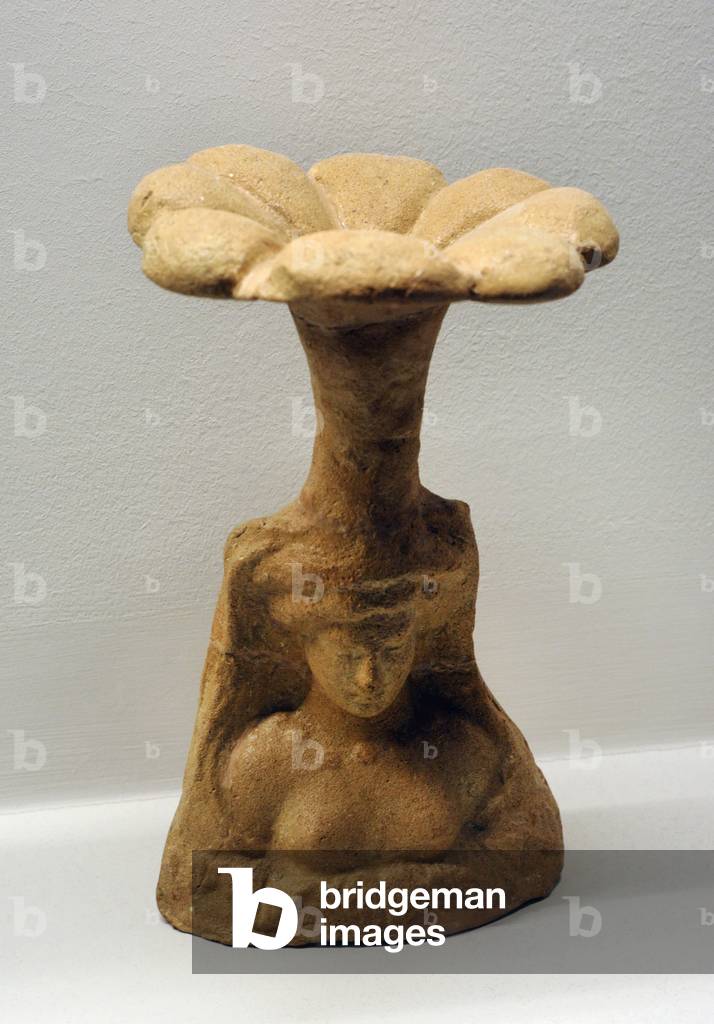
TRK3597970: Incense burner in the shape of flower-woman, Middle 4th century BC, Terracotta, Paestum / Bridgeman Images

TRK3598042: Virgin and Child enthroned with Saints Francis and John the Baptist, 1495, Scacco, Cristoforo (fl.1500) / Bridgeman Images
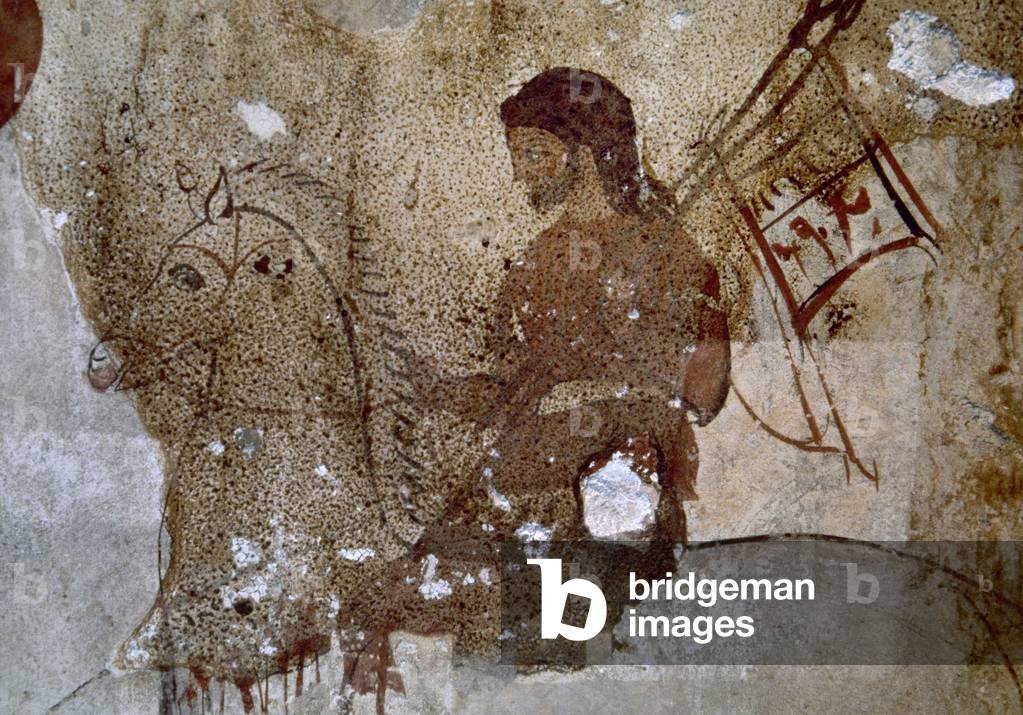
TRK3597982: Lucanian tomb, Fresco depicting the return of the warrior, 4th century BC / Bridgeman Images

TRK3598059: Presentation of Jesus at the Temple, 1545, Detail, Italy, Vasari, Giorgio (1511-74) / Bridgeman Images

RYL3598320: Begonia, 2017 (watercolour on paper), Ryland, Christopher / Bridgeman Images

JFB3598251: Salcombe North Sands, Evening Shadows, Wright, Jennifer (b.1961) / Bridgeman Images
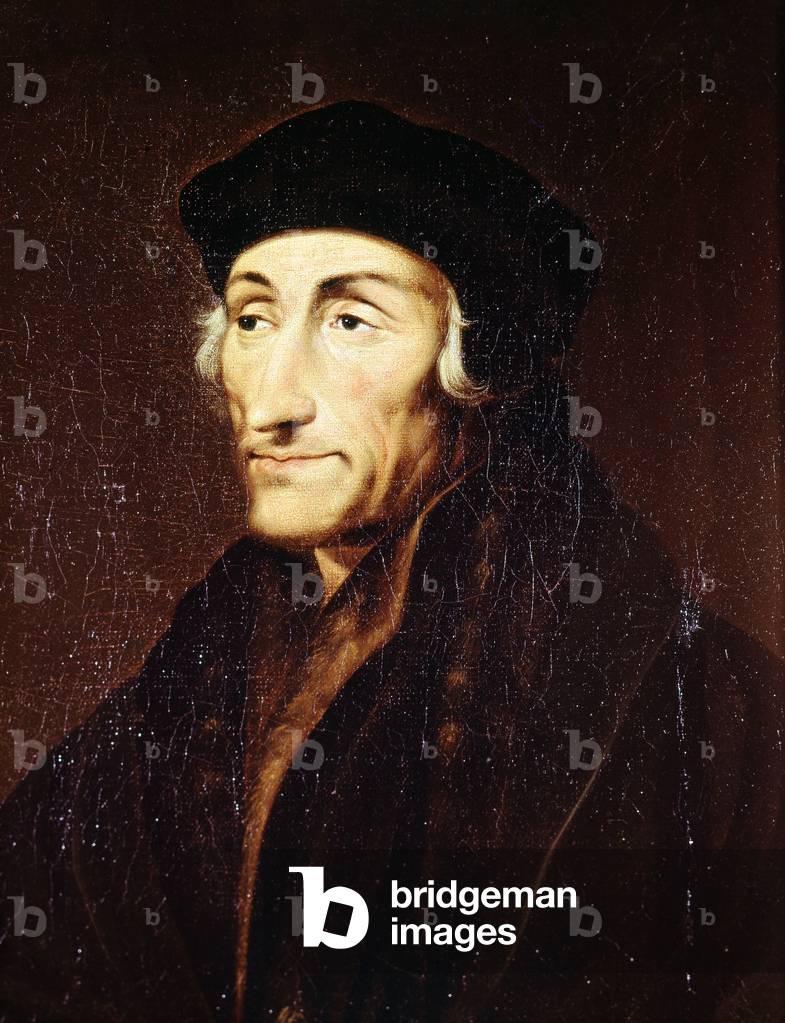
MEP3599305: Portrait of Erasmus of Rotterdam, 16th Century / Bridgeman Images

MEP3599350: Portrait of Duns Scotus, 14th century (manuscript) / Bridgeman Images

MBN3585258: Untitled, Bennett, Manuel (1921-2022) / Bridgeman Images

MBN3585259: Untitled, Bennett, Manuel (1921-2022) / Bridgeman Images

MBN3585298: Untitled (drawing), Bennett, Manuel (1921-2022) / Bridgeman Images

MBN3585277: Untitled (drawing), Bennett, Manuel (1921-2022) / Bridgeman Images

MBN3585280: Untitled (drawing), Bennett, Manuel (1921-2022) / Bridgeman Images

MBN3585313: Untitled, Bennett, Manuel (1921-2022) / Bridgeman Images

MBN3585292: Untitled (drawing), Bennett, Manuel (1921-2022) / Bridgeman Images

MBN3585308: Untitled (drawing), Bennett, Manuel (1921-2022) / Bridgeman Images

MBN3585317: Untitled, Bennett, Manuel (1921-2022) / Bridgeman Images

MBN3587439: Untitled (drawing), Bennett, Manuel (1921-2022) / Bridgeman Images

TVC3587474: Andre Watts (b.1946), classical pianist, 1973 (photo), Vaccaro, Tony (1922-2022) / Bridgeman Images

FAS3597359: Annie Carline, 1931 (pencil on paper) , Spencer, Stanley (1891-1959) / Bridgeman Images

FAS3597482: Study for The Finding of Moses, 1921 (pencil, pen & ink on paper), Edgcumbe, Ursula (1900-85) / Bridgeman Images
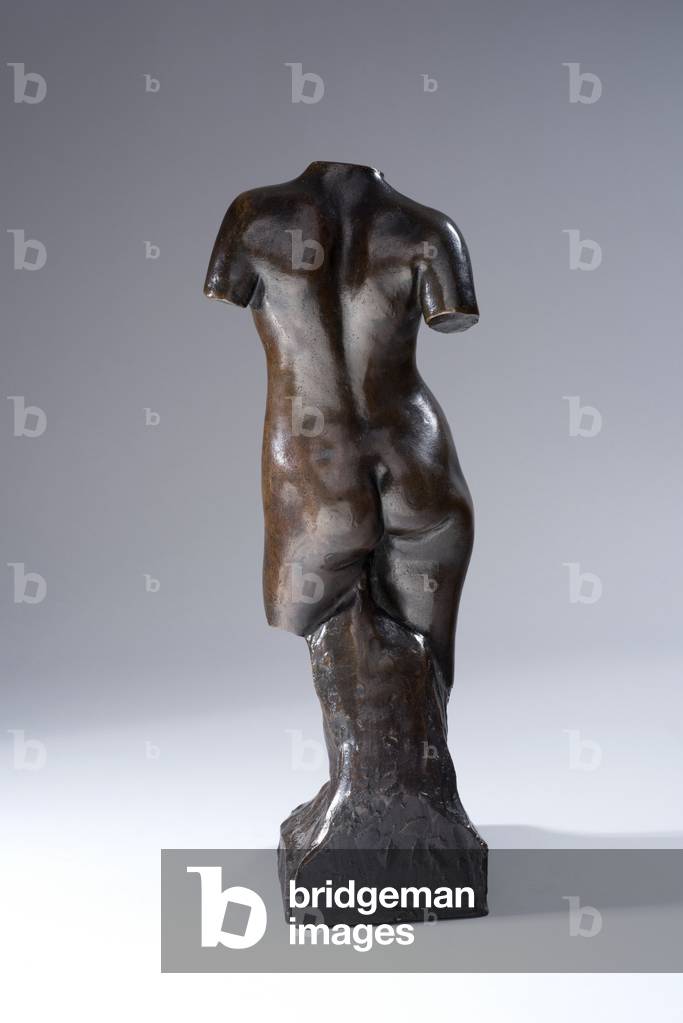
FAS3597439: Torso, 1900 (bronze), Wood, Francis Derwent (1871-1926) / Bridgeman Images

FAS3597370: The Hay Cart, Garsington, c.1923 (oil on panel) , Spencer, Gilbert (1892-1979) / Bridgeman Images

FAS3597382: Conception, 1978 (bronze), Laing, Gerald (1936-2011) / Bridgeman Images

FAS3597413: Bather with Ball (Opus 57), 1948 (reinforced plaster, copper plated), Adams, Robert (1917-1984) / Bridgeman Images

FAS3597527: Suburbia: a horse-chestnut tree on Wimbledon Hill, c.1929 (watercolour over pencil), Badmin, Stanley Roy (1906-89) / Bridgeman Images
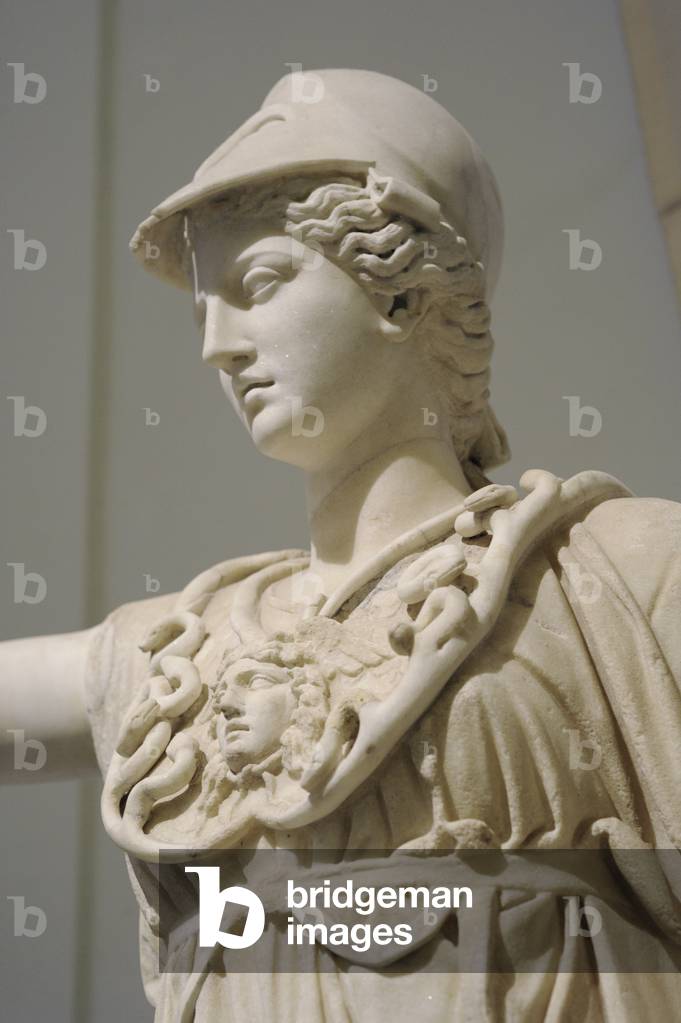
TRK3597633: Athena, Goddess, 2nd century A,D, Statue / Bridgeman Images

FAS3597460: Standing Group, c.1952 (plaster), Armitage, Kenneth (1916-2002) / Bridgeman Images

MEP3599336: Portrait of Cardinal Richelieu (Portrait du Cardinal de Richelieu), by Philippe de Champaigne, 1640, 17th Century (oil on canvas), Champaigne, Philippe de (1602-74) / Bridgeman Images

AJY3613542: Finger Drawing E (watercolour), Buchanan, LG / Bridgeman Images

AJY3613561: Indian Floral Linocut (linocut), Buchanan, LG / Bridgeman Images

AJY3613714: East Meets West Design (gouache), Buchanan, LG / Bridgeman Images

TVC3613769: Model for Look Magazine at the Waldorf Astoria, New York (b/w photo), Vaccaro, Tony (1922-2022) / Bridgeman Images

AJQ3613944: Tree of life, 2017 (mixed media), Arthurs, Linda / Bridgeman Images
