2491747 Search Results

MPX5160697: Ramsgate workmen find coins under pavement. 10th April 1962 (b/w photo) / Bridgeman Images

MPX5160709: Meet The Beatles Competition Winners, run by the Sunday Mirror Newspaper, meet with The Beatles backstage at the Olympia Theatre, Paris, France, during the groups residency (16th January - 4th February), pictured Monday 3rd February 1964 (b/w photo) / Bridgeman Images

MPX5160718: Aftermath of floods at Morpeth, Northumberland in the northeast of England, 9th March 1963 (b/w photo) / Bridgeman Images

MPX5160727: Guests attending a party held by Laurence Olivier and Lauren Bacall. Lauren Bacall receiving a kiss on the cheek from Kenneth More with Laurence Olivier in the background. 10th November 1958. / Bridgeman Images

MPX5160730: Donald Zec Daily Mirror entertainment editor and feature writer 7th July 1955 (b/w photo) / Bridgeman Images

MPX5160733: Meet The Beatles Competition Winners, run by the Sunday Mirror Newspaper, meet with The Beatles backstage at the Olympia Theatre, Paris, France, during the groups residency (16th January - 4th February), pictured Monday 3rd February 1964 (b/w photo) / Bridgeman Images

MPX5160745: Princess Michael of Kent and Pop singer Toyah Willcox at the Silver Clef Awards. The Silver Clef Awards is an annual UK music awards lunch. 23rd June 1983. / Bridgeman Images

MPX5160754: Denby Dale Pie Festival, 5th September 1964 (b/w photo) / Bridgeman Images

MPX5160757: Denby Dale Pie Festival, 5th September 1964 (b/w photo) / Bridgeman Images

MPX5160781: Since the Middle Ages, camel caravans have navigated north from the fabled city of Timbuktu, in search of the salt. Traveling across the windswept sand dunes, caravans often numbering more than hundred journey to the salt mines of Taudenni, 500 miles north of Timbuktu. Our Picture Shows: One of the many camel trains resting on the outskirts of Timbuktu following a 14 day return journey from the salt mines. 23rd May 1976 (b/w photo) / Bridgeman Images

MPX5160814: "Way In" the new unique 20,000 square foot boutique planned by Sir Hugh Fraser for the fourth floor of Harrods set to open on the 7th June 1967. Shoula Tevet modelling some of the range of clothing available at the boutique. 5th June 1967 (b/w photo) / Bridgeman Images

MPX5160829: Barnstaple Long Bridge, North Devon. 9th January 1966 (b/w photo) / Bridgeman Images

MPX5160841: Panoramic view of Bristol from the roof of the ES &A Robinson and Son building. The window cleaners in their cradle are Brian Priddis and Alan Tuckett of the New Century Cleaners. 1st March 1967 (b/w photo) / Bridgeman Images

MPX5160844: American Comedian Joan Rivers in a London hotel, 1st March 1984 (b/w photo) / Bridgeman Images

MPX5160850: Barbara Windsor, actress and star of BBC TV Series, The Rag Trade, pictured 28th February 1963 (b/w photo) / Bridgeman Images
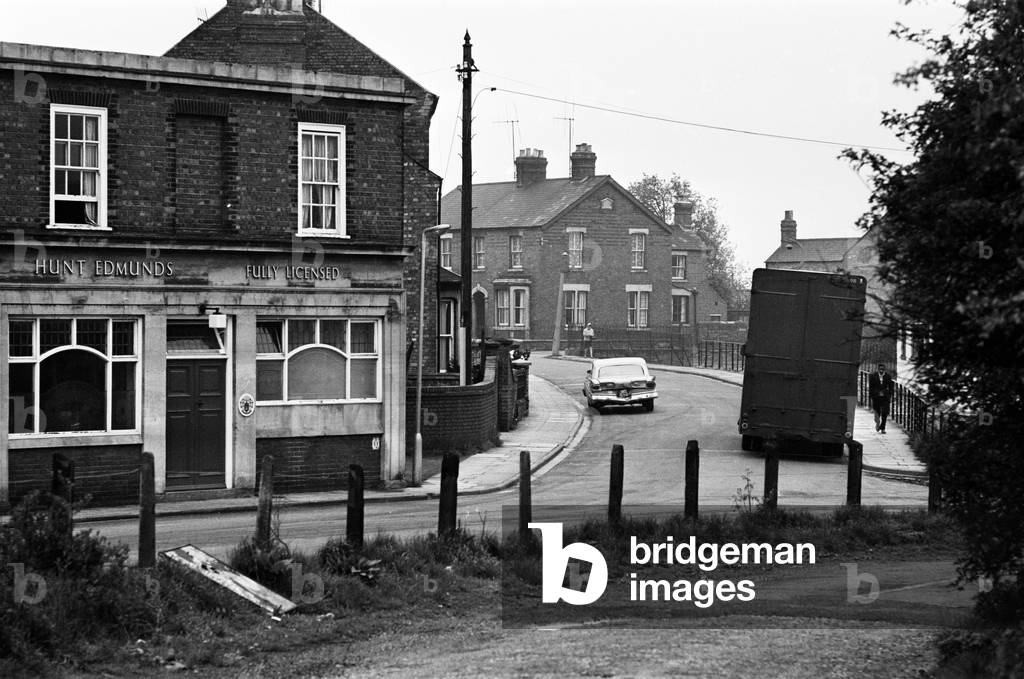
MPX5160871: General street scene views of Banbury, Oxfordshire. 9th May 1968 (b/w photo) / Bridgeman Images
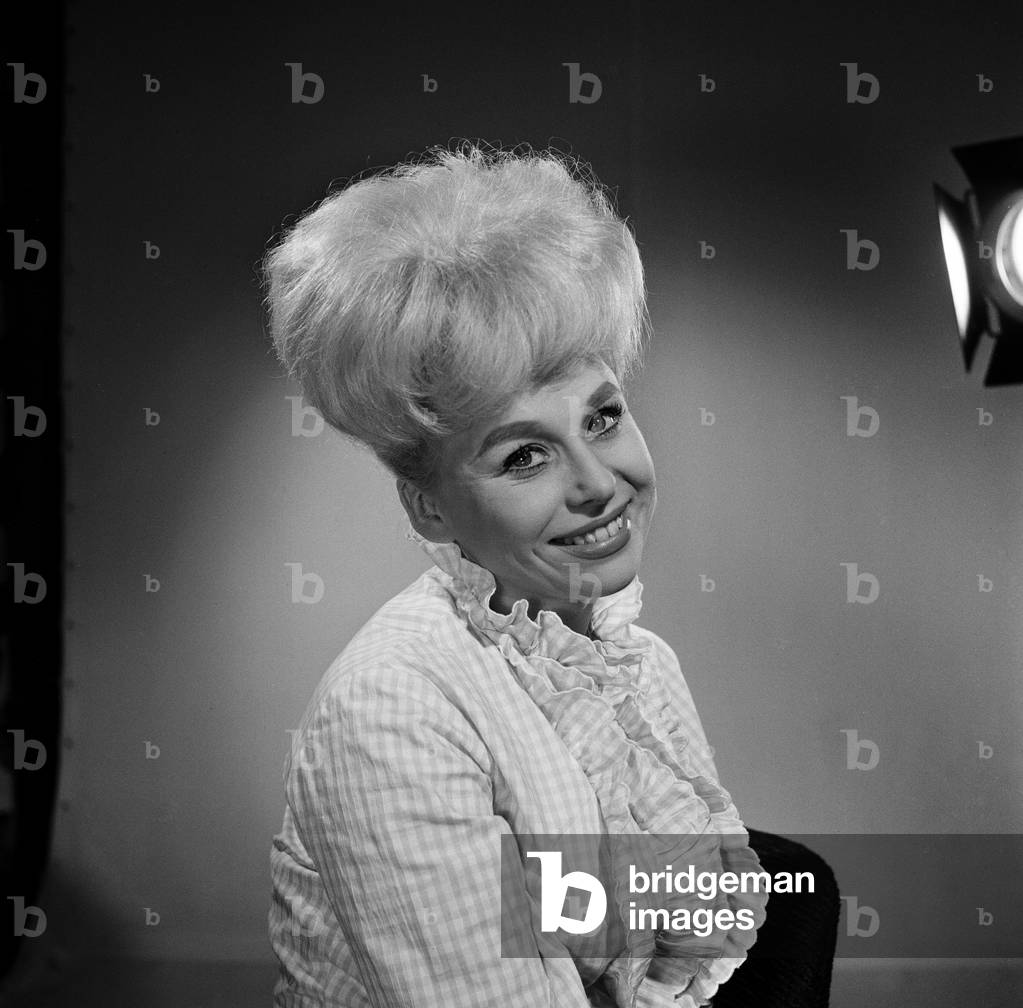
MPX5160880: Barbara Windsor, actress and star of BBC TV Series, The Rag Trade, pictured 28th February 1963 (b/w photo) / Bridgeman Images
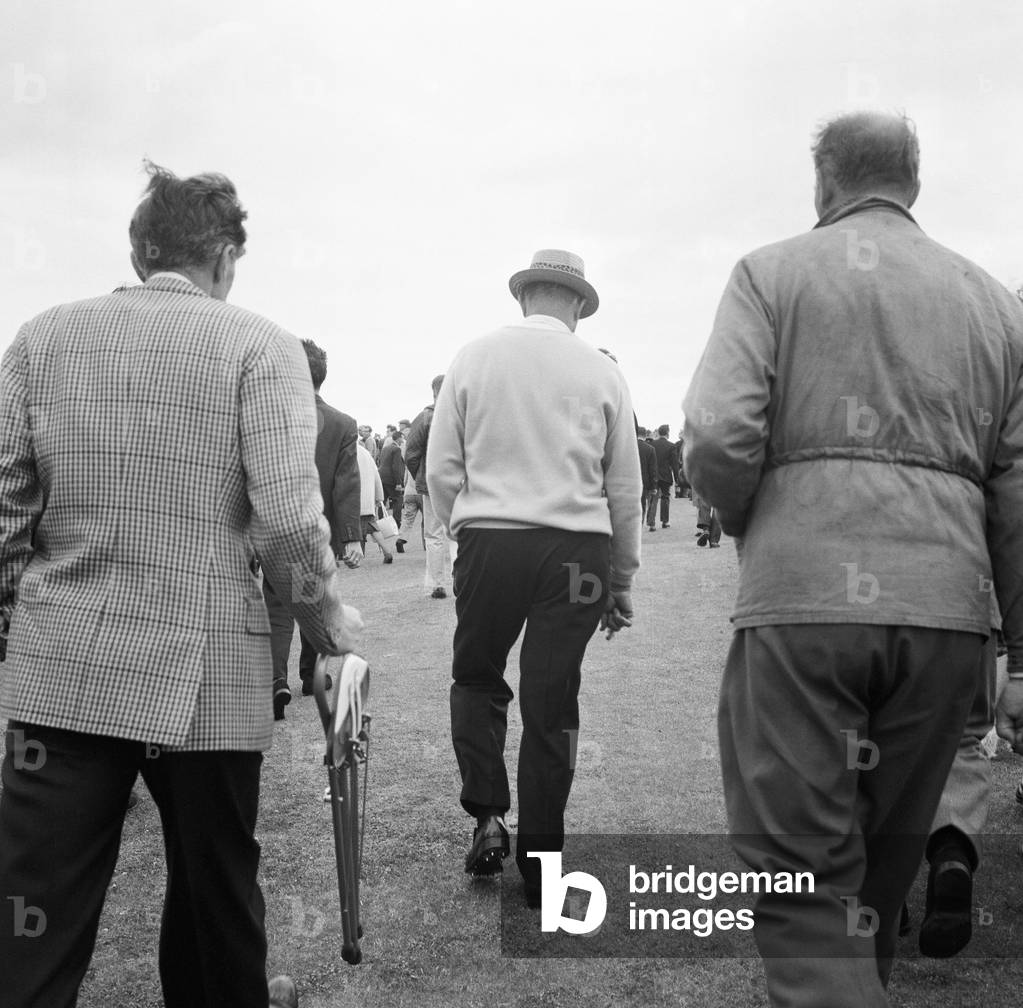
MPX5160883: British Open 1965 (b/w photo) / Bridgeman Images
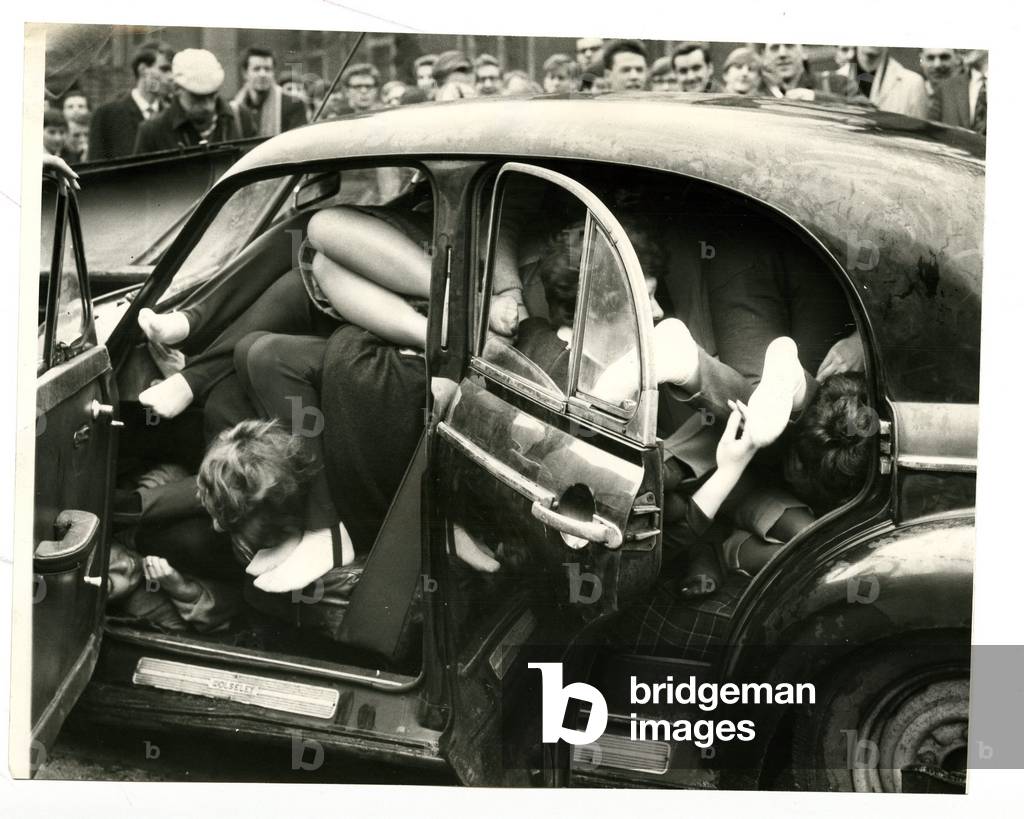
MPX5160886: Glasgow students charity attempt, 1966 (b/w photo) / Bridgeman Images
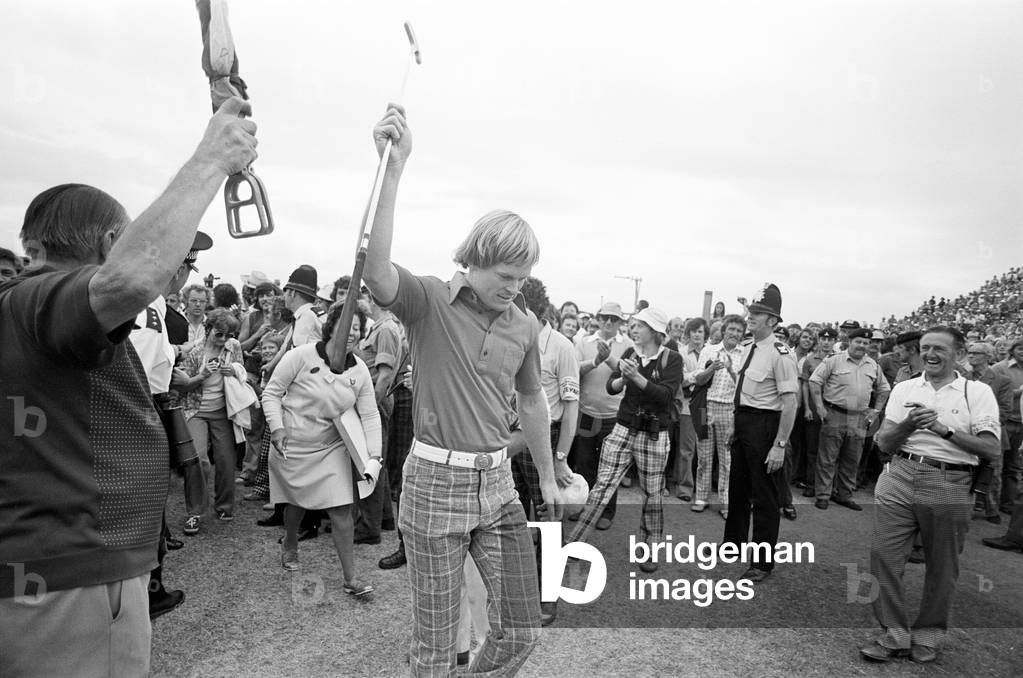
MPX5160892: British Open 1976. Royal Birkdale Golf Club, Southport, Sefton, Merseyside, 10th July 1976. Open Champion 1976, Johnny Miller, 1976 (b/w photo) / Bridgeman Images
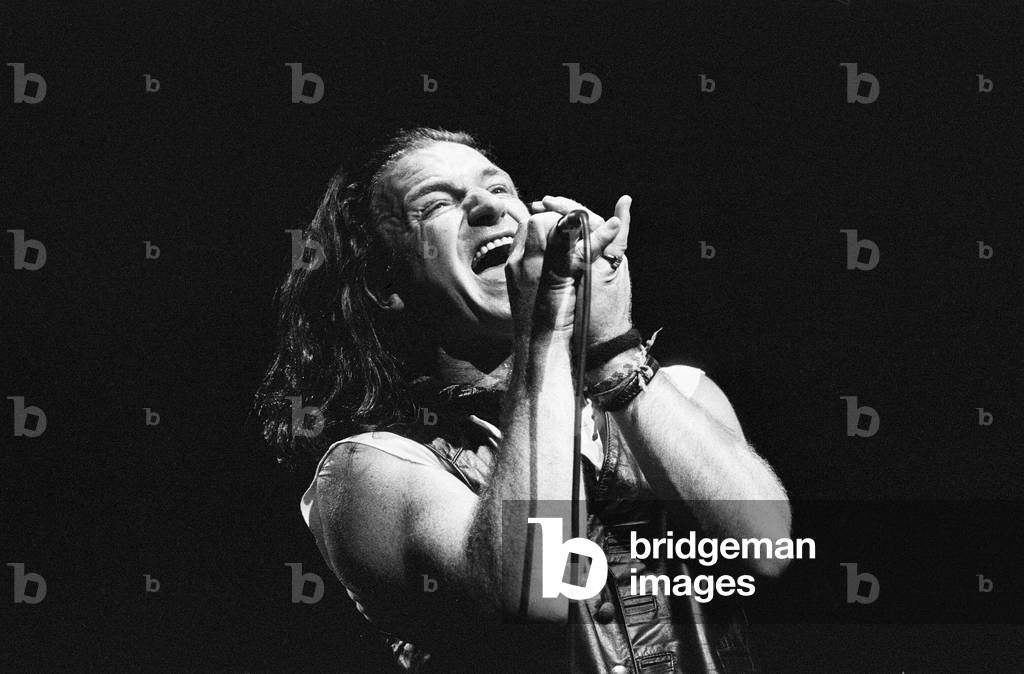
MPX5160922: Rock group U2 performing on stage at the National Exhibition Centre in Birmingham. Pictured is lead singer Bono. 3rd August 1987 (b/w photo) / Bridgeman Images

MPX5161247: Rehearsing for a special production are Joanne Wilkinson at the piano with (from left) Andrew Bailey, Tina Garbutt and Sara-Jo Cooper. Young members of Huddersfield Light Opera Company are to stage a production of the evergreen musical, Salad Days, as their contribution to International Youth Year. The production - the first of its kind for the company's youth section - will run on October 23 to 26 at Venn Street Arts Centre. Produced by Margaret Warmington and featuring a cast of nearly 50 youngsters aged 10 to 18, Salad Days tells the tale of a magic piano which introduces the audience to a collection of weird and wonderful characters. The musical director is John Burt and the director and choreographer is Mary Brearley. 30th September 1985 (b/w photo) / Bridgeman Images
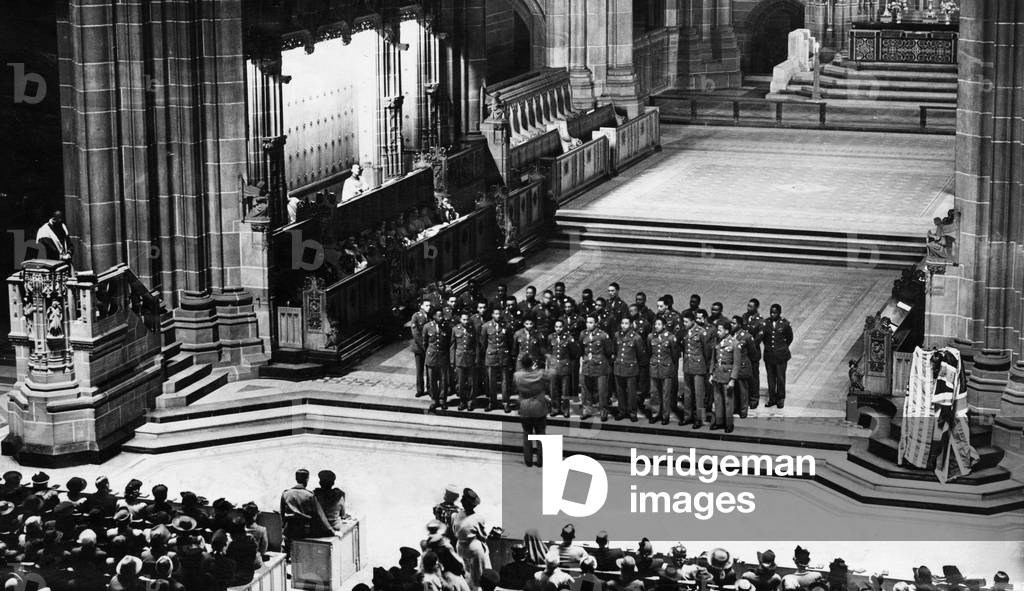
MPX5161250: One of the largest congregations so far recorded filled the Liverpool Cathedral when the United States Army choir sang spirituals. Captain William Smith, their chaplain is seen in the pulpit on the left with the USA Engineer Regiment chapel choir singing on the front steps of the chancel. 4th October 1943 (b/w photo) / Bridgeman Images
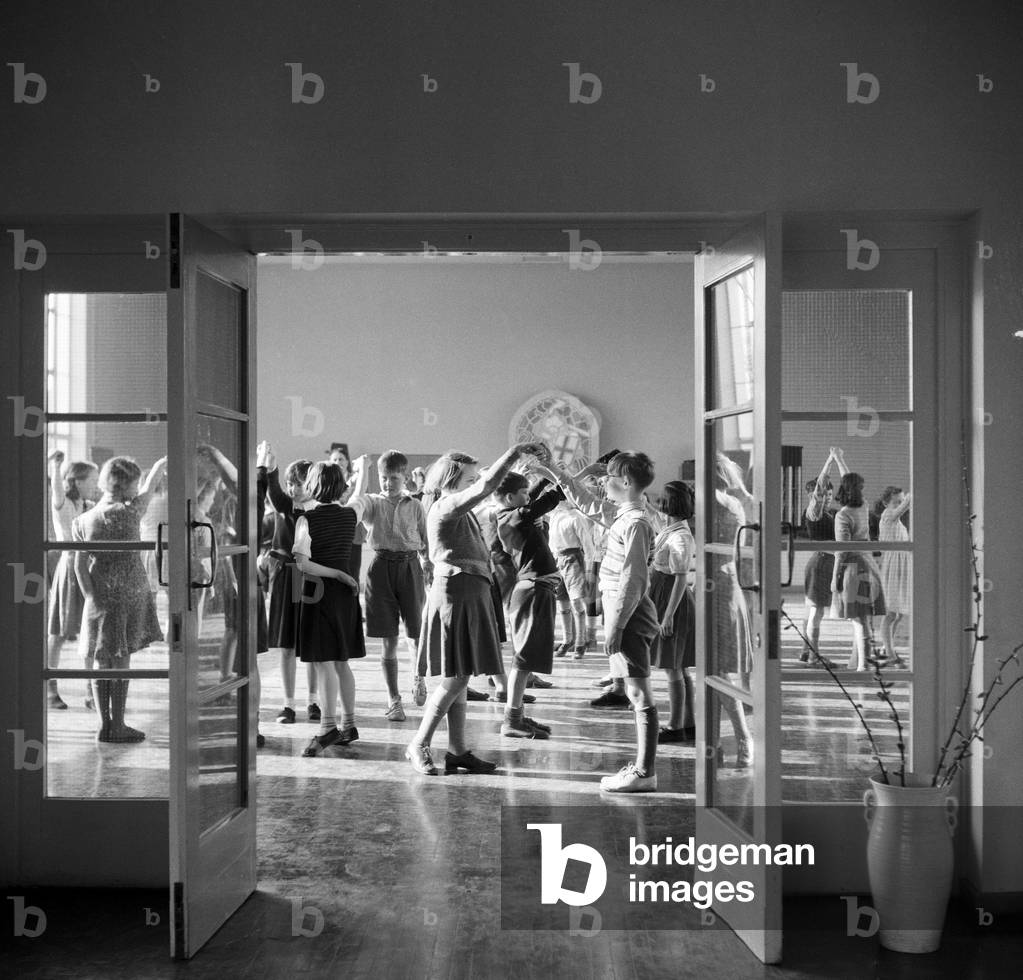
MPX5161274: Children at school during the warm weather. 13th March 1954 (b/w photo) / Bridgeman Images
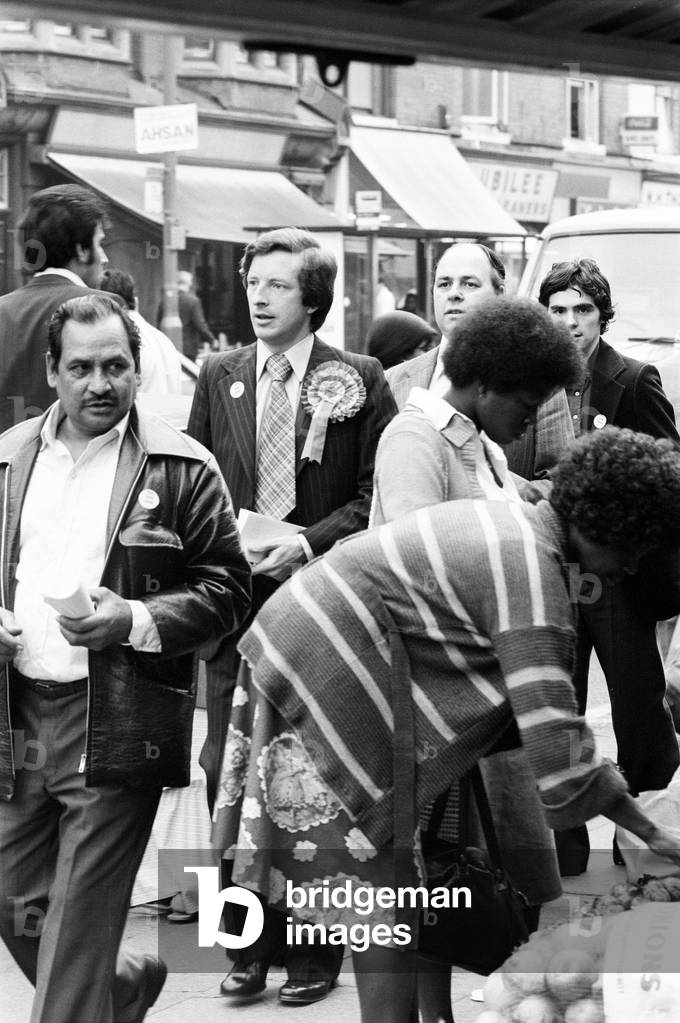
MPX5161292: Ladywood, Birmingham, 13th August 1977. By-election, to be held on 18th August 1977. Pictured, Labour candidate, John Sever, 1977 (b/w photo) / Bridgeman Images
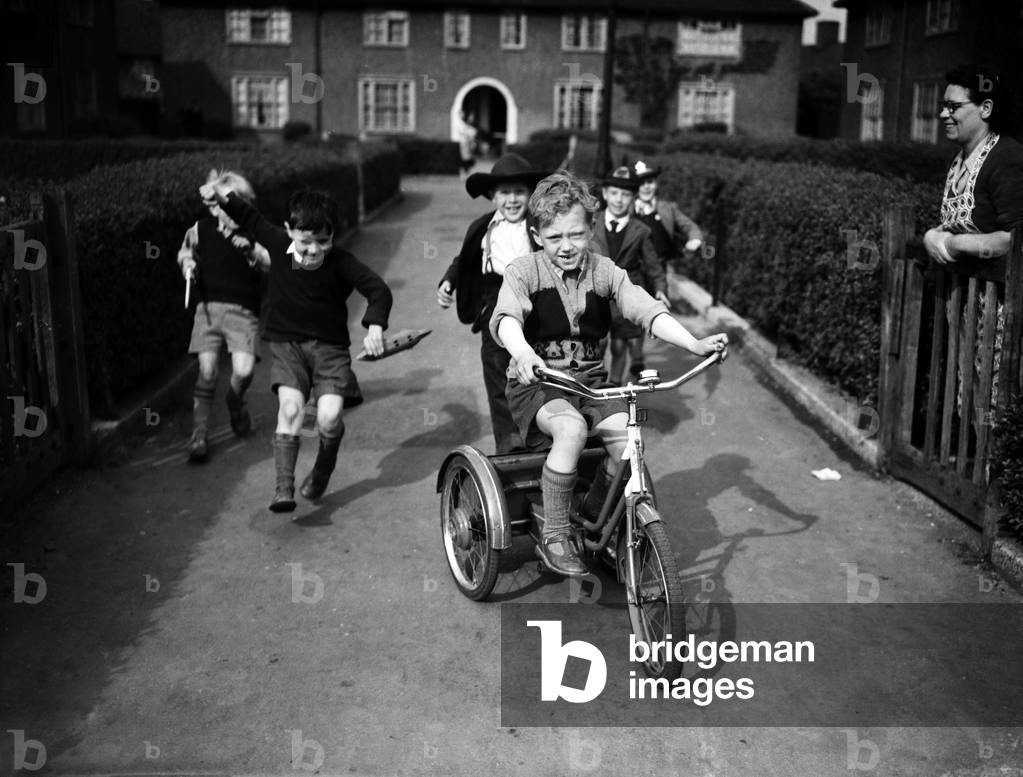
MPX5161328: Boys playing on a council estate as one of their mothers looks on, London. 1955 (b/w photo) / Bridgeman Images
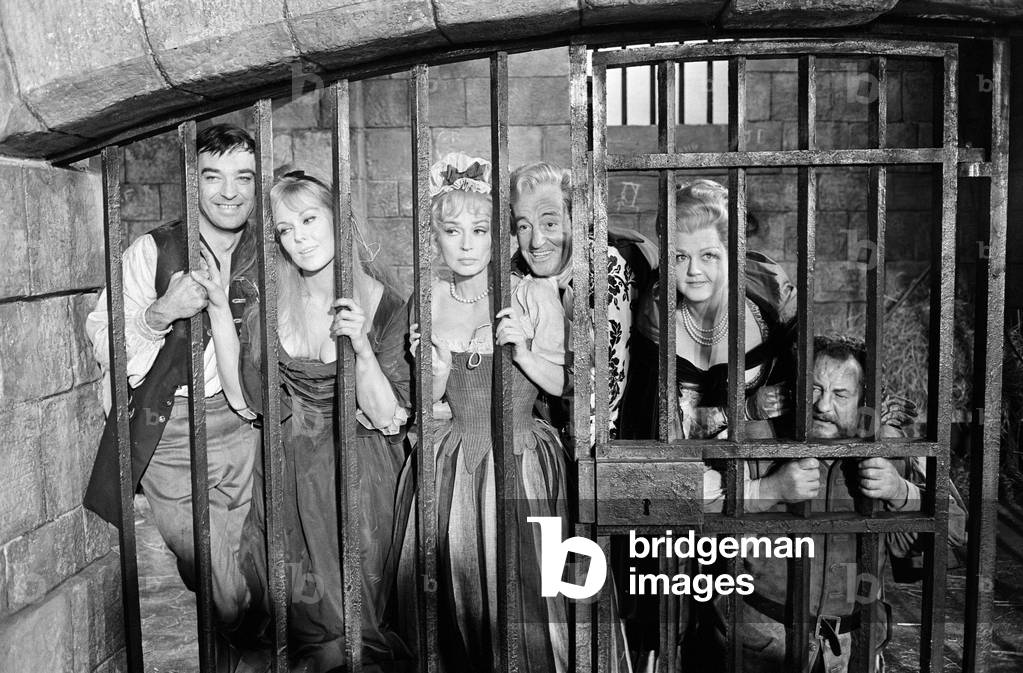
MPX5161331: Richard Johnson, Kim Novak, Lilli Palmer, Vittorio De Sica and Angela Lansbury on the set of 'The Amorous Adventures of Moll Flanders' filming a scene set in Newgate Prison, at Shepperton Studios. 11th November 1964 (b/w photo) / Bridgeman Images
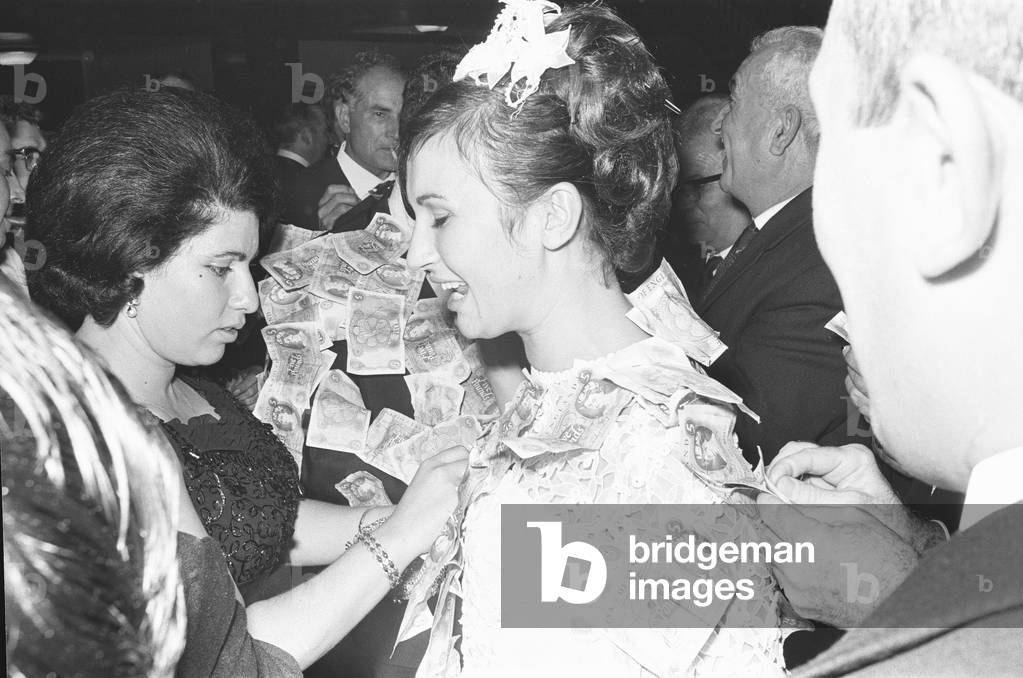
MPX5161337: Elias Nicholas kisses his new bride and Katerina following the money dance at a traditional Greek wedding. Where gifts of money from their guests are pinned to the bride and groom. 23rd September 1967 (b/w photo) / Bridgeman Images
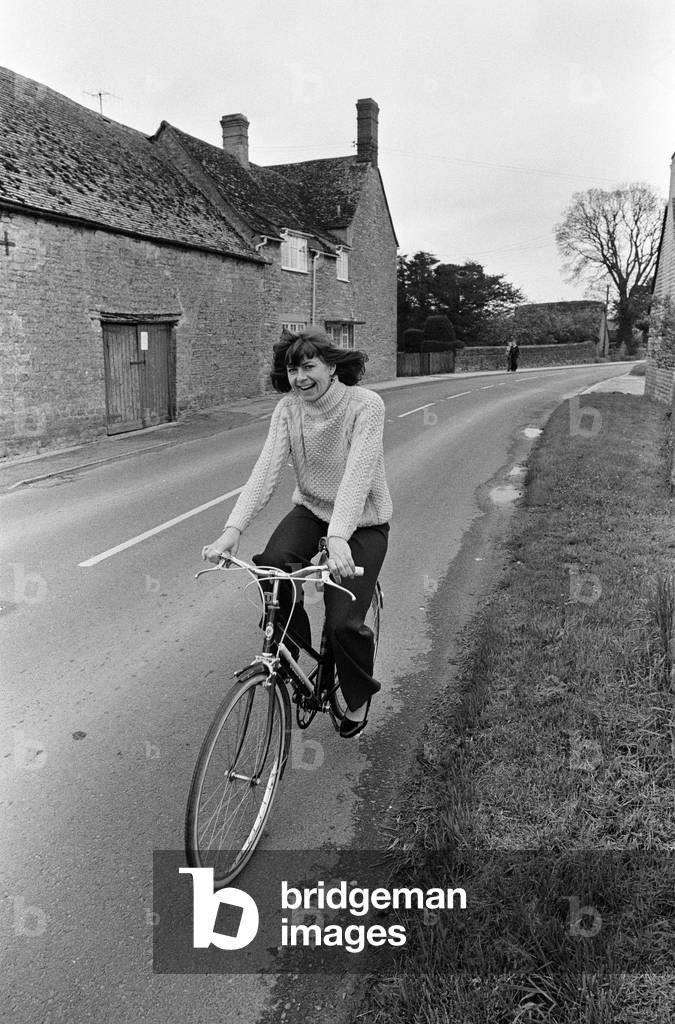
MPX5161358: Pam Ayres riding her bicycle near her home in a village in Oxfordshire. 12th May 1977 (b/w photo) / Bridgeman Images
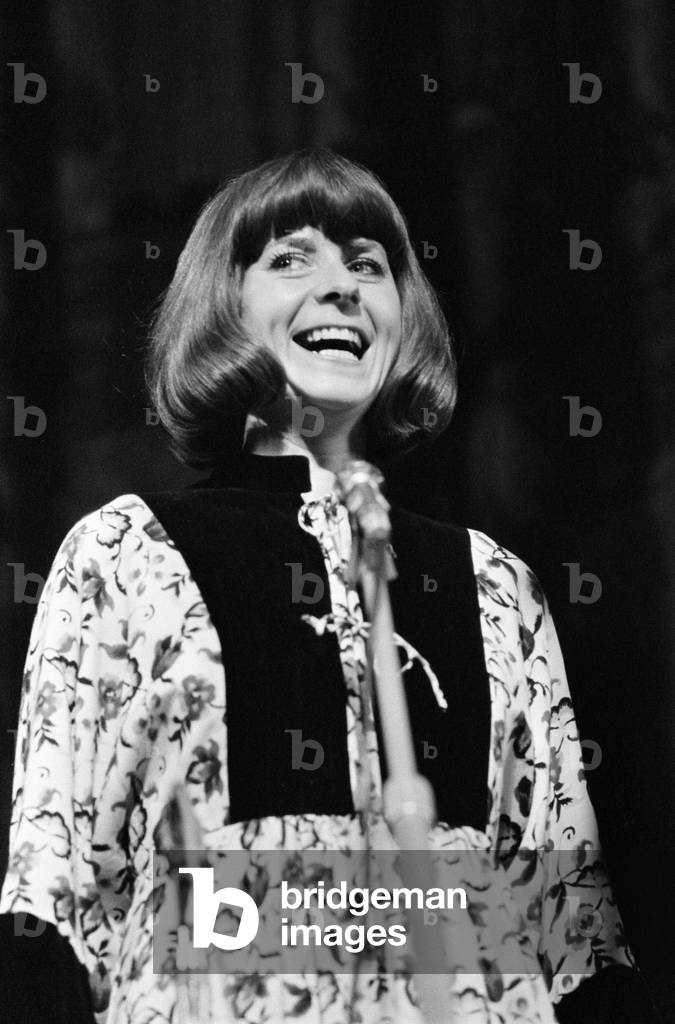
MPX5161373: Pam Ayres performs at Bristol Hippodrome. 6th April 1977 (b/w photo) / Bridgeman Images
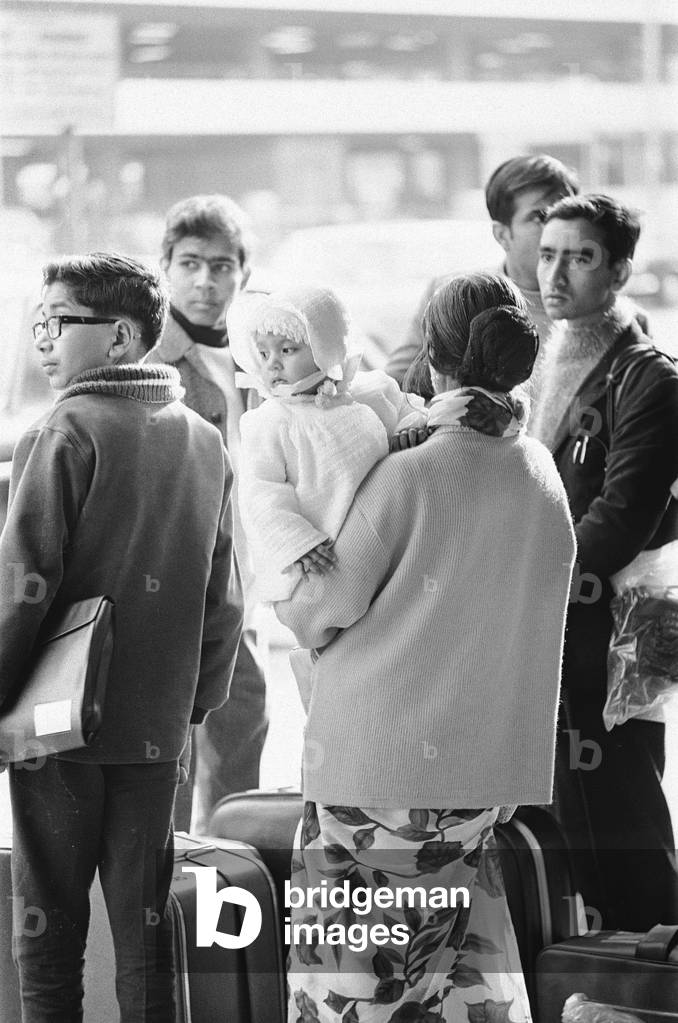
MPX5161376: 1968 East African Asian Crisis. Following Kenya achieving independence in 1963 Asians living in Kenya, were given two years to acquire Kenyan citizenship which in turn meant they had to renounce their British passports. Out of approximately 180,000 Asians fewer than 20,000 had submitted their applications by the deadline. Those Kenyan Asians without citizenship soon became subject to increasing discrimination. By 1967 the Kenyan Government enacted the Kenyan Immigration Act which required them to acquire work permits, whilst a Trade Licensing Act passed in the same year limited the areas of the country in which non-Kenyans could engage in trade. The Asian community became increasingly threatened as the Kenyan government cast them as a scapegoat group. Many choose to utilise their British passport and settle in the United Kingdom. This influx from East Africa lead the UK government to introduce The Commonwealth Immigration Act 1968 This Act took away the right of residence unless the passport holders were 'patrials' - descendents of people (parents or grandparents) born, adopted or naturalised in the UK. While the people coming from Kenya had British passports, many had not been to the UK before. The 1968 Act effectively revoked British citizenship and made thousands of people stateless. Our Picture Shows: A young Asian family arriving at Heathrow fleeing political turmoil in Kenya, waiting at the airport to be collected by friends. 27th February 1968 (b/w photo) / Bridgeman Images

MPX5161400: Gibbet Hill looking from Cryfield House Farm. 8th October 1964 (b/w photo) / Bridgeman Images

MPX5161409: Lonnie Donegan at the Variety Club Luncheon, 11th May 1960 (b/w photo) / Bridgeman Images
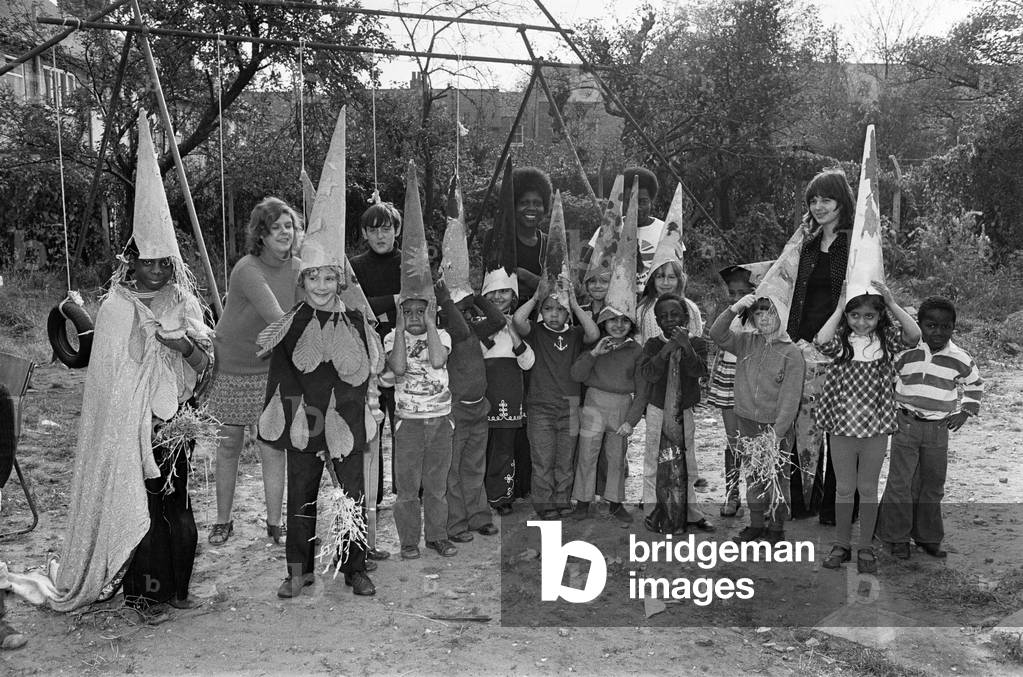
MPX5161427: Halloween in Handsworth Birmingham. 30th October 1975 (b/w photo) / Bridgeman Images
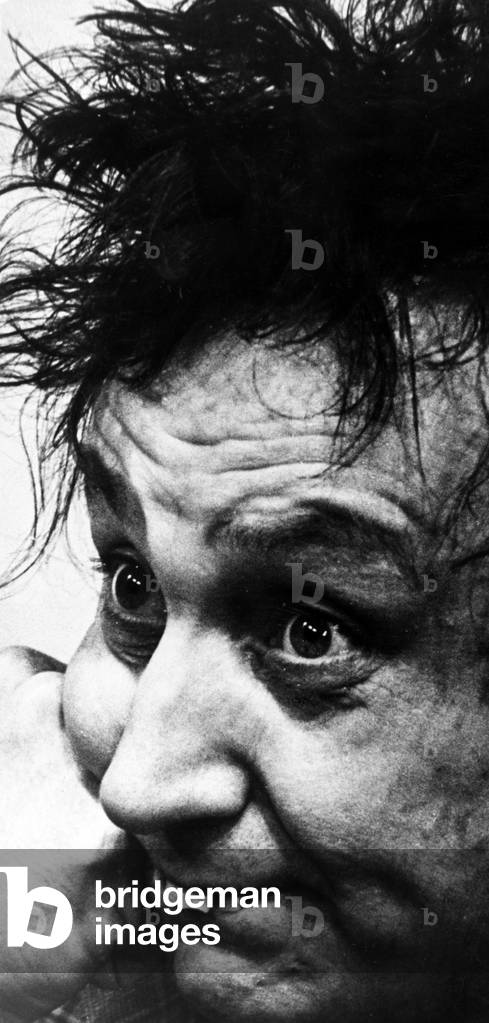
MPX5161481: Ken Dodd, circa 1970 (b/w photo) / Bridgeman Images
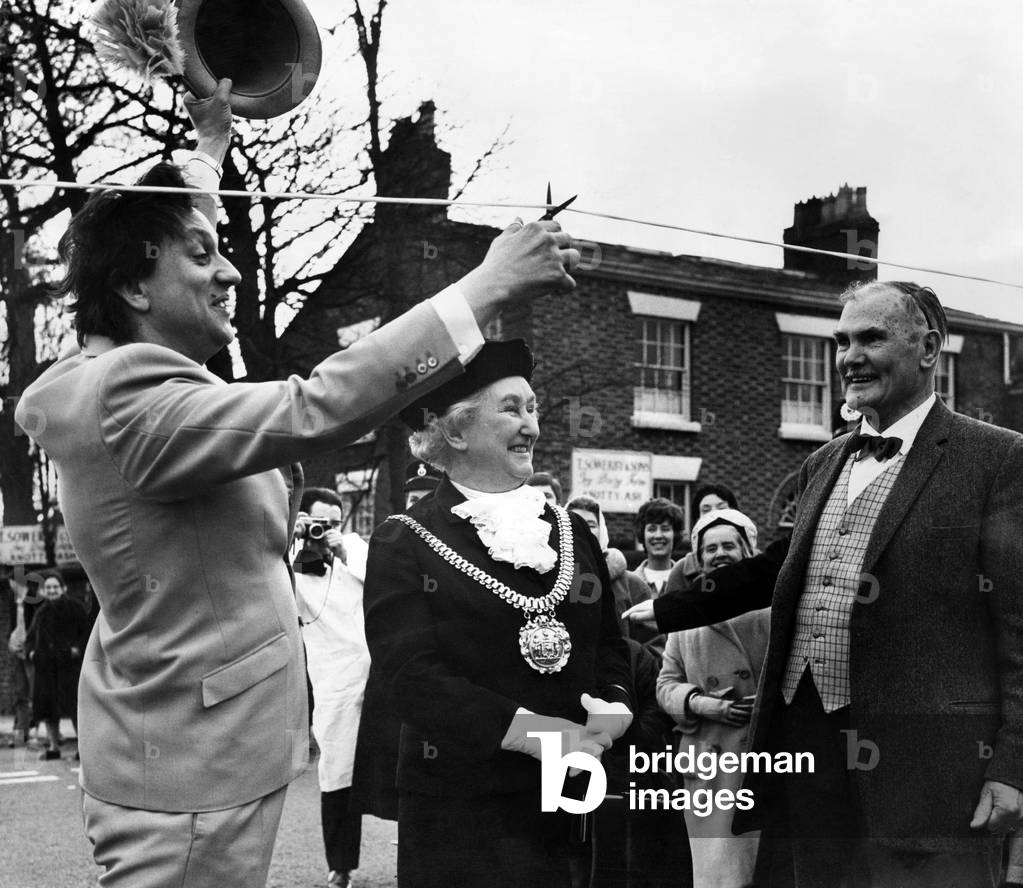
MPX5161490: Ken Dodd cutting the tape to open the Knotty Ash community centre, with him is Dame Ethel Wormald, Mayor of Liverpool. 24th February 1968 (b/w photo) / Bridgeman Images
