2491557 Search Results

WGL908142: Thangka of Pindola Bharadvaja, from Kham, Tibet (silk & cotton), Tibetan School, (17th century) / Bridgeman Images
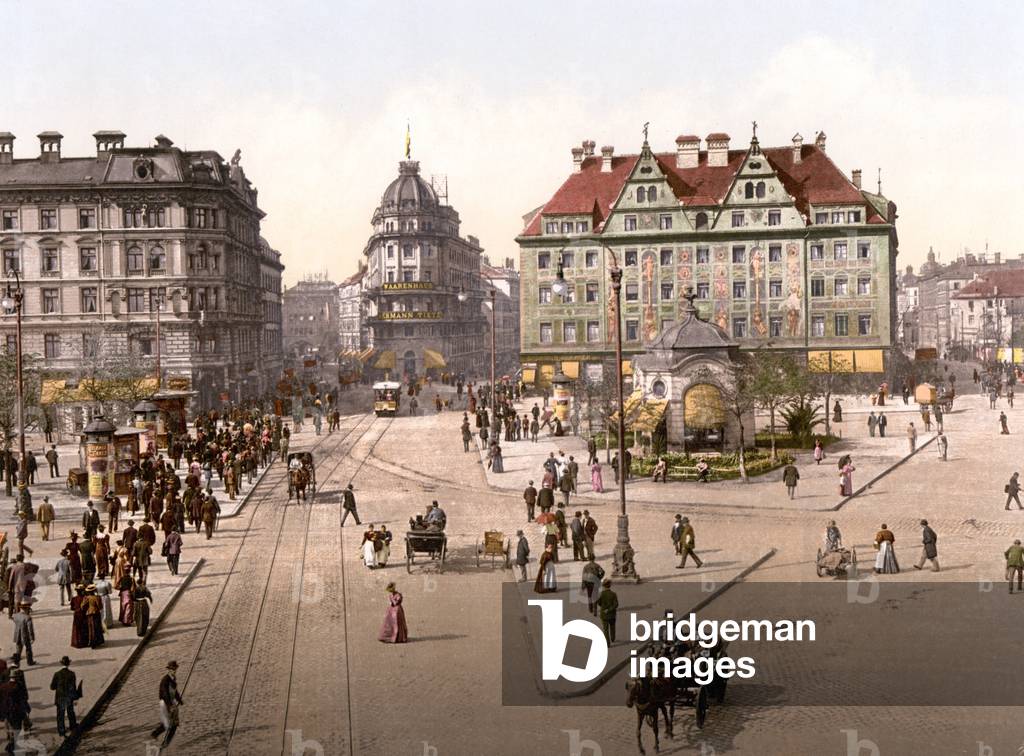
STC908151: Looking towards the Central Railway Station in Munich, pub. c.1895 (postcard chromolithograph), German Photographer, (19th century) / Bridgeman Images
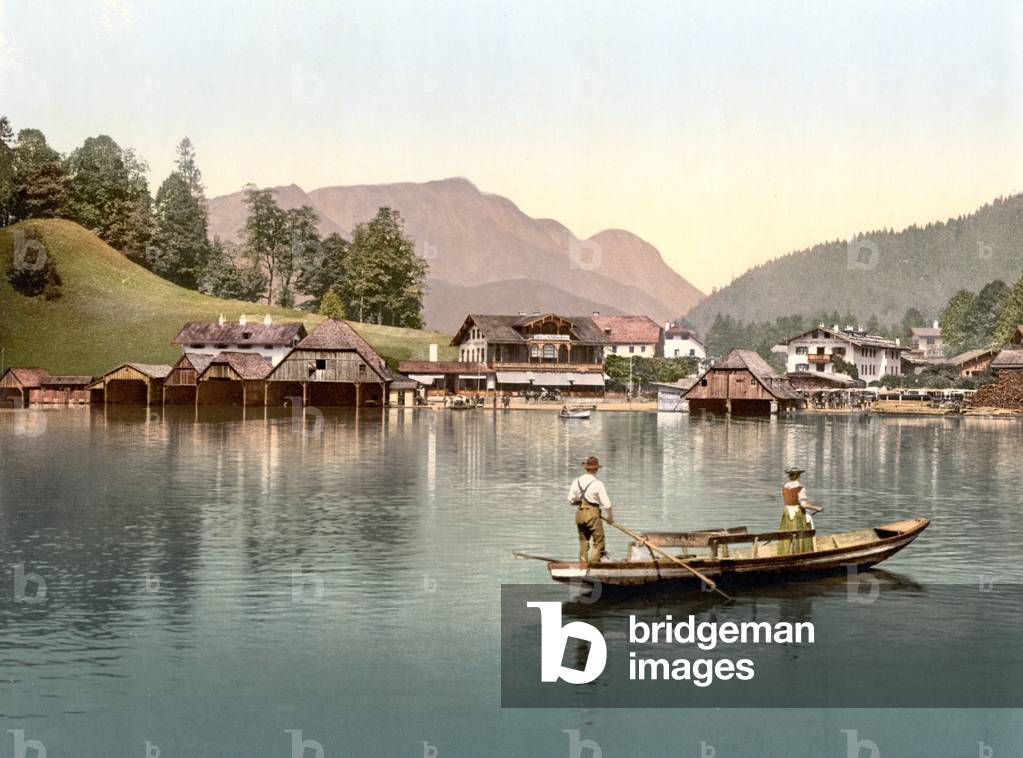
STC908157: Fishing on Lake Konigsee, Bavaria, pub. c.1895 (postcard chromolithograph), German Photographer, (19th century) / Bridgeman Images
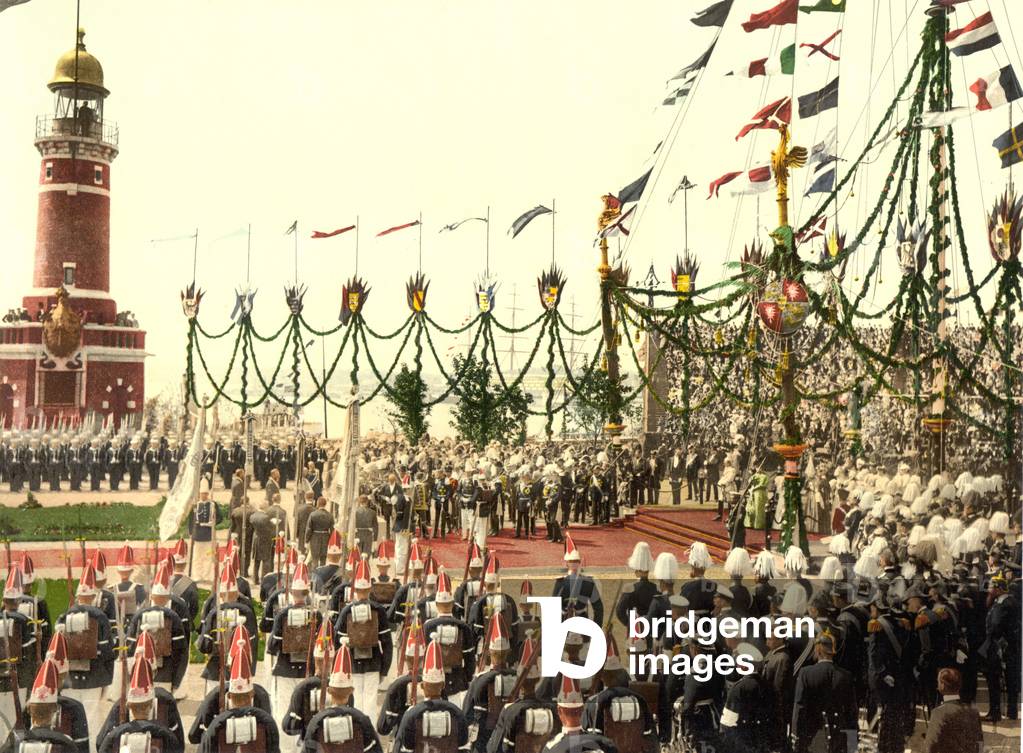
STC908199: Ceremony for the opening of the Kiel Canal, Schleswig-Holstein, Germany, pub. c.1895 (postcard chromolithograph), German Photographer, (19th century) / Bridgeman Images

STC908205: View of Albrechtsburg and Meissen Cathedral from Elbe, pub. c.1895 (postcard chromolithograph), German Photographer, (19th century) / Bridgeman Images

STC908208: Firsr Class Dining Room of the SS Konig Albert, Pub. c.1900 (postcard chromolithograph), German Photographer, (19th century) / Bridgeman Images

WGL908244: p.22 from the 'Codex Fejérváry-Mayer' (vellum), Aztec / Bridgeman Images

WGL908262: p.40 from the 'Codex Fejérváry-Mayer' (vellum), Aztec / Bridgeman Images

WGL908265: p.43 from the 'Codex Fejérváry-Mayer' (vellum), Aztec / Bridgeman Images

STC908274: The healing waters of Alise, Bourgogne, the deathplace of Saint Reine, are visited by the sick (litho), French School / Bridgeman Images

STC908277: Death speaks to the Pope and Emperor (litho), French School / Bridgeman Images

STC908286: Valentine and Orson (litho), French School / Bridgeman Images

STC908310: Number One, the Sun (litho), English School / Bridgeman Images

STC908313: Number Four, Mercury (litho), English School / Bridgeman Images
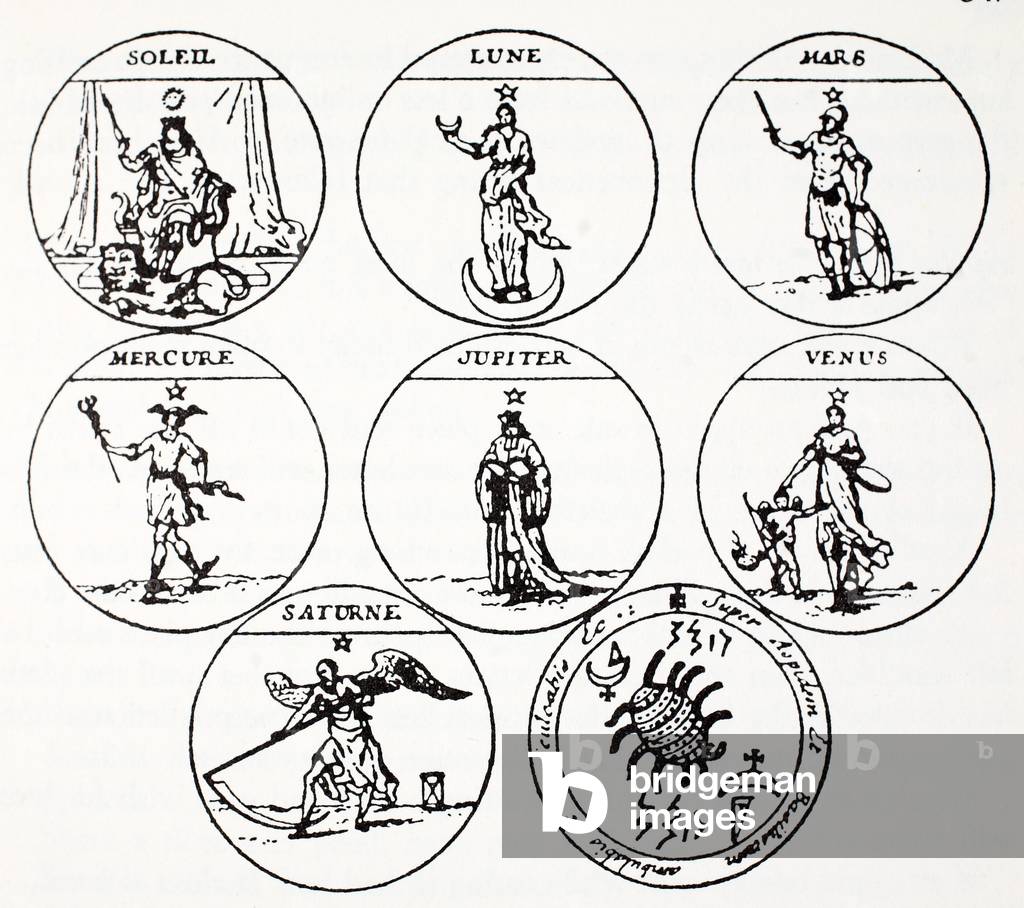
STC908325: Various types of Talismans (litho), French School / Bridgeman Images

STC908431: Indian woman dancing (w/c on paper), Indian School, (19th century) / Bridgeman Images
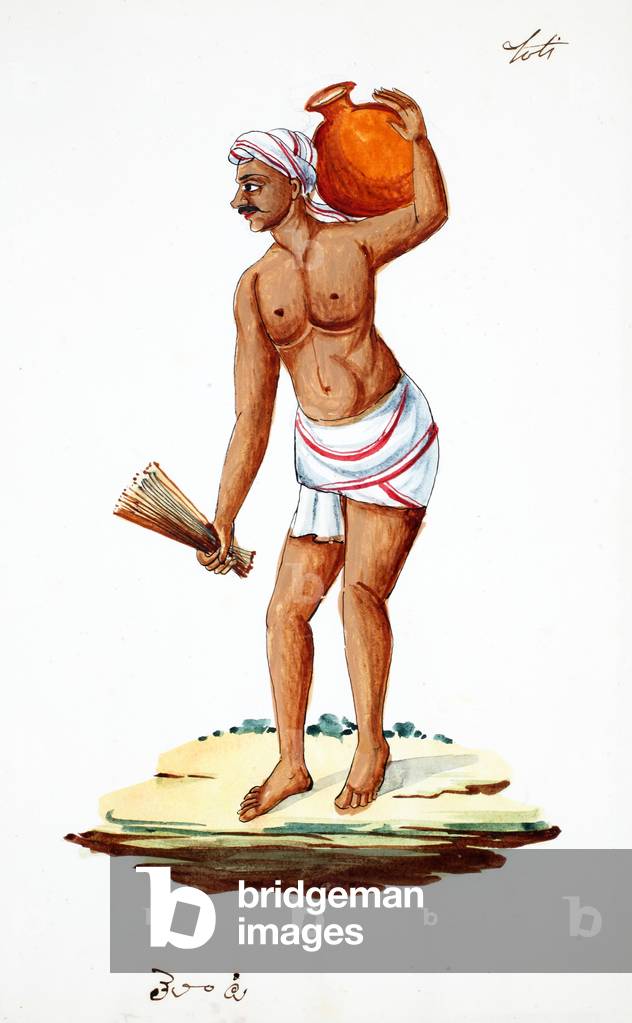
STC908445: Sweeper carrying water (w/c on paper), Indian School, (19th century) / Bridgeman Images
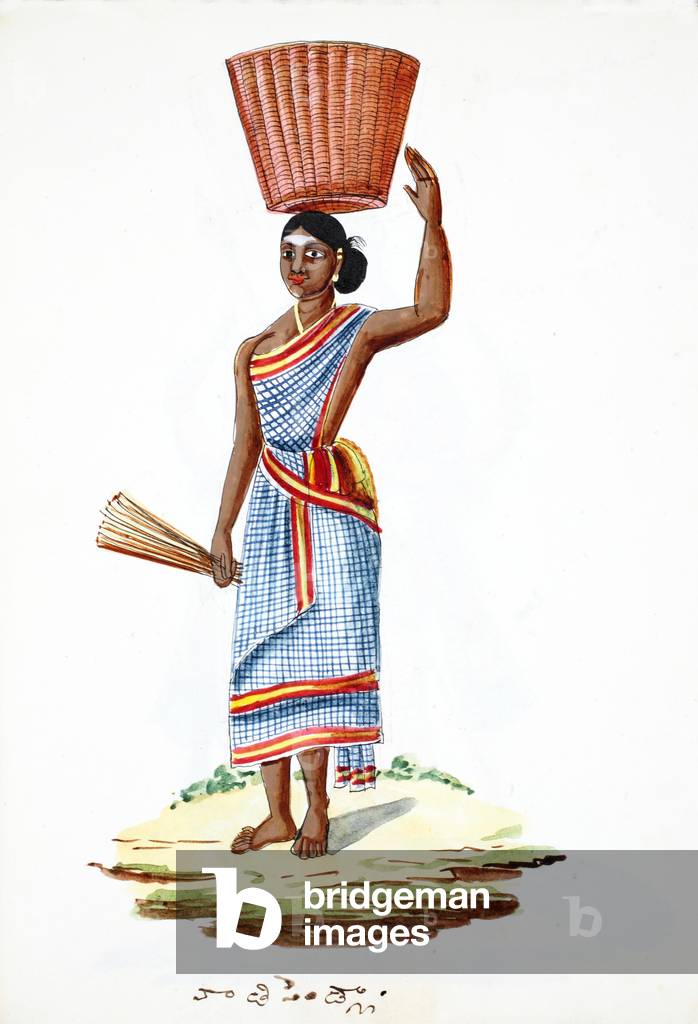
STC908448: Maid (w/c on paper), Indian School, (19th century) / Bridgeman Images

WGL908456: The Ince Athena (marble), Roman, (1st century AD) / Bridgeman Images

WGL908465: Centaur sculpture (marble), Greek school, (4th century BC) / Bridgeman Images

WGL908507: Altar (marble), Roman, (1st century AD) / Bridgeman Images

STC908209: Promenade Deck of the SS Kaiserin Maria Theresia, pub. c.1890 (postcard chromolithograph), German Photographer, (19th century) / Bridgeman Images

STC908218: A selection of river barges and steamboats on the Rhine at Rotterdam, pub. c.1895 (postcard chromolithograph), German Photographer, (19th century) / Bridgeman Images

LMG908239: Votive altar with a dedication by the board of agoranomoi to Aphrodite Timuchos, from Delos, c.200 BC (marble), Greek school, (3rd century BC) / Bridgeman Images

WGL908251: p.29 from the 'Codex Fejérváry-Mayer' (vellum), Aztec / Bridgeman Images

WGL908260: p.38 from the 'Codex Fejérváry-Mayer' (vellum), Aztec / Bridgeman Images

STC908294: The Veritable Lame Messenger, Basel, Switzerland (litho), French School / Bridgeman Images
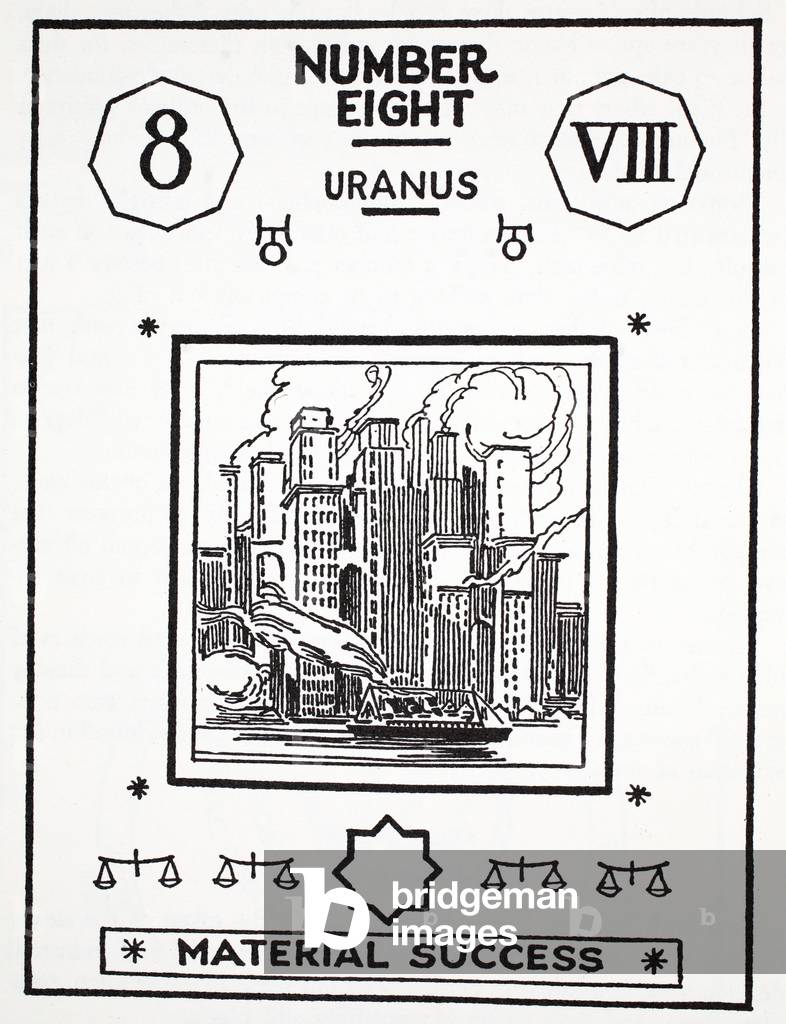
STC908317: Number Eight, Uranus (litho), English School / Bridgeman Images

STC908320: The mount aras of the hand (litho), English School / Bridgeman Images

WGL908475: Statue of a Maenad or Muse (marble), Roman, (2nd century) / Bridgeman Images

WGL908478: Altar, 1st century BC - 1st century AD (marble), Roman / Bridgeman Images

WGL908499: Sarcophagus (marble), Roman, (2nd century) / Bridgeman Images

CH908520: A cavalry skirmish in a landscape (oil on panel), Palamedesz, Palamedes (1607-38) / Bridgeman Images
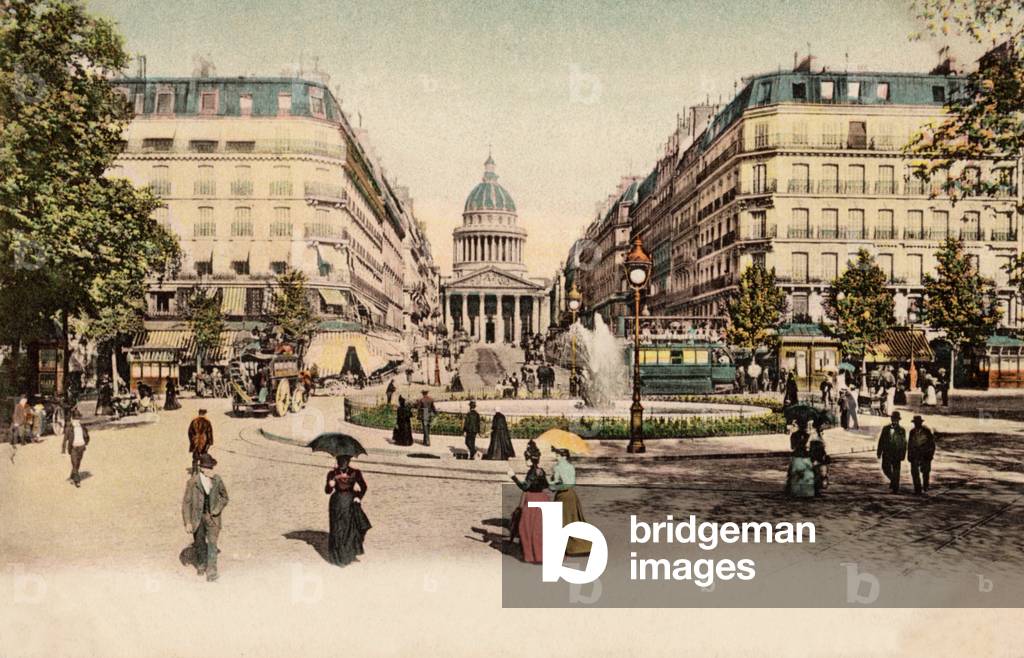
OPL908563: Rue Soufflot and the Pantheon, 1910 (hand-coloured photo), French Photographer, (20th century) / Bridgeman Images

IL908597: Keeping Sunday according to King James's book of sports, Browne, Gordon Frederick (1858-1932) / Bridgeman Images

IL908608: Reception of Viscount Wimbledon at Plymouth 1626, Browne, Gordon Frederick (1858-1932) / Bridgeman Images
