2491598 Search Results

XOT361823: Illustration from Dante's 'Divine Comedy', Inferno, Canto V. 77, 1921 (w/c on paper), Bayros, Franz von (Choisy Le Conin) (1866-1924) / Bridgeman Images

XOT361868: The farmer prepares the scythe for haymaking (fresco), Italian School, (15th century) / Bridgeman Images

NTV361949: Pueblo Men, 1900 (b/w photo), American Photographer, (20th century) / Bridgeman Images

STC359555: General Sir Henry Sinclair Horne, 1914-19 (colour lithograph), English School, (20th century) / Bridgeman Images

STC359570: British airships of differing types that served as guardians of the Fleet, 1914-19 (litho), English School, (20th century) / Bridgeman Images

XPG366331: St John's Wood (oil on canvas), Birch, Samuel John (Lamorna) (1869-1955) / Bridgeman Images

STC359634: Gallipoli: Horses rescued by Munster Fusiliers from a waggon shattered by Turkish gun fire, 1914-19 (litho), English School, (20th century) / Bridgeman Images

PNH366409: Venus, 1640 (oil & tempera on copper), Stella, Jacques (1596-1657) / Bridgeman Images

PNH366426: Hunting scene, c.1920 (oil on board), Stone, Rudolph (fl.1900) / Bridgeman Images
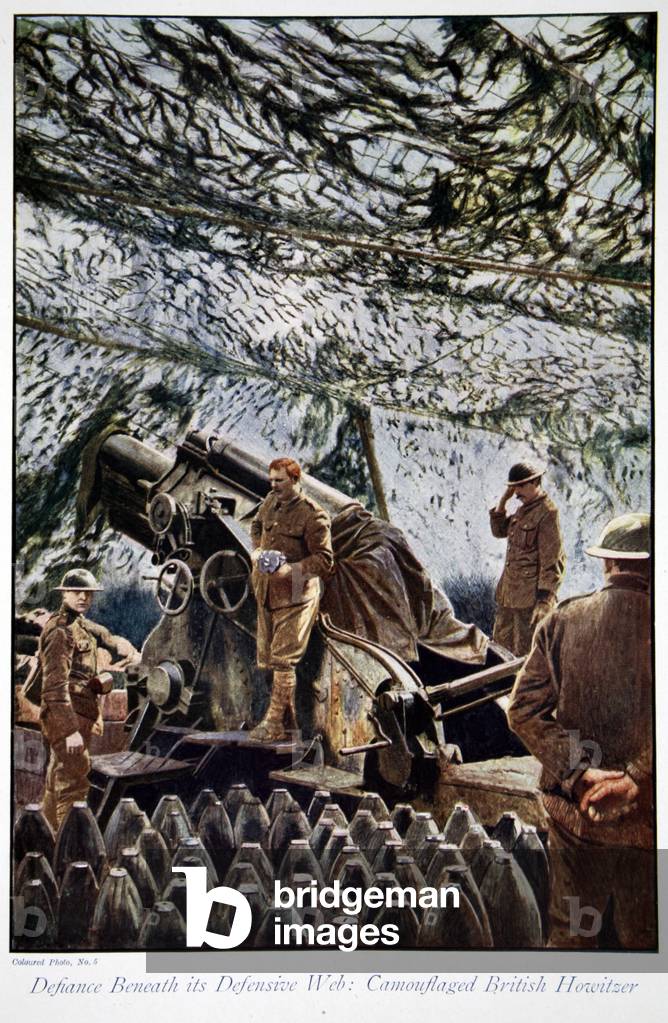
STC359785: Defiance Beneath its Defensive Web, 1914-19 (colour litho), English School, (20th century) / Bridgeman Images

STC359797: The Cross of Sacrifice, 1919 (litho), English School, (20th century) / Bridgeman Images

STC359853: Review of United States Troops in France, March, 1918, (colour litho), American School, (20th century) / Bridgeman Images

STC361054: On the Dam Road, Assouan, from 'The Light Side of Egypt', 1908 (colour litho), Thackeray, Lance (fl.1901 d.1916) / Bridgeman Images

OVR370099: From Akers River, 1901 (oil on canvas), Thaulow, Fritz (1847-1906) / Bridgeman Images
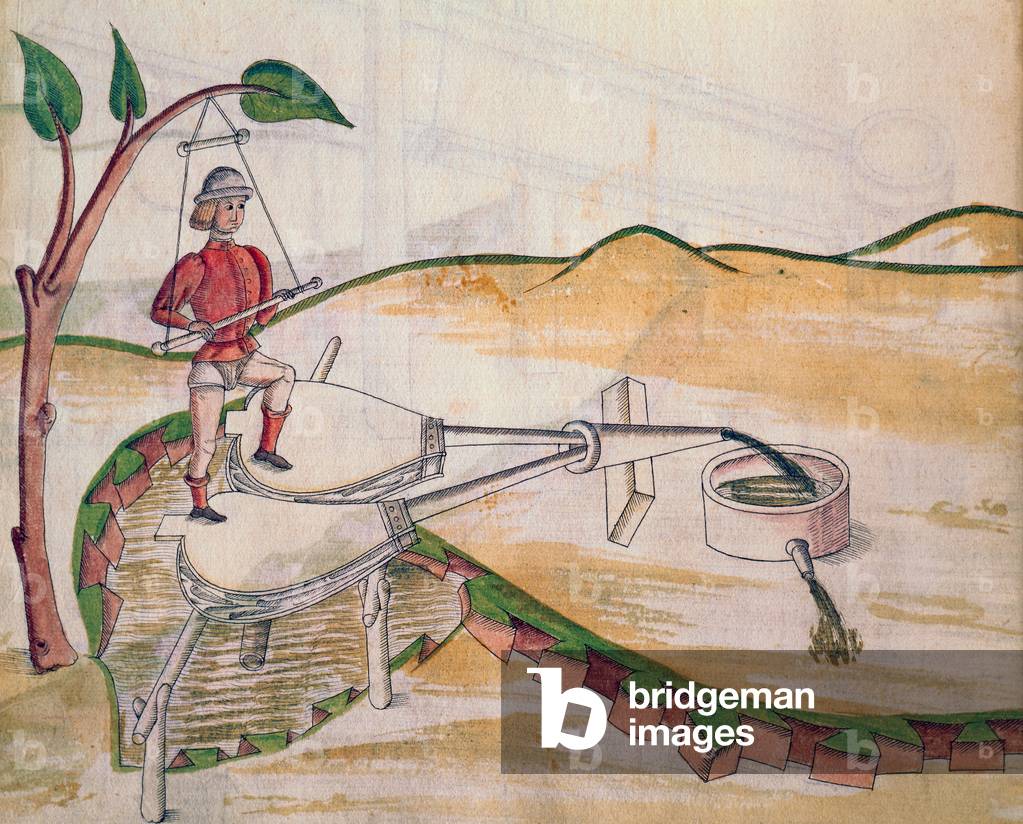
XIR370213: Diagram of a pump worked by means of bellows, illustration from 'De Machinis' (pen and ink and watercolour on paper), Mariano di Jacopo (detto il Taccola) (1382-c.1453) (after) / Bridgeman Images

CHT370246: River Odon and the apse and church tower of Saint-Pierre de Caen, c.1850-55 (photo), Baldus, Edouard-Denis (c.1813-c.1889) / Bridgeman Images

XIR370272: Mrs. Titon du Tillet (oil on canvas), Largilliere, Nicolas de (1656-1746) / Bridgeman Images

XIR370292: Cardoon ,oranges and knife (oil on canvas), Spanish School, (17th century) / Bridgeman Images

XIR370295: Saint Stephen (stone), French School, (16th century) / Bridgeman Images

MAN370304: Rouen Cathedral, West Front, 1819 (watercolour, ink & pencil on paper), Edridge, Henry (1769-1821) / Bridgeman Images

MAN370307: Dudley Castle; 1853 (oil on canvas), Cox, David (1783-1859) / Bridgeman Images

MAN370313: A Pot of Asters, c.1840 (watercolour, bodycolour & pencil on paper), Hunt, William Henry (1790-1864) / Bridgeman Images

IL370400: Child and their shadow, from 'A Child's Garden of Verses' by Robert Louis Stevenson, published 1885 (colour litho), Willcox Smith, Jessie (1863-1935) / Bridgeman Images

IL370403: A young girl undressing, from 'A Child's Garden of Verses' by Robert Louis Stevenson, published 1885 (colour litho), Willcox Smith, Jessie (1863-1935) / Bridgeman Images

IL370468: Youth ended i shall try, illustration from 'Rabbi Ben Ezra' by Robert Browning (colour litho), Partridge, Bernard John (1861-1945) / Bridgeman Images

IL370608: Prince Charles Edward at Holyrood, illustration from 'Hutchinson's Story of the British Nation', c.1923 (litho), Hole, William Brassey (1846-1917) (after) / Bridgeman Images

CTS366746: Profile of a young man (red chalk on white paper), Parmigianino (Francesco Mazzola) (1503-40) / Bridgeman Images

CTS366771: A reclining apostle (black chalk with brown wash on carta azzurra), Piombo, Sebastiano del (S. Luciani) (c.1485-1547) / Bridgeman Images

BAL366871: Phryne: caricature of an artist's model, from the back cover of 'Le Rire', 23rd February 1907 (colour litho), Metivet, Lucien (1863-1930) / Bridgeman Images

BAL366882: Will the 4th Republic still be France? Isn't 3 enough?, from 'Le Temoin', 1933-35, Iribe, Paul (1883-1935) / Bridgeman Images
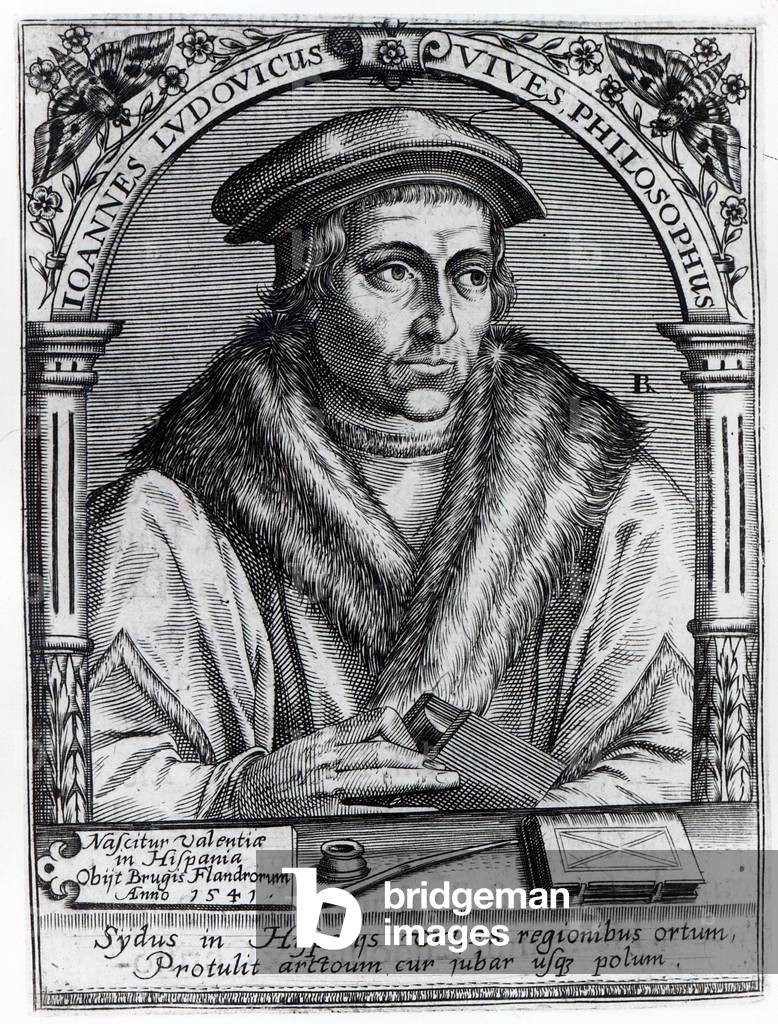
XJF366953: Juan Luis Vives (engraving), English School, (17th century) / Bridgeman Images

PNH367126: The Old Oak, 1870 (oil on board), Thors, Joseph (fl.1863-1900) / Bridgeman Images

PNH367133: Mrs Newton in a Conservatory Chair, c.1871 (oil on canvas), Tissot, James Jacques Joseph (1836-1902) / Bridgeman Images

PNH367144: A study for the figure of Rosamund, c.1900 (chalk on paper) (recto of 367145), Tonks, Henry (1862-1937) / Bridgeman Images

TWG352584: Alfred Tennyson (b/w photo), W. & S. Ltd. (fl.1800-1900) / Bridgeman Images
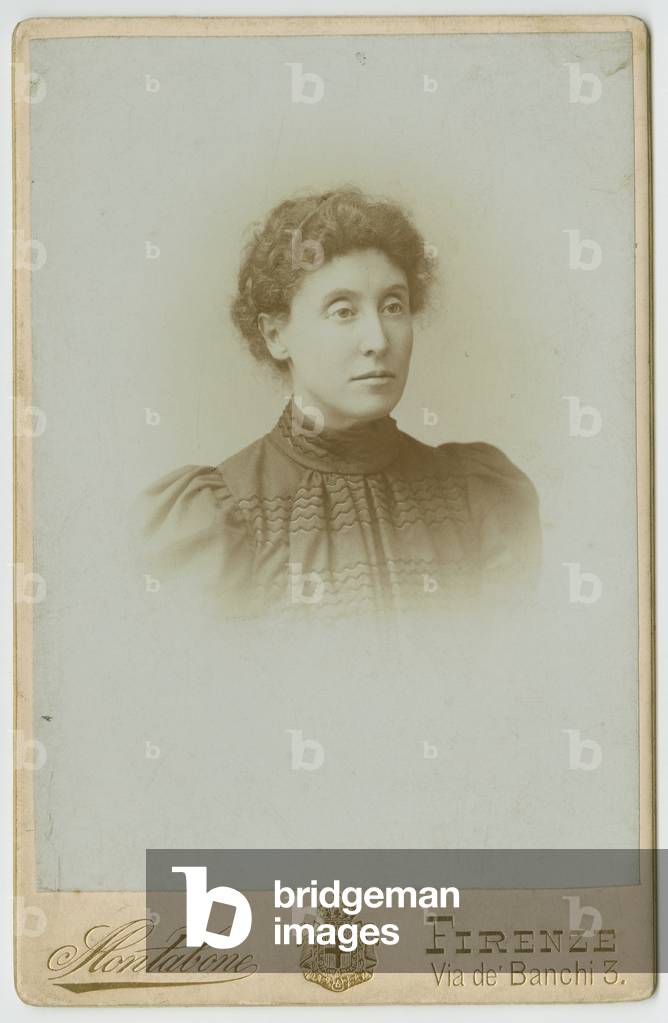
TWG352608: Evelyn De Morgan (b/w photo), English Photographer / Bridgeman Images
