2491633 Search Results

IL931014: Good father Wilson was moving homeward, Thomson, Hugh (1860-1920) / Bridgeman Images

IL931017: It is our Hester, Thomson, Hugh (1860-1920) / Bridgeman Images

IL931060: News of the landing of the Prince of Orange, Ward, Edward Matthew (1816-79) / Bridgeman Images

CH931403: A cavalry skirmish (oil on panel), Jonge, Jan Martszen de (1609/10-47/67) / Bridgeman Images
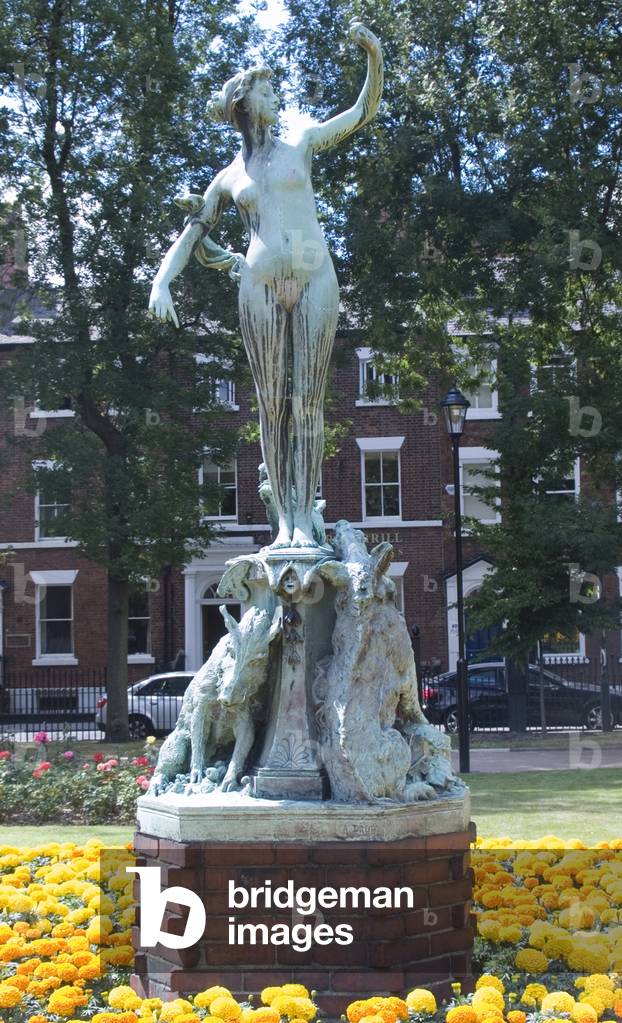
LMG931406: Circe, 1893 (bronze), Drury, Alfred (1856-1944) / Bridgeman Images

STC931427: A Bone Sled, Dog Whip, Spear and Knife of the Arctic Highlanders, illustration from 'A Voyage of discovery...', 1819 (litho) , Havell, Daniel (1785-1826) (after) / Bridgeman Images

STC931430: The Fox Steaming out of the rolling pack, 1859 (litho) , May, Walter William (1831-96) / Bridgeman Images
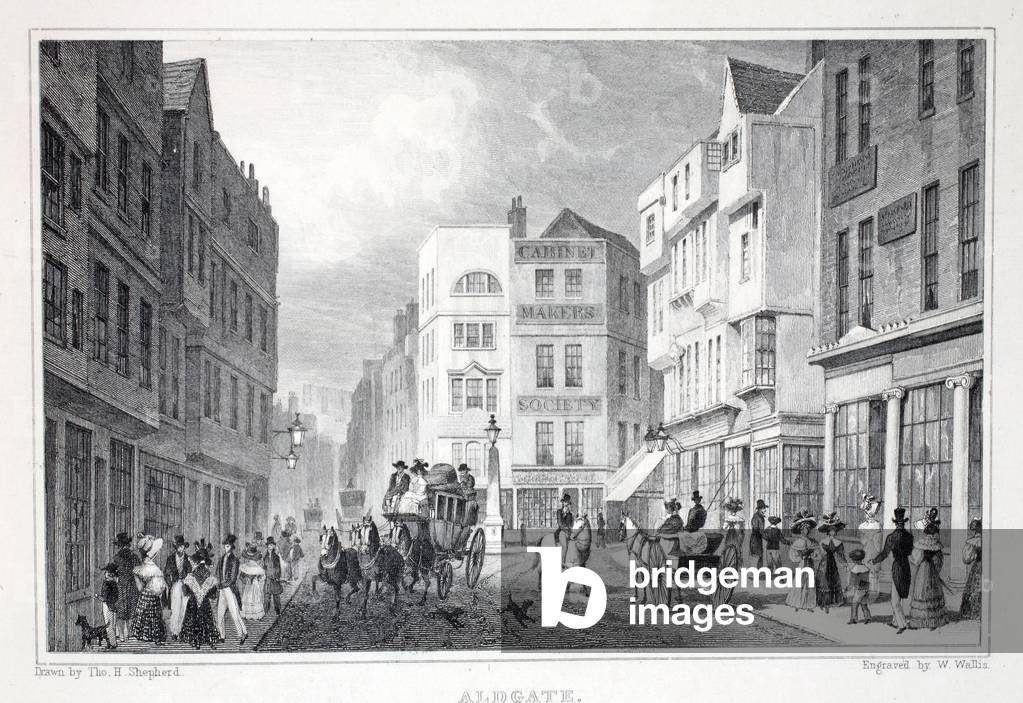
STC931500: Aldgate, from 'London and it's Environs in the Nineteenth Century' pub. Jones & Co., 1827-1829 (engraving), Shepherd, Thomas Hosmer (1792-1864) (after) / Bridgeman Images
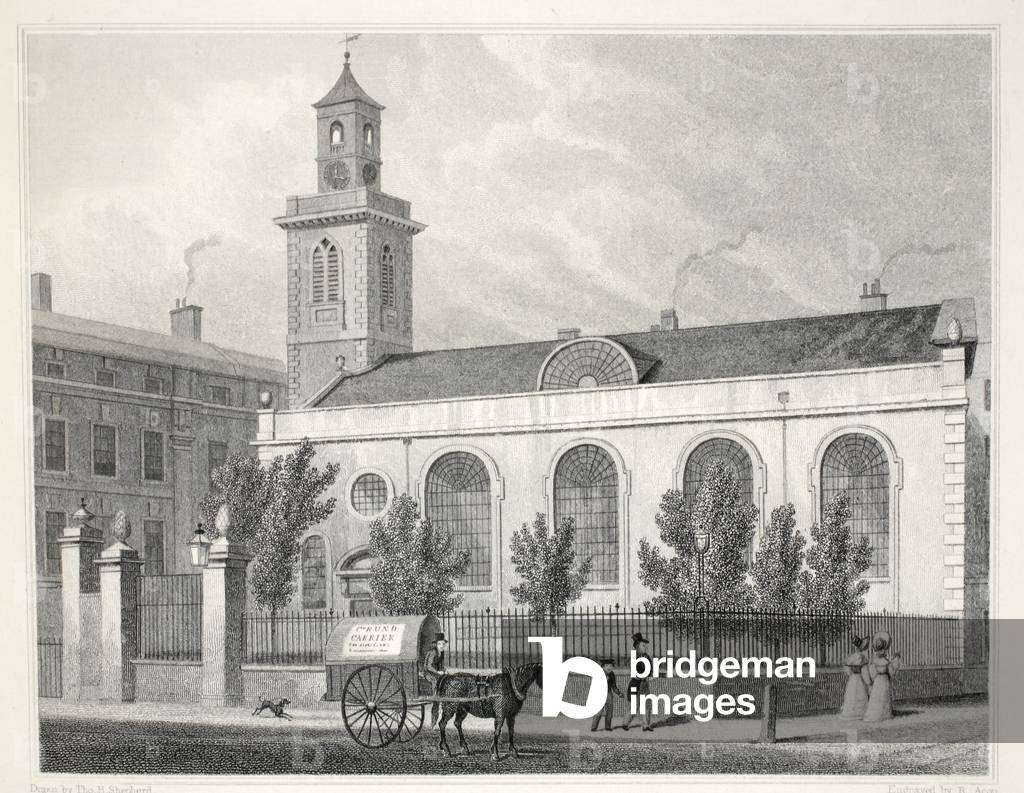
STC931540: Church of St Mary, Aldermanbury, from 'London and it's Environs in the Nineteenth Century' pub. Jones & Co., 1827-1829 (engraving), Shepherd, Thomas Hosmer (1792-1864) (after) / Bridgeman Images

STC931549: Fleet Street, from 'London and it's Environs in the Nineteenth Century' pub. Jones & Co., 1827-1829 (engraving), Shepherd, Thomas Hosmer (1792-1864) (after) / Bridgeman Images
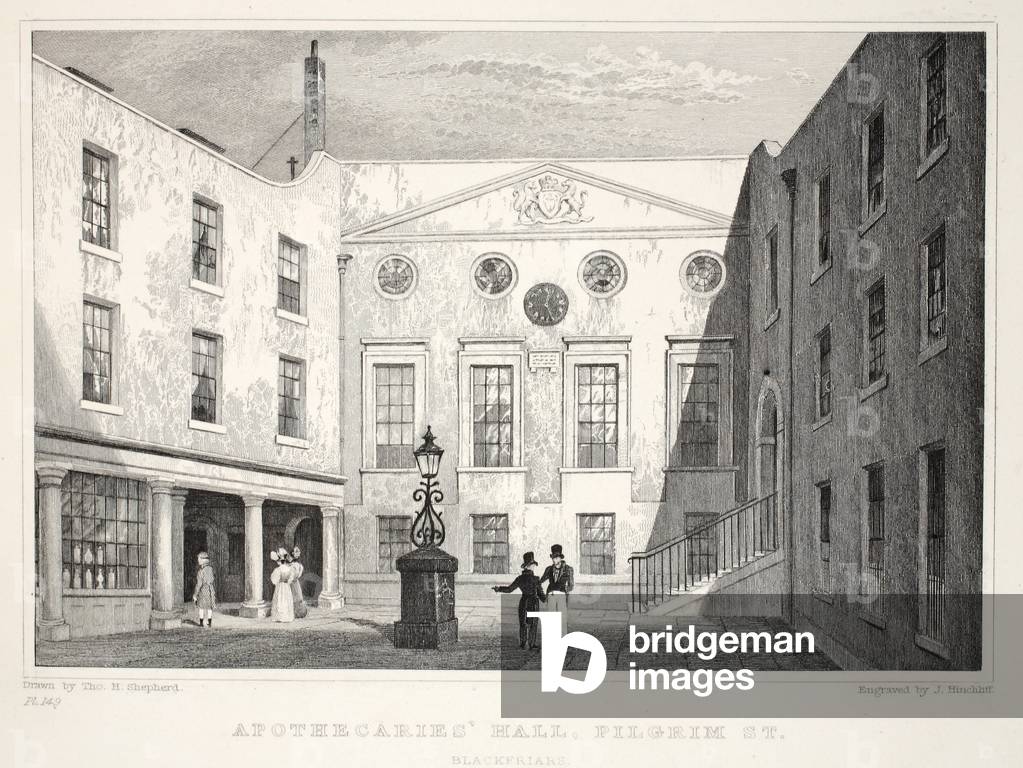
STC931561: Apothecaries' Hall, from London and it's Environs in the Nineteenth Century pub. Jones & Co., 1827-1829 (engraving), Shepherd, Thomas Hosmer (1792-1864) (after) / Bridgeman Images
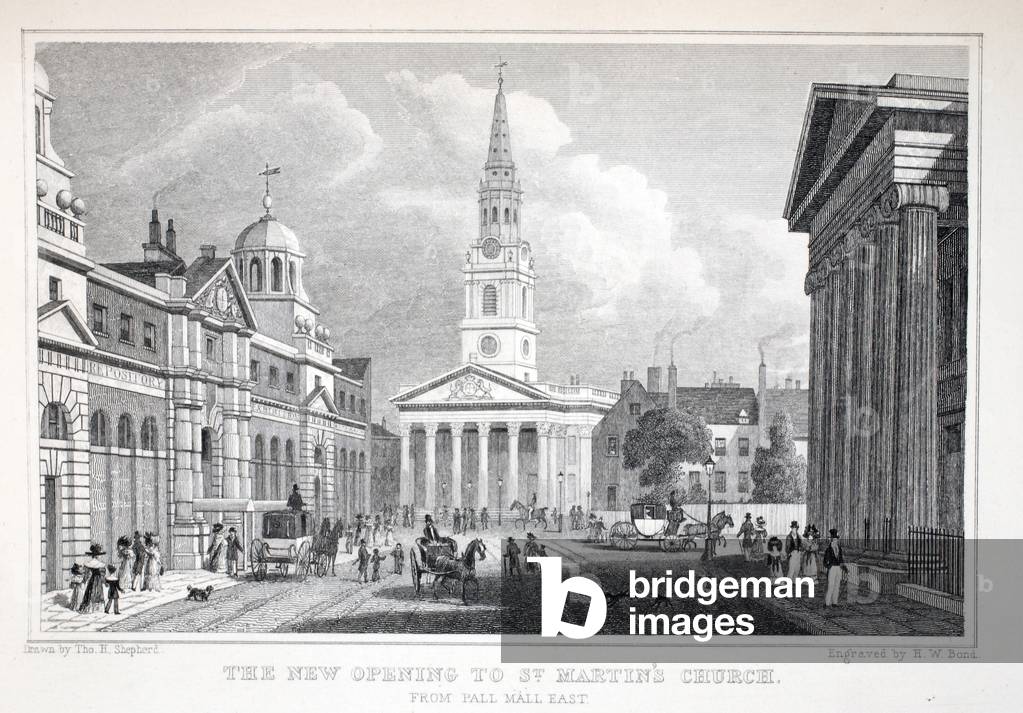
STC931570: The New Opening of St Martin's Church, from Pall Mall East, from 'London and it's Environs in the Nineteenth Century' pub. Jones & Co., 1827-1829 (engraving), Shepherd, Thomas Hosmer (1792-1864) (after) / Bridgeman Images
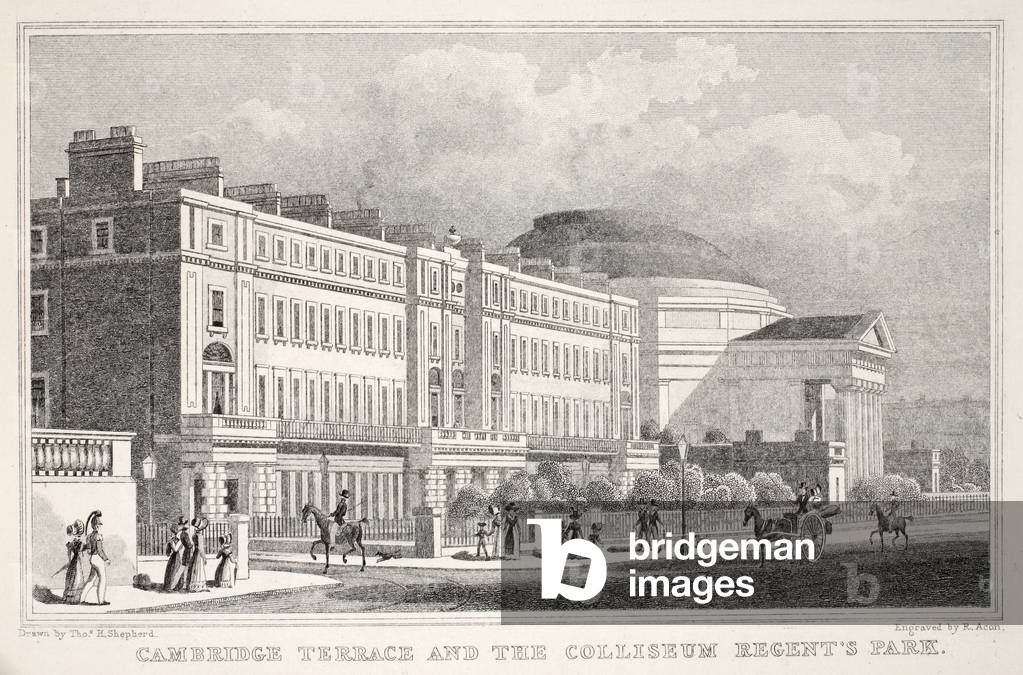
STC931592: Cambridge Terrace and the Colliseum, Regent's Park, from 'London and it's Environs in the Nineteenth Century' pub. Jones & Co., 1827-1829 (engraving), Shepherd, Thomas Hosmer (1792-1864) (after) / Bridgeman Images
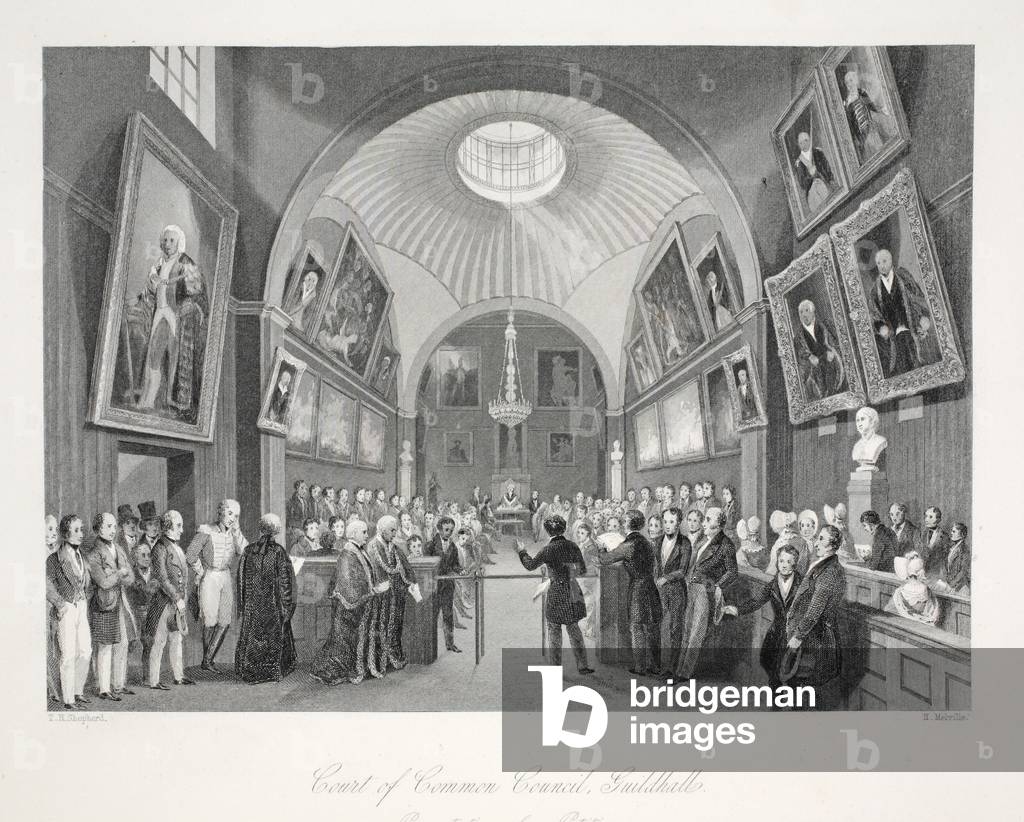
STC931653: Court of Common Council, Guildhall, from 'London Interiors with their Costumes and Ceremonies' pub. Joseph Mead, London, c.1843 (steel engraving), Shepherd, Thomas Hosmer (1792-1864) (after) / Bridgeman Images
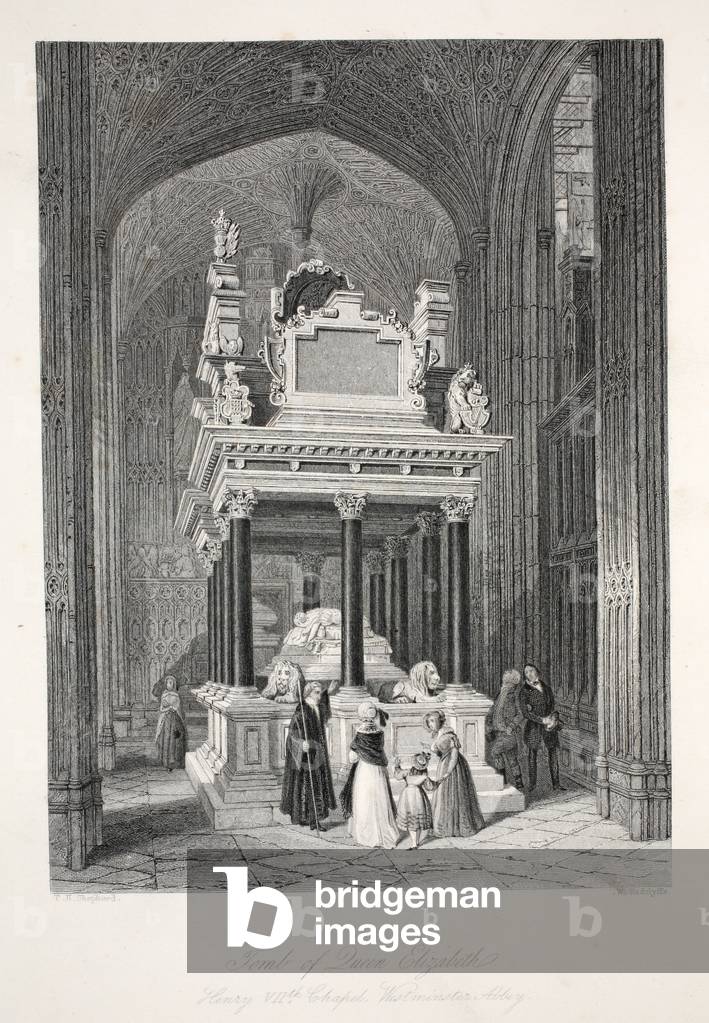
STC931659: Tomb of Queen Elizabeth I, from 'London Interiors with their Costumes and Ceremonies' pub. Joseph Mead, London, c.1843 (steel engraving), Shepherd, Thomas Hosmer (1792-1864) (after) / Bridgeman Images

STC931671: Somerset House, from 'London Interiors with their Costumes and Ceremonies' pub. Joseph Mead, London, c.1843 (steel engraving), Shepherd, Thomas Hosmer (1792-1864) (after) / Bridgeman Images

STC931680: British Museum, the Additional Library, from 'London Interiors with their Costumes and Ceremonies' pub. Joseph Mead, London, c.1843 (steel engraving), Shepherd, Thomas Hosmer (1792-1864) (after) / Bridgeman Images

CTS931775: Illustration from 'Birds of America', 1827-38 (hand-coloured engraving & aquatint), Audubon, John James (1785-1851) / Bridgeman Images

STC931424: The Deviation of the Alexander at Lerwick, illustration from 'A Voyage of discovery...', 1819 (litho) , Ross, John (1777-1856) (after) / Bridgeman Images

STC931440: Parting Hawsers off Godsend Ledge, illustration from The second Grinnell Expedition in Search of Sir John Franklin...', 1856 (engraving) , Kane, Elisha (1820-57) (after) / Bridgeman Images

STC931450: Bear Hunt, illustration from 'The second Grinnell Expedition in Search of Sir John Franklin...', 1856 (engraving) , Kane, Elisha (1820-57) (after) / Bridgeman Images

STC931458: Shooting Seal, illustration from 'The second Grinnell Expedition in Search of Sir John Franklin...', 1856 (engraving) , Kane, Elisha (1820-57) (after) / Bridgeman Images

STC931486: The Old White Hart Tavern, Bishopsgate Street, from 'London and it's Environs in the Nineteenth Century' pub. Jones & Co., 1827-1829 (engraving), Shepherd, Thomas Hosmer (1792-1864) (after) / Bridgeman Images
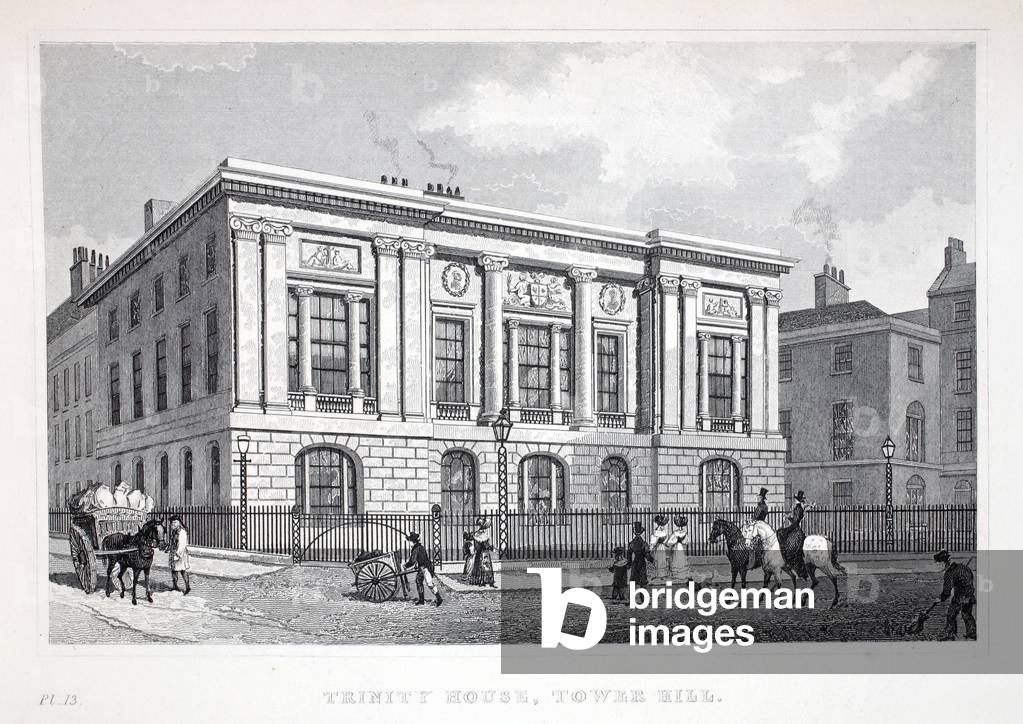
STC931492: Trinity House, Tower Hill, from 'London and it's Environs in the Nineteenth Century' pub. Jones & Co., 1827-1829 (engraving), Shepherd, Thomas Hosmer (1792-1864) (after) / Bridgeman Images
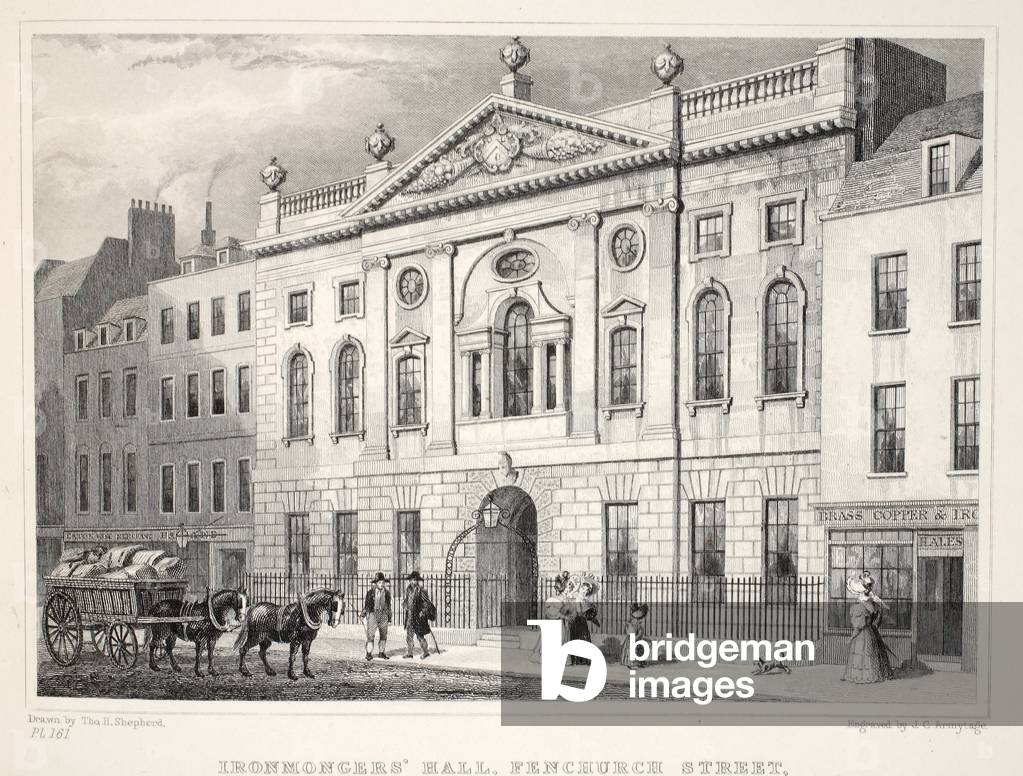
STC931565: Ironmonger's Hall, Fenchurch Street, from 'London and it's Environs in the Nineteenth Century' pub. Jones & Co., 1827-1829 (engraving), Shepherd, Thomas Hosmer (1792-1864) (after) / Bridgeman Images
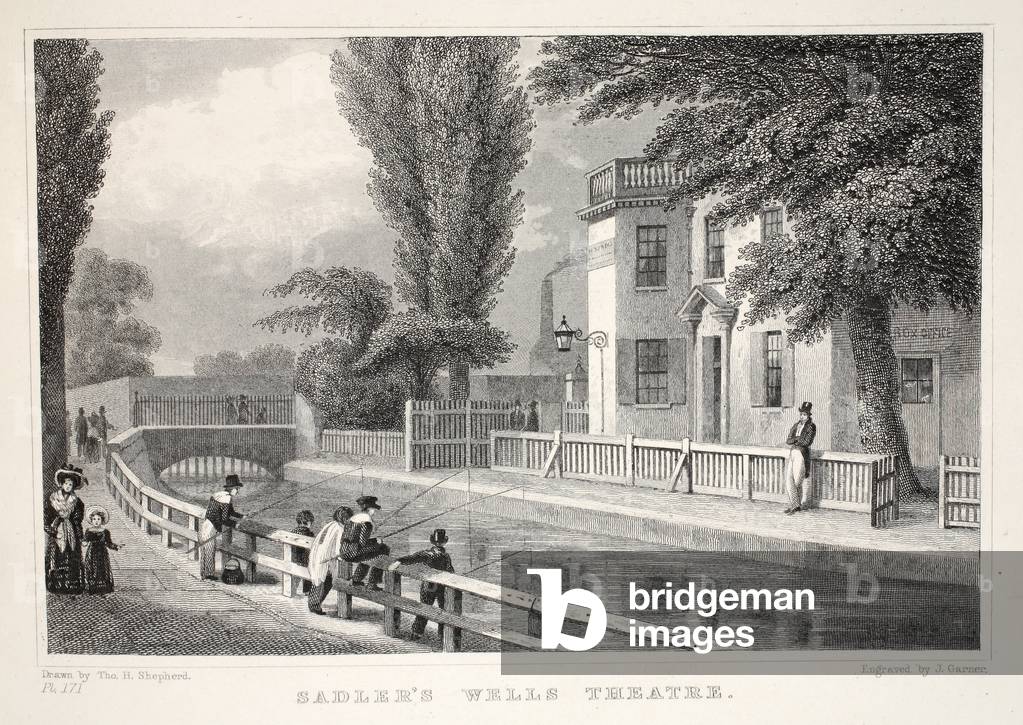
STC931568: Sadler's Wells Theatre, Spa Fields, from 'London and it's Environs in the Nineteenth Century' pub. Jones & Co., 1827-1829 (engraving)g, Shepherd, Thomas Hosmer (1792-1864) (after) / Bridgeman Images
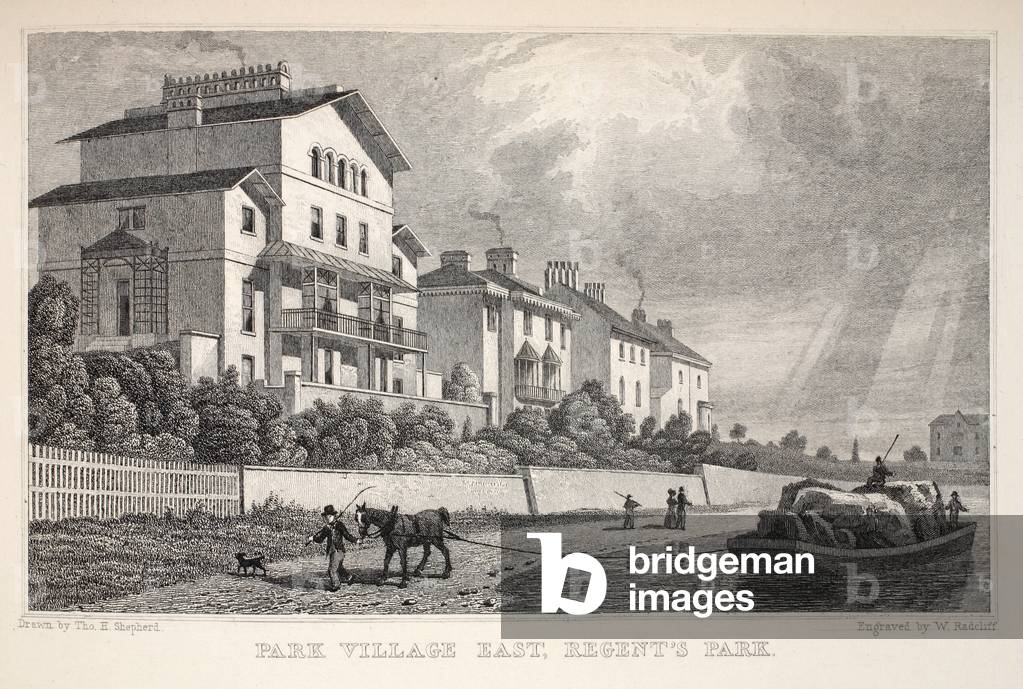
STC931605: Park Village East, Regent's Park, from 'London and it's Environs in the Nineteenth Century' pub. Jones & Co., 1827-1829 (engraving), Shepherd, Thomas Hosmer (1792-1864) (after) / Bridgeman Images

STC931611: Part of the East Side, Regent Street, from 'London and it's Environs in the Nineteenth Century' pub. Jones & Co., 1827-1829 (engraving), Shepherd, Thomas Hosmer (1792-1864) (after) / Bridgeman Images
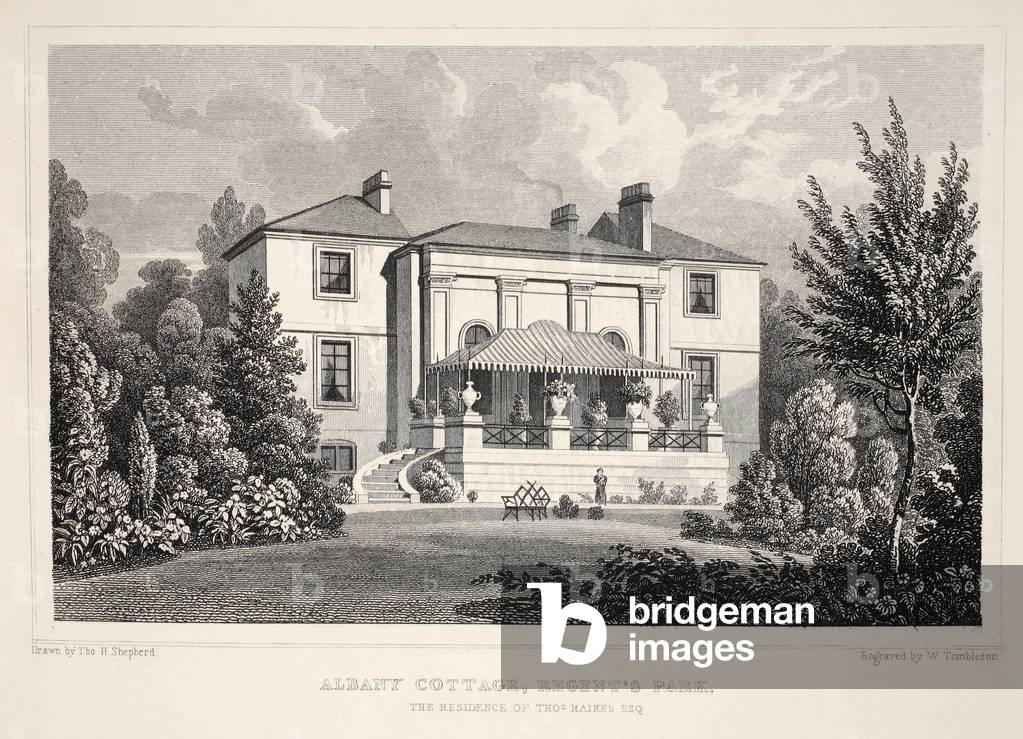
STC931617: Albany Cottage, Regent's Park, from 'London and it's Environs in the Nineteenth Century' pub. Jones & Co., 1827-1829 (engraving), Shepherd, Thomas Hosmer (1792-1864) (after) / Bridgeman Images
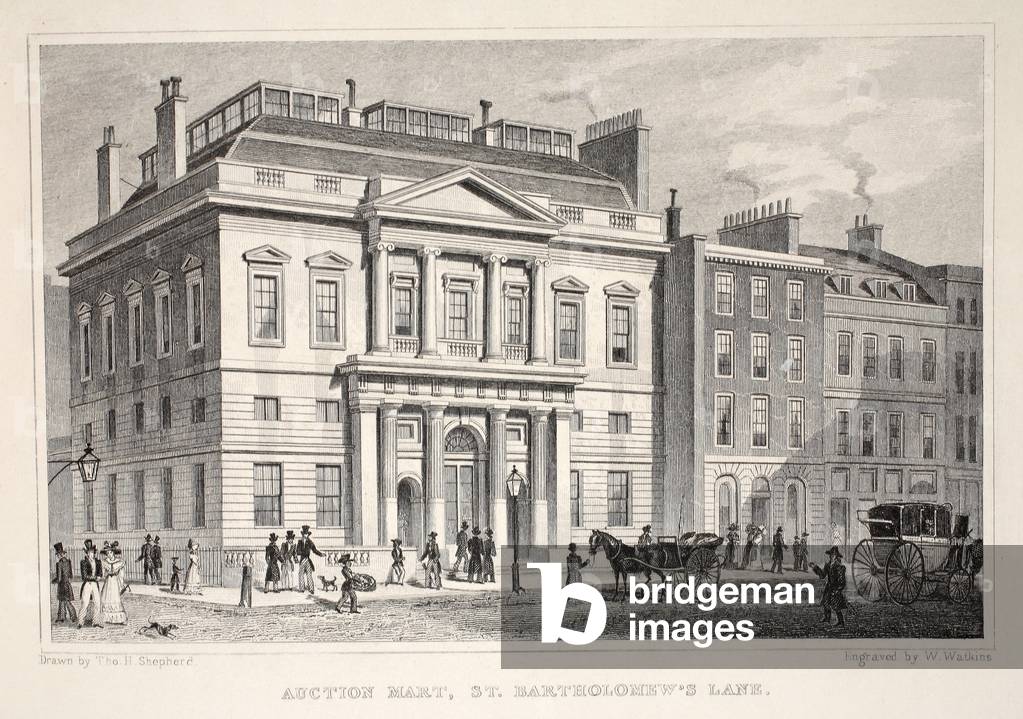
STC931623: Auction Mart, St. Bartholomew's Lane, from 'London and it's Environs in the Nineteenth Century' pub. Jones & Co., 1827-1829 (engraving), Shepherd, Thomas Hosmer (1792-1864) (after) / Bridgeman Images
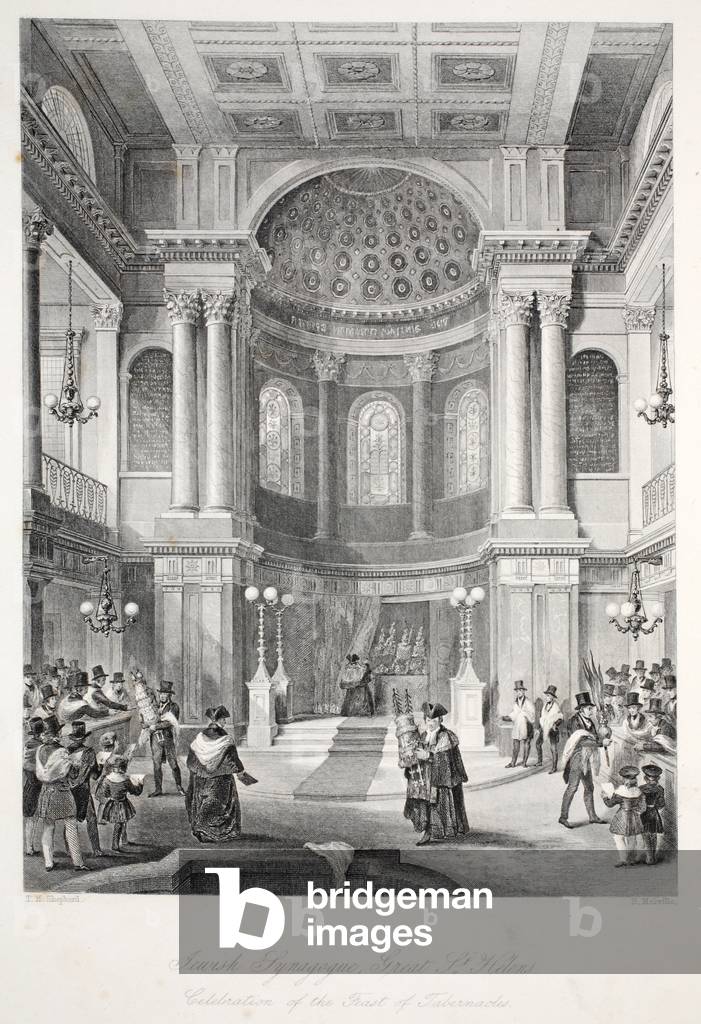
STC931645: Jewish Synagogue, Great St Helens, from 'London Interiors with their Costumes and Ceremonies' pub. Joseph Mead, London, c.1843 (steel engraving), Shepherd, Thomas Hosmer (1792-1864) (after) / Bridgeman Images
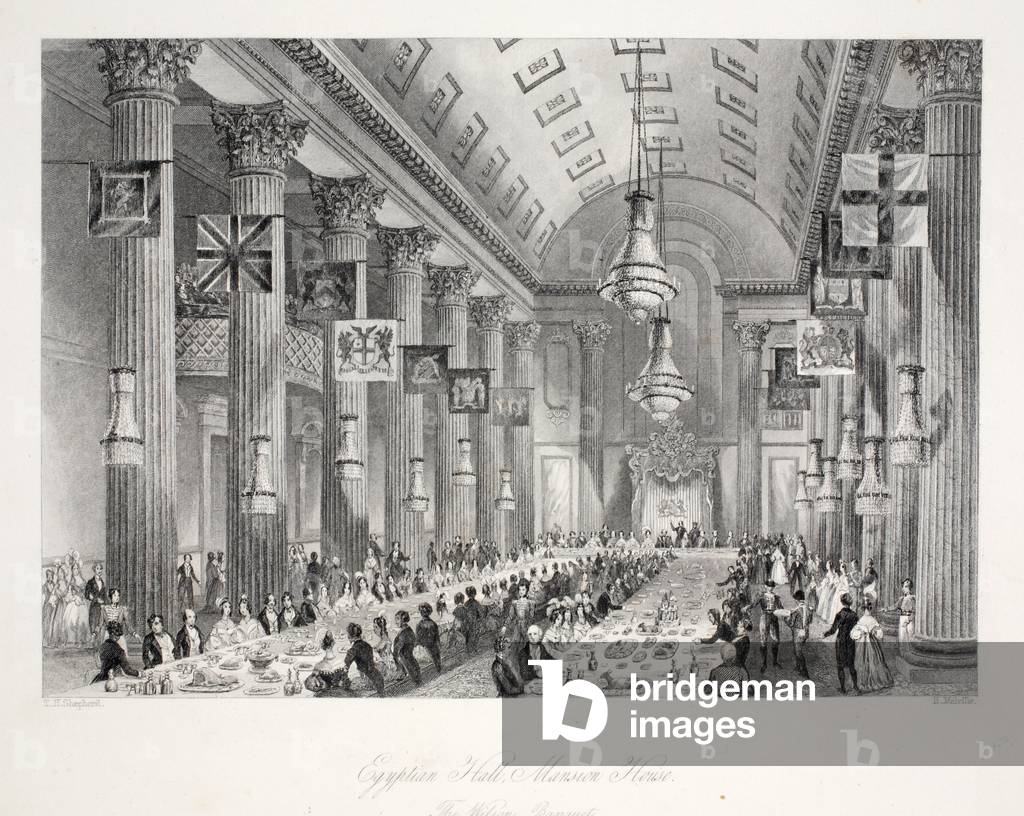
STC931648: Egyptian Hall, Mansion House, from 'London Interiors with their Costumes and Ceremonies' pub. Joseph Mead, London, c.1843 (steel engraving), Shepherd, Thomas Hosmer (1792-1864) (after) / Bridgeman Images
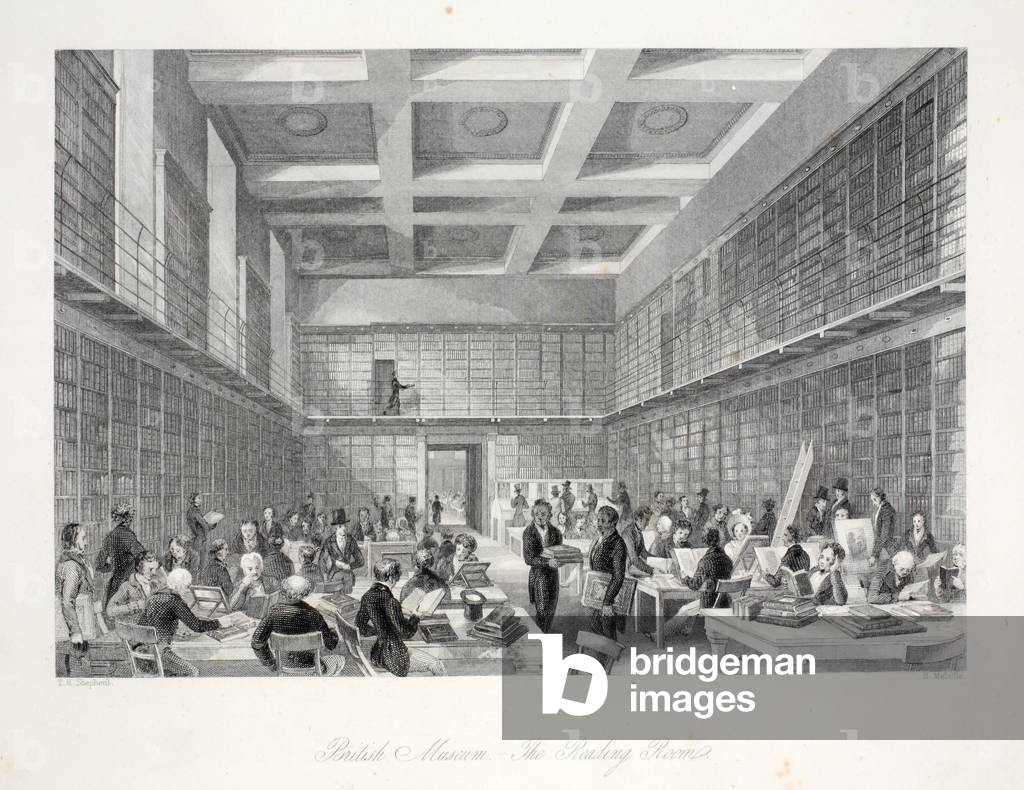
STC931651: The Reading Room and Library at the British Museum, from 'London Interiors with their Costumes and Ceremonies' pub. Joseph Mead, London, c.1843 (steel engraving), Shepherd, Thomas Hosmer (1792-1864) (after) / Bridgeman Images

STC931669: Drawing Room of Queen Victoria, from 'London Interiors with their Costumes and Ceremonies' pub. Joseph Mead, London, c.1843 (steel engraving), Shepherd, Thomas Hosmer (1792-1864) (after) / Bridgeman Images

STC931678: British Museum, Zoological Gallery, from 'London Interiors with their Costumes and Ceremonies' pub. Joseph Mead, London, c.1843 (steel engraving), Shepherd, Thomas Hosmer (1792-1864) (after) / Bridgeman Images

CTS931749: Illustration from 'Birds of America', 1827-38 (hand-coloured engraving & aquatint), Audubon, John James (1785-1851) / Bridgeman Images
