2491514 Search Results

SZT3021704: Olympic winter games in Garmisch-Partenkirchen, 1936 (b/w photo) / Bridgeman Images

SZT3022000: Destroyed Oviedo during the Spanish Civil War, 1938 (b/w photo) / Bridgeman Images
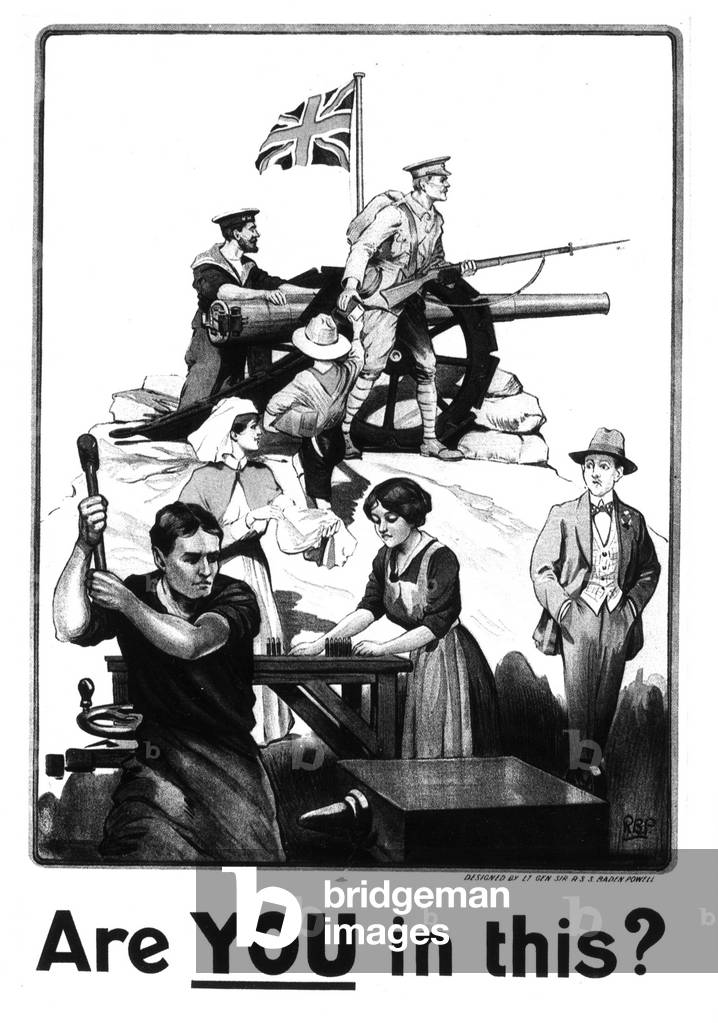
SZT3021935: British propaganda poster from WWI, 1915 (b/w photo) / Bridgeman Images

SZT3023322: Protest march of the NSDAP against the Treaty of Locarno, 1928 (b/w photo) / Bridgeman Images
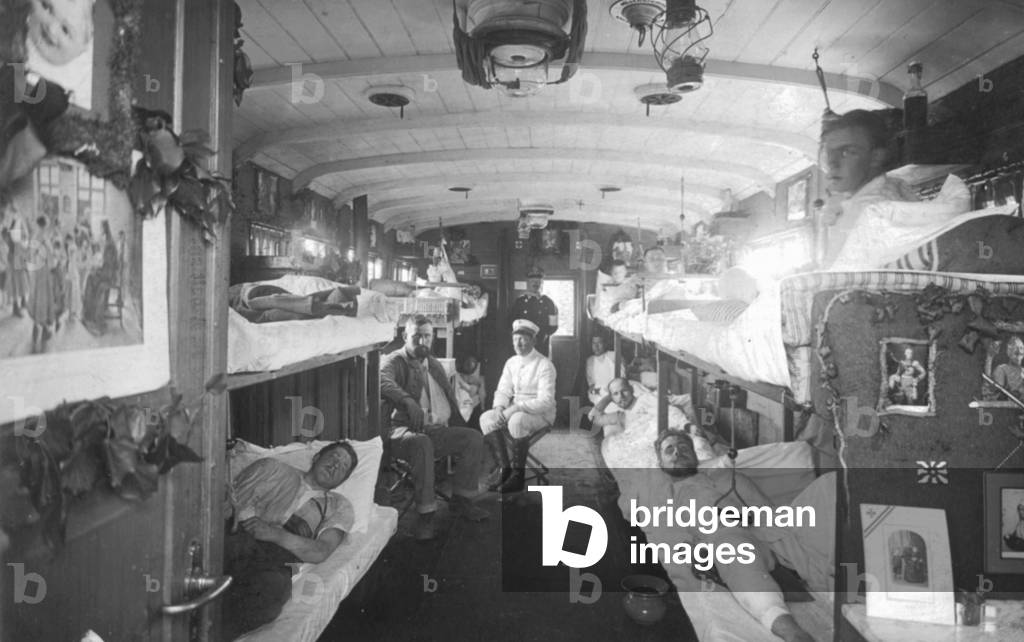
SZT3024535: German military hospital train at the western front, 1915 (b/w photo) / Bridgeman Images

SZT3023733: The Hippodrome of Constantinople, 1909 (b/w photo) / Bridgeman Images
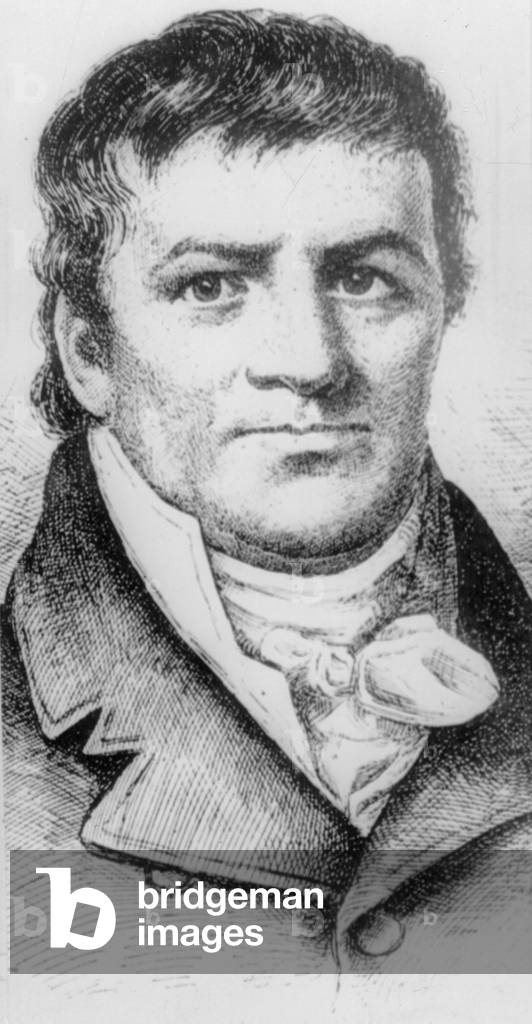
SZT3024641: John Jacob Astor (b/w photo) / Bridgeman Images

SZT3020769: Bomb damages in Berlin, 1943 (b/w photo) / Bridgeman Images

SZT3022192: Communist meeting in New York, 1938 (b/w photo) / Bridgeman Images
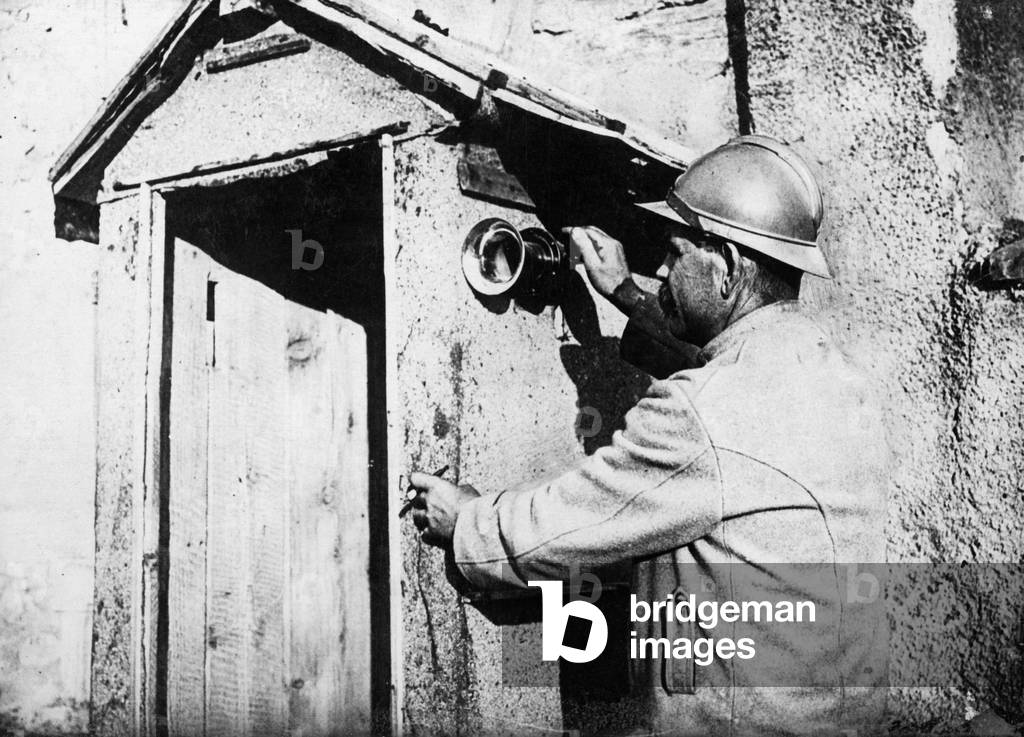
SZT3024354: A French soldier gives gas alarm, 1916 (b/w photo) / Bridgeman Images
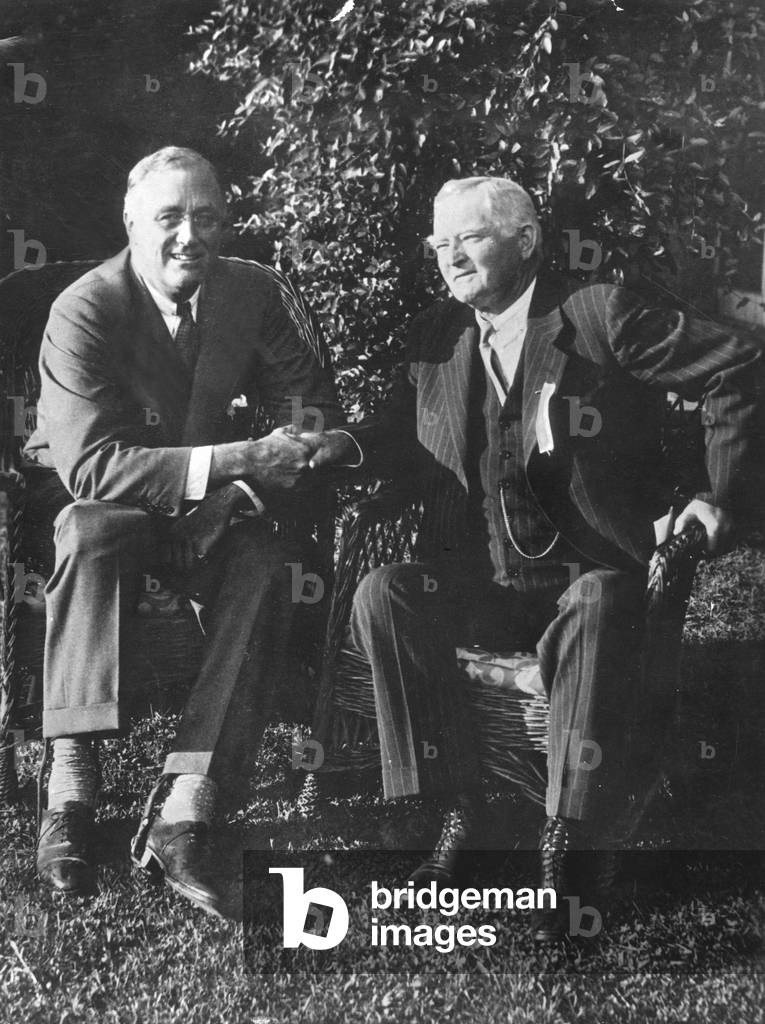
SZT3020102: Franklin D. Roosevelt with his Vice President John R. Garner, 1933 (b/w photo) / Bridgeman Images

SZT3023770: Tilly Wedekind as Lulu (b/w photo) / Bridgeman Images

SZT3022999: Victor Emmanuel III, 1926 (b/w photo) / Bridgeman Images
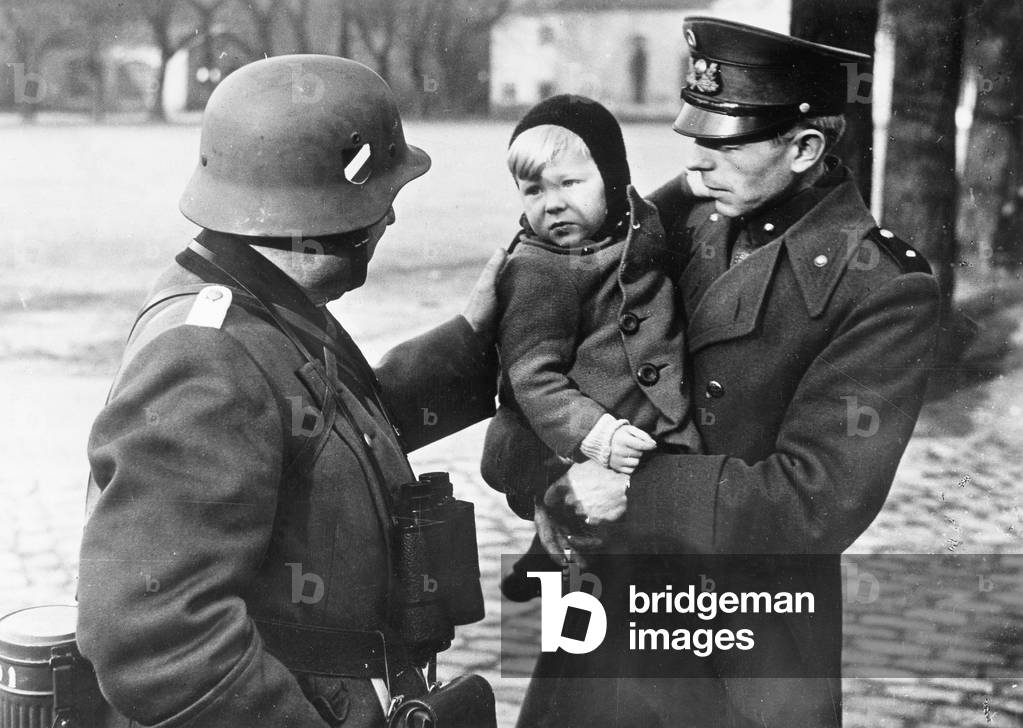
SZT3022411: German and Danish officers, 1940 (b/w photo) / Bridgeman Images

SZT3023807: Beginning of the holiday, 1936 (b/w photo) / Bridgeman Images

SZT3021787: Joseph Gallieni, approx. 1914 (b/w photo) / Bridgeman Images

SZT3021551: Playing children, 1883 (b/w photo) / Bridgeman Images
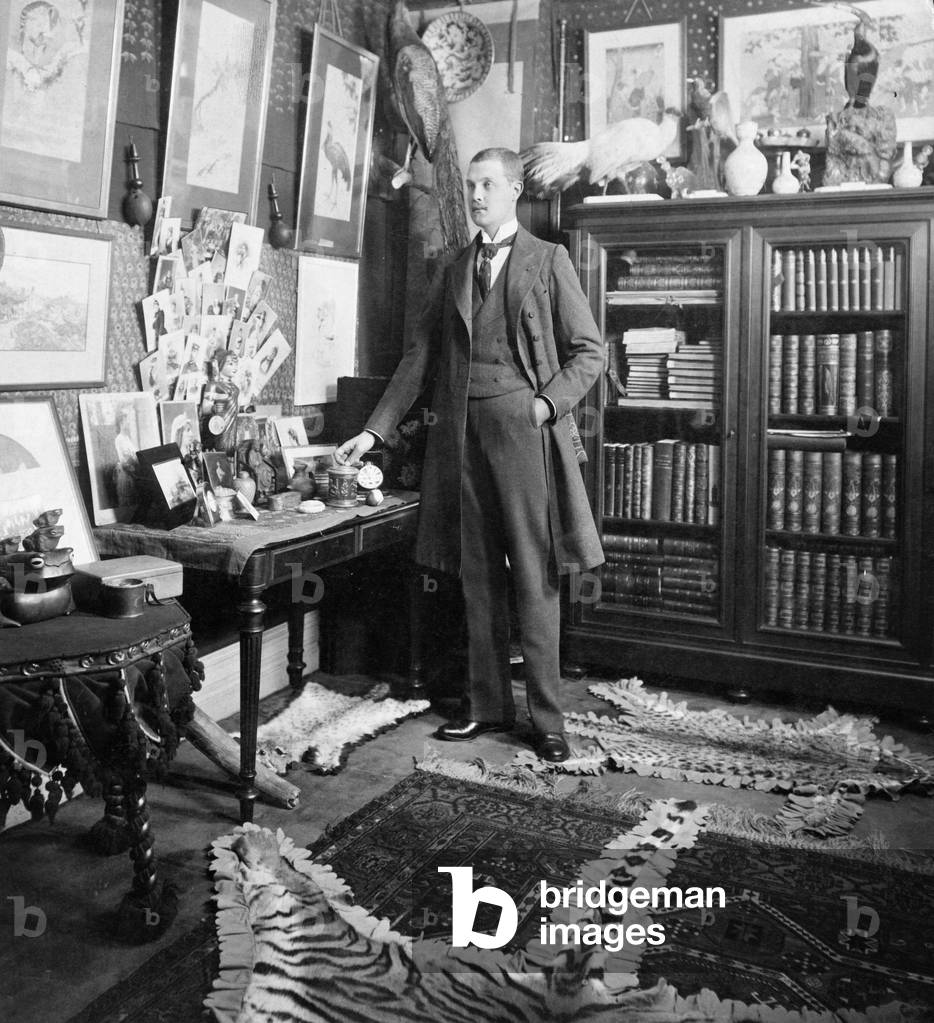
SZT3024335: Men's fashion, around 1900 (b/w photo) / Bridgeman Images
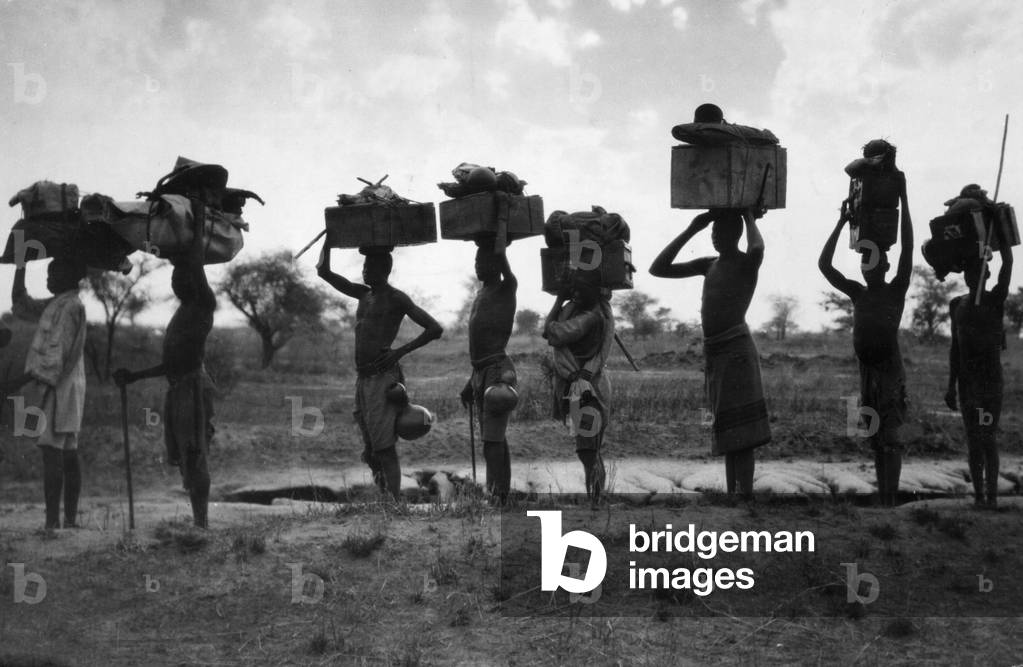
SZT3024418: Natives in the Ngonrongoro area in Tansania, 1931 (b/w photo) / Bridgeman Images

SZT3020852: Fisherwomen in Belgium, 1906 (b/w photo) / Bridgeman Images

SZT3023005: Franklin D. Roosevelt and Winston Churchill, 1943 (b/w photo) / Bridgeman Images

SZT3023833: University in Berlin, around 1900-1913 (b/w photo) / Bridgeman Images
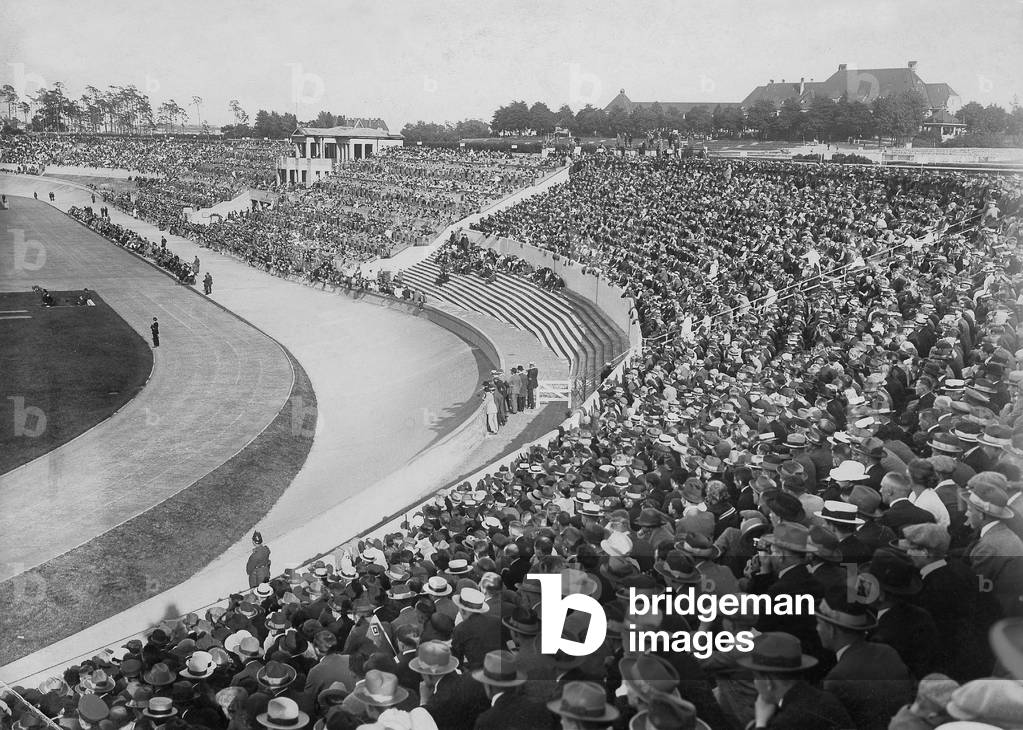
SZT3021394: Spectators at the final game of the German championship in Berlin, 1924 (b/w photo) / Bridgeman Images

SZT3020191: Portrait of Hermann Minkowski (b/w photo) / Bridgeman Images

SZT3023304: Julius Heinrich Dorpmueller, 1935 (b/w photo) / Bridgeman Images

SZT3020781: The lighthouse of Neufahrwasser, 1900 (b/w photo) / Bridgeman Images

SZT3020218: Hans Carossa, 1942 (b/w photo) / Bridgeman Images
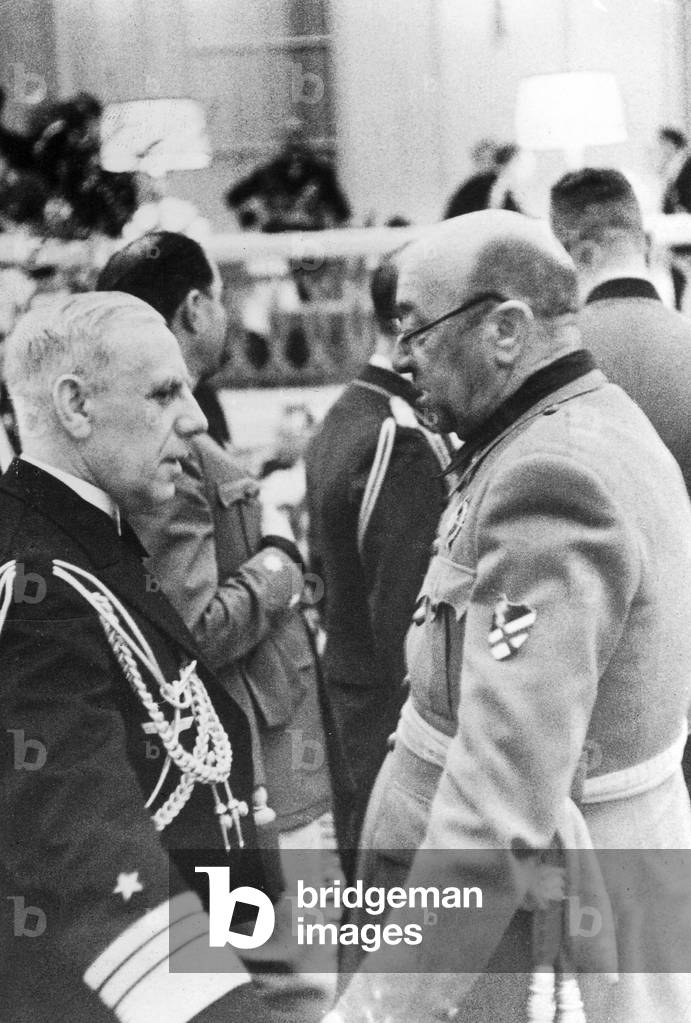
SZT3020070: Wilhelm Canaris in discussion with Jose Moscardo, Berlin, 1939 (b/w photo) / Bridgeman Images
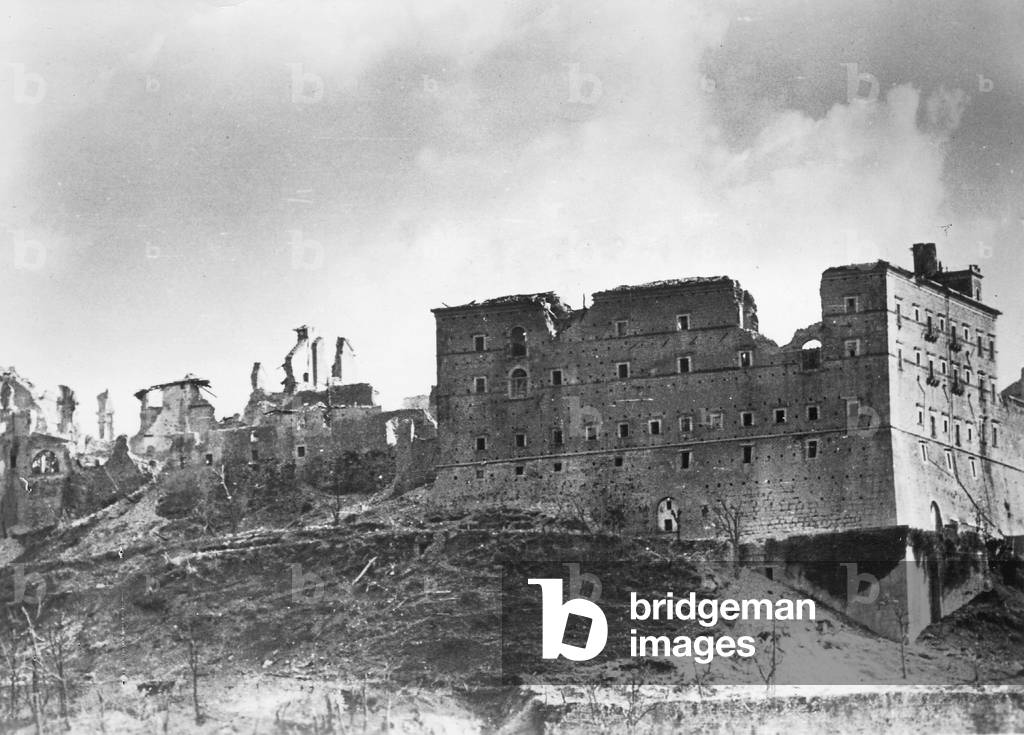
SZT3020116: The monastery of Monte Cassino, 1944 (b/w photo) / Bridgeman Images
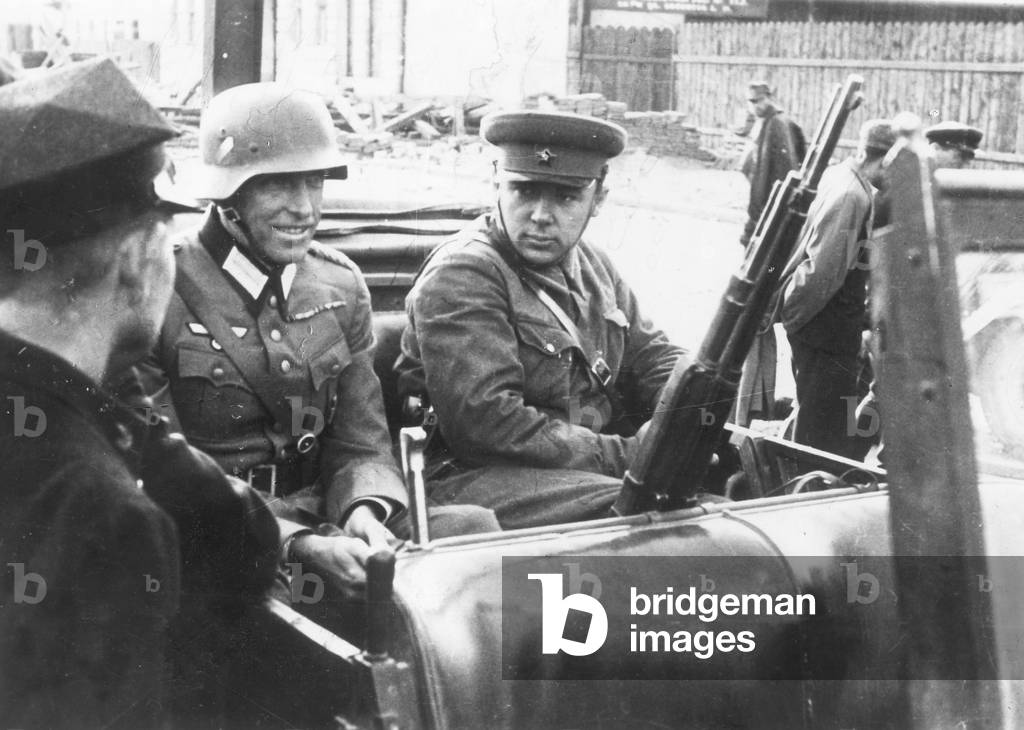
SZT3020309: German and Soviet officers in Poland, 1939 (b/w photo) / Bridgeman Images

SZT3022564: Los Angeles, 1933 (b/w photo) / Bridgeman Images

SZT3022852: Warehoused cars in Berlin during the economic crisis, 1931 (b/w photo) / Bridgeman Images

SZT3023352: Football championship game between Prussia and Concordia, 1910 (b/w photo) / Bridgeman Images
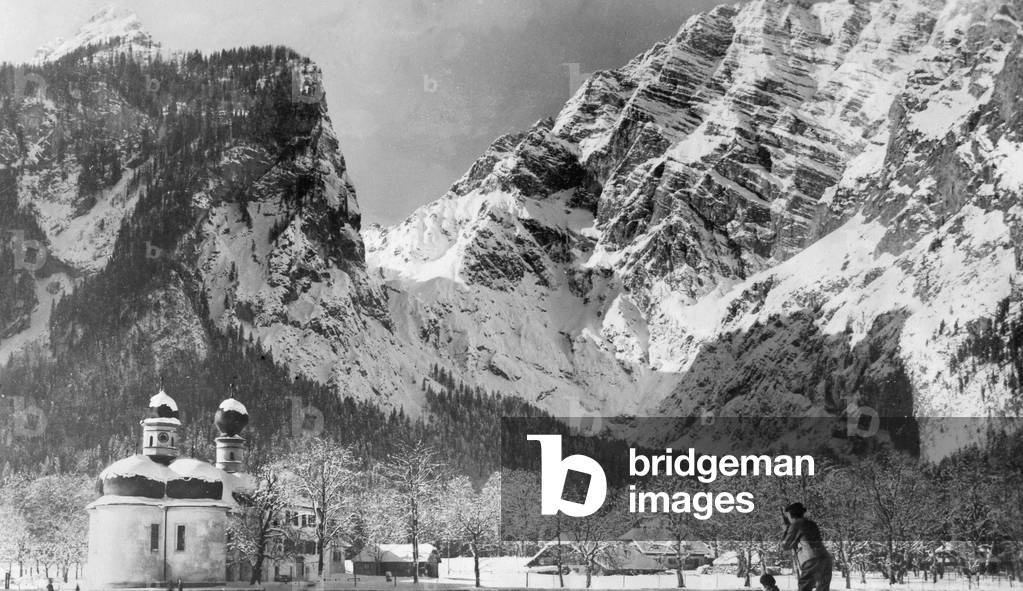
SZT3022468: Konigs lake and Watzmann in Bavaria, 1937 (b/w photo) / Bridgeman Images
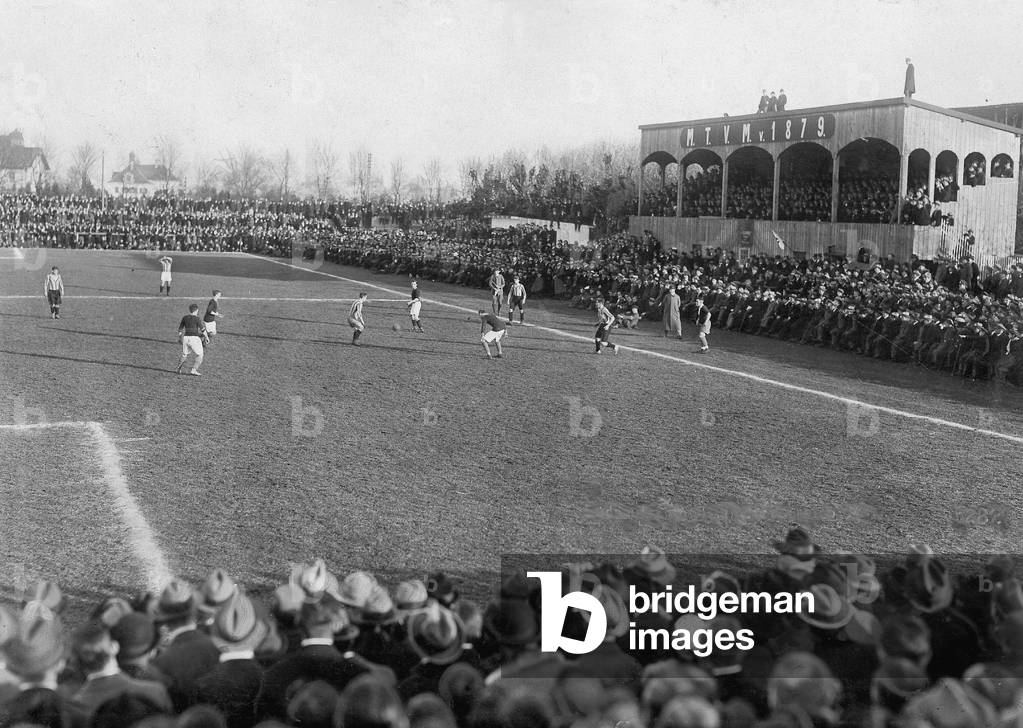
SZT3021395: Soccer match between southern Germany and Lower Austria, 1920 (b/w photo) / Bridgeman Images

SZT3024069: Paul Hartmann in 'F.P.1 Doesn't Answer', 1932 (b/w photo) / Bridgeman Images
