2491064 Search Results

LUX4811203: France, Basse-Normandy: Two merchants in headdresses of 4 seasons sell their goods in baskets, 1902 / Bridgeman Images
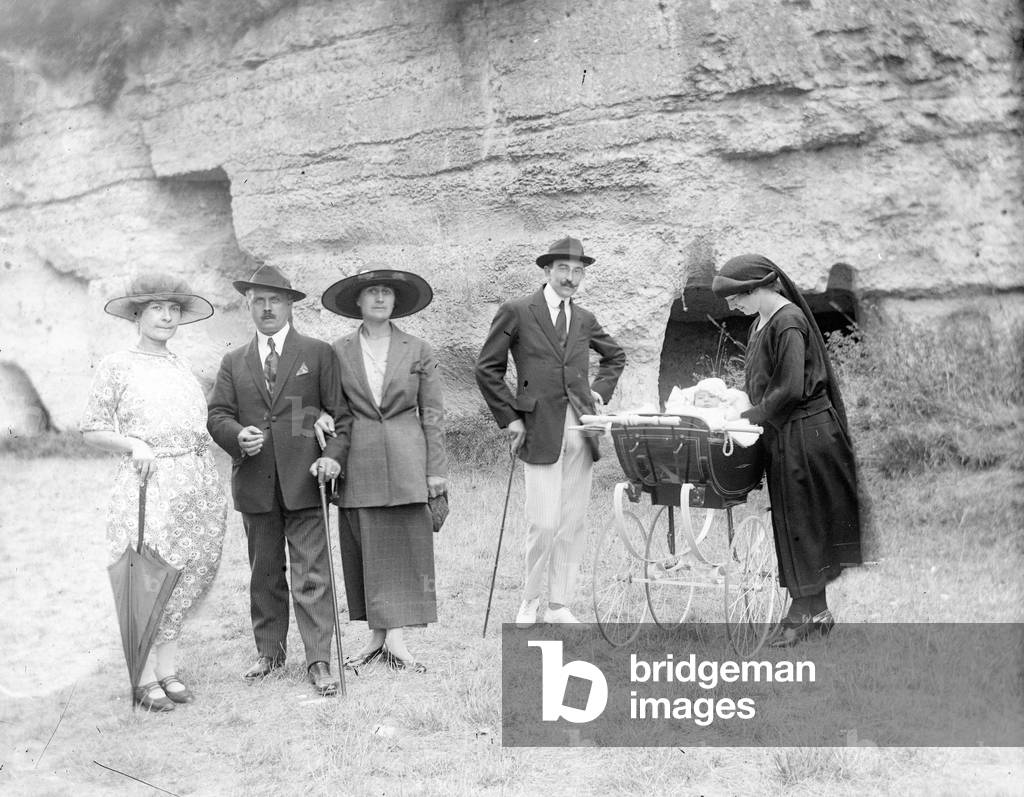
LUX4811212: France, Lower Normandy: A family walks on the Normandy coast at the bottom of the cliff, 1902 / Bridgeman Images

LUX4811507: France, Haute-Normandie, Seine-Maritime (76), Elbeuf: Le cirque theatre, 1900 / Bridgeman Images

LUX4811571: France, Centre, Cher (18), Bourges: The Cathedral of Saint Stephen of Bourges, 1935, Unknown photographer, (20th century) / Bridgeman Images

GIA4811583: Character “” Paolino”” in”” Secret Marriage”” (matrimonio Segreto) by Domenico Cimarosa (1749 - 1801). Costume of F. Gamba - Scala of Milan, 1912., Gamba, Francesco (1818-1887) / Bridgeman Images

LUX4811850: France, Ile-de-France, Paris (75): A man poses in front of the Eiffel Tower during the World Exhibition, 1900 / Bridgeman Images

CUB4954893: Quarriers instruments, Favignana island, Sicily, Italy / Bridgeman Images

CUB4954912: Naif sculptures, Favignana island, Sicily, Italy / Bridgeman Images

CUB4954975: Cilio dei Pani feast, Al¿ Superiore, Sicily, Italy / Bridgeman Images

ELD4955122: Portrait of Saint Dominica of Guzman (1170-1221), founder of the Dominican Order (Saint Dominic) Drawing from “Misteri del Vaticano” by Franco Mistrali, 1866, Mistrali, Franco (fl.1843) / Bridgeman Images

ELD4955188: Middle Ages: representation of Pope Urban IV (Urban or Urbanus or Urbano) (1261-1264) Drawing from “Misteri del Vaticano” by Franco Mistrali, 1866, Mistrali, Franco (fl.1843) / Bridgeman Images

CUB4955332: Mural, Lipari island, Aeolian Islands, Sicily, Italy / Bridgeman Images

ELD4955465: representation of the Baron of Munchhausen (or Munchausen) (1720-1797) recounting his adventures at a worldly dinner (the Baron Hieronymus Karl Friedrich von Munchhausen entertaining guests at a dinner) Engraving from “” Illustrous Universe” 1862 / Bridgeman Images

CUB4955545: The pirate's boat, Lipari island, Aeolian Islands, Sicily, Italy / Bridgeman Images

CUB4955567: Sunset, Lipari island, Aeolian Islands, Sicily, Italy / Bridgeman Images

CUB4955720: Landscape, Sicily, Italy / Bridgeman Images
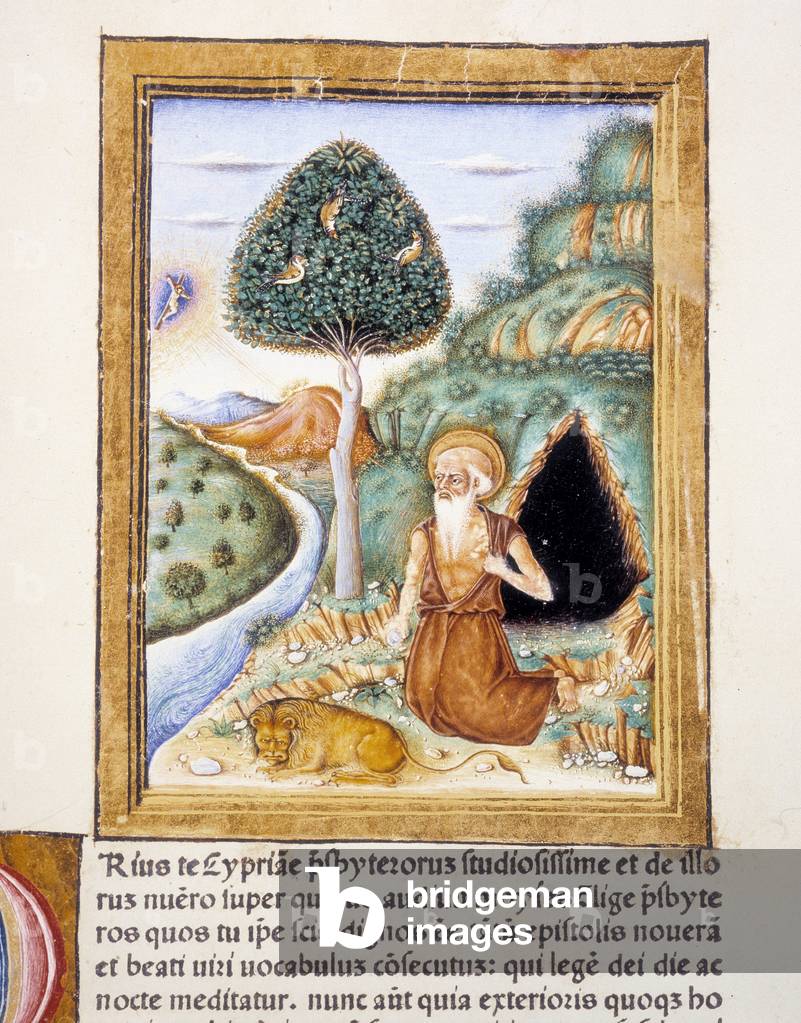
GIA4812686: Saint Jerome - miniature, 15th century. Biblioteca comunale di Rimini., Unknown Artist, (15th century) / Bridgeman Images

GIA4813204: Pages of the Civil Code of Napoleon. in french and Italian, Unknown Artist, (19th century) / Bridgeman Images
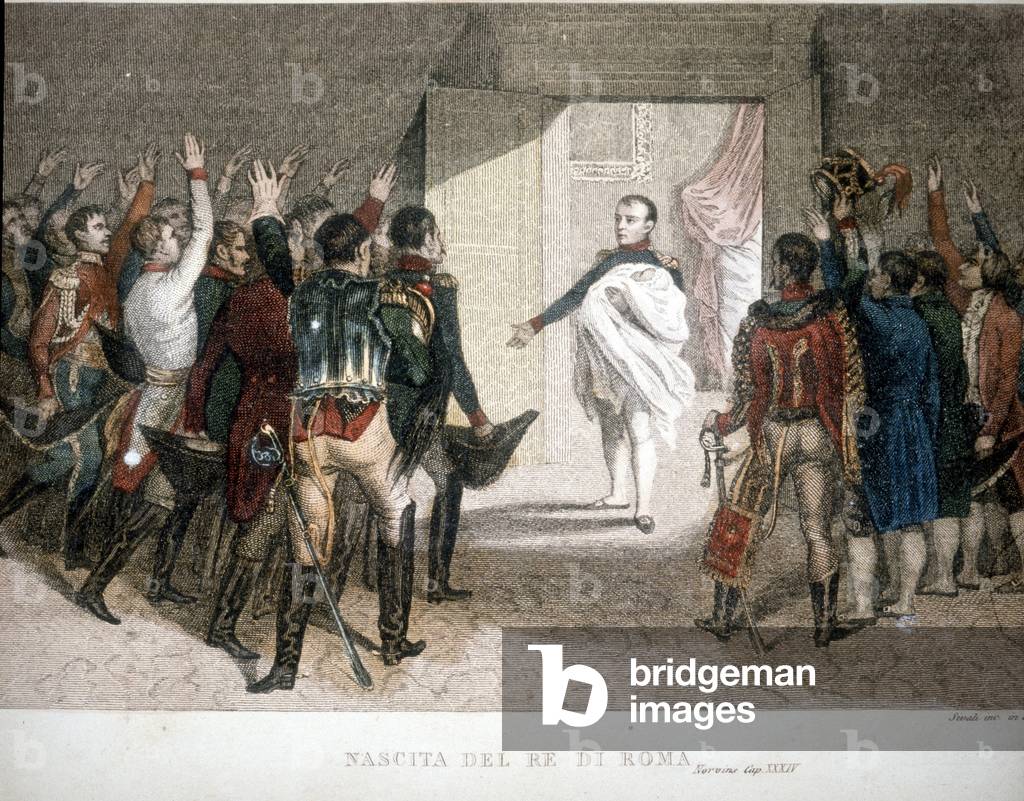
GIA4813228: Birth of the King of Rome: Napoleon II (Francis Charles Joseph Napoleon Bonaparte), son of Emperor Napoleon I (1769-1821). 1811-1832., Unknown Artist, (19th century) / Bridgeman Images

GIA4813342: Campaign (Expedition) of Egypt (1798-1801): Napoleon visiting the Jaffa pestiferes in Egypt, circa 1800., Unknown Artist, (19th century) / Bridgeman Images

CUB4956570: San Basilio feast, San Marco D'Alunzio, Sicily, Italy / Bridgeman Images
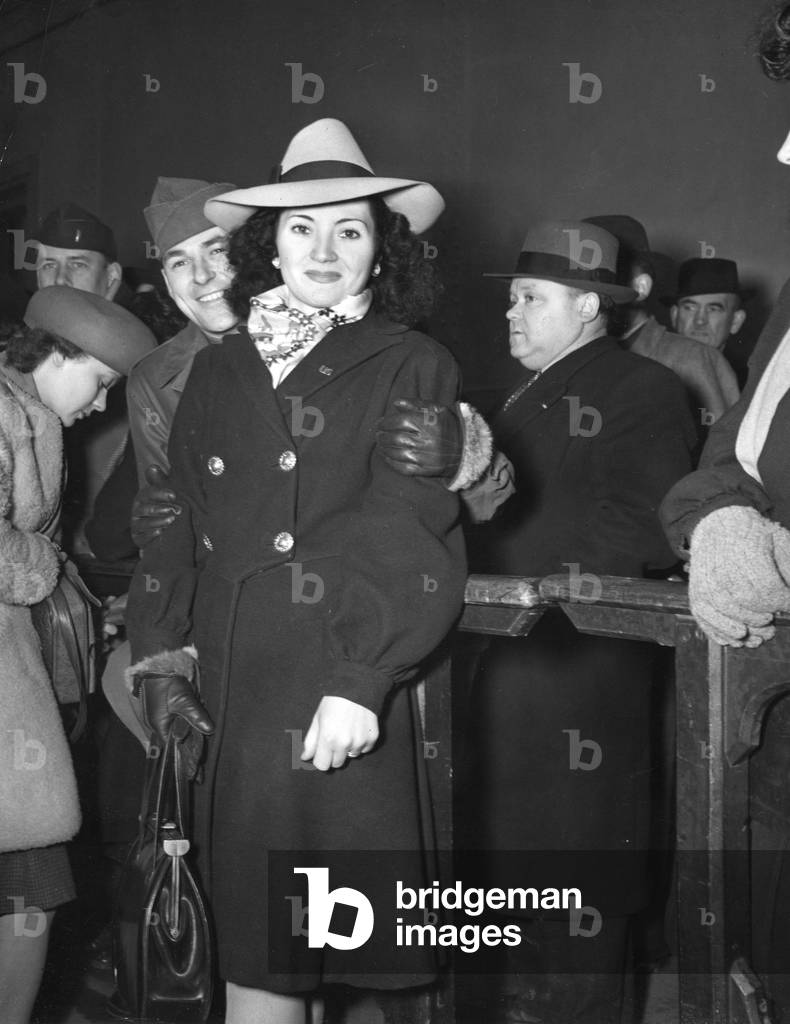
ETE4882143: WWII:Paris (France) 1946: At the Gare St Lazare, a soldier of the US Army accompanied his French wife who left for the United States by the Transatlantic train / Bridgeman Images

ICA4882598: Cover of' 'L'Assiette au Beurre'', number 106, Satirical in Colors, 1906_4_12, Vogel, Hermann (1856-1918) / Bridgeman Images

ELD4882969: Sir Modred at the last battle Illustration by HJ Ford (1860-1940) from “The book of romance” 1902 Private collection, Ford, Henry Justice (1860-1941) / Bridgeman Images

PCT4824120: French Algerie in the nineteenth century (19th): a decor of August 15 - Illustration for the 1899 edition Alexandre Houssiaux of the “Tales du Monday” by Alphonse Daudet (1840 - 1897) - Si-Sliman, a tribal leader (aga or agha) friend of the French, received the Legion of Honour. One of his wives pinned the decoration on his burnous - colony, colonization - / Bridgeman Images

CUB4828602: Karak Castle, Jordan, Middle East / Bridgeman Images

CUB4828640: South Theatre, Jerash, Jordan, Middle East / Bridgeman Images

CUB4828773: Al Khazneh, Petra, Jordan, Middle East / Bridgeman Images

CUB4828872: A tomb, Petra, Jordan, Middle East / Bridgeman Images

CUB4829617: Kiosk, Comunale villa, Salerno, Campania, Italy / Bridgeman Images

CUB4829940: Torre palace, Torchiara, Parco Nazionale del Cilento e Vallo di Diano, Campania, Italy / Bridgeman Images

ICA4888947: L'Assiette au Beurre, number 150, Satirique en Colours, 1904_2_13: “” The suppression of the central brigades? That would be disorderly! who would hit the ribs? “” - Police, Repression - Policeman (lithograph), Jossot, Henri Gustave (1866-1951) / Bridgeman Images

ICA4889219: Cover of 'L'Assiette au Beurre', number 153, Satirique en couleurs, 1904_3_5: Demonstration/barricade, Crowd (lithograph), Dupuis, Georges (1874-1932) / Bridgeman Images

CUB4830097: Olive groove, Castelcivita, Parco Nazionale del Cilento e Vallo di Diano, Campania, Italy / Bridgeman Images

CUB4830280: Vineyards, Costa d'Amalfi DOC area, Furore, Campania, Italy / Bridgeman Images

CUB4830669: Tourists, Vesuvio volcano, Naples, Campania, Italy / Bridgeman Images
