2490904 Search Results

ELD4916655: Representation of the Apoles Saint Simon the Zelote (or Cananeen) and Saint Jude Thaddee (Simon the Zealot or Simon Kananaios or Simon Cananeus and Jude Thaddeus) Engraving 19th century Private collection / Bridgeman Images

ELD4916677: Representation of Pope Saint Evarist (died 107) (Pope Evaristus). 19th century (engraving) / Bridgeman Images
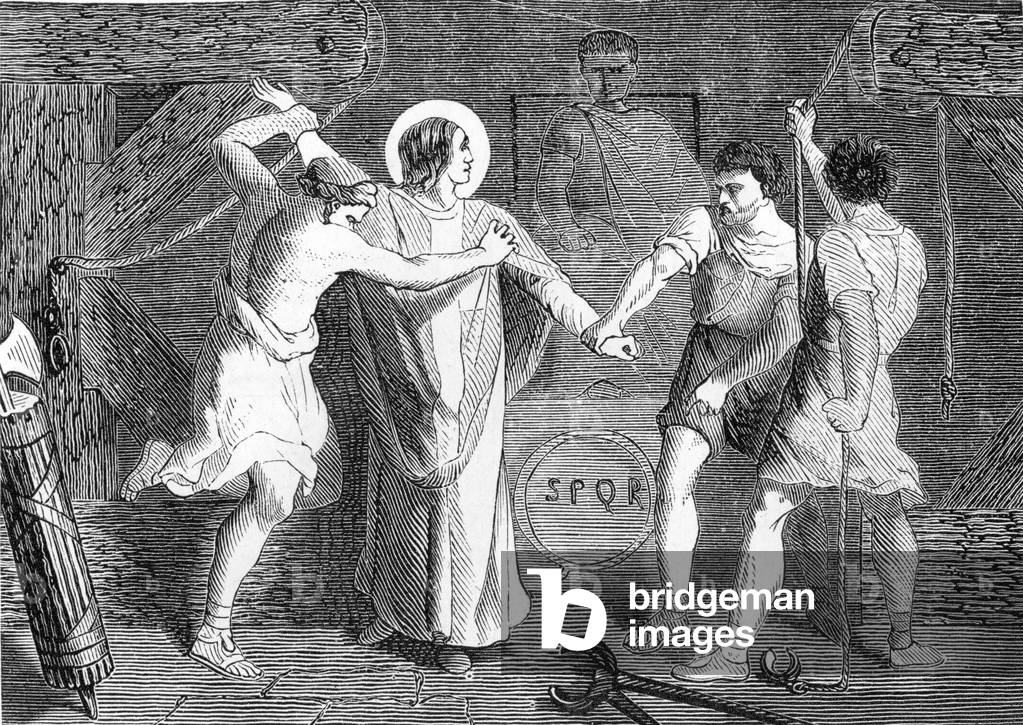
ELD4916781: Saint Theodoritus of Antioch Greek-speaking Syrian Christian priest who died a martyr in Antioch during the reign of Emperor Julian the Apostate. 19th century (engraving) / Bridgeman Images

CUB4916853: Begonia x tuberhybrida “” Non stop” / Bridgeman Images

ETE4916903: WWII:California (USA) November 1944: US Air Force P61 “” Black Widow”” night fighter in tactical training flight over lake / Bridgeman Images

ETE4917081: WWII:Batzhdorf (France) near the German border around March 5-10, 1945: Two soldiers of the VII US Army near a DCA projector uses to create an artificial “Moonlight” to allow American patrols and genius men to find themselves in the “No Man's” Land / Bridgeman Images

GNG5005737: Italy, Lazio, Roma : Young pilgrim, European Meeting of Taize Community / Bridgeman Images

GNG5005856: Italy, Lazio, Roma : Saint Mary above Minerva church, European Meeting of Taize Community, Common prayer / Bridgeman Images

GNG5005907: Monaco : Saint Nicholas Cathedral / Bridgeman Images

GNG5005913: Italy, Lazio, Roma : European Meeting of Taize Community, Common prayer / Bridgeman Images

GNG5005958: Monaco : Catholic bible / Bridgeman Images

GNG5006018: Monaco : View of La Condamine and Moneghetti districts, Principality of Monaco / Bridgeman Images

ICA4917272: L'Assiette au Beurre, number 501, Satirique en couleurs, 1910_11_5: Theatre, Cafe concert - Caroline Otero, la belle Otero (1868-1965), Actor, actress Comedian Comedian, Dufleuve, Ibels, Henri-Gabriel (1867-1936) / Bridgeman Images

ETE4917286: WWII:Along the Mulde River opposite Grimma (Germany) April 26, 1945: These German soldiers fleeing in front of the Sovietic troops are waiting on the east shore for the troops of the 1st US Army to give them permission to cross the river / Bridgeman Images

CUB4917405: Chrysanthemum / Bridgeman Images

ETE4917470: WWII:Near Wadesboro (North Carolina) USA 1940: During an infiltration exercise, capture by the 109th RI US of paratroopers “” enemy”””” dropped behind the lines / Bridgeman Images

CUB4917635: Chrysanthemum, ibrido / Bridgeman Images

ICA4917963: L' Assiette au Beurre, number 512, Satirique en couleurs, 1911_1_21: Social, Syndicat, Cinema - Worker, Boss/Bourgeois -, Radiguet, Maurice (1866-1941) / Bridgeman Images

ICA4918023: L'Assiette au Beurre', number 514, Satirical in Colours, 1911_2_4, Ostoya, Georges d' (Dochinsky or Sochinsky) (1878-1937) / Bridgeman Images
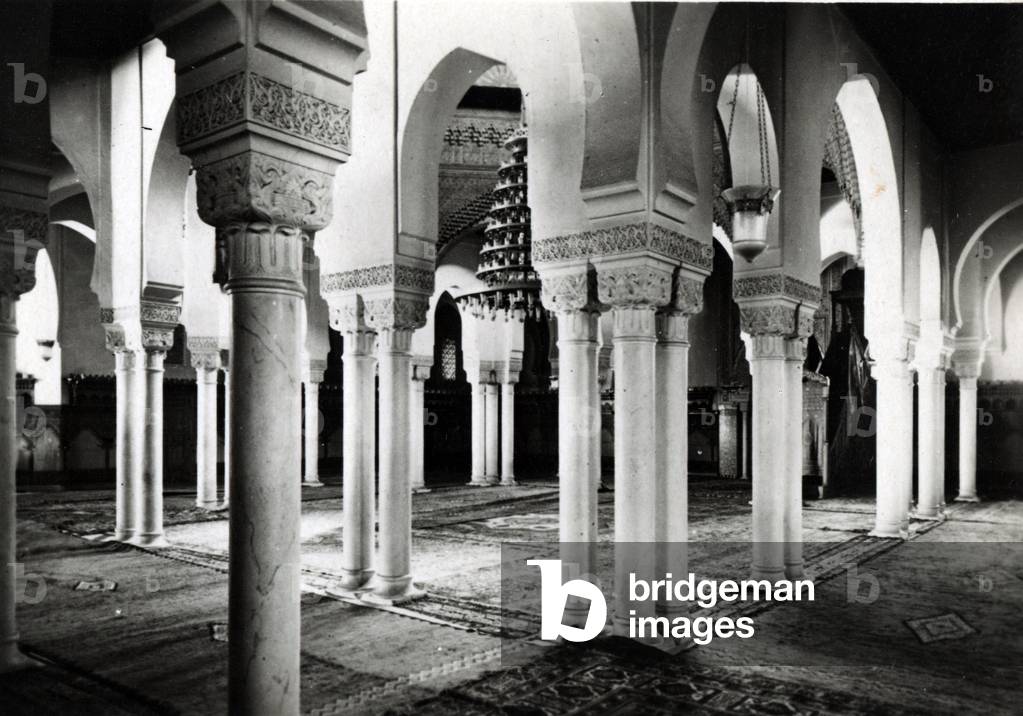
ELD4918329: View of the Great Mosque of Paris (5th arrondissement) around 1932: the prayer hall (Great Mosque of Paris: the prayer hall, 1932 ca) Private collection / Bridgeman Images

ETE4918571: WWII:Schiebenhardt (Germany) 30 December 1944: A Tank Destroyer M10 tank of the 3rd Tank Battalion of the 314th DI US ambush waiting for a German counterattack. / Bridgeman Images

ETE4859379: Second World War (1939-1945): Near Würzburg (Germany) around 2 April 1945. An ambulance, loaded with wounds and German prisoners captured by the 42nd D.I of the 7th US Army during the capture of the city, crosses the Main on a ferry. Photography / Bridgeman Images

ELD4859516: King of France Louis VIII (1187-1226) and his wife Blanche de Castille (1188-1252) (King of France Louis VIII and his wife Blanche of Castile) Lithograph from Saintes, 1844 - Private collection / Bridgeman Images

ETE4859598: Second World War (1939-1945): Near Castel (Germany) March 1945. A corporal from the 26th D.I of the Third US Army looks at the Saarland River. Photography / Bridgeman Images

ICA4859690: Cover of ' Les Contemporains', number 13, 1881, Le Petit, Alfred (1841-1909) / Bridgeman Images

ETE4859907: Second World War (1939-1945): Battle of the Ardennes. Hedomont (Belgium) January 1945. Soldiers of a battalion of the genius of the 1st US Army return to their camp after detecting mines and explosive traps left by German troops in the snow. Photography / Bridgeman Images

ETE4860149: Second World War (1939-1945): Sarreguemines (France) around 11 December 1944. The debris of the railway bridge has four tracks that spans the Saarland Canal destroyed by retreating German troops. Photography / Bridgeman Images

ICA4860219: Le Pilori (Mailly), number 4, circa 1870 - Illustration by Mailly (1829-?) : Accomplice of Cain - Religion Faith, Second Empire, War 1870-1871 - Rouher Eugene, Cain - Religious metaphore / Bridgeman Images

ETE4860331: Second World War (1939-1945): liberation of Metz (Moselle) France 20 November 1944. Infantrymen from the 95th D.I US are progressing in search of snipers. Photography / Bridgeman Images

ETE4860394: Second World War (1939-1945): East Luneville (Lorraine) October 1944. Two soldiers of the 7th US Army put a machine gun in a snow-covered field. Photography / Bridgeman Images

ICA4860614: Le Pilori (Mailly), number 22, circa 1870 : Napoleon Jerome Bonaparte, Mailly, Hippolyte (1829-63) / Bridgeman Images

CUB4860674: downtown, johannesburg, south africa / Bridgeman Images

CUB4860693: pedestrian precinct, johannesburg, south africa / Bridgeman Images

CUB4918656: Cosmos bipinnatus and Phaseolus vulgaris / Bridgeman Images

CUB4918771: Cosmos bipinnatus “” Sonata White” / Bridgeman Images

CUB4918878: Canna x generalis “” Ingeborg”” / Bridgeman Images
