2497532 Search Results

BAL14091: Church Interior, Dalen, Antoni van (fl.1680) / Bridgeman Images

BAL14101: Dutch ships at Dordrecht Harbour (oil on canvas), Meyer, Hendrick de (1737-93) / Bridgeman Images

BAL14130: A Winter Scene in Amsterdam, Heeremans, T. (1640-97) & Storck, A. (1635-1710) / Bridgeman Images

BAL14145: Satyr and Nymph, 18th century, Boucher, Francois (1703-70) / Bridgeman Images

BAL14352: Minton tile, c.1880-1900 / Bridgeman Images

BAL14356: Minton tile, decorated with stylised fruit, c.1880-1900 / Bridgeman Images

BAL14378: Algeciras, 1904 (oil on canvas), East, Alfred (1844-1913) / Bridgeman Images

BAL14581: Toilette d'apres midi, illustration for "Costumes Parisiens", Journal des Dames et des Modes, 1914 (pochoir print), Vallee, Armand (1884-1960) / Bridgeman Images

BAL14745: Index to Suits of Armour from An Elizabethan Armourer's Album, c.1589, Halder, Jacobe (fl.c.1589-d.1608) / Bridgeman Images

BAL14761: Summer, from a series of tile panels for the Dutch Kitchen, 1867-8 (glazed earthenware tile), Poynter, Edward John (1836-1919) / Bridgeman Images

BAL15579: The Farmyard, Lins, Adolf (1856-1927) / Bridgeman Images

BAL15588: Horsecart on a country lane, 19th century, Nakken, Willem Carel (1835-1926) / Bridgeman Images
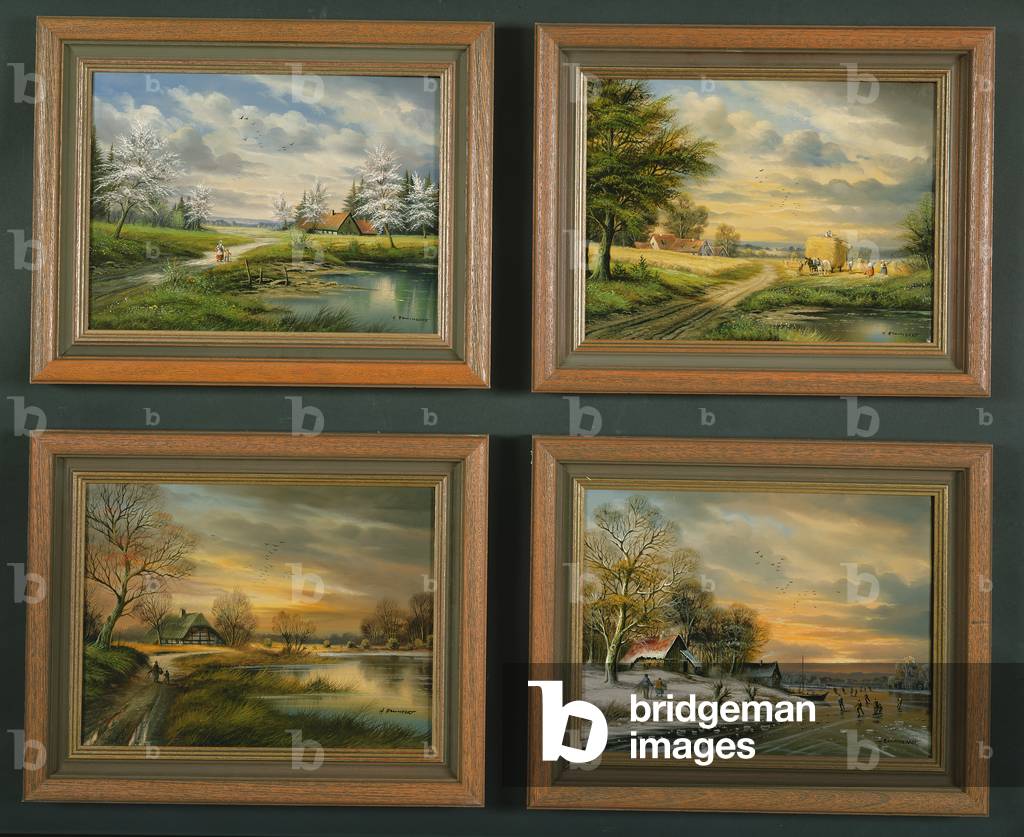
BAL15623: The Four Seasons, Baumgart, Horst (b.1932) / Bridgeman Images

BAL13537: Derby dessert plate decorated with iris and honeysuckle, c.1795 (porcelain), Pegg, William 'Quaker' (1775-1851) (attributed to) / Bridgeman Images

BAL13552: A Trooper of the 5th Dragoon Regiment, "Prince Eugene of Savoy" 1840-50, Heinefetter, Johan Baptiste (1815-1902) / Bridgeman Images

BAL13657: Young Gardener, Munro, Hugh (1873-1928) / Bridgeman Images

BAL13730: Boy fishing by a mill, 19th century, Deakin, Peter (fl.1855-84) / Bridgeman Images

BAL31886: Kitchen interior with two maids preparing food (oil on canvas), Winter, Gillis de (c.1650-1720) / Bridgeman Images
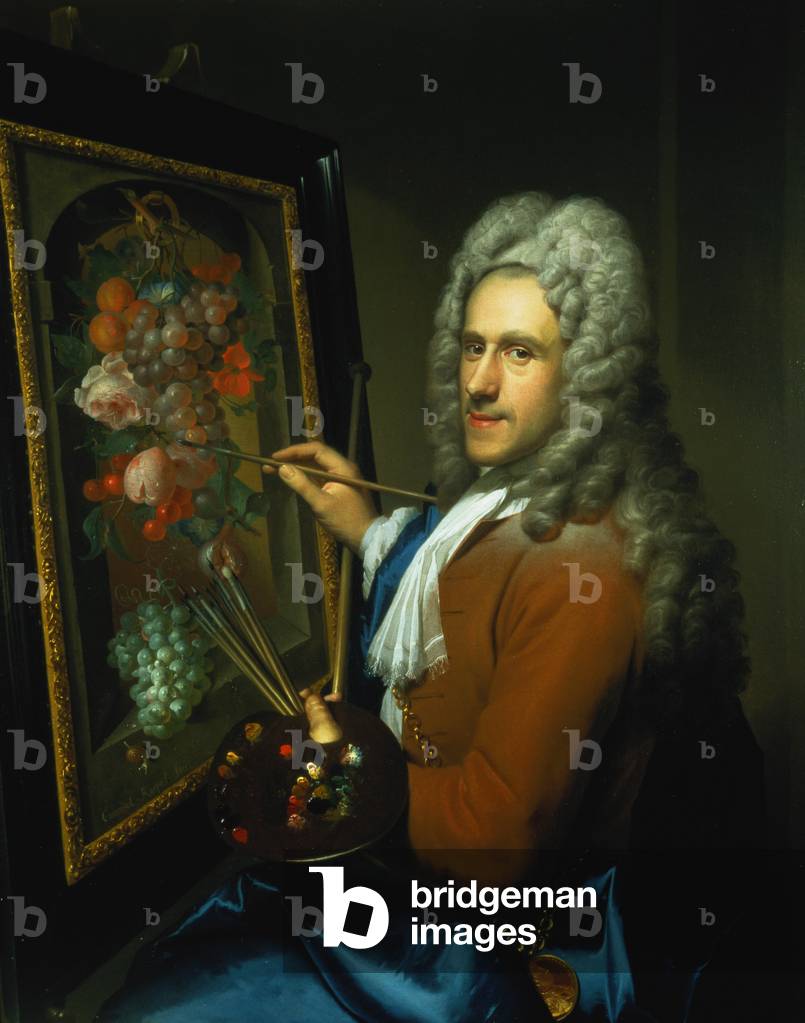
BAL31931: Portrait of the artist Coenraet Roepel, Bleeck, Richard van (1670-1733) / Bridgeman Images

BAL32454: The Card Game, Portielje, Gerard (1856-1929) / Bridgeman Images

BAL32850: Historia Plantarum Rariorum: by Jacobus Van Huysum Turnera Frutescens / Bridgeman Images

BAL32969: Drawing Room, St. James's, from Ackermann's 'Microcosm of London', Rowlandson, T.(1756-1827) & Pugin, A.C.(1762-1832) / Bridgeman Images
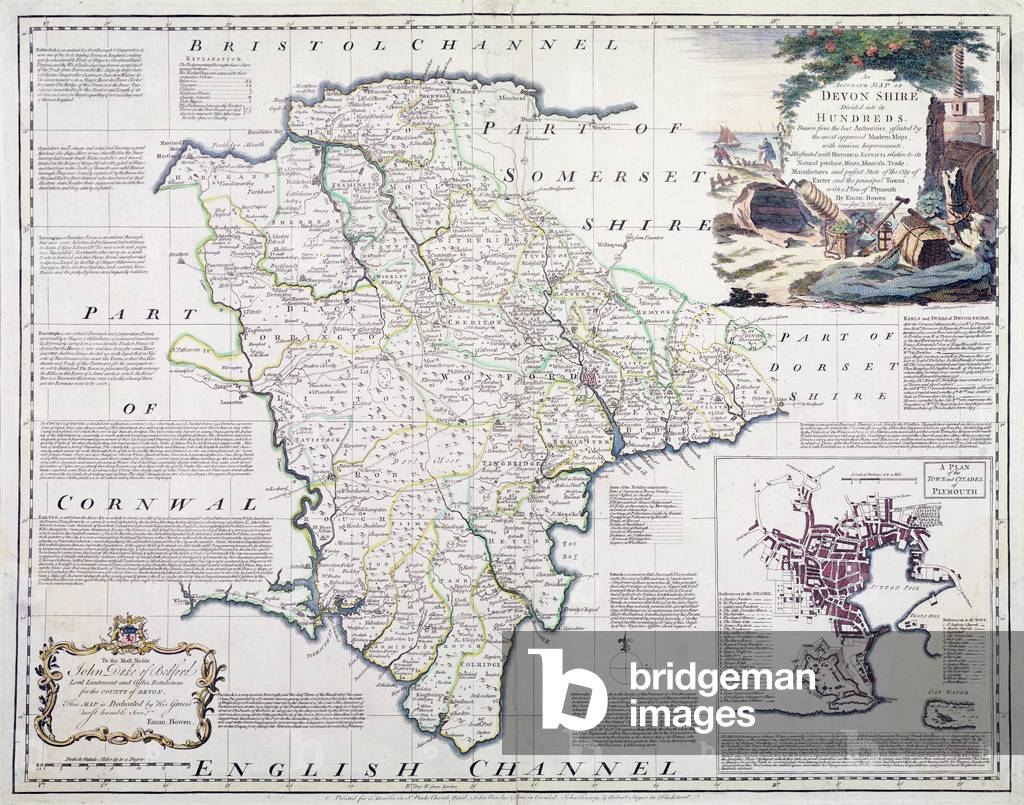
BAL16026: Map of Devonshire, published by Bowles, Tinney and Sayer, London, c.1777 (hand coloured copper plate engraving), Bowen, Emanuel (c.1694–1767) / Bridgeman Images
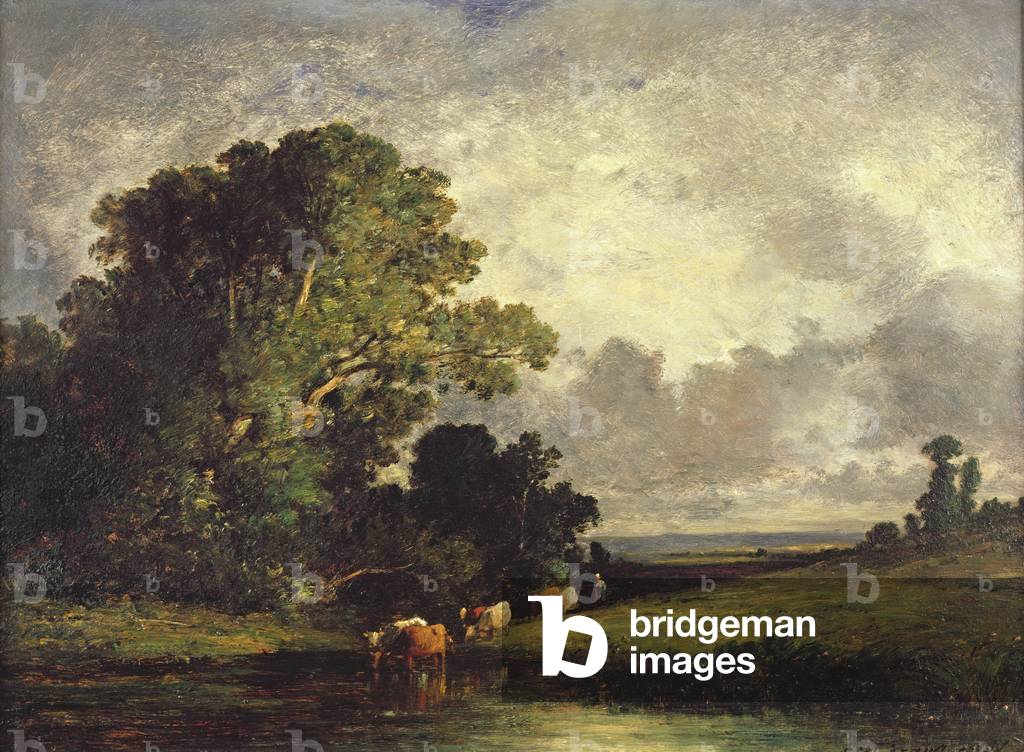
BAL16032: The Watering Place, Fontainebleau, Dupre, Leon-Victor (1816-79) / Bridgeman Images

BAL16038: Rustic figures on the outskirts of a Dutch Town, Vermeulen, Andries (1763-1814) / Bridgeman Images

BAL16210: The Bride and Groom, early 20th century American postcard, American School, (20th century) / Bridgeman Images

BAL14106: The Prodigal Son (oil on canvas), Fragonard, Jean-Honore (1732-1806) / Bridgeman Images
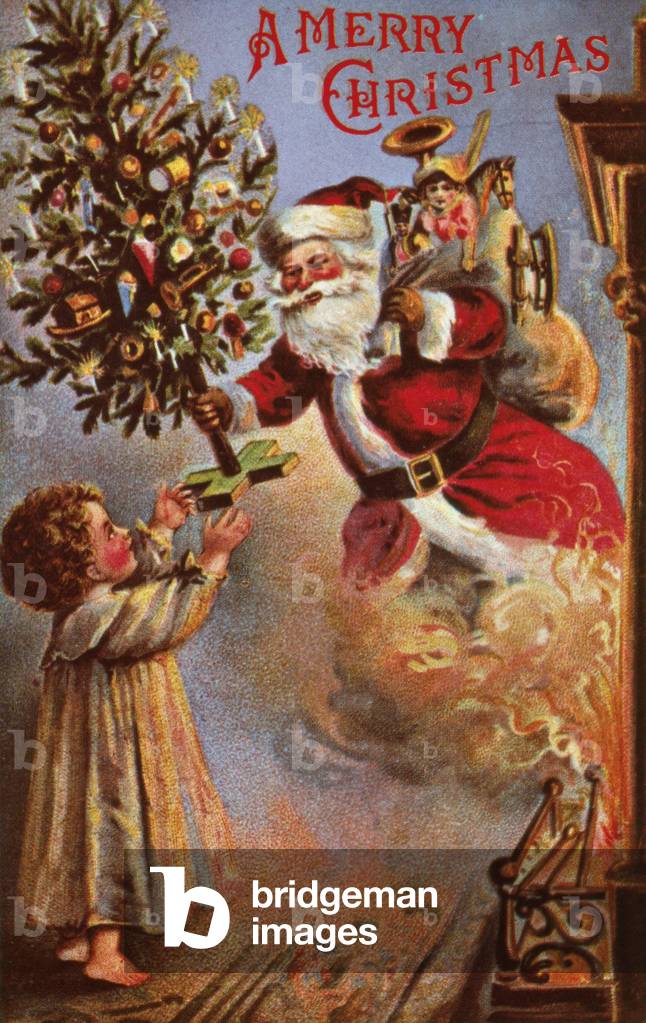
BAL17490: Handing over the tree / Bridgeman Images
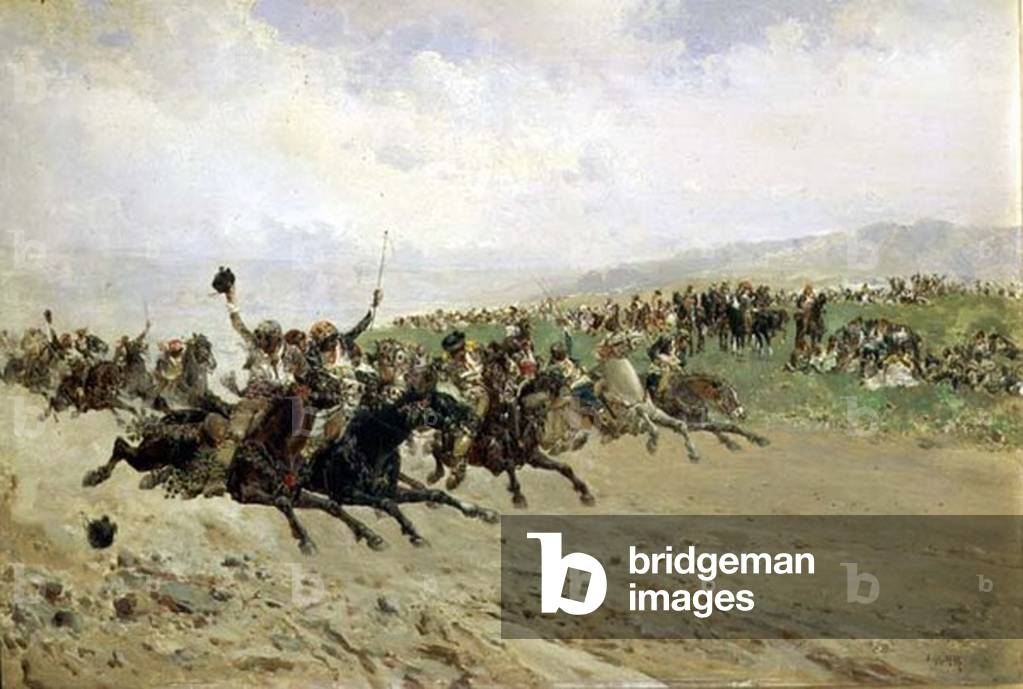
BAL14543: Andalusia: Horse Racing at a Fair, late 19th century (oil on panel), Gimenez, Baldomero Calopre y (1849-1902) / Bridgeman Images

BAL14572: Scheme of decoration for a Drawing Room by Joseph Pearce of Liverpool, plate 48 from 'Documents d'Architecture Moderne', 1906 / Bridgeman Images

BAL14750: March, from a series of tile panels for the Dutch Kitchen, 1867-8 (glazed earthenware tile), Poynter, Edward John (1836-1919) / Bridgeman Images

BAL14754: July, from a series of tile panels for the Dutch Kitchen, 1867-8 (glazed earthenware tile) / Bridgeman Images
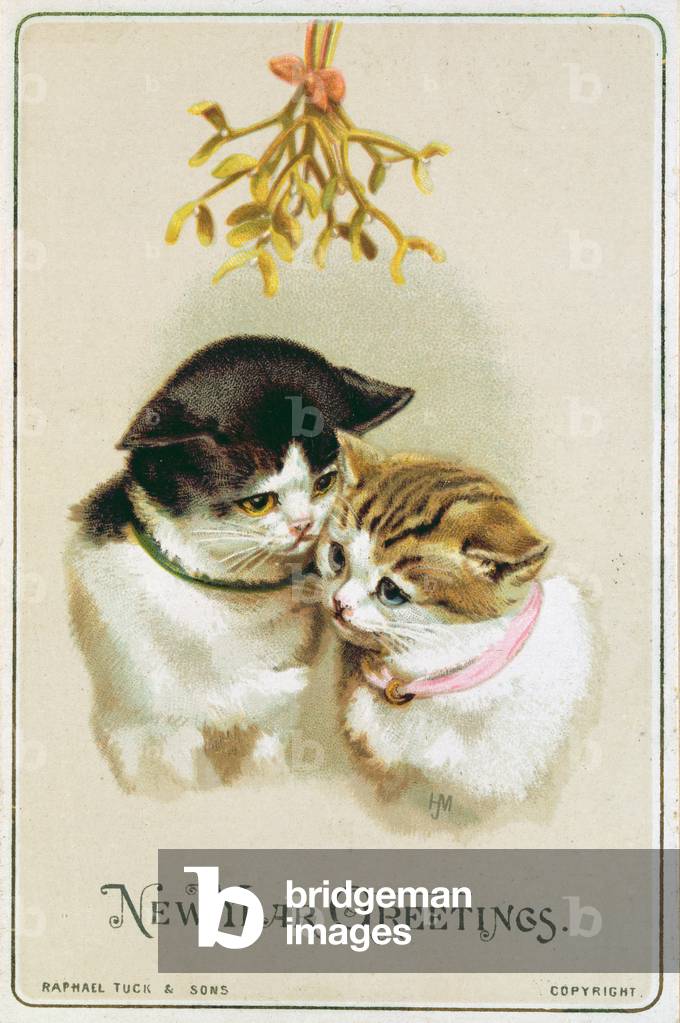
BAL15014: Kittens and Mistletoe, c.1901-10 (postcard) / Bridgeman Images

BAL1488: Hydrangeas (pastel on paper), Helleu, Paul Cesar (1859-1927) / Bridgeman Images

BAL2746: Carved bowl (jade), Chinese School, (18th century) / Bridgeman Images

BAL2918: Animated musical Christmas party, Victorian, English School, (19th century) / Bridgeman Images
