2491708 Search Results

LLM1093912: Berg Castle, Bavaria (chromolitho), German School, (19th century) (after) / Bridgeman Images

LIP1103358: The Fourcroya Longaeva, a Species of Agave, flowering in the Gardens of the Royal Botanic Society, Regent's Park (engraving), English School, (19th century) / Bridgeman Images

LIP1103370: Exhibition of the West of England Agricultural Society at Clifton (engraving), English School, (19th century) / Bridgeman Images

LIP1103409: The American Turret-Ship Miantonomah (engraving), English School, (19th century) / Bridgeman Images

LIP1103612: Inlet of the Aberdeen New Waterworks, Deeside (engraving), English School, (19th century) / Bridgeman Images

LIP1103635: Mr John Winter Jones, FSA, Principal Librarian of the British Museum (engraving), English School, (19th century) / Bridgeman Images

LIP1103648: The Musical Festival at Norwich, Procession of the Royal Party through the Market-Place (engraving), English School, (19th century) / Bridgeman Images

LIP1053229: Necropolis of Abydos, Middle Egypt (engraving), English School, (19th century) / Bridgeman Images

LIP1103679: The Visit of King Victor Emmanuel to Venice, Decorated Bridge over the Grand Canal (engraving), English School, (19th century) / Bridgeman Images

LIP1103702: The Great Reform Demonstration on Monday Last, the Procession in Piccadilly passing the Green Park (engraving), English School, (19th century) / Bridgeman Images

LIP1053496: Medal awarded to the Troops engaged in the Ashantee War (engraving), English School, (19th century) / Bridgeman Images
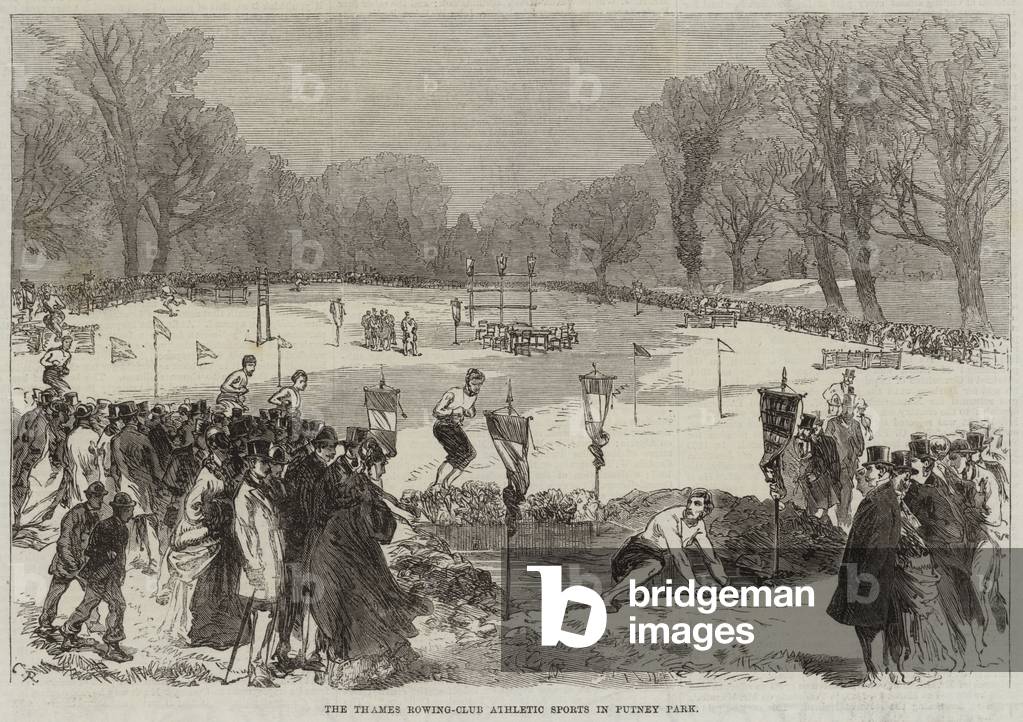
LIP1103890: The Thames Rowing-Club Athletic Sports in Putney Park (engraving), English School, (19th century) / Bridgeman Images

LIP1053541: The Civil War in Spain, Alphonsist Troops at Dinner in the Camp on Mount Esquinza (engraving), English School, (19th century) / Bridgeman Images
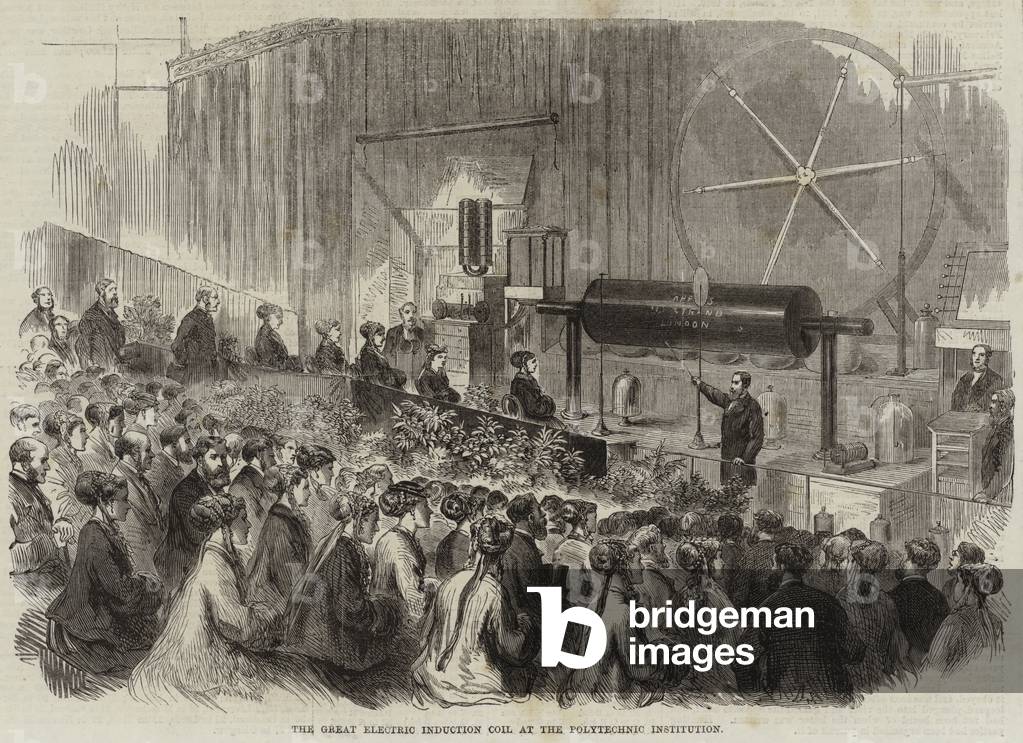
LIP1103932: The Great Electric Induction Coil at the Polytechnic Institution (engraving), English School, (19th century) / Bridgeman Images

LIP1053548: Among the Brigands, III, the Victim under Cross-Examination (engraving), English School, (19th century) / Bridgeman Images

LIP1103942: The Royal Caverns at Jerusalem (engraving), English School, (19th century) / Bridgeman Images

LIP1053581: A Bazaar in Burmah (engraving), English School, (19th century) / Bridgeman Images

LIP1103964: The Volunteer Review at Portsmouth, attack on Southsea Castle (engraving), English School, (19th century) / Bridgeman Images

LIP1053606: Capturing Wild Elephants in South Eastern Mysore, India (engraving), Corbould, Alfred Chantrey (1852-1920) / Bridgeman Images

LIP1103981: Prince Arthur in Ireland, Belfast, from Newtownbreda (engraving), English School, (19th century) / Bridgeman Images

LIP1053610: The Bath and West of England Agricultural Society's Show at Croydon (engraving), English School, (19th century) / Bridgeman Images

LIP1103994: The Rich Widow (engraving), Wynfield, David Wilkie (1837-87) / Bridgeman Images

LIP1053629: The British Rough (engraving), English School, (19th century) / Bridgeman Images

LIP1104003: The Durbar at Umballah, Meeting of the Governor-General of India and the Ameer of Cabul (engraving), English School, (19th century) / Bridgeman Images

LIP1053651: School Revisited (engraving), Leslie, George Dunlop (1835-1921) / Bridgeman Images
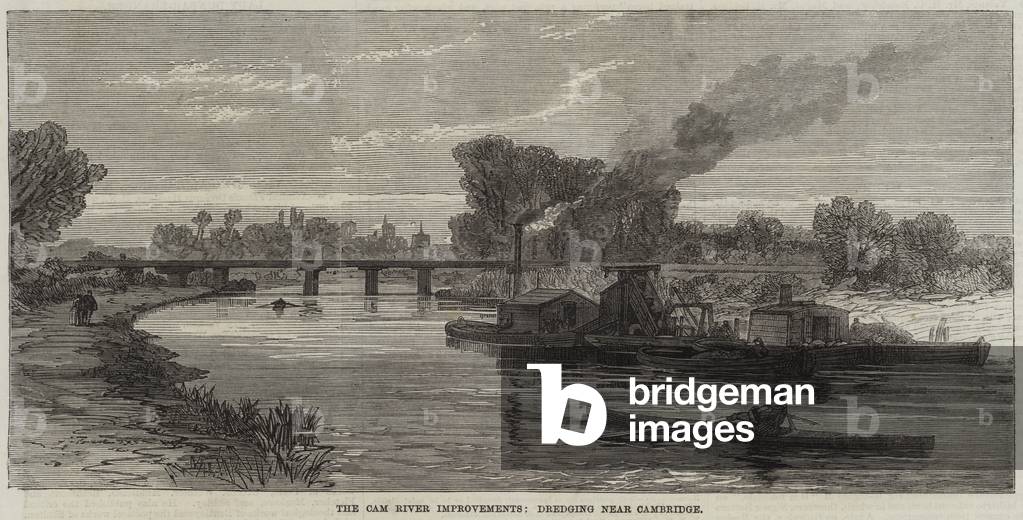
LIP1104010: The Cam River Improvements, dredging near Cambridge (engraving), English School, (19th century) / Bridgeman Images

LIP1053674: The Shipton Railway Accident, Scene of the Catastrophe (engraving), Nash, Joseph (d.1922) / Bridgeman Images

LIP1053688: Notes in an Early Newspaper Train (engraving), English School, (19th century) / Bridgeman Images

LIP1053692: Some of Prince of Wales's Indian Presents (engraving), English School, (19th century) / Bridgeman Images

LIP1053715: The American Centennial Exhibition (engraving), Corbould, Alfred Chantrey (1852-1920) / Bridgeman Images

LIP1053743: The Royal Visit to the Crystal Palace, performing Elephant in the American Hippodrome (engraving), English School, (19th century) / Bridgeman Images

LIP1053757: The Restoration of Chester Cathedral (engraving), Brewer, Henry William (fl.1858-d.1903) / Bridgeman Images

LIP1053780: Alpine Climbing (engraving), English School, (19th century) / Bridgeman Images

LIP1053793: The War in the East, the Wounded at the Hospital, Alexinatz, after one of the Battles in the Morava Valley (engraving), English School, (19th century) / Bridgeman Images
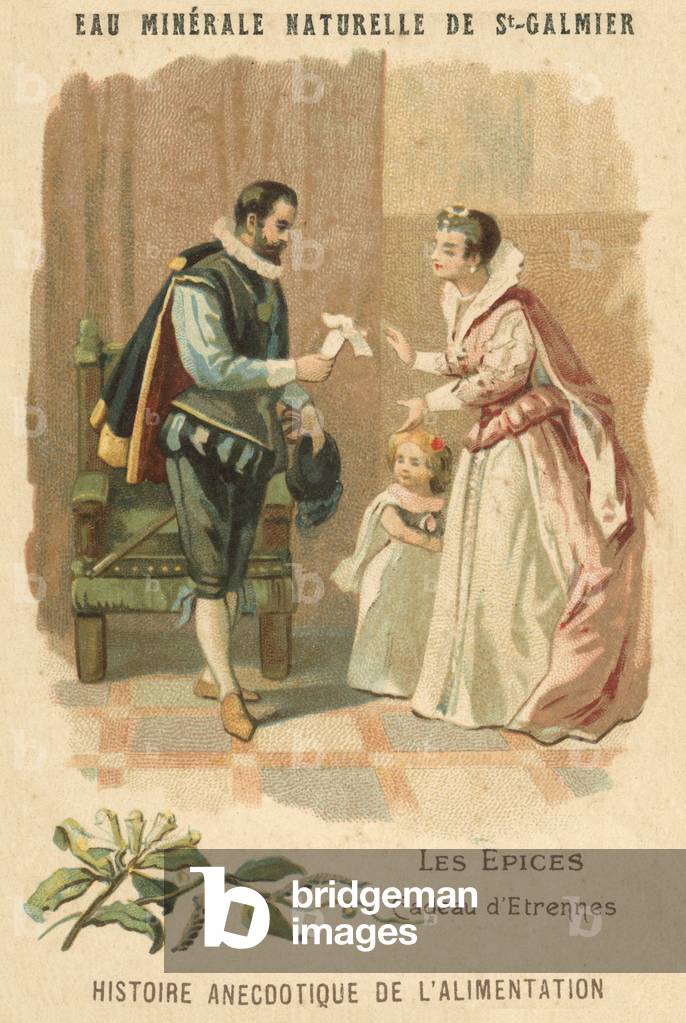
LLM1094357: A gift of spices (chromolitho), French School, (19th century) / Bridgeman Images
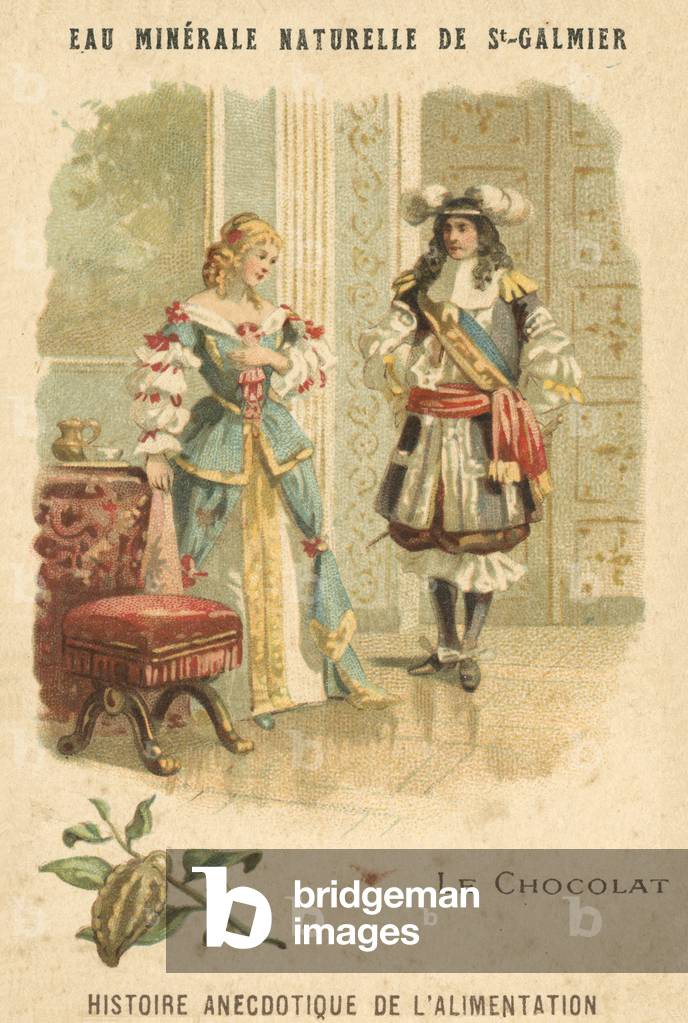
LLM1094372: Chocolate (chromolitho), French School, (19th century) / Bridgeman Images
