2491632 Search Results

LIP1052577: German Caricatures (engraving), English School, (19th century) / Bridgeman Images

LIP1052589: The Brickyards of England, paying the Children at the Inn (engraving), English School, (19th century) / Bridgeman Images

LIP1052611: Sketches at the International Exhibition (engraving), English School, (19th century) / Bridgeman Images

LIP1052619: Visiting Day at St Thomas's Hospital, Surrey Gardens (engraving), Brewtnall, Edward Frederick (1846-1902) (after) / Bridgeman Images

LIP1052631: The New Reredos, Alar, and Ancient Gold Plate in St George's Chapel, Windsor (engraving), English School, (19th century) / Bridgeman Images

LIP1052636: Opening of the Royal Albert Hall of Arts and Sciences by Her Majesty, 29 March 1871 (engraving), English School, (19th century) / Bridgeman Images

LIP1052654: Mr Stanley's Return to America, his Reception at the Lotos Club, New York (engraving), English School, (19th century) / Bridgeman Images

LIP1052663: London Sketches, the Houses of Parliament (engraving), Foster, Myles Birket (1825-99) (after) / Bridgeman Images

LIP1052684: The Last Levee (engraving), Hall, Sydney Prior (1842-1922) (after) / Bridgeman Images

LIP1052696: The Lady Mayoress's Juvenile Ball at the Mansion House (engraving), Woods, Henry (1846-1921) / Bridgeman Images

LIP1052721: The New Corps of Royal Navy Artillery Volunteers, Inspection by Rear-Admiral Tarleton, CB, On Board HMS "President" (engraving), English School, (19th century) / Bridgeman Images

LIP1052762: Sketches in Palestine (engraving), English School, (19th century) / Bridgeman Images

LIP1052778: The Lord Mayor's Banquet at the Mansion House to the Mayors of Provincial Boroughs (engraving), Durand, Godefroy (1832-96) / Bridgeman Images

LIP1052795: Returning Home from Ploughing (engraving), Veyrassat, Jules (1828-93) / Bridgeman Images

LIP1052816: Sir W J Alexander, Baronet, QC (engraving), English School, (19th century) / Bridgeman Images

LIP1052821: The Trial Trip of the HMS Devastation (engraving), English School, (19th century) / Bridgeman Images

LIP1052828: Charles Allston Collins (engraving), English School, (19th century) / Bridgeman Images

LIP1052842: William Charles Macready (engraving), English School, (19th century) / Bridgeman Images

LIP1052856: Thomas Dundas, Earl of Zetland (engraving), English School, (19th century) / Bridgeman Images

LIP1052869: Civil Service Athletic Sports at Lillie Bridge (engraving), English School, (19th century) / Bridgeman Images

LIP1102813: Memorial Church at Hanworth, Lincolnshire (engraving), English School, (19th century) / Bridgeman Images

LIP1102823: The South-Western Railway Company's New Royal Mail-Packet Normandy (engraving), Weedon, Edwin (1819-79) / Bridgeman Images

LIP1102846: Earl de Grey and Ripon at Hull, Inauguration of the Statue of Her Majesty in the People's Park (engraving), English School, (19th century) / Bridgeman Images

LIP1102849: Catastrophe at a Village on the Left Bank of the Lake of Como (engraving), English School, (19th century) / Bridgeman Images

LIP1102897: Challenge Cup presented to the 21st Middlesex (Civil Service) Rifle Volunteers by the Prince of Wales, Honorary Colonel of the Regiment (engraving), English School, (19th century) / Bridgeman Images

LIP1102906: The Installation of Sir Charles Darling as Governor of Victoria, in front of the Treasury Buildings, Melbourne (engraving), English School, (19th century) / Bridgeman Images

LIP1102912: Paris Fashions for December (engraving), English School, (19th century) / Bridgeman Images

LIP1102941: Statue of the Late Captain Sir W Peel, RN, KCB, by W Theed (engraving), English School, (19th century) / Bridgeman Images

LIP1102954: Literary Illustrations (engraving), Watson, James Dawson (1832-92) / Bridgeman Images
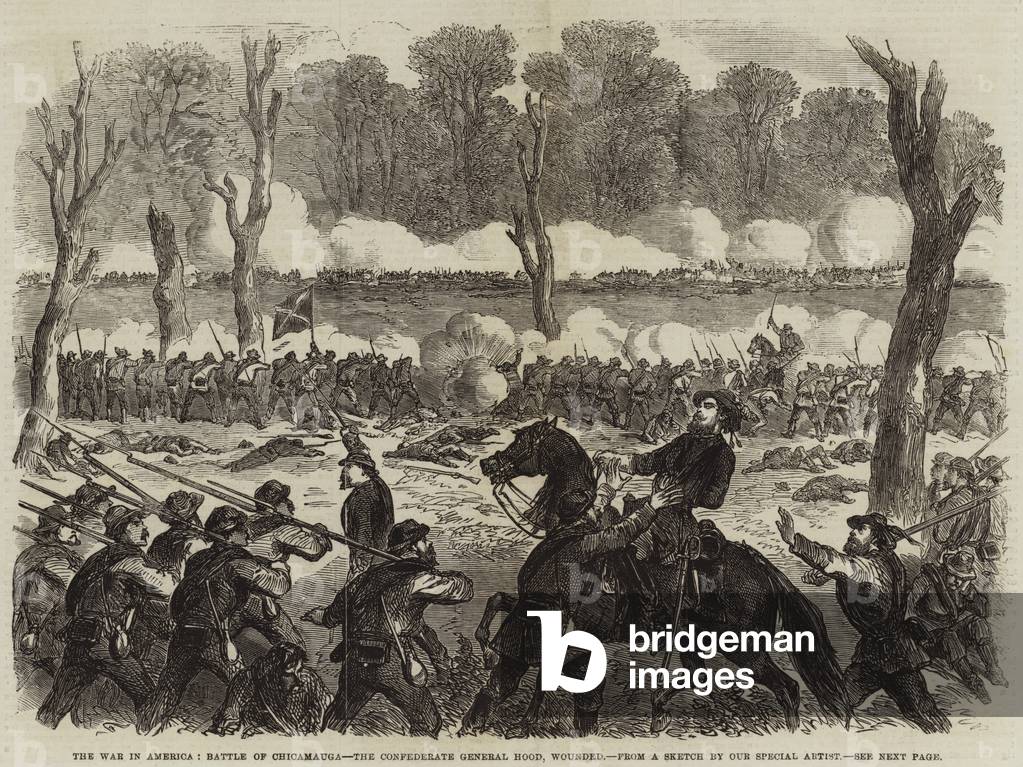
LIP1102984: The War in America, Battle of Chicamauga, the Confederate General Hood, Wounded (engraving), English School, (19th century) / Bridgeman Images

LIP1102993: Views in New Zealand, the Great South Road, near Shepherd's Bush, the Scene of the Attack upon the Escort on 17 July (engraving), English School, (19th century) / Bridgeman Images

LIP1103019: The War in America, the Federal Steamer Chesapeake, seized by Confederates, landing Crew and Passengers off Musquash Harbour, Bay of Fundy (engraving), Weedon, Edwin (1819-79) / Bridgeman Images

LIP1103052: The Dannewerk, Kur-Graben, and East Rampart (engraving), English School, (19th century) / Bridgeman Images
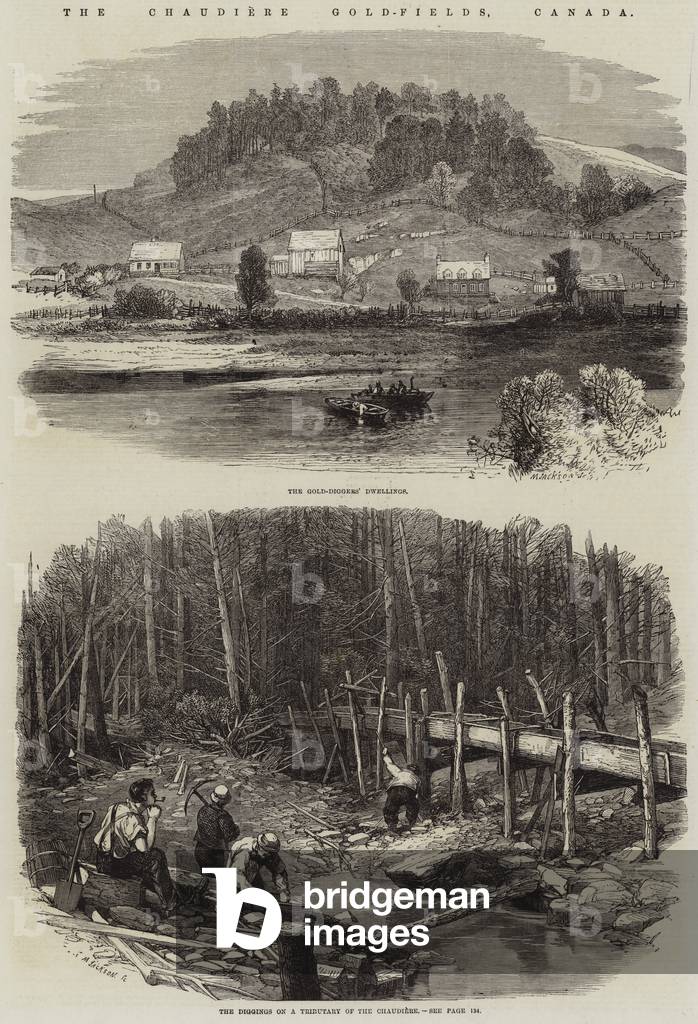
LIP1103078: The Chaudiere Gold-Fields, Canada (engraving), English School, (19th century) / Bridgeman Images
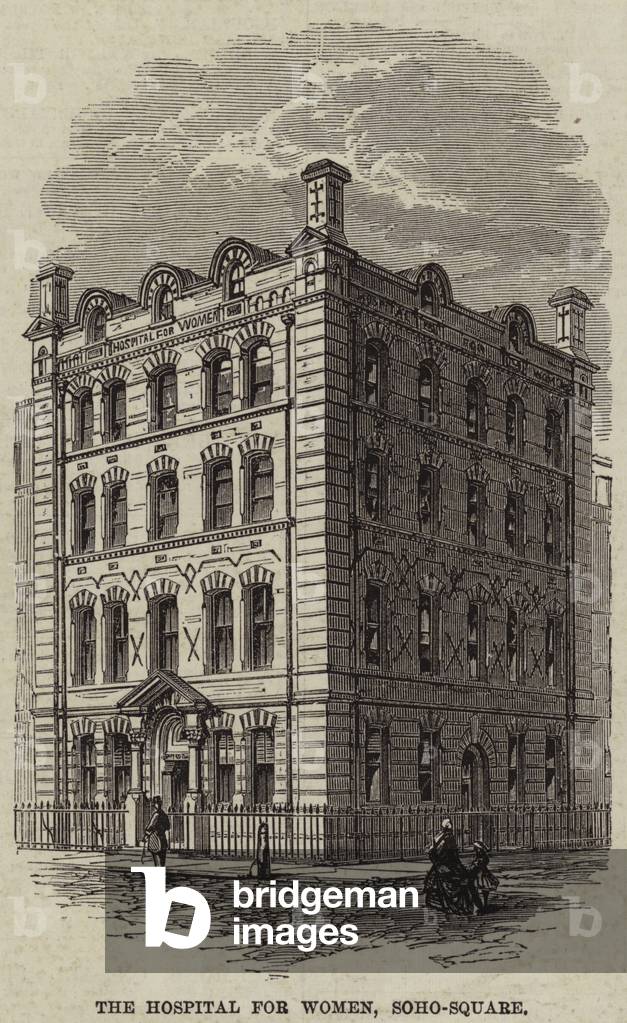
LIP1103095: The Hospital for Women, Soho-Square (engraving), English School, (19th century) / Bridgeman Images
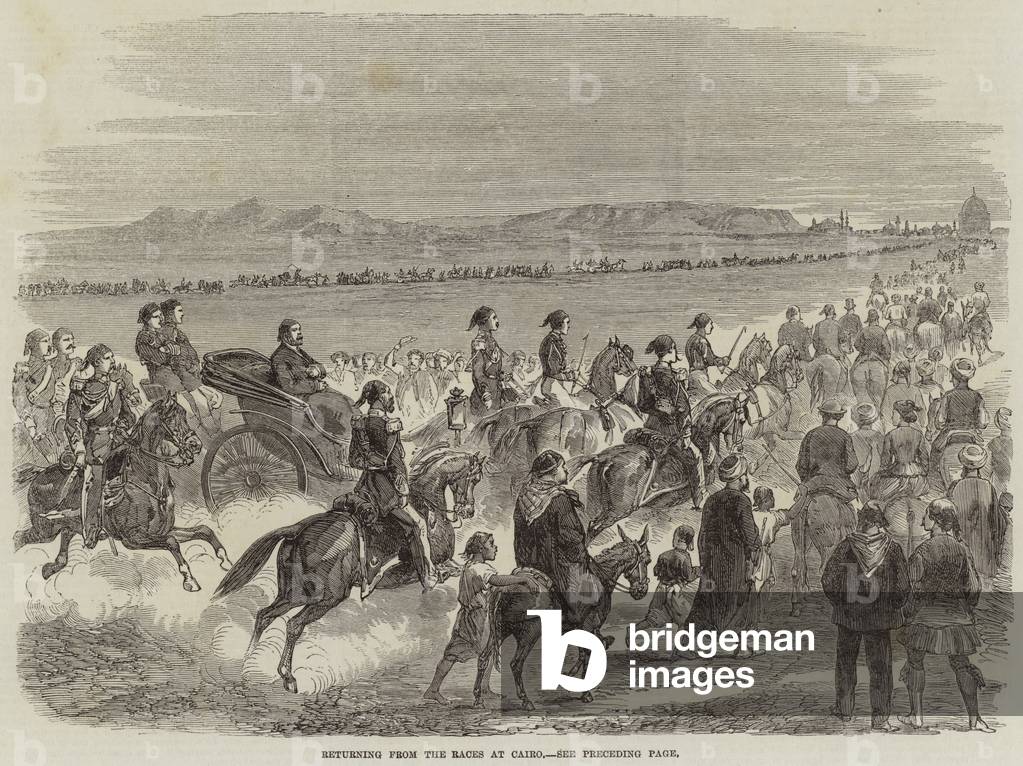
LIP1103105: Returning from the Races at Cairo (engraving), English School, (19th century) / Bridgeman Images
