2491100 Search Results

PLS7108954: Guardian of Siva Lingam,Elephanta Caves, India, 1971 (photo) / Bridgeman Images

PLS7108995: Krishna at Hindu Festival Holi sprinkling coloured powder, Miniature Painting, India, 1971 / Bridgeman Images

PLS7109002: Shore temple, Mahabalipuram, Madras, India, 1971 (photo) / Bridgeman Images

PLS7109010: Shore temple, Mahabalipuram, Madras, India, 1971 (photo) / Bridgeman Images

PLS7109013: Ten Gurus of the Sikhs, India (miniature) / Bridgeman Images

PLS7109022: Arjuna's Penance, Descent of the Ganges, Rock sculpture, stone carving, Mahabalipuram, India, 1971 (photo) / Bridgeman Images

PLS7109026: Arjuna's Penance, Descent of the Ganges, Rock sculpture, stone carving, Mahabalipuram, India, 1971 (photo) / Bridgeman Images

PLS7109043: The Golden Temple of the Sikhs, Amritsar, India, 1971 (photo) / Bridgeman Images

PLS7109046: Ratha, Siva, Ardhanarisvara, Rock sculpture, Mahabalipuram, India, 1971 (photo) / Bridgeman Images

PLS7109072: Street scene, bread seller, Aghanistan, 1970 (photo) / Bridgeman Images

PLS7109103: Installation of new Swami, procession led by temple elephant, at Udupi, India, 1978 (photo) / Bridgeman Images

PLS7109117: Surya the Sun God, Miniature Painting, India, 1970 / Bridgeman Images

PLS7109123: Hindu funeral procession, Rajasthan, India, 1973 (photo) / Bridgeman Images

PLS7109127: Indra in his Heaven, Miniature Painting, India, 1970 / Bridgeman Images

PLS7109141: Siva dancing on demon elephant, Stone carving, India, 1970 (photo) / Bridgeman Images

PLS7109144: Kali, Miniature Painting, India, 1970 / Bridgeman Images

PLS7109152: Hindu cremation, Mewar, Udaipur, Rajasthan, India, 1973 (photo) / Bridgeman Images

PLS7109159: Sati (Suttee), Stone carving, Bundi, Rajasthan, India, 1973 (photo) / Bridgeman Images

PLS7109174: Hindu wedding, Tamil Nadu, South India (photo) / Bridgeman Images

PLS7109223: The three strides of Vishnu, Trivikrama, Osian, India, 1970 (photo) / Bridgeman Images

PLS7109256: Pilgrims at temple waiting to have their hair cut for donation to the temple, Lord Venketesvara, Tirupati, India, 1978 (photo) / Bridgeman Images

PLS7109278: Priest of Krishna wearing saffron-coloured robes supervising the installation of pictoral representations of Hindu deities; behind the ladder is a large portrait of Siva on Nandi, at Udupi, India, 1978 (photo) / Bridgeman Images

PLS7109291: Temple Car procession, Krishna Festival, Udupi, India, 1978 (photo) / Bridgeman Images

PLS7109505: Temple of the Lord Taganath, Puri, Orissa, India, 1970 (photo) / Bridgeman Images

PLS7109517: Wheel of chariot of Surya 'The Sun God, Konarak, Orissa, India, 1970 (photo) / Bridgeman Images

PLS7109623: Mughal Emperor Babur (miniature) / Bridgeman Images

PLS7109628: Hazrat Ali Mazar Mosque, Mazar-i-Sharif, Afghanistan, 1969 (photo) / Bridgeman Images

PLS7109631: Aerial view of mountains, Afghanistan, 1969 (photo) / Bridgeman Images

PLS7109634: Hazrat Ali Mazar Mosque, Mazar-i-Sharif, Afghanistan, 1969 (photo) / Bridgeman Images

PLS7109664: Hazrat Ali Mazar Mosque, Mazar-i-Sharif, Afghanistan, 1969 (photo) / Bridgeman Images

PLS7109671: Bakhtar Afghan Airlines, YA-GAT, de Havilland Canada DHC-6 Twin Otter twin turboprop aircraft, Afghanistan, 1969 (photo) / Bridgeman Images
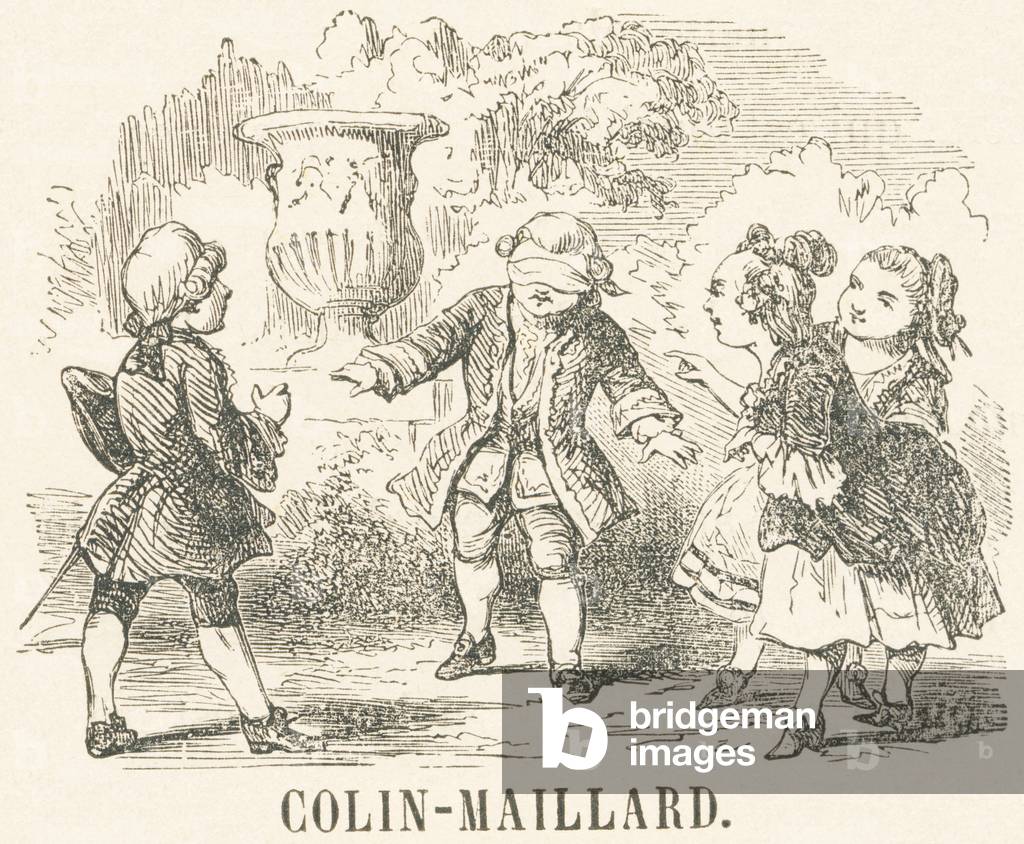
DUV6346048: C: Colin-Maillard, French School, (19th century) / Bridgeman Images
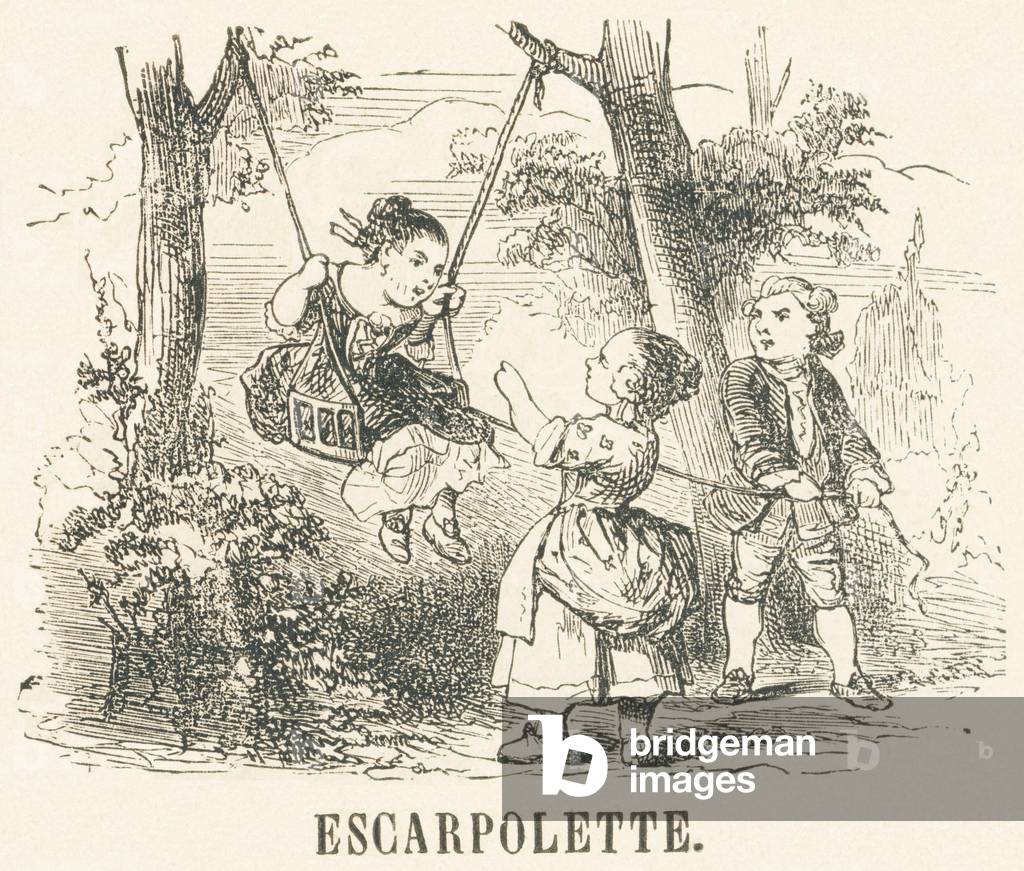
DUV6346051: E: Escarpolette, French School, (19th century) / Bridgeman Images
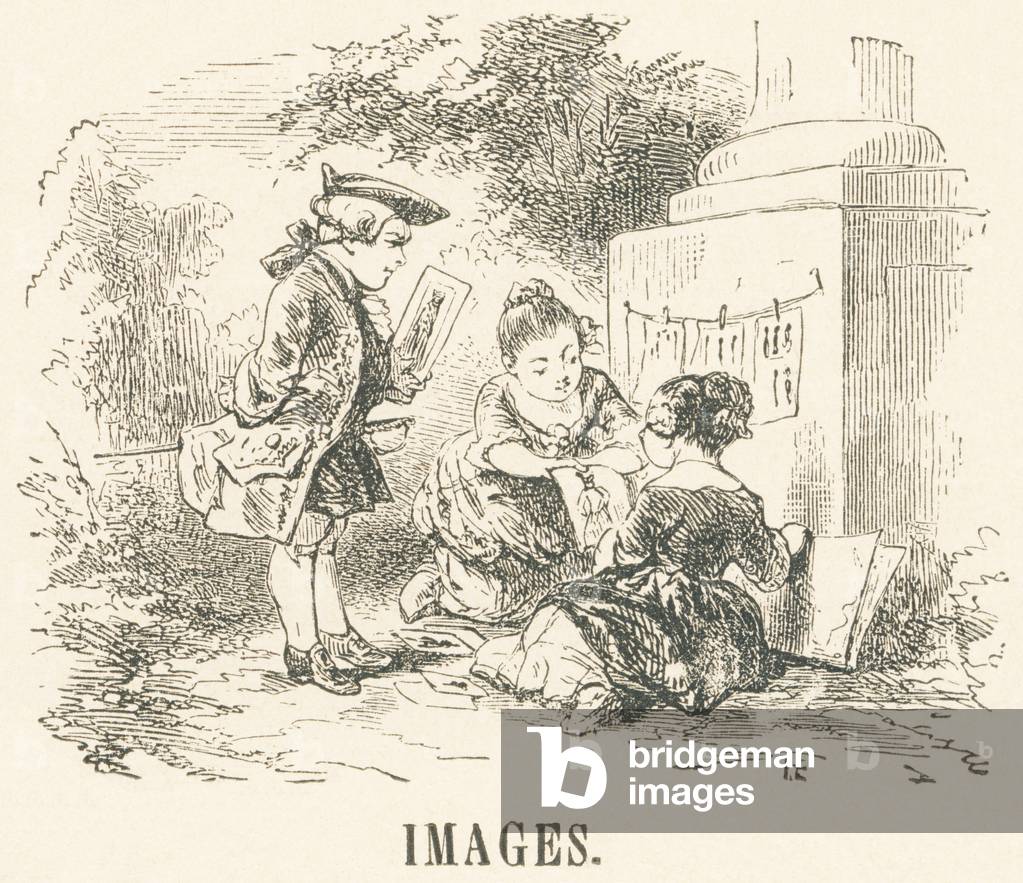
DUV6346055: I: Images, French School, (19th century) / Bridgeman Images
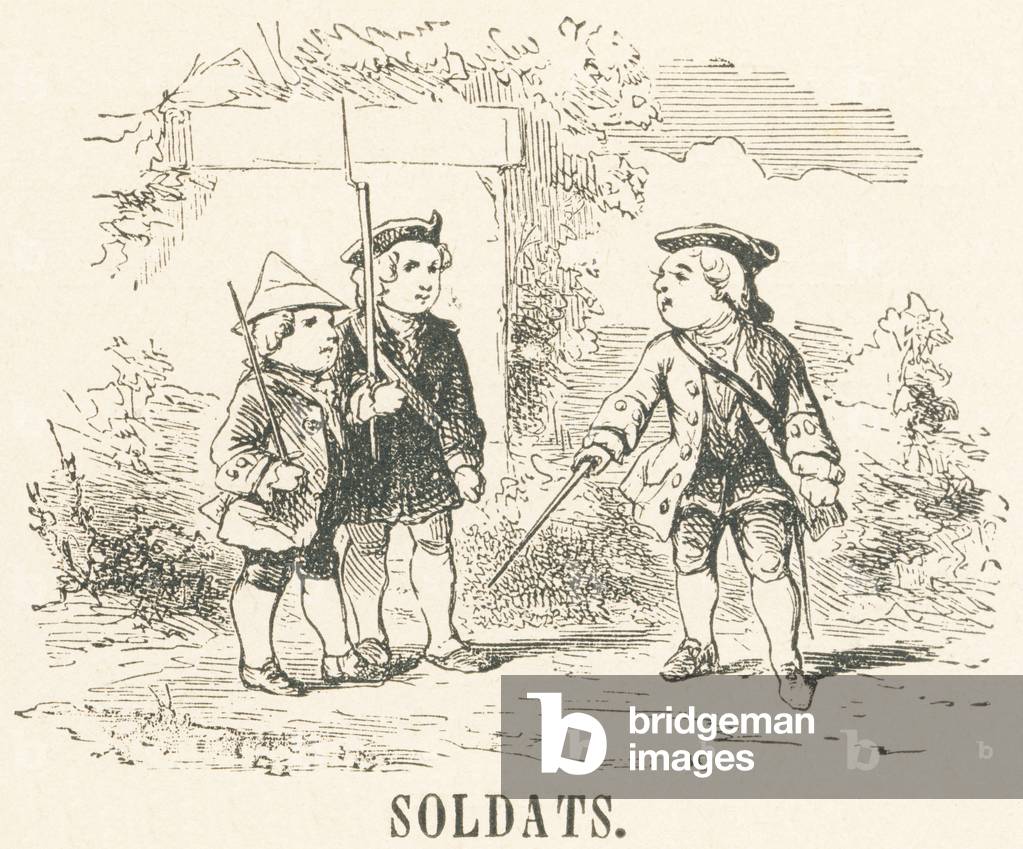
DUV6346066: S: Soldiers, French School, (19th century) / Bridgeman Images
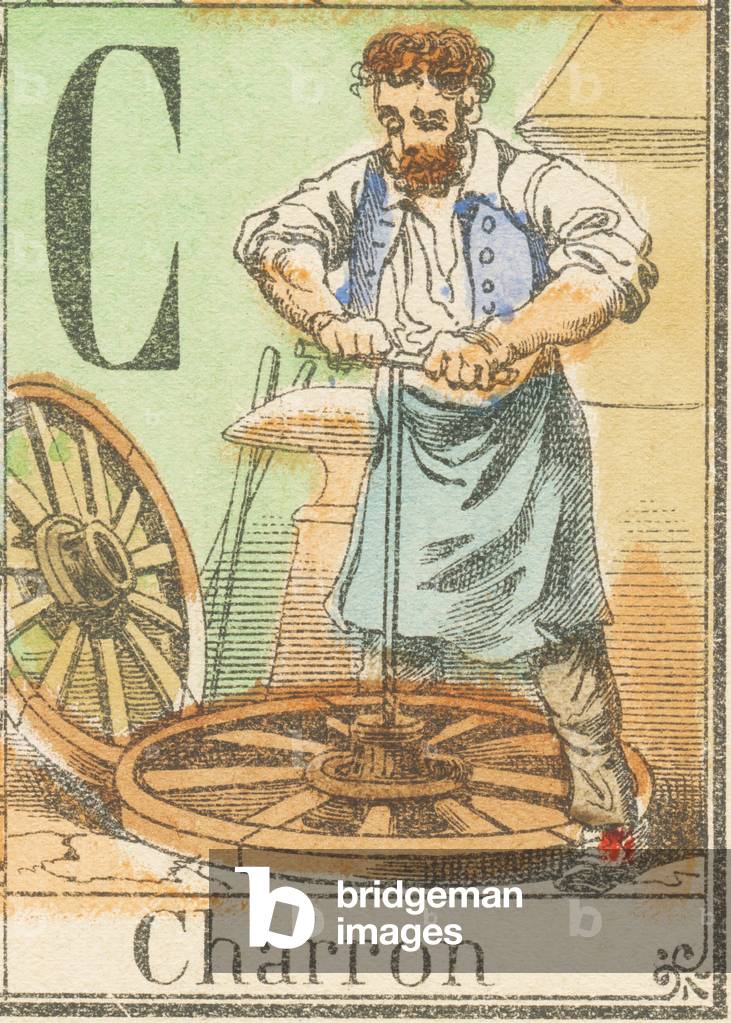
DUV6346074: C: Charron, French School, (19th century) / Bridgeman Images
