2491514 Search Results

XEE4145291: Portrait of BENJAMIN FRANKLIN American printer, publisher, scientist, inventor, statesman and diplomat (chromo), Anonymous / Bridgeman Images

XEE4148811: Portrait of Paul Valery around 1920 (photo), Unknown photographer, (20th century) / Bridgeman Images

XCL5672869: Roses in a Vase, c. 1890 (oil on canvas), Renoir, Pierre Auguste (1841-1919) / Bridgeman Images

JLJ4648046: Les yeux clos, 1890 (oil on canvas), Redon, Odilon (1840-1916) / Bridgeman Images

JLJ4646065: Portrait of a gentleman with a hand on the chest, 1577 (oil on canvas), Greco, El (Domenico Theotocopuli) (1541-1614) / Bridgeman Images

LRI4664857: The tavern (fresco), Maestro Colin (fl.15th century) / Bridgeman Images

JLJ4659140: Presentation of the plan of the Royal Hote des Invalides to Louis XIV by the Marquis de Louvois (1639-1691), 1710-1715 (oil on canvas), Dullin, Pierre (1669-1748) / Bridgeman Images

LRI4639678: Egyptian antiquite: “” Egyptian working barley to make beer”” Figurine. 5th dynasty. 2400 BC. Florence, Museo Archeologico - Egyptian antiquities: Egyptian woman filtering barley bread to make beer. Figurine. 5th dynasty. 2400 BC. National Archaeological Museum, Florence, Italy, Egyptian 5th Dynasty (c.2494-2345 BC) / Bridgeman Images

LRI4639726: Egyptian antiquitis: necklace (pectoral ornament) of Tutankhamun forming part of the Tresor of the Pharaoh. Around 1340 BC. From the tomb of All-Ankh-Amon (Tutankhamun or Tutankhamun), Valley of the Kings. 18th dynasty. Cairo. Egyptian Museum - Egyptian Antiquities: necklace (pectoral ornament) of Tutankhamun from the Treasury of the Pharaoh. Circa 1340 BC. Found in the tomb of Tutankhamun (Tutankhamon), Valley of the Kings, Thebes.18th dynasty. Egyptian Museum, Cairo, Egypt, Egyptian 18th Dynasty (c.1567-1320 BC) / Bridgeman Images

LRI4637502: Unique shapes in the continuity of space, 1913 (bronze), Boccioni, Umberto (1882-1916) / Bridgeman Images

LRI4594864: The deceased. Tomb of Laurent II of Medicis. Marble sculpture 1531, Buonarroti, Michelangelo (1475-1564) / Bridgeman Images

LRI4591665: Head and neck of a woman, white marble figure with ochre inlays, 3200-2000 BC, Cycladic / Bridgeman Images

LRI4592432: The Education of Achilles by the centaur Chiron. (fresco), Roman, (1st century AD) / Bridgeman Images

JLJ4563448: Portrait of Lady Worsley, 1776 (oil on canvas), Reynolds, Joshua (1723-92) / Bridgeman Images

JLJ4585168: The Shadow of the Boat, 1903 (oil on canvas), Sorolla y Bastida, Joaquin (1863-1923) / Bridgeman Images

CH989769: Looking out to Sea, 19th century (oil on canvas), Breton, Jules (1827-1906) / Bridgeman Images

CH987318: Idleness, 1900 (oil on canvas), Godward, John William (1861-1922) / Bridgeman Images

CH989978: Contentment, 1900 (oil on panel), Ronner-Knip, Henriette (1821-1909) / Bridgeman Images

XIR905973: Flowers, 1871 (oil on wood), Courbet, Gustave (1819-77) / Bridgeman Images

XEE4154976: Belphegor, illustration from the 'Infernal Dictionary' by Jacques Albin Simon Collin de Plancy, 1863 (engraving), Unknown Artist, (19th century) / Bridgeman Images

XEE4180950: The Oaths of Strasbourg between Louis the German, ruler of East France, and his half-brother Charles the Bald, ruler of West Francia, 1891 (engraving), French School, (19th century) / Bridgeman Images
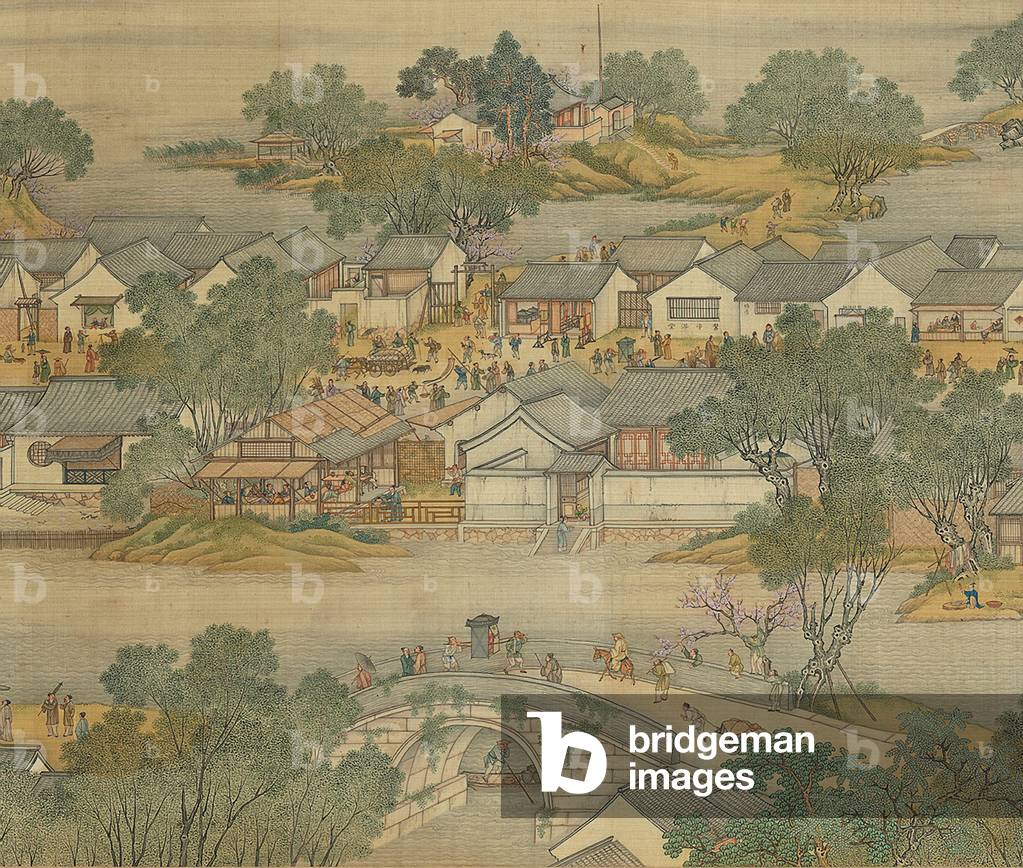
XOS3928698: Along the River During the Qingming Festival, Qing Court Version, hand scroll, 1736 (ink and color on silk), Chinese School, Qing dynasty (18th century) / Bridgeman Images

CH989099: Sitting Odalisque, 1929 (oil on canvas), Matisse, Henri (1869-1954) / Bridgeman Images

CH988927: Grille, 1953 (brush, black ink, gouache, black crayon, pencil and collage on t), Matisse, Henri (1869-1954) / Bridgeman Images

CH987340: Sunset over the Plain of Barbizon, (oil on panel), Rowlandson, Thomas (1756-1827) / Bridgeman Images

CH988639: Mount Kolsaas, Sunlight Effect, 1895 (oil on canvas), Monet, Claude (1840-1926) / Bridgeman Images
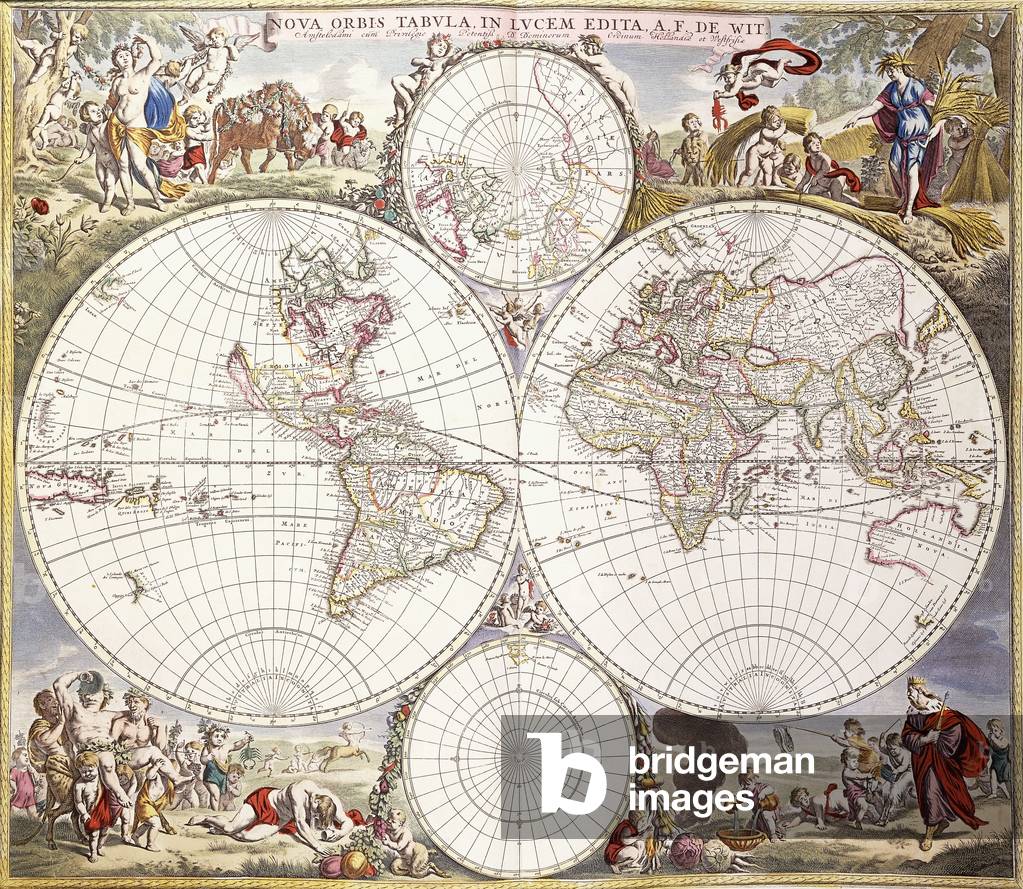
CH986455: World map from Atlas Maior, c.1705 (hand-coloured engraving), Wit, Frederick de (1630-1706) / Bridgeman Images

LSE4104928: Blum, Delbos, Daladier, Thorez and Salengro greeting the crowd - in "Vu" from 15/07/1936, Unknown Artist, (20th century) / Bridgeman Images

XEE4162075: Gargantua on the towers of Notre-Dame at Paris (engraving), Dore, Gustave (1832-83) / Bridgeman Images

LSE4105946: Portrait of Thomas Mann (1875-1955), German poet. Postcard circa 1919., Unknown photographer, (20th century) / Bridgeman Images

XEE4165153: Samuel Hahnemann, father of homeopathy (chromo), Unknown Artist, (20th century) / Bridgeman Images

JEB4832918: Portrait of Jules Barbey d'Aurevilly (Barbey-d'Aurevilly), novelist, journalist 1808-1889 (photo), Nadar, (Gaspard Felix Tournachon) (1820-1910) / Bridgeman Images

GIA4807447: Ned Land, Professor Aronnax and his servant Conseil look at the Giant Octopus through the porthole of the submarine Nautilus Engraving of the book of Jules Verne “Twenty thousand leagues under the seas” (Twenty-thousand - 20,000 - 20000), 1870., Unknown Artist, (19th century) / Bridgeman Images

LUX4726374: France: Latecoere Late 28 landing, general aeropostale company, 1930 / Bridgeman Images

GIA4779261: Portrait of the pirate Jack Rackham says the Red or John Rackham, better known as Calico Jack (? 1720). Engraving., Anonymous / Bridgeman Images
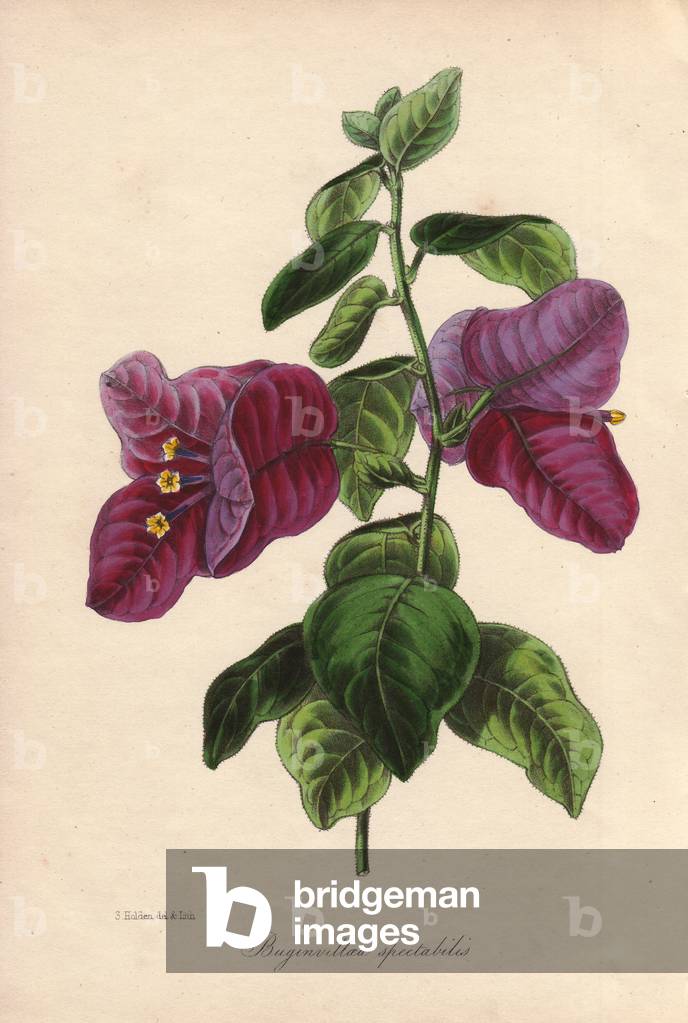
FLO4686833: Buginvillaea spectabilis (La bougainvillee or bougainvillee). Hand-coloured lithograph drawn by Samuel Holden for Sir Joseph Paxton in “” Magazine of Botany,” London, W.S. Orr, 1838. Paxton (1803-1865), English gardener and architect known for drawing the Crystal Palace. The name of the flower, discovered by botanist Philibert Commerson in Brazil, was given in memory to the French explorer who accompanied him during the Louis Antoine de Bougainville expedition. / Bridgeman Images
