Print Friendly Version Page

2497532 Search Results

Tuberous moschatel, Adoxa moschatellina. Handcoloured copperplate engraving after an illustration by Richard Duppa from his The Clours and Orders of the Linnaean System of Botany, Longman, Hurst, London, 1816.

FLO4617111: Tuberous moschatel, Adoxa moschatellina. Handcoloured copperplate engraving after an illustration by Richard Duppa from his The Clours and Orders of the Linnaean System of Botany, Longman, Hurst, London, 1816. / Bridgeman Images
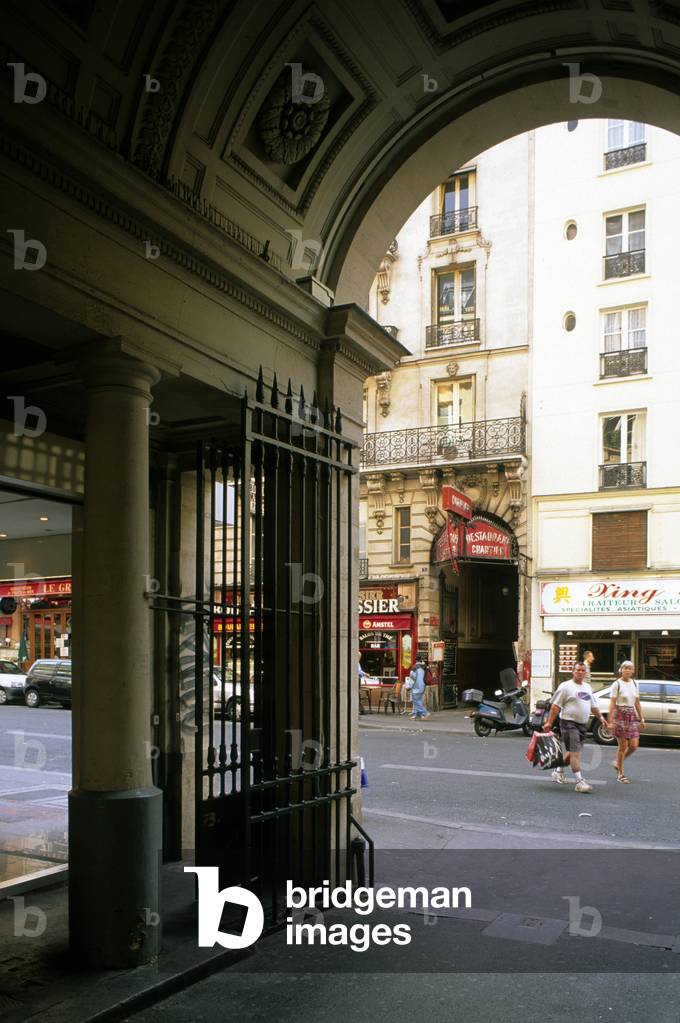
Cite Bergere to Paris 9th.

TEC4617243: Cite Bergere to Paris 9th. / Bridgeman Images

Mercury by Mariner 10 - Mercury by Mariner 10 - South Hemisphere - Mosaic of images obtained by the Mariner 10 probe, during its 2nd flight in September 1974

PIX4617132: Mercury by Mariner 10 - Mercury by Mariner 10 - South Hemisphere - Mosaic of images obtained by the Mariner 10 probe, during its 2nd flight in September 1974 / Bridgeman Images
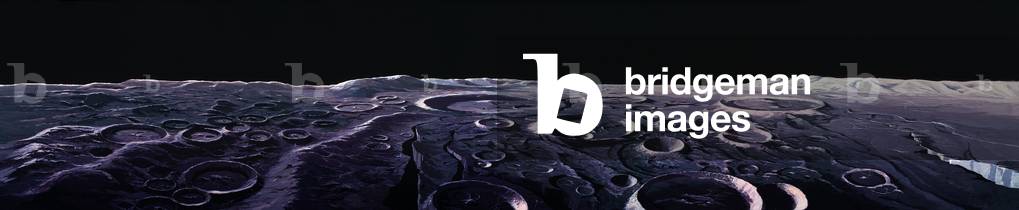
Surface de Mercure - Artist's View - Surface de Mercure - Artist's View

PIX4617386: Surface de Mercure - Artist's View - Surface de Mercure - Artist's View / Bridgeman Images
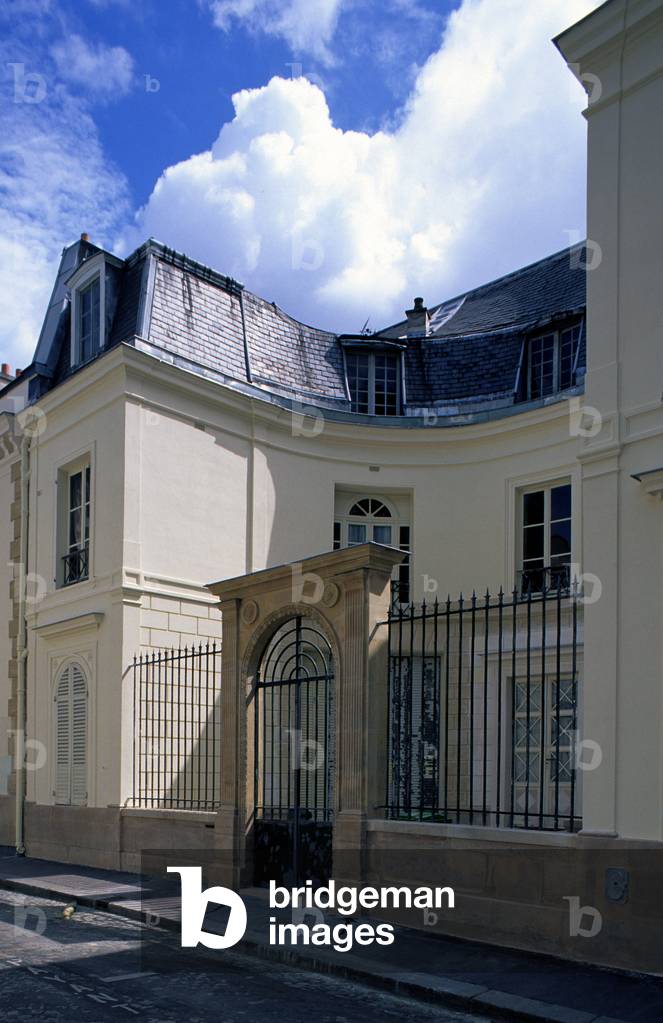
Rue de la Tour des Dames in Paris 9th.

TEC4617415: Rue de la Tour des Dames in Paris 9th. / Bridgeman Images

Rue de la tower des dames in Paris 9e.

TEC4617431: Rue de la tower des dames in Paris 9e. / Bridgeman Images

Woody nightshade, Solanum dulcamara. Handcoloured copperplate engraving after an illustration by Richard Duppa from his The Clours and Orders of the Linnaean System of Botany, Longman, Hurst, London, 1816.

FLO4617270: Woody nightshade, Solanum dulcamara. Handcoloured copperplate engraving after an illustration by Richard Duppa from his The Clours and Orders of the Linnaean System of Botany, Longman, Hurst, London, 1816. / Bridgeman Images
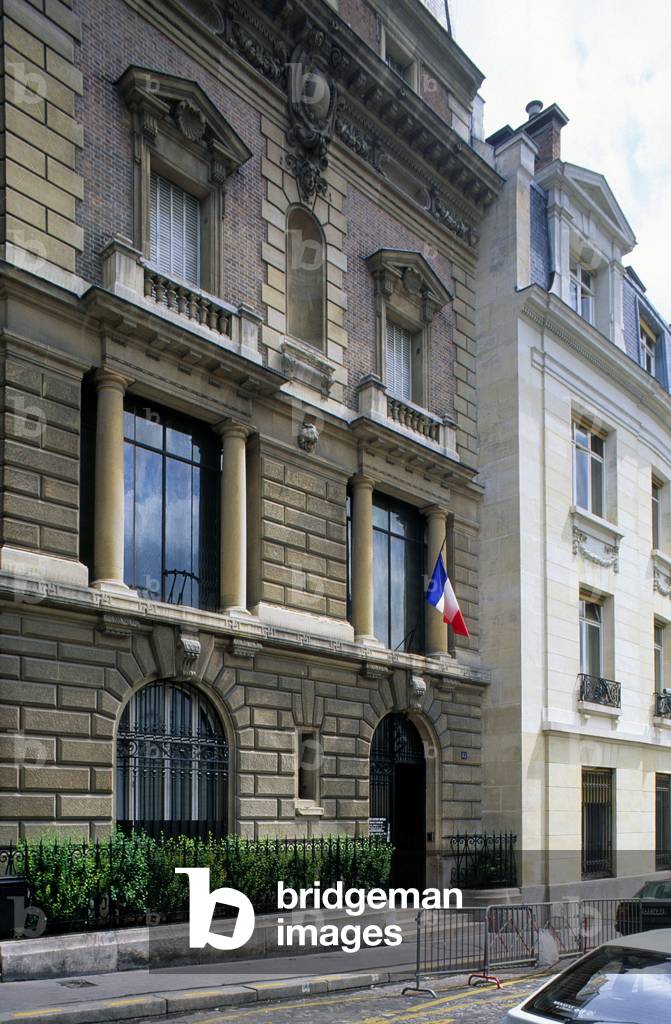
Musee Gustave Moreau, Paris 9th.

TEC4617452: Musee Gustave Moreau, Paris 9th. / Bridgeman Images
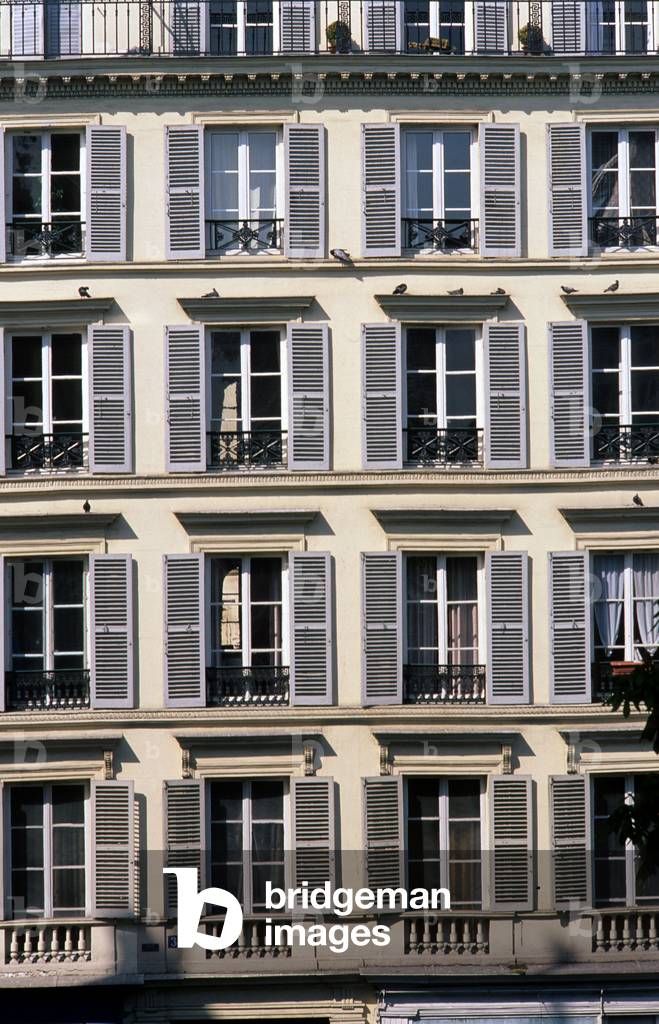
Building, Place Toutwelve in Paris 9th.

TEC4617278: Building, Place Toutwelve in Paris 9th. / Bridgeman Images
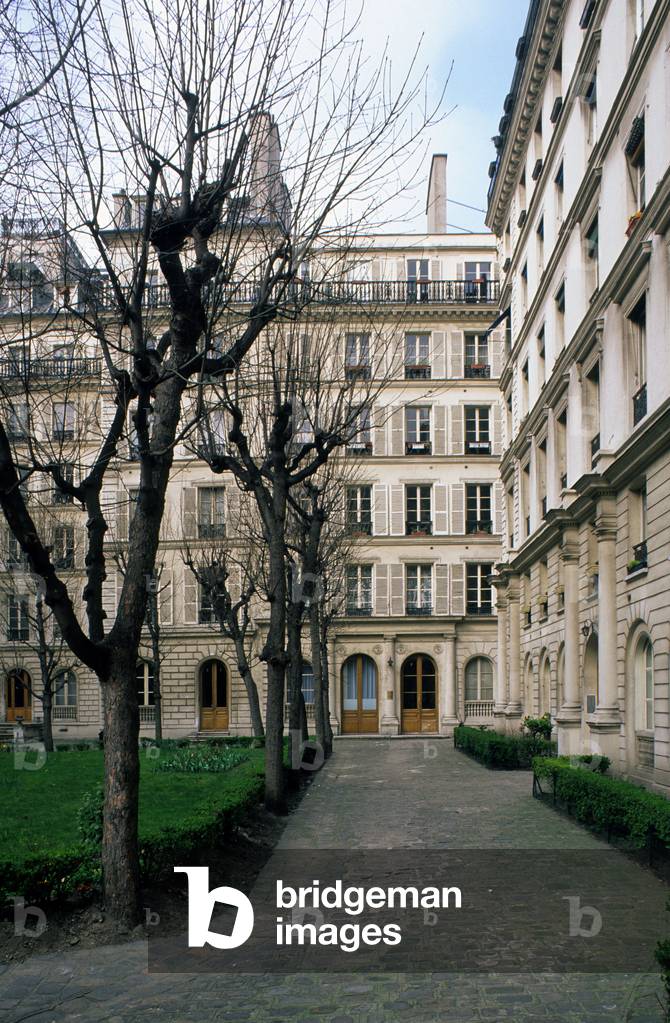
Courtyard in the rue des Martyrs in Paris 9th.

TEC4617283: Courtyard in the rue des Martyrs in Paris 9th. / Bridgeman Images

Wayfaring tree, Viburnum lantana. Handcoloured copperplate engraving after an illustration by Richard Duppa from his The Clours and Orders of the Linnaean System of Botany, Longman, Hurst, London, 1816.

FLO4617314: Wayfaring tree, Viburnum lantana. Handcoloured copperplate engraving after an illustration by Richard Duppa from his The Clours and Orders of the Linnaean System of Botany, Longman, Hurst, London, 1816. / Bridgeman Images

Dwarf elder, Sambucus ebulus. Handcoloured copperplate engraving after an illustration by Richard Duppa from his The Clours and Orders of the Linnaean System of Botany, Longman, Hurst, London, 1816.

FLO4617317: Dwarf elder, Sambucus ebulus. Handcoloured copperplate engraving after an illustration by Richard Duppa from his The Clours and Orders of the Linnaean System of Botany, Longman, Hurst, London, 1816. / Bridgeman Images

Grassy of parnassus, Parnassia palustris. Handcoloured copperplate engraving after an illustration by Richard Duppa from his The Clours and Orders of the Linnaean System of Botany, Longman, Hurst, London, 1816.

FLO4617330: Grassy of parnassus, Parnassia palustris. Handcoloured copperplate engraving after an illustration by Richard Duppa from his The Clours and Orders of the Linnaean System of Botany, Longman, Hurst, London, 1816. / Bridgeman Images
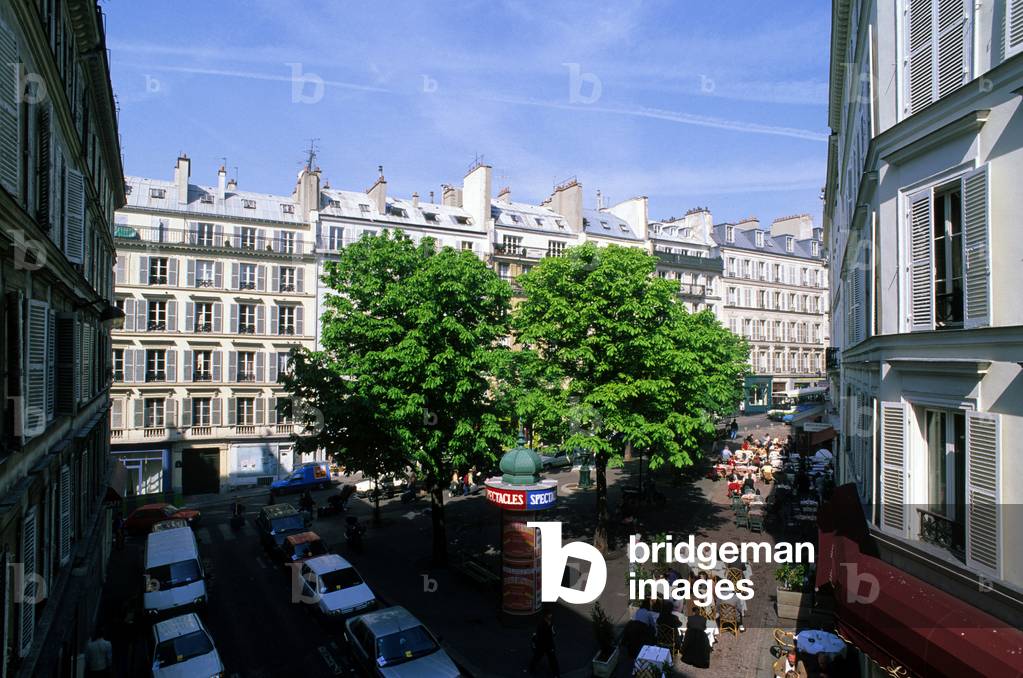
Place de Toutwelve in Paris 9th.

TEC4617338: Place de Toutwelve in Paris 9th. / Bridgeman Images

Thrift, Armeria maritima (Statice armeria). Handcoloured copperplate engraving after an illustration by Richard Duppa from his The Clours and Orders of the Linnaean System of Botany, Longman, Hurst, London, 1816.

FLO4617341: Thrift, Armeria maritima (Statice armeria). Handcoloured copperplate engraving after an illustration by Richard Duppa from his The Clours and Orders of the Linnaean System of Botany, Longman, Hurst, London, 1816. / Bridgeman Images

Rue de la Tour des Dames, New Athenes, Paris 9th.

TEC4617348: Rue de la Tour des Dames, New Athenes, Paris 9th. / Bridgeman Images

Art-O-Matic Cudacutie - Serigraphy, 1972

LRI4617360: Art-O-Matic Cudacutie - Serigraphy, 1972, Phillips, Peter (b.1939) / Bridgeman Images
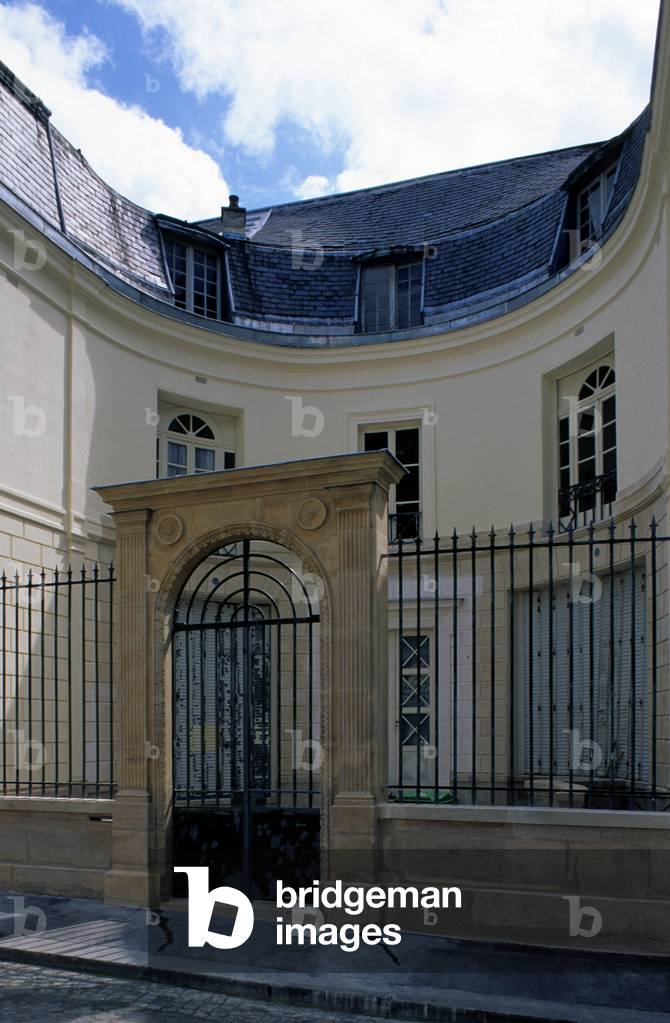
Rue de la Rochefoucauld in Paris 9th.

TEC4617374: Rue de la Rochefoucauld in Paris 9th. / Bridgeman Images

Great water plantain, Alisma plantago-aquatica (Alisma plantago). Handcoloured copperplate engraving after an illustration by Richard Duppa from his The Clases and Orders of the Linnaean System of Botany, Longman, Hurst, London, 1816.

FLO4617419: Great water plantain, Alisma plantago-aquatica (Alisma plantago). Handcoloured copperplate engraving after an illustration by Richard Duppa from his The Clases and Orders of the Linnaean System of Botany, Longman, Hurst, London, 1816. / Bridgeman Images
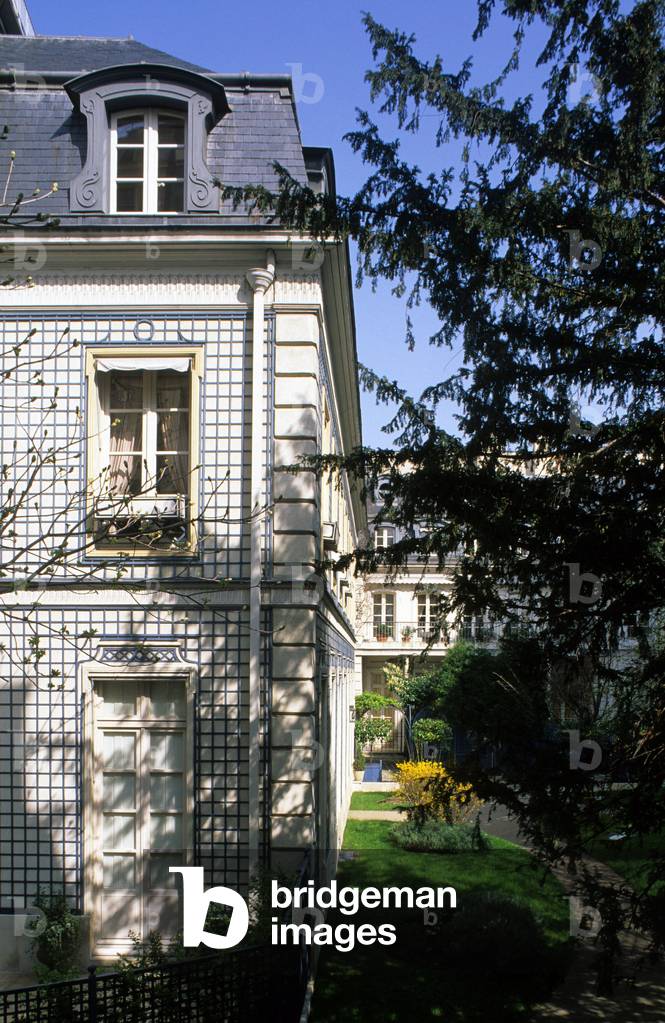
Rue de la Tour des Dames in Paris 9th.

TEC4617446: Rue de la Tour des Dames in Paris 9th. / Bridgeman Images
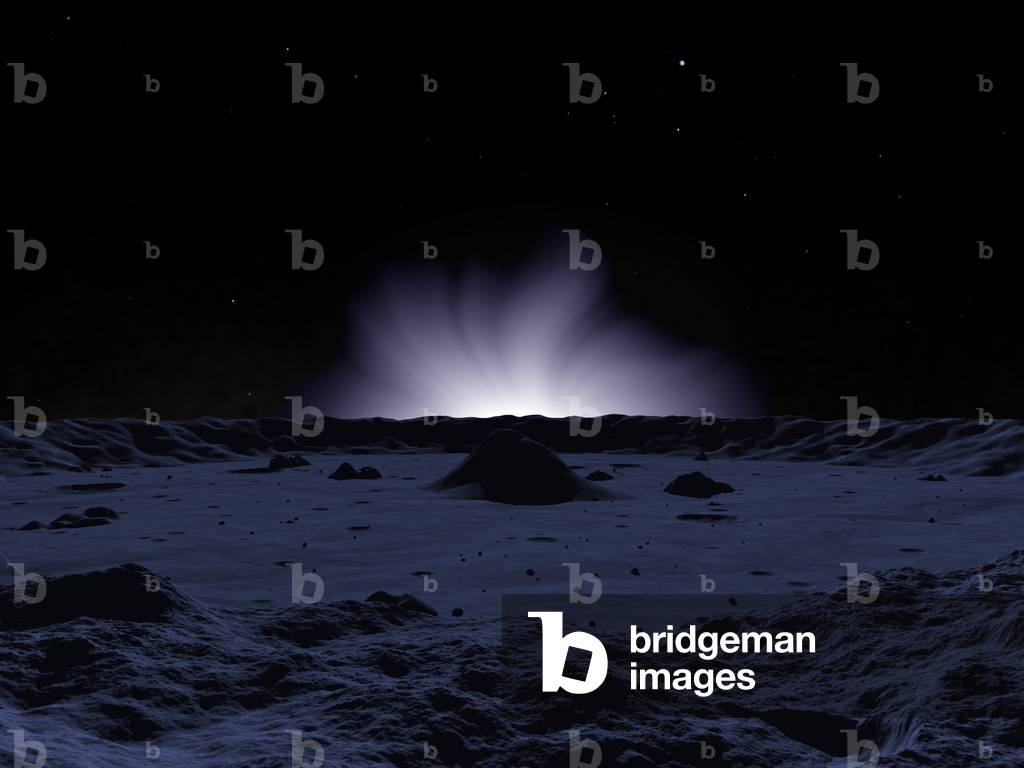
Sunrise over Mercury - Artist view - Sunrise over Mercury - Artist view - On Mercury, the solar crown announces for several Earth days the sunrise. In the crepuscular sky, the Earth is represented accompanied by a few stars of the constellation Scorpio. A ghostly coronal light reveals Mercury's rugged and inhospitable surface. High up in the dark sky the bright object at the two o'clock position is the Earth, which is in full - phase due to it being almost behind the Sun in relation to Mercury. The three points of light beneath the Earth are the stars Graffias, Dshubba, and Pi Scorpii in the constellation Scorpius. A visit to Mercury would not be without its aesthetic pleasures. Given Mercury's proximity to the Sun and its lack of atmosphere, just before sunrise and sunset a visitor would be treated to a front row seat to the Sun's dazzling corona. Mercury's leisurely rotation rate* would permit the corona to be observed for as long as several Earth weeks before being either upstaged by the brilliance of the Sun or disappearing below the horizon.* Mercury's period of rotation is 59 Earth days, however this rotation rate combined with Mercury's brisk orbit around the Sun, results in 88 Earth days between sunrise and sunset

PIX4617465: Sunrise over Mercury - Artist view - Sunrise over Mercury - Artist view - On Mercury, the solar crown announces for several Earth days the sunrise. In the crepuscular sky, the Earth is represented accompanied by a few stars of the constellation Scorpio. A ghostly coronal light reveals Mercury's rugged and inhospitable surface. High up in the dark sky the bright object at the two o'clock position is the Earth, which is in full - phase due to it being almost behind the Sun in relation to Mercury. The three points of light beneath the Earth are the stars Graffias, Dshubba, and Pi Scorpii in the constellation Scorpius. A visit to Mercury would not be without its aesthetic pleasures. Given Mercury's proximity to the Sun and its lack of atmosphere, just before sunrise and sunset a visitor would be treated to a front row seat to the Sun's dazzling corona. Mercury's leisurely rotation rate* would permit the corona to be observed for as long as several Earth weeks before being either upstaged by the brilliance of the Sun or disappearing below the horizon.* Mercury's period of rotation is 59 Earth days, however this rotation rate combined with Mercury's brisk orbit around the Sun, results in 88 Earth days between sunrise and sunset / Bridgeman Images
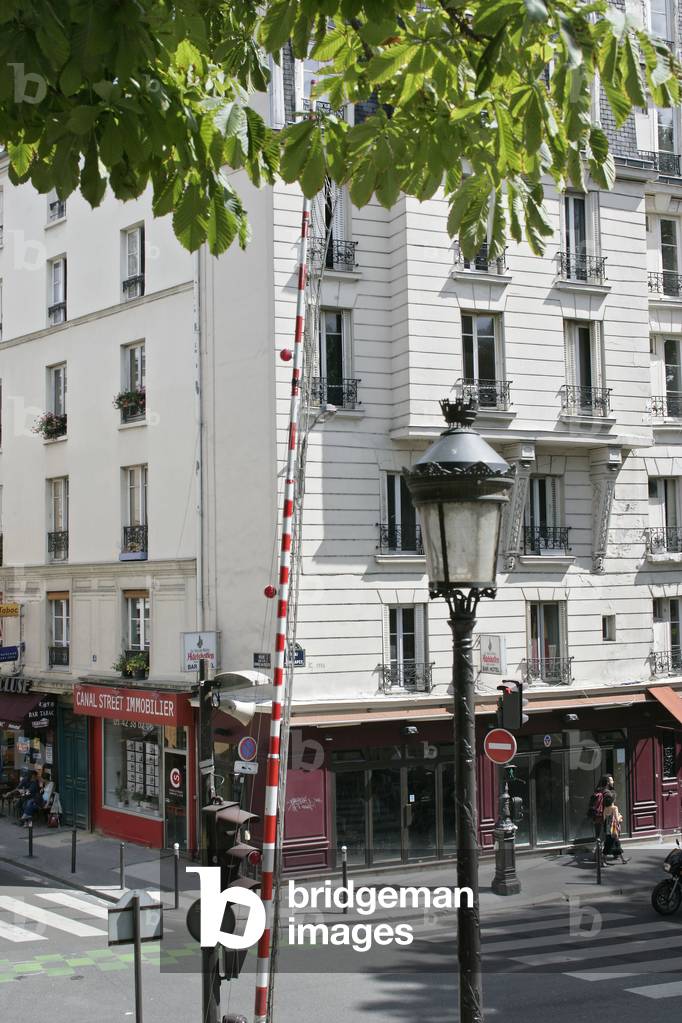
Le quai de Jemmapes in Paris 10th.

TEC4615829: Le quai de Jemmapes in Paris 10th. / Bridgeman Images

March: Impact crater and dunes - View of a 12 km by 7 km dune field at the bottom of an impact crater located in Argyre Planitia. The sand is dark and probably of basaltic origin. This crater is 45 km in diameter and is 2000m deep. Image obtained by the Mars Express probe on May 22, 2004

PIX4615963: March: Impact crater and dunes - View of a 12 km by 7 km dune field at the bottom of an impact crater located in Argyre Planitia. The sand is dark and probably of basaltic origin. This crater is 45 km in diameter and is 2000m deep. Image obtained by the Mars Express probe on May 22, 2004 / Bridgeman Images

Description of mushrooms: top: Spring Amanite (venenous) and below: Ovoid Amanite (edible). Chromolithography in Atlas of edible and venenous mushrooms, 1891, by Leon Marie Dufour (1862-1942), French mycologist.

FLO4616028: Description of mushrooms: top: Spring Amanite (venenous) and below: Ovoid Amanite (edible). Chromolithography in Atlas of edible and venenous mushrooms, 1891, by Leon Marie Dufour (1862-1942), French mycologist. / Bridgeman Images

Mars: crater in Myers Valles - Mars: crater in Myers Valles - Mamers Valles is a valley about 1000 km long located in the region of Deuteronilus Mensae, north of Arabia Terra. The image obtained by the Mars Express probe on 5 August 2006 shows a crater at the end of this valley. This circular formation measures about thirty kilometres in diameter and is 1400 metres deep. There are traces of flow of material probably composed of water ice, similar to the relief left by the passage of glaciers on Earth. The darker area could be caused by local erosion or wind-driven material. The High - Resolution Stereo Camera (HRSC) onboard the ESA spacecraft Mars Express obtained images focusing on a depression that displays a crater at the end of the long, winding valley, Mamers Valles. The data was obtained on 5 August 2006 with a ground resolution of approximately 14 m/per pixel. The image is centred at approximately 39* north and 17* east on the planet. The valley of Mamers Valles is approximately 1000 km long, running along the boundary between the northern lowlands and southern highlands in the region of Deuteronilus Mensae. This region shows numerous deep and wide labyrinth - like valleys and circular depressions which often show structures formed by flowing liquid on their even floors. The structures formed by the flows are thought to be ice - rich debris flows. They show some resemblance to block glaciers seen on Earth. The patches of rock at the centre of the depression are thought to be remnants of rock detached from the flanks of the depression and transported into its centre. The wrinkle ridges, are formed by compressive forces acting on the surface. The dark coloured material inside the crater could have formed in - situ or was transported by the wind. The depression is approximately 30 km wide and 1400 m deep

PIX4616083: Mars: crater in Myers Valles - Mars: crater in Myers Valles - Mamers Valles is a valley about 1000 km long located in the region of Deuteronilus Mensae, north of Arabia Terra. The image obtained by the Mars Express probe on 5 August 2006 shows a crater at the end of this valley. This circular formation measures about thirty kilometres in diameter and is 1400 metres deep. There are traces of flow of material probably composed of water ice, similar to the relief left by the passage of glaciers on Earth. The darker area could be caused by local erosion or wind-driven material. The High - Resolution Stereo Camera (HRSC) onboard the ESA spacecraft Mars Express obtained images focusing on a depression that displays a crater at the end of the long, winding valley, Mamers Valles. The data was obtained on 5 August 2006 with a ground resolution of approximately 14 m/per pixel. The image is centred at approximately 39* north and 17* east on the planet. The valley of Mamers Valles is approximately 1000 km long, running along the boundary between the northern lowlands and southern highlands in the region of Deuteronilus Mensae. This region shows numerous deep and wide labyrinth - like valleys and circular depressions which often show structures formed by flowing liquid on their even floors. The structures formed by the flows are thought to be ice - rich debris flows. They show some resemblance to block glaciers seen on Earth. The patches of rock at the centre of the depression are thought to be remnants of rock detached from the flanks of the depression and transported into its centre. The wrinkle ridges, are formed by compressive forces acting on the surface. The dark coloured material inside the crater could have formed in - situ or was transported by the wind. The depression is approximately 30 km wide and 1400 m deep / Bridgeman Images

Description of fungi: Clitopile small plum (edible), flicky pholiote and Nolanea grazing. Chromolithography in Atlas of edible and venenous mushrooms, 1891, by Leon Marie Dufour (1862-1942), French mycologist.

FLO4616088: Description of fungi: Clitopile small plum (edible), flicky pholiote and Nolanea grazing. Chromolithography in Atlas of edible and venenous mushrooms, 1891, by Leon Marie Dufour (1862-1942), French mycologist. / Bridgeman Images

Description of the fungus Merule weeping. Chromolithography in Atlas of edible and venenous mushrooms, 1891, by Leon Marie Dufour (1862-1942), French mycologist.

FLO4616142: Description of the fungus Merule weeping. Chromolithography in Atlas of edible and venenous mushrooms, 1891, by Leon Marie Dufour (1862-1942), French mycologist. / Bridgeman Images
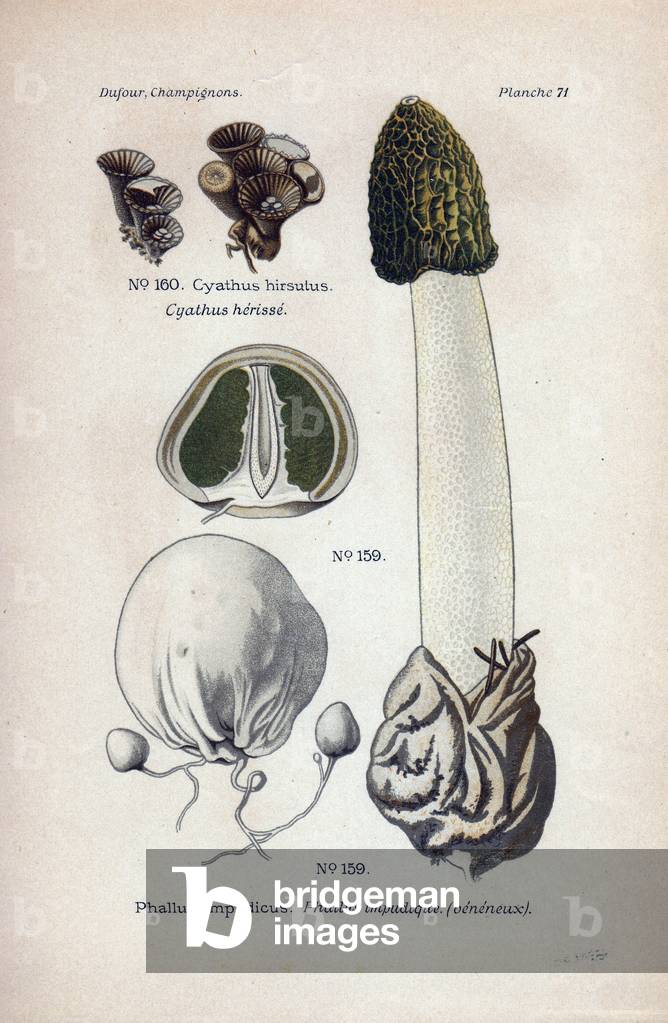
Description of fungi: Cyathus herisse and immorous Phalus (venenous). Chromolithography in Atlas of edible and venenous mushrooms, 1891, by Leon Marie Dufour (1862-1942), French mycologist.

FLO4616148: Description of fungi: Cyathus herisse and immorous Phalus (venenous). Chromolithography in Atlas of edible and venenous mushrooms, 1891, by Leon Marie Dufour (1862-1942), French mycologist. / Bridgeman Images

March: Hebes Chasma - Mars: Hebes Chasma - Hebes Chasma is a basin of almost 8000 m deep located in the northern part of Valles Marineris, the great Martian canyon. At the centre of this depression is a stratified plateau that constitutes sedimentary deposits. Image obtained by the Mars Express probe in 2005. View of Hebes Chasma obtained by the High Resolution Stereo Camera (HRSC) on ESA's Mars Express spacecraft. Hebes Chasma is an enclosed trough, almost 8000 m deep, in Valles Marineris, the Grand Canyon of Mars. A mesa - like mountain is located in the center of Hebes Chasma. It reaches 8000 meters above the graben floor and extends almost to the top of the surrounding plain. The mountain is made up by numerous stacked rock layers. The layering may consists of remnants of the older plateau, lake sediments, wind blown sediments or volcanic rock. The rock layers were exposed by erosional processes. Newest data acquired by the OMEGA spectrometer on - board Mars Express revealed hydratized (water - bearing) minerals like gypsum in some areas of Hebes Chasma. What ever kind of processes led to the formation of the Interior Layered Deposits: at least some water once existed in Hebes Chasma. Hebes Chasma is located at approximately 1* south and 282* east. The HRSC obtained image data on 16 September 2005 with a ground resolution of approximately 15 m/pixel

PIX4616152: March: Hebes Chasma - Mars: Hebes Chasma - Hebes Chasma is a basin of almost 8000 m deep located in the northern part of Valles Marineris, the great Martian canyon. At the centre of this depression is a stratified plateau that constitutes sedimentary deposits. Image obtained by the Mars Express probe in 2005. View of Hebes Chasma obtained by the High Resolution Stereo Camera (HRSC) on ESA's Mars Express spacecraft. Hebes Chasma is an enclosed trough, almost 8000 m deep, in Valles Marineris, the Grand Canyon of Mars. A mesa - like mountain is located in the center of Hebes Chasma. It reaches 8000 meters above the graben floor and extends almost to the top of the surrounding plain. The mountain is made up by numerous stacked rock layers. The layering may consists of remnants of the older plateau, lake sediments, wind blown sediments or volcanic rock. The rock layers were exposed by erosional processes. Newest data acquired by the OMEGA spectrometer on - board Mars Express revealed hydratized (water - bearing) minerals like gypsum in some areas of Hebes Chasma. What ever kind of processes led to the formation of the Interior Layered Deposits: at least some water once existed in Hebes Chasma. Hebes Chasma is located at approximately 1* south and 282* east. The HRSC obtained image data on 16 September 2005 with a ground resolution of approximately 15 m/pixel / Bridgeman Images

March: chaotic terrain between Kasei Valles and Sacra Fossae - Mars: Chaotic terrain between Kasei Valles and Sacra Fossae - Region bordering Kasei Valles and Sacra Fossae. The large impact crater is 35 km in diameter. The image covering an area of 225 km by 95 km was obtained by the Mars Express probe. Mars Express flew over the boundary between Kasei Valles and Sacra Fossae and imaged the region, acquiring spectacular views of the chaotic terrain in the area. The images are centred at 12* N/285* E and have a ground resolution of about 21 m/pixel. They cover 225 x 95 km or 21.375 sq km, an area roughly half the size of the Netherlands. The image shows an old 35 km - diameter impact crater in the north. The crater's southwestern rim is eroded strongly, mostly by flowing water. The source of the water was located in Echo Chasma, which lies about 850 km to the southwest

PIX4616171: March: chaotic terrain between Kasei Valles and Sacra Fossae - Mars: Chaotic terrain between Kasei Valles and Sacra Fossae - Region bordering Kasei Valles and Sacra Fossae. The large impact crater is 35 km in diameter. The image covering an area of 225 km by 95 km was obtained by the Mars Express probe. Mars Express flew over the boundary between Kasei Valles and Sacra Fossae and imaged the region, acquiring spectacular views of the chaotic terrain in the area. The images are centred at 12* N/285* E and have a ground resolution of about 21 m/pixel. They cover 225 x 95 km or 21.375 sq km, an area roughly half the size of the Netherlands. The image shows an old 35 km - diameter impact crater in the north. The crater's southwestern rim is eroded strongly, mostly by flowing water. The source of the water was located in Echo Chasma, which lies about 850 km to the southwest / Bridgeman Images
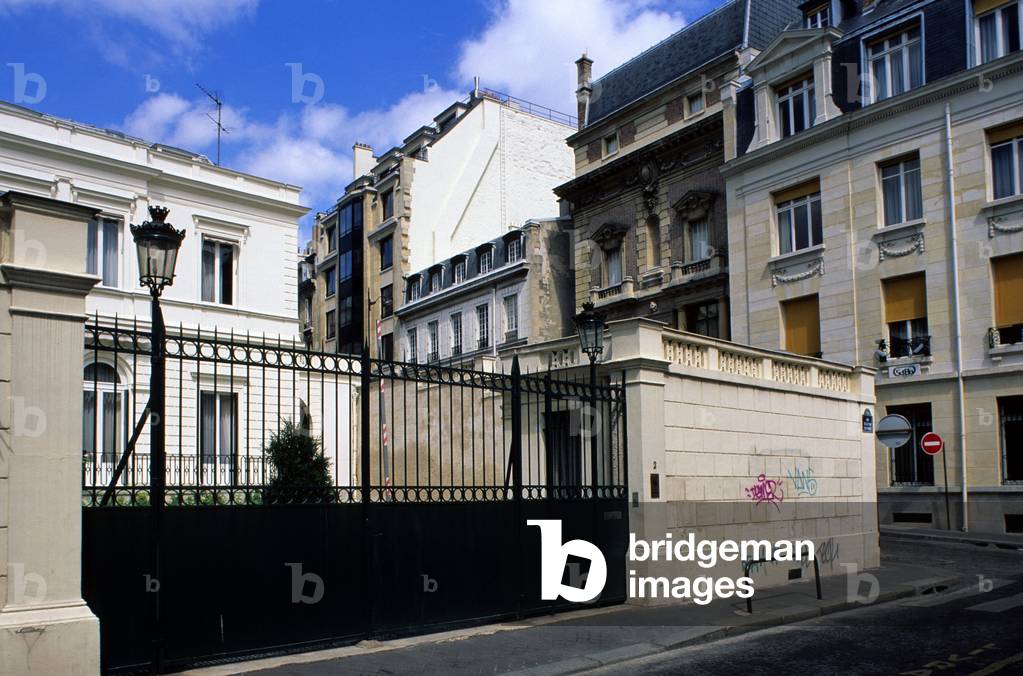
Nouvelle Athenes, Rue de la Tour des Dames, Paris 9th.

TEC4617464: Nouvelle Athenes, Rue de la Tour des Dames, Paris 9th. / Bridgeman Images

Statue of Paul Gavarni (or Sulpice Guillaume Chevalier, 1804-1866), Place Saint Georges in Paris 9th. Sculptor D. Ruech.

TEC4617567: Statue of Paul Gavarni (or Sulpice Guillaume Chevalier, 1804-1866), Place Saint Georges in Paris 9th. Sculptor D. Ruech. / Bridgeman Images

Nebula NGC 1788 in Orion - Nebula NGC 1788 in Orion - This nebula is approximately 1500 years old - light in the constellation Orion. A cloud extends, darker, detaches from the nebula; it is an area of intense star formation. Star - forming region located at about 1500 light years away in Orion constellation

PIX4617588: Nebula NGC 1788 in Orion - Nebula NGC 1788 in Orion - This nebula is approximately 1500 years old - light in the constellation Orion. A cloud extends, darker, detaches from the nebula; it is an area of intense star formation. Star - forming region located at about 1500 light years away in Orion constellation / Bridgeman Images
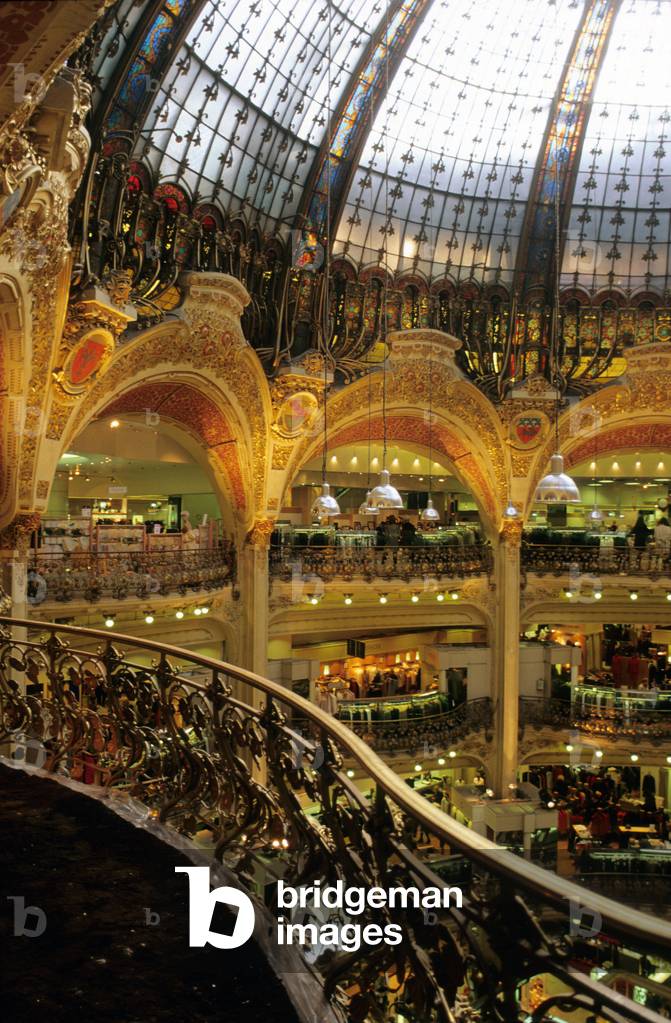
Les Galeries Lafayette, 38-46ae boulevard Haussmann, Paris 9e. The owners Alphonse Kahn and Theophile Bader entrusted the architect Georges Chedanne in 1906 with the construction of a new stone building. And in view of the success of this new concept, Ferdinand Chanut extended the building in 1910.

TEC4617691: Les Galeries Lafayette, 38-46ae boulevard Haussmann, Paris 9e. The owners Alphonse Kahn and Theophile Bader entrusted the architect Georges Chedanne in 1906 with the construction of a new stone building. And in view of the success of this new concept, Ferdinand Chanut extended the building in 1910. / Bridgeman Images

Orio Nebula
Orio Nebula

PIX4617704: Orio Nebula / Bridgeman Images

Untitled (Mixed media, 1974)

LRI4617746: Untitled (Mixed media, 1974), Rauschenberg, Robert (1925-2008) / Bridgeman Images


Back to top