
Print this page or go back to standard view.
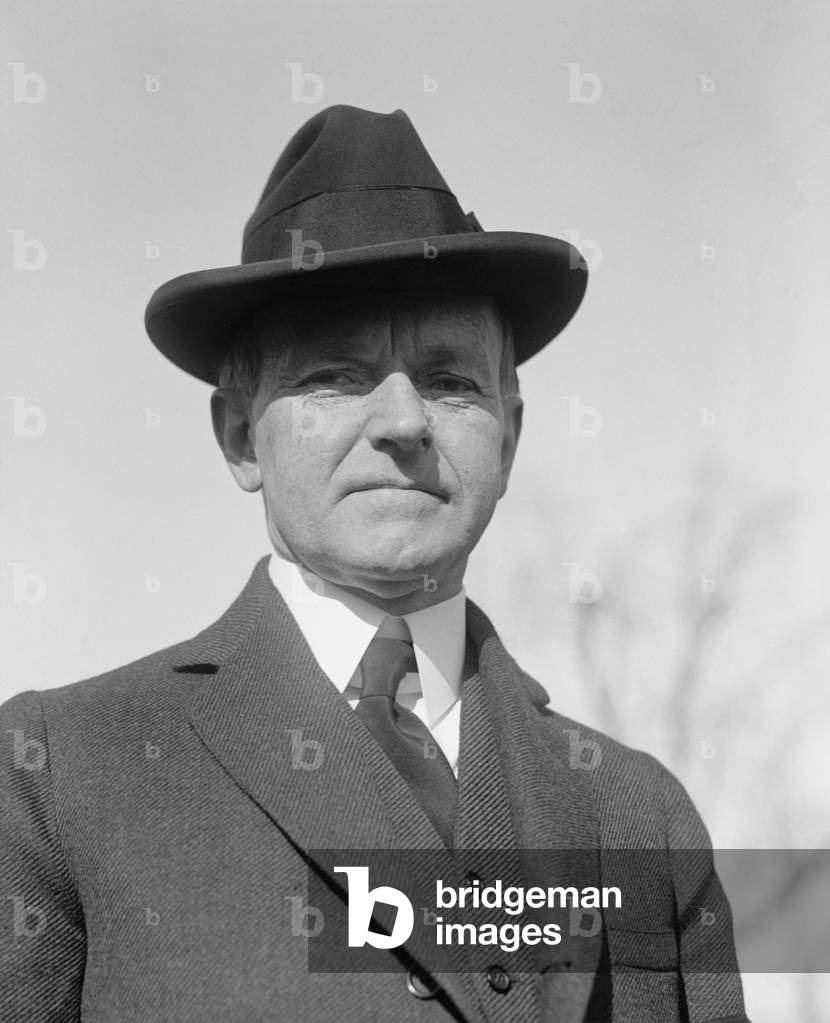
EVB2948845: President Calvin Coolidge in casual portrait, 1925 / Bridgeman Images
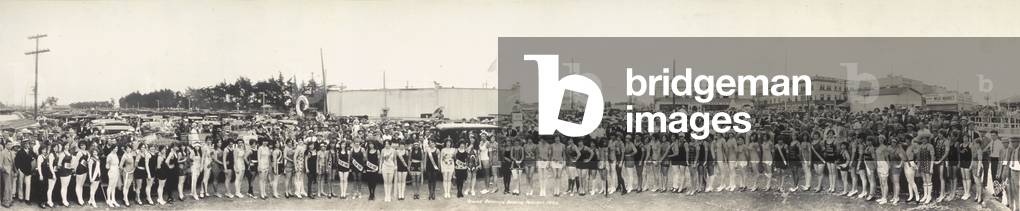
EVB2929534: Venice Bathing Beauty Pageant, panoramic photograph of a beauty pageant on Venice beach, photograph by Miles F. Weaver, California, 1926 / Bridgeman Images
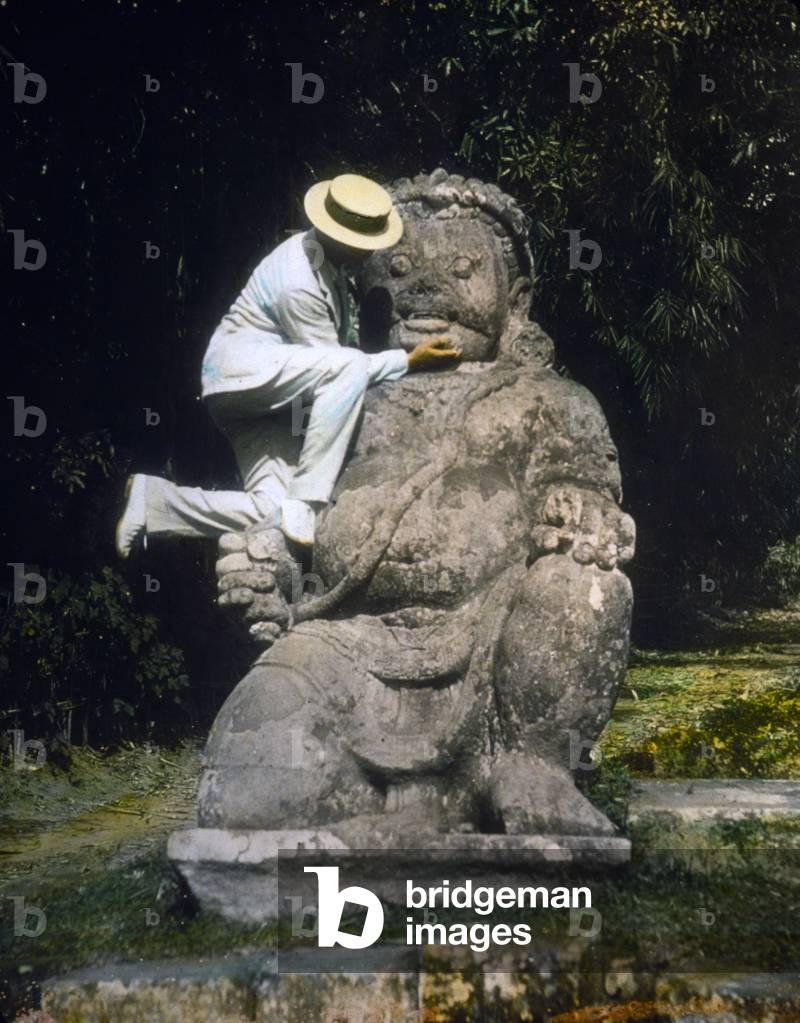
EVB2929576: Indonesia, man in straw hat standing on Buddhist idol at ruins of Borobudur, hand colored lantern slide, photograph by William Henry Jackson, 1895 / Bridgeman Images
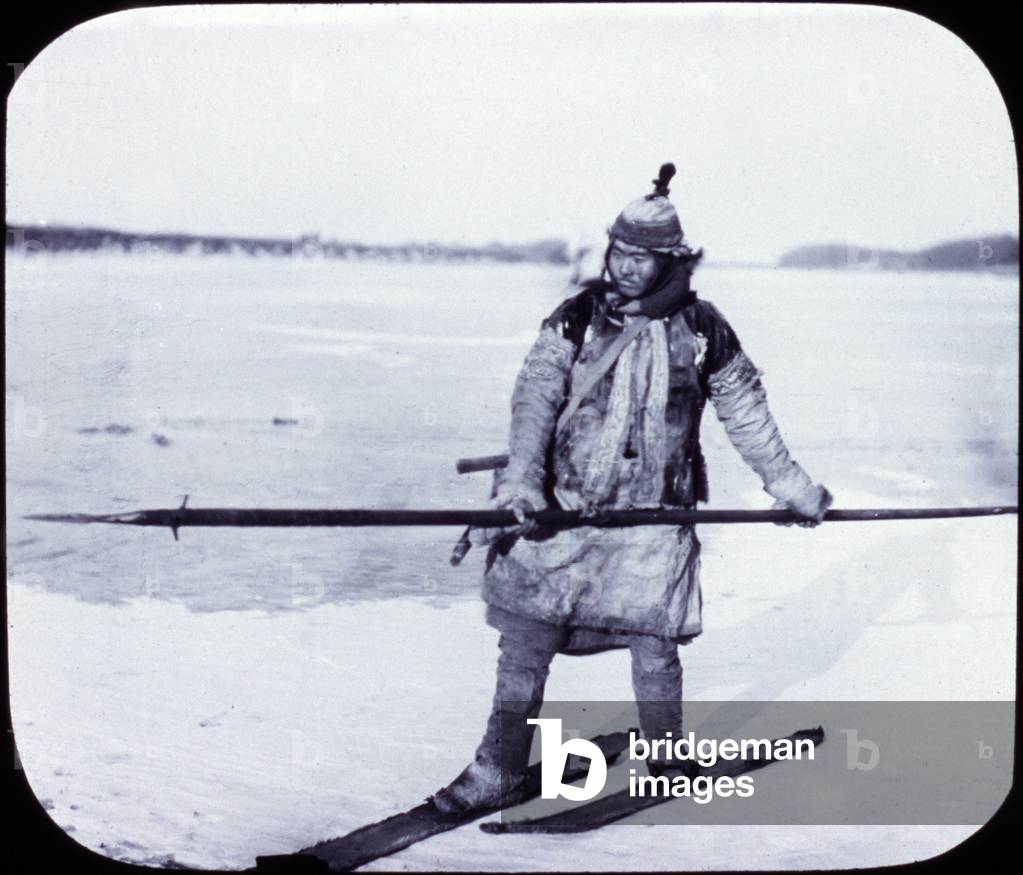
EVB2929579: Asia, goldi hunter on skis on ice, lantern slide, photograph by William Henry Jackson, 1895 (b/w photo) / Bridgeman Images
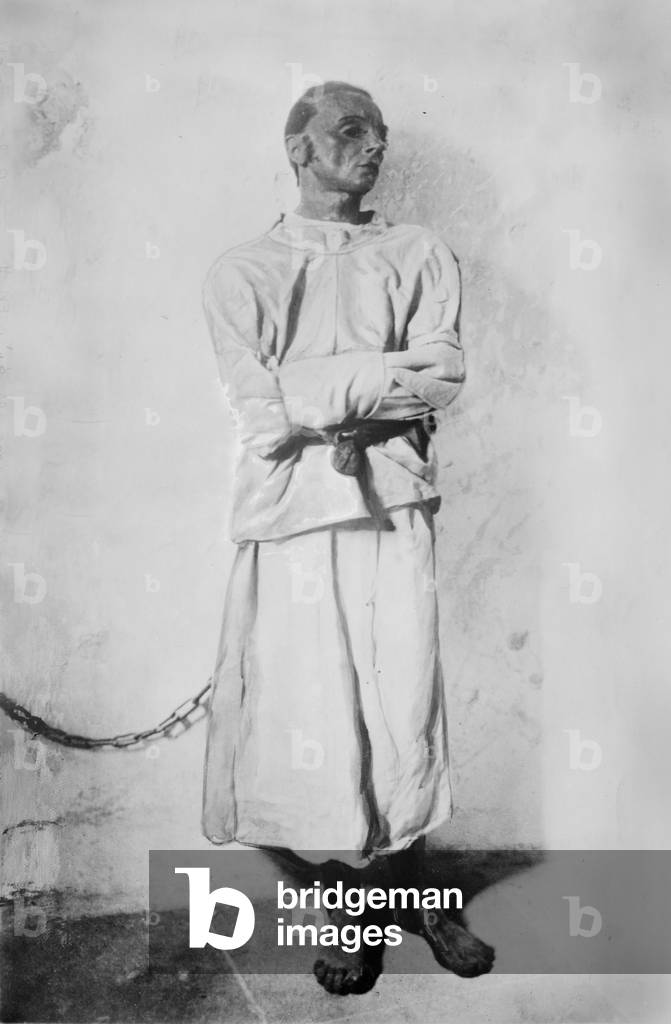
EVB2929591: Portrait of a mentally insane man, original title: 'Maniac chained to a wall', from Fool's Tower (aka The Narrenturm), home for mental patients, Vienna, Austria, photograph c.1900-1920s / Bridgeman Images
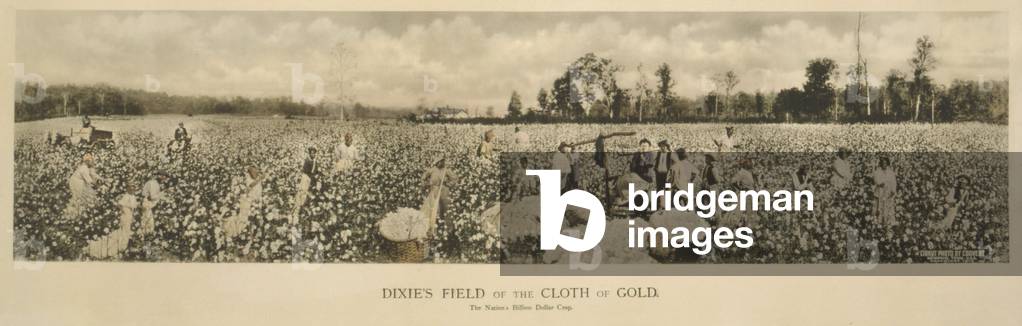
EVB2929631: African Americans working in a cotton field, original caption: 'Dixie's field of the cloth of gold. The nation's billion dollar crop', Memphis, Tennessee, photograph by John Calvin Coovert, 1915 / Bridgeman Images
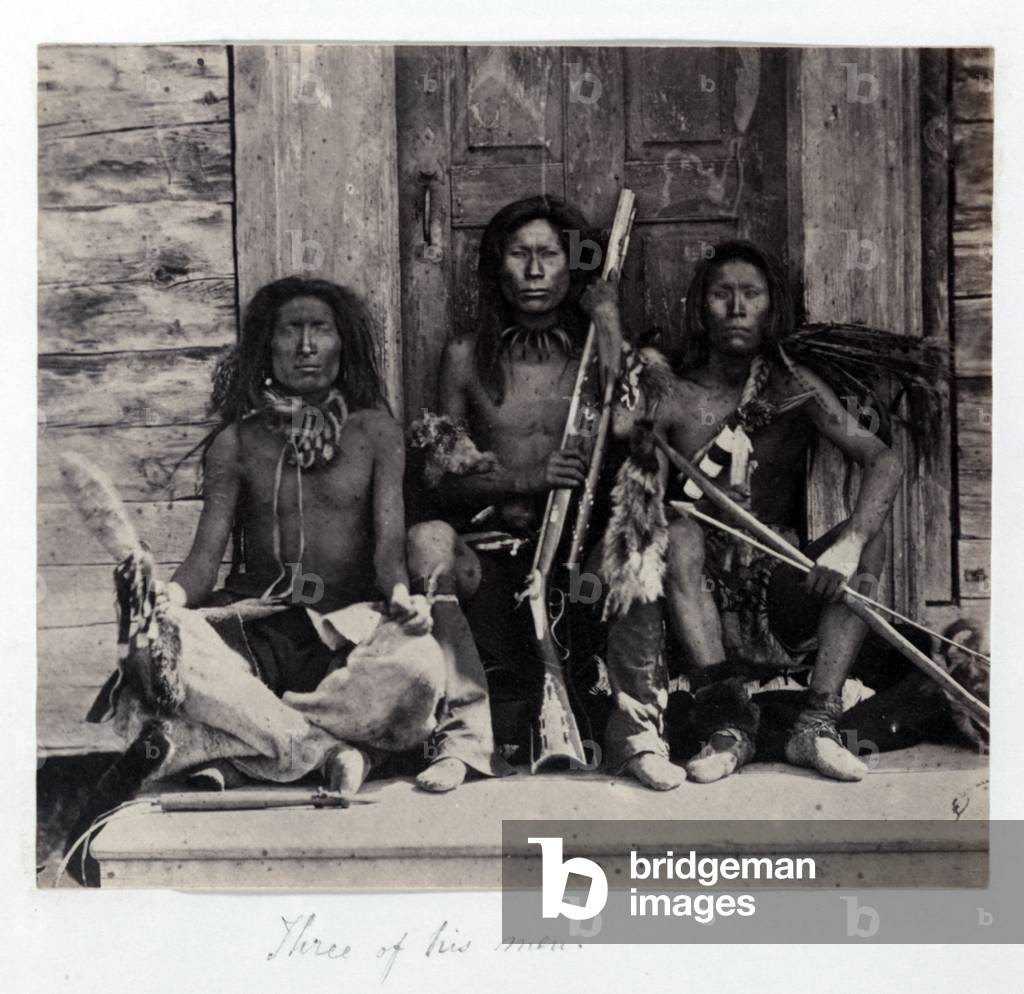
EVB2929642: Three Native American Indians, detail from diptych titled: 'Garry the Spokan chief and three of his men', photograph, 1861 / Bridgeman Images
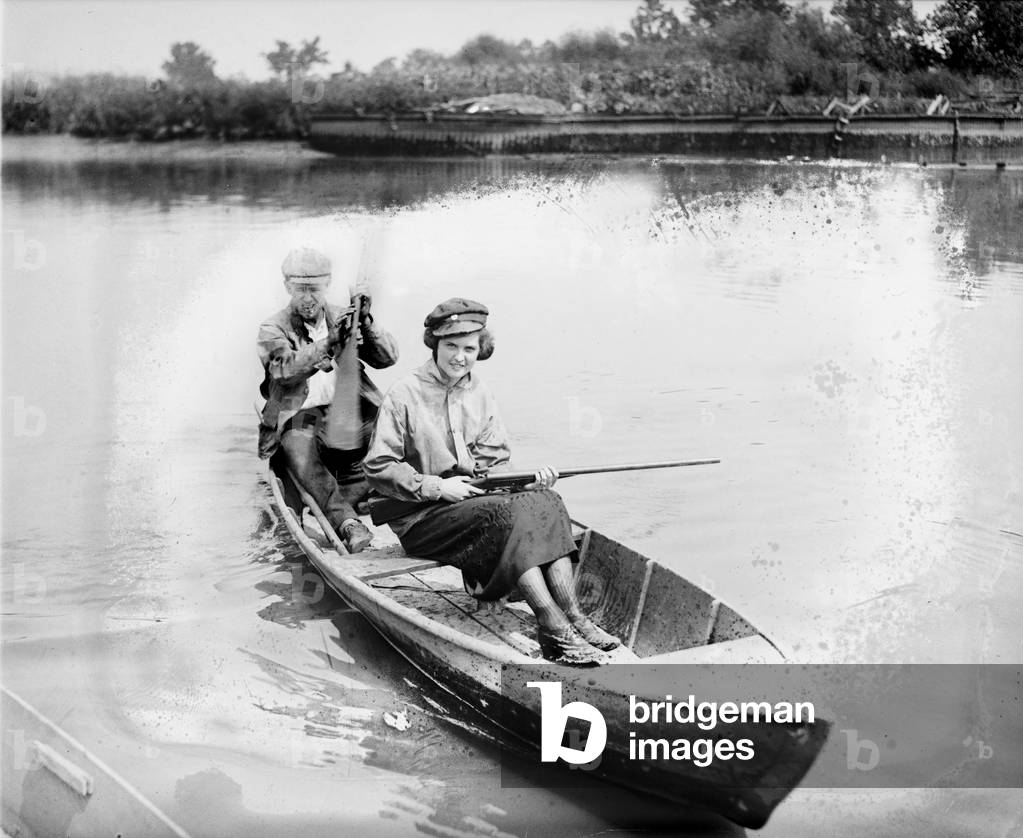
EVB2929675: Man and woman in a canoe, the woman holds a gun, 1921 / Bridgeman Images
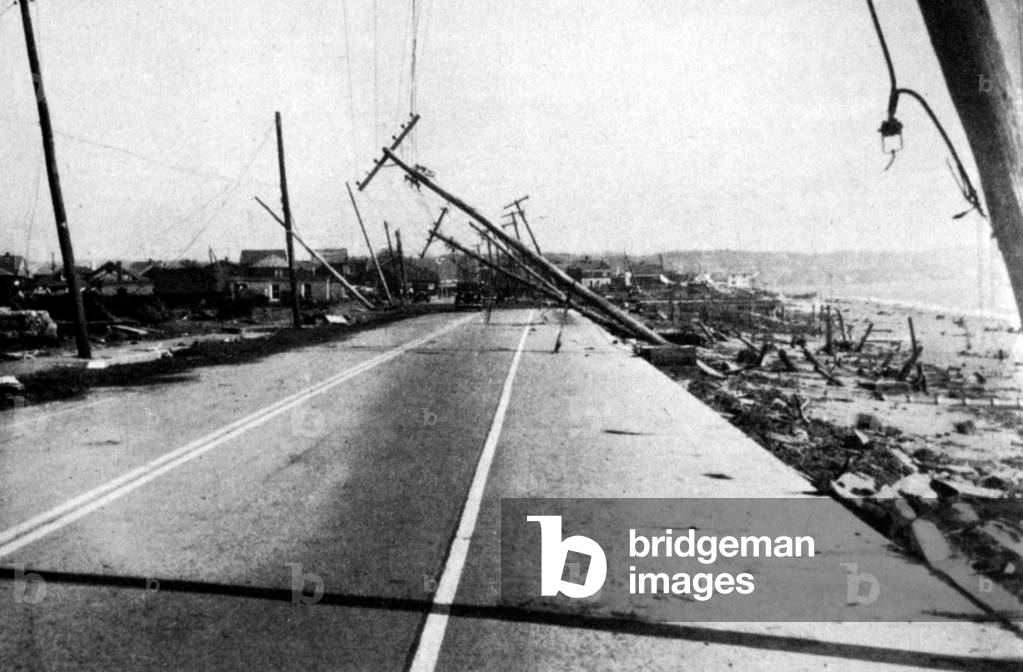
EVB2929826: The New England Hurricane. Island Park was destroyed by a breaker with a reported height of 30 to 40 feet. The New England Hurricane of 1938 traveled 600 miles in 12 hours, surprising southern New England and causing widespread destruction. Island Park, Rhode Island / Bridgeman Images
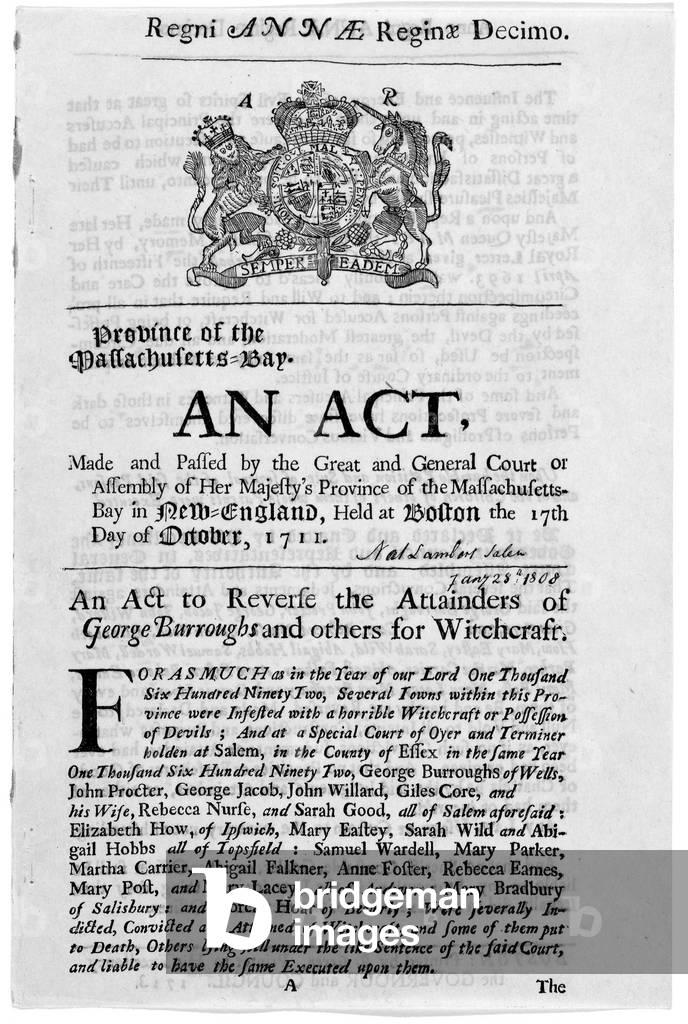
EVB2929836: Salem Witch Trials. An act to reverse the attainders of George Burroughs and others of witchcraft. Boston, Massachusetts, Legislation passed in 1711 restored the rights and good names of those who had been accused. 1713 / Bridgeman Images
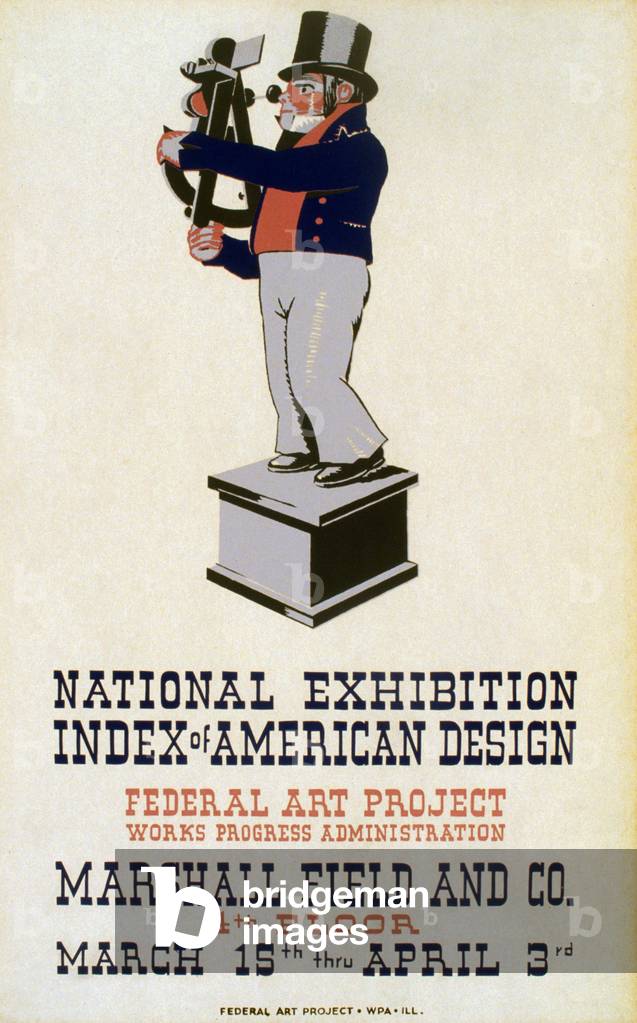
EVB2929901: National Exhibition Index of American Design, Federal Art Project, 1937 (silkscreen) / Bridgeman Images
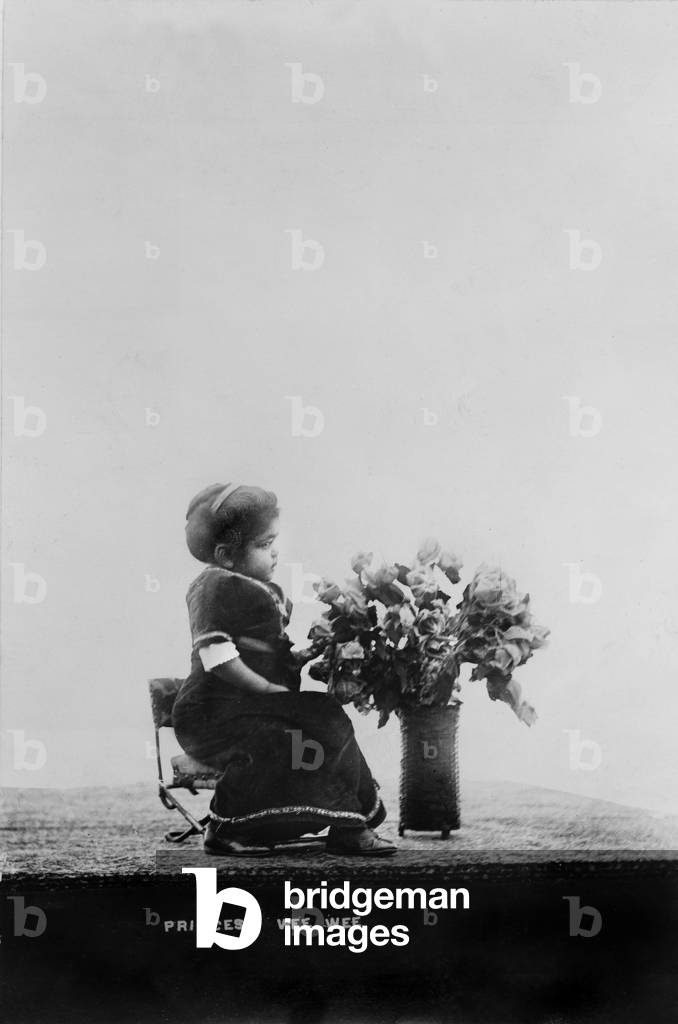
EVB2929912: Princess Wee Wee, African American dwarf, full-length portrait, seated, facing right, with bouquet of flowers, 1915 / Bridgeman Images
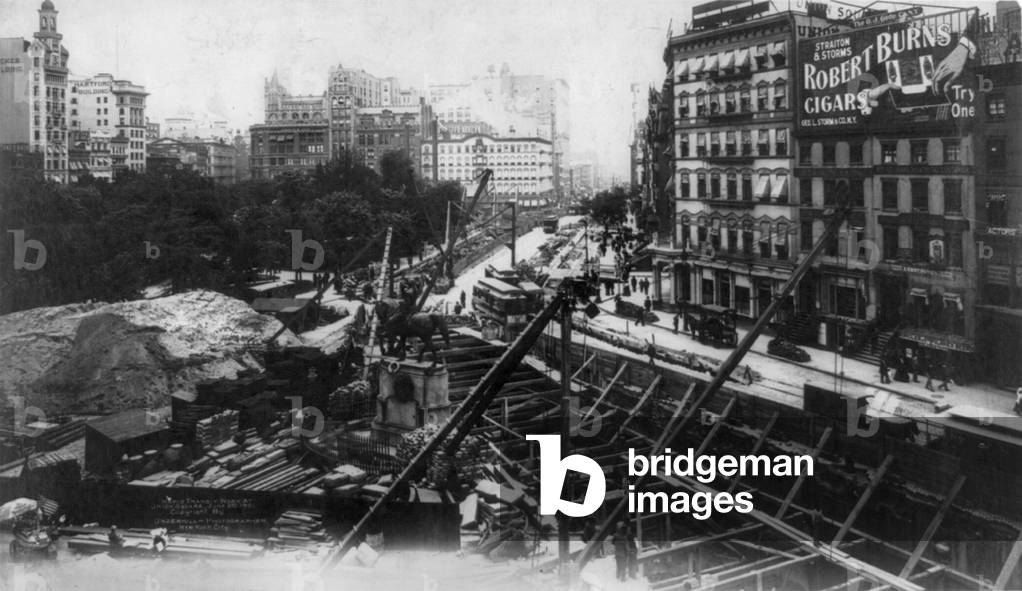
EVB2930064: Subway construction, rapid transit construction work at Union Square, New York City, photograph, June 8, 1901 / Bridgeman Images
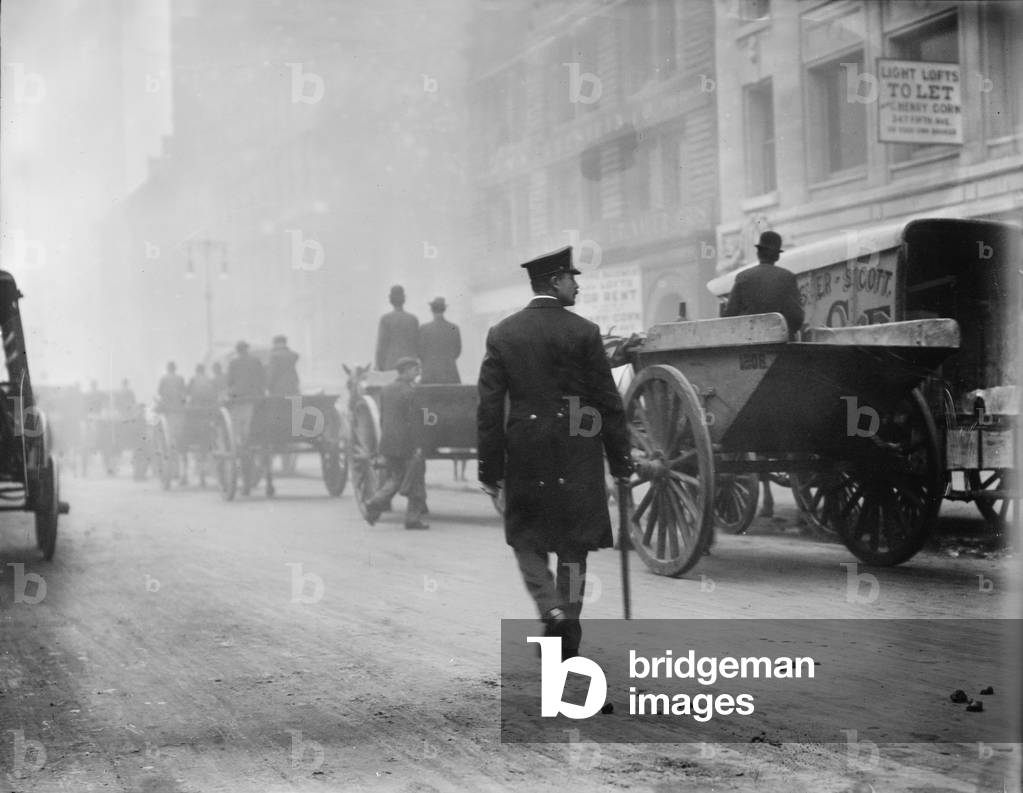
EVB2930070: New York City, garbage collector's strike, police protecting garbage carts, photograph, November, 1911 / Bridgeman Images
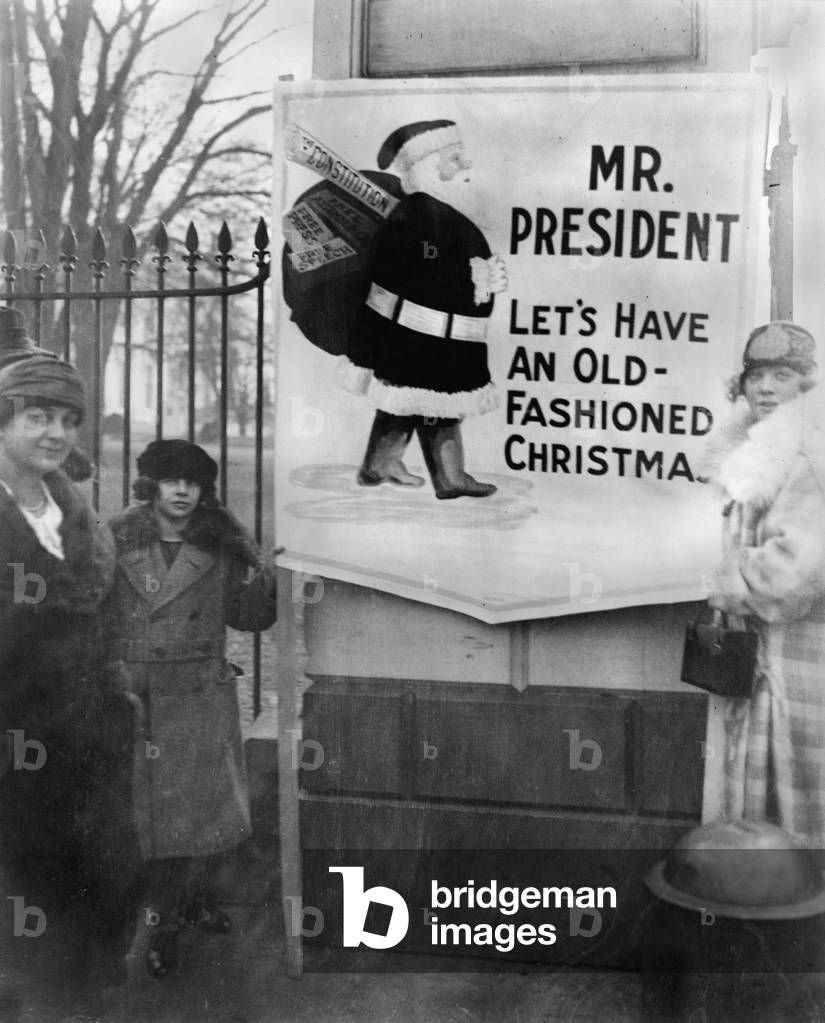
EVB2930084: Women demonstrators requesting political amnesty outside the White House, The demonstrators' sign says, 'Mr. President, let's have an old-fashioned Christmas,' and shows Santa Claus carrying a bag of gifts including, the Constitution, Free Assemblage, Free Speech, and Free Press, photograph, 1922 / Bridgeman Images
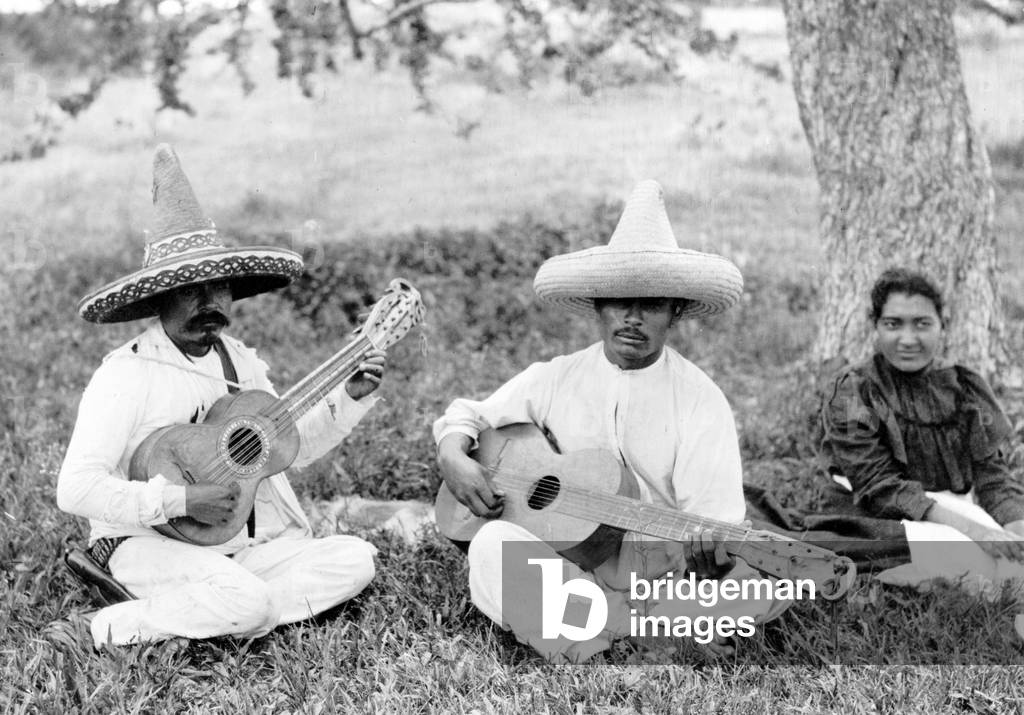
EVB2930104: Folk Music. Musical picnic, photo by Hugo Brehme, Mexico, D.F. c. 1910s / Bridgeman Images

EVB2930220: Taxidermy Shop, Liberty Historic District, Route 2, Cle Elum, Liberty, Kittitas County, Washington, photograph, c.1930s / Bridgeman Images

EVB2930228: Radio Station, 'Rogers' Radio station', sign reads 'Mount Hooper', c.early 1900s / Bridgeman Images

EVB2930264: Sailors playing a dice game on the New York, original title: 'Shooting craps on New York', photograph c.1900s-1930s / Bridgeman Images
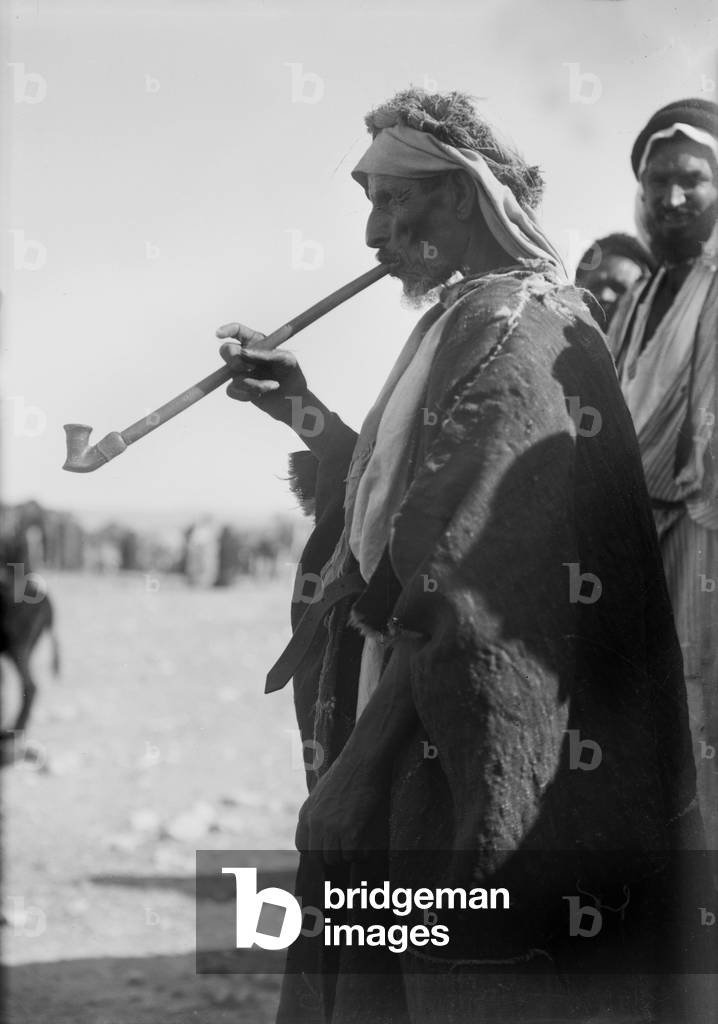
EVB2930412: Bedouin man smoking a long pipe., photograph 1920 / Bridgeman Images
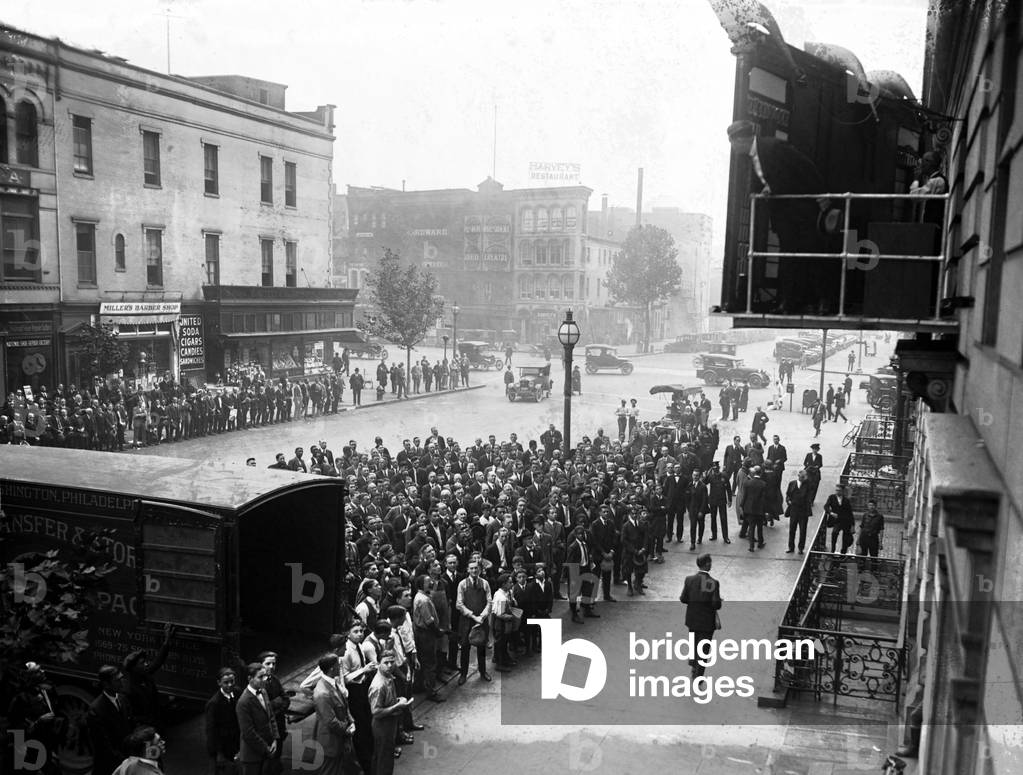
EVB2930464: Baseball. A crowd watches the score board of the Washington Star newspaper. Washington, DC, 1923 / Bridgeman Images
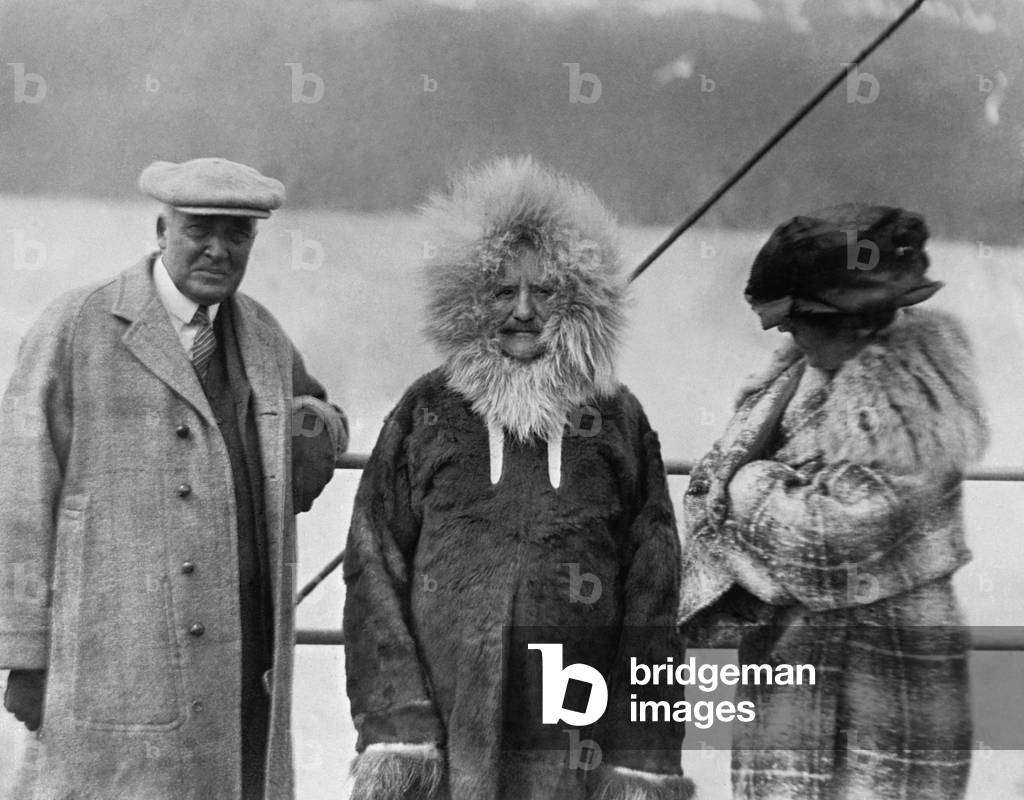
EVB2948832: Governor Bone of the Alaska Territory, stands between President and Mrs. Harding. In a fur-lined parka, Gov. Scott Bone joined Warren Harding's tour as they sailed on the USS Henderson to Seward in July 1923. Florence Harding appears to be quite chilled / Bridgeman Images
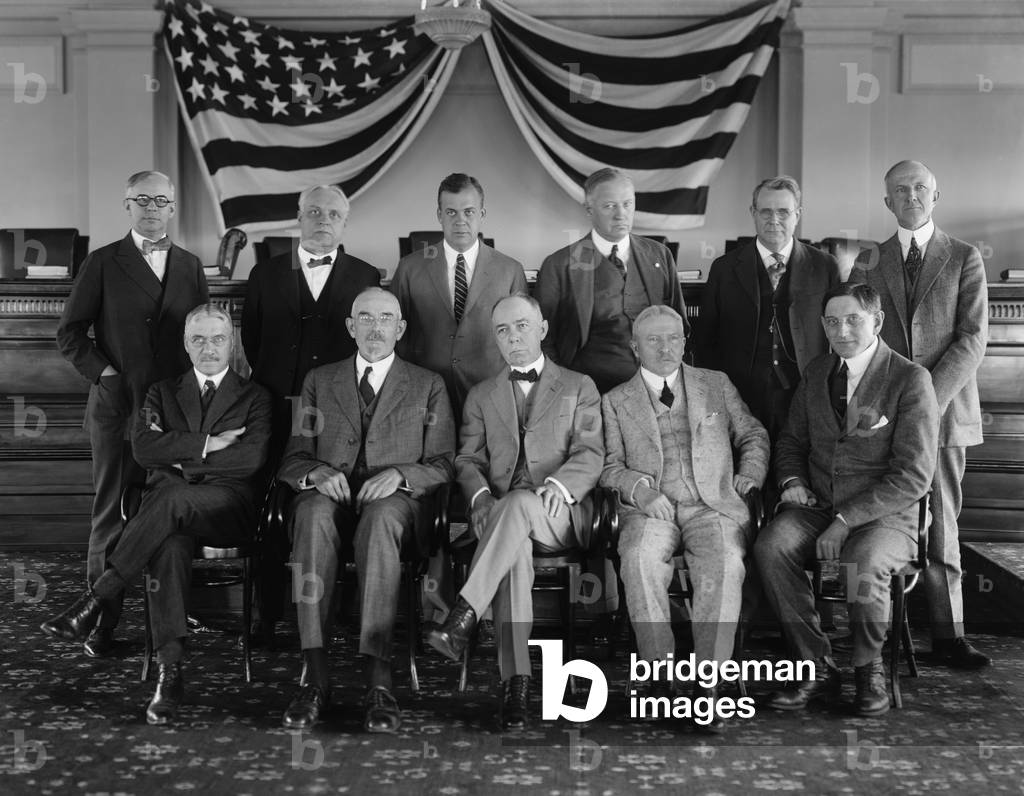
EVB2948857: Interstate Commerce Commission in 1921. It was formed in 1887 to regulate railroads, and its authority expanded to cover bridges, terminals, ferries, sleeping cars, express companies and oil pipelines. The Transportation Act of 1921 directed them to consolidate railway properties of the U.S. into a limited number of systems / Bridgeman Images
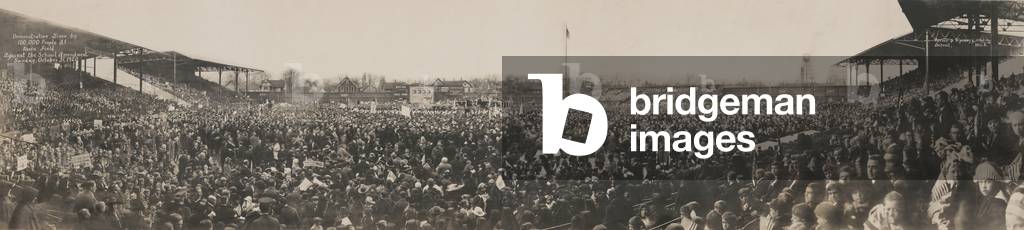
EVB2948873: Demonstration given by 100,000 people in Detroit against Michigan's anti-Catholic school amendment. Sunday, Oct, 31, 1920. The Amendment would mandate all children in grade one through eight attend public schools, in effect outlawing parochial school. The Catholic Church mobilized their voters and defeated the amendment in 1920 and again in 1924 / Bridgeman Images
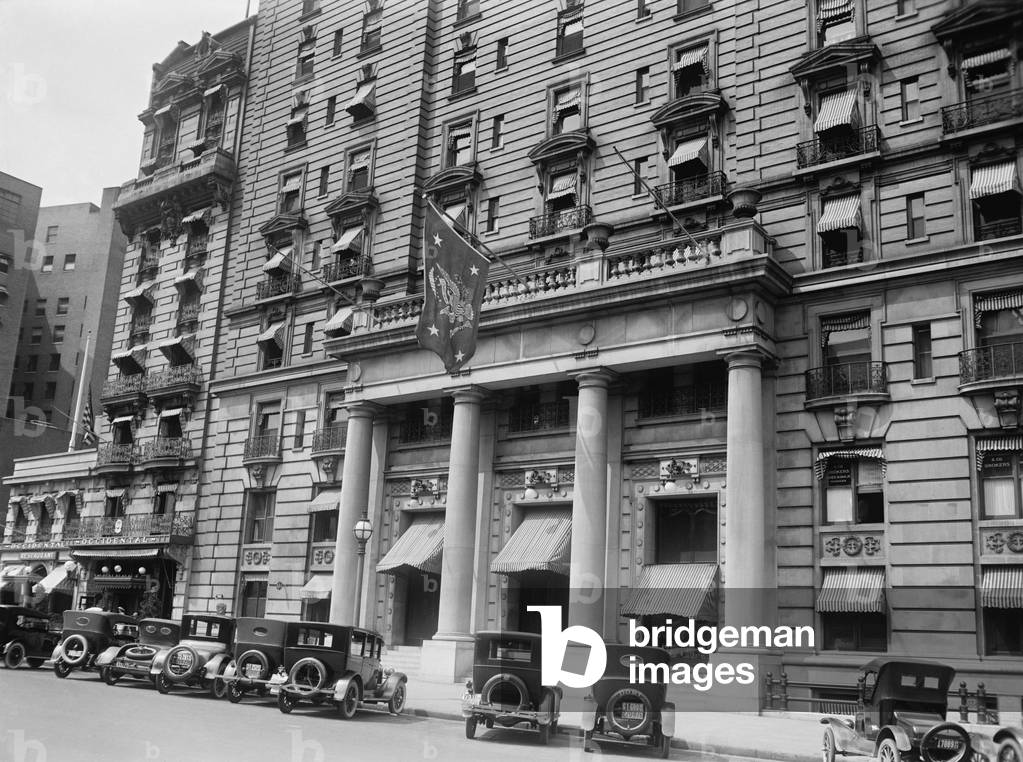
EVB2948919: President's flag hanging above the entrance to Washington, D.C.'s Willard Hotel, Aug. 4, 1923. Vice President Coolidge's family lived at the Hotel and it became the residence of the U.S. President when Warren Harding died on Aug. 2, 1923 / Bridgeman Images
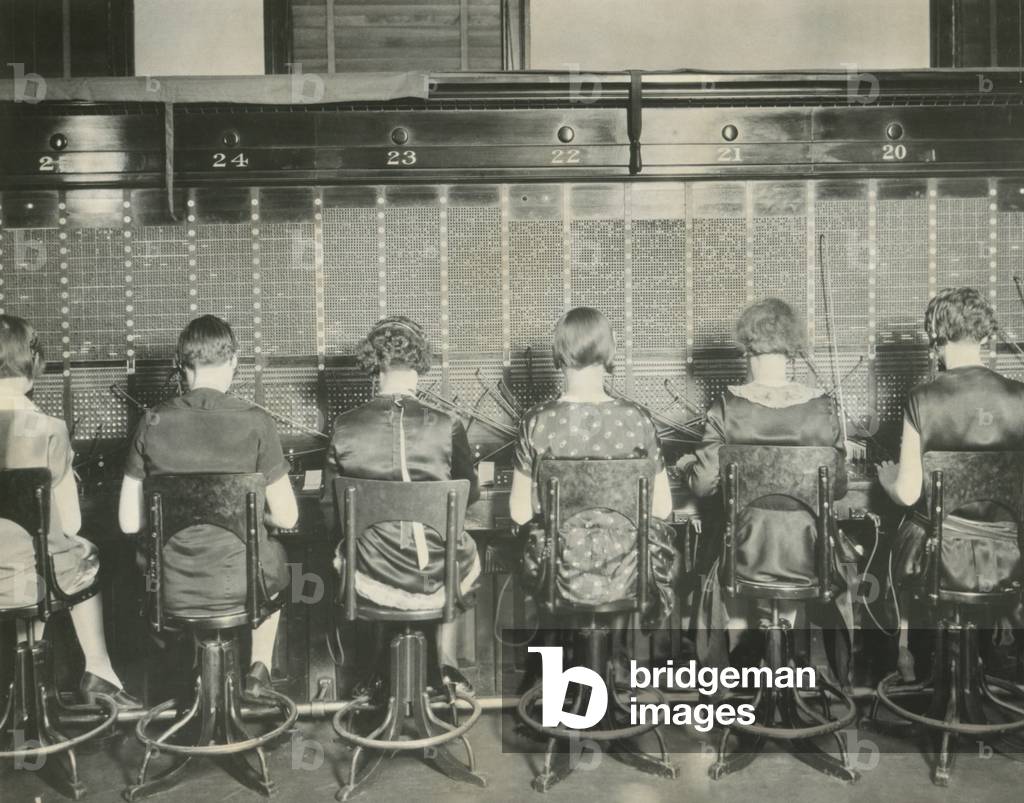
EVB2948991: Back view of young women telephone switchboard operations. Washington, D.C., April 7, 1927 / Bridgeman Images
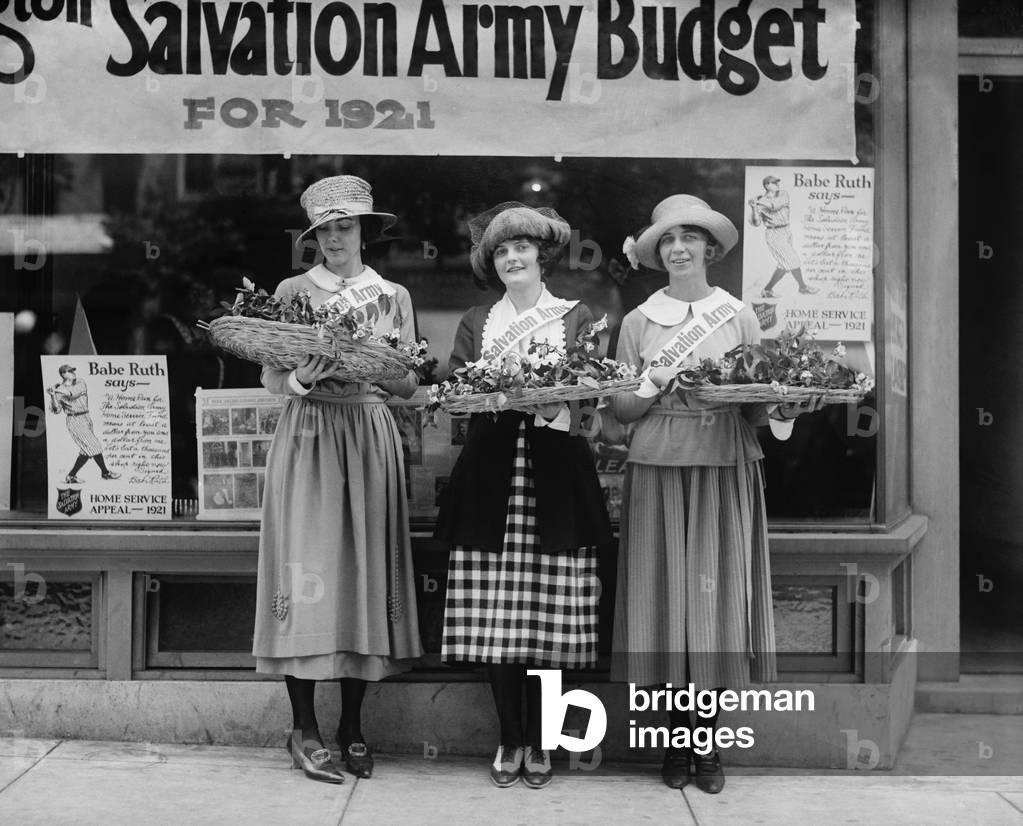
EVB2948997: Young Women volunteers called the Salvation Army House Girls, 1921. Washington, D.C / Bridgeman Images
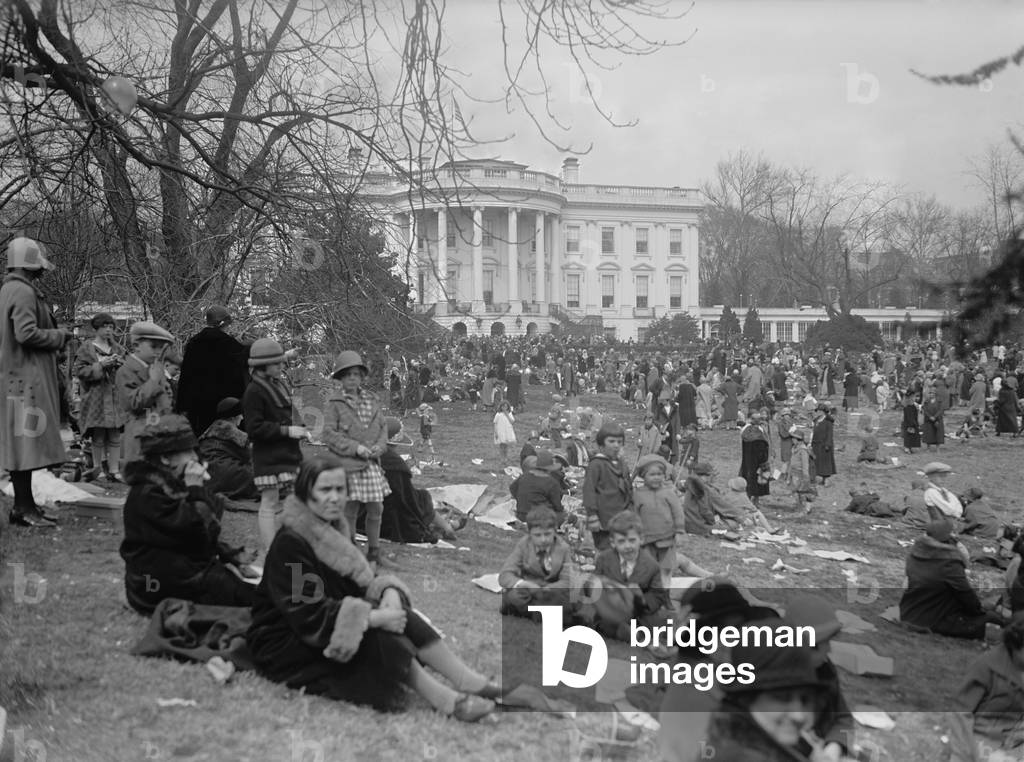
EVB2949023: Crowd of women and children at the Easter Egg Roll at White House, Washington, D.C. April 5, 1926 / Bridgeman Images
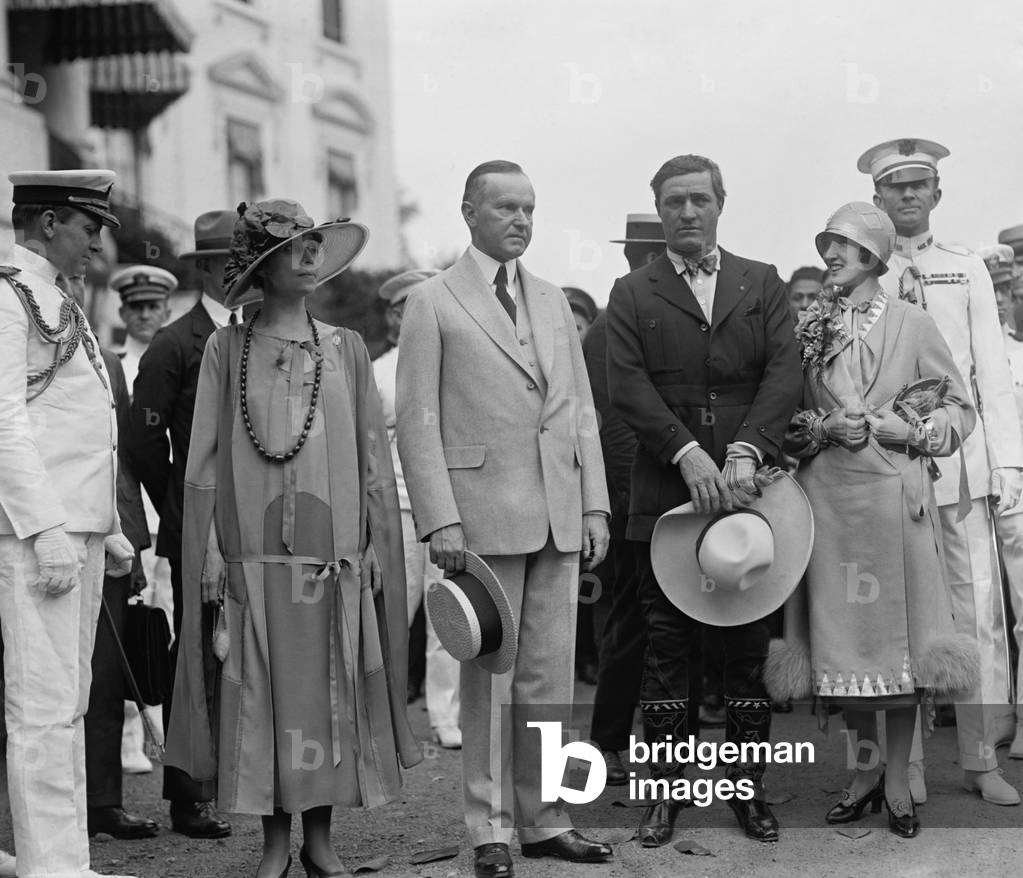
EVB2949032: President Calvin Coolidge and the First Lady with Cowboy actor Tom Mix and Victoria Forde Mix. At the White House, May 21, 1925 / Bridgeman Images
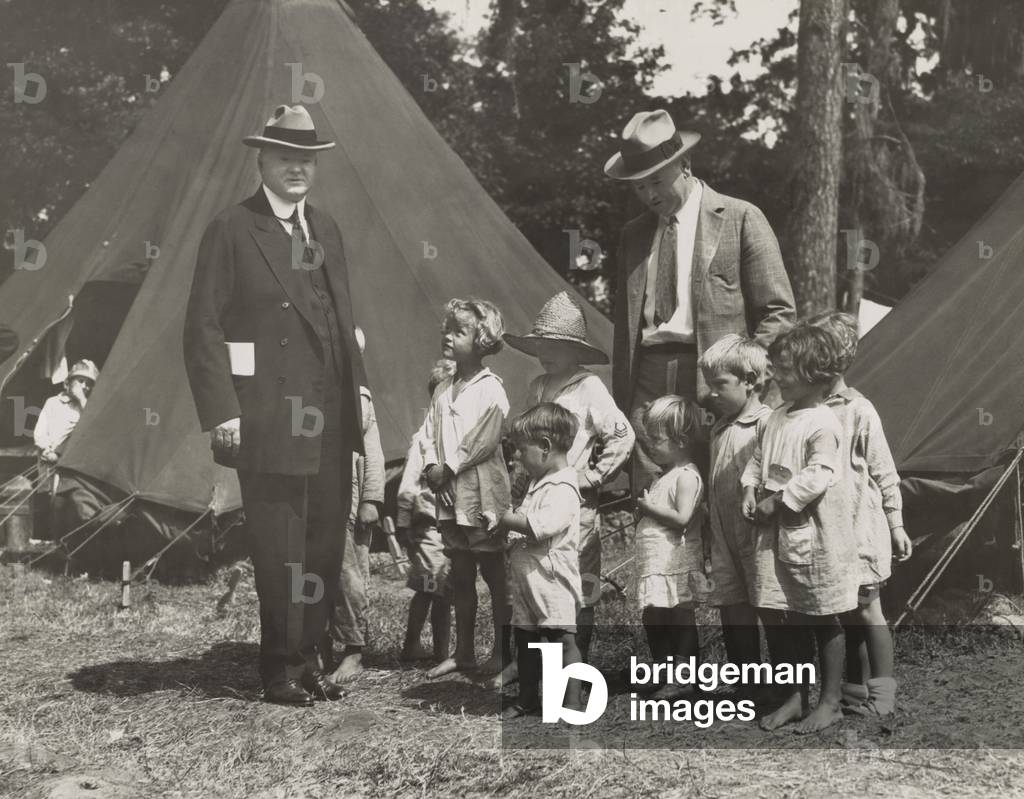
EVB2949068: Herbert Hoover with girls and boys at a tent camp during the Great Mississippi River Flood in 1927. The worst effected states were Arkansas, Mississippi, and Louisiana. Hoover, then Sec. of Commerce, was named by President Coolidge to coordinate flood relief with the American Red Cross / Bridgeman Images
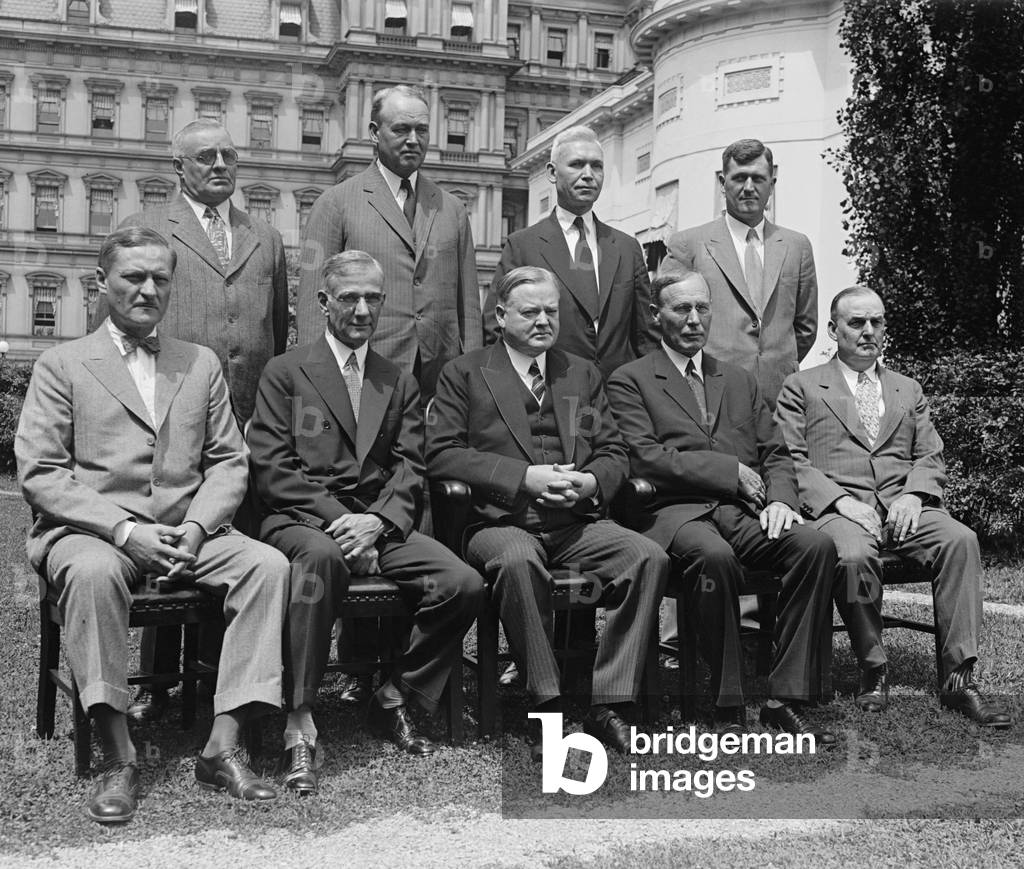
EVB2949081: President Herbert Hoover (seated, center) with the Federal Farm Board, July 12, 1929. Created by the Agricultural Marketing Act of 1929, Federal Farm Board would loan money from its million budget, to create and strengthen farm cooperatives to control production and reduce wasteful surpluses. Hoover preferred this voluntary cooperation rather than the government subsidies that many farmers preferred / Bridgeman Images
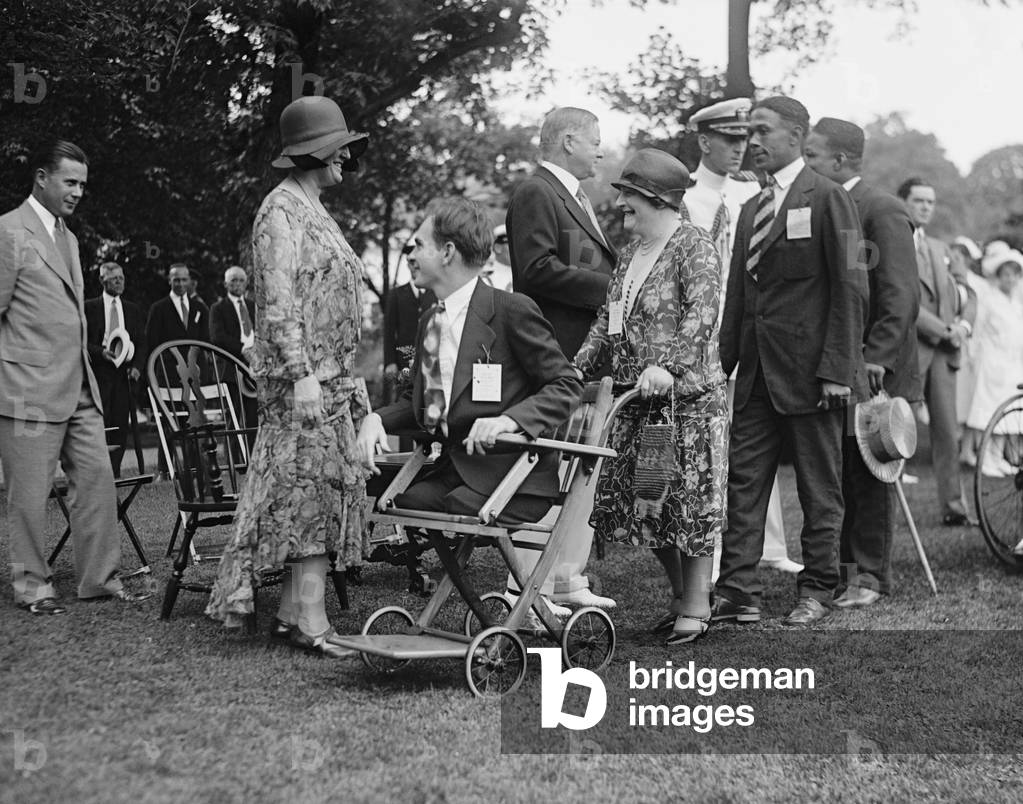
EVB2949084: President Herbert Hoover and the First Lady at a White House reception for Veterans, June 27, 1929. The inclusion of an African Americans in a photographed event was likely requested by Hoover / Bridgeman Images
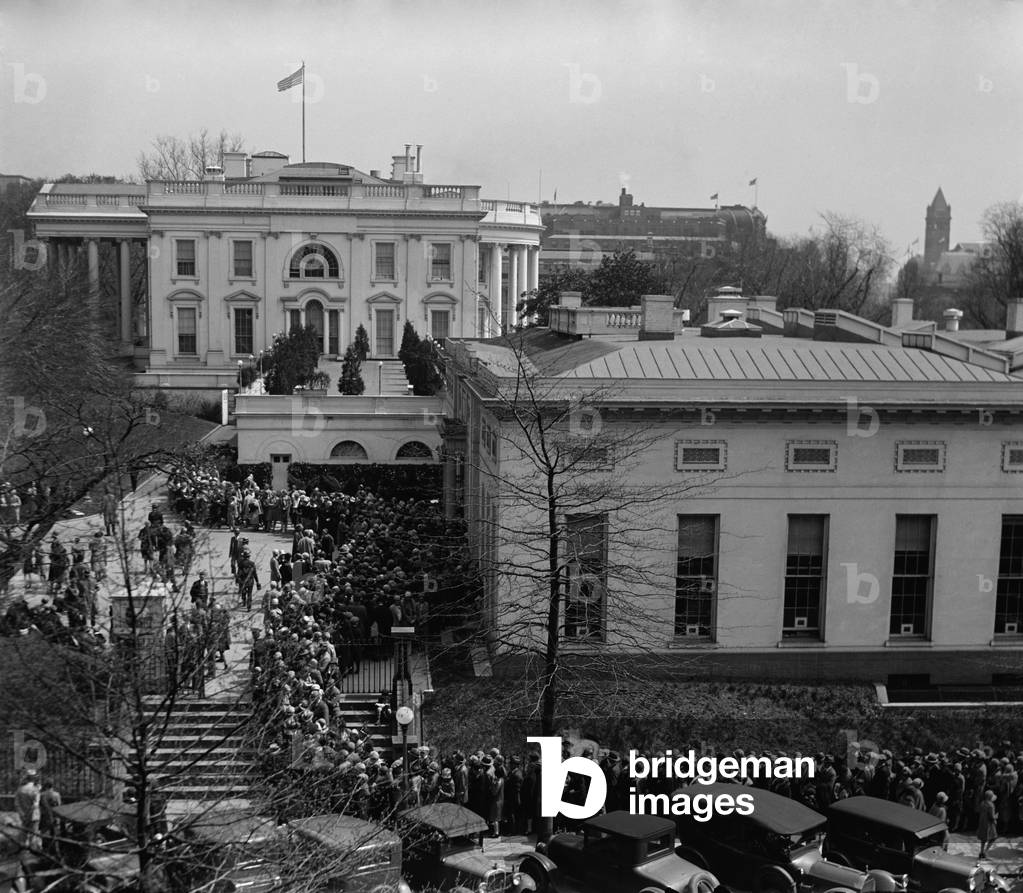
EVB2949090: Crowds at the White House for admission to the Easter Celebration, April 1, 1929. There was no Easter Egg Roll in 1929, since First Lady Lou Hoover disliked aftermath of egg stench / Bridgeman Images
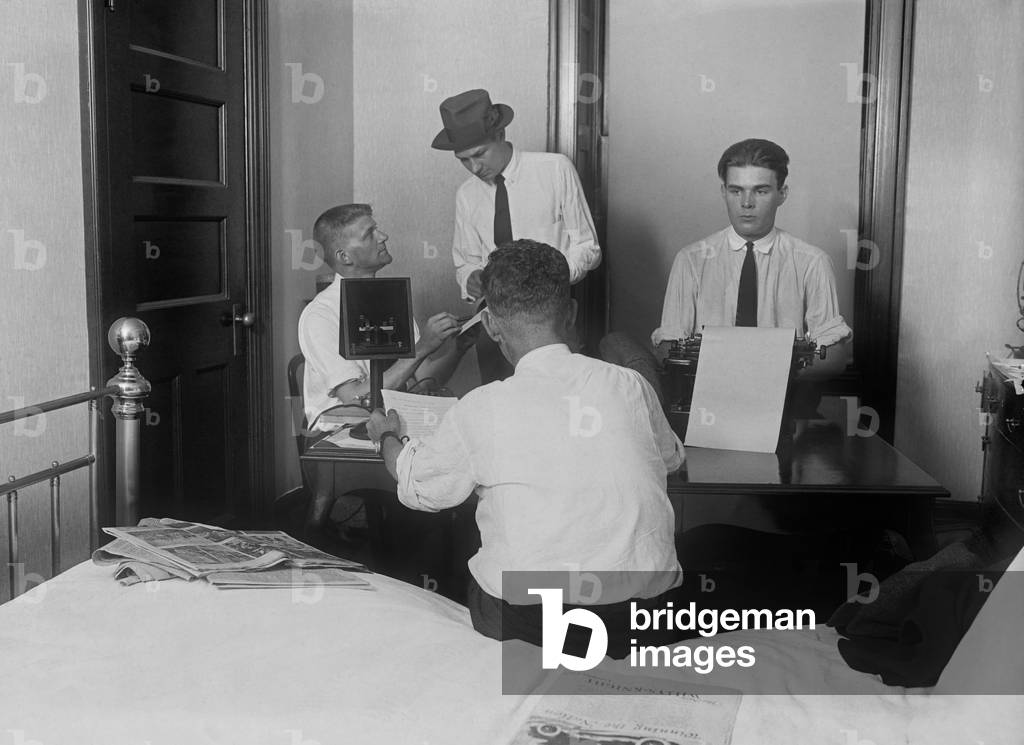
EVB2949093: Newsmen in a 'Press Room' at the Willard Hotel after the death of President Warren Harding. The landmark Washington, D.C. hotel was near the White House and also the residence of now President Calvin Coolidge, August, 6, 1923 / Bridgeman Images
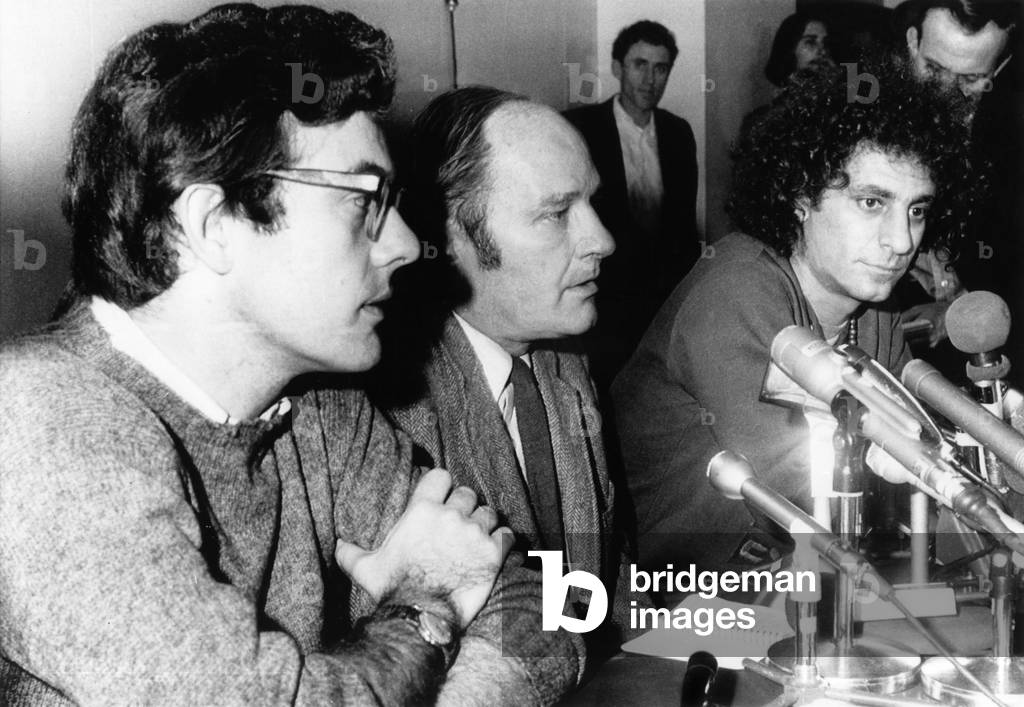
EVB2949216: Rennie Davis, David Dellinger and Abbie Hoffman, three of the men on trial for inciting riots at a press conference, Chicago, 1969 / Bridgeman Images
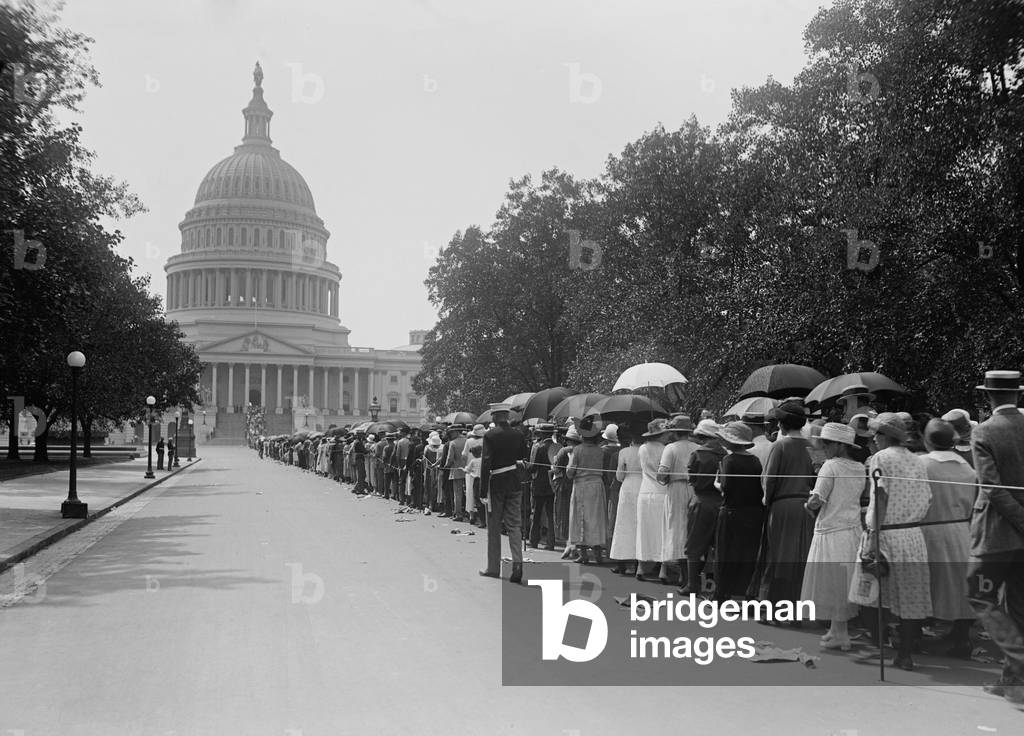
EVB2948864: People in long line waiting to pay respects to President Warren Harding in August 1923. Harding died on Aug. 2, and was lying in state at the Capitol before his funeral there on August 8 / Bridgeman Images