
Print this page or go back to standard view.
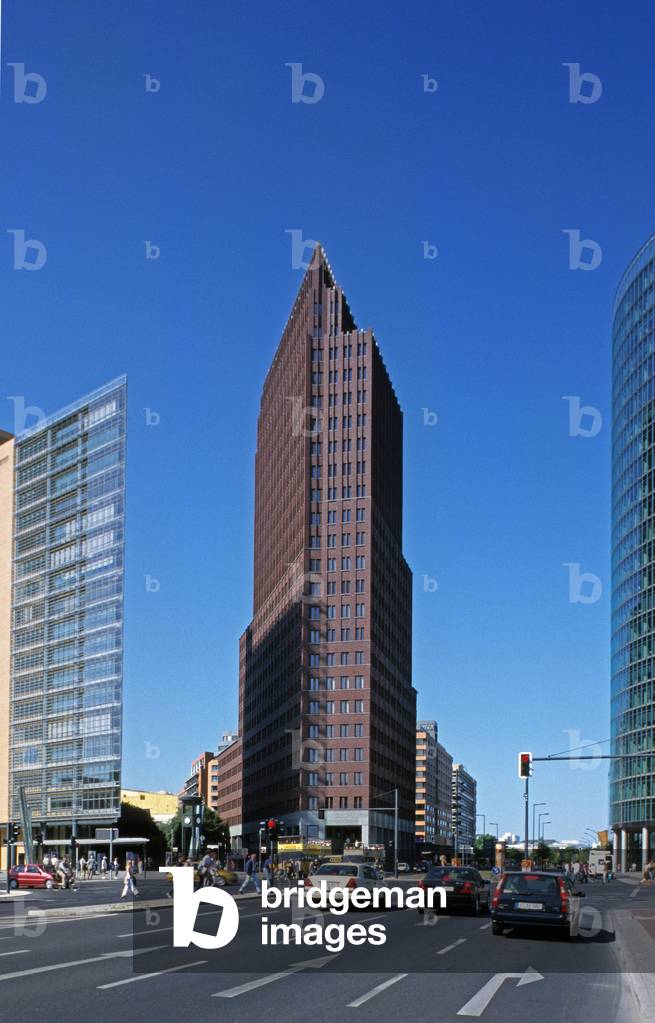
TEC4581193: Commercial and office building on the Potsdamerstrasse in Berlin (Germany). Architect Hans Kollhoff, 1994-1999. Photography 15/08/03. / Bridgeman Images
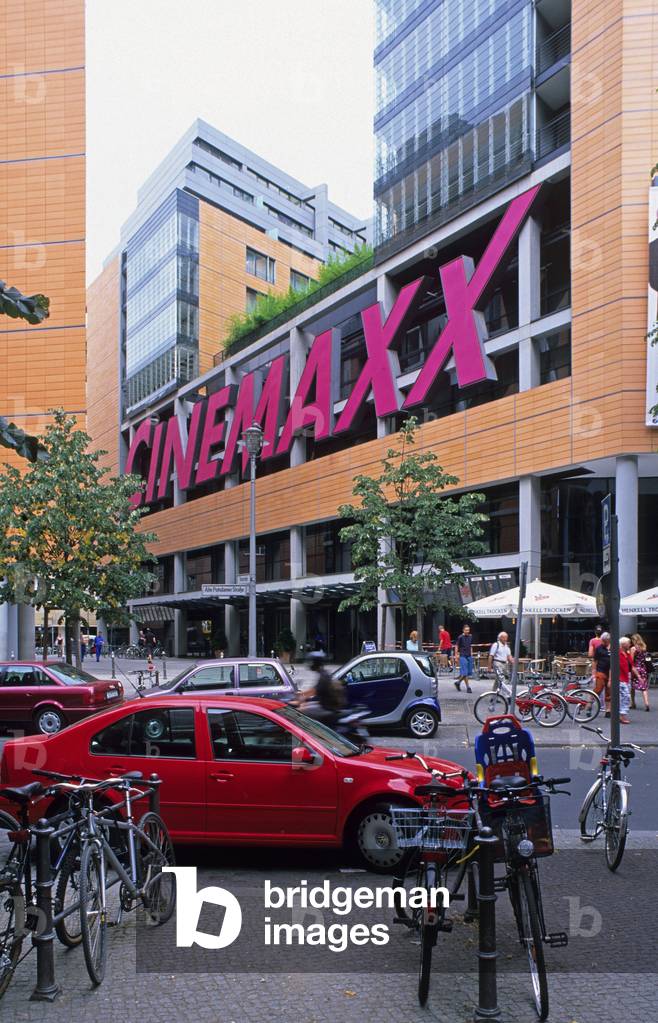
TEC4581239: Cinemaxx, Potsdamertrasse to Berlin (Germany). Architects Ulrike Lauber and Wolfman Wohr, 1996-1998. Photography 15/08/03. / Bridgeman Images
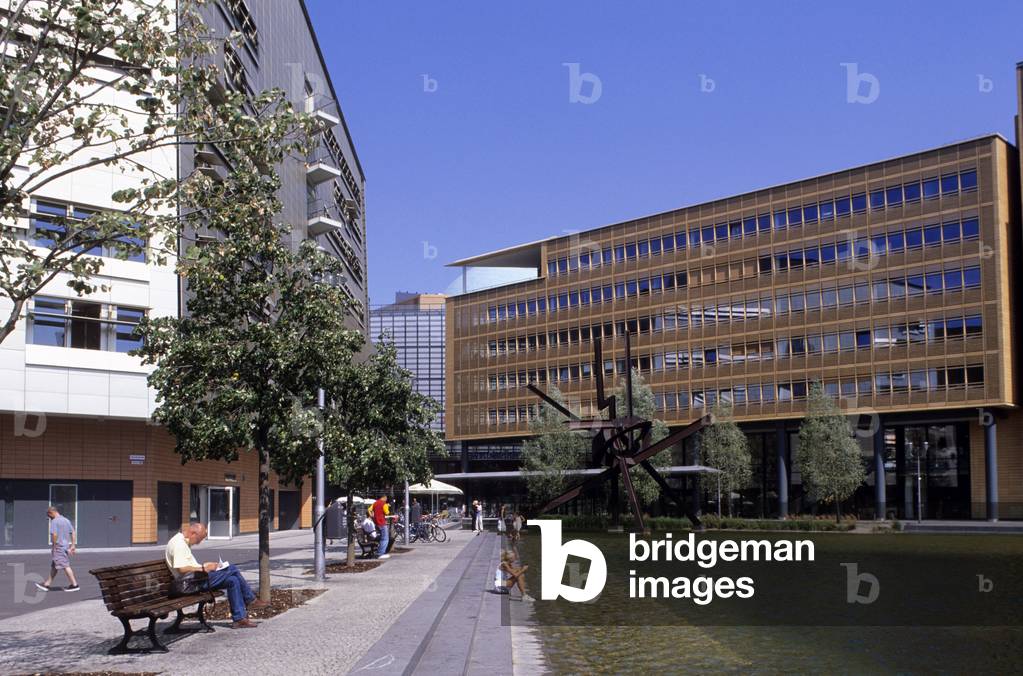
TEC4581314: The Daimler Chrysler Financial AG in Potsdamer Platz in Berlin / Bridgeman Images
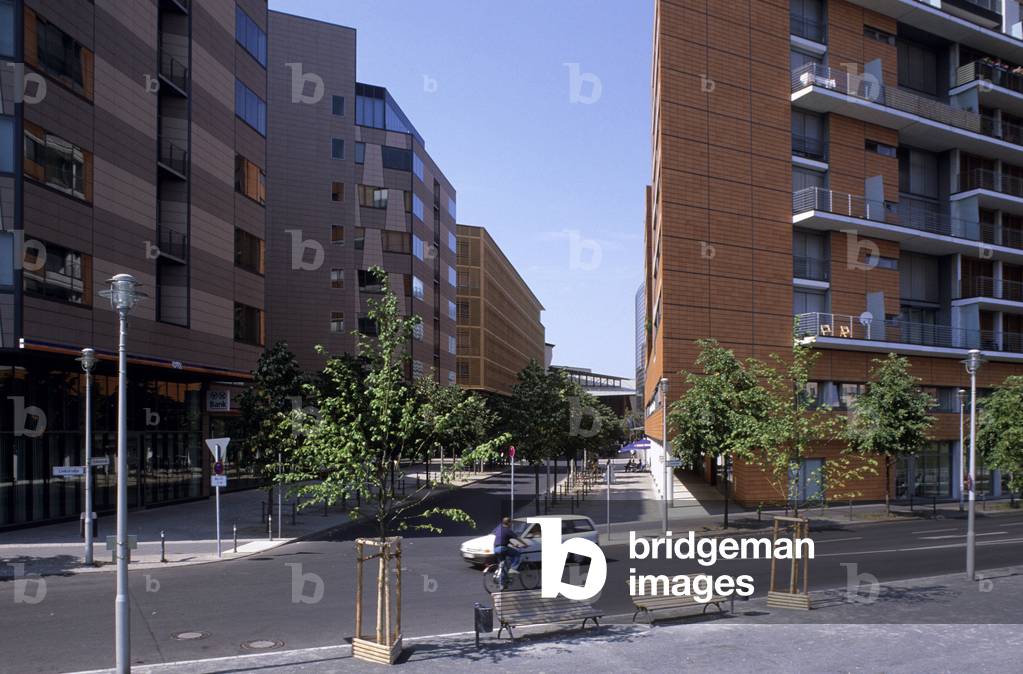
TEC4581346: La Potsdamer Platz in Berlin, Germany. Photography 01/10/03. / Bridgeman Images
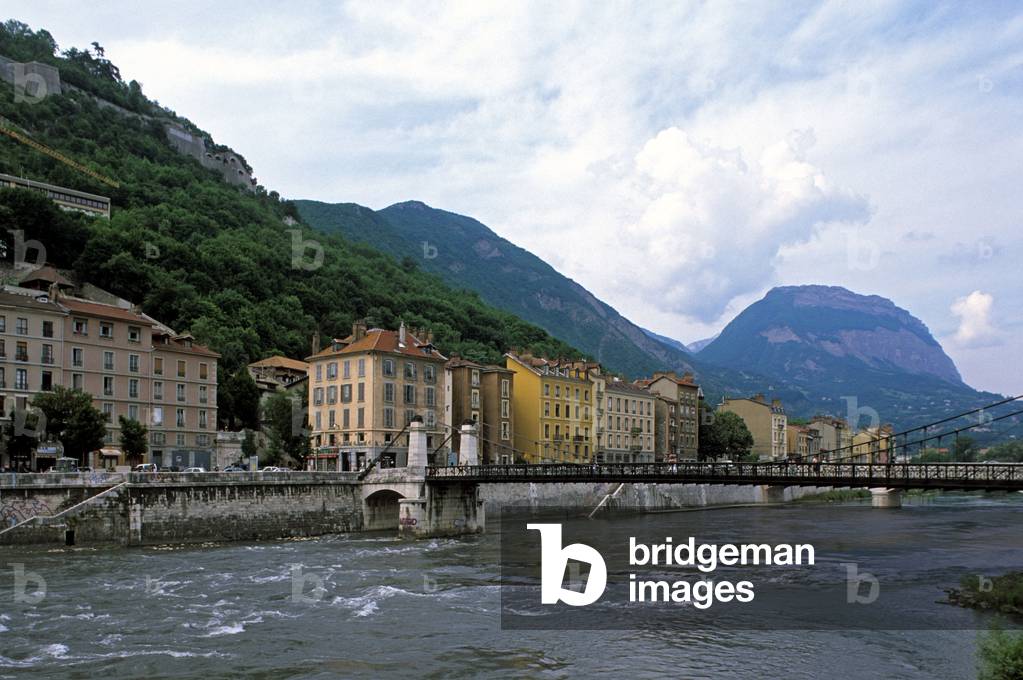
TEC4581683: Grenoble (Isere, Rhone Alpes). / Bridgeman Images
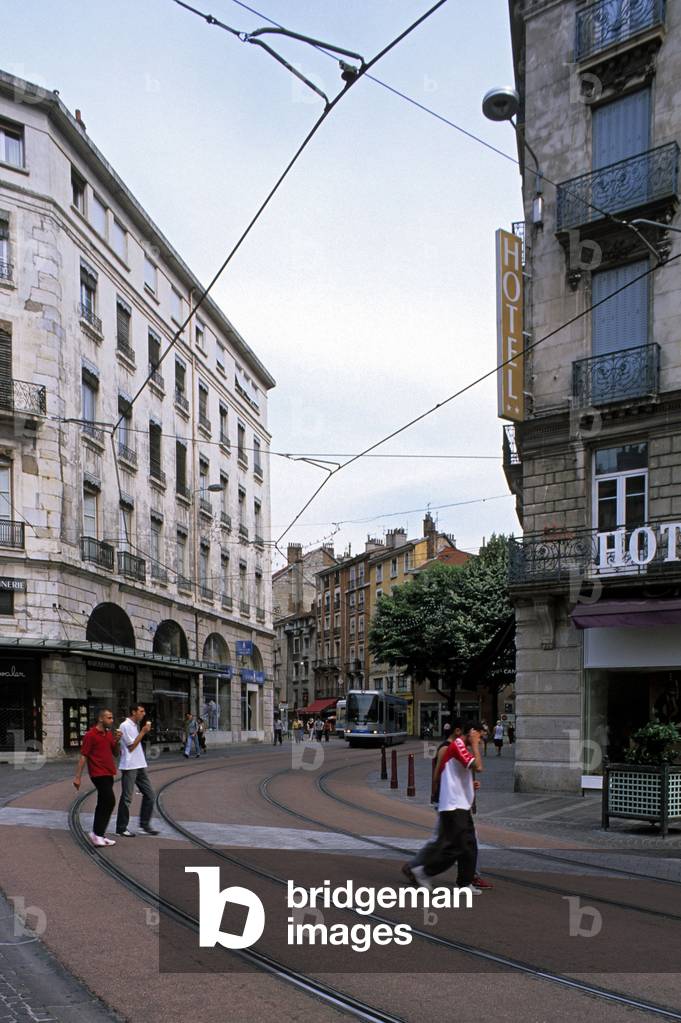
TEC4581713: Grenoble (Isere, Rhone Alpes). / Bridgeman Images

PIX4585510: Solar cannon of the 18th century - A 1800's sundial cannon - Couple sundial has a magnifying glass system and a cannon. When it is noon in the Sun, the magnifying glass lights the barrel. Such a dial has long been in use at the Palais Royal in Paris. A 1800's combination type sundial cannon. At noon the sun rays were focused by the lens to fire the cannon and announce the hour / Bridgeman Images

PIX4585572: Astronomical clock of the 19th century - Cathedrale Saint - Pierre - Beauvais - Astronomical clock of Saint - Pierre Cathedral - The astronomical clock was made by a Beauvaisian, Augustus - Lucien Verite, one of the most illustrious master watchmakers of the 19th century. Beauvais, France. The astronomical clock realised by Auguste - Lucien Verite, one of the most illustrious master clock of the 19th century. Beauvais, France / Bridgeman Images

PIX4585640: Prague Astronomical Clock - 15th century - The Prague Astronomical Clock - 15th century - The Prague Astronomical Clock and the Church of Our Lady of T n. The Prague astronomical clock and a portion of The Church of Our Lady in front of Tyn, Prague. May 2007 / Bridgeman Images

PIX4585682: Prague Astronomical Clock - 15th century - The Prague Astronomical Clock - 15th century - The Prague Astronomical Clock - 15th century - The Prague City Hall Astronomical Clock, built by Nicholas of Kadau in 1410, and redesigned by Master Hanus de la Rose (Jan Ruze) around 1490. May 2007. (clock and calendar). Prague astronomical clock was made by clockmaker Mikulas of Kadan in 1410 and rearranged in 1490. May 2007 / Bridgeman Images

PIX4585697: Prague Astronomical Clock - 15th century - The Prague Astronomical Clock - 15th century - The Prague Astronomical Clock - 15th century - The Prague City Hall Astronomical Clock, built by Nicholas of Kadau in 1410, and redesigned by Master Hanus de la Rose (Jan Ruze) around 1490. May 2007. (detail). Prague astronomical clock was made by clockmaker Mikulas of Kadan in 1410 and rearranged in 1490. May 2007 / Bridgeman Images

TEC4585852: Cour Damoye, Paris 11th arrondissement. / Bridgeman Images

PIX4585912: Astronomical clock of the cathedral of Strasbourg - Detail - Astronomical clock of Strasbourg Cathedral - Detail - Located in the cathedral of Strasbourg, the astronomical clock was built by a team of Swiss watchmakers in 1547. It was restored and modified between 1838 and 1843 by Jean-Baptiste Schwilgue, a Strasbourg watchmaker. However, a first clock, known as the “Three Kings”, existed from 1354. Here, the planetary and the phases of the moon. At the top of the clock, a ball indicates the phases of the Moon (here, the first quarter). Below, the planetary indicates the position of the planets around the Sun. It is surrounded by the twelve signs of the zodiac. In the foreground, the clock dial. The cathedral's south transept houses an 18 - mettre astronomical clock, one of the largest in the world, built in the 16th century. It was restored and modified in the 19th century / Bridgeman Images

PIX4586010: Clock astronomical de Lyon - Astronomical clock in Lyon - France - Detail of the astrolabe. The zodiac, the position of the Sun on the ecliptic, the lunar circle with the Moon in the last quarter. In the background, the map of the sky. Located in the Cathedrale Saint John, the clock dates back to 1379. Writings testifying to his presence in the cathedrale since 1383, making him one of the oldest astronomical clocks in Europe. It consists of a 1.80m square tower, surmounted by an octagonal turret presenting the automatons and a dome supporting a rooster. The whole peak is 9.35m high. The astronomical part consists of 3 parts: the astrolabe; below, the perpetual calendar, and on the right side, the minute dial. Astronomical clock - 16th century by Hugues Levet. Saint Jean Baptiste cathedral, Lyon, France. The Astrolab / Bridgeman Images

TEC4586022: Rue du Cantal Paris 11th arrondissement. / Bridgeman Images

TEC4586071: Demolition of the Church of Notre-Dame de l'Esperance Rue de la Roquette Paris 11th arrondissement. / Bridgeman Images

TEC4586121: Demolition of the Church of Notre Dame de l'Esperance Rue de la Roquette in Paris 11th arrondissement. / Bridgeman Images

PIX4586174: 15th century astronomical clock - Bourges - Astronomical clock - 15th century - Bourges - France - Bourges - Cathedrale Saint Etienne. Astronomical clock of Jean Fusoris 15th century, 1424. Astronomical clock - 15th century by Jean Fusoris. Saint Etienne cathedral, Bourges, France / Bridgeman Images
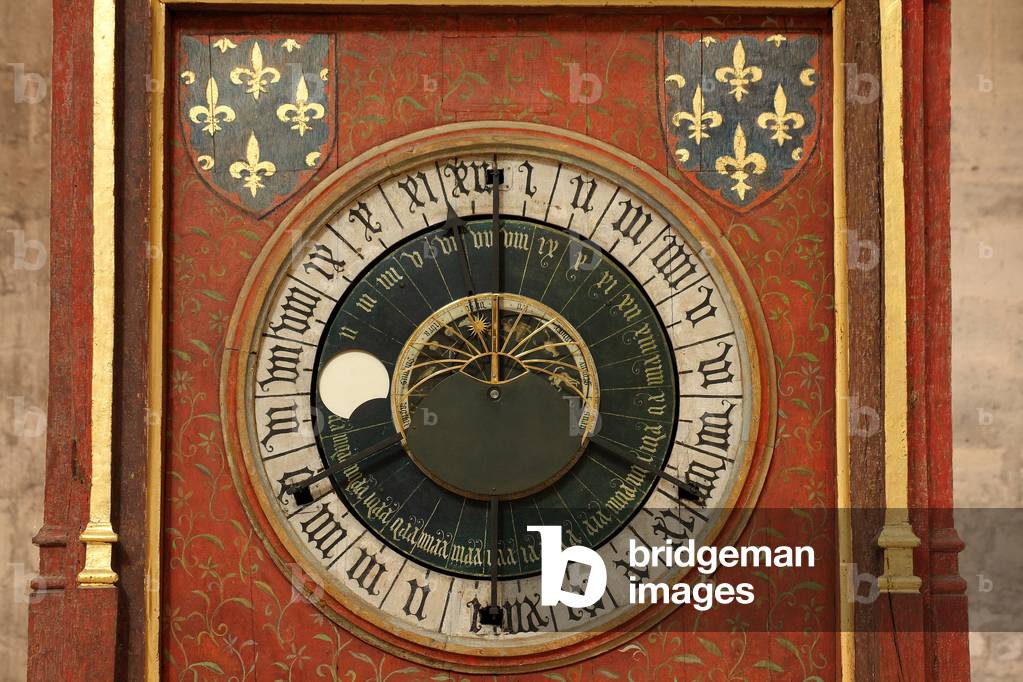
PIX4586187: 15th century astronomical clock - Bourges - Astronomical clock - 15th century - Bourges - France - Bourges - Cathedrale Saint Etienne. Astronomical clock of Jean Fusoris 15th century, 1424. The astronomical dial shows the average time (outer circle, graduated in 24 hours), the phases of the Moon and the date. On the inner circle, the time of sunrise and sunset in Bourges and the height of the sun relative to the horizon, as well as its position in front of the zodiac. Astronomical clock - 15th century by Jean Fusoris. Saint Etienne cathedral, Bourges, France / Bridgeman Images
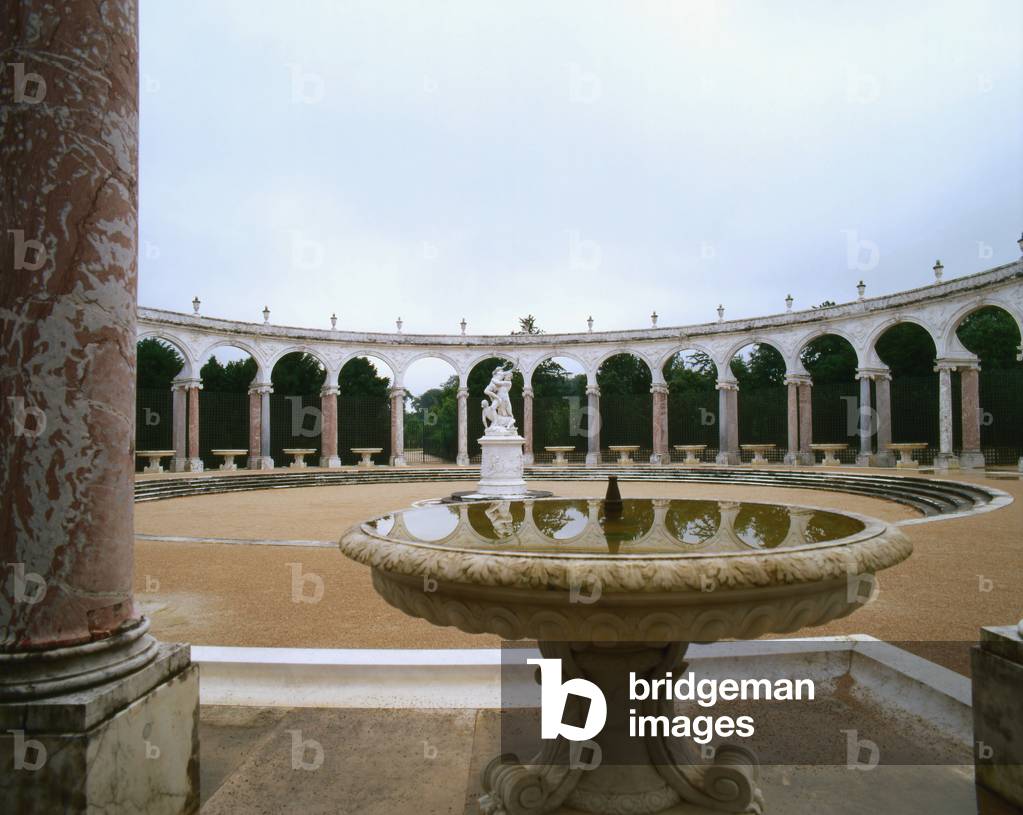
ITR4561970: La Colonnade in the Parc du Chateau de Versailles (Les Yvelines), 1660-1700. Gardens of Andre Le Notre (1613-1700) and principal architects: Louis Le Vau (1612-1670) and Jules Hardouin Mansart (1646-1708). / Bridgeman Images

PIX4582046: Star Sky and Moonlight in Atacama Desert - Starry sky with moonlight in Atacama desert - Star Sky and Moonlight in Atacama Desert, Chile, May 2009. Starry sky with moonlight in Atacama desert, Chile, May 2009 / Bridgeman Images

PIX4582055: Phare breton et voie lactee - Milky way above a lighthouse in Brittany - Ciel d'summer seen on June 24, 2009 in Ploumanac'h (Cotes d'Armor). Summer sky seen at Ploumanac'h (Cotes d'Armor), Brittany, June 24 2009 / Bridgeman Images

ITR4582512: Avoriaz (Haute Savoie) in winter. Architect Jacques Labro 1966. / Bridgeman Images
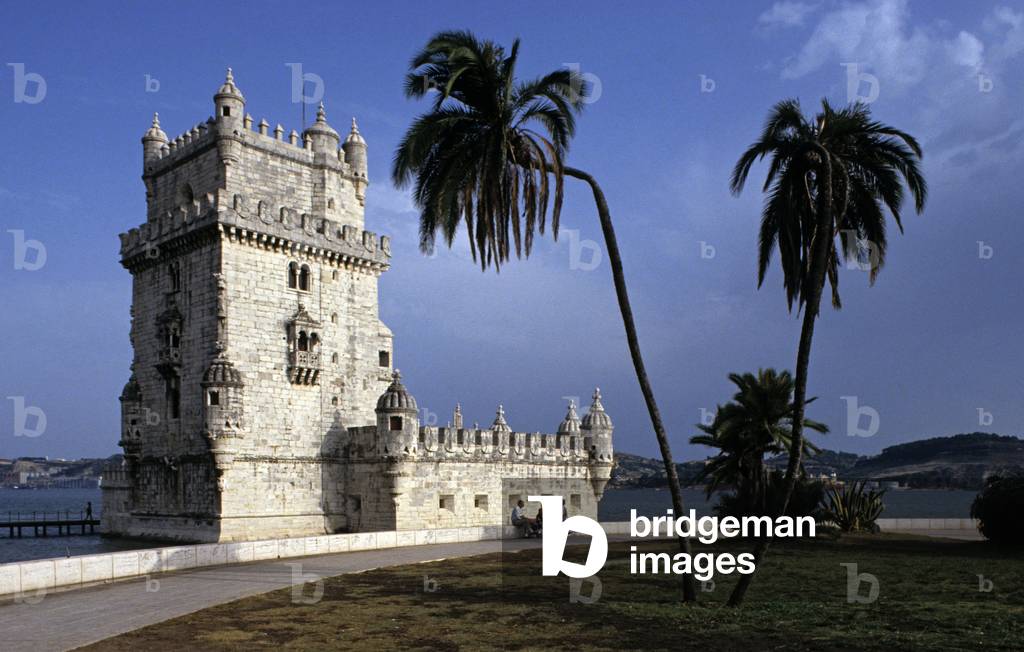
LBY4562222: Belem Tower in Lisbon (Portugal), built in 1521. / Bridgeman Images
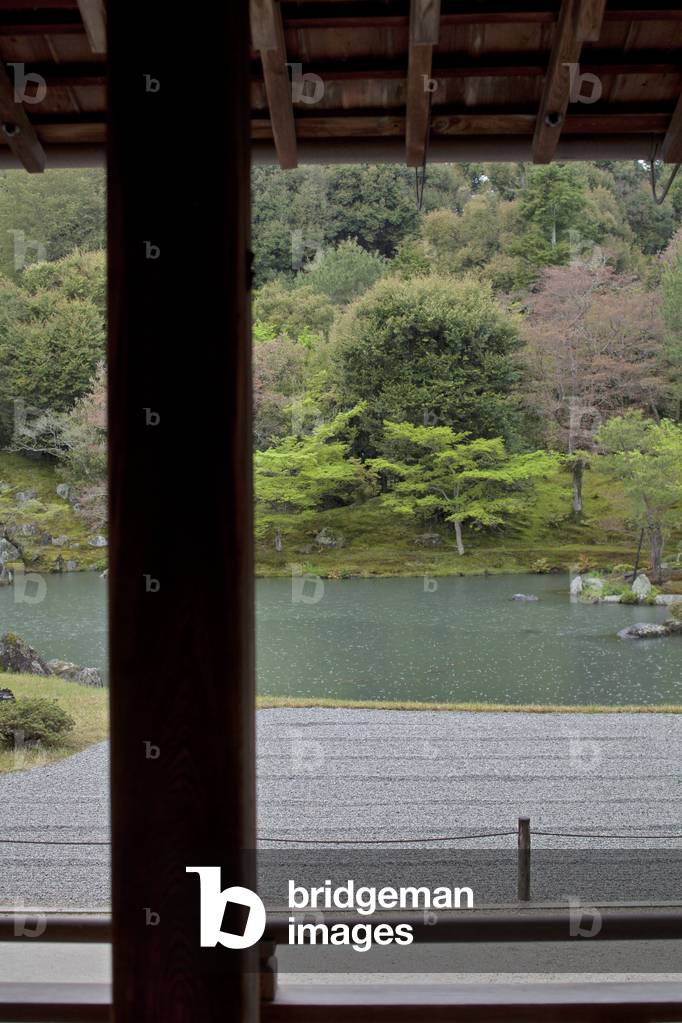
TEC4562885: Tenryu-ji, a Buddhist temple in Kyoto, Japan. / Bridgeman Images
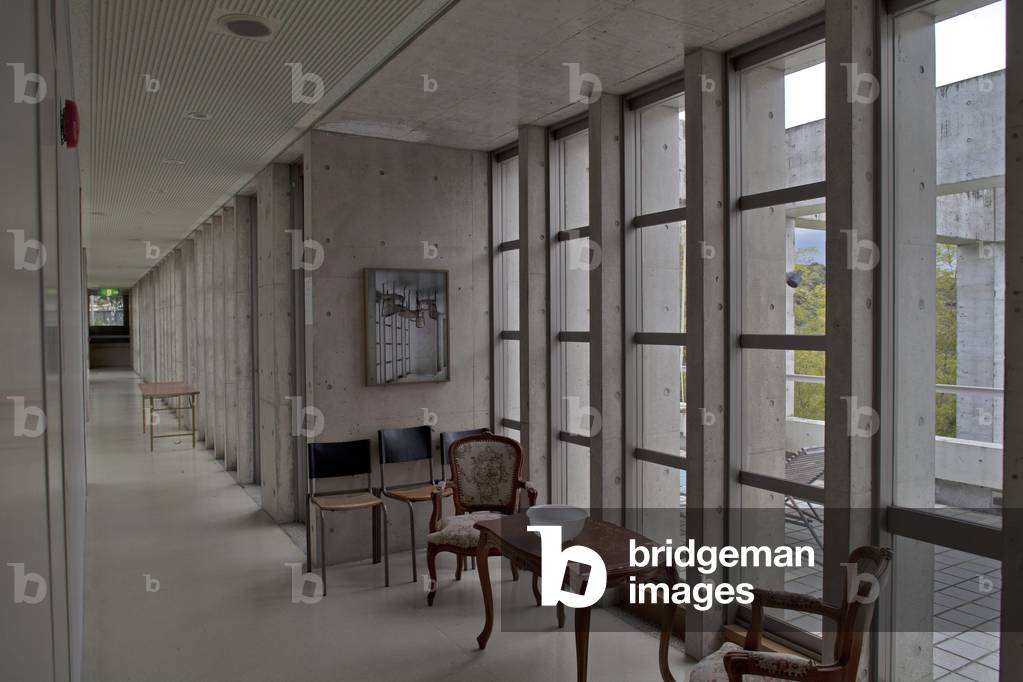
TEC4562945: Villa Kujoyama in Kyoto, Japan. / Bridgeman Images
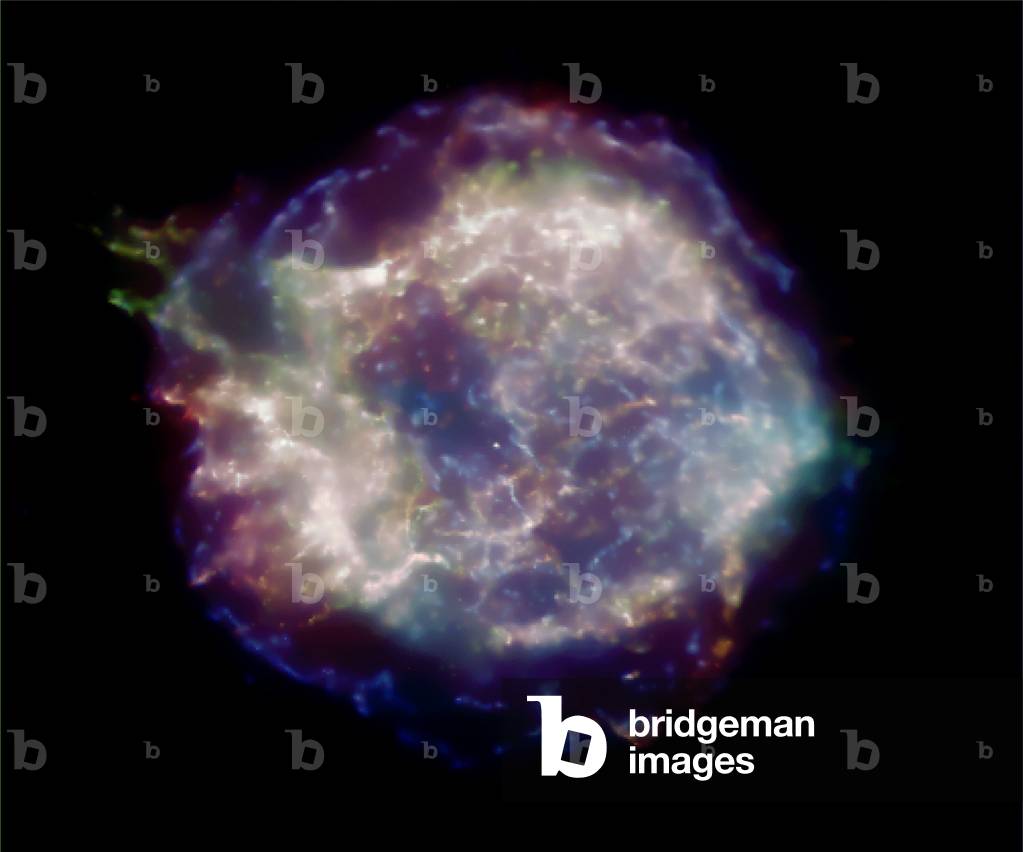
PIX4582956: X-ray Cassiopee A supernova remains - Cas A is the remnant of a star that exploded about 300 years ago. The X - ray image shows an expanding shell of hot gas produced by the explosion. This gaseous shell is about 10 light years in diameter, and has a temperature of about 50 million degrees. Cassiopeia A: The 320 year old remnant of a massive star that exploded. Located in the constellation Cassiopeia, it is 10 light years across and 10,000 light years from Earth.The low, medium, and higher X - ray energies of the Chandra data are shown as red, green, and blue respectively / Bridgeman Images

PIX4582989: Remains of Supernova 1E0102.2 - 7219 - The Hubble Space Telescope photographed the remains of a supernova, a massive late-life star that exploded. Located 210,000 years of light from Earth, in the galaxy of the Little Magellan Cloud, 1E0102.2 - 7219 is now dissipated into blue filaments visible in the center of the image. At 50 years - light from the, top right, stars are born in a large gas cloud, the star-forming region N76 (Henize 1956). Composite images obtained in October 2003 and July 1995 with the ACS camera and the large field planetary camera / Bridgeman Images

PIX4583033: Remains of the Crab Supernova (M1) in the Taurus - M1, the Crab Nebula, is the rest of a supernova that exploded in July or August 1054. It is located about 7000 light years from Earth in the constellation Taurus. At the heart of this nebula is a pulsar. Image obtained from photo plates made at the 5m telescope of Mount Palomar in February 1956 / Bridgeman Images
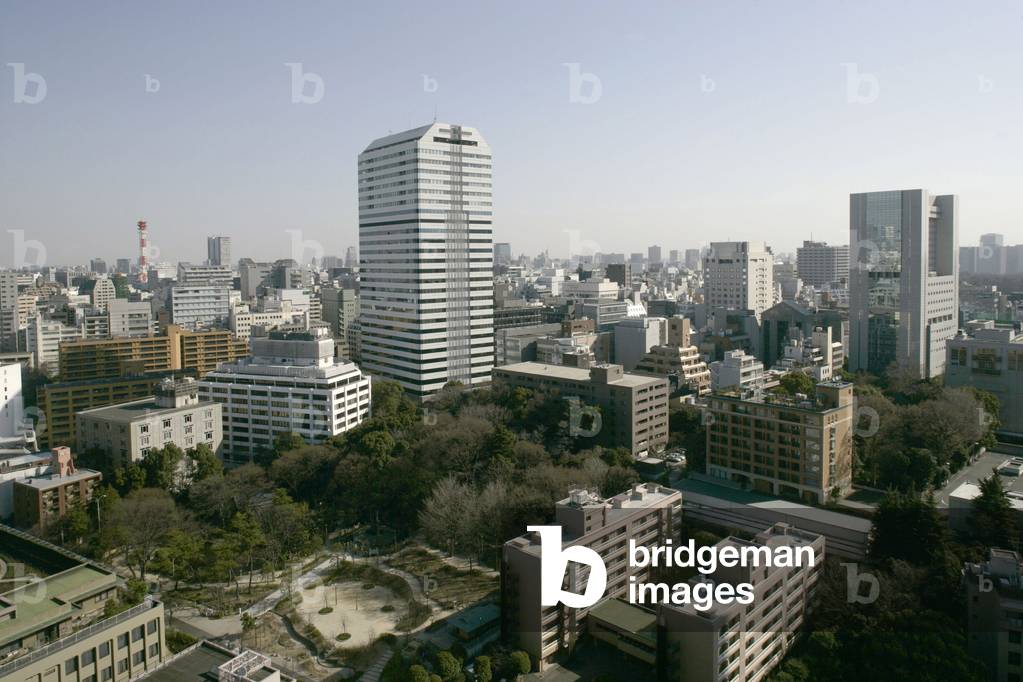
TEC4563217: Panoramic view of Tokyo (Japan). / Bridgeman Images
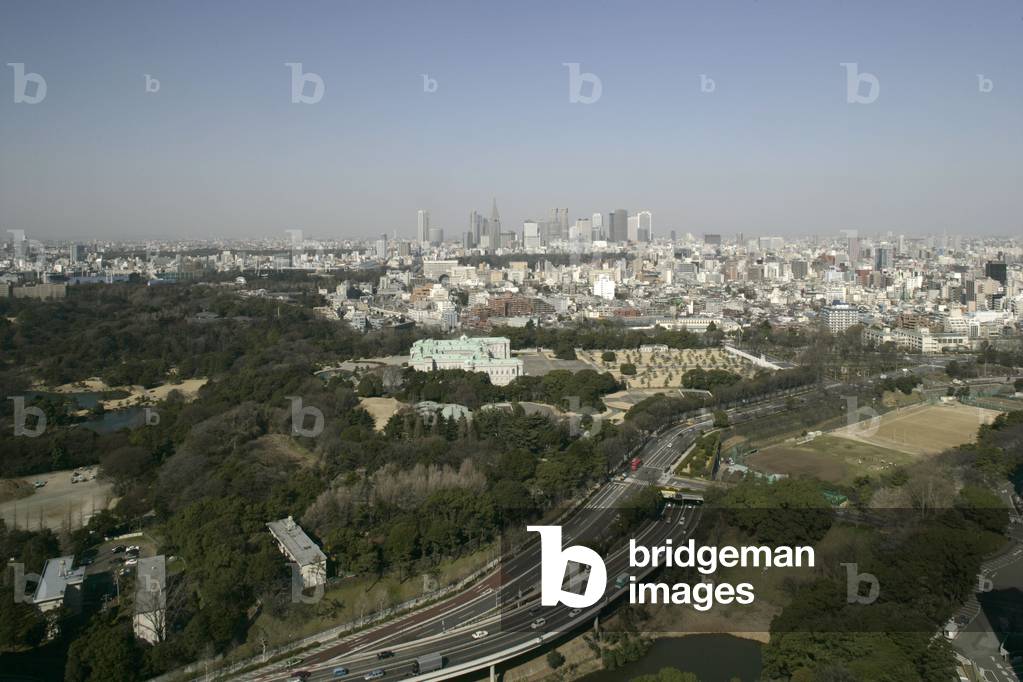
TEC4563229: Panoramic view of Tokyo (Japan). / Bridgeman Images
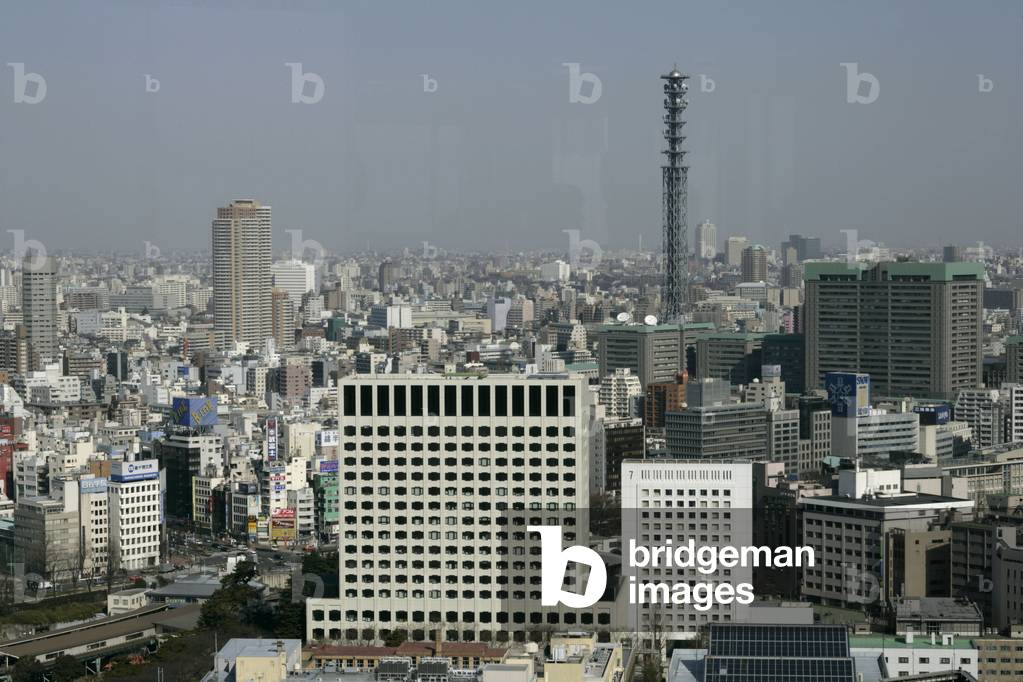
TEC4563237: Panoramic view of Tokyo (Japan). / Bridgeman Images

TEC4571227: Cairo Passage to Paris 2nd arrondissement. / Bridgeman Images

PIX4574699: The satellite Ganymede seen by the probe Voyager 2 - Detail of the surface of Ganymede seen by Voyager 2 in July 1979 has about 313 000 km from the satellite. The region is 1300 km wide / Bridgeman Images

PIX4574742: The Io satellite seen by the Galileo probe - The Jupiter Io satellite photographed by the Galileo probe from 25 to 29 June 199 / Bridgeman Images

PIX4571311: Comete Panstarrs C/2011 L4: Comete PanStarrs (C/2011 L4) on 21 March 2013 / Bridgeman Images