Print Friendly Version Page

2501809 Search Results

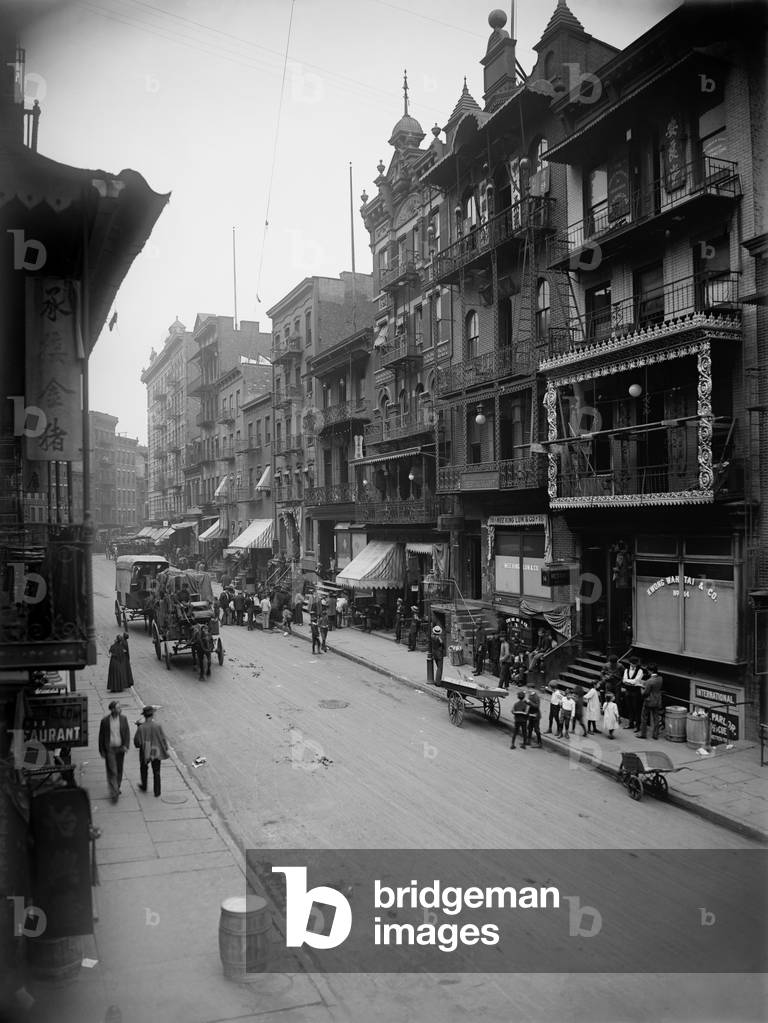
Mott Street in New York City's Chinatown presents a cosmopolitan scene mixing Asian and American-European dress and faces. The street is lined with restaurants, laundries, and pushcarts. c. 1900

EVB2936854: Mott Street in New York City's Chinatown presents a cosmopolitan scene mixing Asian and American-European dress and faces. The street is lined with restaurants, laundries, and pushcarts. c. 1900 / Bridgeman Images

Political cartoon showing Iroquois women on cliff overlooking women marching with banner 'woman suffrage.' It's caption reads: Savagery to 'civilization'--The Indian women: We whom you pity as drudges reached centuries ago the goal that you are now nearing. By Udo Keppler for PUCK Magazine, May 1914

EVB2936948: Political cartoon showing Iroquois women on cliff overlooking women marching with banner 'woman suffrage.' It's caption reads: Savagery to 'civilization'--The Indian women: We whom you pity as drudges reached centuries ago the goal that you are now nearing. By Udo Keppler for PUCK Magazine, May 1914 / Bridgeman Images
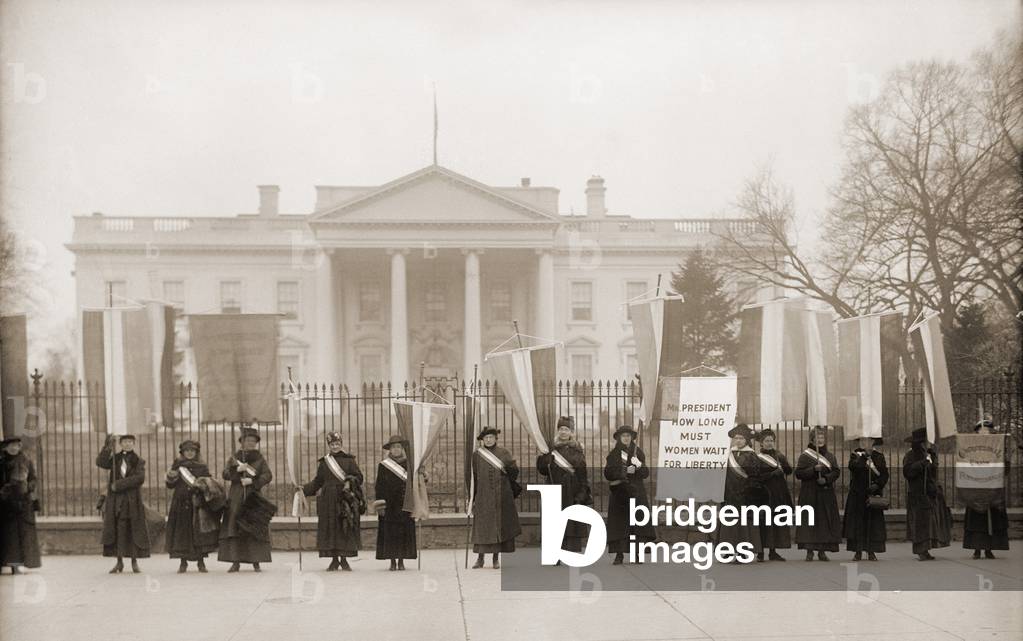
National Women's Party demonstration in front of the White House in 1918. The banner protests Wilson's failure to support women's suffrage

EVB2936996: National Women's Party demonstration in front of the White House in 1918. The banner protests Wilson's failure to support women's suffrage / Bridgeman Images
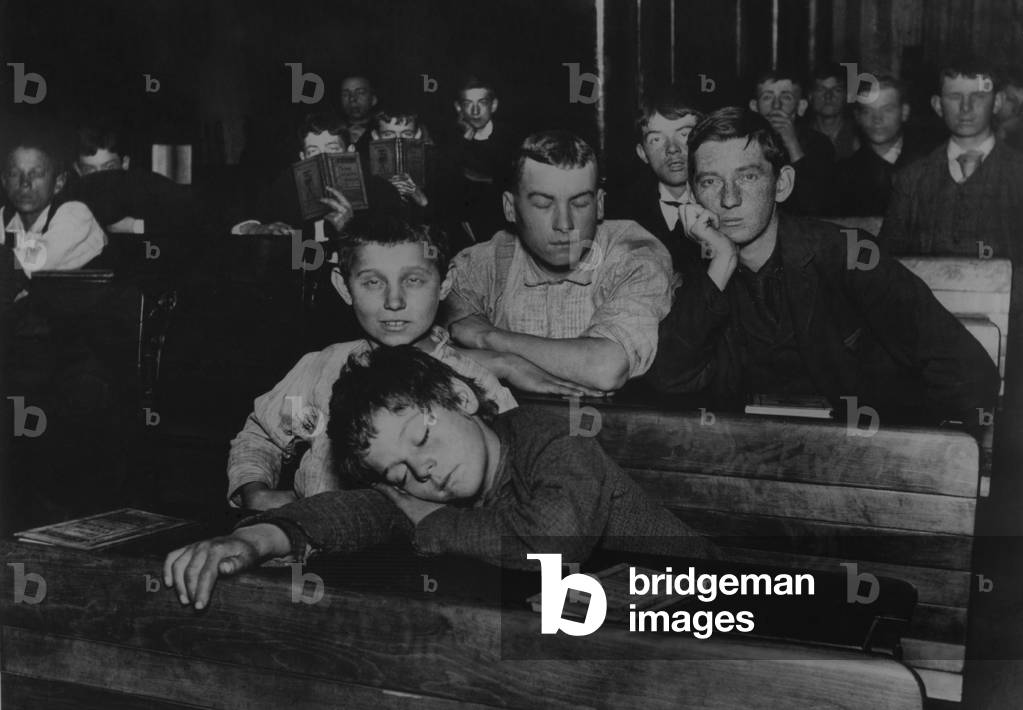
Boys and teenagers attend night school in the Seventh Avenue Lodging House, which was home for a couple hundred 'Street Arabs,' who worked during the day and no longer lived with their families. 1900 photograph by Jacob Riis

EVB2936944: Boys and teenagers attend night school in the Seventh Avenue Lodging House, which was home for a couple hundred 'Street Arabs,' who worked during the day and no longer lived with their families. 1900 photograph by Jacob Riis / Bridgeman Images
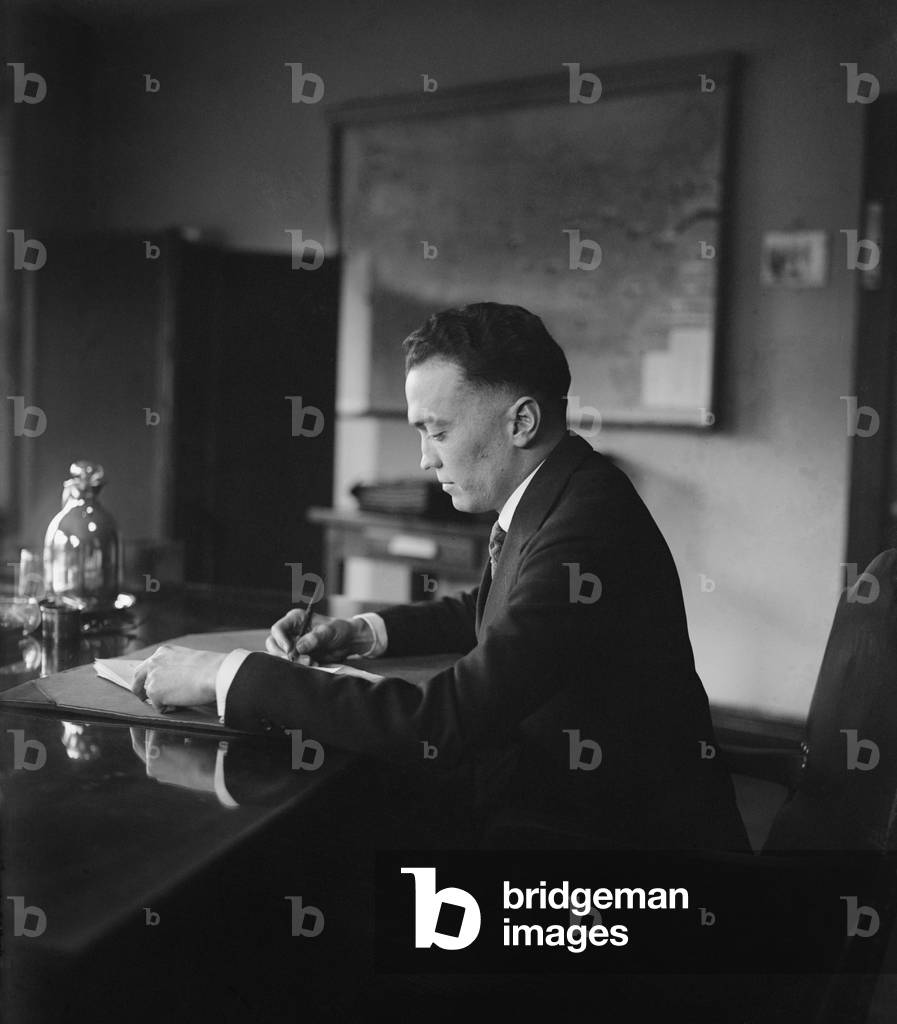
J. Edgar Hoover (1895-1972), as director of the Bureau of Investigation in 1924. Under his leadership the Bureau became the FBI in 1935, which he headed until his death in 1972. Photo taken Dec. 22, 1924

EVB2937044: J. Edgar Hoover (1895-1972), as director of the Bureau of Investigation in 1924. Under his leadership the Bureau became the FBI in 1935, which he headed until his death in 1972. Photo taken Dec. 22, 1924 / Bridgeman Images
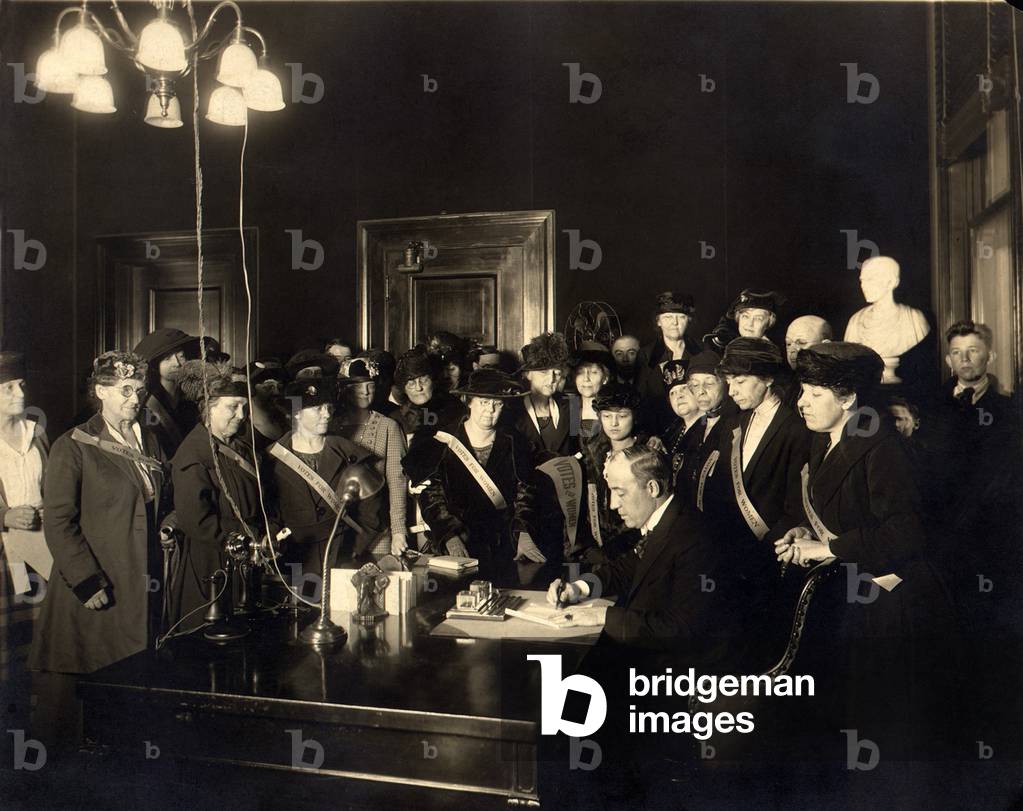
A room full women wearing Votes for Women' banners, witness Governor Edwin P. Morrow signing Kentucky's ratification of the 19th Amendment. Kentucky was the 24th state of the required 36 to ratify. January 6, 1920

EVB2937004: A room full women wearing Votes for Women' banners, witness Governor Edwin P. Morrow signing Kentucky's ratification of the 19th Amendment. Kentucky was the 24th state of the required 36 to ratify. January 6, 1920 / Bridgeman Images
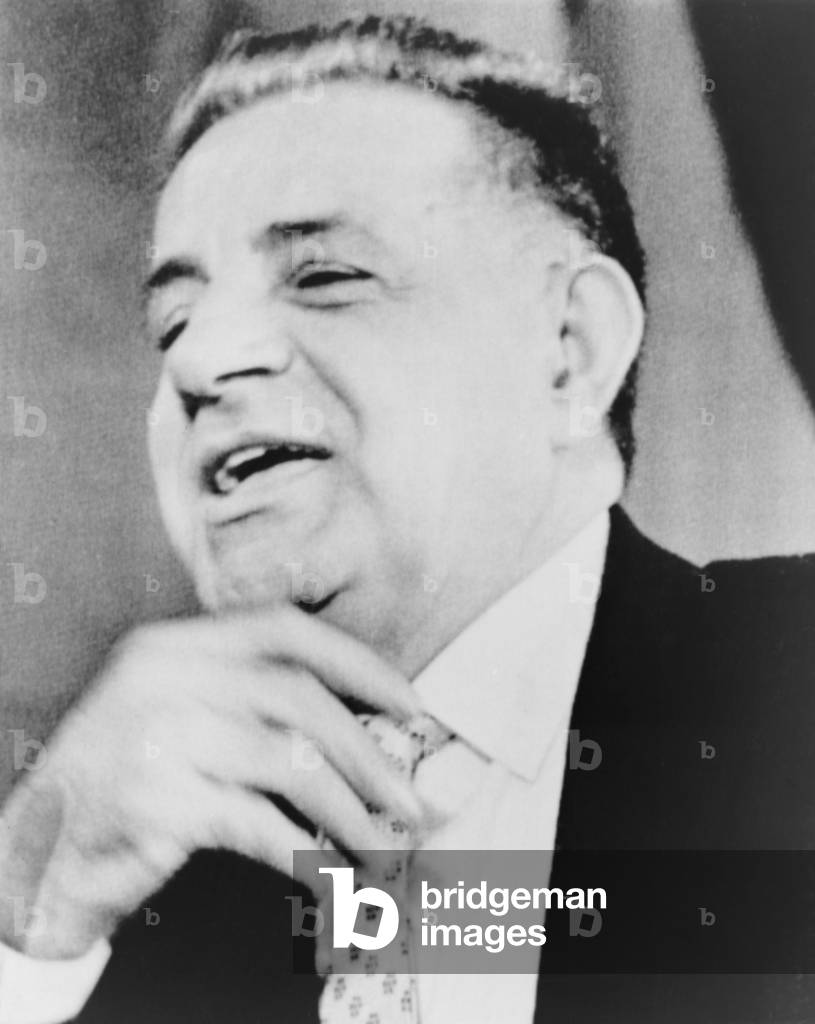
Joseph Valachi, 'singing' during appearance before Senate Investigations subcommittee in 1963. Valachi, a lifelong Mafia insider, provided detailed testimony on Mafia organization, culture, and leaders. Charles Bronson portrayed the gangster in the 1972 movie, THE VALACHI PAPERS

EVB2937068: Joseph Valachi, 'singing' during appearance before Senate Investigations subcommittee in 1963. Valachi, a lifelong Mafia insider, provided detailed testimony on Mafia organization, culture, and leaders. Charles Bronson portrayed the gangster in the 1972 movie, THE VALACHI PAPERS / Bridgeman Images
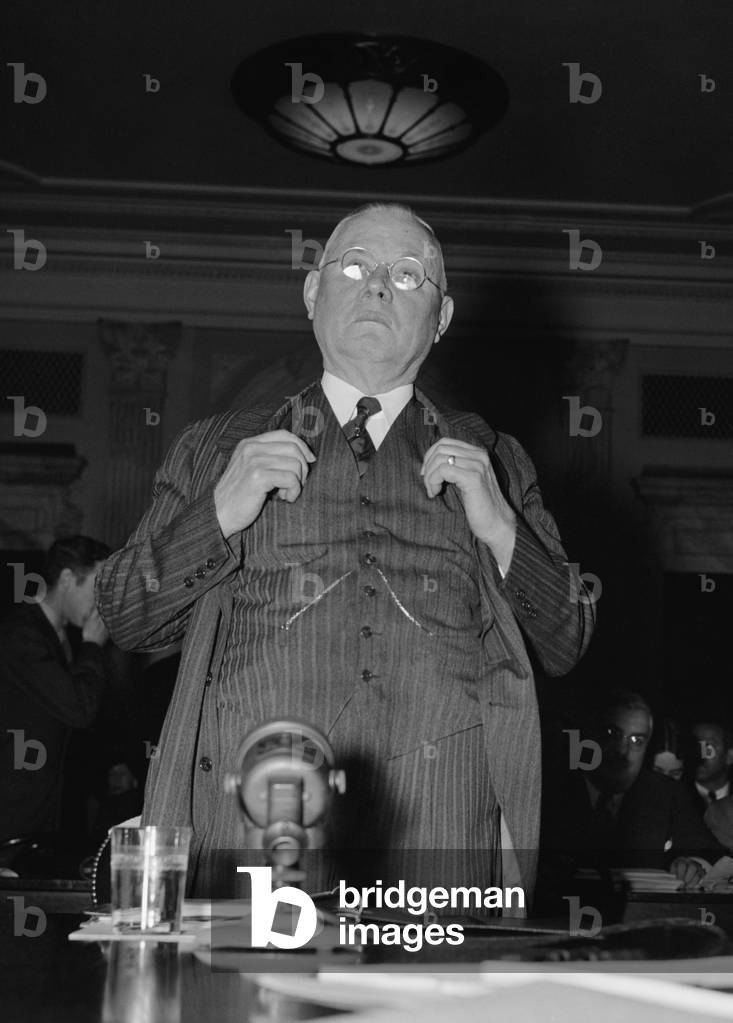
William Green (1873-1952), President of the American Federation of Labor (AFL), before the Senate Education and Labor Committee. He accused the National Labor Relations Board of dictator tactics and bias toward a competing union, the CIO (Congress of Industrial Organizations). May 1, 1939

EVB2938036: William Green (1873-1952), President of the American Federation of Labor (AFL), before the Senate Education and Labor Committee. He accused the National Labor Relations Board of dictator tactics and bias toward a competing union, the CIO (Congress of Industrial Organizations). May 1, 1939 / Bridgeman Images
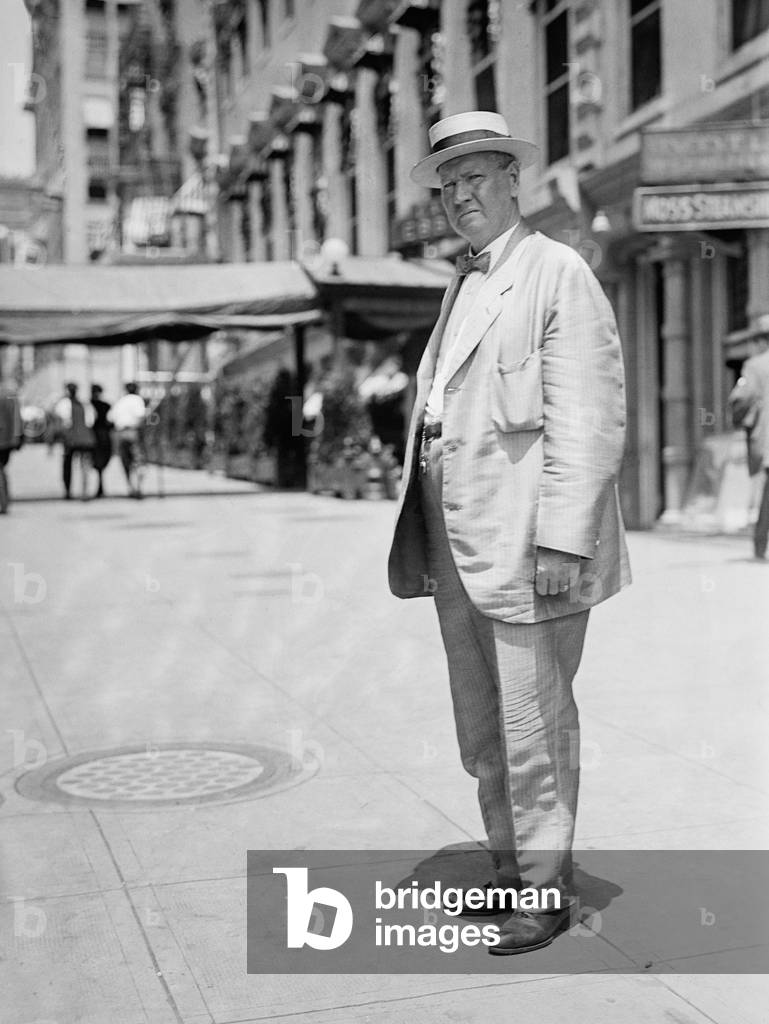
William B. Wilson (1862-1934), Scottish-American labor leader and politician, first Secretary of Labor (1913-1921) under President Woodrow Wilson. He worked as a child laborer in coal mines, was secretary-treasurer of the United Mine Workers of America from 1900 to 1908, and represented Pennsylvania in Congress

EVB2938042: William B. Wilson (1862-1934), Scottish-American labor leader and politician, first Secretary of Labor (1913-1921) under President Woodrow Wilson. He worked as a child laborer in coal mines, was secretary-treasurer of the United Mine Workers of America from 1900 to 1908, and represented Pennsylvania in Congress / Bridgeman Images
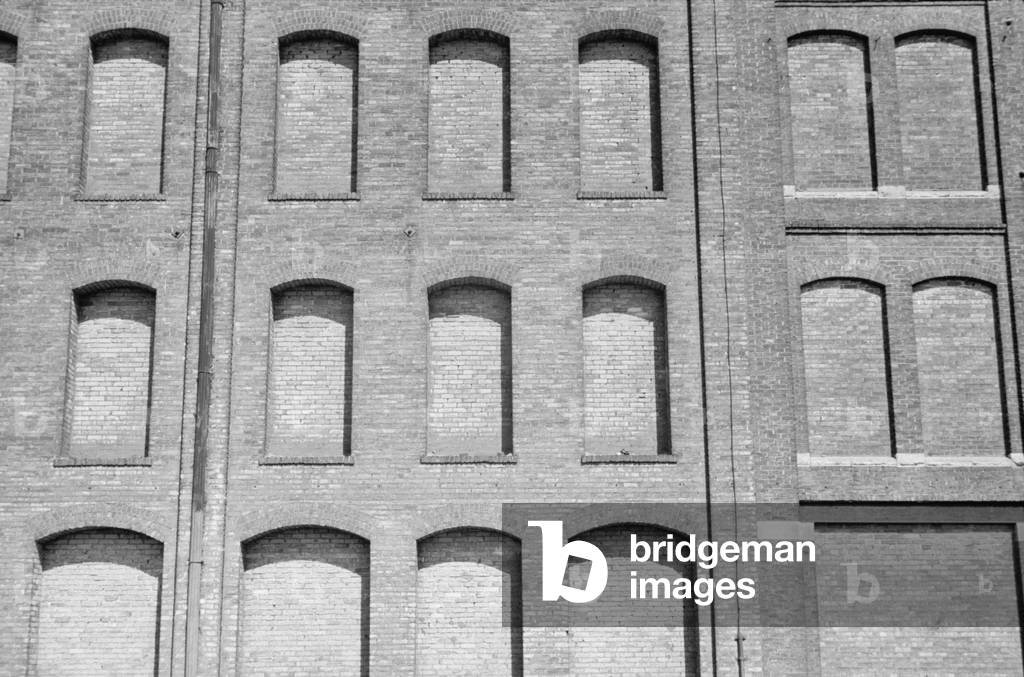
Factory windows bricked up for conversion to a warehouse in Minneapolis, Minnesota, during the Great Depression. 1939

EVB2938107: Factory windows bricked up for conversion to a warehouse in Minneapolis, Minnesota, during the Great Depression. 1939 / Bridgeman Images
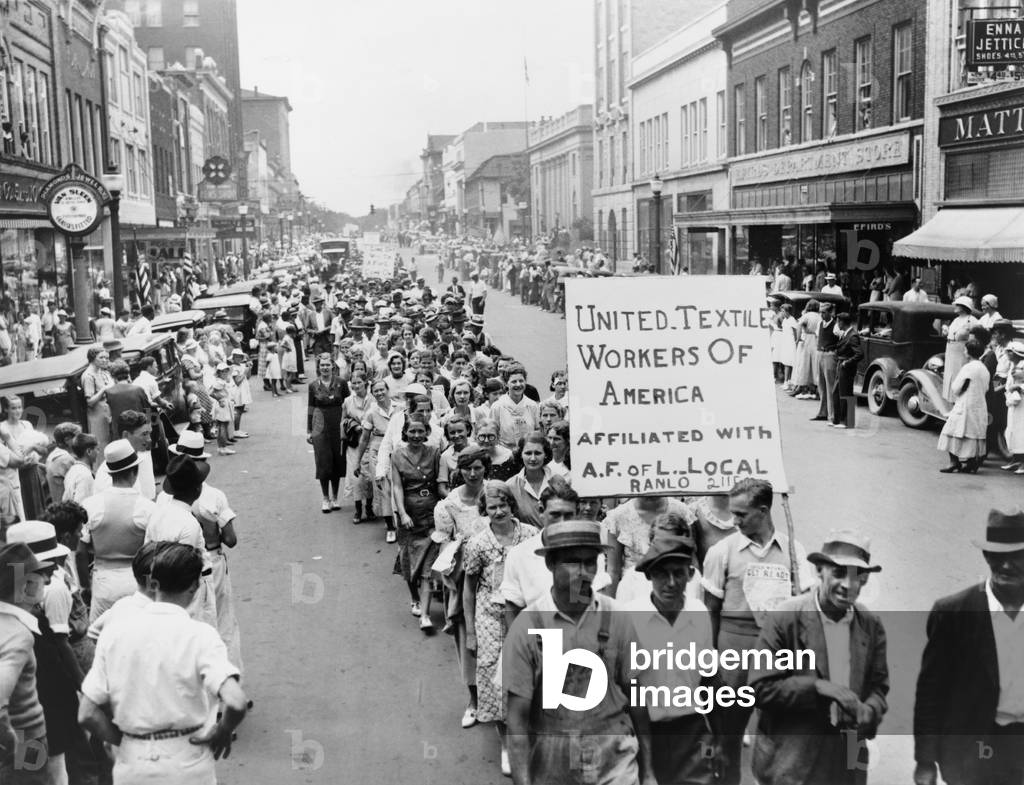
Striking Southern textile workers celebrate Labor Day with a parade and sign announcing their affiliation with the American Federation of Labor in 1934. Gastonia, North Carolina

EVB2938066: Striking Southern textile workers celebrate Labor Day with a parade and sign announcing their affiliation with the American Federation of Labor in 1934. Gastonia, North Carolina / Bridgeman Images
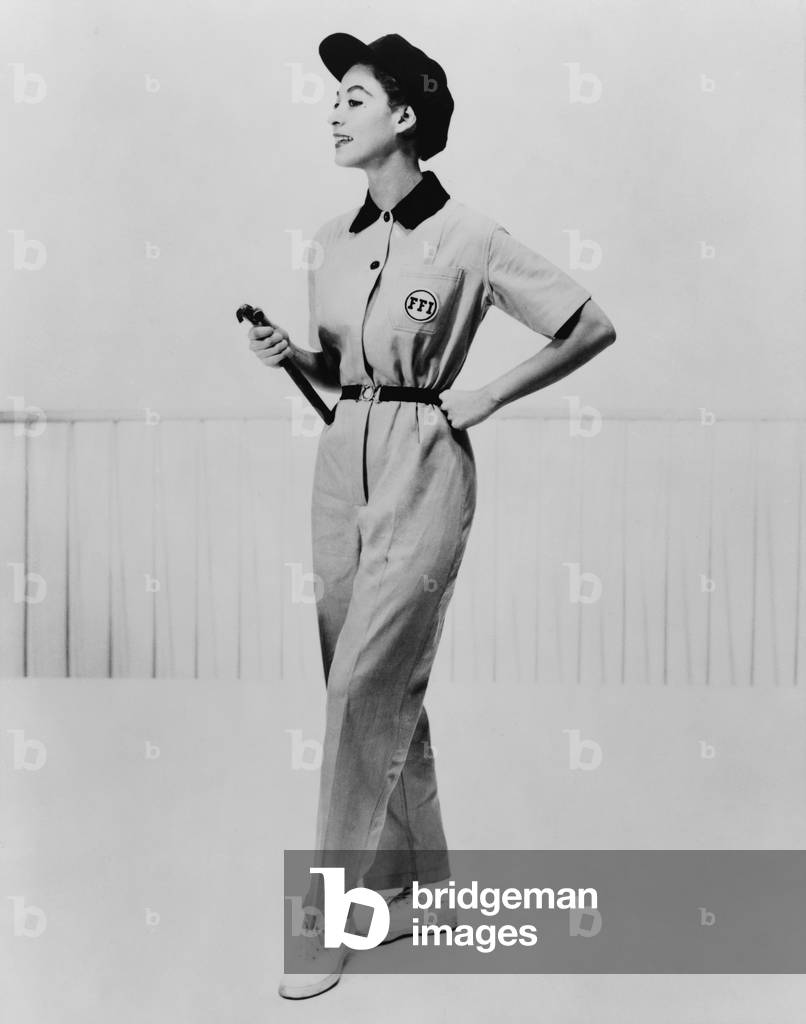
Model wearing coveralls with insignia 'FFI' (Fashion for Industry) and matching cap. 1953

EVB2938125: Model wearing coveralls with insignia 'FFI' (Fashion for Industry) and matching cap. 1953 / Bridgeman Images
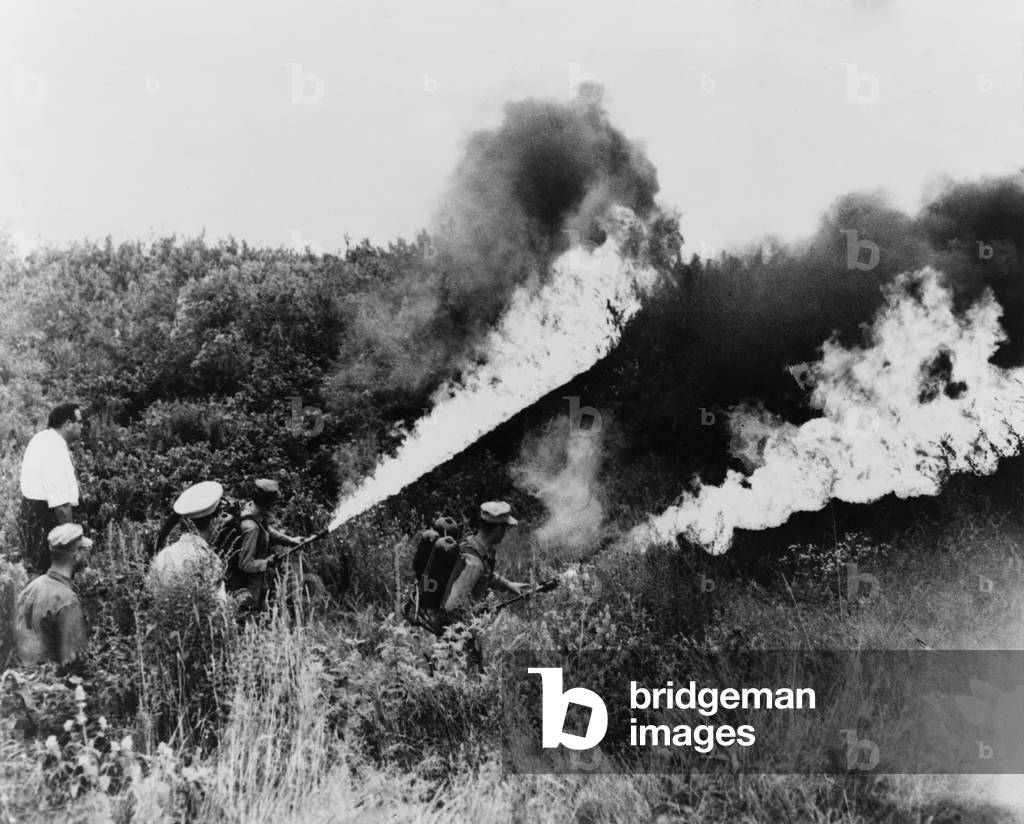
U.S. Marines under the police direction turn flame throwers on a field of marijuana plants in Chicago. August 15 1958

EVB2938158: U.S. Marines under the police direction turn flame throwers on a field of marijuana plants in Chicago. August 15 1958 / Bridgeman Images
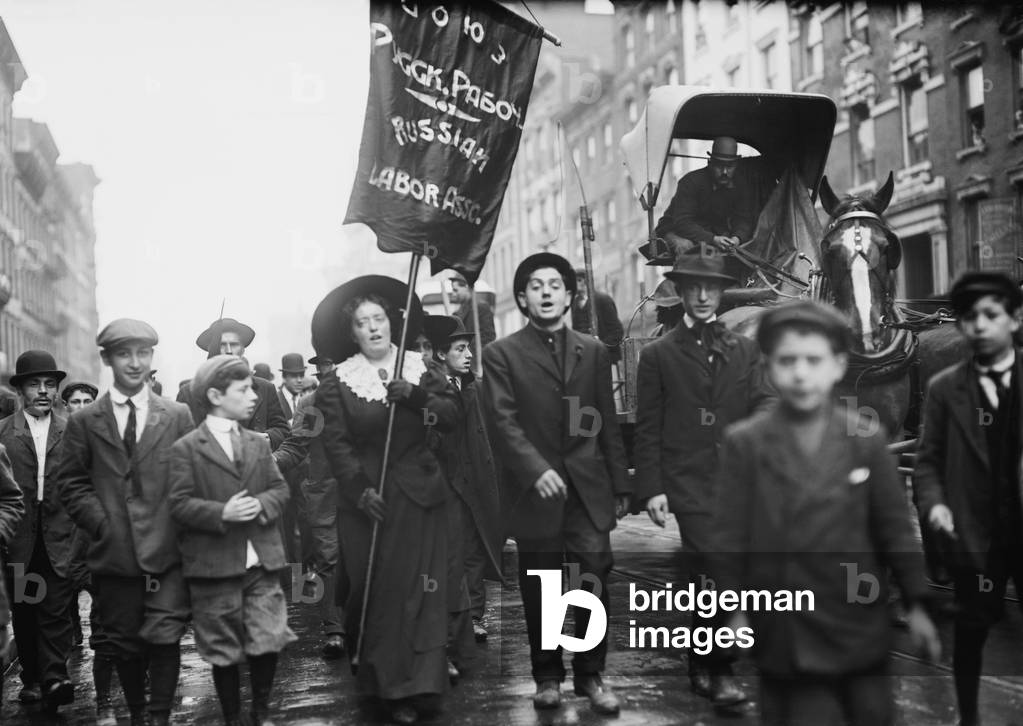
Russian Labor Association marchers at the May Day parade in New York City in 1909

EVB2938081: Russian Labor Association marchers at the May Day parade in New York City in 1909, Bain, George Grantham - Bain News Service (1865-1944) / Bridgeman Images
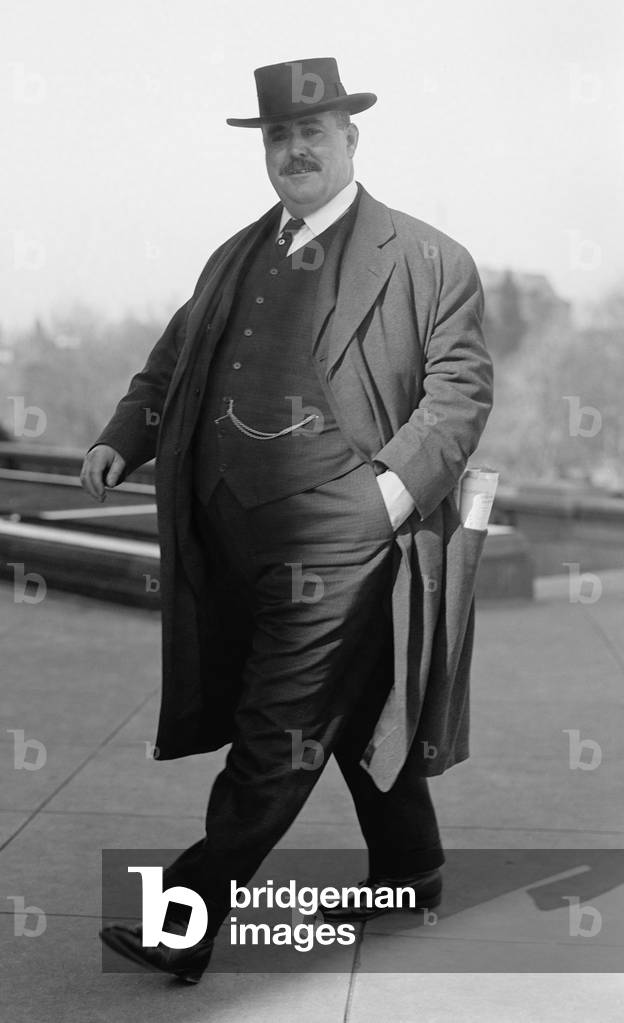
William Flynn 1867-1928 held many high Law enforcement positions including New York City Detective Head of the Secret Service and Head of the Bureau of Investigation later the FBI . 1914 photo taken in Washington D.C. when he was Secret Service chief

EVB2938170: William Flynn 1867-1928 held many high Law enforcement positions including New York City Detective Head of the Secret Service and Head of the Bureau of Investigation later the FBI . 1914 photo taken in Washington D.C. when he was Secret Service chief / Bridgeman Images
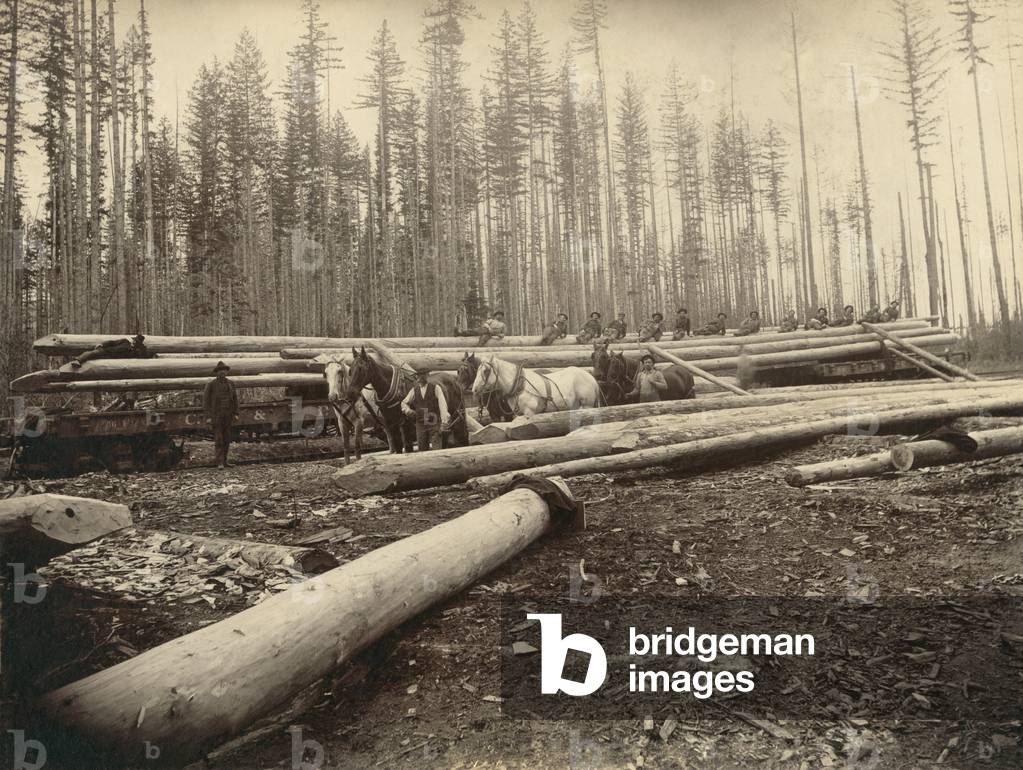
In the Cascade Mountains near Seattle, Washington, workers load 120 foot long logs with sharpened ends, that will become fish trap piles. The piles supported large nets sited on salmon migration routes to gather massive amounts of fish for the canning industry. c. 1899

EVB2938090: In the Cascade Mountains near Seattle, Washington, workers load 120 foot long logs with sharpened ends, that will become fish trap piles. The piles supported large nets sited on salmon migration routes to gather massive amounts of fish for the canning industry. c. 1899 / Bridgeman Images
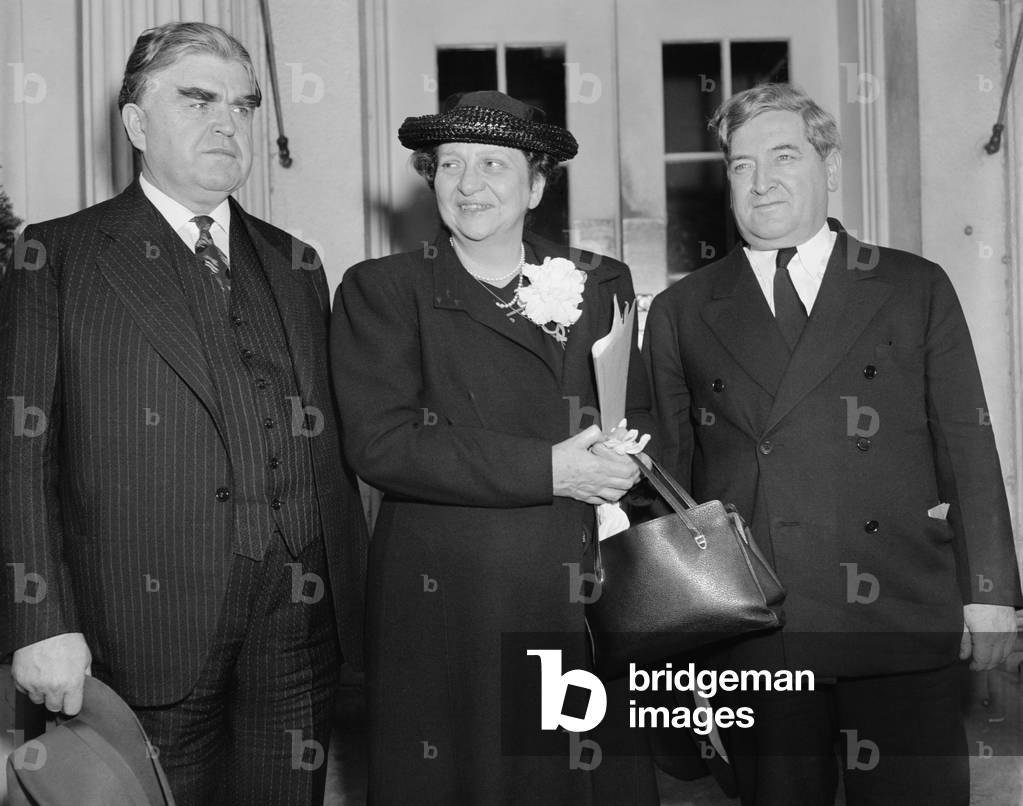
John L. Lewis, President of the C.I.O., Francis Perkins, Secretary of Labor, and James Dewey, Labor Department conciliator after a conference with President Roosevelt to discuss a coal industry labor dispute. May 9, 1939

EVB2938037: John L. Lewis, President of the C.I.O., Francis Perkins, Secretary of Labor, and James Dewey, Labor Department conciliator after a conference with President Roosevelt to discuss a coal industry labor dispute. May 9, 1939 / Bridgeman Images
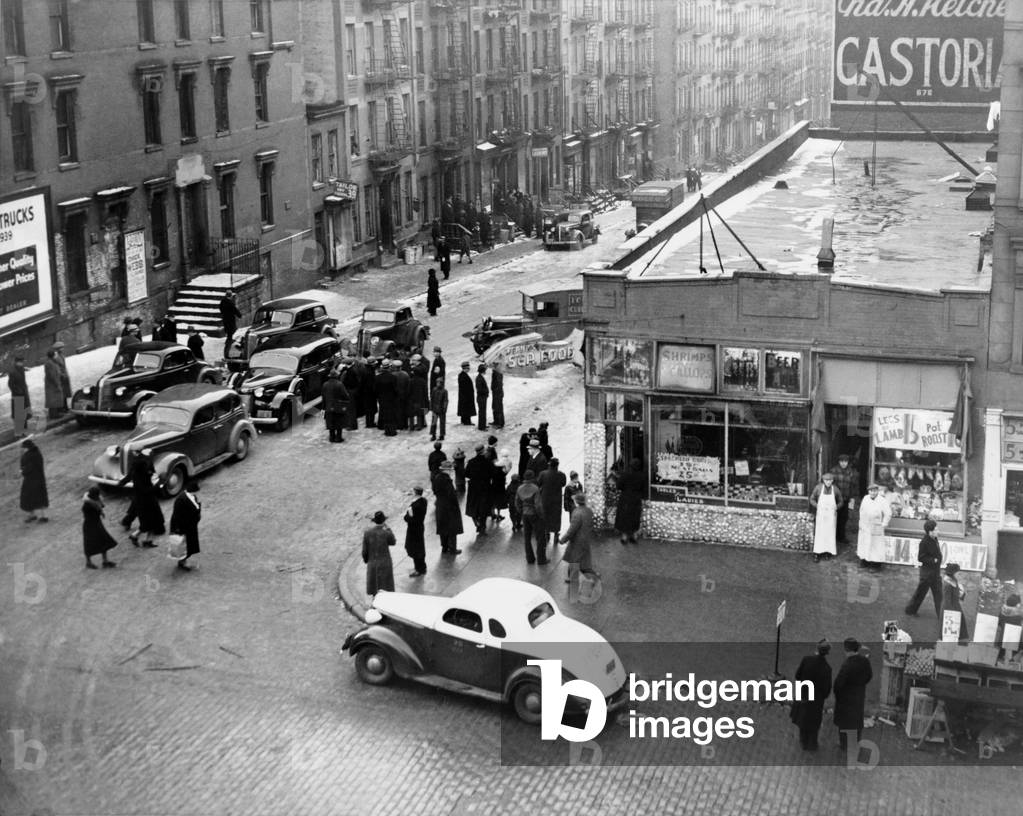
Federal Bureau of Narcotics agents blockade streets with their cars in a drug bust in the San Juan Hill neighborhood of New York City 1939

EVB2938157: Federal Bureau of Narcotics agents blockade streets with their cars in a drug bust in the San Juan Hill neighborhood of New York City 1939 / Bridgeman Images
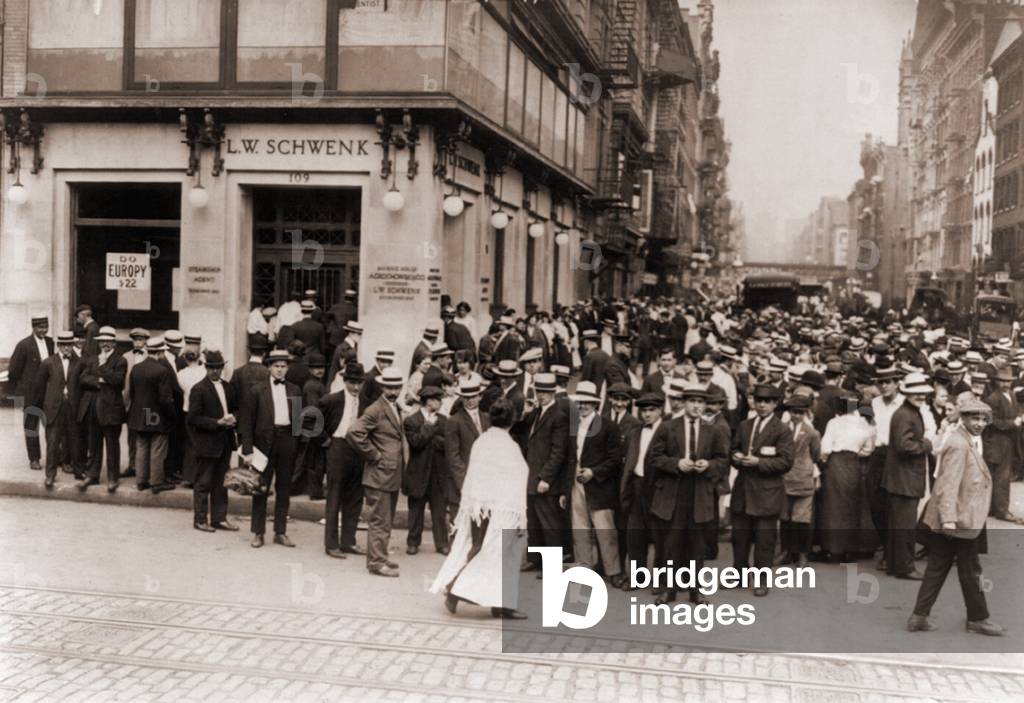
Crowds making a run on the L.W. Scwenk Bank, on New York City's Lower East Side in July 1914

EVB2934436: Crowds making a run on the L.W. Scwenk Bank, on New York City's Lower East Side in July 1914 / Bridgeman Images

General Motors managers at a large control board, which resembles a spreadsheet, keep check on flow of materials needed for the wartime production. 1941

EVB2934542: General Motors managers at a large control board, which resembles a spreadsheet, keep check on flow of materials needed for the wartime production. 1941 / Bridgeman Images
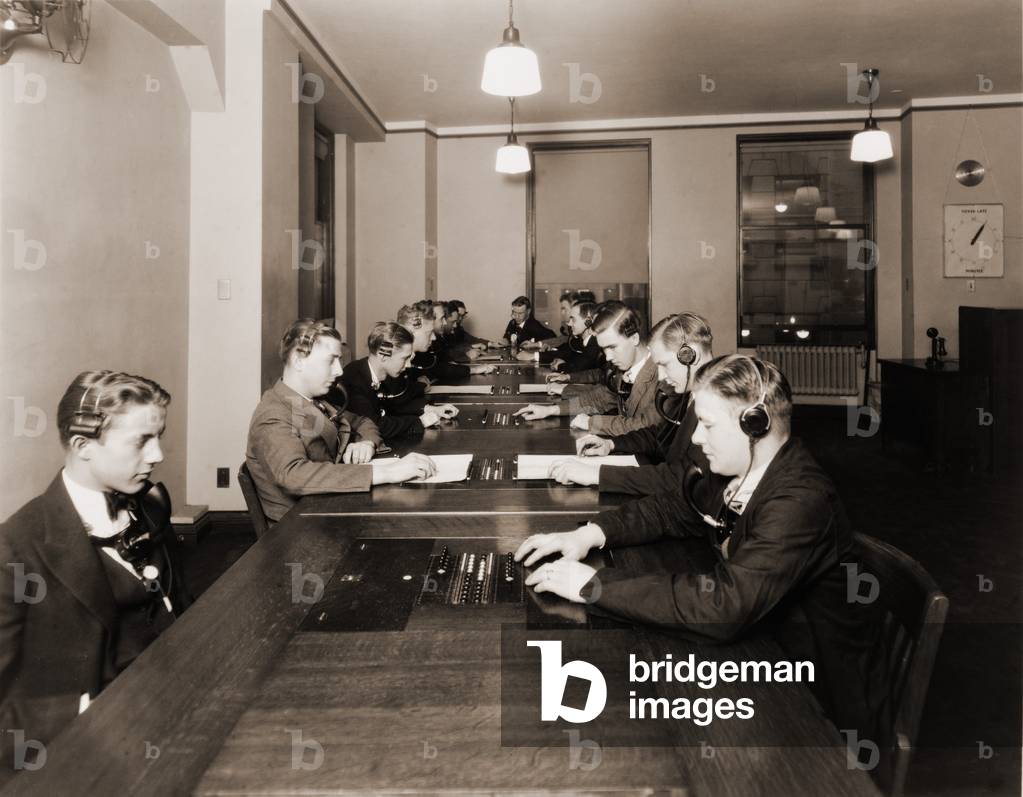
High technology in 1928 was the NY Stock Exchange's new quotation system. Photo shows men with headphones and mouthpieces working in the new quotation room

EVB2934460: High technology in 1928 was the NY Stock Exchange's new quotation system. Photo shows men with headphones and mouthpieces working in the new quotation room / Bridgeman Images

Homeless poor in Donovan Lane, near the Five Points slum neighborhood in New York City. 1872

EVB2934487: Homeless poor in Donovan Lane, near the Five Points slum neighborhood in New York City. 1872 / Bridgeman Images

New York City's Municipal Lodging House for the homeless had a new formaldehyde and steam disinfecting plant. While tenants showered, their clothes were treated to prevent the spread of pests and disease. 1910

EVB2934490: New York City's Municipal Lodging House for the homeless had a new formaldehyde and steam disinfecting plant. While tenants showered, their clothes were treated to prevent the spread of pests and disease. 1910, Bain, George Grantham - Bain News Service (1865-1944) / Bridgeman Images

The Exchange and Girards bank in Philadelphia, 1839. In 1831, architect William Strickland designed the new Philadelphia Merchant's Exchange (center). At far right is Girards bank, in the building that formerly housed the First Bank of the United States

EVB2934520: The Exchange and Girards bank in Philadelphia, 1839. In 1831, architect William Strickland designed the new Philadelphia Merchant's Exchange (center). At far right is Girards bank, in the building that formerly housed the First Bank of the United States / Bridgeman Images

Jay Gould (1835-1892), American financier, and the most ruthless of the 'robber barons.' He used stock purchases to take control of existing companies, and eventually selling out at great profit. c. 1875

EVB2934529: Jay Gould (1835-1892), American financier, and the most ruthless of the 'robber barons.' He used stock purchases to take control of existing companies, and eventually selling out at great profit. c. 1875 / Bridgeman Images

THE EMPIRE'S STRENGTH, DO YOU KNOW THAT THE COLONIES..., 1939 (poster)

EVB2934586: THE EMPIRE'S STRENGTH, DO YOU KNOW THAT THE COLONIES..., 1939 (poster) / Bridgeman Images

Future First Lady Betty Ford, then a 23-year old Calla Travis Dance School instructor, takes a sensuous pose in a benefit performance of 'Fantasy.' She is wearing a costume she designed consisting of a grey satin skirt and leotard with magenta sash and gloves

EVB2934677: Future First Lady Betty Ford, then a 23-year old Calla Travis Dance School instructor, takes a sensuous pose in a benefit performance of 'Fantasy.' She is wearing a costume she designed consisting of a grey satin skirt and leotard with magenta sash and gloves / Bridgeman Images

Paris at the height of the 'Mississippi Bubble,' in 1720. John Law promoted shares in his Mississippi Land Company, causing a 400% price increase from January to May. The stock price declined to its original price in Dec. 1720, leaving many impoverished. Engraving by Eugene Guenin after painting by Edward Matthew Ward

EVB2934513: Paris at the height of the 'Mississippi Bubble,' in 1720. John Law promoted shares in his Mississippi Land Company, causing a 400% price increase from January to May. The stock price declined to its original price in Dec. 1720, leaving many impoverished. Engraving by Eugene Guenin after painting by Edward Matthew Ward / Bridgeman Images

Henry C. Frick (1849-1919), American steel maker and partner of Andrew Carnegie. He built a private collections of European paintings, now housed in his former mansion in New York

EVB2934528: Henry C. Frick (1849-1919), American steel maker and partner of Andrew Carnegie. He built a private collections of European paintings, now housed in his former mansion in New York, Sarony, Napoleon (1821-96) / Bridgeman Images

Senator Clarence C. Dill of Washington state, holding one of the wooden dollars used by town of Tenino, Washington. It' citizens made their own local money to compensate for the drastic decrease in U.S. money supply during the Great Depression. 1932

EVB2934537: Senator Clarence C. Dill of Washington state, holding one of the wooden dollars used by town of Tenino, Washington. It' citizens made their own local money to compensate for the drastic decrease in U.S. money supply during the Great Depression. 1932 / Bridgeman Images

Small tanks are positioned along Pennsylvania Avenue allowing mounted police to hold their ground against Bonus Marchers. The Capitol building stands a short distance behind them. Washington, D.C. July 1932

EVB2934594: Small tanks are positioned along Pennsylvania Avenue allowing mounted police to hold their ground against Bonus Marchers. The Capitol building stands a short distance behind them. Washington, D.C. July 1932 / Bridgeman Images

German street sweepers taking lunchtime nap. Wartime and defeat took a terrible economic toll on Germany. c. 1919

EVB2934615: German street sweepers taking lunchtime nap. Wartime and defeat took a terrible economic toll on Germany. c. 1919 / Bridgeman Images

Great Depression Hooverville in lower Manhattan. 1932

EVB2934618: Great Depression Hooverville in lower Manhattan. 1932 / Bridgeman Images

Ford Motor Company's luxury car, the Lincoln, in front of the Capitol, Washington D.C., c.1925 (b/w photo)

EVB2934633: Ford Motor Company's luxury car, the Lincoln, in front of the Capitol, Washington D.C., c.1925 (b/w photo) / Bridgeman Images

The slender 950 foot tower of 70 Pine Street (right mid-ground) was the last of the Jazz Age skyscrapers in Manhattan's Financial District. After the destruction of the World Trade Center, it became the third highest building in New York City. Photo c. 1930

EVB2934648: The slender 950 foot tower of 70 Pine Street (right mid-ground) was the last of the Jazz Age skyscrapers in Manhattan's Financial District. After the destruction of the World Trade Center, it became the third highest building in New York City. Photo c. 1930 / Bridgeman Images

First Lady Betty Ford and the family's pet golden retriever, Liberty, watch over her eight puppies on the South Lawn of the White House. October 5, 1975. Photo by David Hume Kennerly

EVB2934666: First Lady Betty Ford and the family's pet golden retriever, Liberty, watch over her eight puppies on the South Lawn of the White House. October 5, 1975. Photo by David Hume Kennerly, Kennerly, David Hume (b.1947) / Bridgeman Images


Back to top