Print Friendly Version Page

2501742 Search Results

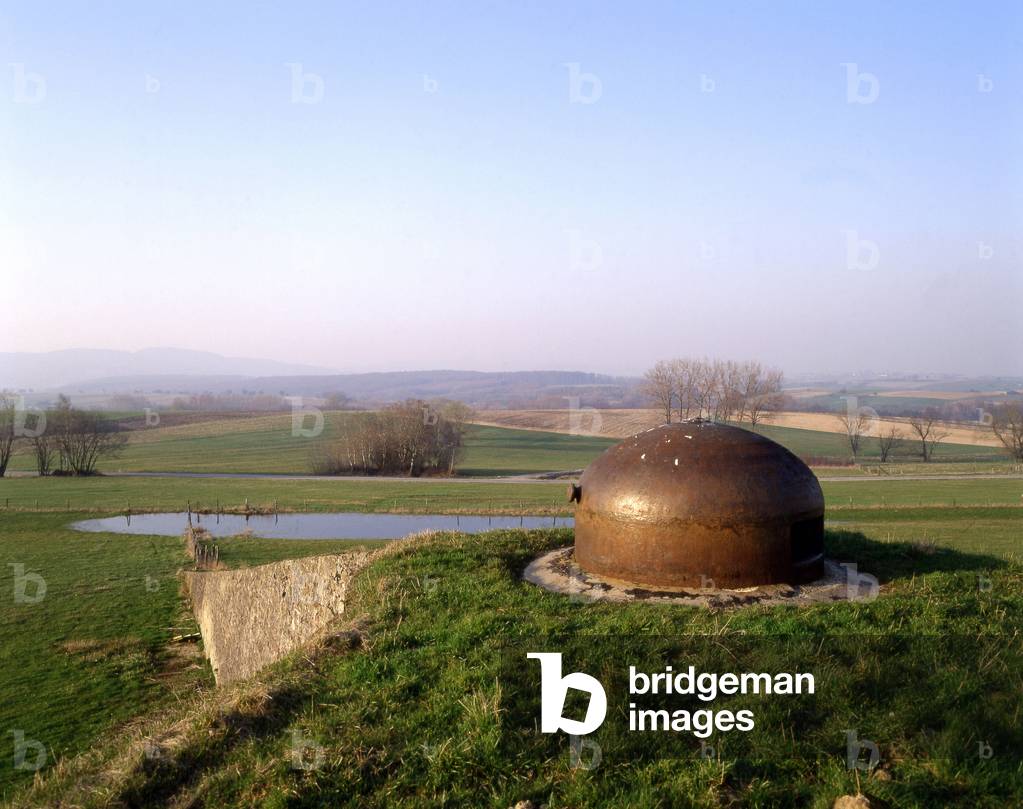
Batteries of the Maginot Line in Schoenenenbourg in Alsace. Construction 1930, decided by Andre Maginot (1877-1932).

ITR4579953: Batteries of the Maginot Line in Schoenenenbourg in Alsace. Construction 1930, decided by Andre Maginot (1877-1932). / Bridgeman Images
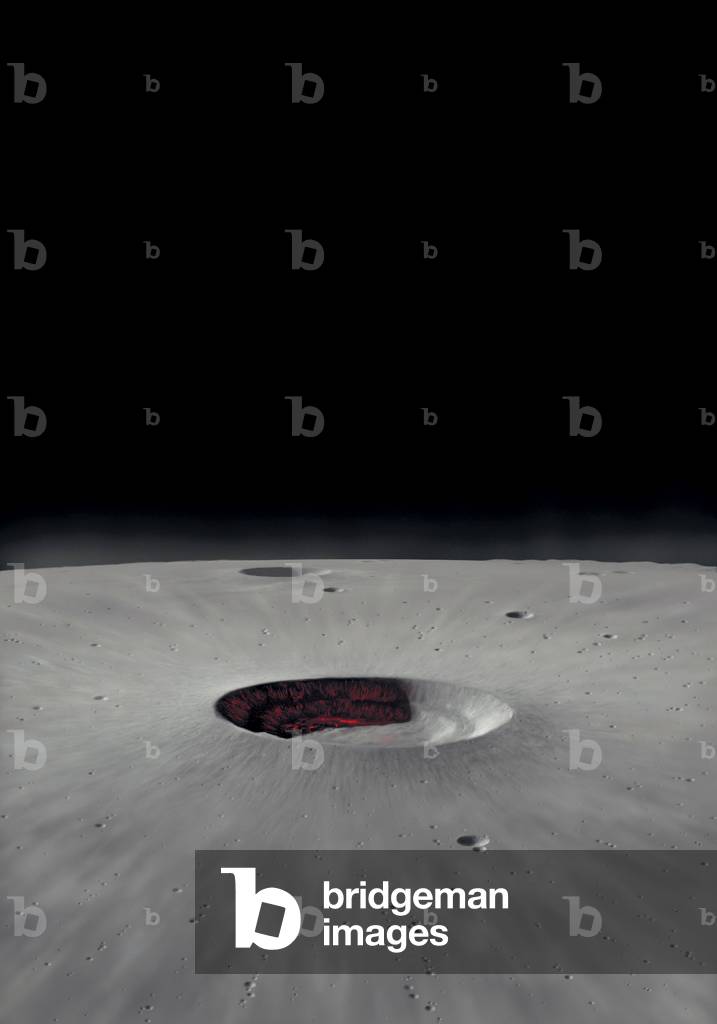
Artist's view of an asteroid or meteorite impact on the Moon. 3 -

PIX4579966: Artist's view of an asteroid or meteorite impact on the Moon. 3 - / Bridgeman Images
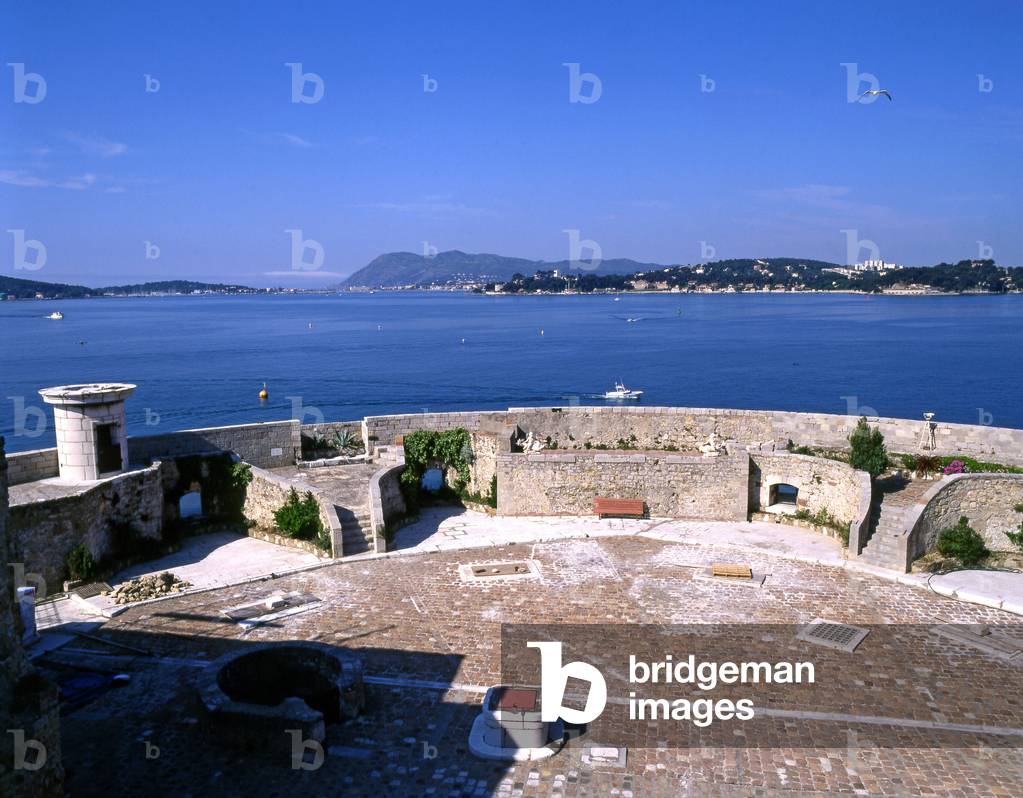
Pointe du Mourillon, Fort Saint Louis, in Toulon in the Var. Construction 18th century, plans by Sebastien Le Prestre de Vauban (1633-1707).

ITR4580061: Pointe du Mourillon, Fort Saint Louis, in Toulon in the Var. Construction 18th century, plans by Sebastien Le Prestre de Vauban (1633-1707). / Bridgeman Images
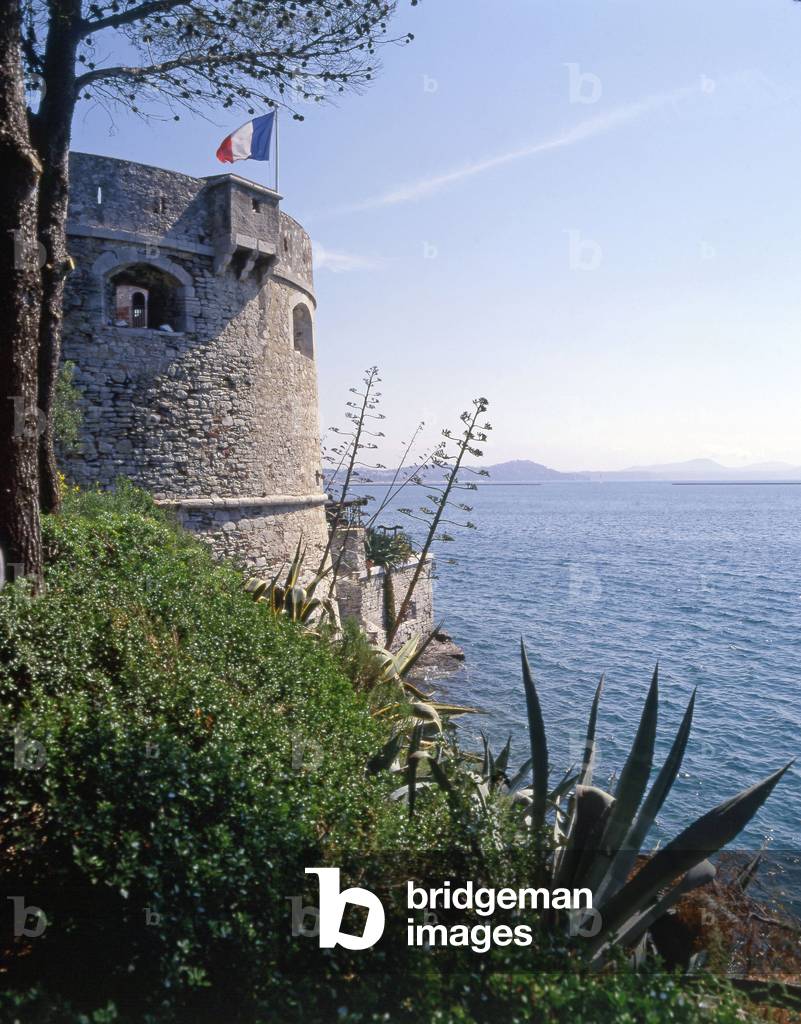
Pointe du Mourillon, Fort Saint Louis, in Toulon in the Var. Construction 18th century, plans by Sebastien Le Prestre de Vauban (1633-1707).

ITR4580081: Pointe du Mourillon, Fort Saint Louis, in Toulon in the Var. Construction 18th century, plans by Sebastien Le Prestre de Vauban (1633-1707). / Bridgeman Images
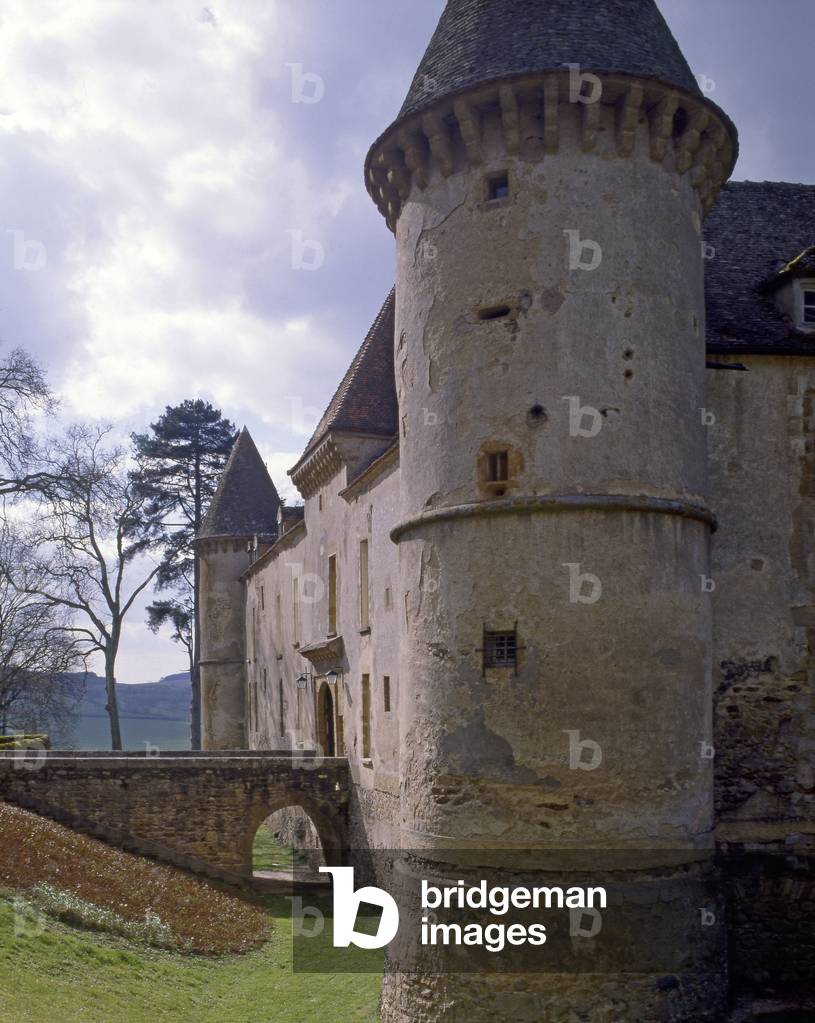
The Chateau de Bazoches in Burgundy. Residence of Sebastien Le Prestre de Vauban (1633-1707). Construction 12th century, modification and modifications by Vauban from 1675 to 1707.

ITR4580091: The Chateau de Bazoches in Burgundy. Residence of Sebastien Le Prestre de Vauban (1633-1707). Construction 12th century, modification and modifications by Vauban from 1675 to 1707. / Bridgeman Images

Antares star and the Rho Ophiuchi nebula - This coloree nebula represents the visible part of a very large molecule cloud, the Ophiuchus cloud. This star-forming region is located about 520 light years away. The brightest star below is the star Antares, from the Scorpio. On the right, the M4 star cluster. View of the region surrounding the bright triple star Rho Ophiuchus (in the blue cloud). This star-forming region is located at about 520 light years in Scorpius constellation. The area is highlighted by the bright star Antares (bottom), a red supergiant 40,000 times more luminous than our sun

PIX4580154: Antares star and the Rho Ophiuchi nebula - This coloree nebula represents the visible part of a very large molecule cloud, the Ophiuchus cloud. This star-forming region is located about 520 light years away. The brightest star below is the star Antares, from the Scorpio. On the right, the M4 star cluster. View of the region surrounding the bright triple star Rho Ophiuchus (in the blue cloud). This star-forming region is located at about 520 light years in Scorpius constellation. The area is highlighted by the bright star Antares (bottom), a red supergiant 40,000 times more luminous than our sun / Bridgeman Images
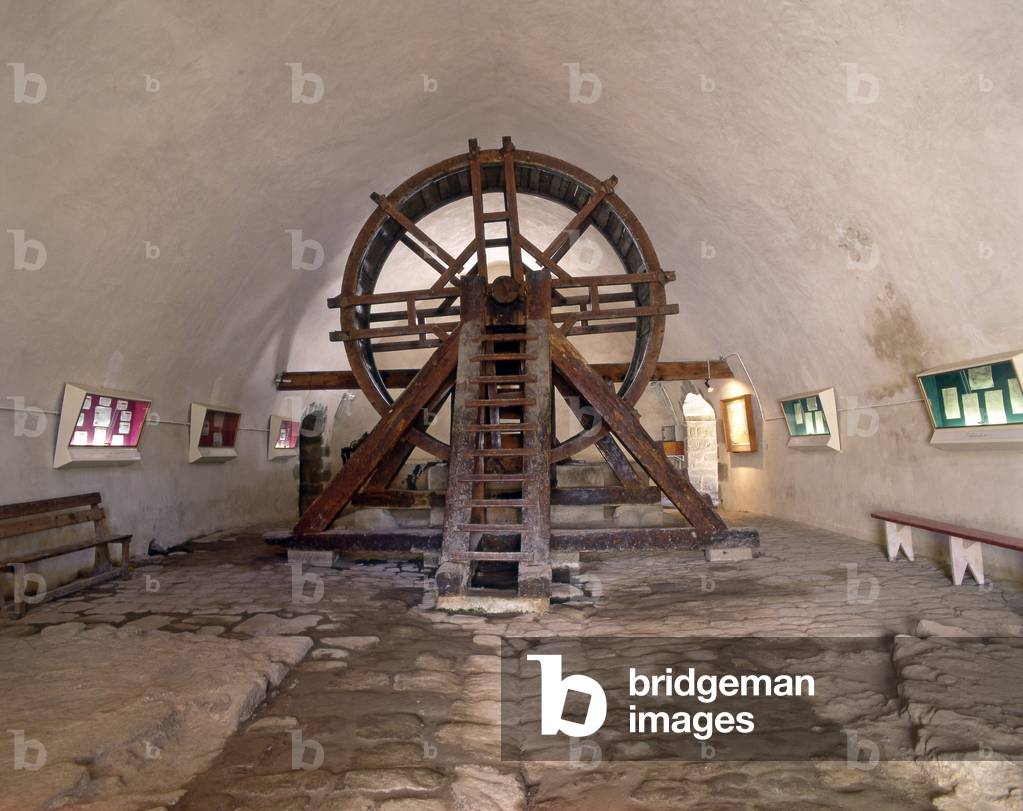
The citadel of Mont Louis (Languedoc Roussillon). Construction 1679, plans by Sebastien Le Prestre de Vauban (1633-1707).

ITR4580044: The citadel of Mont Louis (Languedoc Roussillon). Construction 1679, plans by Sebastien Le Prestre de Vauban (1633-1707). / Bridgeman Images

Orion's Nebula - The Great Nebula in Orion - Located 1500 light years from Earth, Orion's Nebula is the closest region to the formation of stars of the Sun. In its heart, a group of young stars called Orion's Trapeze. To the eye, the nebula appears as a misty patch around the central star of the line of three which form Orion's sword. The central group of stars is the Trapezium cluster and these stars are responsible for producing the nebula. It is the high concentration of dust and gas in this part of the sky which has resulted in the formation of the stars, so the Orion nebula is no random association of bright stars and dusty gas. At a distance of 1500 light years, the Orion nebula is the nearest star-forming region to the Sun

PIX4580124: Orion's Nebula - The Great Nebula in Orion - Located 1500 light years from Earth, Orion's Nebula is the closest region to the formation of stars of the Sun. In its heart, a group of young stars called Orion's Trapeze. To the eye, the nebula appears as a misty patch around the central star of the line of three which form Orion's sword. The central group of stars is the Trapezium cluster and these stars are responsible for producing the nebula. It is the high concentration of dust and gas in this part of the sky which has resulted in the formation of the stars, so the Orion nebula is no random association of bright stars and dusty gas. At a distance of 1500 light years, the Orion nebula is the nearest star-forming region to the Sun / Bridgeman Images

Astrophotographer - The Astrophotographer - An astrophotographer observes the star sky while his camera takes pictures of the deep sky. An amateur astrophotographer contemplates the night sky while waiting for his automated imaging system to capture a deep view of the heavens

PIX4580135: Astrophotographer - The Astrophotographer - An astrophotographer observes the star sky while his camera takes pictures of the deep sky. An amateur astrophotographer contemplates the night sky while waiting for his automated imaging system to capture a deep view of the heavens / Bridgeman Images

Triptych of the mystical marriage of St. Catherine, surrounded by Saints John the Baptist and Saint John the Evangelist (Wood painting, 1500)

LRI4580207: Triptych of the mystical marriage of St. Catherine, surrounded by Saints John the Baptist and Saint John the Evangelist (Wood painting, 1500), Scacco, Cristoforo (fl.1500) / Bridgeman Images

The railway bridge in Chatou or the pink chestnut trees - 1881. Oil on canvas

LRI4580030: The railway bridge in Chatou or the pink chestnut trees - 1881. Oil on canvas, Renoir, Pierre Auguste (1841-1919) / Bridgeman Images
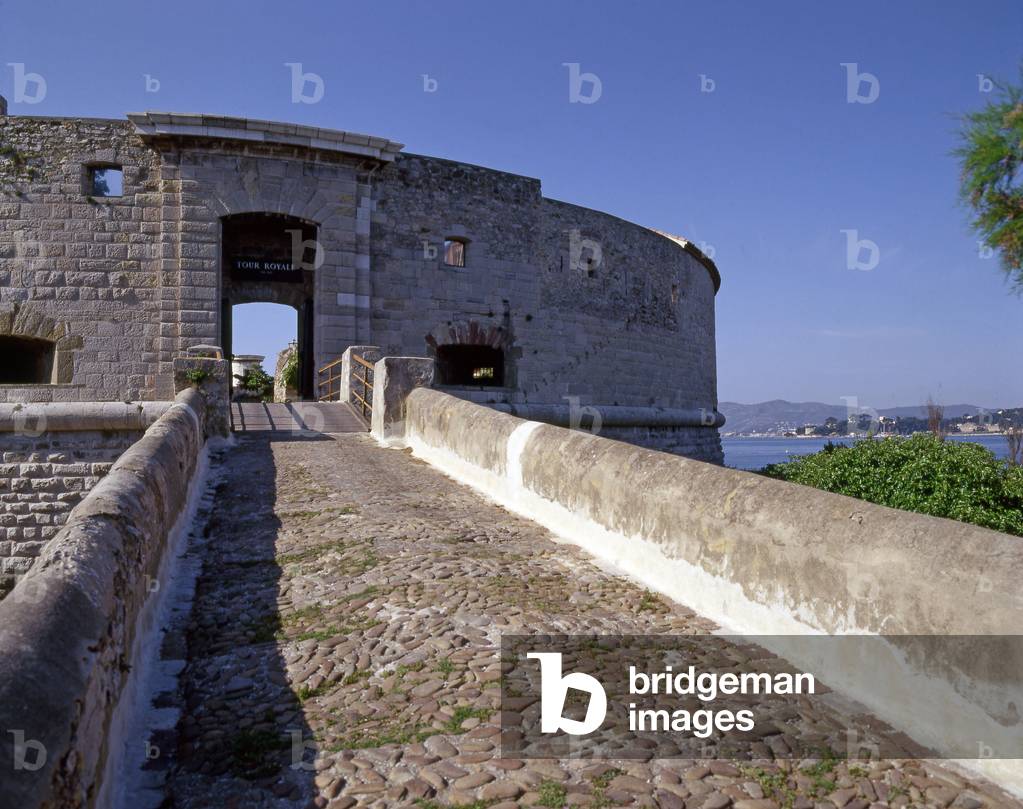
The Royal Tower of Fort Saint Louis, in Toulon in the Var. Construction 18th century, plans by Sebastien Le Prestre de Vauban (1633-1707).

ITR4580067: The Royal Tower of Fort Saint Louis, in Toulon in the Var. Construction 18th century, plans by Sebastien Le Prestre de Vauban (1633-1707). / Bridgeman Images
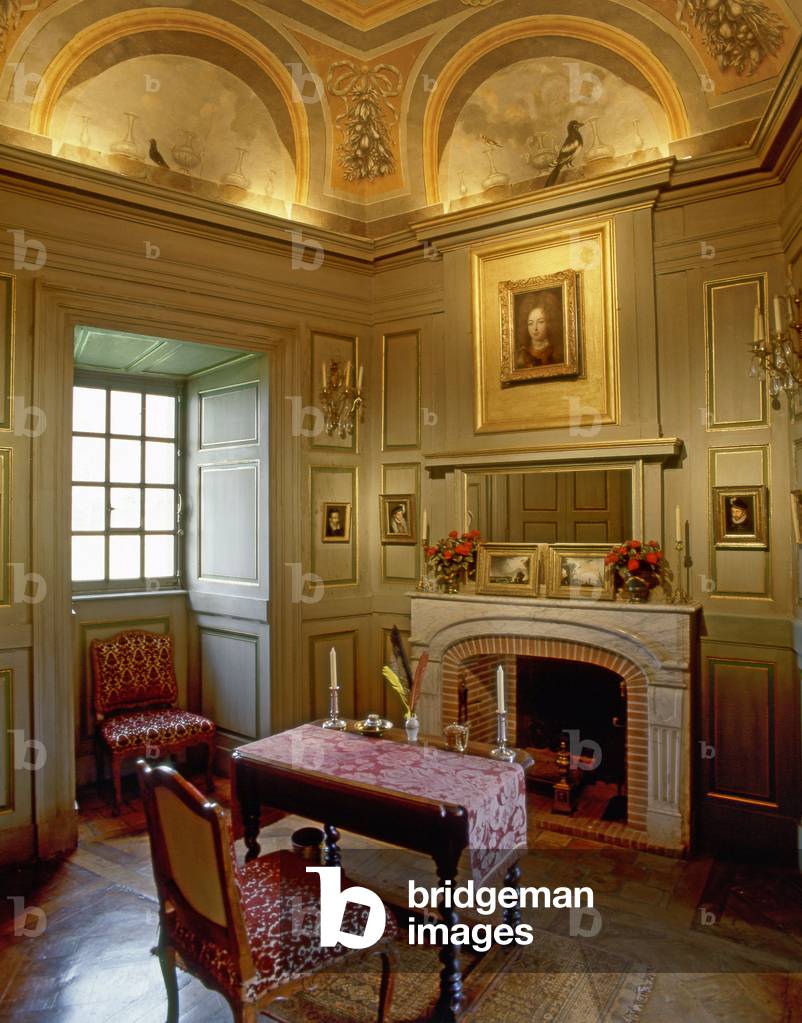
Le cabinet de travail de Sebastien Le prestre de Vauban (1633-1707), au Chateau de Bazochesen Bourgogne. Construction 12th century, modification and modifications by Vauban from 1675 to 1707.

ITR4580105: Le cabinet de travail de Sebastien Le prestre de Vauban (1633-1707), au Chateau de Bazochesen Bourgogne. Construction 12th century, modification and modifications by Vauban from 1675 to 1707. / Bridgeman Images

Circumpolar and aurora boreale 04/2001 - Circumpolar and Aurora borealis 04/2001 - 4-hour photographic pose around the polar star. In the foreground, the Orthodox Church of Ninilchik, Alaska. This is a 4 - hour long exposure of star trails over a Russian Orthodox church at Ninilchik, Alaska during April of 2001. The aurora is seen as a glow on the northern horizon

PIX4580179: Circumpolar and aurora boreale 04/2001 - Circumpolar and Aurora borealis 04/2001 - 4-hour photographic pose around the polar star. In the foreground, the Orthodox Church of Ninilchik, Alaska. This is a 4 - hour long exposure of star trails over a Russian Orthodox church at Ninilchik, Alaska during April of 2001. The aurora is seen as a glow on the northern horizon / Bridgeman Images

Star Trains - Constellation of the Big Bear - Star trails - Constellation of Ursa Major - Photographic pose on the constellation of the Big Bear. Big Dipper Trail

PIX4580312: Star Trains - Constellation of the Big Bear - Star trails - Constellation of Ursa Major - Photographic pose on the constellation of the Big Bear. Big Dipper Trail / Bridgeman Images
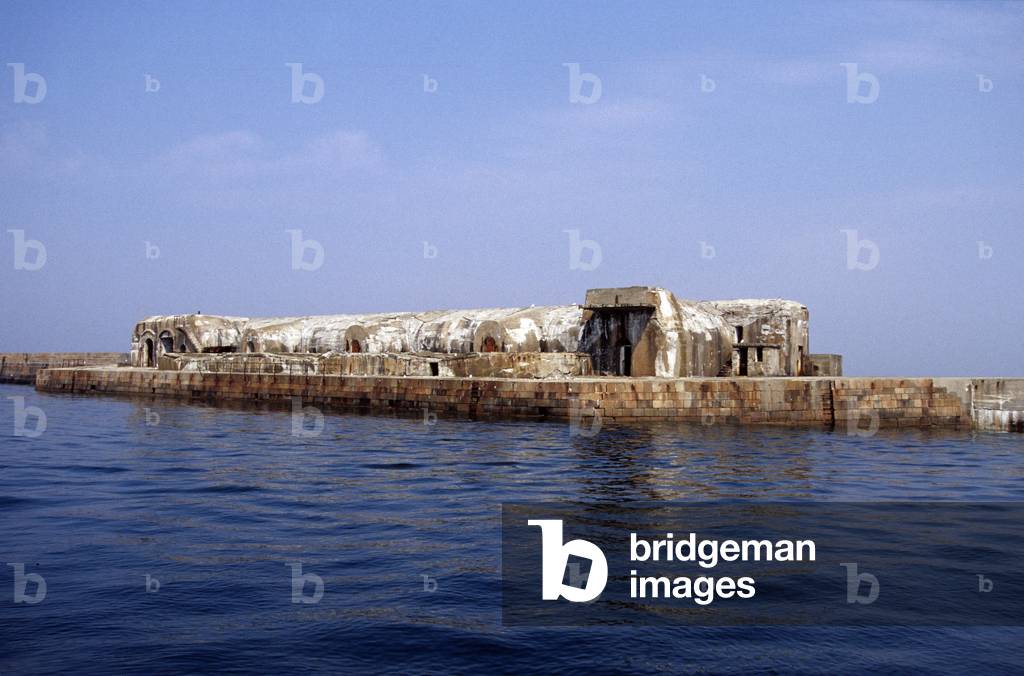
The sea dam, Fort de l'Ouest (1860) to Cherbourg (Manche, Normandy).

ITR4580342: The sea dam, Fort de l'Ouest (1860) to Cherbourg (Manche, Normandy). / Bridgeman Images
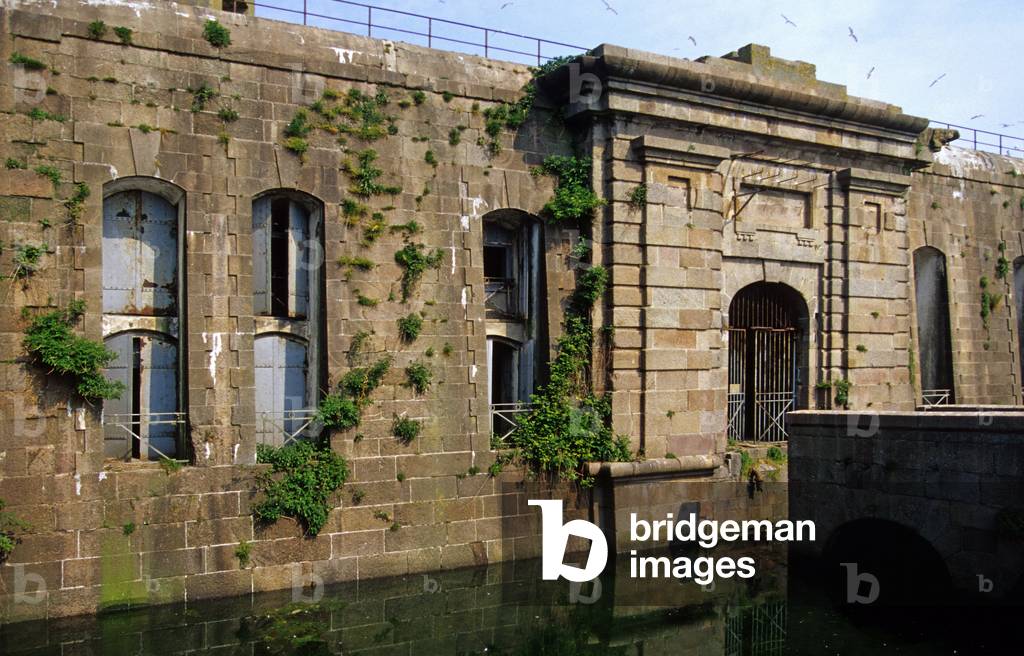
Le fort de l'île Pelee (1783) à Cherbourg (Manche, Normandy).

ITR4580364: Le fort de l'île Pelee (1783) à Cherbourg (Manche, Normandy). / Bridgeman Images
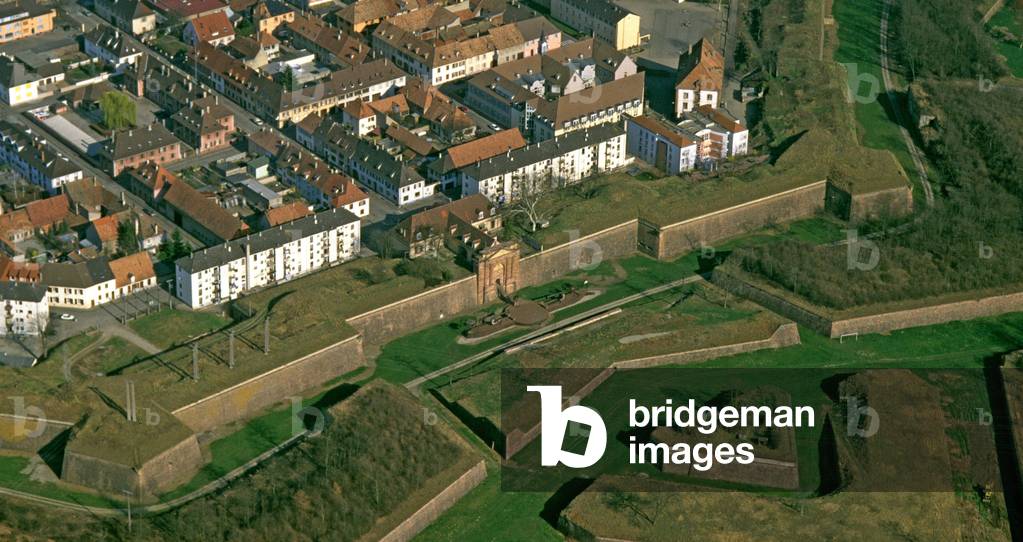
Aerienne view of the fortress (1699) of Neuf Brisach (Haut Rhin, Alsace), built on the plans of Sebastien Le Prestre de Vauban (1633-1707).

ITR4580424: Aerienne view of the fortress (1699) of Neuf Brisach (Haut Rhin, Alsace), built on the plans of Sebastien Le Prestre de Vauban (1633-1707). / Bridgeman Images
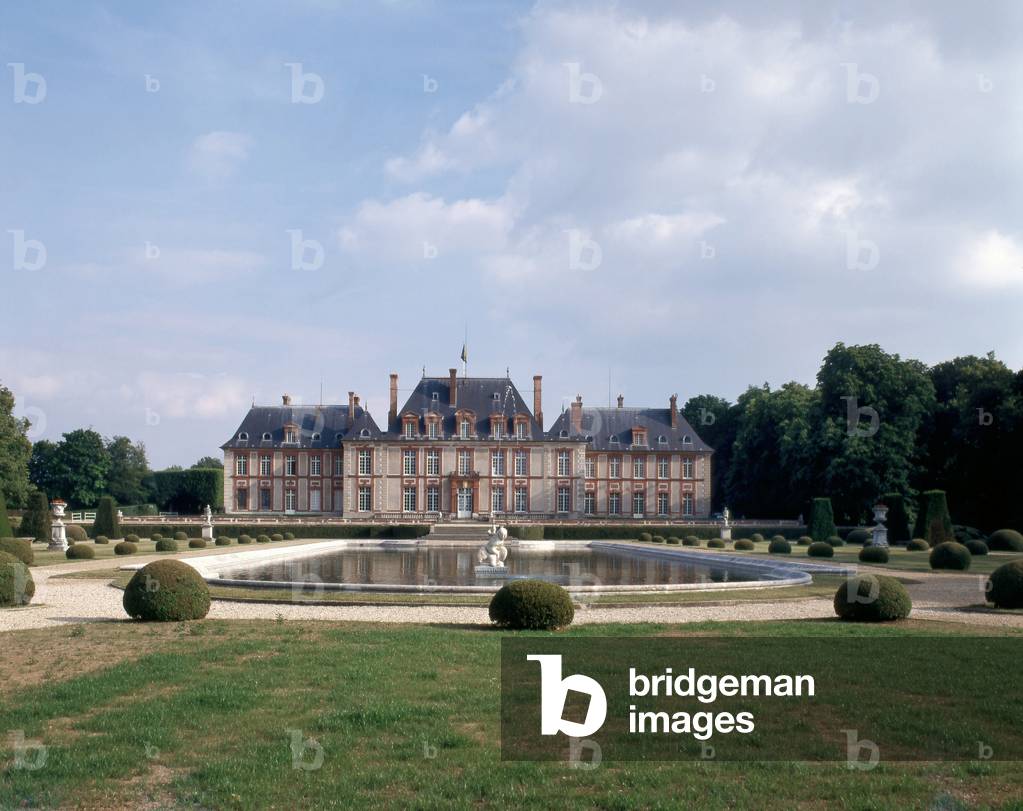
Gardens and Chateau de Breteuil in Les Yvelines. Le Chateau did not take the name Breteuil until 1817, the name of the family that had owned it for more than a century. The castle is Louis XIII. Its roof and curved corner pavilions were inspired by Mansart in the 19th century. It was rebuilt between 1600 and 1629 by Thibault Desportes. Photography 1999.

ITR4580474: Gardens and Chateau de Breteuil in Les Yvelines. Le Chateau did not take the name Breteuil until 1817, the name of the family that had owned it for more than a century. The castle is Louis XIII. Its roof and curved corner pavilions were inspired by Mansart in the 19th century. It was rebuilt between 1600 and 1629 by Thibault Desportes. Photography 1999. / Bridgeman Images
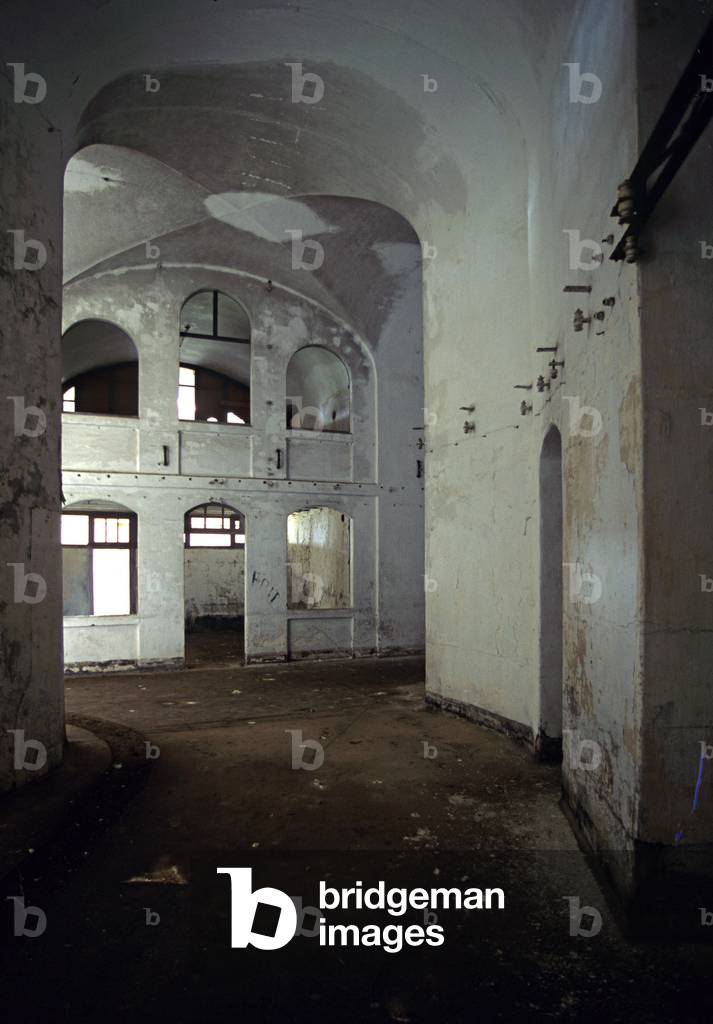
Le fort de l'île Pelee (1783) à Cherbourg (Manche, Normandy).

ITR4580378: Le fort de l'île Pelee (1783) à Cherbourg (Manche, Normandy). / Bridgeman Images
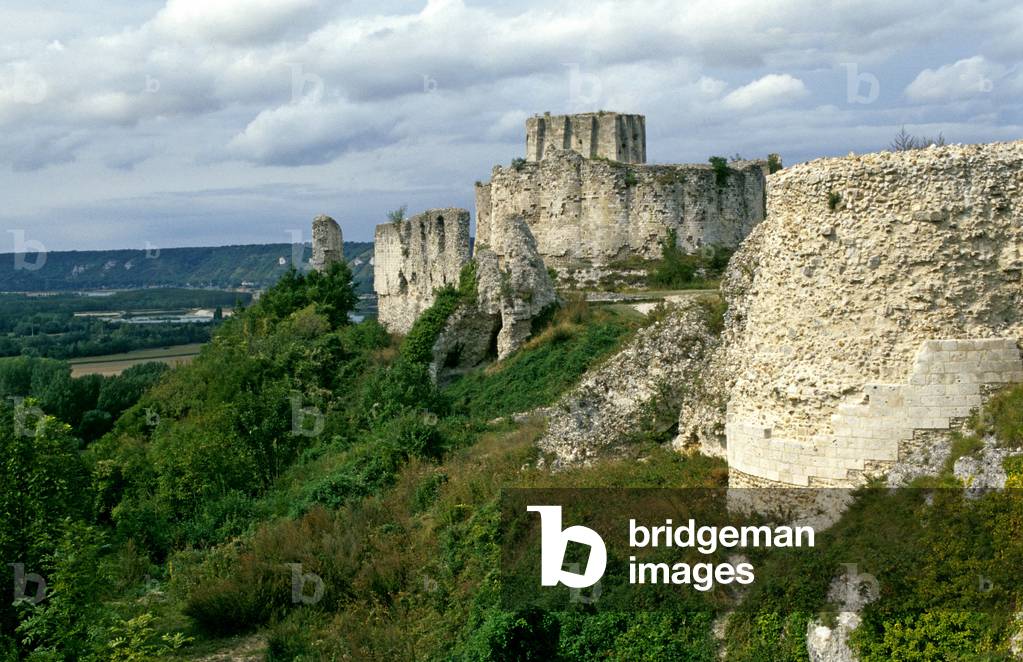
Chateau Gaillard, built by Richard Coeur de Lion (Richard I of England, 1157-1199) in 1196, in the Andelys (Eure, Upper Normandy). Photography 10/08/99.

ITR4580412: Chateau Gaillard, built by Richard Coeur de Lion (Richard I of England, 1157-1199) in 1196, in the Andelys (Eure, Upper Normandy). Photography 10/08/99. / Bridgeman Images
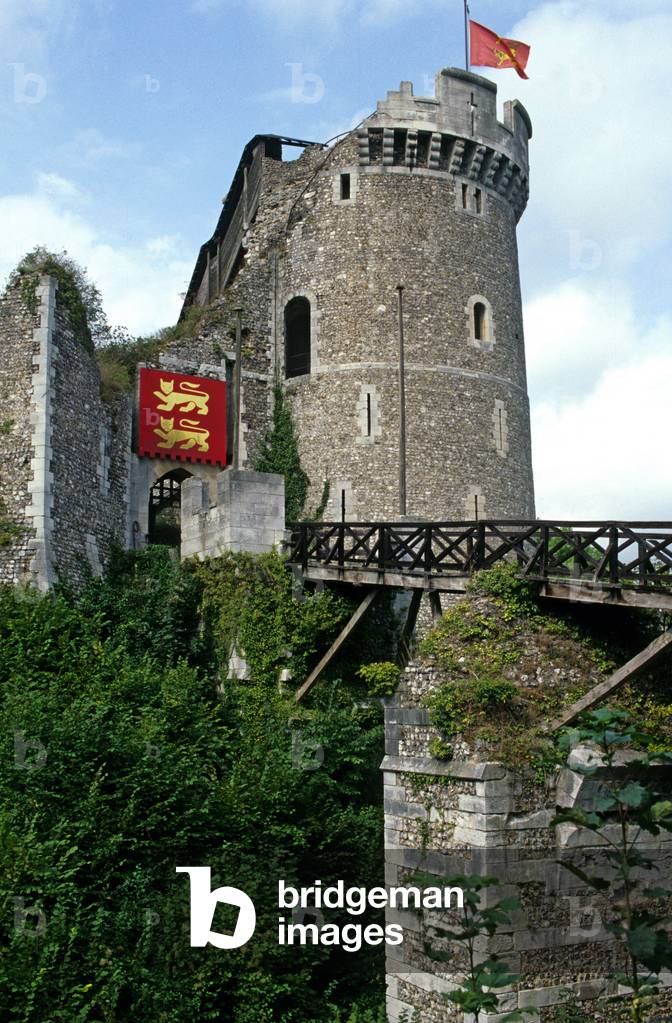
Le chateau de Robert le Diable (1200-1203) a Moulineaux (Seine Martime, Normandy).

ITR4580421: Le chateau de Robert le Diable (1200-1203) a Moulineaux (Seine Martime, Normandy). / Bridgeman Images
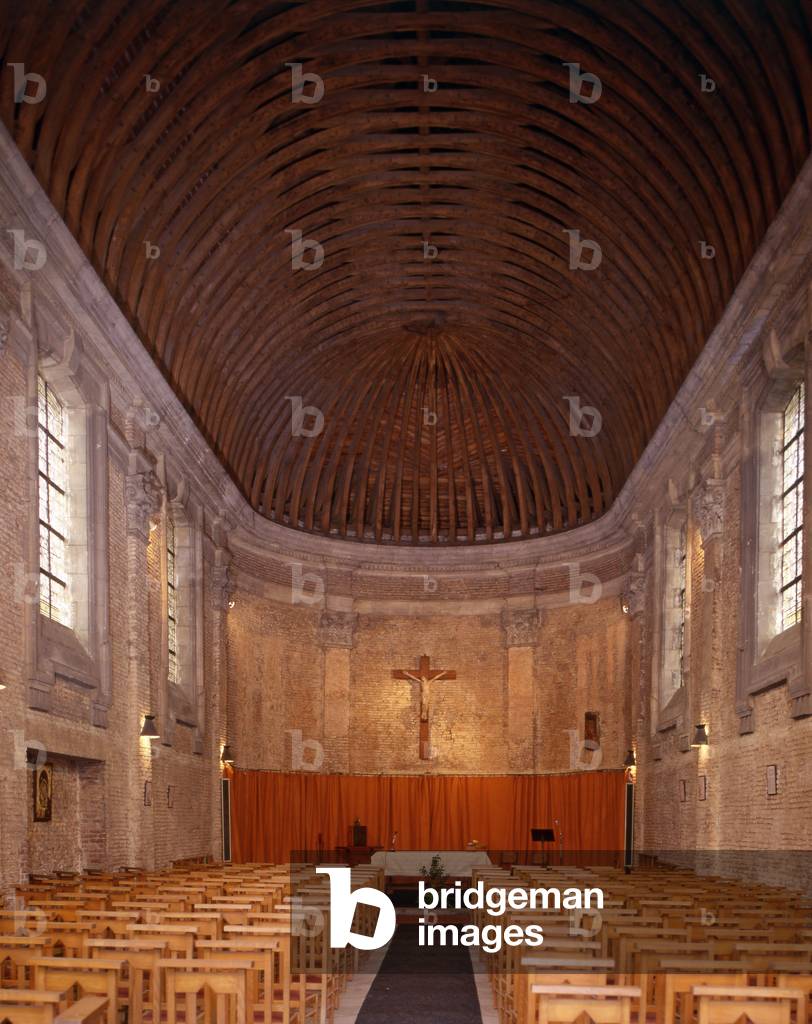
The interior of the chapel of the Citadel of Lille (Nord Pas de Calais), built in 1670, designed by Sebastien Le Prestre de Vauban (1633-1707).

ITR4580447: The interior of the chapel of the Citadel of Lille (Nord Pas de Calais), built in 1670, designed by Sebastien Le Prestre de Vauban (1633-1707). / Bridgeman Images
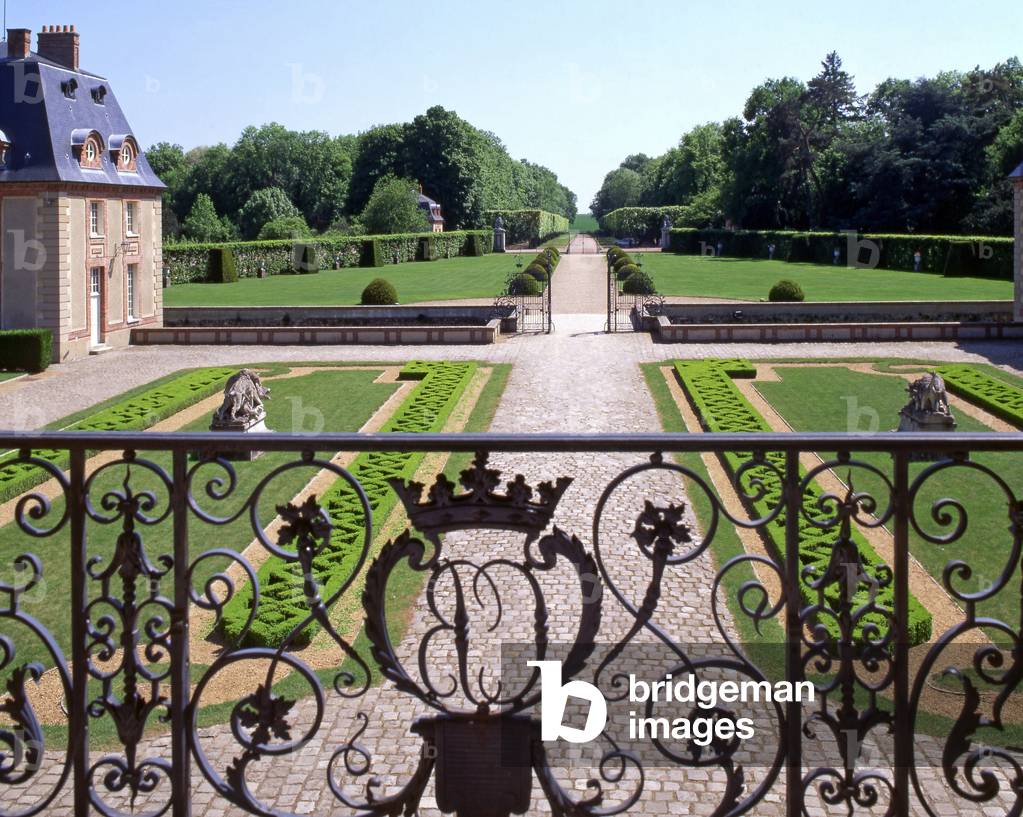
The chateau of Breteuil in Les Yvelines. Le Chateau did not take the name Breteuil until 1817, the name of the family that had owned it for more than a century. The castle is Louis XIII. Its roof and curved corner pavilions were inspired by Mansart in the 19th century. It was rebuilt between 1600 and 1629 by Thibault Desportes. Photography 1999.

ITR4580538: The chateau of Breteuil in Les Yvelines. Le Chateau did not take the name Breteuil until 1817, the name of the family that had owned it for more than a century. The castle is Louis XIII. Its roof and curved corner pavilions were inspired by Mansart in the 19th century. It was rebuilt between 1600 and 1629 by Thibault Desportes. Photography 1999. / Bridgeman Images
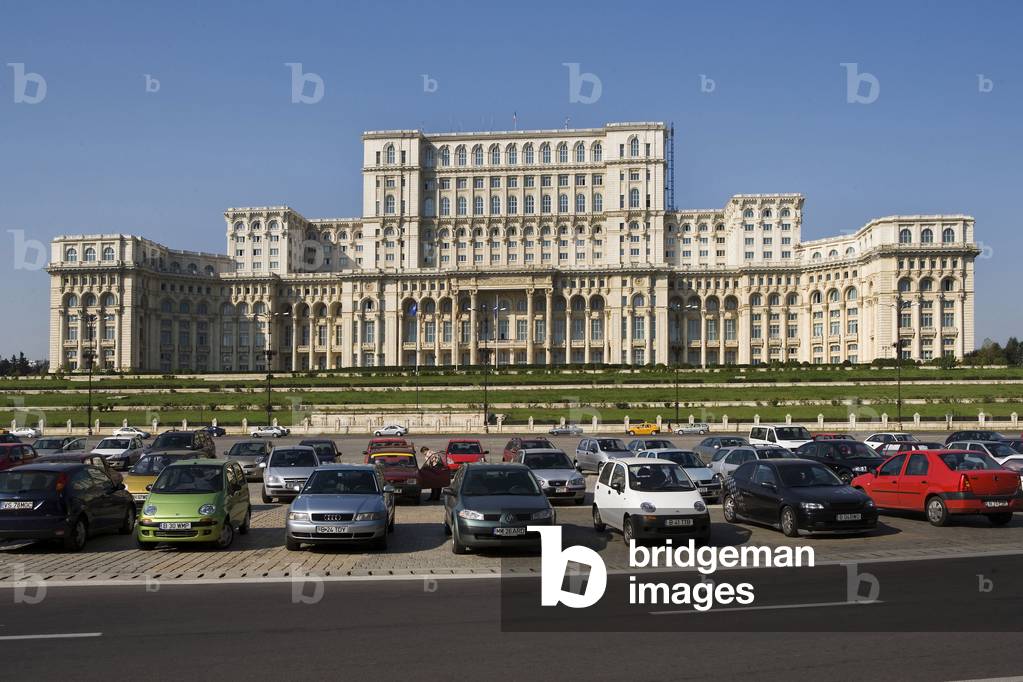
The Palace of Parliament (1984) (formerly the House of the People) in Bucharest, Romania. The House of the People and the Boulevard of the Victory of the Socialist was inaugurated by Nicolas Ceaucescu on 25 June 1984. This pharaonic project is the second largest building in the world after the Pentagon - 45,000 m2 of floor area, 400,000 m2 of living space. To build this palace, one fifth of the city was razed. The palace is now the palace of the parliament now serves as a chamber of deputes and senators. Photography 10/10/05.

OMG4580555: The Palace of Parliament (1984) (formerly the House of the People) in Bucharest, Romania. The House of the People and the Boulevard of the Victory of the Socialist was inaugurated by Nicolas Ceaucescu on 25 June 1984. This pharaonic project is the second largest building in the world after the Pentagon - 45,000 m2 of floor area, 400,000 m2 of living space. To build this palace, one fifth of the city was razed. The palace is now the palace of the parliament now serves as a chamber of deputes and senators. Photography 10/10/05., Petrescu, Anca (1949-2013) / Bridgeman Images
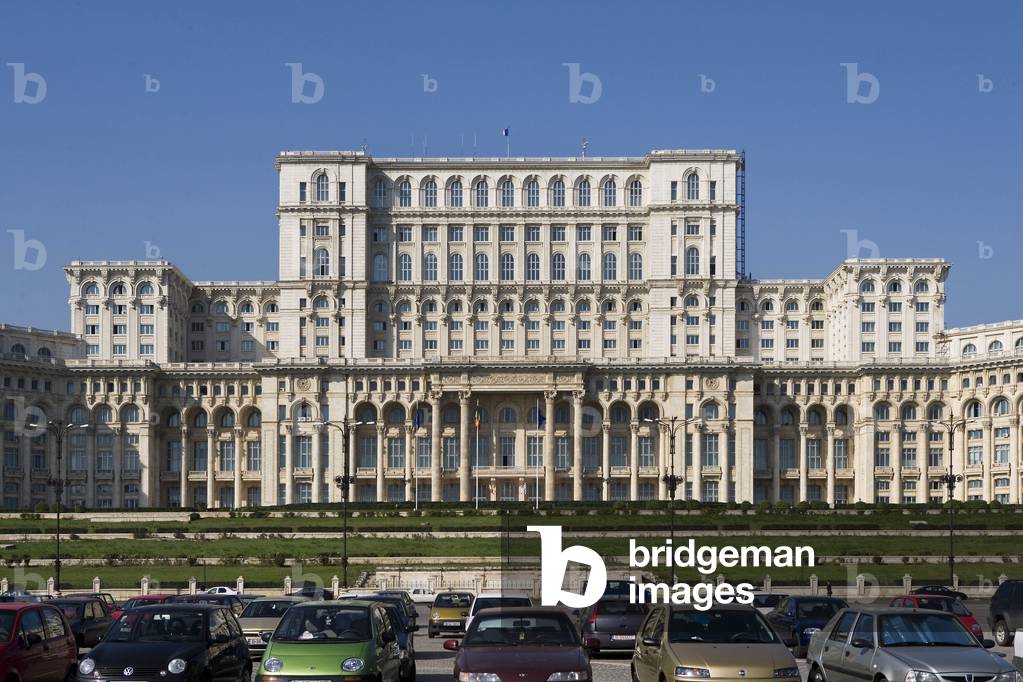
The Palace of Parliament (1984) (formerly the House of the People) in Bucharest, Romania. The House of the People and the Boulevard of the Victory of the Socialist was inaugurated by Nicolas Ceaucescu on 25 June 1984. This pharaonic project is the second largest building in the world after the Pentagon - 45,000 m2 of floor area, 400,000 m2 of living space. To build this palace, one fifth of the city was razed. The palace is now the palace of the parliament now serves as a chamber of deputes and senators. Photography 10/10/05.

OMG4580564: The Palace of Parliament (1984) (formerly the House of the People) in Bucharest, Romania. The House of the People and the Boulevard of the Victory of the Socialist was inaugurated by Nicolas Ceaucescu on 25 June 1984. This pharaonic project is the second largest building in the world after the Pentagon - 45,000 m2 of floor area, 400,000 m2 of living space. To build this palace, one fifth of the city was razed. The palace is now the palace of the parliament now serves as a chamber of deputes and senators. Photography 10/10/05., Petrescu, Anca (1949-2013) / Bridgeman Images

The interior of the Palace of Parliament (1984) (formerly the House of the People) in Bucharest, Romania. The House of the People and the Boulevard of the Victory of the Socialist was inaugurated by Nicolas Ceaucescu on 25 June 1984. This pharaonic project is the second largest building in the world after the Pentagon - 45,000 m2 of floor area, 400,000 m2 of living space. To build this palace, one fifth of the city was razed. The palace is now the palace of the parliament now serves as a chamber of deputes and senators. Photography 10/10/05.

OMG4580715: The interior of the Palace of Parliament (1984) (formerly the House of the People) in Bucharest, Romania. The House of the People and the Boulevard of the Victory of the Socialist was inaugurated by Nicolas Ceaucescu on 25 June 1984. This pharaonic project is the second largest building in the world after the Pentagon - 45,000 m2 of floor area, 400,000 m2 of living space. To build this palace, one fifth of the city was razed. The palace is now the palace of the parliament now serves as a chamber of deputes and senators. Photography 10/10/05., Petrescu, Anca (1949-2013) / Bridgeman Images

The interior of the Palace of Parliament (1984) (formerly the House of the People) in Bucharest, Romania. The House of the People and the Boulevard of the Victory of the Socialist was inaugurated by Nicolas Ceaucescu on 25 June 1984. This pharaonic project is the second largest building in the world after the Pentagon - 45,000 m2 of floor area, 400,000 m2 of living space. To build this palace, one fifth of the city was razed. The palace is now the palace of the parliament now serves as a chamber of deputes and senators. Photography 10/10/05.

OMG4580733: The interior of the Palace of Parliament (1984) (formerly the House of the People) in Bucharest, Romania. The House of the People and the Boulevard of the Victory of the Socialist was inaugurated by Nicolas Ceaucescu on 25 June 1984. This pharaonic project is the second largest building in the world after the Pentagon - 45,000 m2 of floor area, 400,000 m2 of living space. To build this palace, one fifth of the city was razed. The palace is now the palace of the parliament now serves as a chamber of deputes and senators. Photography 10/10/05., Petrescu, Anca (1949-2013) / Bridgeman Images

Star line - Star trails - Long pose on the constellation of Orion that marks the Celestial Ecuador. Iran. Long exposure on the constellation of Orion. Iran

PIX4580803: Star line - Star trails - Long pose on the constellation of Orion that marks the Celestial Ecuador. Iran. Long exposure on the constellation of Orion. Iran / Bridgeman Images

Boulevard Unirii in Bucharest, Romania.

OMG4580814: Boulevard Unirii in Bucharest, Romania. / Bridgeman Images

Star Line - Moon - Venus - Star trails - Moon and Venus - Sunset and Venus photography in long pose. Moon and Venus setting, Alamoot valley, west of Tehran

PIX4580816: Star Line - Moon - Venus - Star trails - Moon and Venus - Sunset and Venus photography in long pose. Moon and Venus setting, Alamoot valley, west of Tehran / Bridgeman Images

Habitat 67 a Montreal, Canada. Architect Moshe Safdi, 1967. Photograph 11/08/99.

MDA4581088: Habitat 67 a Montreal, Canada. Architect Moshe Safdi, 1967. Photograph 11/08/99., Safdie, Moshe (b.1938) / Bridgeman Images

Sydney Bay, Australia. Photography 01/07/00.

MDA4581094: Sydney Bay, Australia. Photography 01/07/00. / Bridgeman Images

Star Trains on the Observatory of Siding Spring - Star trails above Anglo - Australian Observatory - Photographic installation of several hours and dome of Siding Spring's 3.9m telescope. As the earth rotates the stars appear to move across the sky, as do the more obvious sun and Moon This effect is easily recorded by leaving a camera outdoors with its shutter open during the night. To make this picture, the camera was pointed to the southwest, towards the dome of the AAT, from the UK Schmidt building on Siding Spring Mountain in New South Wales

PIX4581095: Star Trains on the Observatory of Siding Spring - Star trails above Anglo - Australian Observatory - Photographic installation of several hours and dome of Siding Spring's 3.9m telescope. As the earth rotates the stars appear to move across the sky, as do the more obvious sun and Moon This effect is easily recorded by leaving a camera outdoors with its shutter open during the night. To make this picture, the camera was pointed to the southwest, towards the dome of the AAT, from the UK Schmidt building on Siding Spring Mountain in New South Wales / Bridgeman Images
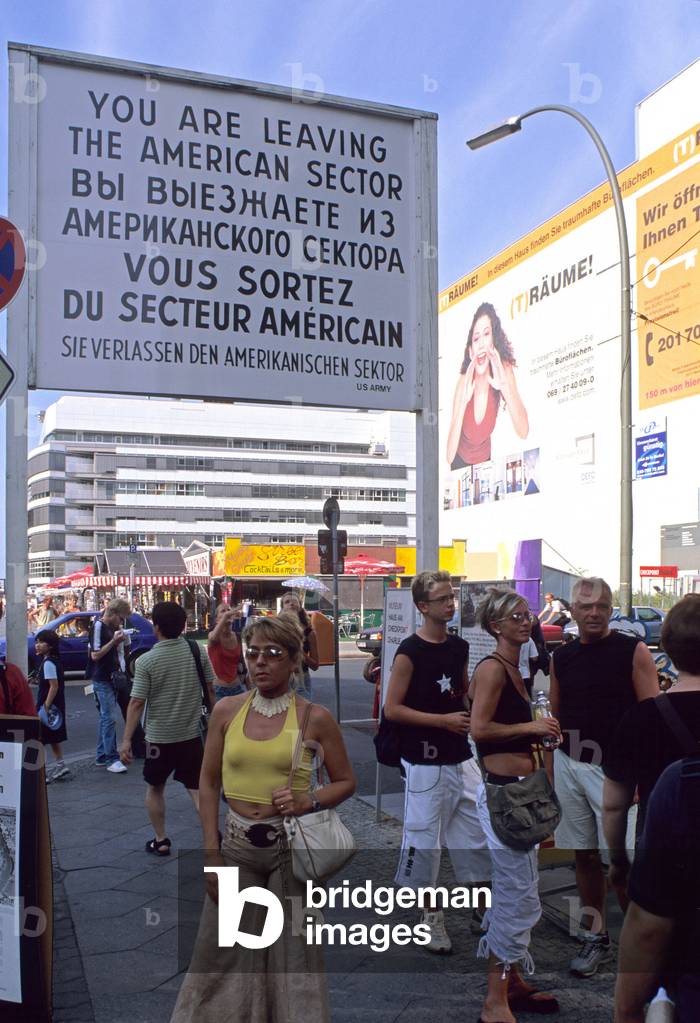
Check Point Charlie, border of the former American zone in Berlin (Germany). Photography 15/08/03.

TEC4581155: Check Point Charlie, border of the former American zone in Berlin (Germany). Photography 15/08/03. / Bridgeman Images

Circumpolar - southern hemisphere - Southern Sky & Milky Way (Lake Titicaca, Bolivia) - Lake Titicaca A long time exposure reveals the motion of the stars against a foreground of reel huts and a scale model of Thor Heyerdal's Ra II

PIX4581189: Circumpolar - southern hemisphere - Southern Sky & Milky Way (Lake Titicaca, Bolivia) - Lake Titicaca A long time exposure reveals the motion of the stars against a foreground of reel huts and a scale model of Thor Heyerdal's Ra II / Bridgeman Images


Back to top