
Print this page or go back to standard view.

NWI4958149: A controversy before the American Supreme Court, Washington, 1910. Seance presidee by Supreme Justice Edward Douglas White (1844-1921). Coloured engraving, 19th century. / Bridgeman Images

ELD4958172: The conclave of 1555 which saw the election of Pope Paul IV (The conclave of 1555 for election of Pope Paul IV) Engraving from Labourieu 1878 / Bridgeman Images

JEB4957937: Myanmar - Burma: Inle Lake, Shan State. Shwe Inthein website. Shwe Inthein Monastery, located inside the land, on the edge of Inle Lake, dominates a site where 10,000 stupas were built by the inhabitants of the region dating back to the 17th century. / Bridgeman Images

NWI4957995: Female civil servant: Residents of a city accusing the new post office employee, circa 1905. Reproduction of an illustration from 1905. / Bridgeman Images
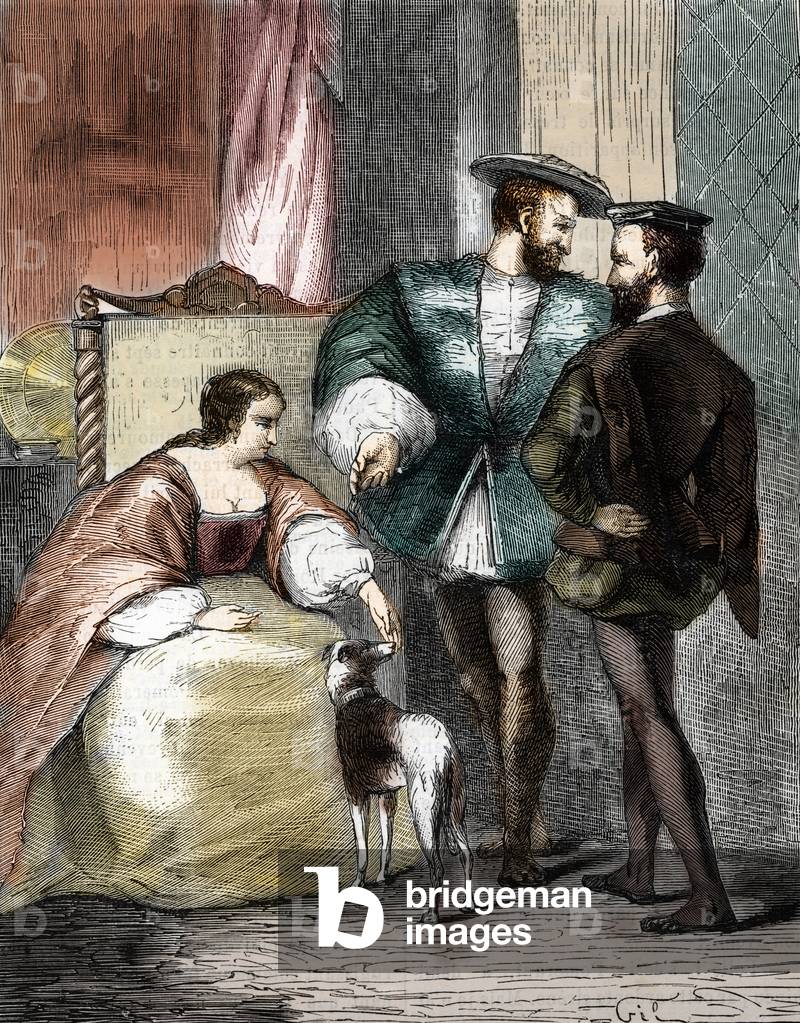
ELD4958128: The King of France Francois I (1494-1547) and Diane de Poitiers (1499-1566) Lady of Breze, Duchess of Valentinois circa 1524 (King of France Francis I with Diane of Poitiers) Engraving from Labourieu 1878 / Bridgeman Images
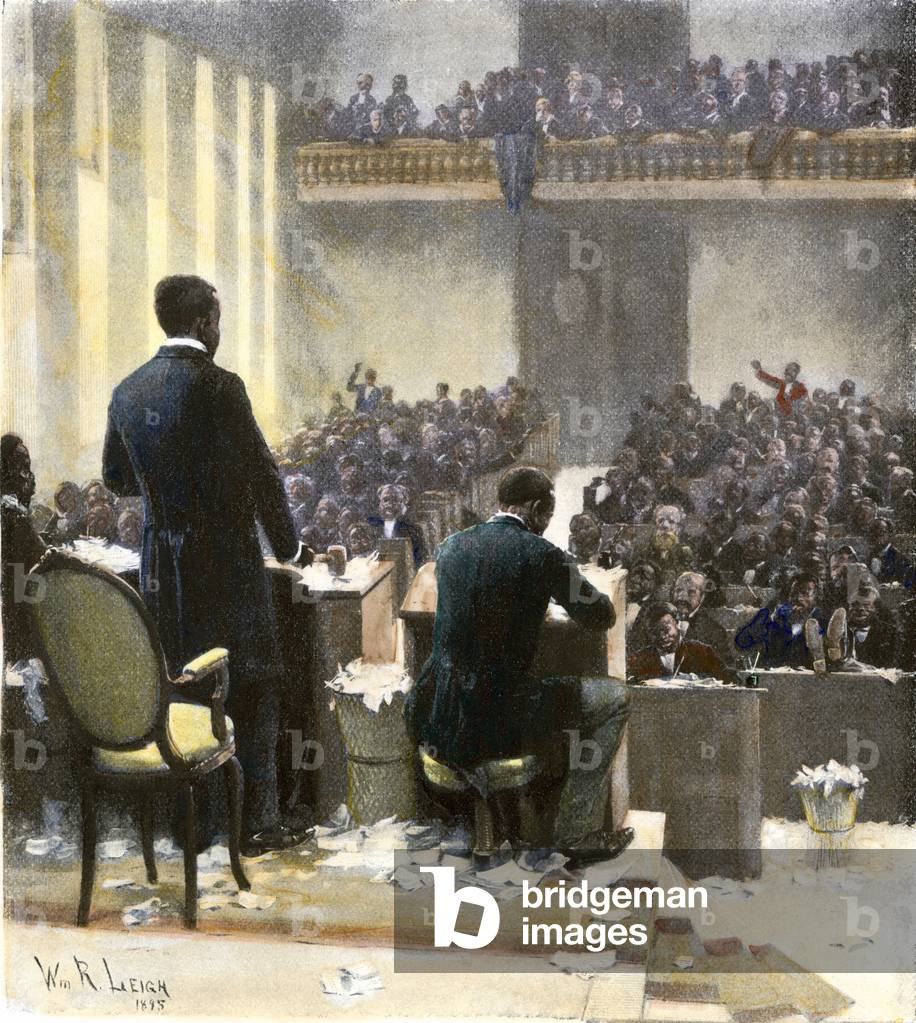
NWI4958151: Legislature for the reconstruction of the States of South Carolina including Afro-American delegates passing the appropriation bill in 1873. Colour engraving of the 19th century. / Bridgeman Images

NWI4958326: Counting of contested electoral votes in 1876 in the presidential elections Tilden-Hayes, February 1877. The American presidential election of 1876 saw the election, with a vote of great elector, of the Republican Rutherford Hayes against the democrat Samuel Tilden, who had obtained an absolute majority of the votes of the citizens. This election was obtained only after litigation. The acceptance by the democrats of the election of Hayes was probably the price to pay for the Republicans to put an end to the reconstruction, and thus to the placing under guardianship of the southern states. Colour engraving of the 19th century. / Bridgeman Images

ELD4958341: A judicial duel (judicial fight or trial by combat, trial by weapons, trial by combat or pledge of battle) integrated into the criminal procedure and considers one of the forms of God's judgment in the High Middle Ages regulated by laws of Germanic origin, France, they took place in the court of the courthouse. 19th century (engraving from “Paris-a-Travers-les-Siecles” by H Gourdon of knee) / Bridgeman Images

ELD4958370: La mort le 27 aout 1830, peu apres l'avenement de la monarchie de Juillet, Louis VI Henri de Bourbon-Conde retrouve pendu dans sa chambre du chateau de Saint-Leu (death of Louis Henri, Prince of Conde (1756-1830) found dead with a rope around his neck but his feet on the ground in his catle of Saint Leu, august 1830) Gravure tiree de ""Histoire des tuileries"" de Beaujoint 19eme siecle / Bridgeman Images

NWI4958267: Young black man in front of the fire of the chimney in his box, South of the United States. Colour engraving of the 19th century. / Bridgeman Images

ELD4958253: Russian Campaign: “” Moscow Fire on 15/09/1812” The governor of the city, Count Rostopchina, has the city set on fire as the troops of Napoleon I arrive, the emperor Napoleon I (1769-1821) before Moscow in flames (Russia campaign, 1812: Napoleon I in Moscow in fire, the 1812 Fire of Moscow broke out on 14 September 12, when Russian troops and most of the remaining residents abandoned the city of Moscow just ahead of Napoleon's vanguard troops entering the city after the Battle of Borodino) Engraving from “Allgemeine Geschichte” by Rotteck 1844 / Bridgeman Images
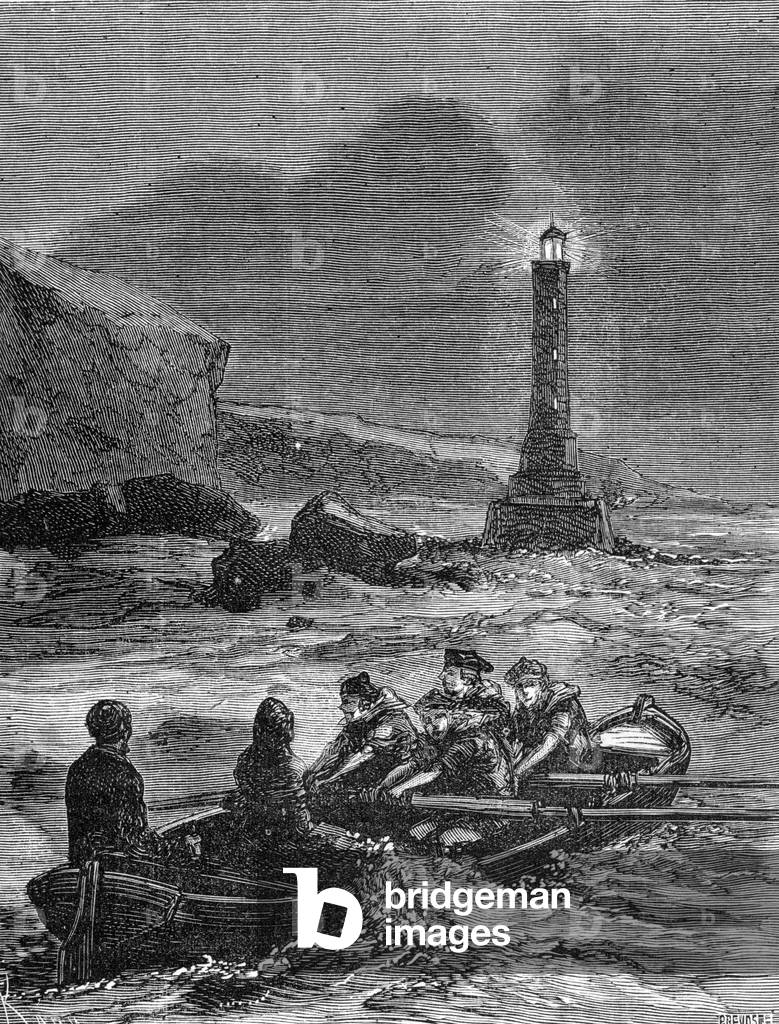
ELD4958340: Marie-Caroline de Bourbon-Sicily, Duchess de Berry made her way to the Vendee and Brittany, where she succeeded in instigating a brief but abortive insurrection in June 1832. 19th century (engraving from “Histoire des tuileries” by Beaujoint) / Bridgeman Images
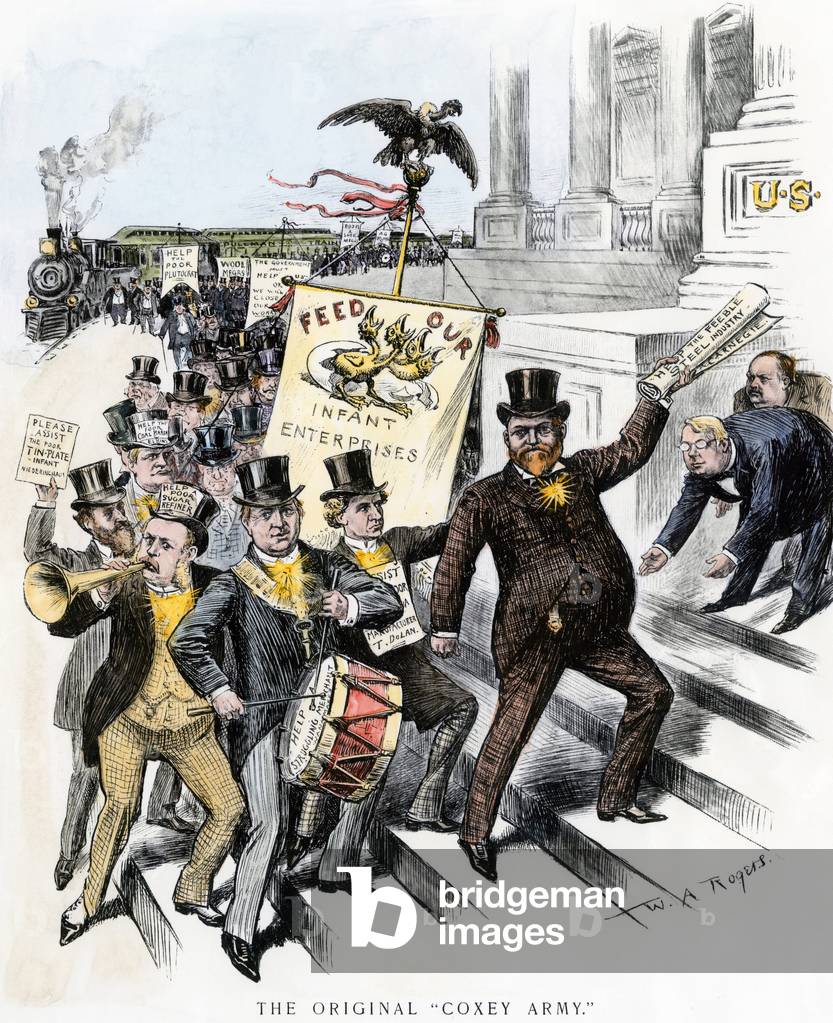
NWI4958472: The capitalists seeking subsidies from the American government at the Congress, ironically appoints as the army of Coxey, a group of workers who marched on Washington in 1894 during the great economic depression. Cartoon by W.A. Rogers, 19th century. / Bridgeman Images
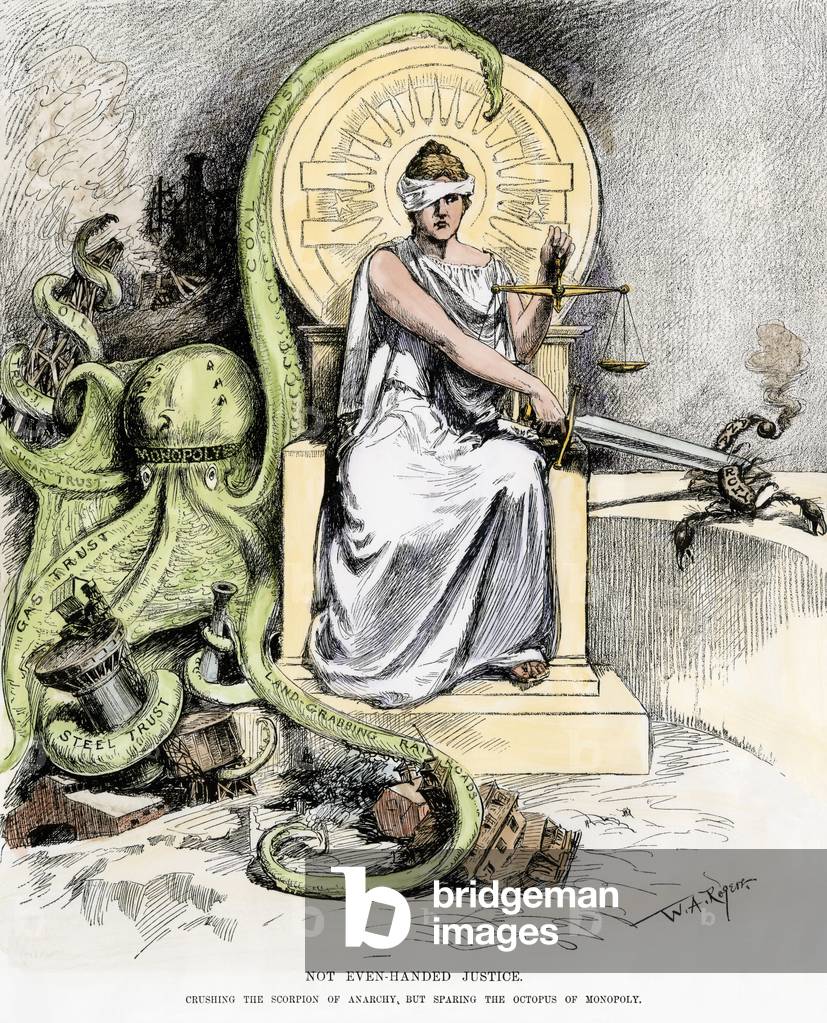
NWI4958476: Justice crashed anarchy but saved monopolies. Caricature by W.A.Rogers, 1888. / Bridgeman Images

NWI4958539: Thanksgiving dinner served in the refectory of an African American children's orphanage in New York, around 1870. Coloured engraving, 19th century. / Bridgeman Images

ELD4958702: Nordic mythology: representation of Freyja (Norse mythology: the goddess Freyja (Freya, Freyia, and Freja) Engraving from “Nordisch-Germanische Gotter und Helden” by Wilhelm wagner 1901 / Bridgeman Images

ELD4958706: Nordic mythology: The Giant Skrymir and Gerd (Gerda) (Norse mythology: the giant Skrymir asks Gerd to follow him) Engraving from “Nordisch-Germanische Gotter und Helden” by Wilhelm wagner 1901 / Bridgeman Images

IMB4962694: Monument; Freedom Tower; Burj-e Azadi; Azadi Monument or Azadi Tower; landmark of Tehran; Iran; Asia, Amanat, Hossein (b.1942) / Bridgeman Images

ELD4962825: View of the Lafayette bridge in Lyon, Rhone Postcard around 1910 / Bridgeman Images

ELD4962856: Representation of Alexandre le Grand facing his love to the Indian princess Cleophile. By Staal 19th century (engraving from "Alexandre le Grand" by Jean Racine (1639-1699)) / Bridgeman Images

NWI4962941: Railway stop near a new town in the Great Plains, 1880. Colour engraving of the 19th century. / Bridgeman Images

JEB4961901: Exterior view of the courtyard of the Hospices Civiles de Beaune founded in 1443 by Chancellor Nicolas Rolin, Beaune (Cote d'Or). / Bridgeman Images
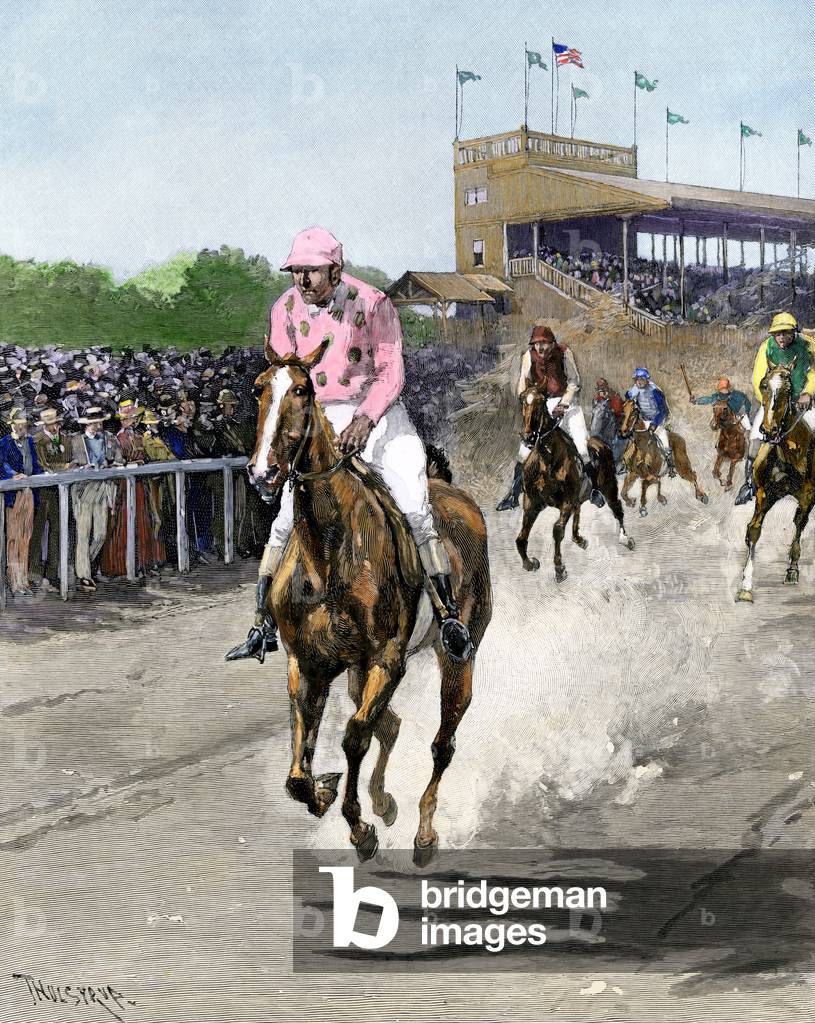
NWI4961910: Horse race on a racetrack in the United States, year 1880. 19th century colour engraving. / Bridgeman Images

ELD4961988: Desecration of the Temple of Jerusalem by Pompee (106-48 BC) in 63 BC Desecration of the Temple of Jerusalem by Pompey, Judea 63 BC) Engraving from “Storia di Roma” by Francesco Bertolini / Bridgeman Images

ELD4962029: Roman antiquite, Gallic war “” the Gauls burn their cities after defeat against Jules Cesar (100-44 BC) applying the policy of the Brulee earth around 57-51 BC” (Great gallic wars, Scorched earth (Scorched-earth) policy: the gauls ravaged the countryside of what are now the Benelux countries and France - This did cause immense problems for the Romans, but Roman military triumphs over the Gallic alliance showed that this alone was not enough to save Gaul from subjugation by Rome 57 - 51 BC) Engraving from “Storia di Roma” by Francesco Bertolini / Bridgeman Images

NWI4962948: Alwilda (Alvilda), Scandinavian pirate woman. Between the 8th and 12th century. Engraving of the 19th century. / Bridgeman Images

ELD4963063: Scene from "Esther" (Esther a play in three acts). By Staal 19th century (engraving from “Works” by Jean Racine (1639-1699)) / Bridgeman Images
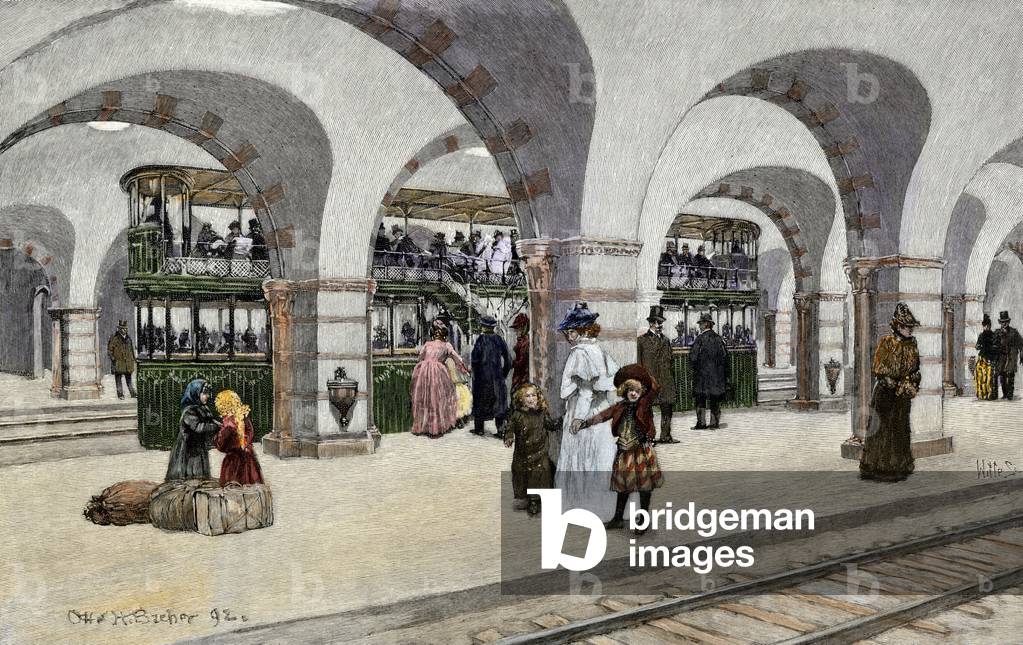
NWI4963091: View of a proposed metro station in Boston, Massachusetts, 1892. Colour engraving of the 19th century. / Bridgeman Images

ELD4963186: View of Livorno and the reservoir “” Il Cisternone”” “” Gran Conserva”””, Italy (The city of Livorno, Italy) Postcard ca. 1910 / Bridgeman Images

NWI4963051: Asian and European immigrant workers working along the last mile of the Transcotinental Railway, 1869. Colour engraving of the 19th century. / Bridgeman Images

ELD4963135: Christian in the catacombs celebrating easter Illustration from 'Le Pelerin', 1933 (print) / Bridgeman Images

ELD4963169: View of Fort Saint Jean in Marseille - Postcard around 1910 / Bridgeman Images

NWI4963184: Sailboats sailing off the Atlantic coast of Canada, circa 1800. 19th century lithograph. / Bridgeman Images

ELD4963294: Ancient Rome: “The Capuan politician Vibius Virrius and the collective suicide during a banquet in Capuan in 211 BC” (Capuan banquet and suicide of senators, 211 BC) Engraving from “Storia di Roma” by Francesco Bertolini / Bridgeman Images

NWI4962644: Stop a diligence in a village to change horses early in the 19th century. Engraving after a painting by S.M. Arthurs. / Bridgeman Images
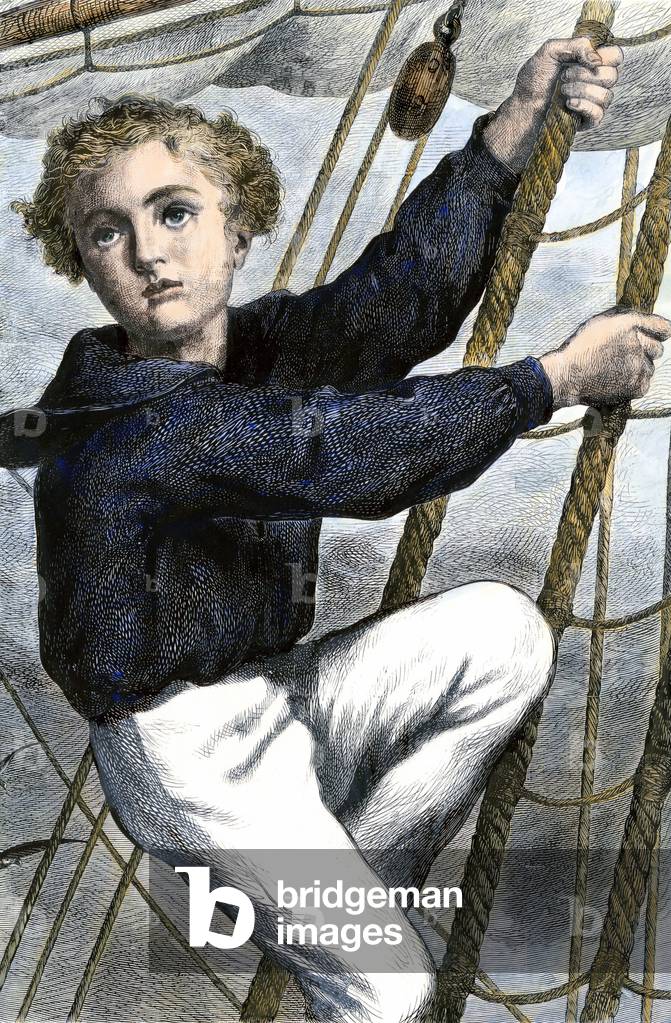
NWI4963538: Young sailor in the mature of a ship, 19th century. / Bridgeman Images