Print Friendly Version Page

2501140 Search Results

Eurasian sparrowhawk, Accipiter nisus, with hood. White-breasted falcon, Falco nisus. Handcoloured copperplate engraving by Jakob-Andreas Eisemann after an illustration from nature by Barbara Regina Dietzsch from Georg Wolfgang Knorr's Deliciae Naturae Selectae of Kabinet van Zeldzaamheden der Natuur, Blusse and Son, Nuremberg, 1771. Specimens from a Wunderkammer or Cabinet of Curiosities owned by Dr. Christoph Jacob Trew in Nuremberg.

FLO4652740: Eurasian sparrowhawk, Accipiter nisus, with hood. White-breasted falcon, Falco nisus. Handcoloured copperplate engraving by Jakob-Andreas Eisemann after an illustration from nature by Barbara Regina Dietzsch from Georg Wolfgang Knorr's Deliciae Naturae Selectae of Kabinet van Zeldzaamheden der Natuur, Blusse and Son, Nuremberg, 1771. Specimens from a Wunderkammer or Cabinet of Curiosities owned by Dr. Christoph Jacob Trew in Nuremberg. / Bridgeman Images

Telescope Gemini south - Gemini South Telescope - The dome of the 8.2 m Gemini south telescope on Cerro Pachon in Chile. Gemini south telescope at summit of Cerro Pachon in Chile

PIX4652783: Telescope Gemini south - Gemini South Telescope - The dome of the 8.2 m Gemini south telescope on Cerro Pachon in Chile. Gemini south telescope at summit of Cerro Pachon in Chile / Bridgeman Images

Telescope SOAR - Chile - SOAR Telescope - The dome of the 4 m telescope SOAR (Southern Astrophysical Research Telescope). Cerro Pachon, Chile. SOAR (Southern Astrophysical Research Telescope) is a 4 - meter telescope located on Cerro Pachon in Chile

PIX4652805: Telescope SOAR - Chile - SOAR Telescope - The dome of the 4 m telescope SOAR (Southern Astrophysical Research Telescope). Cerro Pachon, Chile. SOAR (Southern Astrophysical Research Telescope) is a 4 - meter telescope located on Cerro Pachon in Chile / Bridgeman Images

Cerro Tololo Observatory - Chile - Cerro Tololo Observatory - Chile - Cerro Tololo Observatory seen from Cerro Pachon, Chile. Cerro Tololo observatory seen from Cerro Pachon. Chile

PIX4652829: Cerro Tololo Observatory - Chile - Cerro Tololo Observatory - Chile - Cerro Tololo Observatory seen from Cerro Pachon, Chile. Cerro Tololo observatory seen from Cerro Pachon. Chile / Bridgeman Images

Hotel de Ville de Boulogne Billancourt (Hauts de Seine). Architect Tony Garnier (1869-1948), 1931-1934. Built of weapon concrete, the building is seen as an exemplary town hall for the 20th century, a municipal factory characterized by the transparency of the counter hall with its three levels of suspended galleries.

MDA4652837: Hotel de Ville de Boulogne Billancourt (Hauts de Seine). Architect Tony Garnier (1869-1948), 1931-1934. Built of weapon concrete, the building is seen as an exemplary town hall for the 20th century, a municipal factory characterized by the transparency of the counter hall with its three levels of suspended galleries., Garnier, Tony (1869-1948) / Bridgeman Images

Head of a greater kudu, Tragelaphus strepsiceros, horns of Alpine ibex, Capra ibex, dorcas gazelle, Gazella dorcas, and kudu, Tragelaphus strepsiceros. The head of a Coutou from Africa, an Ibex horn, the horn of a goat from Libya, Capra dorcas, the horn of a Coutou. Handcoloured copperplate engraving by Johann Sebastian Leitner after an illustration by Christian Leinberger from Georg Wolfgang Knorr's Deliciae Naturae Selectae of Kabinet van Zeldzaamheden der Natuur, Blusse and Son, Nuremberg, 1771. Specimens from a Wunderkammer or Cabinet of Curiosities owned by P.L. Muller.

FLO4652845: Head of a greater kudu, Tragelaphus strepsiceros, horns of Alpine ibex, Capra ibex, dorcas gazelle, Gazella dorcas, and kudu, Tragelaphus strepsiceros. The head of a Coutou from Africa, an Ibex horn, the horn of a goat from Libya, Capra dorcas, the horn of a Coutou. Handcoloured copperplate engraving by Johann Sebastian Leitner after an illustration by Christian Leinberger from Georg Wolfgang Knorr's Deliciae Naturae Selectae of Kabinet van Zeldzaamheden der Natuur, Blusse and Son, Nuremberg, 1771. Specimens from a Wunderkammer or Cabinet of Curiosities owned by P.L. Muller. / Bridgeman Images

Greater kudu, Tragelaphus strepsiceros (Un coutou d'Afrique). Handcoloured copperplate engraving by Jakob-Andreas Eisemann from Georg Wolfgang Knorr's Deliciae Naturae Selectae of Kabinet van Zeldzaamheden der Natuur, Blusse and Son, Nuremberg, 1771. Specimens from a Wunderkammer or Cabinet of Curiosities owned by Dr. Christoph Jacob Trew in Nuremberg.

FLO4652876: Greater kudu, Tragelaphus strepsiceros (Un coutou d'Afrique). Handcoloured copperplate engraving by Jakob-Andreas Eisemann from Georg Wolfgang Knorr's Deliciae Naturae Selectae of Kabinet van Zeldzaamheden der Natuur, Blusse and Son, Nuremberg, 1771. Specimens from a Wunderkammer or Cabinet of Curiosities owned by Dr. Christoph Jacob Trew in Nuremberg. / Bridgeman Images

Indian rhinoceros, Rhinoceros unicornis, and horns of a critically endangered black rhinoceros, Diceros bicornis. Handcoloured copperplate engraving by Jakob-Andreas Eisemann after an illustration from nature by Johann Christoph Keller from Georg Wolfgang Knorr's Deliciae Naturae Selectae of Kabinet van Zeldzaamheden der Natuur, Blusse and Son, Nuremberg, 1771. Specimens from a Wunderkammer or Cabinet of Curiosities owned by Dr. Christoph Jacob Trew in Nuremberg.

FLO4652901: Indian rhinoceros, Rhinoceros unicornis, and horns of a critically endangered black rhinoceros, Diceros bicornis. Handcoloured copperplate engraving by Jakob-Andreas Eisemann after an illustration from nature by Johann Christoph Keller from Georg Wolfgang Knorr's Deliciae Naturae Selectae of Kabinet van Zeldzaamheden der Natuur, Blusse and Son, Nuremberg, 1771. Specimens from a Wunderkammer or Cabinet of Curiosities owned by Dr. Christoph Jacob Trew in Nuremberg. / Bridgeman Images

Accommodation, 65 rue La Fontaine in Paris 75016. Architect Henri Sauvage (1873-1932), realisation 1926-1928.Known as the Studio Building, this remarkable building is made up of fifty duplex apartments each containing an artist's studio. Ceram gres coating by Gentil and Bourdet.

TEC4652969: Accommodation, 65 rue La Fontaine in Paris 75016. Architect Henri Sauvage (1873-1932), realisation 1926-1928.Known as the Studio Building, this remarkable building is made up of fifty duplex apartments each containing an artist's studio. Ceram gres coating by Gentil and Bourdet. / Bridgeman Images

Whelk, Buccinum undatum 1, Noah's ark, Arca noae 2, noble pen shell, Pinna nobilis 3, Tusus brevis 4, Caltrop murex, Murex tribulus 5, Admiral cone, Conus admiralis 6, volute, Voluta arenata 7, limpet, Patella vulgata 8, and elegant Venus clam, Pitar dione 9. Handcoloured copperplate engraving by Georg Wolfgang Knorr from his Deliciae Naturae Selectae of Kabinet van Zeldzaamheden der Natuur, Blusse and Son, Nuremberg, 1771. Specimens from a Wunderkammer or Cabinet of Curiosities of D. de Hagen, P.L. Muller and A.M. Schadeloock.

FLO4652539: Whelk, Buccinum undatum 1, Noah's ark, Arca noae 2, noble pen shell, Pinna nobilis 3, Tusus brevis 4, Caltrop murex, Murex tribulus 5, Admiral cone, Conus admiralis 6, volute, Voluta arenata 7, limpet, Patella vulgata 8, and elegant Venus clam, Pitar dione 9. Handcoloured copperplate engraving by Georg Wolfgang Knorr from his Deliciae Naturae Selectae of Kabinet van Zeldzaamheden der Natuur, Blusse and Son, Nuremberg, 1771. Specimens from a Wunderkammer or Cabinet of Curiosities of D. de Hagen, P.L. Muller and A.M. Schadeloock. / Bridgeman Images

Indian art: representation of Mahamai, mother goddess, giving birth, 18th century (wooden)

JLJ4652546: Indian art: representation of Mahamai, mother goddess, giving birth, 18th century (wooden), Indian School, (18th century) / Bridgeman Images

Les Bacchantes dance round and play music, 1865-1869 (marble)

JLJ4652572: Les Bacchantes dance round and play music, 1865-1869 (marble), Carpeaux, Jean-Baptiste (1827-75) / Bridgeman Images

Hotel de Ville de Boulogne Billancourt (Hauts de Seine). Architect Tony Garnier (1869-1948), 1931-1934. Built of weapon concrete, the building is seen as an exemplary town hall for the 20th century, a municipal factory characterized by the transparency of the counter hall with its three levels of suspended galleries.

TEC4652782: Hotel de Ville de Boulogne Billancourt (Hauts de Seine). Architect Tony Garnier (1869-1948), 1931-1934. Built of weapon concrete, the building is seen as an exemplary town hall for the 20th century, a municipal factory characterized by the transparency of the counter hall with its three levels of suspended galleries., Garnier, Tony (1869-1948) / Bridgeman Images

Ancient Greece: Perirrhanterion of Delphi in marble with three Cores 6th century BC (marble)

JLJ4652789: Ancient Greece: Perirrhanterion of Delphi in marble with three Cores 6th century BC (marble), Greek school, (6th century BC) / Bridgeman Images
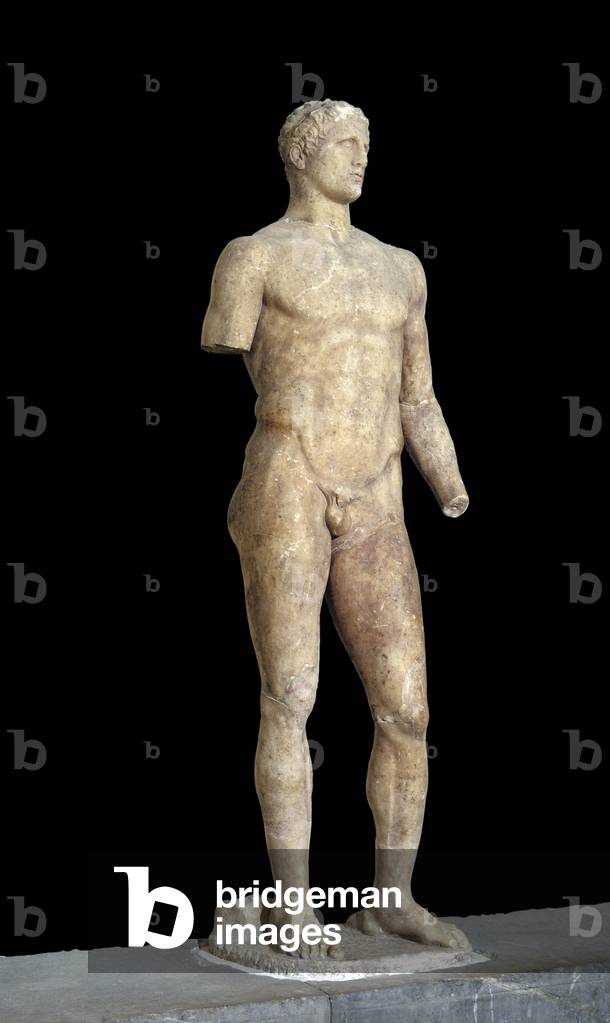
Agias Sculpture of Lysipus of Sicyone (395-305 BC) 355 BC (marble)

JLJ4652804: Agias Sculpture of Lysipus of Sicyone (395-305 BC) 355 BC (marble), Lysippos (fl.370-310 BC) (attributed to) / Bridgeman Images
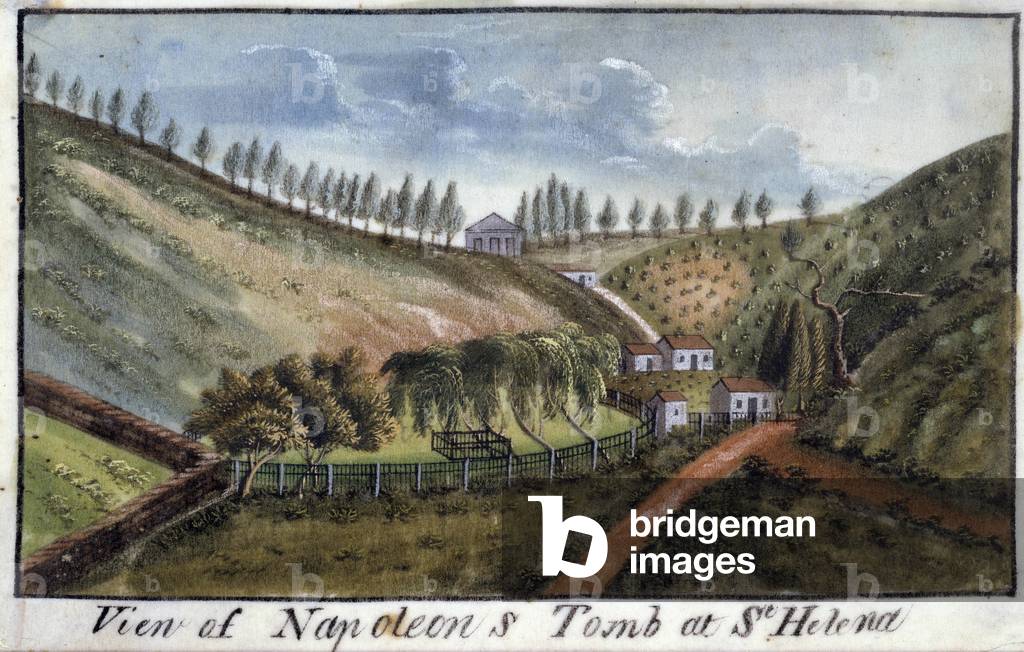
View of the island of Saint Helene with the tomb of Emperor Napoleon I (1769-1821) Watercolour c.1821, 19th century (watercolour)

JLJ4652959: View of the island of Saint Helene with the tomb of Emperor Napoleon I (1769-1821) Watercolour c.1821, 19th century (watercolour), French School, (19th century) / Bridgeman Images

Hotel de Ville de Boulogne Billancourt (Hauts de Seine). Architect Tony Garnier (1869-1948), 1931-1934. Built of weapon concrete, the building is seen as an exemplary town hall for the 20th century, a municipal factory characterized by the transparency of the counter hall with its three levels of suspended galleries.

MDA4652970: Hotel de Ville de Boulogne Billancourt (Hauts de Seine). Architect Tony Garnier (1869-1948), 1931-1934. Built of weapon concrete, the building is seen as an exemplary town hall for the 20th century, a municipal factory characterized by the transparency of the counter hall with its three levels of suspended galleries., Garnier, Tony (1869-1948) / Bridgeman Images
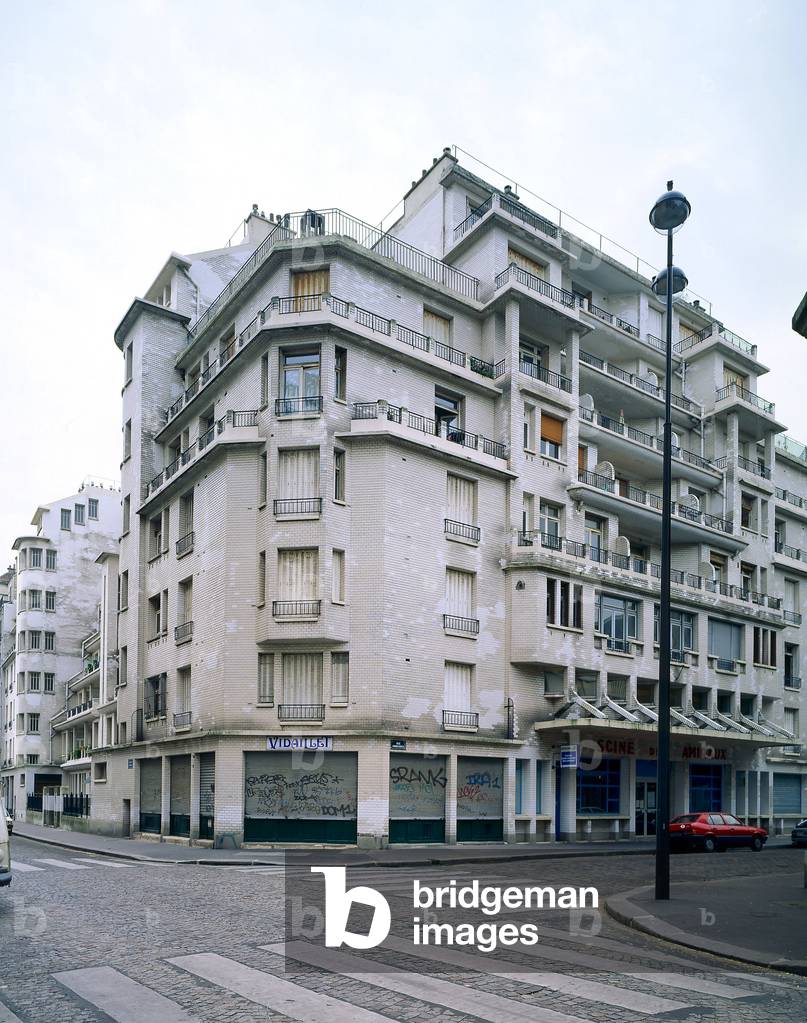
Accommodation, 65 rue La Fontaine in Paris 75016. Architect Henri Sauvage (1873-1932), realisation 1926-1928.Known as the Studio Building, this remarkable building is made up of fifty duplex apartments each containing an artist's studio. Ceram gres coating by Gentil and Bourdet.

TEC4653001: Accommodation, 65 rue La Fontaine in Paris 75016. Architect Henri Sauvage (1873-1932), realisation 1926-1928.Known as the Studio Building, this remarkable building is made up of fifty duplex apartments each containing an artist's studio. Ceram gres coating by Gentil and Bourdet. / Bridgeman Images

Telescope E - ELT - Artist's view - European Extremely Large Telescope - Artwork - Artist's view of the E - ELT (European Extremely Large Telescope), a telescope project measuring 42 metres in diameter. Construction of this European project could start in 2010, with a planned inauguration around 2017. Its main mirror will consist of 906 hexagonal mirrors assembled together, and its total surface will be equal to that of a football field. With a 42 - m diameter primary mirror, the present baseline, its total rotating mass is 5500 tons. The two platforms on each side of the structure hold large instruments. The telescope features a novel, innovative design, based on 5 mirrors. The primary 42 - m mirror is composed of 906 segments, each 1.45 m wide, while the secondary mirror is as large as 6 m in diameter. A tertiary mirror, 4.2 m in diameter, relays the light to the adaptive optics system, composed of two mirrors: a 2.5 - m mirror supported by 5000 or more actuators so as to be able to distort its own shape a thousand times per second, and one 2.7 m in diameter that allows for the final image corrections. This five mirror approach results in an exceptional image quality, with no significant aberrations in the field of view

PIX4653061: Telescope E - ELT - Artist's view - European Extremely Large Telescope - Artwork - Artist's view of the E - ELT (European Extremely Large Telescope), a telescope project measuring 42 metres in diameter. Construction of this European project could start in 2010, with a planned inauguration around 2017. Its main mirror will consist of 906 hexagonal mirrors assembled together, and its total surface will be equal to that of a football field. With a 42 - m diameter primary mirror, the present baseline, its total rotating mass is 5500 tons. The two platforms on each side of the structure hold large instruments. The telescope features a novel, innovative design, based on 5 mirrors. The primary 42 - m mirror is composed of 906 segments, each 1.45 m wide, while the secondary mirror is as large as 6 m in diameter. A tertiary mirror, 4.2 m in diameter, relays the light to the adaptive optics system, composed of two mirrors: a 2.5 - m mirror supported by 5000 or more actuators so as to be able to distort its own shape a thousand times per second, and one 2.7 m in diameter that allows for the final image corrections. This five mirror approach results in an exceptional image quality, with no significant aberrations in the field of view / Bridgeman Images

Representation of Saint James the Major in pelerine Sculpture in limestone of the Burgundy school, 1475-1500 (limestone)

JLJ4653103: Representation of Saint James the Major in pelerine Sculpture in limestone of the Burgundy school, 1475-1500 (limestone), French School, (15th century) / Bridgeman Images

Hinegeshi or corn poppy, Papaver rhoeas (poppy) Handcoloured woodblock print by Kono Bairei from Senshu no Hana (One Thousand Varieties of Flowers), Bunkyudo, Kyoto, 1900.

FLO4653118: Hinegeshi or corn poppy, Papaver rhoeas (poppy) Handcoloured woodblock print by Kono Bairei from Senshu no Hana (One Thousand Varieties of Flowers), Bunkyudo, Kyoto, 1900. / Bridgeman Images
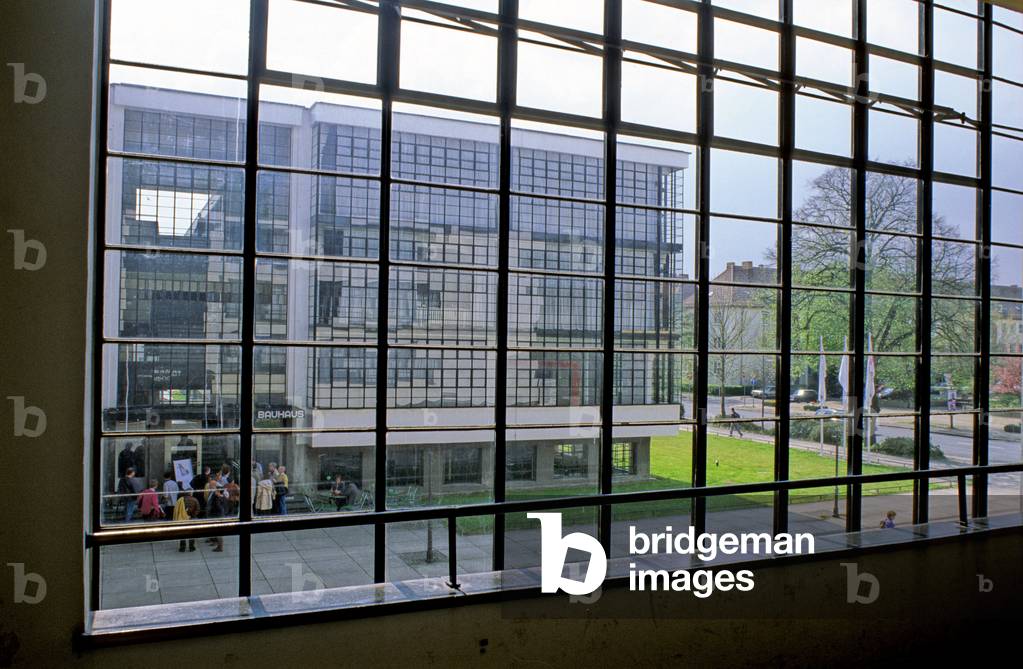
Bauhaus building in Dessau (Germany) designed in 1925 (photo)

TEC4653155: Bauhaus building in Dessau (Germany) designed in 1925 (photo) / Bridgeman Images

Shirojinchouge or winter daphne, Daphne odora, native to Asia. Handcoloured woodblock print by Kono Bairei from Senshu no Hana (One Thousand Varieties of Flowers), Bunkyudo, Kyoto, 1900.

FLO4653186: Shirojinchouge or winter daphne, Daphne odora, native to Asia. Handcoloured woodblock print by Kono Bairei from Senshu no Hana (One Thousand Varieties of Flowers), Bunkyudo, Kyoto, 1900. / Bridgeman Images

Aerial View of Nymphenburg Park, 17th century (photography)

LRI4653211: Aerial View of Nymphenburg Park, 17th century (photography), German School, (17th century) / Bridgeman Images

The stained glass windows by Fernand Leger (1881-1955) and the tapestry by Jean Lurcat (1892-1966), in the church of Saint Germain d'Auxerre in Courfaivre in Switzerland. Photography 2000.

JSN4653264: The stained glass windows by Fernand Leger (1881-1955) and the tapestry by Jean Lurcat (1892-1966), in the church of Saint Germain d'Auxerre in Courfaivre in Switzerland. Photography 2000., Leger, Fernand (1881-1955) / Bridgeman Images
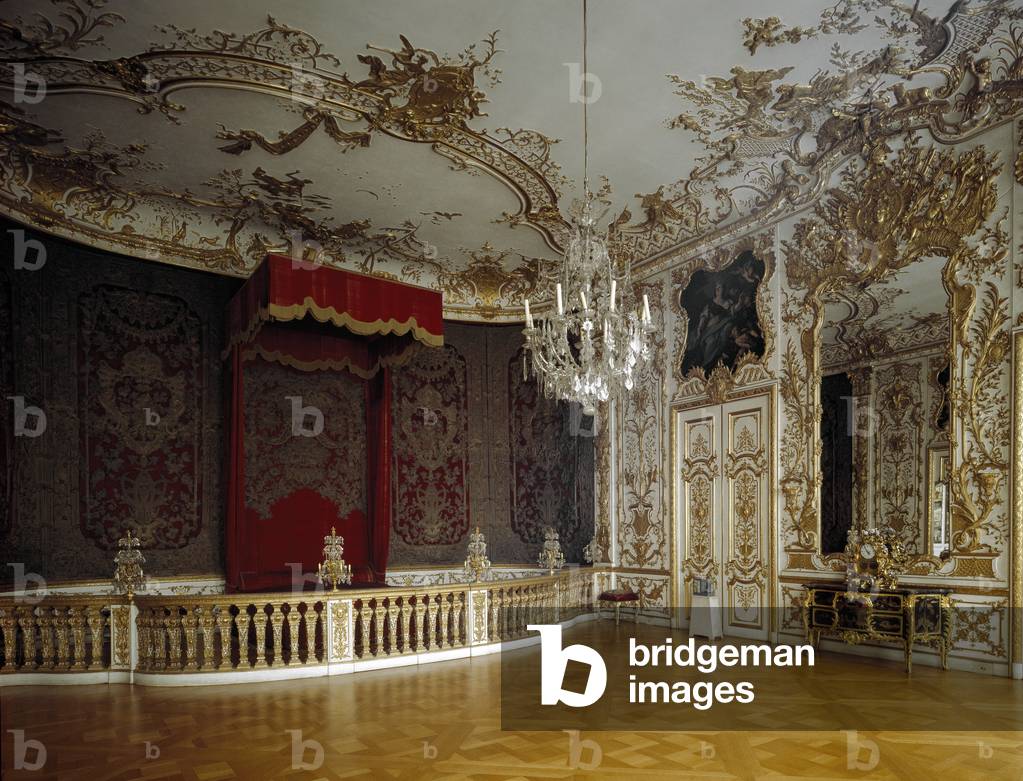
View of the Royal Salon, 1734-1739 (photography)

LRI4653273: View of the Royal Salon, 1734-1739 (photography), Cuvillies, Francois de (1695-1768) / Bridgeman Images

Sawakigyou, Lobelia sessilifolia, native to Japan (Japanese lobelia). Handcoloured woodblock print by Kono Bairei from Senshu no Hana (One Thousand Varieties of Flowers), Bunkyudo, Kyoto, 1900.

FLO4653327: Sawakigyou, Lobelia sessilifolia, native to Japan (Japanese lobelia). Handcoloured woodblock print by Kono Bairei from Senshu no Hana (One Thousand Varieties of Flowers), Bunkyudo, Kyoto, 1900. / Bridgeman Images

Accommodation, 65 rue La Fontaine in Paris 75016. Architect Henri Sauvage (1873-1932), realisation 1926-1928.Known as the Studio Building, this remarkable building is made up of fifty duplex apartments each containing an artist's studio. Ceram gres coating by Gentil and Bourdet.

TEC4652977: Accommodation, 65 rue La Fontaine in Paris 75016. Architect Henri Sauvage (1873-1932), realisation 1926-1928.Known as the Studio Building, this remarkable building is made up of fifty duplex apartments each containing an artist's studio. Ceram gres coating by Gentil and Bourdet. / Bridgeman Images

Milky Way above Cerro Armazones - Star sky at the top of Cerro Armazones. This 3060-metre mountain in Chile will host the giant telescope E - ELT (European Extremely Large Telescope). The construction of this 42-metre telescope is expected to start at the end of 2010 and will be inaugurated around 2018. Its main mirror will consist of 906 hexagonal mirrors assembled together, and its total surface will be equal to that of a football field. On 26 April 2010, the ESO Council selected Cerro Armazones as the baseline site for the planned 42 - metre European Extremely Large Telescope (E - ELT). Cerro Armazones is a mountain at an altitude of 3060 metres in the central part of Child's Atacama Desert, some 130 kilometres south of the town of Antofagasta and about 20 kilometres from Cerro Paranal, home of Eso's Very Large Telescope

PIX4652988: Milky Way above Cerro Armazones - Star sky at the top of Cerro Armazones. This 3060-metre mountain in Chile will host the giant telescope E - ELT (European Extremely Large Telescope). The construction of this 42-metre telescope is expected to start at the end of 2010 and will be inaugurated around 2018. Its main mirror will consist of 906 hexagonal mirrors assembled together, and its total surface will be equal to that of a football field. On 26 April 2010, the ESO Council selected Cerro Armazones as the baseline site for the planned 42 - metre European Extremely Large Telescope (E - ELT). Cerro Armazones is a mountain at an altitude of 3060 metres in the central part of Child's Atacama Desert, some 130 kilometres south of the town of Antofagasta and about 20 kilometres from Cerro Paranal, home of Eso's Very Large Telescope / Bridgeman Images

Telescope E - ELT - Artist's view - European Extremely Large Telescope - Artwork - Artist's view of the E - ELT (European Extremely Large Telescope), a telescope project measuring 40 metres in diameter. Its main mirror will consist of 906 hexagonal mirrors assembled together, and its total surface will be equal to that of a football field. Artist's impression of the European Extremely Large Telescope (E - ELT) in its enclosure on Cerro Armazones, a 3060 - metre mountaintop in Chile's Atacama Desert. The 40 - metre - class E - ELT will be the largest optical/infrared telescope in the world - - the world's biggest eye on the sky. Operations are planned to start early in the next decade, and the E - ELT will tackle some of the biggest scientific challenges of our time

PIX4653079: Telescope E - ELT - Artist's view - European Extremely Large Telescope - Artwork - Artist's view of the E - ELT (European Extremely Large Telescope), a telescope project measuring 40 metres in diameter. Its main mirror will consist of 906 hexagonal mirrors assembled together, and its total surface will be equal to that of a football field. Artist's impression of the European Extremely Large Telescope (E - ELT) in its enclosure on Cerro Armazones, a 3060 - metre mountaintop in Chile's Atacama Desert. The 40 - metre - class E - ELT will be the largest optical/infrared telescope in the world - - the world's biggest eye on the sky. Operations are planned to start early in the next decade, and the E - ELT will tackle some of the biggest scientific challenges of our time / Bridgeman Images

Bauhaus building in Dessau (Germany) designed in 1925 (photo)

TEC4653136: Bauhaus building in Dessau (Germany) designed in 1925 (photo) / Bridgeman Images
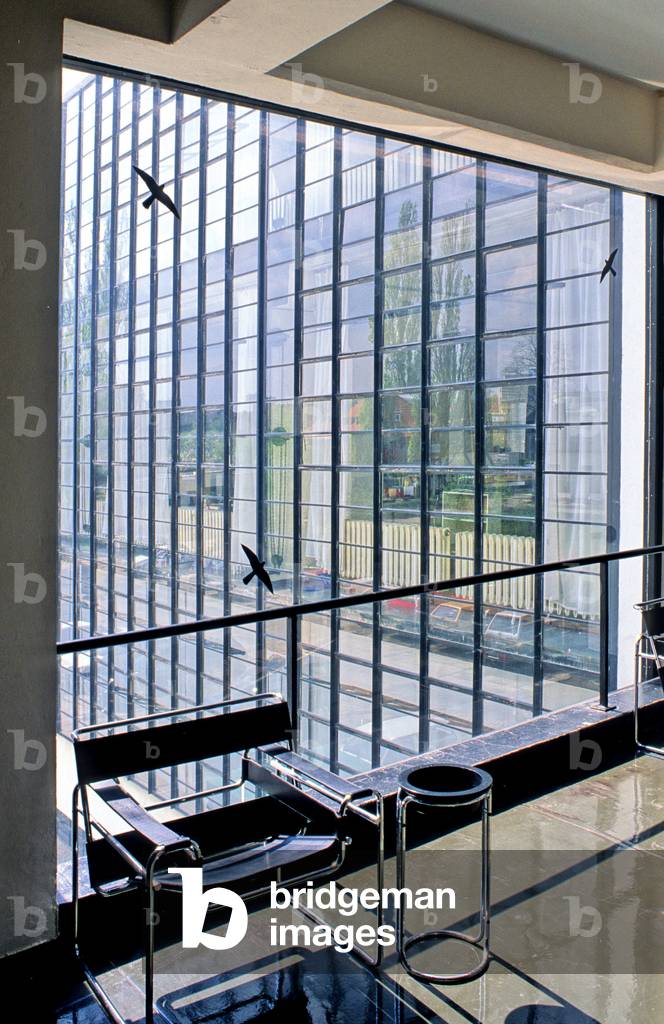
Bauhaus building in Dessau (Germany) designed in 1925 (photo)

TEC4653184: Bauhaus building in Dessau (Germany) designed in 1925 (photo) / Bridgeman Images

Gashousou or soft windflower, Anemone flaccida. Handcoloured woodblock print by Kono Bairei from Senshu no Hana (One Thousand Varieties of Flowers), Bunkyudo, Kyoto, 1900.

FLO4653200: Gashousou or soft windflower, Anemone flaccida. Handcoloured woodblock print by Kono Bairei from Senshu no Hana (One Thousand Varieties of Flowers), Bunkyudo, Kyoto, 1900. / Bridgeman Images
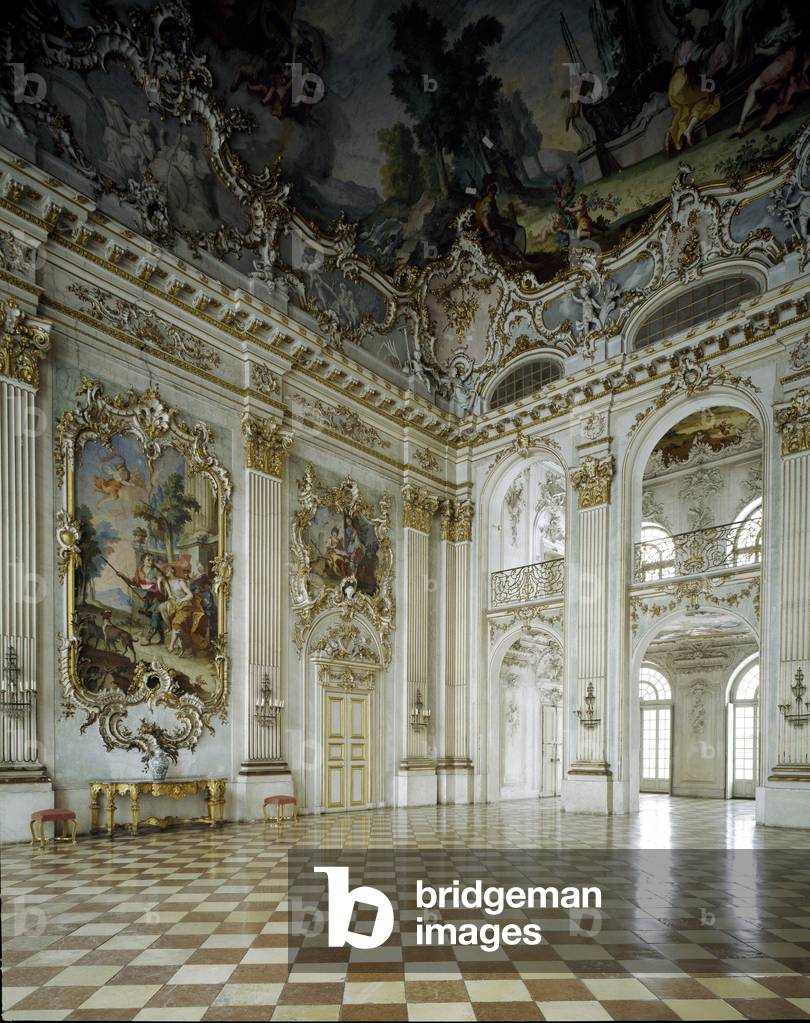
View of the Grand Salon, 17th century (photography)

LRI4653238: View of the Grand Salon, 17th century (photography), German School, (17th century) / Bridgeman Images

The Merchant of Eventails, 18th century (oil on canvas)

JLJ4653280: The Merchant of Eventails, 18th century (oil on canvas), Castillo, Jose del (1737-93) / Bridgeman Images
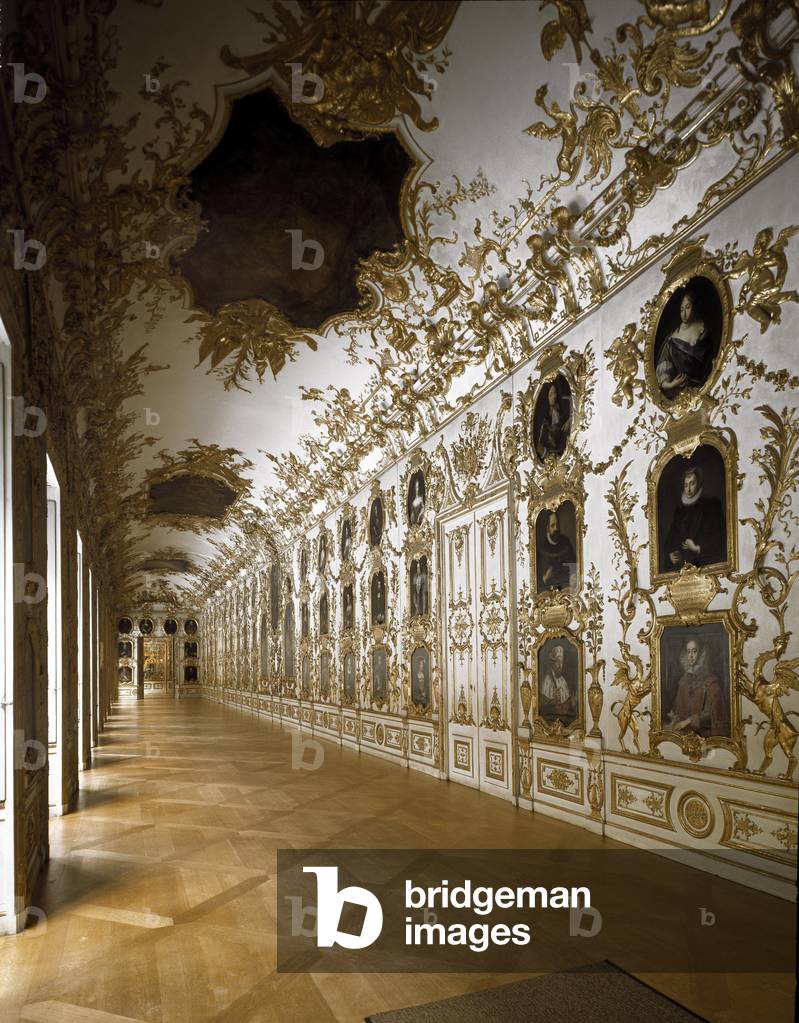
View of the interior of the royal palace, 1728-1730 (photography)

LRI4653304: View of the interior of the royal palace, 1728-1730 (photography), Zimmermann, Johann Baptist (1680-1758) / Bridgeman Images


Back to top