Print Friendly Version Page

2501815 Search Results

Silver-washed fritillary butterfly, Argynnis paphia, forester moth, Adscita statices, L. or gooseberry moth, Halia vauaria, small copper butterfly, Lycaena phlaeas, dingy skipper, Erynnis tages, and gooseberry bush, Ribes grossularia. Handcoloured lithograph after an illustration by Moses Harris from “The Aurelian; a Natural History of English Moths and Butterflies,””” new edition edited by J. O. Westwood, published by Henry Bohn, London, 1840.

FLO4638862: Silver-washed fritillary butterfly, Argynnis paphia, forester moth, Adscita statices, L. or gooseberry moth, Halia vauaria, small copper butterfly, Lycaena phlaeas, dingy skipper, Erynnis tages, and gooseberry bush, Ribes grossularia. Handcoloured lithograph after an illustration by Moses Harris from “The Aurelian; a Natural History of English Moths and Butterflies,””” new edition edited by J. O. Westwood, published by Henry Bohn, London, 1840. / Bridgeman Images

Lappet moth, Gastropacha quercifolia, Ealing's morning glory, Miselia oxyacanthae, November moth, Epirrita dilutata, red-necked footman, Atolmis rubricollis, spring usher moth, Agriopis leucophaearia, and bird-cherry ermine, Yponomeuta evonymella. Handcoloured lithograph after an illustration by Moses Harris from “The Aurelian; a Natural History of English Moths and Butterflies,””” new edition edited by J. O. Westwood, published by Henry Bohn, London, 1840.

FLO4638903: Lappet moth, Gastropacha quercifolia, Ealing's morning glory, Miselia oxyacanthae, November moth, Epirrita dilutata, red-necked footman, Atolmis rubricollis, spring usher moth, Agriopis leucophaearia, and bird-cherry ermine, Yponomeuta evonymella. Handcoloured lithograph after an illustration by Moses Harris from “The Aurelian; a Natural History of English Moths and Butterflies,””” new edition edited by J. O. Westwood, published by Henry Bohn, London, 1840. / Bridgeman Images

Prehistoric men spear weapons on the lookout for a glyptodon, a battleship mammal of the family Glyptodontidae, apparent to the current armadillo. Colour illustration by Heinrich Harder (1858-1935), in “” Tiere der Urwelt”” (Animals of Prehistory), texts by Wilhelm Bolsche (1861-1939), 1916, Hamburg (Germany). Image from a series of maps on prehistoric animals of the Reichardt Cocoa company in 1908.

FLO4638984: Prehistoric men spear weapons on the lookout for a glyptodon, a battleship mammal of the family Glyptodontidae, apparent to the current armadillo. Colour illustration by Heinrich Harder (1858-1935), in “” Tiere der Urwelt”” (Animals of Prehistory), texts by Wilhelm Bolsche (1861-1939), 1916, Hamburg (Germany). Image from a series of maps on prehistoric animals of the Reichardt Cocoa company in 1908. / Bridgeman Images

Titanotherium latum, genus of herbivorous mammals that lived in Eocene. Chromolithography of F. John (series prehistoric animals of the Reichardt Cocoa Company), originally published in “Animals of the Prehistoric World”, 1910, Hamburg (Germany), text by Wilhelm Bolsche.

FLO4639076: Titanotherium latum, genus of herbivorous mammals that lived in Eocene. Chromolithography of F. John (series prehistoric animals of the Reichardt Cocoa Company), originally published in “Animals of the Prehistoric World”, 1910, Hamburg (Germany), text by Wilhelm Bolsche. / Bridgeman Images

Nothosaurus mirabilis, reptile was Sauropterygian from the era of the Triassic. Chromolithography of F. John (series prehistoric animals of the Reichardt Cocoa Company), originally published in “Animals of the Prehistoric World”, 1910, Hamburg (Germany), text by Wilhelm Bolsche.

FLO4639137: Nothosaurus mirabilis, reptile was Sauropterygian from the era of the Triassic. Chromolithography of F. John (series prehistoric animals of the Reichardt Cocoa Company), originally published in “Animals of the Prehistoric World”, 1910, Hamburg (Germany), text by Wilhelm Bolsche. / Bridgeman Images

Megatherium americanum or large American bete, a terrestrial mammal 6 meters long and weighing 3 tons, living in America in the Pleistocene era. Colour illustration by Heinrich Harder (1858-1935), in “” Tiere der Urwelt”” (Animals of Prehistory), texts by Wilhelm Bolsche (1861-1939), 1916, Hamburg (Germany). Image from a series of maps published by the Reichardt Cocoa company in 1908.

FLO4639207: Megatherium americanum or large American bete, a terrestrial mammal 6 meters long and weighing 3 tons, living in America in the Pleistocene era. Colour illustration by Heinrich Harder (1858-1935), in “” Tiere der Urwelt”” (Animals of Prehistory), texts by Wilhelm Bolsche (1861-1939), 1916, Hamburg (Germany). Image from a series of maps published by the Reichardt Cocoa company in 1908. / Bridgeman Images

Ceratodus latissimus, genus of bone fishes sarcopterygii, has aileron apparatus lobes, joined to the body by a simple bone, these ailerons transformed into legs to become the first amphibious vertebrae tetrapods. They lived from the middle of the Triassic era until the end of the Cretacee. Colour illustration by Heinrich Harder (1858-1935), in “” Tiere der Urwelt”” (Animals of Prehistory), texts by Wilhelm Bolsche (1861-1939), 1916, Hamburg (Germany). Image from a series of maps published by the Reichardt Cocoa company in 1908.

FLO4639270: Ceratodus latissimus, genus of bone fishes sarcopterygii, has aileron apparatus lobes, joined to the body by a simple bone, these ailerons transformed into legs to become the first amphibious vertebrae tetrapods. They lived from the middle of the Triassic era until the end of the Cretacee. Colour illustration by Heinrich Harder (1858-1935), in “” Tiere der Urwelt”” (Animals of Prehistory), texts by Wilhelm Bolsche (1861-1939), 1916, Hamburg (Germany). Image from a series of maps published by the Reichardt Cocoa company in 1908. / Bridgeman Images

Mission habitee vers Mars-View d'artiste - Manned mission to Mars - Artist vie

PIX4639465: Mission habitee vers Mars-View d'artiste - Manned mission to Mars - Artist vie / Bridgeman Images

Wild horses from the late tertiary era, kind of equus ferus. Chromolithography by Heinrich Garden (1858-1935) (series prehistoric animals of the Reichardt Cocoa Company), originally published in “Animals of the Prehistoric World”, 1916, Hamburg (Germany), text by Wilhelm Bolsche.

FLO4639545: Wild horses from the late tertiary era, kind of equus ferus. Chromolithography by Heinrich Garden (1858-1935) (series prehistoric animals of the Reichardt Cocoa Company), originally published in “Animals of the Prehistoric World”, 1916, Hamburg (Germany), text by Wilhelm Bolsche. / Bridgeman Images

Etruscan art: detail of the bronze Ficoroni Cistus representing the legend of the Argonauts: the ship of Argos. From Preneste (Palestrina). 340 BC. Museo Nazionale di Villa Giulia, Rome

LRI4639554: Etruscan art: detail of the bronze Ficoroni Cistus representing the legend of the Argonauts: the ship of Argos. From Preneste (Palestrina). 340 BC. Museo Nazionale di Villa Giulia, Rome, Etruscan, (4th century BC) / Bridgeman Images

Pteranodon Nyctodactylus gracilis, flying reptile disappeared from the Cretace period. Chromolithography of F. John (series prehistoric animals of the Reichardt Cocoa Company), originally published in “Animals of the Prehistoric World”, 1910, Hamburg (Germany), text by Wilhelm Bolsche.

FLO4639588: Pteranodon Nyctodactylus gracilis, flying reptile disappeared from the Cretace period. Chromolithography of F. John (series prehistoric animals of the Reichardt Cocoa Company), originally published in “Animals of the Prehistoric World”, 1910, Hamburg (Germany), text by Wilhelm Bolsche. / Bridgeman Images

Water varan (Varanus salvator). Chromolithography of F. John (series prehistoric animals of the Reichardt Cocoa Company), originally published in “Animals of the Prehistoric World”, 1910, Hamburg (Germany), text by Wilhelm Bolsche.

FLO4639593: Water varan (Varanus salvator). Chromolithography of F. John (series prehistoric animals of the Reichardt Cocoa Company), originally published in “Animals of the Prehistoric World”, 1910, Hamburg (Germany), text by Wilhelm Bolsche. / Bridgeman Images

Ammonites (Ammonitida), a group of marine animals belonging to the family cephalopods, type Ammonoidea. Colour illustration by Heinrich Harder (1858-1935), in “” Tiere der Urwelt”” (Animals of Prehistory), texts by Wilhelm Bolsche (1861-1939), 1916, Hamburg (Germany). Image from a series of maps published by the Reichardt Cocoa company in 1908.

FLO4639240: Ammonites (Ammonitida), a group of marine animals belonging to the family cephalopods, type Ammonoidea. Colour illustration by Heinrich Harder (1858-1935), in “” Tiere der Urwelt”” (Animals of Prehistory), texts by Wilhelm Bolsche (1861-1939), 1916, Hamburg (Germany). Image from a series of maps published by the Reichardt Cocoa company in 1908. / Bridgeman Images

Etruscan civilization: decorated column capitals from the tomb Campanari a Vulci, Italy. End 4th, beginning 3rd century BC. Florence, Museo Archeologico

LRI4639302: Etruscan civilization: decorated column capitals from the tomb Campanari a Vulci, Italy. End 4th, beginning 3rd century BC. Florence, Museo Archeologico, Etruscan, (4th century BC) / Bridgeman Images

Prortoceras, genus of artiodactyles, endemic to North America, during the periods from Oligocene to Miocene. Chromolithography by Heinrich Garden (1858-1935) (series prehistoric animals of the Reichardt Cocoa Company), originally published in “Animals of the Prehistoric World”, 1916, Hamburg (Germany), text by Wilhelm Bolsche.

FLO4639402: Prortoceras, genus of artiodactyles, endemic to North America, during the periods from Oligocene to Miocene. Chromolithography by Heinrich Garden (1858-1935) (series prehistoric animals of the Reichardt Cocoa Company), originally published in “Animals of the Prehistoric World”, 1916, Hamburg (Germany), text by Wilhelm Bolsche. / Bridgeman Images

Aepycamelus, kind of camelide, from the Miocene era. Chromolithography by Heinrich Guardian (1858-1935) (series prehistoric animals of the Reichardt Cocoa Company), originally published in “Animals of the Prehistoric World”, 1916, Hamburg (Germany), text by Wilhelm Bolsche.

FLO4639434: Aepycamelus, kind of camelide, from the Miocene era. Chromolithography by Heinrich Guardian (1858-1935) (series prehistoric animals of the Reichardt Cocoa Company), originally published in “Animals of the Prehistoric World”, 1916, Hamburg (Germany), text by Wilhelm Bolsche. / Bridgeman Images

Tarsius, (tarsian or tarsier) primate of the genus Happlorhinian, which appeared 45 million years ago. Chromolithography by Heinrich Garden (1858-1935) (series prehistoric animals of the Reichardt Cocoa Company), originally published in “Animals of the Prehistoric World”, 1916, Hamburg (Germany), text by Wilhelm Bolsche.

FLO4639480: Tarsius, (tarsian or tarsier) primate of the genus Happlorhinian, which appeared 45 million years ago. Chromolithography by Heinrich Garden (1858-1935) (series prehistoric animals of the Reichardt Cocoa Company), originally published in “Animals of the Prehistoric World”, 1916, Hamburg (Germany), text by Wilhelm Bolsche. / Bridgeman Images

The Atomium of Brussels (Belgium) after renovation. Engineer: Andre Waterkeyn, 1958. Photography 17/03/06.

TEC4639669: The Atomium of Brussels (Belgium) after renovation. Engineer: Andre Waterkeyn, 1958. Photography 17/03/06., Waterkeyn, Andre (1917-2005) / Bridgeman Images

The Atomium of Brussels (Belgium) after renovation. Engineer: Andre Waterkeyn, 1958. Photography 17/03/06.

TEC4639719: The Atomium of Brussels (Belgium) after renovation. Engineer: Andre Waterkeyn, 1958. Photography 17/03/06., Waterkeyn, Andre (1917-2005) / Bridgeman Images

The Atomium of Brussels (Belgium) after renovation. Engineer: Andre Waterkeyn, 1958. Photography 17/03/06.

TEC4639710: The Atomium of Brussels (Belgium) after renovation. Engineer: Andre Waterkeyn, 1958. Photography 17/03/06., Waterkeyn, Andre (1917-2005) / Bridgeman Images

The Atomium of Brussels (Belgium) after renovation. Architect Engineer: Andre Waterkeyn, 1958. Photography 17/03/06.

TEC4639718: The Atomium of Brussels (Belgium) after renovation. Architect Engineer: Andre Waterkeyn, 1958. Photography 17/03/06., Waterkeyn, Andre (1917-2005) / Bridgeman Images

The Atomium of Brussels after renovation. Engineer: Andre Waterkeyn, construction 1958. Photography 17/03/06.

TEC4639740: The Atomium of Brussels after renovation. Engineer: Andre Waterkeyn, construction 1958. Photography 17/03/06., Waterkeyn, Andre (1917-2005) / Bridgeman Images

Iguanodon bernissartensis, Jurassic terrestrial herbivore dinosaur. Chromolithography of F. John (series prehistoric animals of the Reichardt Cocoa Company), originally published in “Animals of the Prehistoric World”, 1910, Hamburg (Germany), text by Wilhelm Bolsche.

FLO4639788: Iguanodon bernissartensis, Jurassic terrestrial herbivore dinosaur. Chromolithography of F. John (series prehistoric animals of the Reichardt Cocoa Company), originally published in “Animals of the Prehistoric World”, 1910, Hamburg (Germany), text by Wilhelm Bolsche. / Bridgeman Images

Torosaurus latus and monoclonius, ceratopside dinosaur eteint, of late Cretace. Chromolithography of F. John (series prehistoric animals of the Reichardt Cocoa Company), originally published in “Animals of the Prehistoric World”, 1910, Hamburg (Germany), text by Wilhelm Bolsche.

FLO4639913: Torosaurus latus and monoclonius, ceratopside dinosaur eteint, of late Cretace. Chromolithography of F. John (series prehistoric animals of the Reichardt Cocoa Company), originally published in “Animals of the Prehistoric World”, 1910, Hamburg (Germany), text by Wilhelm Bolsche. / Bridgeman Images

Crossbill, Loxia curvirostra, male. Illustration copied from George Edwards. Handcoloured copperplate engraving from “” The Naturalist's Pocket Magazine,”” Harrison, London, 1800.

FLO4640096: Crossbill, Loxia curvirostra, male. Illustration copied from George Edwards. Handcoloured copperplate engraving from “” The Naturalist's Pocket Magazine,”” Harrison, London, 1800. / Bridgeman Images

Collared peccary, Pecari tagacu. Handcoloured copperplate engraving from “” The Naturalist's Pocket Magazine,”” Harrison, London, 1800.

FLO4640205: Collared peccary, Pecari tagacu. Handcoloured copperplate engraving from “” The Naturalist's Pocket Magazine,”” Harrison, London, 1800. / Bridgeman Images
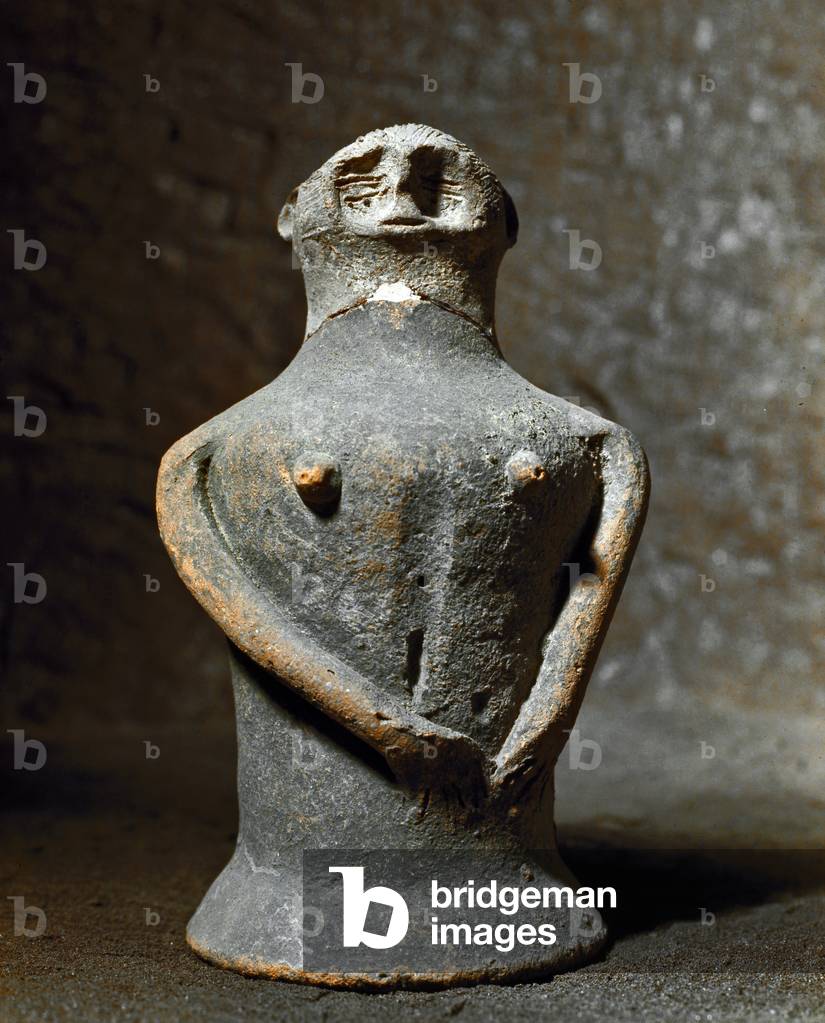
Statuette of woman, from the site of Bithia, 3rd or 2nd century BC (carved terracotta)

LRI4640245: Statuette of woman, from the site of Bithia, 3rd or 2nd century BC (carved terracotta), Carthaginian (7th-3rd century BC) / Bridgeman Images

Earth-type spaceship and exoplanet - Spaceship and Earth - like exoplanet - Artist view - Artist view

PIX4640283: Earth-type spaceship and exoplanet - Spaceship and Earth - like exoplanet - Artist view - Artist view / Bridgeman Images

Peacock butterfly of New South Wales. Handcoloured copperplate engraving from “” The Naturalist's Pocket Magazine,”” Harrison, London, 1800.

FLO4640290: Peacock butterfly of New South Wales. Handcoloured copperplate engraving from “” The Naturalist's Pocket Magazine,”” Harrison, London, 1800. / Bridgeman Images

Archegosaurus, genus of Temnospondyl amphibian, Permian. Chromolithography of F. John (series prehistoric animals of the Reichardt Cocoa Company), originally published in “Animals of the Prehistoric World”, 1910, Hamburg (Germany), text by Wilhelm Bolsche.

FLO4639863: Archegosaurus, genus of Temnospondyl amphibian, Permian. Chromolithography of F. John (series prehistoric animals of the Reichardt Cocoa Company), originally published in “Animals of the Prehistoric World”, 1910, Hamburg (Germany), text by Wilhelm Bolsche. / Bridgeman Images

Pterichthyode, genus of placoderm fish from the Devonian period. Chromolithography of F. John (series prehistoric animals of the Reichardt Cocoa Company), originally published in “Animals of the Prehistoric World”, 1910, Hamburg (Germany), text by Wilhelm Bolsche.

FLO4639873: Pterichthyode, genus of placoderm fish from the Devonian period. Chromolithography of F. John (series prehistoric animals of the Reichardt Cocoa Company), originally published in “Animals of the Prehistoric World”, 1910, Hamburg (Germany), text by Wilhelm Bolsche. / Bridgeman Images

Little brown lizard, unknown species. Illustration copied from George Edwards. Handcoloured copperplate engraving from “” The Naturalist's Pocket Magazine,”” Harrison, London, 1800.

FLO4639961: Little brown lizard, unknown species. Illustration copied from George Edwards. Handcoloured copperplate engraving from “” The Naturalist's Pocket Magazine,”” Harrison, London, 1800. / Bridgeman Images

Bengal florican, Houbaropsis bengalensis. (Indian bustard, Otis bengalensis.) Critically endangered. Illustration copied from George Edwards. Handcoloured copperplate engraving from “” The Naturalist's Pocket Magazine,”” Harrison, London, 1799.

FLO4640032: Bengal florican, Houbaropsis bengalensis. (Indian bustard, Otis bengalensis.) Critically endangered. Illustration copied from George Edwards. Handcoloured copperplate engraving from “” The Naturalist's Pocket Magazine,”” Harrison, London, 1799. / Bridgeman Images

Colony in Space - Illustration - Space colony - Illustration - Artist's view of a gigantic space station. Artist concept's of a gigantic space station

PIX4640131: Colony in Space - Illustration - Space colony - Illustration - Artist's view of a gigantic space station. Artist concept's of a gigantic space station / Bridgeman Images

Compsognathus longipes, a genus of small bipede dinosaurs of Jurassic carnivorous. Chromolithography of F. John (series prehistoric animals of the Reichardt Cocoa Company), originally published in “Animals of the Prehistoric World”, 1910, Hamburg (Germany), text by Wilhelm Bolsche.

FLO4639830: Compsognathus longipes, a genus of small bipede dinosaurs of Jurassic carnivorous. Chromolithography of F. John (series prehistoric animals of the Reichardt Cocoa Company), originally published in “Animals of the Prehistoric World”, 1910, Hamburg (Germany), text by Wilhelm Bolsche. / Bridgeman Images

View of Hobbart Town, Tasmania (Australia). Lithography for the book: “” Galerie complete en tableaux fideles des peuples d'America et d'Australia”” by Friedrich Wilhelm Goedsche (1785-1863), edition Meissen (Germany), 1835-1840.View of Hobart town, Van Diemen's Land, Tasmania, Australia. Handcoloured lithograph from Friedrich Wilhelm Goedsche's “” Vollstaendige Voelkergallerie in getreuen Abbildungen”” (Complete Gallery of Peoples in True Pictures), Meissen, circa 1835-1840.

FLO4636117: View of Hobbart Town, Tasmania (Australia). Lithography for the book: “” Galerie complete en tableaux fideles des peuples d'America et d'Australia”” by Friedrich Wilhelm Goedsche (1785-1863), edition Meissen (Germany), 1835-1840.View of Hobart town, Van Diemen's Land, Tasmania, Australia. Handcoloured lithograph from Friedrich Wilhelm Goedsche's “” Vollstaendige Voelkergallerie in getreuen Abbildungen”” (Complete Gallery of Peoples in True Pictures), Meissen, circa 1835-1840. / Bridgeman Images


Back to top