Print Friendly Version Page

2497570 Search Results

Astronauts leave for departure. STS - 120 - 10 - 2007 - STS - 120 crew on departure - Oct 2007 - In front of the right, Pamela Melroy (commander), on his left, driver George Zamka, behind him, hide, Stephanie Wilson (mission specialist), in the middle left, Daniel Tani (mission specialist), middle right, Doug Wheelock (mission specialist), Paolo Nespoli (centre), from ESA, and Scott Parazynski (mission specialist). The launch of the STS-120 mission took place on 23 October 2007. STS-120 will bring the Italian module Node 2 to the International Space Station. ESA astronaut Paolo Nespoli during the walkout of the STS - 120 crew at Nasa's Kennedy Space Center, Florida, 23 October 2007. The crew boarded the Astrovan which takes them to the launch pad where they board Space Shuttle Discovery. On the right, is Commander Pamela Melroy, with Pilot George Zamka (front left), hidden behind Mission Specialist Stephanie Wilson, Mission Specialist Daniel Tani (middle left), Mission Specialist Doug Wheelock (middle right), Paolo Nespoli (center), who represents the European Space Agency and Mission Specialist Scott Parazynski. Tani will remain on the International Space Station to join the Expedition 16 crew after the mission is complete. Launch of STS - 120 to the International Space Station is scheduled for 23 October 2007. STS - 120 will deliver the Italian - built Node 2 module to the International Space Station

PIX4648810: Astronauts leave for departure. STS - 120 - 10 - 2007 - STS - 120 crew on departure - Oct 2007 - In front of the right, Pamela Melroy (commander), on his left, driver George Zamka, behind him, hide, Stephanie Wilson (mission specialist), in the middle left, Daniel Tani (mission specialist), middle right, Doug Wheelock (mission specialist), Paolo Nespoli (centre), from ESA, and Scott Parazynski (mission specialist). The launch of the STS-120 mission took place on 23 October 2007. STS-120 will bring the Italian module Node 2 to the International Space Station. ESA astronaut Paolo Nespoli during the walkout of the STS - 120 crew at Nasa's Kennedy Space Center, Florida, 23 October 2007. The crew boarded the Astrovan which takes them to the launch pad where they board Space Shuttle Discovery. On the right, is Commander Pamela Melroy, with Pilot George Zamka (front left), hidden behind Mission Specialist Stephanie Wilson, Mission Specialist Daniel Tani (middle left), Mission Specialist Doug Wheelock (middle right), Paolo Nespoli (center), who represents the European Space Agency and Mission Specialist Scott Parazynski. Tani will remain on the International Space Station to join the Expedition 16 crew after the mission is complete. Launch of STS - 120 to the International Space Station is scheduled for 23 October 2007. STS - 120 will deliver the Italian - built Node 2 module to the International Space Station / Bridgeman Images

London Eye in London (England).

TEC4648816: London Eye in London (England). / Bridgeman Images

London Eye in London, England. Construction 2000, Marks Barfield design.

TEC4648832: London Eye in London, England. Construction 2000, Marks Barfield design. / Bridgeman Images

Decolation of space shuttle Discovery on 4 July 2006. Mission STS-121 - Decolation of the space shuttle Discovery - Decolation of the space shuttle Discovery on 4 July 2006. Mission STS-12

PIX4648907: Decolation of space shuttle Discovery on 4 July 2006. Mission STS-121 - Decolation of the space shuttle Discovery - Decolation of the space shuttle Discovery on 4 July 2006. Mission STS-12 / Bridgeman Images

Piers J. Sellers STS Extra Vehicle Exit - 121 07 - 2006 - Portrait of astronaut Piers J. Sellers during a seven-hour space trip to inspect Shuttle Discovery's thermal shield

PIX4648928: Piers J. Sellers STS Extra Vehicle Exit - 121 07 - 2006 - Portrait of astronaut Piers J. Sellers during a seven-hour space trip to inspect Shuttle Discovery's thermal shield / Bridgeman Images

Nebuleuse Ced 214 in Cephe

PIX4620727: Nebuleuse Ced 214 in Cephe / Bridgeman Images

Nebulae Ced 214 and NGC 7822 in Cephee - Nebulae Ced 214 and NGC 7822 in Cephee - Cederblad 214 and NGC 7822 are vast star-forming regions located about 2750 years away - light from Earth

PIX4620732: Nebulae Ced 214 and NGC 7822 in Cephee - Nebulae Ced 214 and NGC 7822 in Cephee - Cederblad 214 and NGC 7822 are vast star-forming regions located about 2750 years away - light from Earth / Bridgeman Images

Nebula Sh2 - 106 in the Swan - Sh2 - 106 nebula in Cygnus - Sharpless 106 (Sh2 - 106) is a star-forming region in the constellation Swan. Image obtained by the Hubble Space Telescope (HST). The bipolar star - forming region, called Sharpless 2 - 106, or S106 for short, looks like a soaring, celestial snow angel. The outstretched “” wings”” of the nebula record the contrasting imprint of heat and motion against the backdrop of a colder medium. Twin lobes of super - hot gas, glowing blue in this image, stretch outward from the central star. This hot gas creates the “” wings”” of our angel. A ring of dust and gas orbiting the star acts like a belt, cinching the expanding nebula into an “” hourglass”” shape

PIX4621001: Nebula Sh2 - 106 in the Swan - Sh2 - 106 nebula in Cygnus - Sharpless 106 (Sh2 - 106) is a star-forming region in the constellation Swan. Image obtained by the Hubble Space Telescope (HST). The bipolar star - forming region, called Sharpless 2 - 106, or S106 for short, looks like a soaring, celestial snow angel. The outstretched “” wings”” of the nebula record the contrasting imprint of heat and motion against the backdrop of a colder medium. Twin lobes of super - hot gas, glowing blue in this image, stretch outward from the central star. This hot gas creates the “” wings”” of our angel. A ring of dust and gas orbiting the star acts like a belt, cinching the expanding nebula into an “” hourglass”” shape / Bridgeman Images

Nebula Sh2 - 155 in Cephee - The Cave Nebula The north is at top. The Cave Nebula is a faint region of Hii emission and surrounding dust in Cepheus constellation. This area is rich of colours and fine details. The central “” cave - like”” structure name the nebula, but notice also the subtle patch of blue reflection nebulosity all around in the field. The star colors are also beautiful, which adds a nice touch to this celestial field. This image is based on data acquired by the Oschin Telescope at the Mount Palomar Observatory

PIX4621062: Nebula Sh2 - 155 in Cephee - The Cave Nebula The north is at top. The Cave Nebula is a faint region of Hii emission and surrounding dust in Cepheus constellation. This area is rich of colours and fine details. The central “” cave - like”” structure name the nebula, but notice also the subtle patch of blue reflection nebulosity all around in the field. The star colors are also beautiful, which adds a nice touch to this celestial field. This image is based on data acquired by the Oschin Telescope at the Mount Palomar Observatory / Bridgeman Images

Nebuleuse Sh2 - 155 in Cephee - Nebuleuse Sh2 - 155 in Cephee - Star formation region located 2900 years - Earth light

PIX4621108: Nebuleuse Sh2 - 155 in Cephee - Nebuleuse Sh2 - 155 in Cephee - Star formation region located 2900 years - Earth light / Bridgeman Images

Nebula Sh2 - 261 in Orion - Image based on data obtained with the Oschin telescope of Mount Palomar

PIX4621118: Nebula Sh2 - 261 in Orion - Image based on data obtained with the Oschin telescope of Mount Palomar / Bridgeman Images

Nebulae B175 and VDB 152 in Cephee - Nebulae B175 and VDB 152 in Cephee - In the center of the picture, a large dust trail leads to a blue nebula. This is the dark nebula, Barnard 175, which coaches the nebula by reflexion VDB 152 (Ced 201). The image is oriented with the North on the left. Image obtained with Takahashi 180 Astrograph telescope and Apogee U9 camera

PIX4621233: Nebulae B175 and VDB 152 in Cephee - Nebulae B175 and VDB 152 in Cephee - In the center of the picture, a large dust trail leads to a blue nebula. This is the dark nebula, Barnard 175, which coaches the nebula by reflexion VDB 152 (Ced 201). The image is oriented with the North on the left. Image obtained with Takahashi 180 Astrograph telescope and Apogee U9 camera / Bridgeman Images

Dark Nebula of the Snake (B72) in Ophiuchu

PIX4621305: Dark Nebula of the Snake (B72) in Ophiuchu / Bridgeman Images

Nebulae LBN 552 and Cohen 129 - Nebulae LBN 552 and Cohen 129 in Cepheus - Nebulae in the constellation Cephee. This region in Cepheus does offer delicate reflection nebulae that have been cataloged by Beverly T. Lynds, University of Arizona, in 1965. This catalog was made from studying the red and blue plates taken by the 48 - inch Palomar Sky Survey. Cohen 129 is the small yellow nebula just slightly up of center

PIX4621422: Nebulae LBN 552 and Cohen 129 - Nebulae LBN 552 and Cohen 129 in Cepheus - Nebulae in the constellation Cephee. This region in Cepheus does offer delicate reflection nebulae that have been cataloged by Beverly T. Lynds, University of Arizona, in 1965. This catalog was made from studying the red and blue plates taken by the 48 - inch Palomar Sky Survey. Cohen 129 is the small yellow nebula just slightly up of center / Bridgeman Images

Space telescope TPF - Illustration - Space telescope TPF - Illustration - Space telescope project consists of several telescopes measuring 3 to 4m in diameter observing in infrared and operating in interferometry. The objective of this project is to detect planets outside our solar system, similar to Earth. This interferometer will also be supported by a telescope of 4 to 6m diameter equipped with a coronographer (not shown in this illustration)

PIX4645934: Space telescope TPF - Illustration - Space telescope TPF - Illustration - Space telescope project consists of several telescopes measuring 3 to 4m in diameter observing in infrared and operating in interferometry. The objective of this project is to detect planets outside our solar system, similar to Earth. This interferometer will also be supported by a telescope of 4 to 6m diameter equipped with a coronographer (not shown in this illustration) / Bridgeman Images

Mirror of the Herschel satellite - Herschel spacecraft's mirror - Inspection of the mirror of the European Herschel satellite. The Herschel Space Observatory, scheduled to launch in 2009, will study in the infrared the formation of galaxies, stars and planetary systems. This satellite measures nearly 7 metres high by 4.3 metres wide and weighs 3.25 tonnes. Its telescope has a 3.5-meter mirror, making it the largest mirror ever made for a scientific space mission. Herschel will orbit around Lagrange 2, approximately 1.5 million kilometres from Earth. The gigantic telescope of ESA's space - based infrared observatory, Herschel, is being prepared to be assembled with its spacecraft. Herschel's telescope, which will carry the largest mirror ever flown in space, has been delivered to ESA's European Space Research and Technology Centre, ESTEC, where engineers and scientists are busy with the final steps that will prepare the infrared observatory for launch in 2009. ESA's Herschel Space Observatory will observe at wavelengths never covered before. It will be located 1.5 million kilometers away from Earth, farther than any previous space telescope

PIX4646096: Mirror of the Herschel satellite - Herschel spacecraft's mirror - Inspection of the mirror of the European Herschel satellite. The Herschel Space Observatory, scheduled to launch in 2009, will study in the infrared the formation of galaxies, stars and planetary systems. This satellite measures nearly 7 metres high by 4.3 metres wide and weighs 3.25 tonnes. Its telescope has a 3.5-meter mirror, making it the largest mirror ever made for a scientific space mission. Herschel will orbit around Lagrange 2, approximately 1.5 million kilometres from Earth. The gigantic telescope of ESA's space - based infrared observatory, Herschel, is being prepared to be assembled with its spacecraft. Herschel's telescope, which will carry the largest mirror ever flown in space, has been delivered to ESA's European Space Research and Technology Centre, ESTEC, where engineers and scientists are busy with the final steps that will prepare the infrared observatory for launch in 2009. ESA's Herschel Space Observatory will observe at wavelengths never covered before. It will be located 1.5 million kilometers away from Earth, farther than any previous space telescope / Bridgeman Images

Satellite Herschel - Illustration - Artist's view of the European satellite Herschel. The Herschel Space Observatory, scheduled to launch in 2009, will study in the infrared the formation of galaxies, stars and planetary systems. This satellite measures nearly 7 metres high by 4.3 metres wide and weighs 3.25 tonnes. Its telescope has a 3.5-meter mirror, making it the largest mirror ever made for a scientific space mission. Herschel will orbit around Lagrange 2, approximately 1.5 million kilometres from Earth. ESA's Herschel Space Observatory (formerly called Far Infrared and Submillimetre Telescope or FIRST) will solve the mystery of how stars and galaxies were born. Objects such as other planetary systems, or processes like the birth of galaxies in the early universe, can best be studied with infrared space telescopes in space. This is the reason for Esa's Herschel. ESA's Herschel Space Observatory will be bigger and better than any of its predecessors. Moreover, it will observe at wavelengths never covered before. It will be located 1.5 million kilometers away from Earth, farther than any previous space telescope. Due for launch in 2009, Herschel is one the Cornerstone missions ESA's Horizons 2000 programme. Herschel is a key project space astronomy in the next millennium

PIX4646142: Satellite Herschel - Illustration - Artist's view of the European satellite Herschel. The Herschel Space Observatory, scheduled to launch in 2009, will study in the infrared the formation of galaxies, stars and planetary systems. This satellite measures nearly 7 metres high by 4.3 metres wide and weighs 3.25 tonnes. Its telescope has a 3.5-meter mirror, making it the largest mirror ever made for a scientific space mission. Herschel will orbit around Lagrange 2, approximately 1.5 million kilometres from Earth. ESA's Herschel Space Observatory (formerly called Far Infrared and Submillimetre Telescope or FIRST) will solve the mystery of how stars and galaxies were born. Objects such as other planetary systems, or processes like the birth of galaxies in the early universe, can best be studied with infrared space telescopes in space. This is the reason for Esa's Herschel. ESA's Herschel Space Observatory will be bigger and better than any of its predecessors. Moreover, it will observe at wavelengths never covered before. It will be located 1.5 million kilometers away from Earth, farther than any previous space telescope. Due for launch in 2009, Herschel is one the Cornerstone missions ESA's Horizons 2000 programme. Herschel is a key project space astronomy in the next millennium / Bridgeman Images

SolarMax Satellite Repair Mission 04/1984 - Solar Maximum Mission repair 04/1984 - View of astronaut James Van Hoften in space shuttle Challenger hold. The astronaut participates in an extravehicular excursion to repair the Solar Max satellite (Solar Maximum Mission or SMM). 11 April 1984. Wide angle view of mission specialist James D. van Hoften participating in an extravehicular activity (EVA) to repair the “” captured” Solar Maximum Mission Satellite (SMMS) in the aft end of the Challenger's cargo bay. Astronaut van Hoften is standing in the payload bay facing the camera. The Solar SMMS is behind him. To the right of the photo is the remote manipulator system (RMS) arm used to capture the satellite. Behind the orbiter is a view of the cloudy earth. 11/04/198

PIX4646376: SolarMax Satellite Repair Mission 04/1984 - Solar Maximum Mission repair 04/1984 - View of astronaut James Van Hoften in space shuttle Challenger hold. The astronaut participates in an extravehicular excursion to repair the Solar Max satellite (Solar Maximum Mission or SMM). 11 April 1984. Wide angle view of mission specialist James D. van Hoften participating in an extravehicular activity (EVA) to repair the “” captured” Solar Maximum Mission Satellite (SMMS) in the aft end of the Challenger's cargo bay. Astronaut van Hoften is standing in the payload bay facing the camera. The Solar SMMS is behind him. To the right of the photo is the remote manipulator system (RMS) arm used to capture the satellite. Behind the orbiter is a view of the cloudy earth. 11/04/198 / Bridgeman Images

Crew STS - 1 in training 04/1979 - STS - 1 crew in training - John Young and Robert Crippen during the prealable tests for the first test flight of the shuttle in orbit scheduled for the following year. April 1979. John Young and Robert Crippen preview some of the intravehicular activity expected to take place during Nasa's first Shuttle orbiter flight test. Apr 1979

PIX4646427: Crew STS - 1 in training 04/1979 - STS - 1 crew in training - John Young and Robert Crippen during the prealable tests for the first test flight of the shuttle in orbit scheduled for the following year. April 1979. John Young and Robert Crippen preview some of the intravehicular activity expected to take place during Nasa's first Shuttle orbiter flight test. Apr 1979 / Bridgeman Images

Decolation of the shuttle Columbia STS-1 for its first flight into orbit. 12/04/1981. - Decolation of the shuttle Columbia STS-1 for its first flight into orbit. 12/04/1981

PIX4646541: Decolation of the shuttle Columbia STS-1 for its first flight into orbit. 12/04/1981. - Decolation of the shuttle Columbia STS-1 for its first flight into orbit. 12/04/1981 / Bridgeman Images

Launch of the Space Shuttle Discovery STS - 26. 29/09/1988 - Launch of the Space Shuttle Discovery STS - 26 09/1988 - Launch of the Space Shuttle Discovery STS - 26 and its five man crew from Pad 39 - B. Sep 29 1988

PIX4646738: Launch of the Space Shuttle Discovery STS - 26. 29/09/1988 - Launch of the Space Shuttle Discovery STS - 26 09/1988 - Launch of the Space Shuttle Discovery STS - 26 and its five man crew from Pad 39 - B. Sep 29 1988 / Bridgeman Images

Astronauts in the shuttle Atlantis - 12/1988 - Astronauts in Space Shuttle Atlantis. December 1988 - Astronauts William Shepherd (upstairs) and Guy Gardner float in the space shuttle Atlantis (Mission STS-27). December 1988. Astronauts William M. Shepherd (top), mission specialist, and Guy S. Gardner, pilot, float on the middeck of the Earth - orbiting Space Shuttle Atlantis. Sleep stations are seen in the background. Just above Shepherd's head is part of the new escape pole that will be on each craft in the shuttle fleet, an added element following the Challenger accident of January 1986. Shepherd is strapped to a chair which floats with him

PIX4646783: Astronauts in the shuttle Atlantis - 12/1988 - Astronauts in Space Shuttle Atlantis. December 1988 - Astronauts William Shepherd (upstairs) and Guy Gardner float in the space shuttle Atlantis (Mission STS-27). December 1988. Astronauts William M. Shepherd (top), mission specialist, and Guy S. Gardner, pilot, float on the middeck of the Earth - orbiting Space Shuttle Atlantis. Sleep stations are seen in the background. Just above Shepherd's head is part of the new escape pole that will be on each craft in the shuttle fleet, an added element following the Challenger accident of January 1986. Shepherd is strapped to a chair which floats with him / Bridgeman Images

Saint James Park to London (United Kingdom).

TEC4649028: Saint James Park to London (United Kingdom). / Bridgeman Images

Astronauts in Weighttlessness 06/2008 - Astronauts in Weighttlessness - 06/2008 - Astronauts from STS-124 and Expedition 17 meet to share a meal on board the Space Shuttle Discovery. From the bottom left, Mark Kelly, Sergei Volkov, Garrett Reisman, Oleg Kononenko, Greg Chamitoff, Mike Fossum, Akihiko Hoshide, Karen Nyberg, and Ken Ham. 8 June 2008. A “” fish - eye”” lens on a digital still camera was used to record this image of the STS - 124 and Expedition 17 crewmembers as they share a meal on the middeck of the Space Shuttle Discovery while docked with the International Space Station. Pictured counter - clockwise (from the left bottom) are NASA astronauts Mark Kelly, STS - 124 commander; Russian Federal Space Agency cosmonaut Sergei Volkov, Expedition 17 commander; NASA astronaut Garrett Reisman, STS - 124 mission specialist; Russian Federal Space Agency cosmonaut Oleg Kononenko; NASA astronauts Greg Chamitoff, both Expedition 17 flight engineers; NASA astronaut Mike Fossum, Japan Aerospace Exploration Agency (JAXA) astronaut Akihiko Hoshide, NASA astronaut Karen Nyberg, all STS - 124 mission specialists; and NASA astronaut Ken Ham, STS - 124 pilot. 8 June 2008

PIX4649059: Astronauts in Weighttlessness 06/2008 - Astronauts in Weighttlessness - 06/2008 - Astronauts from STS-124 and Expedition 17 meet to share a meal on board the Space Shuttle Discovery. From the bottom left, Mark Kelly, Sergei Volkov, Garrett Reisman, Oleg Kononenko, Greg Chamitoff, Mike Fossum, Akihiko Hoshide, Karen Nyberg, and Ken Ham. 8 June 2008. A “” fish - eye”” lens on a digital still camera was used to record this image of the STS - 124 and Expedition 17 crewmembers as they share a meal on the middeck of the Space Shuttle Discovery while docked with the International Space Station. Pictured counter - clockwise (from the left bottom) are NASA astronauts Mark Kelly, STS - 124 commander; Russian Federal Space Agency cosmonaut Sergei Volkov, Expedition 17 commander; NASA astronaut Garrett Reisman, STS - 124 mission specialist; Russian Federal Space Agency cosmonaut Oleg Kononenko; NASA astronauts Greg Chamitoff, both Expedition 17 flight engineers; NASA astronaut Mike Fossum, Japan Aerospace Exploration Agency (JAXA) astronaut Akihiko Hoshide, NASA astronaut Karen Nyberg, all STS - 124 mission specialists; and NASA astronaut Ken Ham, STS - 124 pilot. 8 June 2008 / Bridgeman Images

The telecommunications tower in London (Great Britain).

TEC4649088: The telecommunications tower in London (Great Britain). / Bridgeman Images

The docks in London (England).

TEC4649182: The docks in London (England). / Bridgeman Images

Landing of Shuttle Endeavour 07/2009 - Landing of Space Shuttle Endeavour in July 2009 - Landing of Shuttle Endeavour in the Kennedy Space Center on 31 July 2009, with seven astronauts from the STS-127 mission on board. Space Shuttle Endeavour approaches landing Runway 15 of the Shuttle Landing Facility at Nasa's Kennedy Space Center, concluding the 16 - day, 6.5 million mile journey on the STS - 127 mission to the International Space Station. Onboard are NASA astronauts Mark Polansky, commander; Doug Hurley, pilot; Christopher Cassidy, Tom Marshburn, Dave Wolf, Canadian Space Agency astronaut Julie Payette and Japan Aerospace Exploration Agency (JAXA) astronaut Koichi Wakata, all mission specialists. Main gear touchdown was at 10:48:08 a.m. (EDT) on July 31, 2009. Nose gear touchdown was at 10:48:21 a.m. and wheels stop was at 10:49:13 a.m. Endeavour delivered the Japanese Experiment Model's Exposed Facility and the Experiment Logistics Module - Exposed Section to the station. The mission was the 29th flight to the station, the 23rd flight of Endeavour and the 127th in the Space Shuttle Program, as well as the 71st landing at Kennedy

PIX4649214: Landing of Shuttle Endeavour 07/2009 - Landing of Space Shuttle Endeavour in July 2009 - Landing of Shuttle Endeavour in the Kennedy Space Center on 31 July 2009, with seven astronauts from the STS-127 mission on board. Space Shuttle Endeavour approaches landing Runway 15 of the Shuttle Landing Facility at Nasa's Kennedy Space Center, concluding the 16 - day, 6.5 million mile journey on the STS - 127 mission to the International Space Station. Onboard are NASA astronauts Mark Polansky, commander; Doug Hurley, pilot; Christopher Cassidy, Tom Marshburn, Dave Wolf, Canadian Space Agency astronaut Julie Payette and Japan Aerospace Exploration Agency (JAXA) astronaut Koichi Wakata, all mission specialists. Main gear touchdown was at 10:48:08 a.m. (EDT) on July 31, 2009. Nose gear touchdown was at 10:48:21 a.m. and wheels stop was at 10:49:13 a.m. Endeavour delivered the Japanese Experiment Model's Exposed Facility and the Experiment Logistics Module - Exposed Section to the station. The mission was the 29th flight to the station, the 23rd flight of Endeavour and the 127th in the Space Shuttle Program, as well as the 71st landing at Kennedy / Bridgeman Images

Greenwich Millenium Villages in London (Great Britain). Construction 2002, architect Proctor Matthews. Photography 10/04/03.

TEC4649267: Greenwich Millenium Villages in London (Great Britain). Construction 2002, architect Proctor Matthews. Photography 10/04/03. / Bridgeman Images
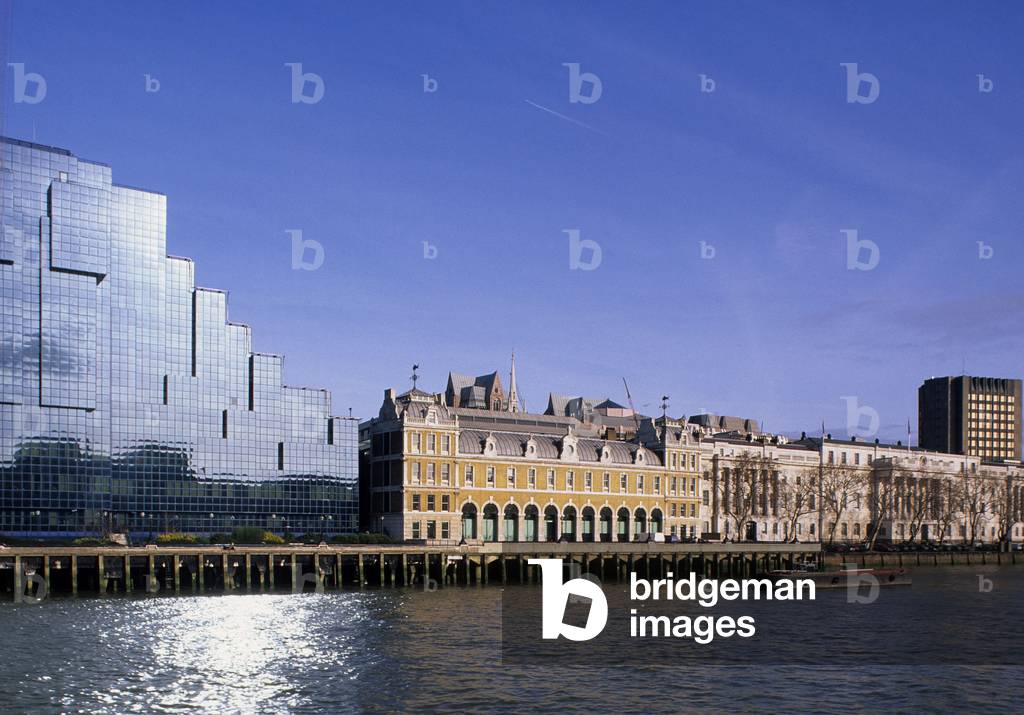
The docks in London (England).

TEC4649392: The docks in London (England). / Bridgeman Images
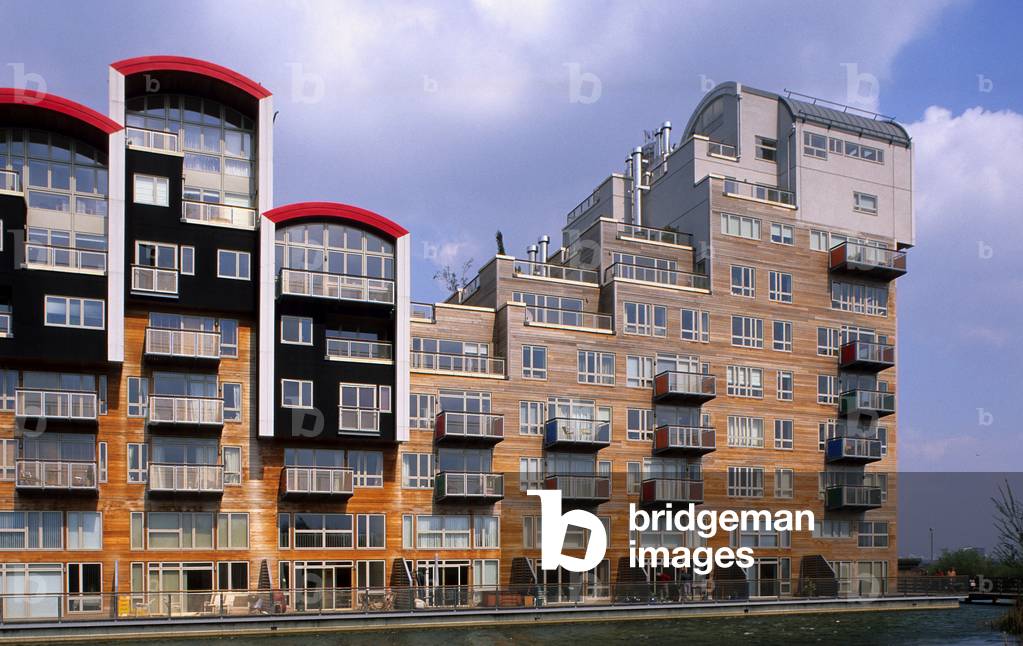
Greenwich Millenium Villages in London (England). Realisation 2002, architect Proctor Matthews. Photography 10/04/03.

TEC4649414: Greenwich Millenium Villages in London (England). Realisation 2002, architect Proctor Matthews. Photography 10/04/03. / Bridgeman Images

Atlantis Approaching Space Station 05/2010 - Atlantis Approaching the International Space Station 05/2010 - Atlantis Shuttle seen from the International Space Station (ISS) May 16, 2010. Last mission of the Atlantis shuttle. Backdropped by a colorful Earth, space shuttle Atlantis is featured in this image photographed by an Expedition 23 crew member as the shuttle approaches the International Space Station during STS - 132 rendezvous and docking operations. Docking occurred at 9:28 a.m. (CDT) on May 16, 2010

PIX4649445: Atlantis Approaching Space Station 05/2010 - Atlantis Approaching the International Space Station 05/2010 - Atlantis Shuttle seen from the International Space Station (ISS) May 16, 2010. Last mission of the Atlantis shuttle. Backdropped by a colorful Earth, space shuttle Atlantis is featured in this image photographed by an Expedition 23 crew member as the shuttle approaches the International Space Station during STS - 132 rendezvous and docking operations. Docking occurred at 9:28 a.m. (CDT) on May 16, 2010 / Bridgeman Images

Atlantis Shuttle from ISS 05/2010 - Atlantis leaves the International Space Station - 05/2010 - Atlantis Space Shuttle before returning to Earth, seen from the International Space Station (ISS) on May 23, 2010. Space shuttle Atlantis is featured in this image photographed by an Expedition 23 crew member on the International Space Station soon after the shuttle and station began their post - undocking relative separation. Undocking of the two spacecraft occurred at 10:22 a.m. (CDT) on May 23, 2010, ending a seven - day stay that saw the addition of a new station module, replacement of batteries and resupply of the orbiting outpost

PIX4649505: Atlantis Shuttle from ISS 05/2010 - Atlantis leaves the International Space Station - 05/2010 - Atlantis Space Shuttle before returning to Earth, seen from the International Space Station (ISS) on May 23, 2010. Space shuttle Atlantis is featured in this image photographed by an Expedition 23 crew member on the International Space Station soon after the shuttle and station began their post - undocking relative separation. Undocking of the two spacecraft occurred at 10:22 a.m. (CDT) on May 23, 2010, ending a seven - day stay that saw the addition of a new station module, replacement of batteries and resupply of the orbiting outpost / Bridgeman Images

Decolving the shuttle Discovery 02/2011 - Launch of Shuttle Discovery STS - 133. 02/2011 - Decolving the shuttle Discovery (mission STS - 133) with a crew of six astronauts on board as well as Robonaut2. This mission is the 33rd and last mission of the Shuttle Discovery. 24/02/2011. Space shuttle Discovery lifts off Launch Pad 39A at Nasa's Kennedy Space Center in Florida on a late February afternoon. Launch of the STS - 133 mission was at 4:53 p.m. EST on Feb. 24. Discovery and its six - member crew are on a mission to deliver the Permanent Multipurpose Module, packed with supplies and critical spare parts, as well as Robonaut 2, the dexterous humanoid astronaut helper, to the International Space Station. Discovery is making its 39th mission and is scheduled to be retired following STS-133. This is the 133rd Space Shuttle Program mission and the 35th shuttle voyage to the space station

PIX4649514: Decolving the shuttle Discovery 02/2011 - Launch of Shuttle Discovery STS - 133. 02/2011 - Decolving the shuttle Discovery (mission STS - 133) with a crew of six astronauts on board as well as Robonaut2. This mission is the 33rd and last mission of the Shuttle Discovery. 24/02/2011. Space shuttle Discovery lifts off Launch Pad 39A at Nasa's Kennedy Space Center in Florida on a late February afternoon. Launch of the STS - 133 mission was at 4:53 p.m. EST on Feb. 24. Discovery and its six - member crew are on a mission to deliver the Permanent Multipurpose Module, packed with supplies and critical spare parts, as well as Robonaut 2, the dexterous humanoid astronaut helper, to the International Space Station. Discovery is making its 39th mission and is scheduled to be retired following STS-133. This is the 133rd Space Shuttle Program mission and the 35th shuttle voyage to the space station / Bridgeman Images

Shuttle Endeavour landing 06/2011 - Space Shuttle Endeavour landing 06/2011 - Shuttle Endeavour landing at Kennedy Space Center. Mission STS-134, 1 June 2011. Space shuttle Endeavour approaches Runway 15 on the Shuttle Landing Facility at Nasa's Kennedy Space Center in Florida for the final time. Main gear touchdown was at 2:34:51 a.m. (EDT) on June 1, 2011, followed by nose gear touchdown at 2:35:04 a.m., and wheelstop at 2:35:36 a.m. Onboard are NASA astronauts Mark Kelly, STS - 134 commander; Greg H. Johnson, pilot; Michael Fincke, Andrew Feustel, Greg Chamitoff and European Space Agency astronaut Roberto Vittori, all mission specialists. STS-134 delivered the Alpha Magnetic Spectrometer - 2 (AMS) and the Express Logistics Carrier - 3 (ELC-3) to the International Space Station. AMS will help researchers understand the origin of the universe and search for evidence of dark matter, strange matter and antimatter from the station. ELC - 3 carried spare parts that will sustain station operations once the shuttles are retired from service. STS - 134 was the 25th and final flight for Endeavour, which has spent 299 days in space, orbited Earth 4,671 times and traveled 122,883,151 miles

PIX4649669: Shuttle Endeavour landing 06/2011 - Space Shuttle Endeavour landing 06/2011 - Shuttle Endeavour landing at Kennedy Space Center. Mission STS-134, 1 June 2011. Space shuttle Endeavour approaches Runway 15 on the Shuttle Landing Facility at Nasa's Kennedy Space Center in Florida for the final time. Main gear touchdown was at 2:34:51 a.m. (EDT) on June 1, 2011, followed by nose gear touchdown at 2:35:04 a.m., and wheelstop at 2:35:36 a.m. Onboard are NASA astronauts Mark Kelly, STS - 134 commander; Greg H. Johnson, pilot; Michael Fincke, Andrew Feustel, Greg Chamitoff and European Space Agency astronaut Roberto Vittori, all mission specialists. STS-134 delivered the Alpha Magnetic Spectrometer - 2 (AMS) and the Express Logistics Carrier - 3 (ELC-3) to the International Space Station. AMS will help researchers understand the origin of the universe and search for evidence of dark matter, strange matter and antimatter from the station. ELC - 3 carried spare parts that will sustain station operations once the shuttles are retired from service. STS - 134 was the 25th and final flight for Endeavour, which has spent 299 days in space, orbited Earth 4,671 times and traveled 122,883,151 miles / Bridgeman Images

Formation d'étoiles dans la Carene - Star formation in Carina - Region de formation d'étoiles CED 110 dans la Carene. Star - forming region CED 110 in Carina

PIX4621453: Formation d'étoiles dans la Carene - Star formation in Carina - Region de formation d'étoiles CED 110 dans la Carene. Star - forming region CED 110 in Carina / Bridgeman Images

Discovery Shuttle Discovery 04/1990 - Launch of Shuttle Discovery STS - 31. Apr 24 1990 - Decolving the Discovery shuttle (STS-31 mission) with Loren Shriver, Charles Bolden, Steven Hawley, Bruce McCandless and Kathryn Sullivan and the Hubble telescope. In the foreground, the Columbia shuttle is on its fire pad. 24/04/1990. The Space Shuttle Columbia on Pad 39A “” watches”” the picture - perfect ascent of sister ship Discovery after liftoff of STS - 31. This was the first time since January 1986 that there was a Shuttle on each pad, which are separated by 1.6 miles. Discovery, carrying a five - member crew and the Hubble SpaceTelescope, lifted off at 8:34 EDT, April 24. Columbia, with its Astro - 1 observatory, is scheduled for launch in May

PIX4646805: Discovery Shuttle Discovery 04/1990 - Launch of Shuttle Discovery STS - 31. Apr 24 1990 - Decolving the Discovery shuttle (STS-31 mission) with Loren Shriver, Charles Bolden, Steven Hawley, Bruce McCandless and Kathryn Sullivan and the Hubble telescope. In the foreground, the Columbia shuttle is on its fire pad. 24/04/1990. The Space Shuttle Columbia on Pad 39A “” watches”” the picture - perfect ascent of sister ship Discovery after liftoff of STS - 31. This was the first time since January 1986 that there was a Shuttle on each pad, which are separated by 1.6 miles. Discovery, carrying a five - member crew and the Hubble SpaceTelescope, lifted off at 8:34 EDT, April 24. Columbia, with its Astro - 1 observatory, is scheduled for launch in May / Bridgeman Images


Back to top